
Diving at Igloo (Kenya)
Divers comfortable with moderate currents will appreciate Igloo, a distinct fringing reef site off Diani. This location presents a unique underwater observatory, offering varied topography and marine interactions. Its maximum depth typically reaches 20-22 m (65-72 ft), making it suitable for Open Water certified divers with some experience navigating currents. Preparation for changeable conditions will enhance your dive.
As evening covers Igloo, the local air temperature is measured at 22.5°C. The current wave height at the surface is recorded at 1.7 m. These late-day readings characterize the surface conditions for the night.
Dive Site Location & Key Facts
Dive Site Overview
Igloo presents a distinctive dive experience, centered around the wreck of a disused underwater observatory sitting on a sandy bottom. This structure, sometimes likened to an Inuit settlement or even a 'Death Star,' rests at a maximum depth of around 20 m (65 ft).
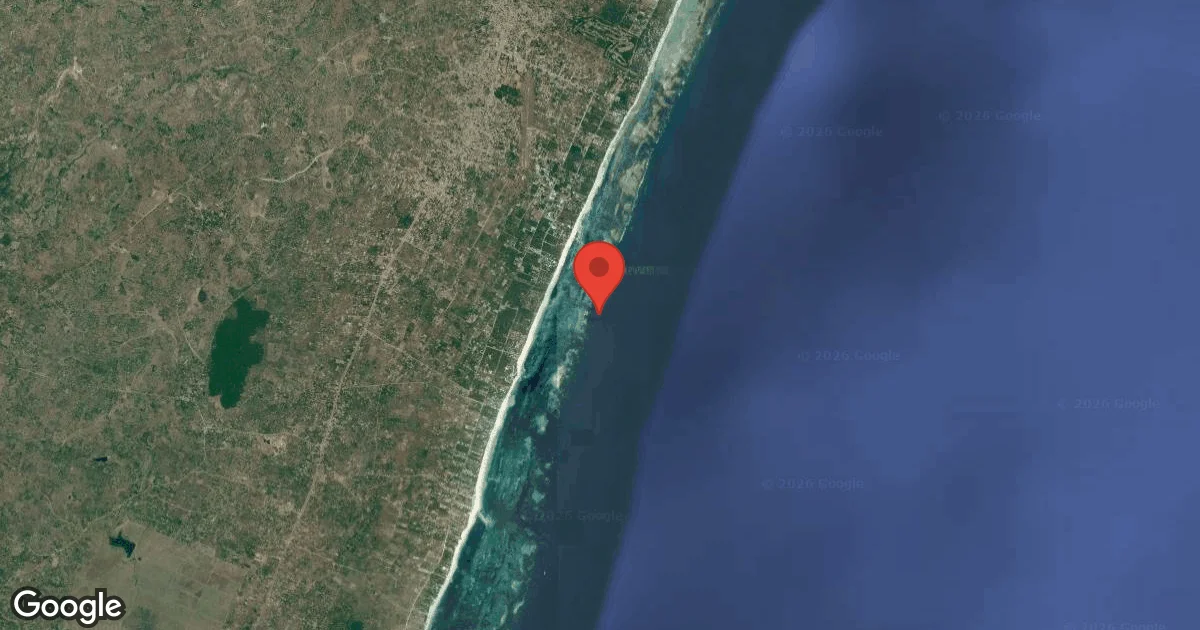
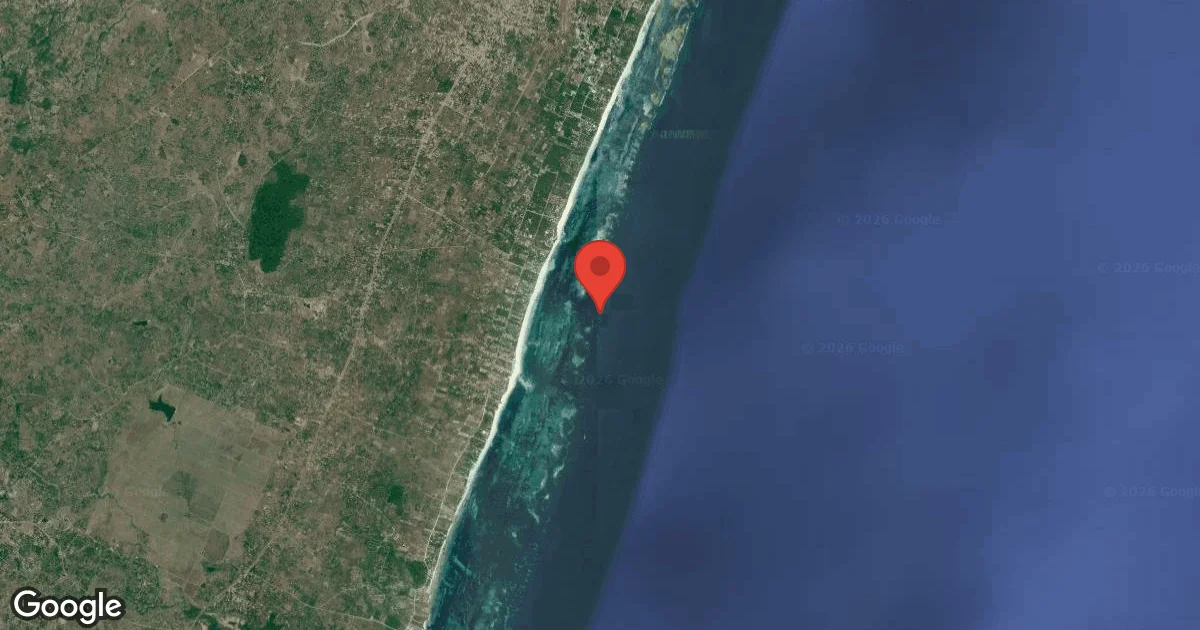
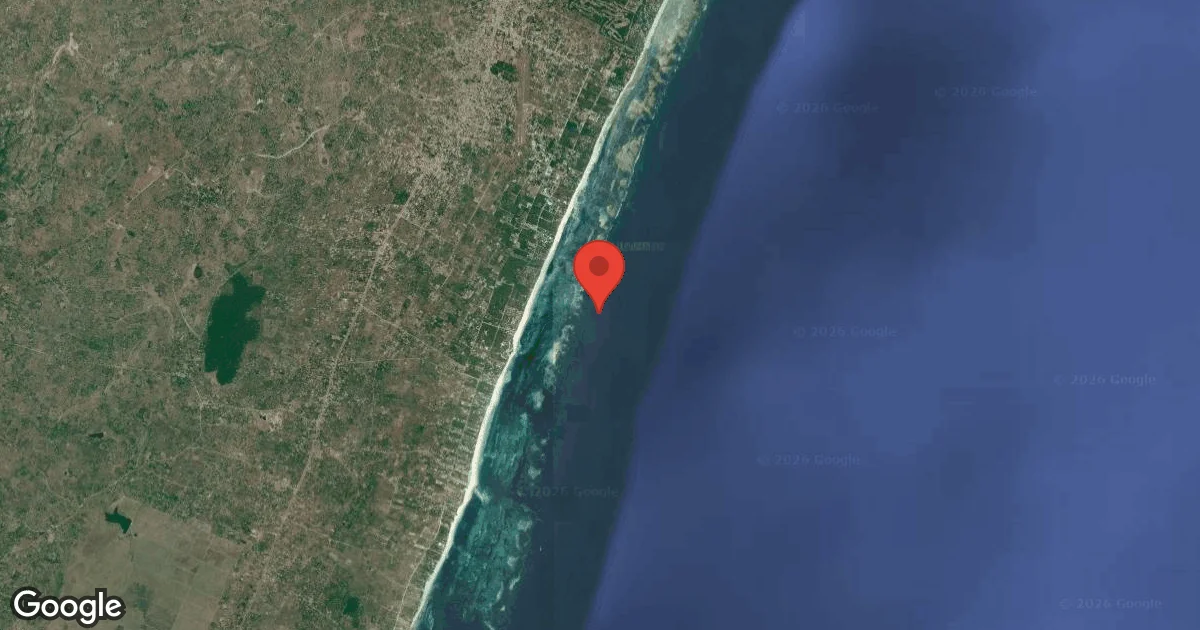
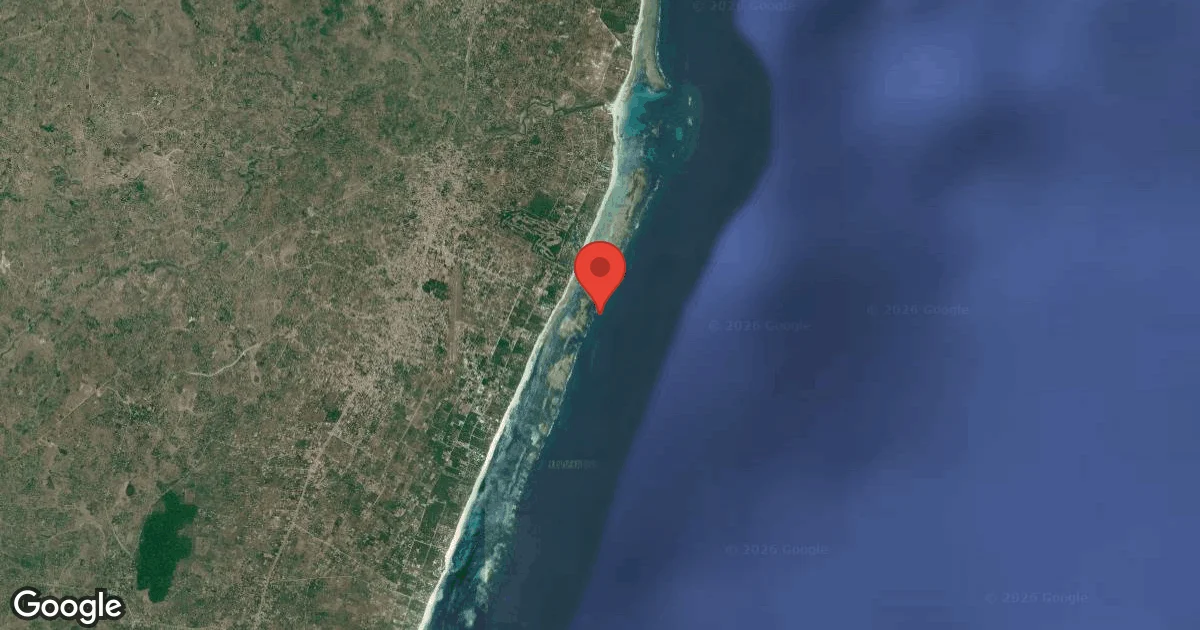
A short boat ride from central Diani takes you to this site, which is characterized by a sloping fringing reef that begins around 10-12 m (33-39 ft) with a prominent coral plateau. Below the plateau, the reef transitions to a sandy base around 22 m (72 ft). Coral bommies, shaped like igloos, are covered in hard corals and sponges, providing shelter for numerous reef species.
These formations create inviting swim-throughs and offer unique angles for underwater photography. The site's blend of natural coral architecture and the intriguing observatory wreck makes it a compelling destination for divers seeking both structure and marine biodiversity.
Conditions are Moderate
Optimal conditions expected
Current conditions near Igloo show 23° air, 28° sea temperature, 1.9 m waves, and 28 km/h wind. Forecast data is refreshed regularly to ensure accuracy.
Best Time to Dive
Planning a trip to Igloo will find conditions most favorable during months with higher dive scores. The months of March, July through November, and December through February typically offer good to excellent diving conditions, with dive scores frequently rated 7 or 8. During these periods, average air temperatures range between 24.5°C (76°F) and 28°C (82°F), ensuring comfortable surface intervals. Rainfall tends to be lower, particularly from January to March and July to September, which generally correlates with better visibility and calmer seas. While diving is possible year-round, May and June are sometimes rated as 'Moderate' due to potentially increased wave heights and wind speeds, though still offering worthwhile experiences for many divers.
PEAK SEASON SCORE
Scores combine air & water temps, waves, wind & rainfall for overall conditions.
BEST MONTHS TO DIVE
Monthly records compiled from satellite and marine observation nodes over the last 3 years. Data provided by Open-Meteo and MET Norway.
Dive Experience & Conditions
Navigating the Igloo dive site provides a varied sensory experience, often influenced by the local current patterns. Currents here can be moderate, a key consideration for divers planning their approach. Visibility is often clear, especially during morning dives, enhancing the site's appeal for photographers. The reef top starts around 10-12 meters, transitioning into deeper sections, with a sand base settling at 22 meters. Water temperatures are not consistently reported but generally align with regional averages for tropical waters, ensuring a comfortable dive in typically warm conditions. Expect to follow the reef's natural slope, exploring coral formations before reaching the observatory wreck.
Dive Difficulty & Safety Guidelines
Ensuring a safe dive at Igloo involves careful attention to current conditions, as they can be moderate. Always consult with your local dive operator for a current briefing, as conditions can change rapidly. Maintaining good buoyancy control is essential to protect delicate coral formations and navigate any swim-throughs without disturbance.
Given the maximum depth of 22 meters, proper air management and no-decompression limits should be carefully monitored. A surface marker buoy (SMB) is a practical piece of equipment to carry, particularly if planning a drift dive or in areas with potential boat traffic. Staying within recreational depth limits and diving with a buddy are fundamental safety practices.
Recommended Equipment
- Dive Computer
- DSMB
This gear list is based on verified equipment signals for Igloo, Kenya. Always confirm final gear choices with your dive operator, guide, or liveaboard.
Recommended Dive Suit
For many recreational divers, 2-3mm shorty or light wetsuit provides a practical level of insulation in these conditions. Surface intervals may feel cooler. Divers who tend to get cold easily may prefer slightly thicker exposure protection.
The waters surrounding Igloo are currently maintaining temperatures close to 28°C (82°F). Surface air temperatures are resting at 23°C (73°F).
Temperatures look set to gradually increase over the next several days. A warming trend is expected over the next few days.
Due to technical issues with our weather providers, live updates are temporarily delayed. The data above reflects the conditions at the time of the last successful fetch.
Emergency & Medical Support
Essential information to help you plan your dive trip to Igloo.

Hyperbaric chambers are a critical part of dive safety infrastructure. Availability varies significantly by region, and not all dive areas have immediate access.
Before diving, it's recommended to:
- confirm nearest medical facilities
- check emergency procedures with local dive operators
- ensure dive insurance covers evacuation if required
Divers Alert Network
Diving emergency assistance available through DAN Southern Africa.
+27828106010- 24/7 emergency hotline
- Diving medical assistance
- Evacuation coordination
Emergency contacts are provided for reference. Always verify local emergency services before diving.
Marine Life at Igloo
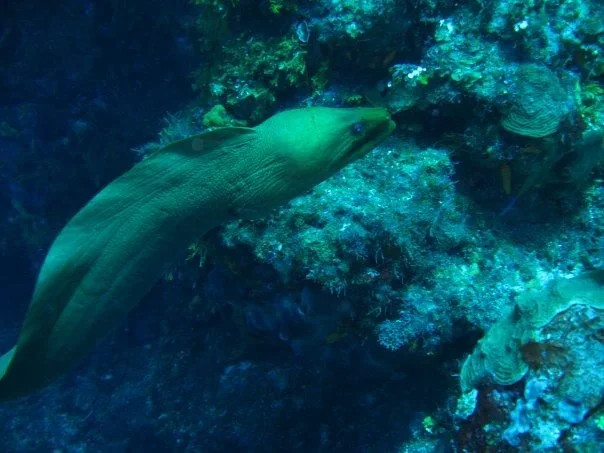
The vibrant marine life at Igloo thrives within its varied structures, offering numerous sightings. Moray eels are a common presence, often peeking from crevices within the coral bommies.
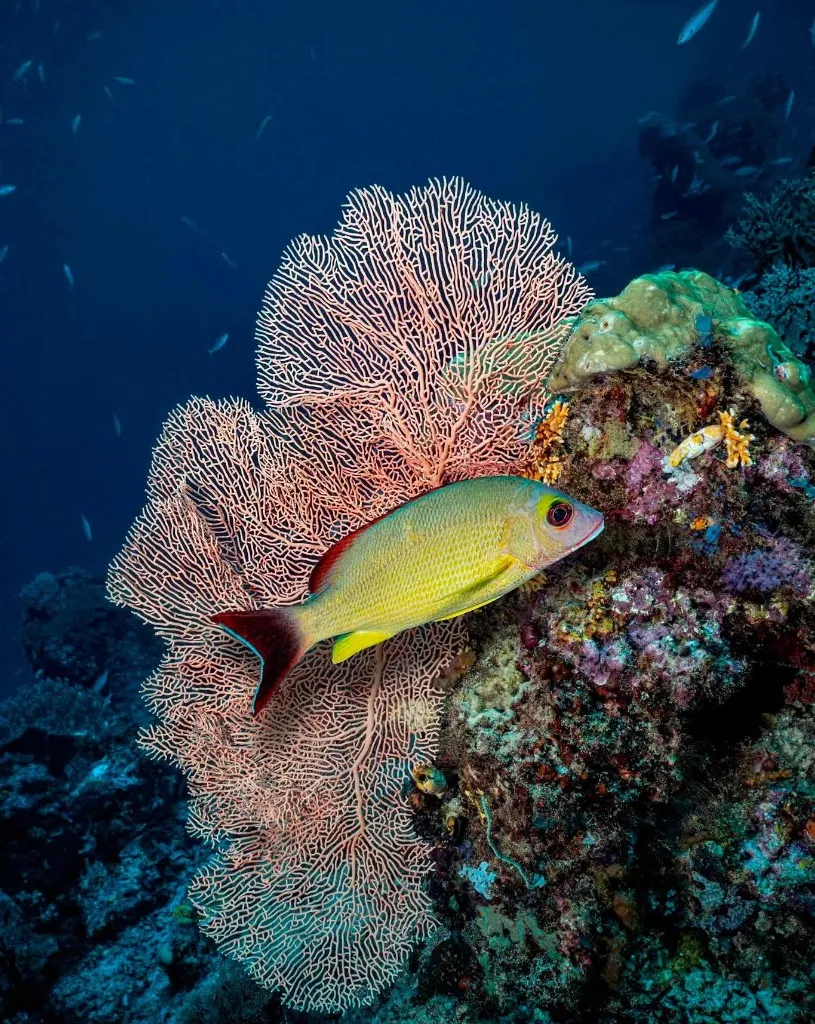
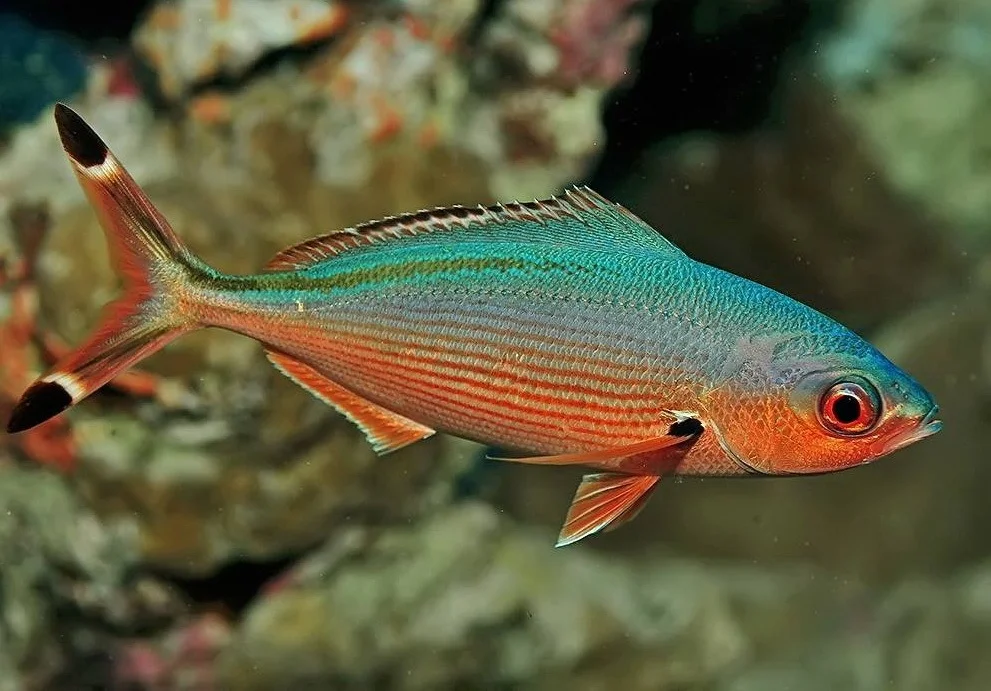
Schools of yellow snapper frequently swirl around the igloo-shaped formations, creating dynamic displays. Out in the blue, divers often spot trevally and fusiliers on the hunt.
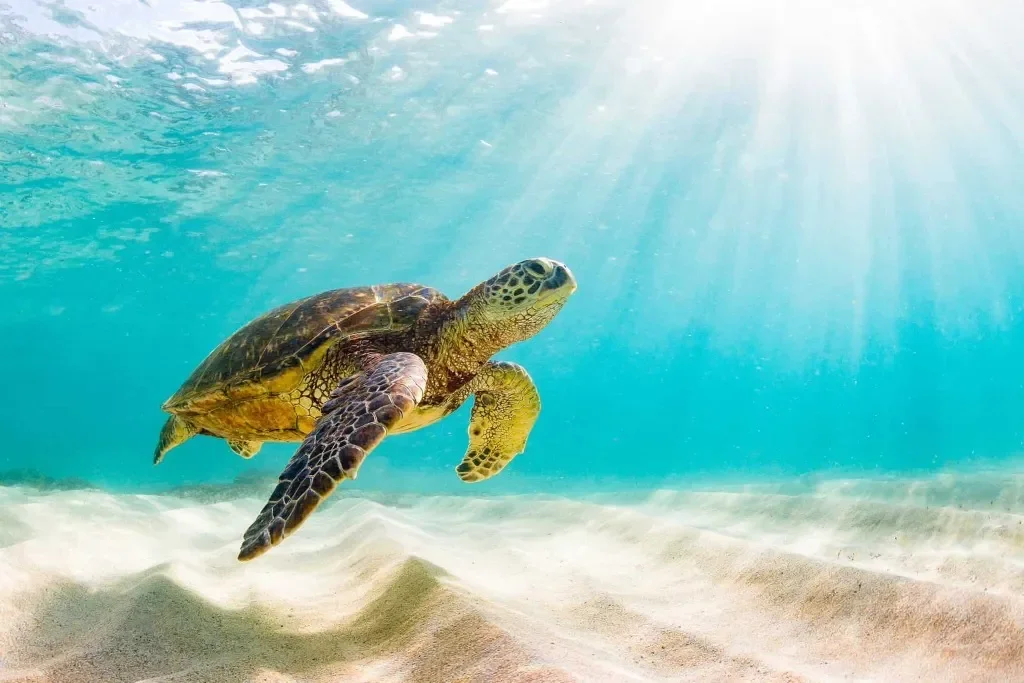
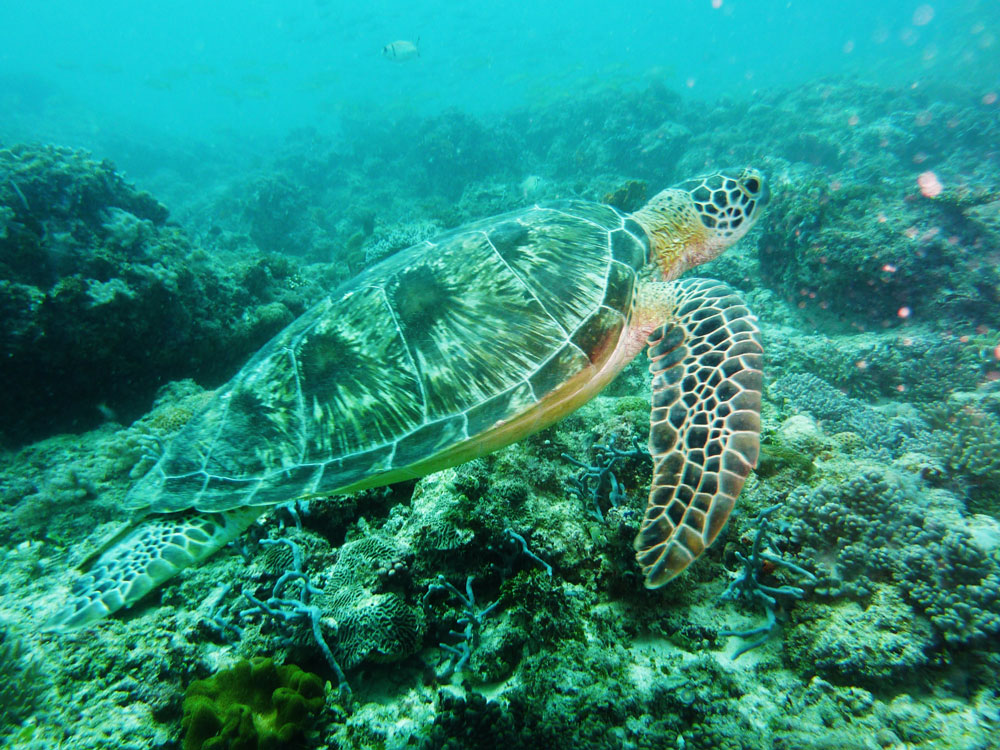
For those with a keen eye for macro life, the reef hosts fascinating creatures like ghost pipefish, leaf fish, ribbon eels, and spotted snake eels, often tucked into sheltered spots. Green turtles are observed passing by regularly, and on occasion, reef sharks can be seen cruising along the sandy edge of the deeper sections.

Dive Sites Near Igloo
View all dive sites in KenyaDiscover more underwater gems in this area.
Dive Centers Near Igloo
Today: 08:00 - 17:00
Nearest Airports
Nearest airports to help plan travel to this dive area.
Search Flights
Check available flights and routes on Expedia, using the nearby airports listed in this section.
Search Flights on ExpediaFrequently Asked Questions
What is the maximum depth at Igloo?
Igloo's maximum depth is typically reported around 20-22 meters. The coral plateau begins shallower, starting at about 10-12 meters.
Are there strong currents at Igloo?
Currents at Igloo can be moderate. Divers should be comfortable with such conditions, and checking with local dive operators for daily briefings is recommended.
What unique feature does Igloo offer?
Igloo is distinguished by a disused underwater observatory wreck, which rests on the sand at the maximum depth. This structure gives the site its name and unique character.
Is Igloo suitable for beginner divers?
While Open Water certified divers can visit, the moderate currents mean it's best suited for divers with some experience. PADI Open Water Diver certification is a useful training prerequisite.
What marine life can I expect to see?
Common sightings include moray eels, batfish, squid, octopus, ghost pipefish, leaf fish, and green turtles. Larger species like trevally and fusiliers are also frequently observed.
What are the typical water conditions?
Igloo features salt water, with clear visibility often noted, especially in the mornings. Water temperatures are generally warm, aligning with tropical conditions in the region.
Is there a mooring buoy available?
Yes, deep mooring buoys are available at the Igloo dive site, which facilitates boat entry and secure positioning for divers.
Planning to dive Igloo?
Send one inquiry and receive offers directly from the best verified local dive operators.
Conditions are Moderate
Optimal conditions expected
Current conditions near Igloo show 23° air, 28° sea temperature, 1.9 m waves, and 28 km/h wind. Forecast data is refreshed regularly to ensure accuracy.