
Diving at Les Arches (Madagascar)
Les Arches de Sakatia beckons divers into a captivating underwater architecture, providing a haven for diverse reef inhabitants. Photographers often find this site particularly rewarding, with its unique rock formations creating an intimate backdrop for capturing intricate marine life. The sheltered environment allows for closer observation of smaller critters and vibrant corals, which thrive within and around its structural elements.
Tonight's objective overview for Les Arches shows an air temperature of 25°C. The measured surface conditions include wave heights around 1.6 m. This environmental data is logged for the close of the day.
Dive Site Location & Key Facts
Dive Site Overview
Exploring Les Arches de Sakatia introduces divers to a distinctive submerged rock formation in Madagascar's Maritime Zone. A reef and drift dive, it plunges to depths of 23-24 m (75-79 ft), with the structure's summit rising to 19-20 m (62-66 ft).
Main formation features three distinct entrances and several smaller arches, inviting exploration through natural passages. Divers navigating these primary arches experience a unique underwater architectural encounter. These passages often reveal sheltered areas, vibrant with soft corals and a variety of smaller reef fish seeking refuge from currents.
Beyond these central features, a smaller, more secluded arch lies approximately 30 m (100 ft) further, leading to an expansive plateau. That shallower section of the site sits at around 15 m (49 ft), offering a gentle conclusion or an excellent area for extended bottom time.
This plateau provides a contrasting environment, often revealing different species of hard corals and an array of macro life. It's well-suited for Open Water-certified divers with some experience, making it an intermediate dive for structured reef exploration. Planning for a drift dive ensures an efficient exploration of its various features.
Conditions are Good
Optimal conditions expected
Current conditions near Les Arches show 25° air, 25° sea temperature, 1.4 m waves, and 31 km/h wind. Forecast data is refreshed regularly to ensure accuracy.
Best Time to Dive
Deciding when to dive Les Arches involves considering the seasonal shifts in Madagascar's climate. The warmer, wetter months from January to April experience average air temperatures between 25.5-26.5°C (78-80°F) and higher rainfall, averaging 5-9.7 mm. During this period, wave heights remain moderate, generally around 1.9-2.0 meters. Conversely, the cooler, drier season from July to October sees average air temperatures dip to 21.5-23.5°C (71-74°F), with significantly less rain, often below 1.6 mm. While specific water temperature data isn't consistently reported, the general dive conditions remain moderate year-round, making the drier, cooler period often preferred for overall comfort and potentially better visibility.
PEAK SEASON SCORE
Scores combine air & water temps, waves, wind & rainfall for overall conditions.
BEST MONTHS TO DIVE
Monthly records compiled from satellite and marine observation nodes over the last 3 years. Data provided by Open-Meteo and MET Norway.
Dive Experience & Conditions
Conditions at Les Arches de Sakatia often reveal significant rock structures and vibrant coral growth. A sensory journey unfolds through multiple natural arches, requiring careful navigation and good buoyancy control. These formations provide abundant opportunities for close observation of marine life and intricate coral ecosystems. While largely sheltered, divers should be prepared for potential moderate currents, particularly when exploring deeper profiles or areas beyond the main arches. Stronger currents can sometimes be encountered when transiting between major sections of the site. A relatively shallow plateau at 15 m (49 ft) offers a relaxed environment, contrasting with slightly deeper, more intricate sections. Visibility can fluctuate based on recent weather patterns and tidal movements, but the site's architectural nature ensures something engaging is always present within its formations, regardless of wider visibility.
Dive Difficulty & Safety Guidelines
Approaching Les Arches de Sakatia requires divers to acknowledge its intermediate rating, suggesting a need for confident recreational diving skills. Its deeper profiles and the possibility of currents mean strong buoyancy control is essential, particularly when navigating through the arches themselves. Dive operators in the Nosy Be region are known for their meticulous approach to diver safety and intimate knowledge of local conditions.
Additionally, the availability of hyperbaric facilities in Nosy Be provides crucial reassurance, especially for those undertaking deeper or more advanced dives in the archipelago. Always adhere to your dive guide's instructions, ensuring a safe and rewarding experience.
Recommended Equipment
Current and surface separation risk. Local briefing strongly recommended.
- Dive Computer
- DSMB
- Reel / Spool
This gear list is based on verified equipment signals for Les Arches, Madagascar. Always confirm final gear choices with your dive operator, guide, or liveaboard.
Recommended Dive Suit
With water temperatures around 25°C (77°F), many divers find a 3mm wetsuit provides comfortable protection.
Local dive briefings can provide the most accurate guidance.
The forecast outlook suggests that temperatures will stay close to current levels.
Emergency & Medical Support
Essential information to help you plan your dive trip to les arches.

Hyperbaric chambers are a critical part of dive safety infrastructure. Availability varies significantly by region, and not all dive areas have immediate access.
Before diving, it's recommended to:
- confirm nearest medical facilities
- check emergency procedures with local dive operators
- ensure dive insurance covers evacuation if required
Divers Alert Network
Diving emergency assistance available through DAN Southern Africa.
+27828106010- 24/7 emergency hotline
- Diving medical assistance
- Evacuation coordination
Emergency contacts are provided for reference. Always verify local emergency services before diving.
Marine Life at Les Arches
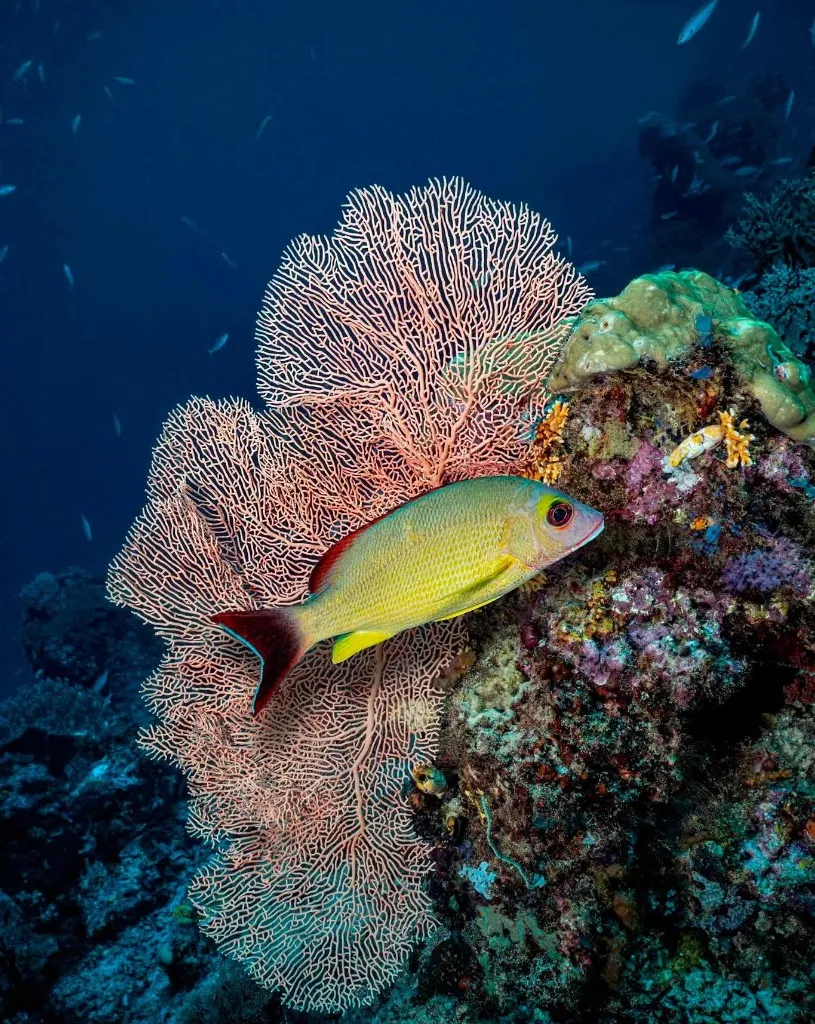
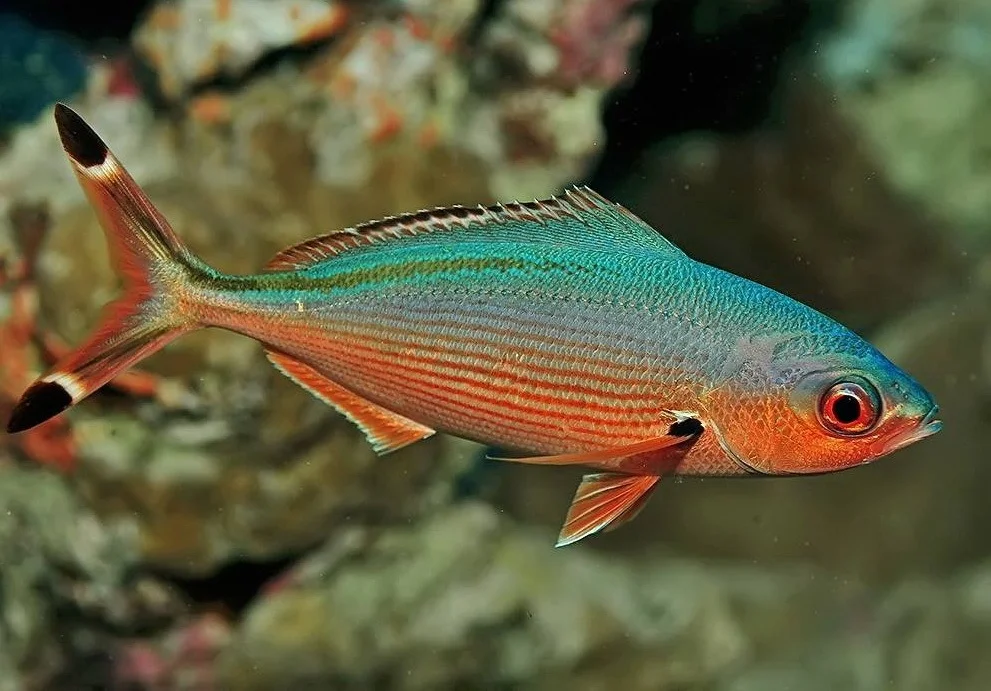
Structures at Les Arches create numerous nooks and crannies that attract various reef fish and smaller invertebrates. Within the sheltered environment of the arches, divers frequently encounter colorful fusiliers, snappers, and emperors congregating around the coral formations.
Rich biodiversity of the Sakatia reefs often yields excellent macro opportunities, with various critters nestled within corals. Though not explicitly a 'big animal' site, broader Nosy Be hints at potential for larger pelagic sightings. However, focus here remains on the vibrant reef ecosystem supported by the geological features.

Dive Sites Near Les Arches
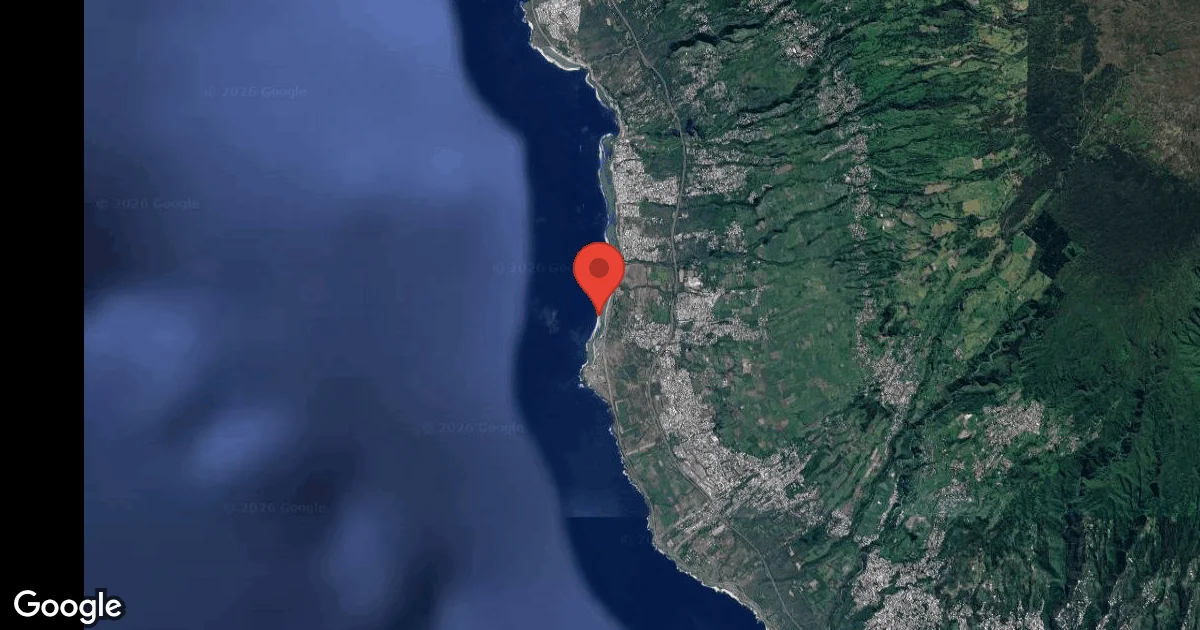
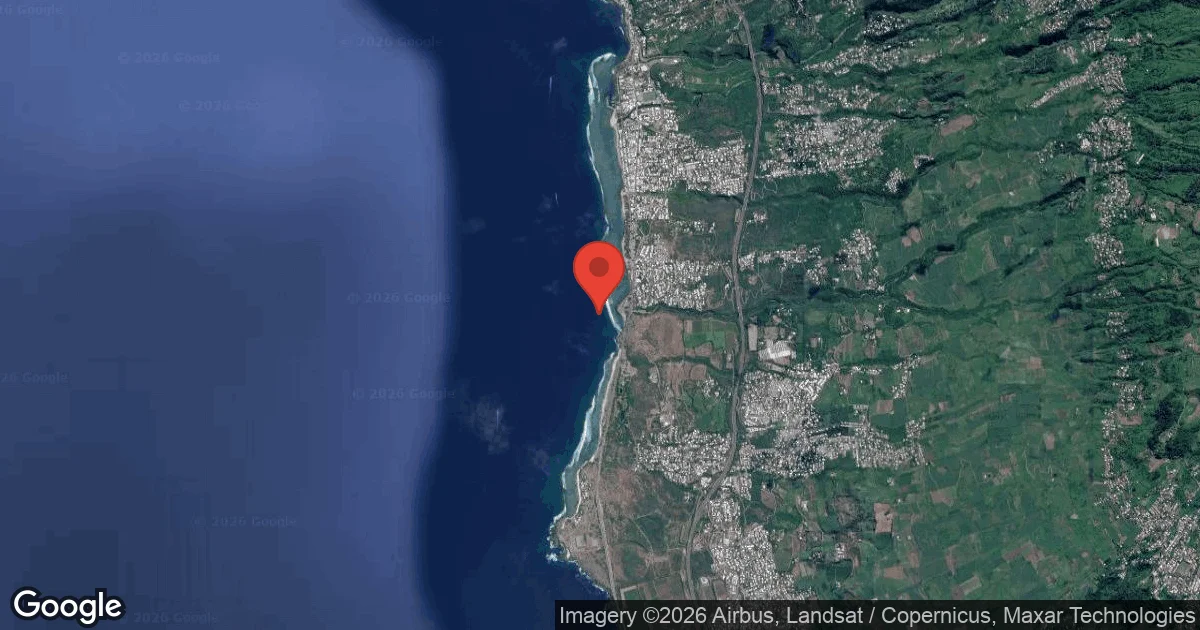
View all dive sites in MadagascarDiscover more underwater gems in this area.
Dive Centers Near Les Arches
No Dive Centers Local To Les Arches
Are you a dive center visiting this location? Get listed to reach divers.
Nearest Airports
Nearest airports to help plan travel to this dive area.
Frequently Asked Questions
What certification level is recommended for Les Arches de Sakatia?
Les Arches is considered an intermediate dive. Open Water-certified divers with some prior experience are well-suited for this site. Good buoyancy control is particularly beneficial when navigating the arches.
What are the typical depths encountered at this dive site?
Divers will explore depths ranging from the shallower plateau at 15 m (49 ft) down to the base of the main formation at 23-24 m (75-79 ft). The arch summits are generally around 19-20 m (62-66 ft).
Are currents a factor when diving Les Arches de Sakatia?
While generally sheltered within the arches, divers should be prepared for potential moderate currents, especially in deeper areas or when venturing beyond the main structures. Dive guides typically factor this into their planning.
What kind of marine life can I expect to see here?
The architectural features create abundant hiding spots, attracting various reef fish like fusiliers, snappers, and emperors. Macro life is also prevalent, making it a rewarding site for observing smaller critters and diverse coral ecosystems.
What are the best months to dive at Les Arches?
The drier, cooler period from July to October is often preferred for diving around Nosy Be. During these months, average air temperatures are 21.5-23.5°C (71-74°F), and rainfall is minimal, which generally contributes to more comfortable surface conditions.
Is Les Arches suitable for underwater photography?
Absolutely. The unique rock formations and natural arches create an intimate and visually interesting backdrop for photography. Photographers often find the sheltered areas ideal for capturing intricate macro subjects and vibrant reef scenes.
Planning to dive Les Arches?
Send one inquiry and receive offers directly from the best verified local dive operators.
Conditions are Good
Optimal conditions expected
Current conditions near Les Arches show 25° air, 25° sea temperature, 1.4 m waves, and 31 km/h wind. Forecast data is refreshed regularly to ensure accuracy.