
Diving at L'Arche de Noel (Madagascar)
Exploring the vibrant waters of Northern Madagascar, particularly around the Nosy Be Archipelago, offers divers access to some of the Indian Ocean's most biodiverse environments. This region, home to operators like L'arche de Noel, serves as a gateway to extensive coral reefs, offshore banks, and captivating drop-offs. Divers here can anticipate encounters with a broad spectrum of marine life, making it a compelling destination for those seeking a true sense of underwater exploration.
Tonight's objective overview for L'Arche de Noel shows an air temperature of 17.5°C. The measured surface conditions include wave heights around 1.7 m. This environmental data is logged for the close of the day.
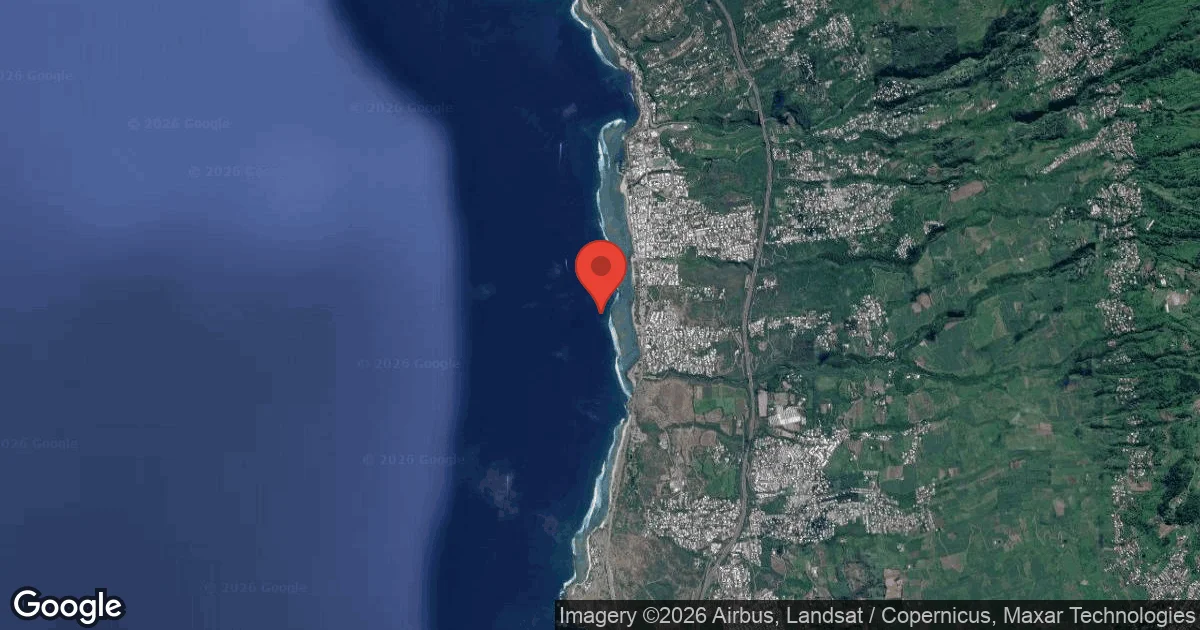
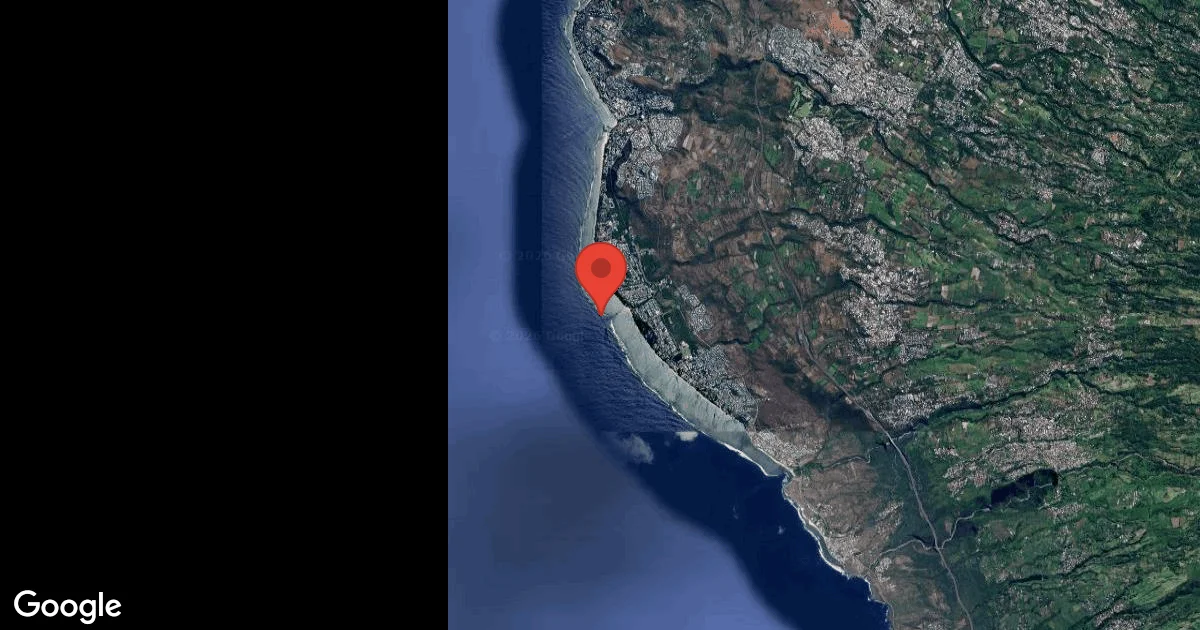
Dive Site Location & Key Facts
Dive Site Overview
Madagascar presents an exceptional diving frontier, distinct for its relatively low diver traffic and pristine conditions across its extensive coral reefs. This island nation, often referred to as the 'eighth continent' due to its unique terrestrial and marine biodiversity, offers a truly exploratory feel for underwater enthusiasts.
Around Nosy Be and its surrounding smaller islands, divers navigate intricate underwater pinnacles, explore vibrant shallow coral gardens, and descend along dramatic walls. The typical depth range for dives spans from 5 to 40 m (16 to 131 ft), accommodating various certification levels. Visibility is often impressive, ranging from 10 m to an outstanding 50 m (33 to 164 ft), contingent on local conditions and currents.
Water temperatures generally stay within a comfortable 24-28°C (75-82°F) range. This makes the area appealing for observing the island's unique ecosystem, where over 300 hard coral species and 1300 bony fish species create a dynamic underwater landscape.
Whether exploring wrecks like the Mitsio Wreck at 30 m (100 ft) or observing the pelagic life along deeper walls, the marine environments here reveal a consistent sense of discovery.
Conditions are Good
Optimal conditions expected
Current conditions near L'Arche de Noel show 17° air, 24° sea temperature, 1.4 m waves, and 31 km/h wind. Forecast data is refreshed regularly to ensure accuracy.
Best Time to Dive
Planning your dive experience in Madagascar optimally involves aligning with its distinct seasonal shifts. The prime diving conditions typically emerge from April to December, characterized by calmer seas and consistently high visibility. During these months, the average air temperatures remain warm, ranging from 21°C (70°F) in July/August to 26.5°C (80°F) in April and November/December, accompanied by minimal rainfall, often below 4 mm (0.16 inches) per month from May to October. Water temperatures during this favorable period are reported between 24-28°C (75-82°F), making for comfortable extended dives. A significant draw for divers from July to October is the opportunity to encounter migrating humpback whales, a notable highlight of Indian Ocean diving. While the austral summer, from January to March, brings warmer water at around 28°C (83°F), it also corresponds with higher rainfall, such as 7-9 mm (0.28-0.35 inches) monthly, and an increased risk of cyclones. For those specifically hoping to spot whale sharks and hammerhead sharks, visits from September or earlier in the season offer improved chances.
PEAK SEASON SCORE
Scores combine air & water temps, waves, wind & rainfall for overall conditions.
BEST MONTHS TO DIVE
Monthly records compiled from satellite and marine observation nodes over the last 3 years. Data provided by Open-Meteo and MET Norway.
Dive Experience & Conditions
Dropping into Madagascar's waters often provides a vivid sensory experience, where currents can range from gentle drifts suitable for beginners around Nosy Be to more exhilarating, forceful movements near outer banks, especially during full or new moons. The underwater landscape presents a rich tapestry of healthy corals, both hard and soft, creating expansive, colorful gardens. As you descend, particularly along walls like Greg Wall, vibrant gorgonians become more prevalent below 30 m (100 ft). Visibility varies but can be exceptional, often offering clear views from 10 m (33 ft) up to 50 m (164 ft), allowing detailed observation of reef structures and distant pelagics. Many sites feature dramatic drop-offs and pinnacles that attract larger marine life, demanding good buoyancy control for exploration. The feeling of exploration is palpable, with uncrowded reefs fostering a sense of discovery in these biodiverse Indian Ocean waters.
Dive Difficulty & Safety Guidelines
Navigating Madagascar's diverse dive sites requires attentive planning and adherence to established safety practices, particularly for advanced sites. Excellent buoyancy control and efficient air consumption are important for exploring deeper walls and maintaining safe no-decompression limits. While the database reports no specific hazards, divers should always be mindful of currents, which can intensify around channels and outer banks, especially during specific moon phases.
Some sites, like Greg Wall, include caves, making a dive torch a necessary piece of equipment for illumination and safety. Always dive within your certification limits and consider refresher courses if you haven't dived in a while.
Since many sites are relatively pristine and uncrowded, diving with experienced local guides who understand specific site conditions and currents is highly advisable for a safe and rewarding experience in these waters.
Recommended Equipment
- Dive Computer
This gear list is based on verified equipment signals for L'Arche de Noel, Madagascar. Always confirm final gear choices with your dive operator, guide, or liveaboard.
Recommended Dive Suit
3mm wetsuit is often considered an appropriate level of exposure protection for conditions like these. A hood or vest is suggested for sensitive divers due to surface winds.
Current readings at L'Arche de Noel show water temperatures near 24°C (76°F). Surface air temperatures are resting at 17°C (63°F).
Environmental models indicate a modest warming trend ahead. A warming trend is expected over the next few days.
Emergency & Medical Support
Essential information to help you plan your dive trip to l'arche de noel.

Hyperbaric chambers are a critical part of dive safety infrastructure. Availability varies significantly by region, and not all dive areas have immediate access.
Before diving, it's recommended to:
- confirm nearest medical facilities
- check emergency procedures with local dive operators
- ensure dive insurance covers evacuation if required
Divers Alert Network
Diving emergency assistance available through DAN Southern Africa.
+27828106010- 24/7 emergency hotline
- Diving medical assistance
- Evacuation coordination
Emergency contacts are provided for reference. Always verify local emergency services before diving.
Marine Life at L'Arche de Noel
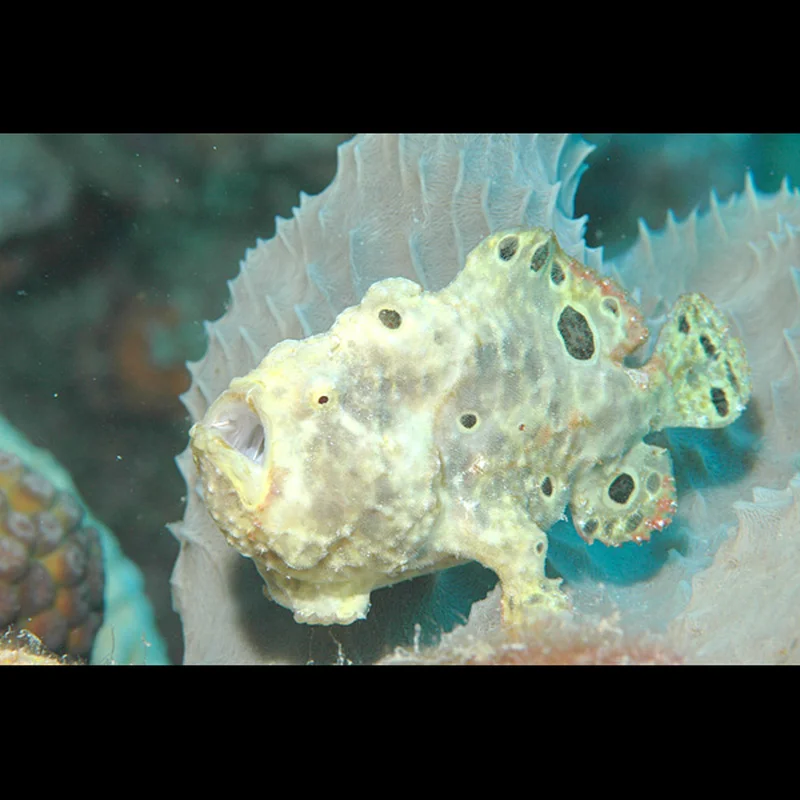
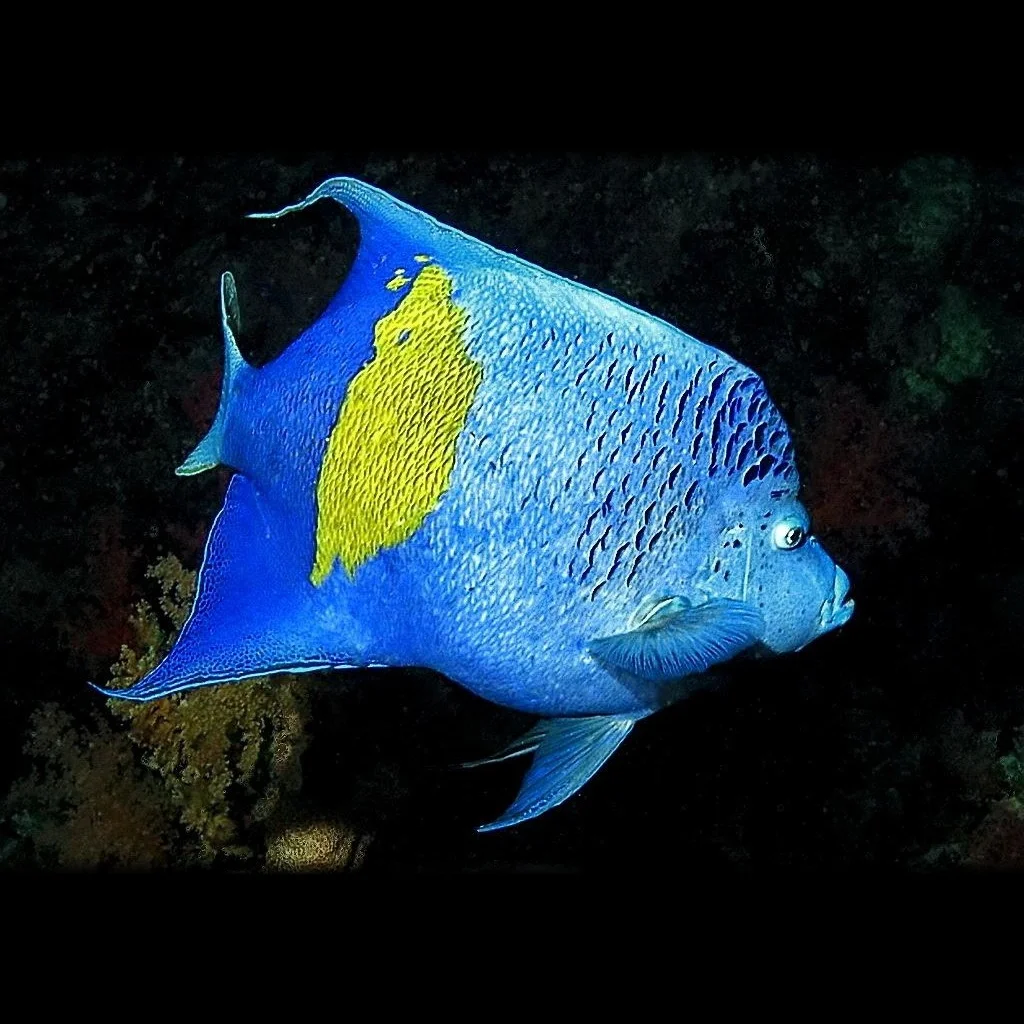
Upon entering Madagascar's waters, the sheer diversity of coral formations and vibrant reef fish populations immediately captures attention. Healthy hard and soft corals provide extensive habitat for thousands of species, including colorful angelfish, elusive frogfish, and various nudibranchs that delight macro enthusiasts.
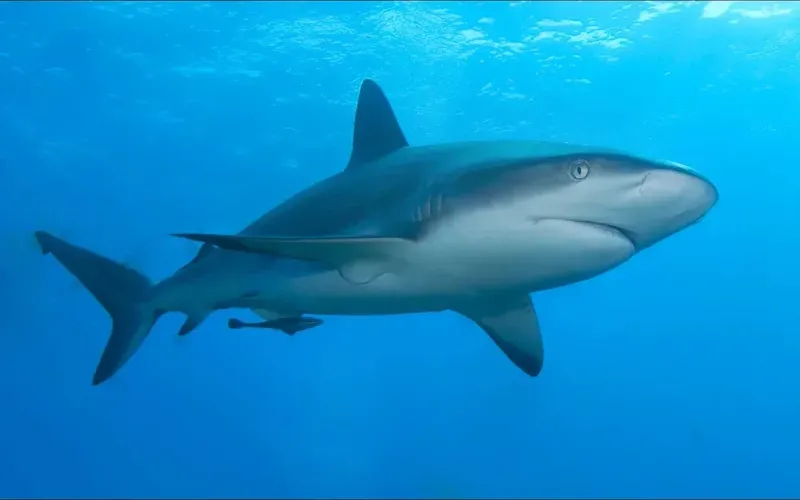
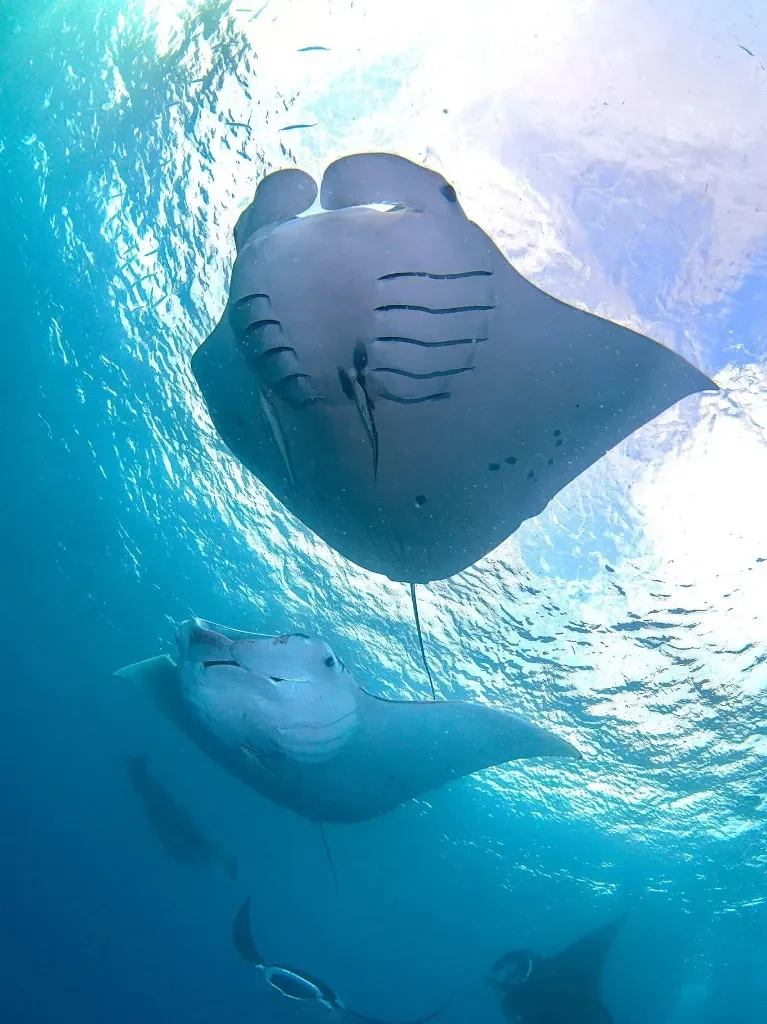
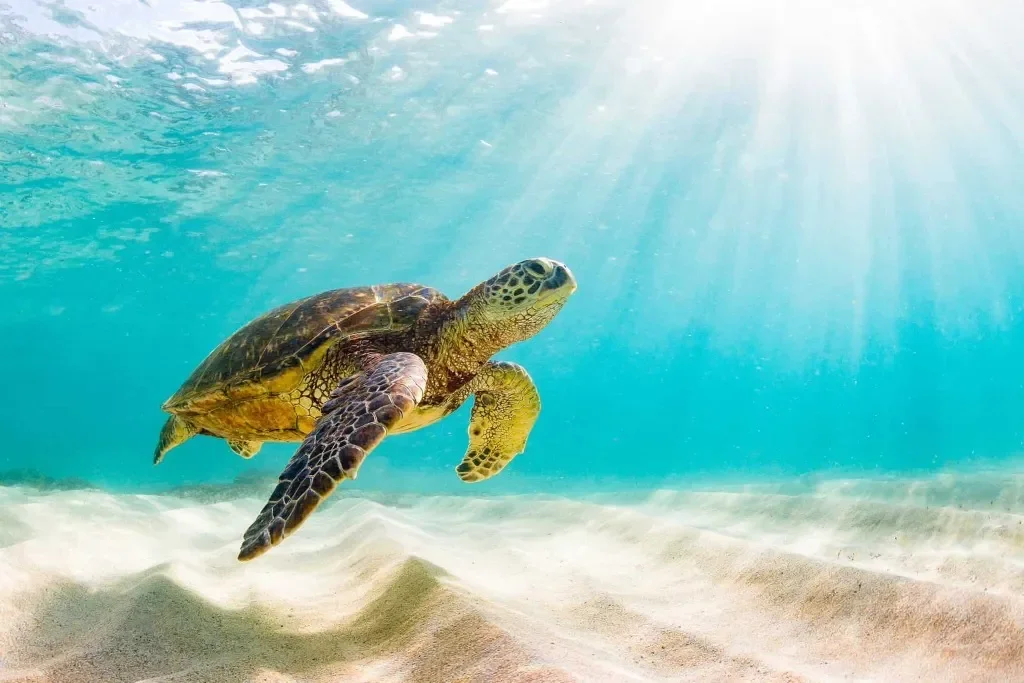
Beyond the reef, divers frequently encounter green turtles and loggerheads, along with leopard sharks and different species of reef sharks, including grey and white tip varieties. During specific seasons, the waters become a migratory highway, offering potential sightings of manta rays and even awe-inspiring whale sharks.
Humpback whales are also a significant seasonal presence, adding a truly spectacular element to the marine encounters.
Dive Sites Near L'Arche de Noel
View all dive sites in MadagascarDiscover more underwater gems in this area.
Dive Centers Near L'Arche de Noel
No Dive Centers Local To L'Arche de Noel
Are you a dive center visiting this location? Get listed to reach divers.
Nearest Airports
Nearest airports to help plan travel to this dive area.
Frequently Asked Questions
What are the usual water temperatures in Madagascar?
Water temperatures generally range from 24-28°C (75-82°F) throughout the prime diving season. During the austral summer (January to March), it can be warmer, reaching around 28°C (83°F), while July to September sees temperatures closer to 25°C (77°F).
When is the best time to encounter large marine animals like whales or whale sharks?
For humpback whales, the migration season from July to October is ideal. Whale sharks and hammerhead sharks are more frequently sighted from September onwards, sometimes even earlier in the season.
How clear is the water for diving in Madagascar?
Visibility is quite variable but often excellent, typically ranging from 10 to 50 meters (33 to 164 ft). Conditions can depend on local currents and recent weather patterns.
Are there dive sites suitable for beginner divers in Madagascar?
Yes, many areas, particularly around Nosy Be, offer shallower coral gardens and sites with milder currents suitable for beginner and intermediate divers. These spots provide an abundance of marine life in comfortable conditions.
What kind of sharks might I see while diving here?
Divers frequently encounter various reef sharks, including grey and white tip reef sharks. Leopard sharks are also present, and lucky divers may even spot hammerhead sharks or whale sharks during specific seasons.
Is advanced diving available for experienced divers?
Absolutely. Sites like Greg Wall or The Gran Banc Exterior offer deeper walls and stronger currents, providing thrilling experiences for advanced divers. Exploring these sites often reveals impressive gorgonian corals and pelagic species.
Planning to dive L'Arche de Noel?
Send one inquiry and receive offers directly from the best verified local dive operators.
Conditions are Good
Optimal conditions expected
Current conditions near L'Arche de Noel show 17° air, 24° sea temperature, 1.4 m waves, and 31 km/h wind. Forecast data is refreshed regularly to ensure accuracy.