
Diving at Passe de L'Ermitage (Madagascar)
Ancient geological forces shaped an underwater labyrinth at Passe de l'Ermitage, now thriving with vibrant life. Divers explore a dramatic extension of the coral barrier, uncovering a fascinating blend of sandy expanses, pebble fields, and intricate coral plateaus. A playful journey through submarine architecture, from intricate faults to surprising tunnels and grottos, is ready for discovery. It's an environment suitable for Open Water certified divers eager to uncover its diverse underwater character.
Evening condition tracking at Passe de L'Ermitage features an air temperature of 21°C. We have recorded wave heights measuring 1.3 m during this period. These figures outline the environmental parameters currently present.
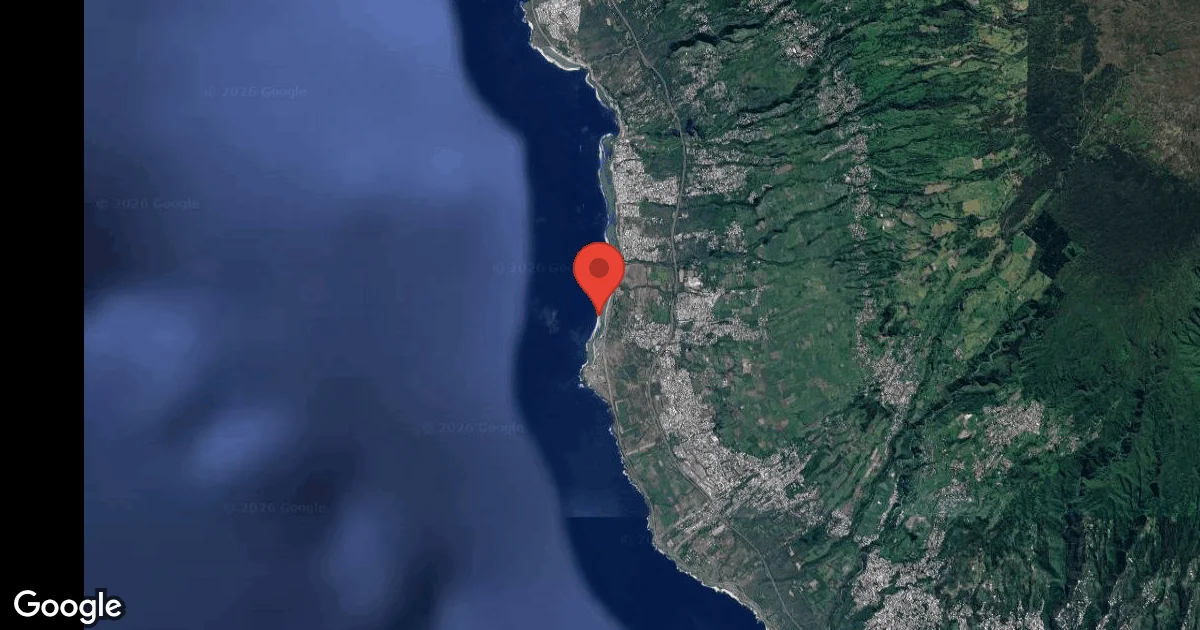
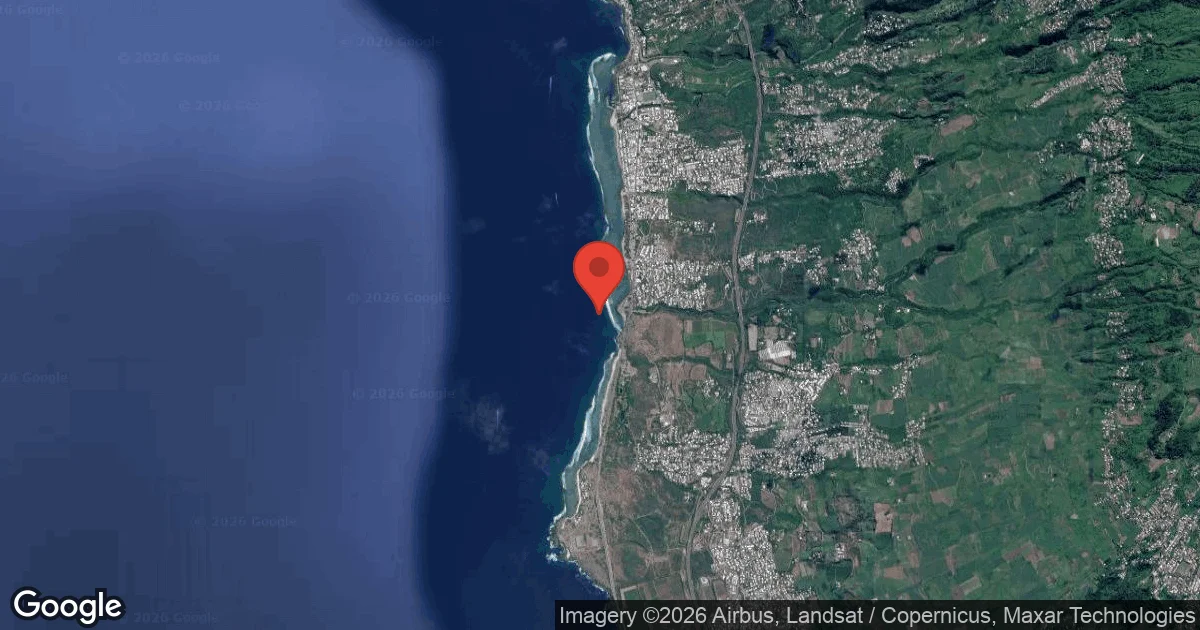
Dive Site Location & Key Facts
Dive Site Overview
Passe de l'Ermitage offers a compelling journey into a diverse underwater landscape, defined by a fascinating interplay between a thriving coral barrier and dramatic geological features. The site's varied topography unfolds across depths from 6 m to 25 m / 20 ft to 82 ft, welcoming a range of certified divers.
Below the surface, the terrain constantly shifts, guiding you from expansive sandy bottoms scattered with pebbles to elevated, vibrant coral plateaus that teem with life. Distinct geological formations truly characterize this location. Divers will navigate ancient faults cutting through the reef, explore natural tunnels where light pierces through, and discover small, intimate grottos carved into the rock.
This architectural complexity creates a sense of continuous discovery. Drift diving is a common and often preferred approach, allowing a smooth, effortless traverse past these intricate structures and along broader sections of the reef.
The ecosystem here supports a significant population of coral fish, always present among the healthy reef structures. Beyond the main reef, topography extends to include impressive steep walls and larger, relatively flat expanses, revealing a broader and more diverse underwater environment.
Such varied settings provide ample opportunities for both detailed macro observation within the corals and capturing wider, sweeping views of the dramatic underwater architecture. It's a site that consistently rewards attentive exploration.
Conditions are Good
Optimal conditions expected
Current conditions near Passe de L'Ermitage show 21° air, 24° sea temperature, 1.4 m waves, and 33 km/h wind. Forecast data is refreshed regularly to ensure accuracy.
Best Time to Dive
Diving is possible year-round, yet conditions at Passe de l'Ermitage present subtle variations throughout the seasons. Cooler months, typically June to October, bring average air temperatures between 21-24°C / 70-75°F and the lowest rainfall, averaging 3-5 mm / 0.1-0.2 inches per month. Generally stable diving conditions often characterize this period. Conversely, warmer, wetter months from December to March experience air temperatures around 25-27°C / 77-81°F and higher rainfall, averaging 9-20 mm / 0.35-0.8 inches. Wave heights consistently measure around 1.7-2.4 m / 5.6-7.9 ft throughout the year, suggesting a moderate influence on surface conditions. Historically, November and December show slightly higher 'moderate' dive scores. Your choice of season often depends on personal comfort with air temperature and willingness to potentially encounter more rain, though surface conditions are generally managed by boat operators.
PEAK SEASON SCORE
Scores combine air & water temps, waves, wind & rainfall for overall conditions.
BEST MONTHS TO DIVE
Monthly records compiled from satellite and marine observation nodes over the last 3 years. Data provided by Open-Meteo and MET Norway.
Dive Experience & Conditions
Dropping into Passe de l'Ermitage, you'll feel the gentle push of the current guiding you along a truly diverse landscape. Visibility varies, but can often be excellent, allowing for clear views of intricate underwater architecture. Water temperatures, though not consistently reported for this specific site, are generally comfortable for the Indian Ocean region, typically ranging between 22-27°C / 72-81°F. Such comfortable temperatures encourage longer bottom times and more relaxed exploration. Drift diving here is often smooth, providing an effortless passage through sand, pebble, and coral environments. You'll glide past impressive faults and into shadowed tunnels, light playing across the rock formations. Surface conditions tend to be calmer in the mornings, making entries and exits more comfortable. Occasionally, stronger currents can be present, especially in certain areas or during specific tidal movements, adding an element of dynamic movement to the dive. An overall sensation of continuous discovery permeates this thriving, geologically rich environment.
Dive Difficulty & Safety Guidelines
Managing potential currents is key at Passe de l'Ermitage. While drift diving is common, currents can sometimes intensify, particularly in the pass itself or around the lava flow areas. Divers should be comfortable with drift procedures and maintaining buoyancy in varying conditions.
It's essential to plan dives with local guides who understand the daily current patterns and can advise on appropriate entry and exit strategies. Always stay with your buddy and adhere to the dive plan, especially when navigating through tunnels or faults where visibility might momentarily change.
Surface markers are recommended for drift dives to enhance visibility to boat support. As with any reef system, respecting marine life by avoiding contact with coral or other organisms is crucial. Ensure your gear is properly serviced, and check all gauges regularly.
Recommended Equipment
Current and surface separation risk. Local briefing strongly recommended.
- Dive Computer
- DSMB
- Reel / Spool
This gear list is based on verified equipment signals for Passe de L'Ermitage, Madagascar. Always confirm final gear choices with your dive operator, guide, or liveaboard.
Recommended Dive Suit
Subtle variations in currents or depth can sometimes influence perceived water temperature.
3mm wetsuit tends to perform well in water temperatures like those currently observed here. Surface intervals may feel cooler. Short-term weather patterns suggest stable conditions for divers visiting the area.
Water temperatures across the dive area at Passe de L'Ermitage are presently estimated to be around 24°C (76°F). Surface air temperatures are resting at 21°C (70°F).
Emergency & Medical Support
Essential information to help you plan your dive trip to Passe de l'Ermitage.

Hyperbaric chambers are a critical part of dive safety infrastructure. Availability varies significantly by region, and not all dive areas have immediate access.
Before diving, it's recommended to:
- confirm nearest medical facilities
- check emergency procedures with local dive operators
- ensure dive insurance covers evacuation if required
Divers Alert Network
Diving emergency assistance available through DAN Southern Africa.
+27828106010- 24/7 emergency hotline
- Diving medical assistance
- Evacuation coordination
Emergency contacts are provided for reference. Always verify local emergency services before diving.
Marine Life at Passe de L'Ermitage
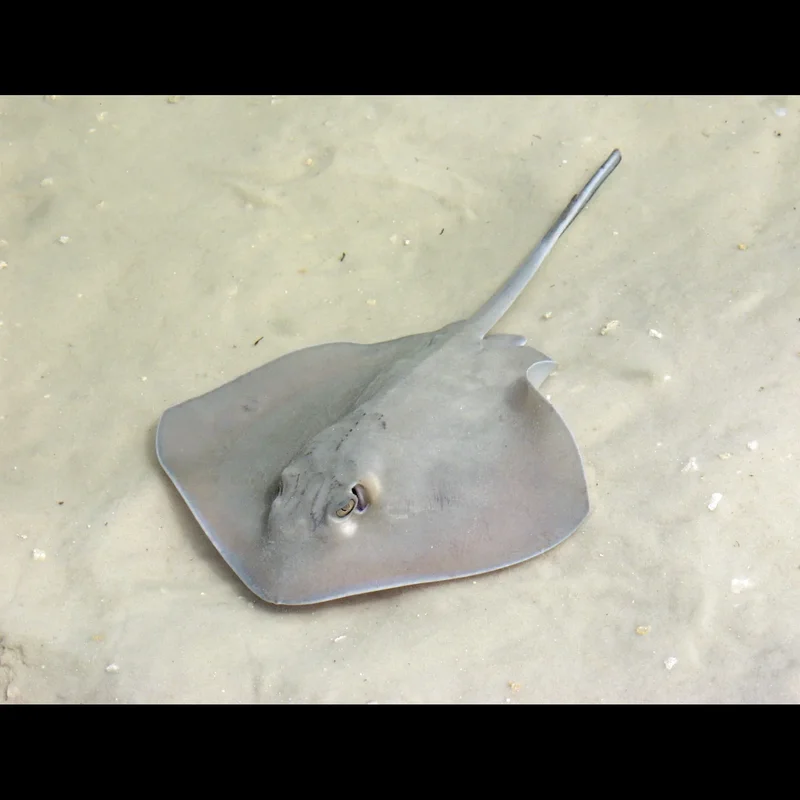
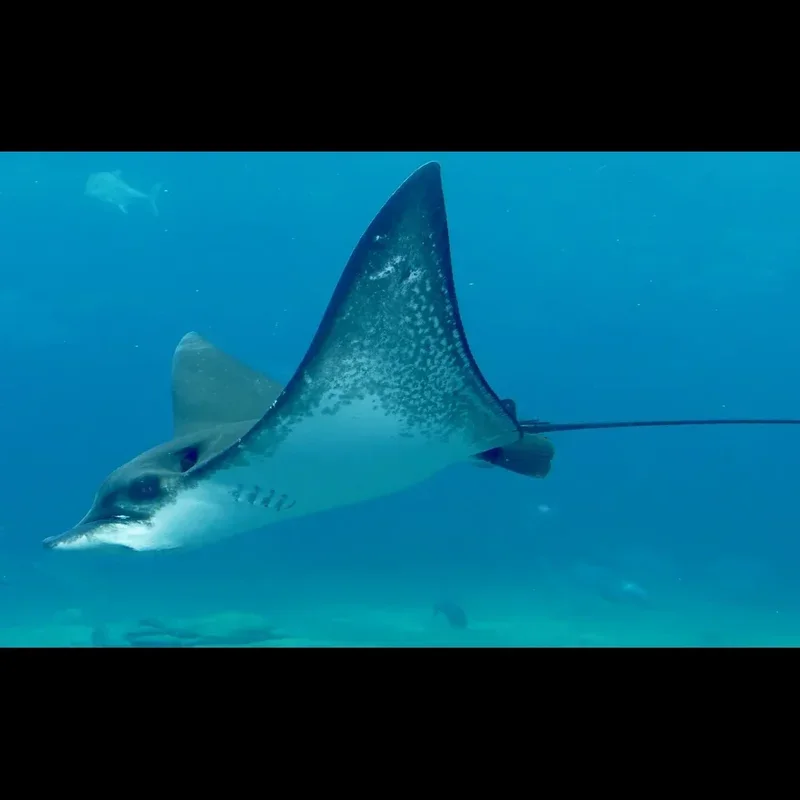
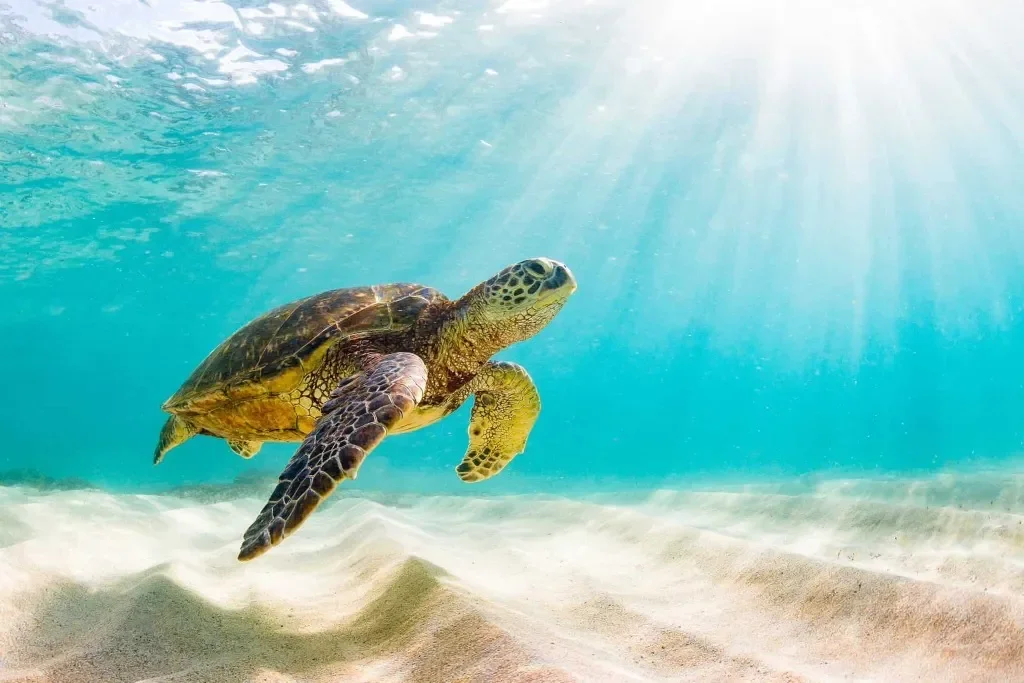
Upon entering the water, divers often first notice significant populations of vibrant coral fish darting among healthy reef structures. Closer inspection within sandy areas and around coral plateaus frequently reveals green turtles, gliding gracefully, and both eagle rays and stingrays resting or moving along the bottom.
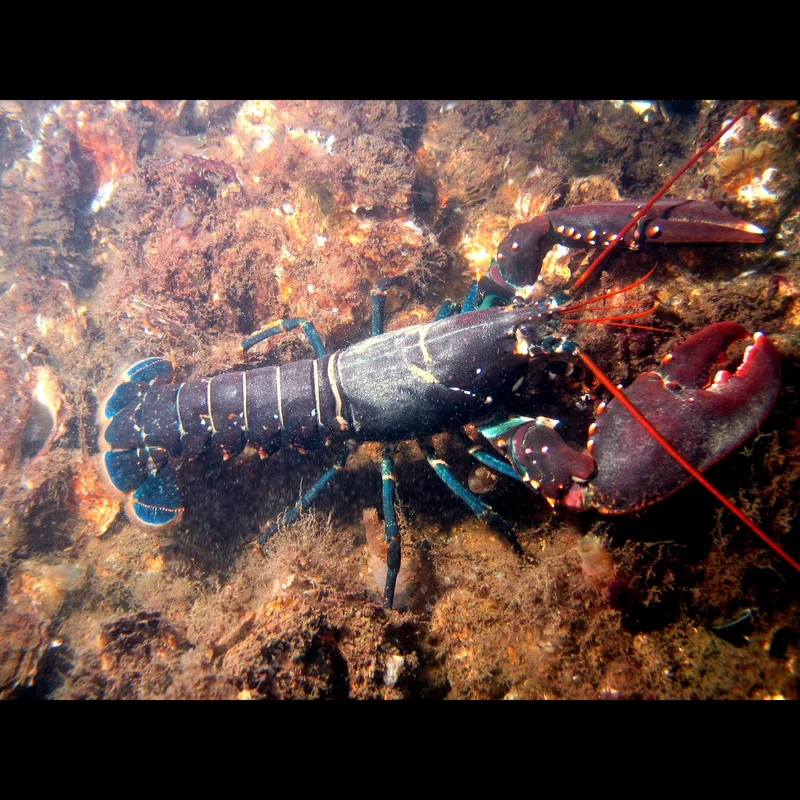
Geological formations also house smaller creatures. Lobsters might be seen tucked into crevices, alongside schools of soldierfish.
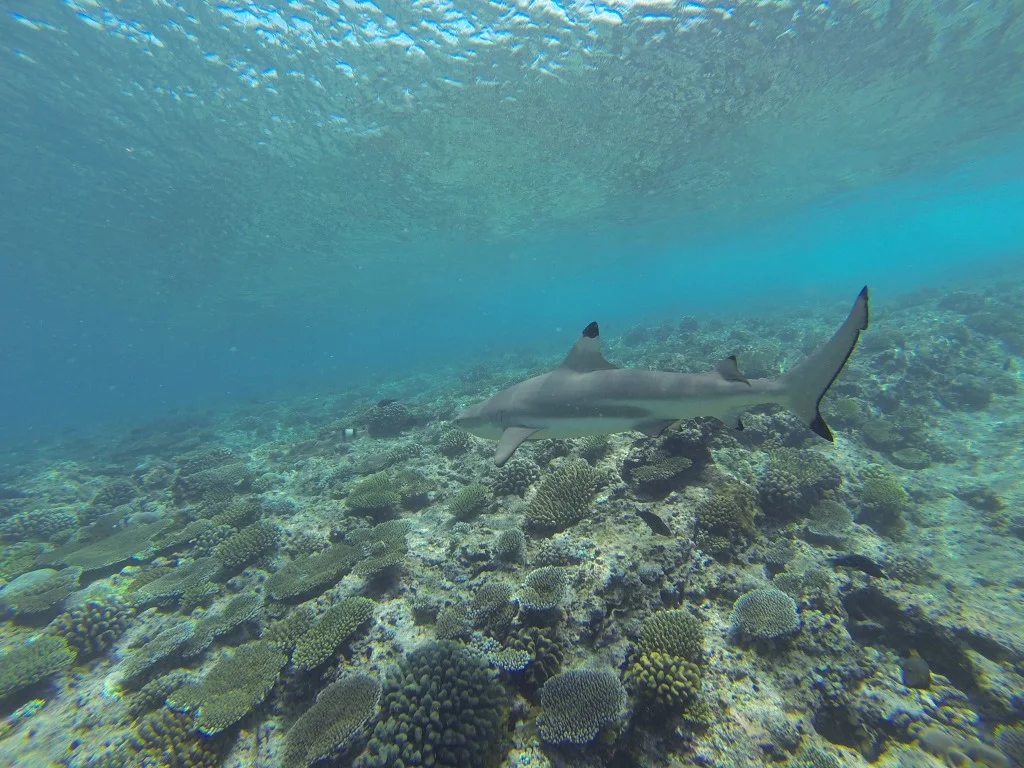
Depending on the season, larger pelagic encounters are possible; divers sometimes spot dolphins playing in the distance, and majestic humpback whales might even be observed during their migratory periods. Shark sightings are also reported, adding another layer of excitement to the dives here.
Dive Sites Near Passe de L'Ermitage
View all dive sites in MadagascarDiscover more underwater gems in this area.
Dive Centers Near Passe de L'Ermitage
No Dive Centers Local To Passe de L'Ermitage
Are you a dive center visiting this location? Get listed to reach divers.
Nearest Airports
Nearest airports to help plan travel to this dive area.
Frequently Asked Questions
What is the typical depth range at Passe de l'Ermitage?
Depths at this dive site range from 6 m / 20 ft down to 25 m / 82 ft. Such a range suits a wide array of certified divers, including those with Open Water certification.
Is Passe de l'Ermitage suitable for beginner divers?
Yes, the location is accessible to Open Water certified divers. While parts involve drift diving and can have currents, guided trips ensure a safe and enjoyable experience for those comfortable with basic drift techniques.
What kind of underwater topography can I expect?
Passe de l'Ermitage features a diverse underwater landscape. Expect to explore sandy bottoms, pebble areas, expansive coral plateaus, and unique geological formations like faults, tunnels, and grottos carved into the reef.
Are there strong currents at this dive site?
Currents can be present at Passe de l'Ermitage, sometimes strong, especially within the pass itself or around specific lava flow areas. Local dive operators typically plan dives to account for these conditions, making drift diving a common practice.
What marine life might I see during a dive?
Divers frequently encounter a variety of marine life, including numerous coral fish, green turtles, and rays such as eagle rays and stingrays. Seasonal sightings can include larger pelagics like dolphins, and occasionally humpback whales.
What are the average water temperatures for diving here?
While specific site data isn't always reported, water temperatures in the general Indian Ocean region typically range between 22-27°C / 72-81°F. This range generally provides comfortable diving conditions.
What type of diving is common at Passe de l'Ermitage?
Reef diving is prevalent due to the extensive coral formations. Drift diving is also a common and popular method, allowing divers to effortlessly navigate the site's varied underwater landscapes with the current.
Planning to dive Passe de L'Ermitage?
Send one inquiry and receive offers directly from the best verified local dive operators.
Conditions are Good
Optimal conditions expected
Current conditions near Passe de L'Ermitage show 21° air, 24° sea temperature, 1.4 m waves, and 33 km/h wind. Forecast data is refreshed regularly to ensure accuracy.