
Diving at Sec a Zitte (Madagascar)
Successfully navigating dive sites around Madagascar challenges divers with diverse conditions and compelling marine encounters. While specific details for Sec a zitte are limited, divers in the broader Nosy Be area can anticipate depths extending to 40 meters (131 ft) and varying visibility. Preparing for these conditions is key to unlocking the region's vibrant underwater landscapes and rich biodiversity.
Evening condition tracking at Sec a Zitte features an air temperature of 24°C. We have recorded wave heights measuring 2.3 m during this period. These figures outline the environmental parameters currently present.
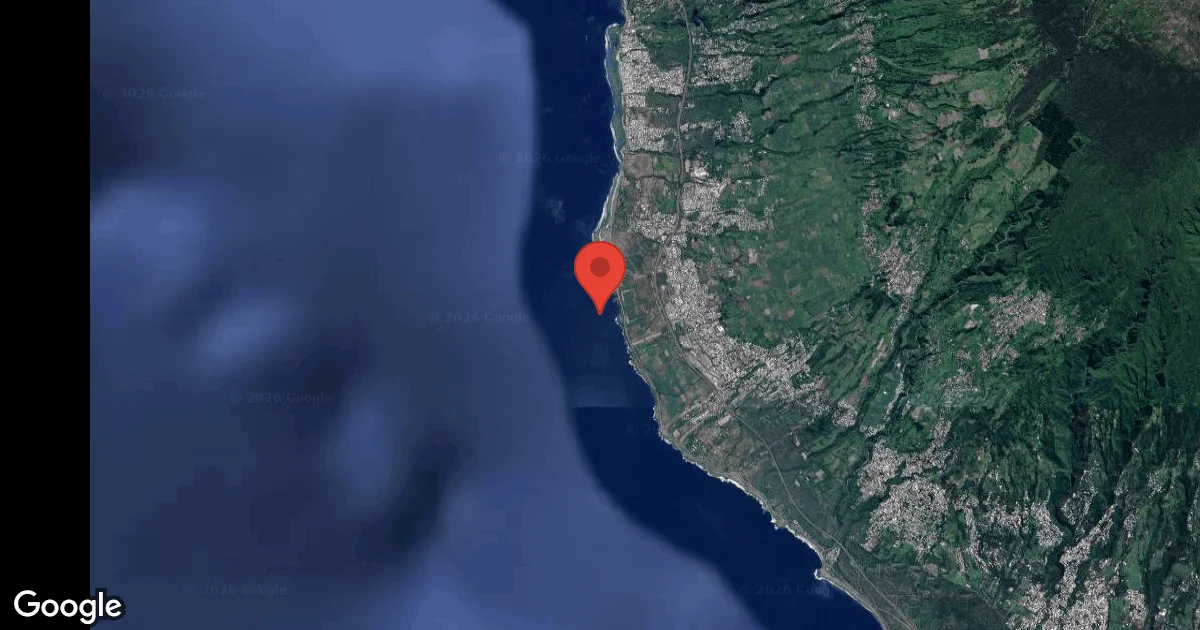
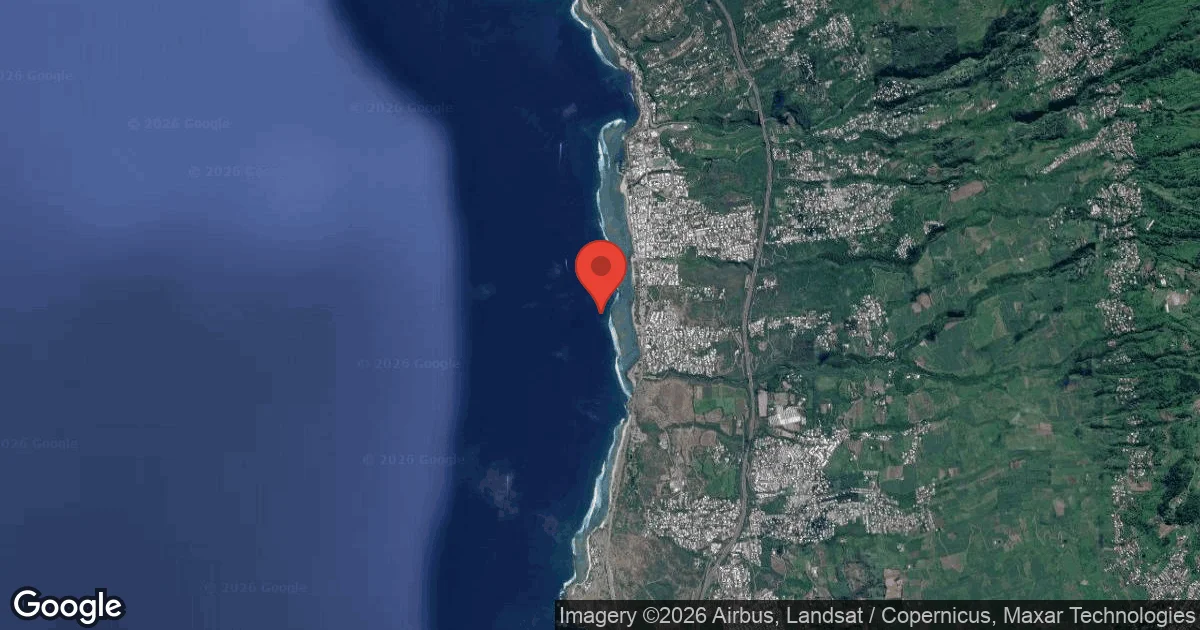
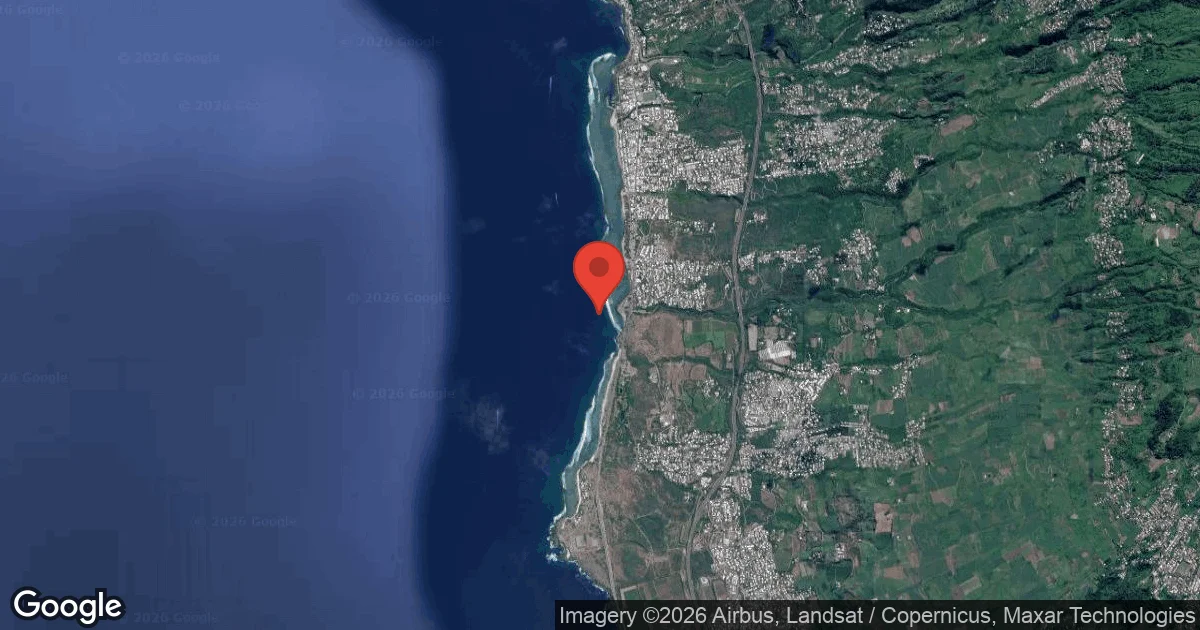
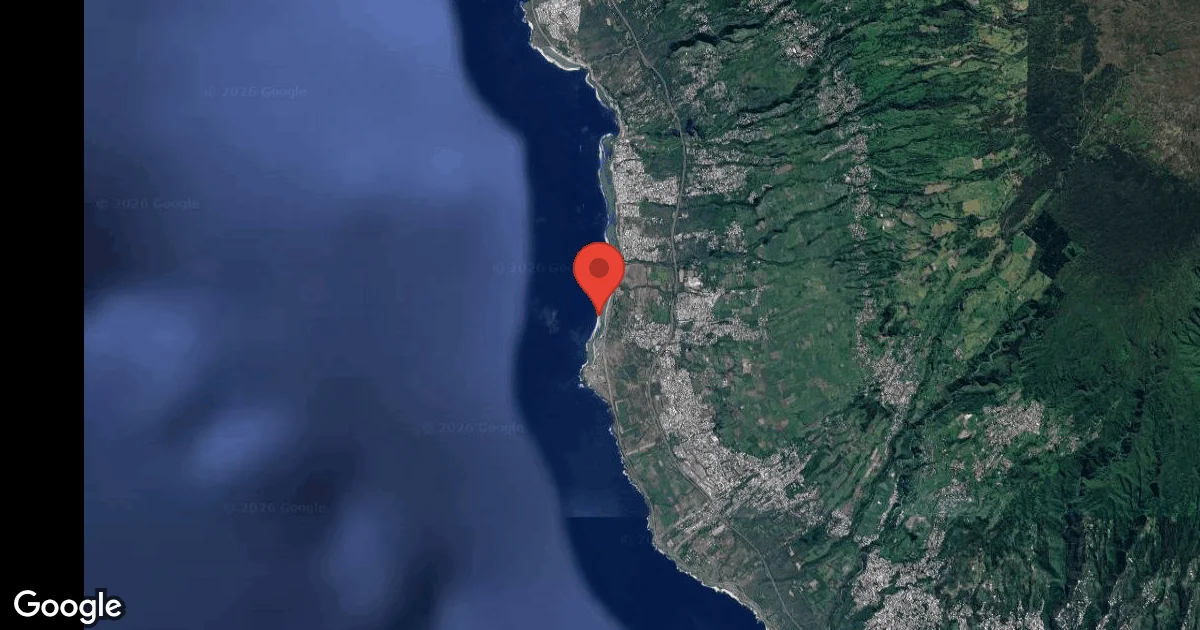
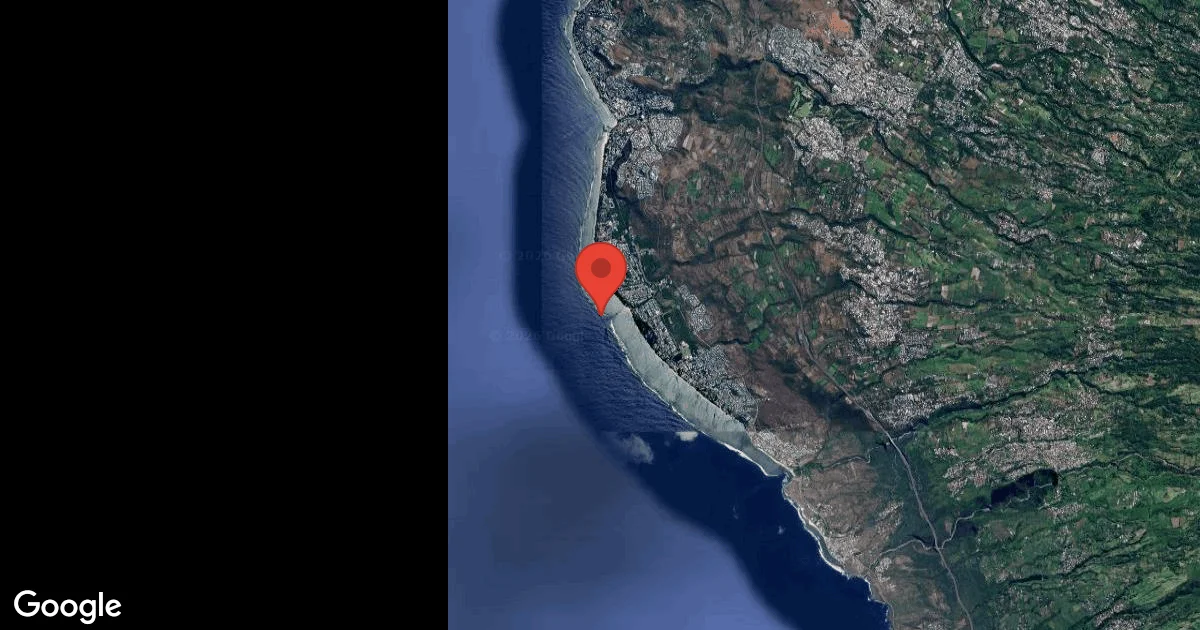
Dive Site Location & Key Facts
Dive Site Overview
Exploring the waters off Madagascar, divers will discover an immersive environment, particularly around the Nosy Be region where sites like Sec a zitte are presumed to be. This area provides access to several small to medium-sized wrecks, often lying at depths between 26-29 meters (85-95 ft), which serve as artificial reefs.
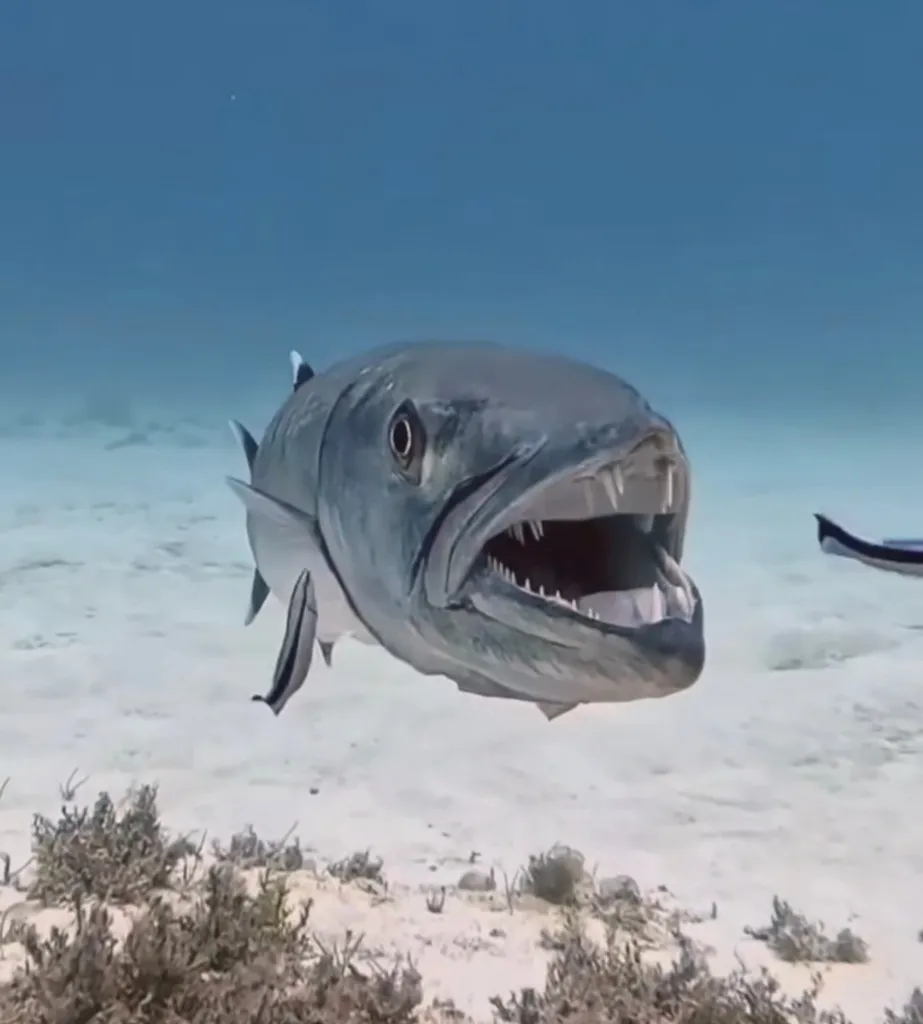
Encased in coral, these structures have become home to thousands of fish, including groupers, barracudas, and large stingrays. Visibility around the wrecks can sometimes be limited, adding an element of exploration, while other sites, such as offshore drop-offs, often boast excellent clarity, sometimes reaching depths of 50 meters.
Water temperatures typically range from 25°C (77°F) in cooler months to 28°C (83°F) during the warmer periods. Beyond the wrecks, the reef formations and drop-offs present expansive fields of fan corals and diverse habitats, attracting a wide array of marine species.
Conditions are Good
Optimal conditions expected
Current conditions near Sec a Zitte show 24° air, 24° sea temperature, 1.3 m waves, and 24 km/h wind. Forecast data is refreshed regularly to ensure accuracy.
Best Time to Dive
Identifying the optimal time for diving in the Sec a zitte area requires considering seasonal climate shifts. The warmer, wetter season, spanning from January to March, sees air temperatures averaging 26-27°C (79-81°F) with moderate rainfall, generally between 5-9mm. During these months, water temperatures reach their peak around 28°C (83°F), contributing to comfortable diving. Conversely, the cooler, drier period from July to September experiences average air temperatures of 21-22°C (70-72°F) and minimal rainfall, often less than 2mm, though water temperatures cool to around 25°C (77°F). Wave heights also tend to be slightly higher during the cooler, drier months, averaging 2.0-2.2 meters, compared to the 1.6-1.9 meters seen between November and April. Dive scores remain consistently moderate throughout the year, suggesting favorable conditions are accessible with appropriate planning, but the clarity and calmest seas are more likely outside the peak rainy season.
PEAK SEASON SCORE
Scores combine air & water temps, waves, wind & rainfall for overall conditions.
BEST MONTHS TO DIVE
Monthly records compiled from satellite and marine observation nodes over the last 3 years. Data provided by Open-Meteo and MET Norway.
Dive Experience & Conditions
Entering the underwater realm near Sec a zitte offers varied experiences, from shallower reef explorations to deeper wreck dives. Divers can expect a significant range in underwater visibility, which might be as low as 10 meters around some wreck sites or as impressive as 50 meters on offshore pinnacles and drop-offs. Water temperatures are generally warm, fluctuating between 25°C (77°F) and 28°C (83°F), making for pleasant thermal comfort. Dive sites in the region cater to a spectrum of experience levels, with some accessible for beginners and others, particularly those descending to deeper recreational limits or beyond, suited for advanced divers. Conditions can change based on tides and offshore currents, particularly near passes or exposed sites, influencing the dive profile and requiring mindful navigation.
Dive Difficulty & Safety Guidelines
Diving in the waters surrounding Sec a zitte requires adherence to established safety protocols, especially given the range of depths encountered. With sites extending to 40 meters and even 50 meters on deep drop-offs, divers should ensure they possess the appropriate advanced certifications for the planned depth. Wreck diving also presents its own set of considerations, and specialized training is advisable before attempting any penetrations.
Maintaining good buoyancy control is essential to protect the delicate coral formations and to navigate around historical structures. Always dive within your training limits, stay with your buddy, and follow the guidance of local dive professionals who possess intimate knowledge of specific site conditions and potential currents.
Recommended Equipment
- Dive Computer
This gear list is based on verified equipment signals for Sec a Zitte, Madagascar. Always confirm final gear choices with your dive operator, guide, or liveaboard.
Recommended Dive Suit
3mm wetsuit is frequently recommended by dive operators for conditions like these. For divers entering the water at Sec a Zitte, temperatures are currently hovering around 24°C (76°F). Surface air temperatures are resting at 24°C (76°F).
Forecast conditions over the next few days suggest temperatures will remain relatively stable.
Even small thermoclines can occasionally cause noticeable changes in water temperature.
Due to technical issues with our weather providers, live updates are temporarily delayed. The data above reflects the conditions at the time of the last successful fetch.
Emergency & Medical Support
Essential information to help you plan your dive trip to Sec a zitte.

Hyperbaric chambers are a critical part of dive safety infrastructure. Availability varies significantly by region, and not all dive areas have immediate access.
Before diving, it's recommended to:
- confirm nearest medical facilities
- check emergency procedures with local dive operators
- ensure dive insurance covers evacuation if required
Divers Alert Network
Diving emergency assistance available through DAN Southern Africa.
+27828106010- 24/7 emergency hotline
- Diving medical assistance
- Evacuation coordination
Emergency contacts are provided for reference. Always verify local emergency services before diving.
Marine Life at Sec a Zitte
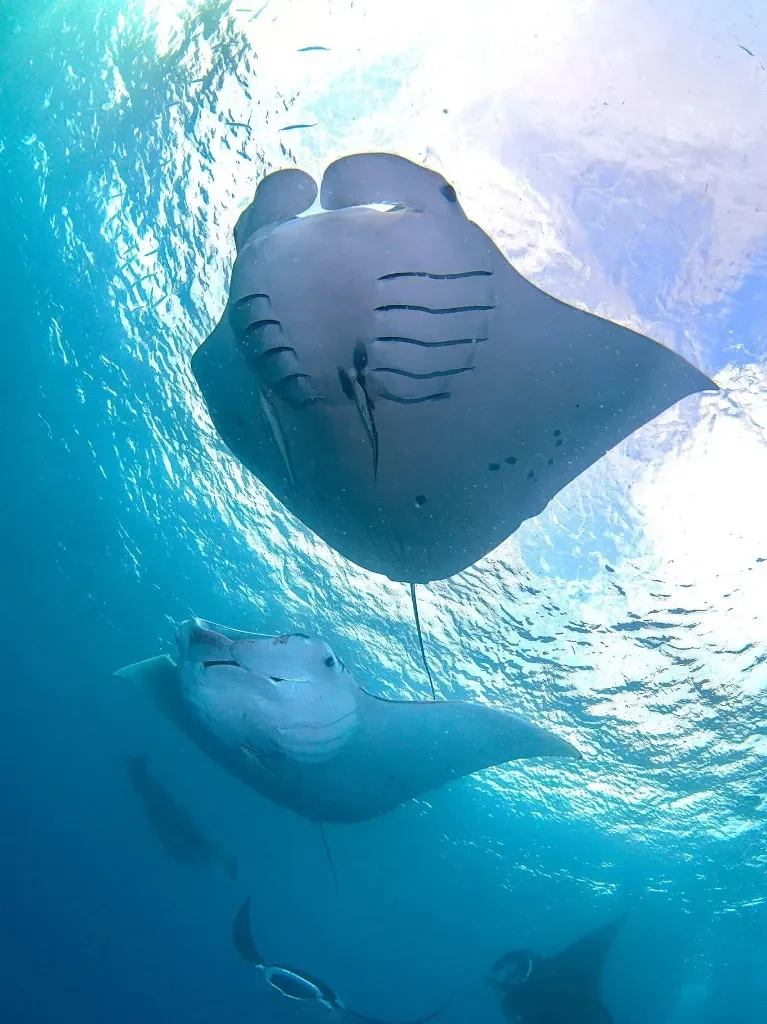
The underwater ecosystems around Sec a zitte and neighboring Nosy Be are rich in marine biodiversity, presenting numerous highlights for keen observers. Encounters with majestic manta rays and schooling mobula rays are frequent at specific cleaning stations.
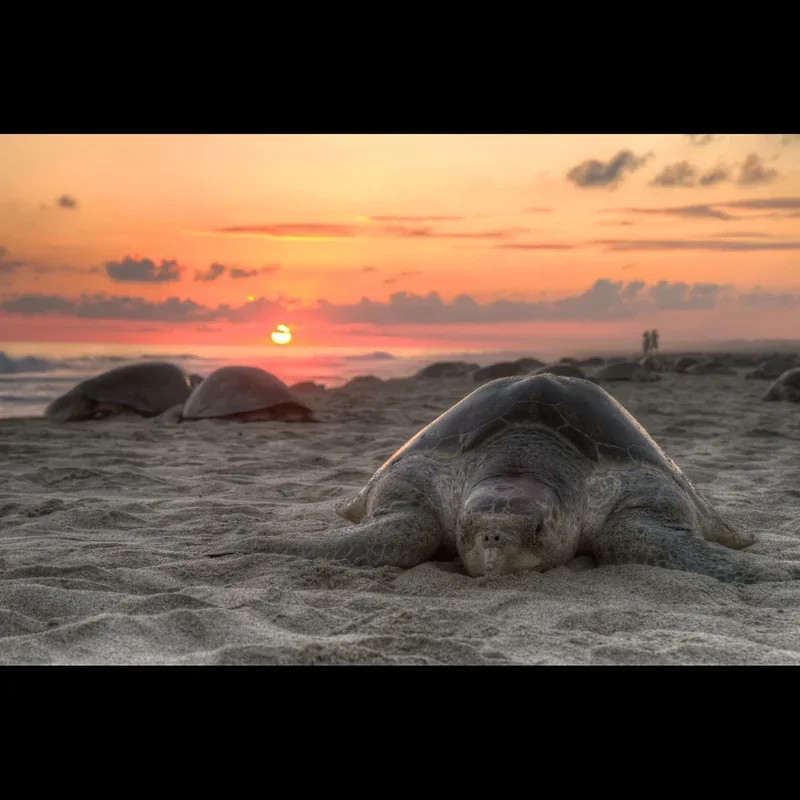
Divers often spot four species of sea turtles foraging on the reefs or resting in sheltered areas. The vibrant reefs teem with colorful reef fish, including humphead parrotfish, jackfish, and large schools of barracudas.
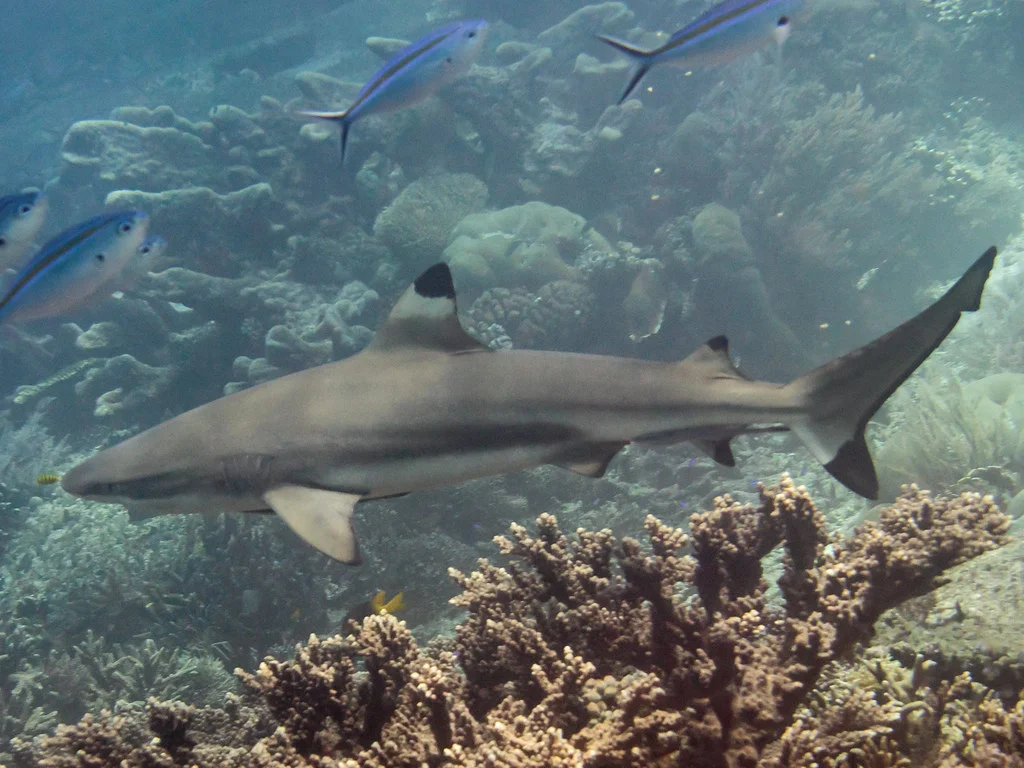
Deeper sites and drop-offs increase the likelihood of spotting various shark species, such as whitetip and blacktip reef sharks, and occasionally even whale sharks. During the appropriate season (July-September), humpback whales can be observed from the surface, adding to the region's allure.

Dive Sites Near Sec a Zitte
View all dive sites in MadagascarDiscover more underwater gems in this area.
Dive Centers Near Sec a Zitte
No Dive Centers Local To Sec a Zitte
Are you a dive center visiting this location? Get listed to reach divers.
Nearest Airports
Nearest airports to help plan travel to this dive area.
Frequently Asked Questions
What is the typical depth range for dives around Sec a zitte?
Dive sites in the broader Nosy Be area, where Sec a zitte is located, generally range from shallower sections, starting at around 5 meters, down to deep drop-offs reaching 40 meters (131 ft) or more. Specific wreck sites are typically found in the 26 to 29-meter range.
What are the water temperatures like?
Water temperatures in this region are comfortably warm throughout the year. They generally vary between 25°C (77°F) in the cooler, dry season (July-September) and can reach up to 28°C (83°F) during the warmer, wet season (January-March).
What kind of marine life can I expect to see?
Divers can expect a diverse array of marine life. Common sightings include various reef fish like groupers, jackfish, and barracudas, alongside larger pelagics such as manta rays, mobula rays, and several species of sharks. Turtles are also regularly encountered on the reefs.
Are there opportunities for wreck diving?
Yes, the Nosy Be and Sakatia areas offer access to several small to average-sized wrecks. These are popular sites, often covered in coral and acting as artificial reefs, teeming with marine life.
Is Sec a zitte suitable for beginner divers?
While specific details for Sec a zitte are limited, diving in the surrounding Nosy Be area caters to a range of experience levels. Some sites are suitable for beginners, while deeper wrecks or drop-offs require advanced certifications and experience.
How clear is the water usually?
Visibility can vary significantly. Around some wreck sites, visibility might be limited, but offshore sites and drop-offs often boast excellent clarity, sometimes reaching up to 50 meters. Conditions depend on factors like current and recent weather.
Can I do night dives here?
Night diving is a popular offering in the Nosy Sakatia area. Using specialized lights and filters allows divers to witness the reef in different colors and observe nocturnal creatures, such as octopus, that are more active after sunset.
Planning to dive Sec a Zitte?
Send one inquiry and receive offers directly from the best verified local dive operators.
Conditions are Good
Optimal conditions expected
Current conditions near Sec a Zitte show 24° air, 24° sea temperature, 1.3 m waves, and 24 km/h wind. Forecast data is refreshed regularly to ensure accuracy.