
Diving at Maison Verte (Madagascar)
Madagascar, often called the 'eighth continent' for its unparalleled terrestrial biodiversity, extends this unique character beneath the waves. Around Nosy Be, divers discover flourishing reefs that host an extraordinary array of marine life, a distinct blend of species not consistently found elsewhere. Maison verte, situated within this rich marine environment, offers a compelling window into the vibrant underwater world off Nosy Be's coast, inviting exploration of its diverse ecosystems.
Tonight's objective overview for Maison Verte shows an air temperature of 20.5°C. The measured surface conditions include wave heights around 1.5 m. This environmental data is logged for the close of the day.
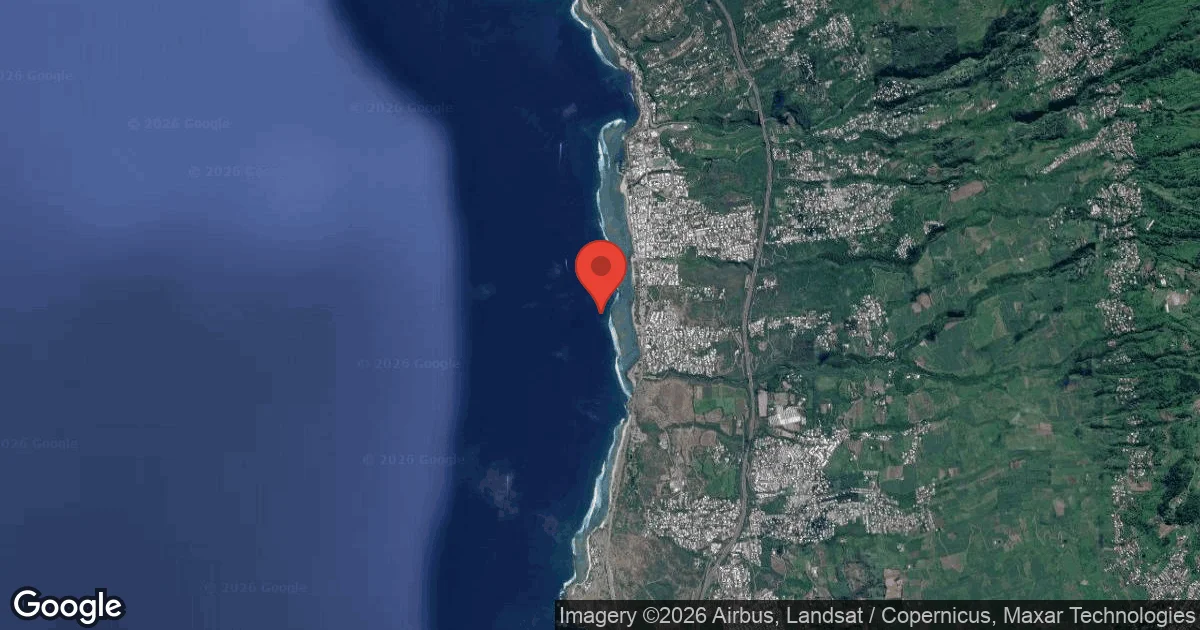
Dive Site Location & Key Facts
Dive Site Overview
The underwater topography around Nosy Be, offering access to sites like Maison verte, presents a captivating environment for divers of all experience levels. These vibrant underwater ecosystems have long drawn enthusiasts to the region.
The area's reputation for exceptional marine biodiversity is supported by ongoing conservation efforts, with local organizations such as the Madagascar Research & Conservation Institute (MRCI) actively contributing to the understanding and preservation of these pristine habitats. Divers can anticipate explorations across extensive coral reefs, encompassing both shallow coral gardens bathed in sunlight and more dramatic deeper sea walls that descend into the blue. These diverse formations support a rich variety of life.
A range of dive profiles are common, with drift diving frequently accessible, providing a smooth, current-assisted introduction for novices. Experienced divers will also appreciate the opportunity to cover significant reef sections with minimal effort.
Depths generally span from 5 m (16 ft) to 40 m (131 ft), allowing for a wide array of certification levels to find suitable exploration points. This adaptability means whether seeking macro life in the shallows or larger pelagics along the deeper drop-offs, the sites around Nosy Be offer compelling objectives.
Conditions are Good
Optimal conditions expected
Current conditions near Maison Verte show 21° air, 25° sea temperature, 1.4 m waves, and 31 km/h wind. Forecast data is refreshed regularly to ensure accuracy.
Best Time to Dive
Planning your dive around Nosy Be depends on the experience you seek, as different seasons present unique opportunities. For optimal conditions favoring larger pelagic encounters like whale sharks and manta rays, late summer and early autumn (September onwards) are often recommended, with humpback whales passing through from July to September. Water temperatures are warmest between January and March, averaging around 28°C (83°F), gradually cooling to approximately 25°C (77°F) from July to September. Air temperatures follow a similar pattern, ranging from a cooler 21-22°C (70-72°F) in July-August to a warmer 26-27°C (79-81°F) in January-February. Rainfall is notably higher from January to April, with relatively drier months from May through October, generally improving visibility and surface conditions for diving.
PEAK SEASON SCORE
Scores combine air & water temps, waves, wind & rainfall for overall conditions.
BEST MONTHS TO DIVE
Monthly records compiled from satellite and marine observation nodes over the last 3 years. Data provided by Open-Meteo and MET Norway.
Dive Experience & Conditions
Exploration at depths between 5 m (16 ft) and up to 40 m (131 ft) defines the dive experience at sites around Nosy Be, making it suitable for divers of all levels. Visibility in these waters is impressively variable, extending from 10 m (33 ft) to an exceptional 50 m (164 ft) depending on currents and plankton blooms. Divers should prepare for water temperatures that can range from 25-28°C (77-83°F), with the warmer end of this spectrum occurring in the first few months of the year. Moderate dive scores are consistently reported throughout the year, suggesting generally favorable but sometimes dynamic conditions. Drift diving is a common and often recommended experience, particularly for those new to this style, allowing divers to effortlessly glide along reef structures.
Dive Difficulty & Safety Guidelines
Ensuring a safe dive experience in the diverse waters off Nosy Be involves adhering to standard dive practices and respecting local marine guidelines. Given the potential for drift diving, especially for novices, thorough briefing on current conditions and proper buoyancy control are crucial. Divers should always follow their guide's instructions and stay within certified depth limits to navigate the varied underwater topography effectively.
As with any marine environment, maintaining a respectful distance from marine life and avoiding contact with corals helps preserve the fragile ecosystem. There are no specific hazards consistently reported for this area, but divers should be prepared for typical open-water conditions, including potential changes in visibility or currents.
Recommended Equipment
Current and surface separation risk. Local briefing strongly recommended.
- Dive Computer
- DSMB
- Reel / Spool
This gear list is based on verified equipment signals for Maison Verte, Madagascar. Always confirm final gear choices with your dive operator, guide, or liveaboard.
Recommended Dive Suit
A warming trend is expected over the next few days. A warming trend is expected over the next few days.
Factors such as dive duration, depth, and activity level can influence how warm a diver feels underwater.
3mm wetsuit typically balances flexibility and thermal protection in these temperatures. A hood or vest is suggested for sensitive divers due to surface winds. Surface intervals may feel cooler. Divers preparing to enter the water at Maison Verte will likely find temperatures around 25°C (77°F) today. Surface air temperatures are resting at 21°C (69°F).
Emergency & Medical Support
Essential information to help you plan your dive trip to Maison verte.

Hyperbaric chambers are a critical part of dive safety infrastructure. Availability varies significantly by region, and not all dive areas have immediate access.
Before diving, it's recommended to:
- confirm nearest medical facilities
- check emergency procedures with local dive operators
- ensure dive insurance covers evacuation if required
Divers Alert Network
Diving emergency assistance available through DAN Southern Africa.
+27828106010- 24/7 emergency hotline
- Diving medical assistance
- Evacuation coordination
Emergency contacts are provided for reference. Always verify local emergency services before diving.
Marine Life at Maison Verte
The underwater landscape around Maison verte and other Nosy Be sites is a vibrant tapestry of hard and soft corals, providing a rich habitat for countless species. Divers frequently observe immense coral fans and a colorful array of reef fish, creating a dynamic visual experience.
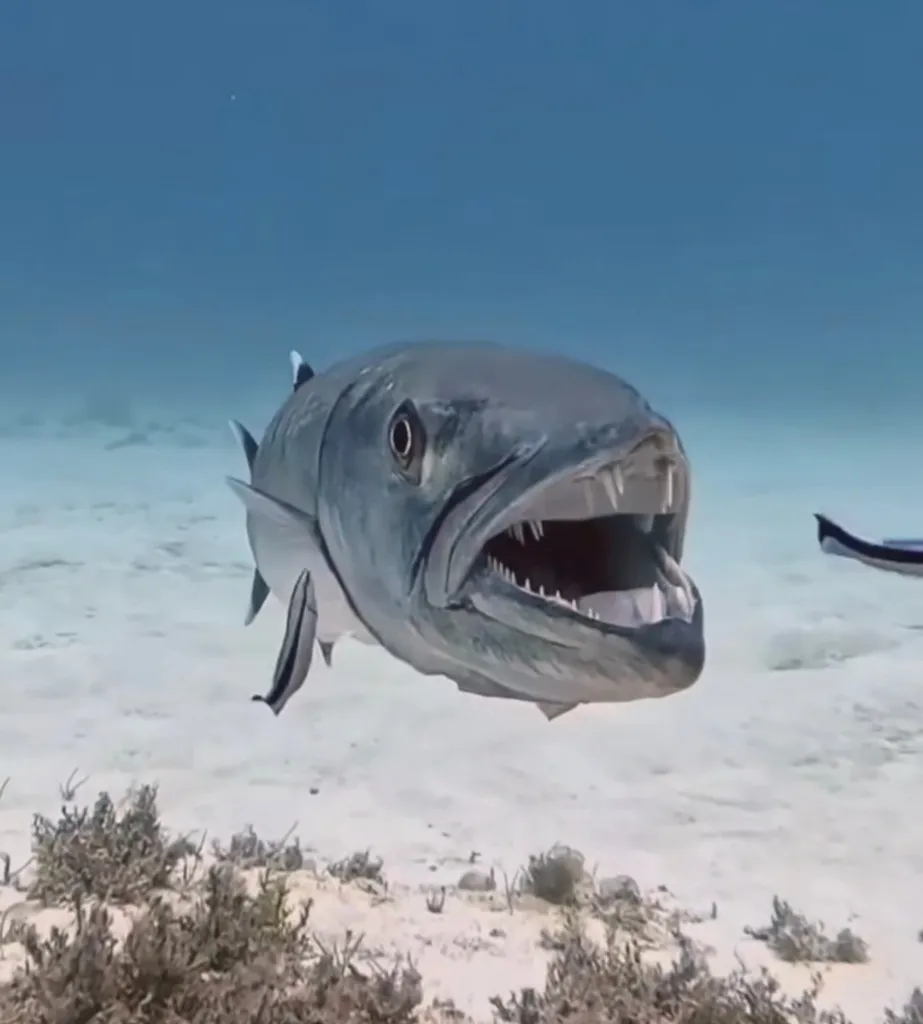
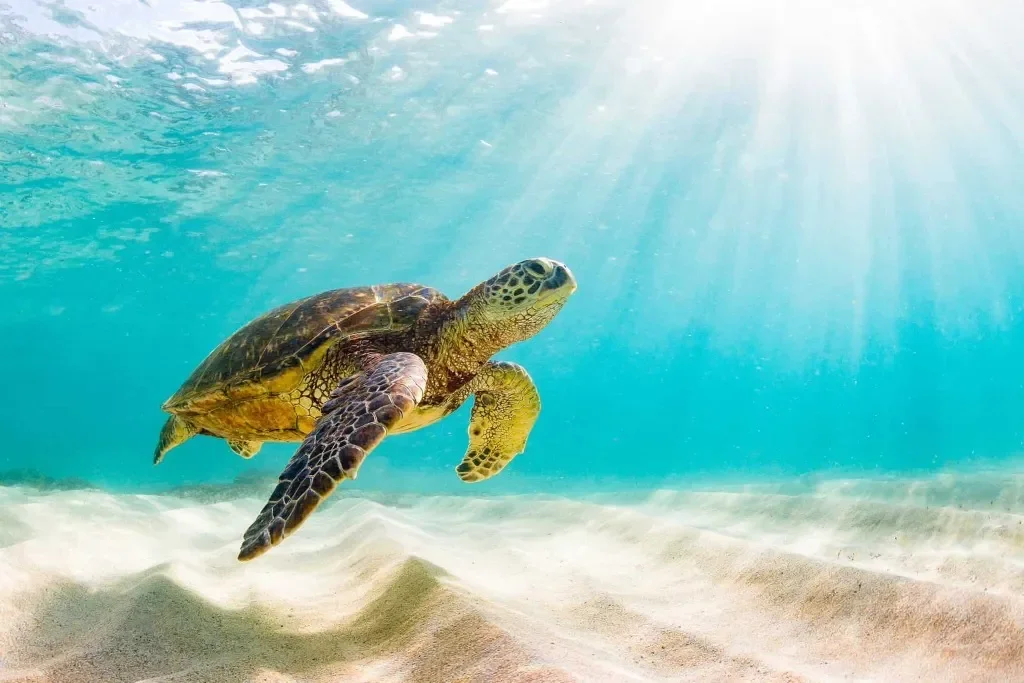
Encounters with green turtles are common, gracefully navigating the coral gardens. Beyond the reef, divers might spot leopard sharks, barracudas, and various pelagic fish.
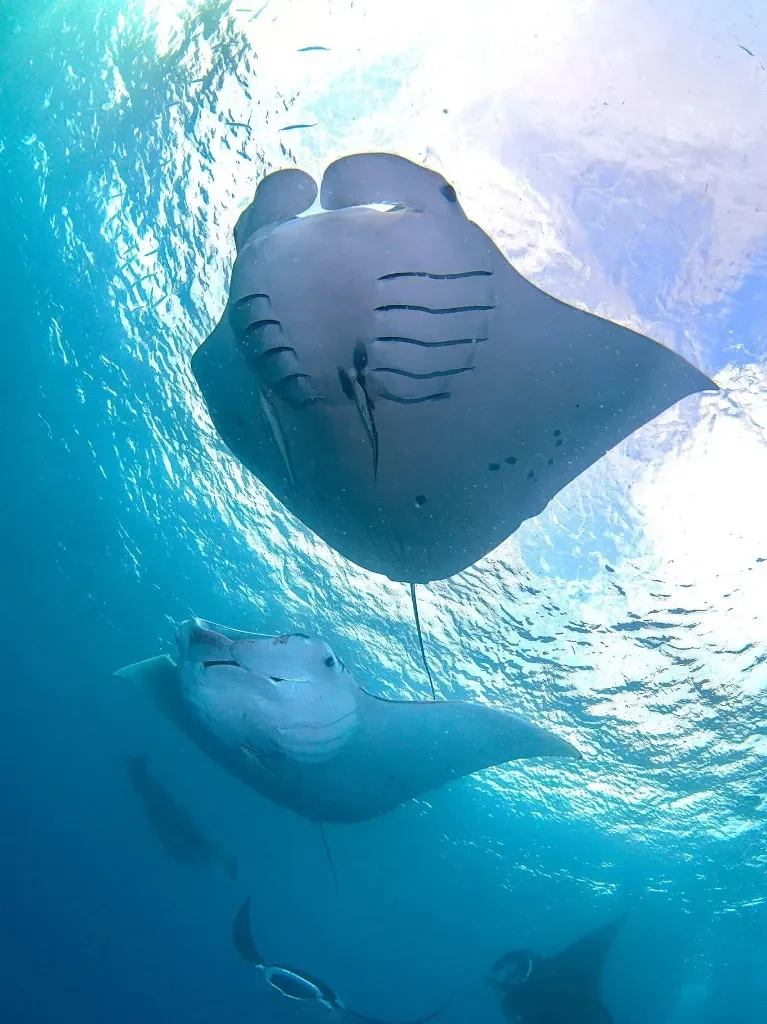
Lucky visitors during specific seasons may even encounter larger marine mammals like humpback whales or impressive filter feeders such as manta rays and whale sharks, adding an unforgettable dimension to the dive.

Dive Sites Near Maison Verte
View all dive sites in MadagascarDiscover more underwater gems in this area.
Dive Centers Near Maison Verte
No Dive Centers Local To Maison Verte
Are you a dive center visiting this location? Get listed to reach divers.
Nearest Airports
Nearest airports to help plan travel to this dive area.
Frequently Asked Questions
What is the typical depth range for diving at Maison verte?
Dive sites around Nosy Be, including areas like Maison verte, generally feature a depth range from 5 m (16 ft) to 40 m (131 ft). This allows for both shallow reef explorations and deeper dives depending on diver certification and experience.
When is the best time to see whale sharks and manta rays?
Whale sharks and manta rays are typically sighted in the summer months, with increased chances from September onwards. This period often coincides with warmer water temperatures and suitable plankton concentrations.
What kind of visibility can I expect?
Visibility in the Nosy Be region can be quite variable, ranging from 10 m (33 ft) to an excellent 50 m (164 ft). Conditions depend on factors such as currents, recent rainfall, and plankton presence.
Are there opportunities for drift diving?
Yes, drift diving is a common and popular experience in Nosy Be. It's often suitable for beginner divers looking to experience current-assisted diving while admiring the reefs.
What marine life is commonly seen on these dives?
Divers often encounter healthy coral formations, various reef fish, green turtles, and gigantic lobsters. Larger species like leopard sharks and barracudas are also frequently observed.
What are the water temperatures like throughout the year?
Water temperatures range from approximately 28°C (83°F) during the warmer months of January to March, cooling to around 25°C (77°F) from July to September.
Planning to dive Maison Verte?
Send one inquiry and receive offers directly from the best verified local dive operators.
Conditions are Good
Optimal conditions expected
Current conditions near Maison Verte show 21° air, 25° sea temperature, 1.4 m waves, and 31 km/h wind. Forecast data is refreshed regularly to ensure accuracy.