
Diving at Stella Maru (Madagascar)
Stella Maru, a Japanese trawler scuttled in 1987, rests upright on a sandy seabed, forming a prominent artificial reef. Largely intact, its structure offers divers a striking underwater landscape. Patches of soft corals, anemones, and sea urchins now carpet all surfaces, creating textured contours against the metal hull. A nearby rocky reef further enhances the site's appeal, providing additional exploration opportunities.
As evening covers Stella Maru, the local air temperature is measured at 25.5°C. The current wave height at the surface is recorded at 0.9 m. These late-day readings characterize the surface conditions for the night.
Dive Site Location & Key Facts
Dive Site Overview
Descending onto Stella Maru, divers encounter a vessel transformed from a working trawler into a vibrant aquatic habitat. Sitting between 20 and 27 m (66 and 89 ft) on the sandy bottom, the wreck invites certified divers to explore its structure.
Almost completely intact and resting upright, it provides a stable and visually compelling environment. Its structure allows for clear orientation and casts an impressive silhouette against ambient light. Divers observe how marine growth has extensively colonized the entire wreck, creating a living tapestry of algae, anemones, and small soft corals across the metal hull.
A diverse array of underwater creatures calls this site home, making each circuit around the hull a discovery. Consistent water temperature, typically ranging from 20 to 28°C (68 and 82°F), contributes to comfortable diving conditions throughout the year.
Exploring Stella Maru offers a compelling experience for those comfortable with deeper recreational diving and an interest in marine-encrusted historical sites.
Conditions are Good
Optimal conditions expected
Current conditions near Stella Maru show 25° air, 24° sea temperature, 0.8 m waves, and 22 km/h wind. Forecast data is refreshed regularly to ensure accuracy.
Best Time to Dive
Diving Stella Maru is feasible throughout the year, but distinct seasonal variations influence the overall experience. March through December consistently rates as 'Good' for diving, often characterized by more favorable surface conditions. During these months, average air temperatures range from 22.5 to 27.5°C (72 to 82°F), creating a pleasant environment both above and below the surface. In contrast, January and February see 'Moderate' dive scores, which may coincide with slightly higher rainfall, averaging 3.8 to 5.3 mm (0.15 to 0.21 in). Wind speeds also show variability; calmer conditions generally occur from November to February, averaging 21 to 24 km/h (13 to 15 mph), compared to stronger winds, up to 29 km/h (18 mph), observed during cooler months from May to September. Planning a trip in the 'Good' season may optimize your dive enjoyment.
PEAK SEASON SCORE
Scores combine air & water temps, waves, wind & rainfall for overall conditions.
BEST MONTHS TO DIVE
Monthly records compiled from satellite and marine observation nodes over the last 3 years. Data provided by Open-Meteo and MET Norway.
Dive Experience & Conditions
Currents at Stella Maru are typically low, generally remaining below 1 knot, allowing for a more relaxed exploration. Divers can closely observe intricate wreck details and resident marine life without significant drift. Maximum depth is 26 m (85 ft), placing it firmly within advanced recreational diving limits. Visibility often extends up to 30 m, providing clear views of the vessel's complete structure and surrounding sandy expanse. Water temperatures stay consistently warm, fluctuating between 20 and 28°C (68 and 82°F) across seasons, negating the need for very heavy exposure protection. Individual comfort levels vary; a 3mm to 5mm wetsuit is generally suitable.
Dive Difficulty & Safety Guidelines
Approaching the Stella Maru wreck requires an Advanced Open Water (AOW) or CMAS ** certification due to its depth and the nature of wreck diving. Divers should ensure their training aligns with the site's requirements before planning a descent. Current conditions are generally mild, but it's always prudent to consult with local dive operators for real-time updates.
While the wreck is largely intact, penetration is not consistently reported as a standard activity and should only be attempted by divers with specialized wreck penetration training and appropriate equipment. Maintaining proper buoyancy control is essential to avoid disturbing the delicate marine growth covering the wreck and to prevent stirring up sediment from the sandy bottom.
Recommended Equipment
Overhead / entanglement risk. Wreck penetration requires proper training.
- Dive Computer
- DSMB
- Primary & Backup Lights
- Wreck Reel
- Cutting Tool
This gear list is based on verified equipment signals for Stella Maru, Madagascar. Always confirm final gear choices with your dive operator, guide, or liveaboard.
Recommended Dive Suit
Divers visiting Stella Maru today can expect water conditions around 24°C (76°F). Surface air temperatures are resting at 25°C (78°F).
Many divers choose 3mm wetsuit when diving in similar conditions. Consider warmer surface protection (like a boat coat) due to brisk winds.
Short-term weather patterns suggest stable conditions for divers visiting the area.
Emergency & Medical Support
Essential information to help you plan your dive trip to Stella Maru.

Hyperbaric chambers are a critical part of dive safety infrastructure. Availability varies significantly by region, and not all dive areas have immediate access.
Before diving, it's recommended to:
- confirm nearest medical facilities
- check emergency procedures with local dive operators
- ensure dive insurance covers evacuation if required
Divers Alert Network
Diving emergency assistance available through DAN Southern Africa.
+27828106010- 24/7 emergency hotline
- Diving medical assistance
- Evacuation coordination
Emergency contacts are provided for reference. Always verify local emergency services before diving.
Marine Life at Stella Maru
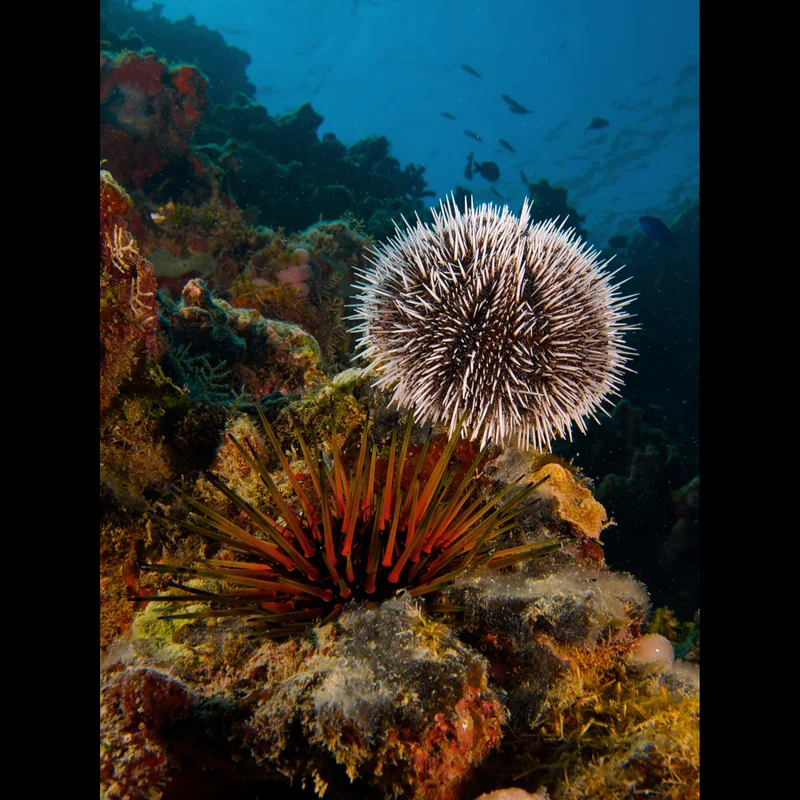
Examining the wreck itself reveals a thriving micro-ecosystem. Stella Maru is heavily encrusted with algae, sea urchins, and various small soft corals, providing ample shelter and foraging grounds.
Divers can expect to encounter Giant Morays peeking from crevices, along with schools of Triggerfish and Jack fish circling the structure. Porcupine fish are common residents, often seen navigating the wreck's contours.
A diverse variety of smaller, colorful reef creatures also inhabits the wreck, contributing to its lively atmosphere.

Dive Sites Near Stella Maru
View all dive sites in MadagascarDiscover more underwater gems in this area.
Dive Centers Near Stella Maru
No Dive Centers Local To Stella Maru
Are you a dive center visiting this location? Get listed to reach divers.
Nearest Airports
Nearest airports to help plan travel to this dive area.
Frequently Asked Questions
What is the maximum depth of the Stella Maru wreck?
The Stella Maru wreck reaches a maximum depth of 26 m (85 ft). This makes it suitable for advanced recreational divers.
What certification level is required to dive the Stella Maru?
Divers must hold an Advanced Open Water (AOW) or CMAS ** certification to dive the Stella Maru wreck. This ensures divers have the necessary experience for deeper recreational diving.
What are the typical water temperatures at Stella Maru?
Water temperatures at Stella Maru are generally warm, ranging from 20 to 28°C (68 to 82°F) throughout the year. This allows for comfortable diving with moderate exposure protection.
Are there strong currents at the Stella Maru dive site?
No, currents at the Stella Maru wreck are typically low, usually less than 1 knot. This contributes to a relaxed and enjoyable dive experience.
What marine life can be seen on the Stella Maru?
Divers can spot Giant Morays, Triggerfish, Jack fish, and Porcupine fish, among a variety of smaller reef creatures. The wreck itself is covered in algae, sea urchins, and soft corals.
Is wreck penetration allowed at Stella Maru?
Wreck penetration is not consistently reported as a general activity. It should only be undertaken by divers with specific wreck penetration training and appropriate equipment.
Planning to dive Stella Maru?
Send one inquiry and receive offers directly from the best verified local dive operators.
Conditions are Good
Optimal conditions expected
Current conditions near Stella Maru show 25° air, 24° sea temperature, 0.8 m waves, and 22 km/h wind. Forecast data is refreshed regularly to ensure accuracy.