
Diving at Carpenter Reef (Madagascar)
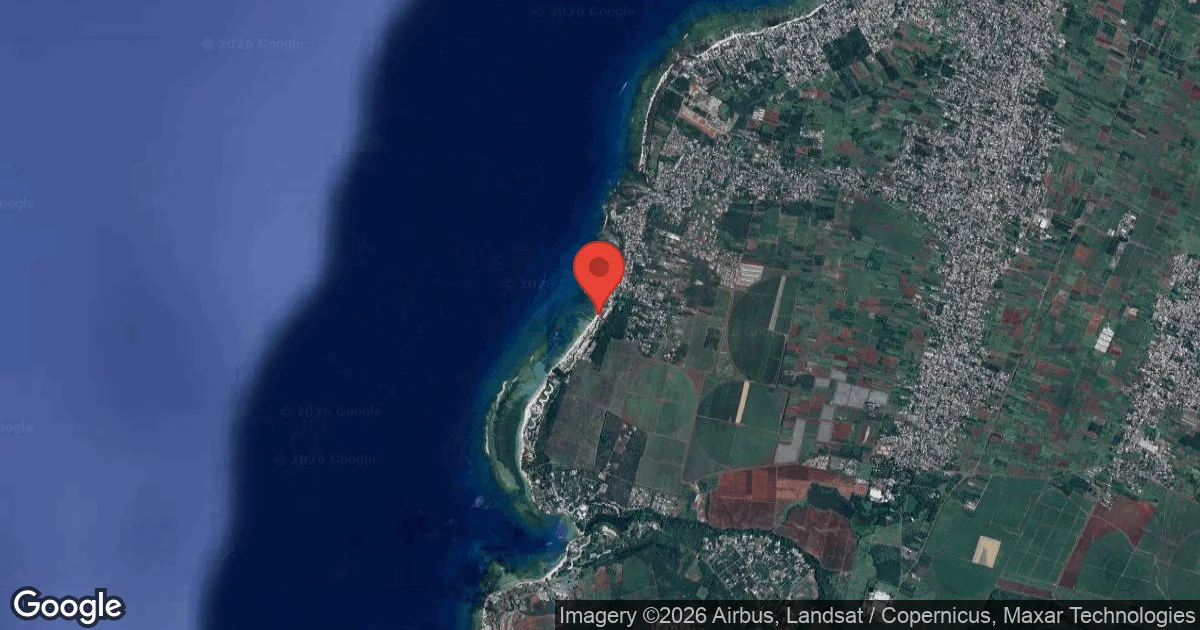
Carpenter Reef presents a dynamic underwater experience off Madagascar's vibrant coastline. Divers frequently encounter strong currents here, making it a thrilling drift dive. Expect encounters with various pelagic species, adding to the excitement. Its precise location requires careful navigation, often dictated by tides. Underwater caves and captivating swim-throughs further enhance its appeal for adventurous divers.
Evening condition tracking at Carpenter Reef features an air temperature of 22°C. We have recorded wave heights measuring 1.3 m during this period. These figures outline the environmental parameters currently present.
Dive Site Location & Key Facts
Dive Site Overview
Exploring Madagascar's extensive coral reefs often leads to dynamic sites like Carpenter Reef, a prime example of the rich biodiversity throughout its waters. The island's marine environment is a rich tapestry, home to over 300 types of hard corals and a staggering 1300 species of bony fish.
This healthy reef structure supports an array of marine life, from vibrant reef dwellers to larger pelagic species. Divers will find a thriving ecosystem here, which also hosts significant populations of various turtles and numerous shark species; over 56 types are documented in Madagascar's waters. Carpenter Reef fits well into the established diving network, accessible through both liveaboard and land-based operations, especially popular around the Nosy Be region.
Recreational diving depths, typically ranging from 5 to 40 m (16 to 131 ft), accommodate a wide range of certification levels. Average water temperatures reliably hover between 25-28°C (77-83°F), ensuring comfortable long dives.
Visibility often extends from 5 to 40 m (33 to 164 ft), revealing the specific structural elements like its compelling swim-throughs and underwater caves.
Conditions are Good
Optimal conditions expected
Current conditions near Carpenter Reef show 22° air, 24° sea temperature, 1.1 m waves, and 26 km/h wind. Forecast data is refreshed regularly to ensure accuracy.
Best Time to Dive
Optimal conditions for diving around Madagascar, including Carpenter Reef, are influenced by seasonal shifts, with specific months offering enhanced experiences or calmer seas. For excellent overall diving and increased potential for whale shark sightings, the period from September onward is generally favored. Humpback whales also migrate through the region, often spotted from July through September. Based on climate data, surface air temperatures typically range from a cooler 22.5°C (72°F) in August to a warmer 27.5°C (82°F) in February, ensuring comfortable conditions before and after dives. Rainfall remains consistently low throughout the year; monthly averages seldom exceed 4.1 mm (0.16 inches) even in the wetter month of January, dropping to as little as 0.6 mm (0.02 inches) in October. Dive centers around Nosy Be commonly close during the cyclone season, which typically runs from January to March, so planning outside this window is advisable. November and December frequently register "Good" dive scores, often characterized by less wind and lower average wave heights, which typically vary from 1.1 meters (3.6 feet) in December to nearly 1.5 meters (4.9 feet) in August.
PEAK SEASON SCORE
Scores combine air & water temps, waves, wind & rainfall for overall conditions.
BEST MONTHS TO DIVE
Monthly records compiled from satellite and marine observation nodes over the last 3 years. Data provided by Open-Meteo and MET Norway.
Dive Experience & Conditions
Anticipating a dynamic drift dive, Carpenter Reef often requires specific alignment of currents and tides for the best experience. The sensation of effortlessly moving along the reef, often with visibility ranging from 5 to 40 meters (33 to 164 ft), vividly defines the underwater journey. Below the surface, water temperatures are reliably warm, averaging between 25-28°C (77-83°F), allowing for extended bottom times in comfort. Exploring the site's swim-throughs and underwater caves adds an adventurous, three-dimensional element to the dive. While navigating these dramatic formations, divers will notice the subtle yet powerful shifts in current, which guide the experience. Encounters with various pelagic life are a strong possibility here, adding to the thrill. This reef offers an immersive sensory journey through healthy coral gardens and unique geological features.
Dive Difficulty & Safety Guidelines
Careful dive planning is essential when approaching Carpenter Reef, particularly given its potential for significant currents that make it a thrilling drift dive. Always verify current local conditions, including tides and water flow, with reputable dive operators before entering the water. Given the site's nature, a Nitrox certification can prove beneficial, potentially extending bottom time for more thorough exploration of its deeper sections or wider areas.
Considering a Drift Diver Specialty course would also effectively prepare you for navigating the stronger flows often present at this location. Dive centers in the Nosy Be region are generally reliable; however, confirm their operational status, especially during the cyclone season from January to March, when some may temporarily close.
Maintaining impeccable buoyancy control is crucial to protect the vibrant hard and soft coral ecosystems found throughout the reef, and adhering to strict no-touch policies is vital for preserving the diverse marine life encountered.
Recommended Equipment
Current and surface separation risk. Local briefing strongly recommended.
- Dive Computer
- DSMB
- Reel / Spool
This gear list is based on verified equipment signals for Carpenter Reef, Madagascar. Always confirm final gear choices with your dive operator, guide, or liveaboard.
Recommended Dive Suit
Conditions in the coming days are expected to stay within a similar temperature range.
Many experienced divers would consider 3mm wetsuit an appropriate choice here. Consider warmer surface protection (like a boat coat) due to brisk winds. Surface intervals may feel cooler.
At Carpenter Reef, the water is currently sitting around 24°C (76°F). Surface air temperatures are resting at 22°C (72°F).
Due to technical issues with our weather providers, live updates are temporarily delayed. The data above reflects the conditions at the time of the last successful fetch.
Emergency & Medical Support
Essential information to help you plan your dive trip to Carpenter Reef.

Hyperbaric chambers are a critical part of dive safety infrastructure. Availability varies significantly by region, and not all dive areas have immediate access.
Before diving, it's recommended to:
- confirm nearest medical facilities
- check emergency procedures with local dive operators
- ensure dive insurance covers evacuation if required
Divers Alert Network
Diving emergency assistance available through DAN Southern Africa.
+27828106010- 24/7 emergency hotline
- Diving medical assistance
- Evacuation coordination
Emergency contacts are provided for reference. Always verify local emergency services before diving.
Marine Life at Carpenter Reef
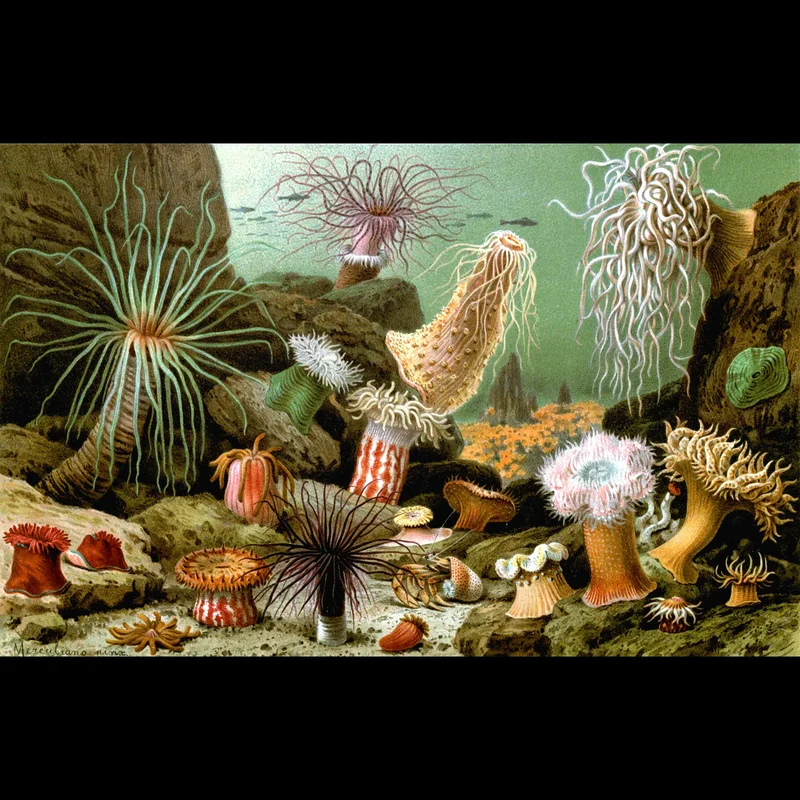
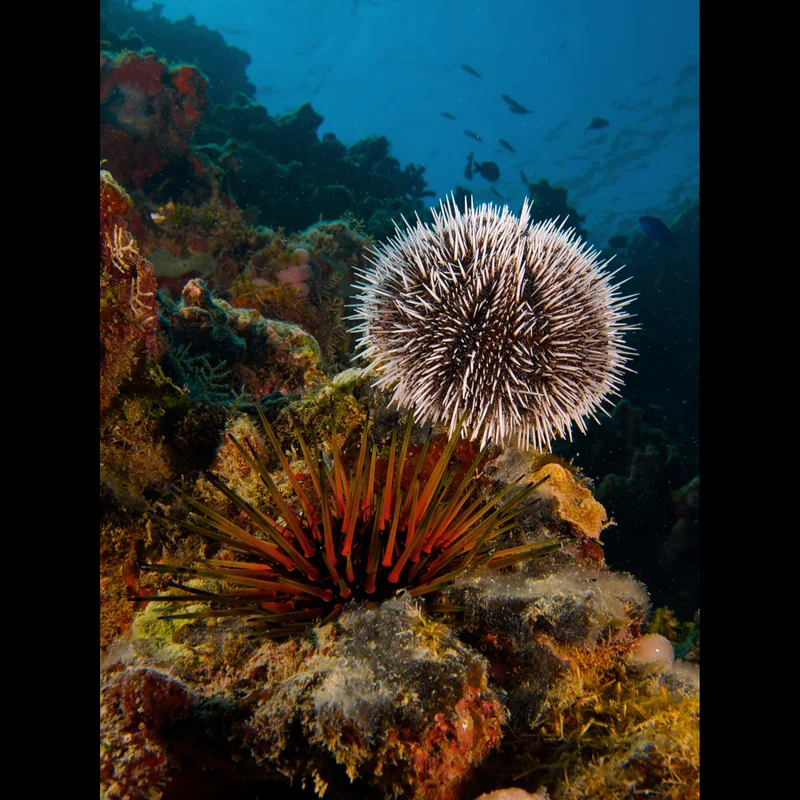
Venturing across Carpenter Reef's diverse underwater landscape reveals a striking abundance of marine life. The healthy hard and soft corals provide a vibrant habitat for numerous colorful reef fish, as well as creatures like sea urchins, anemones, and octopus.
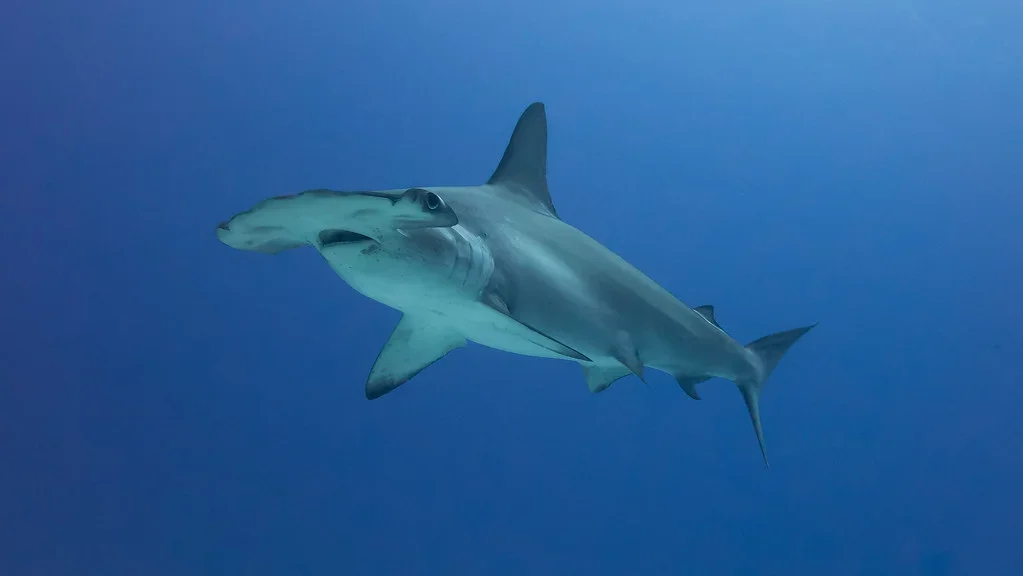
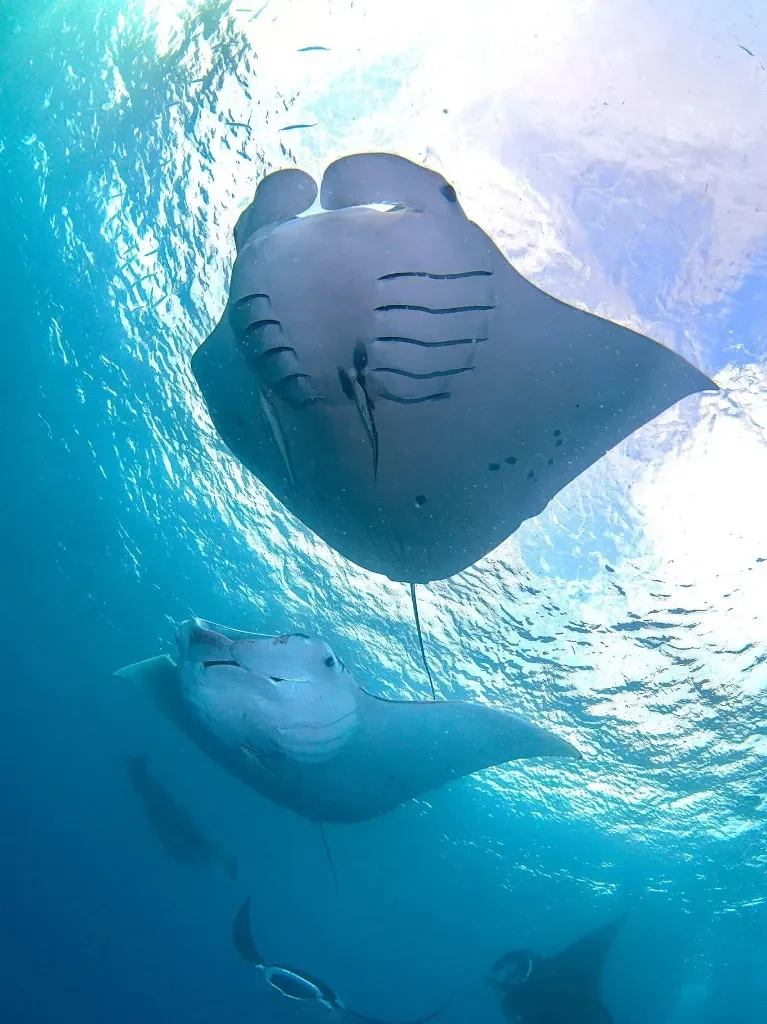
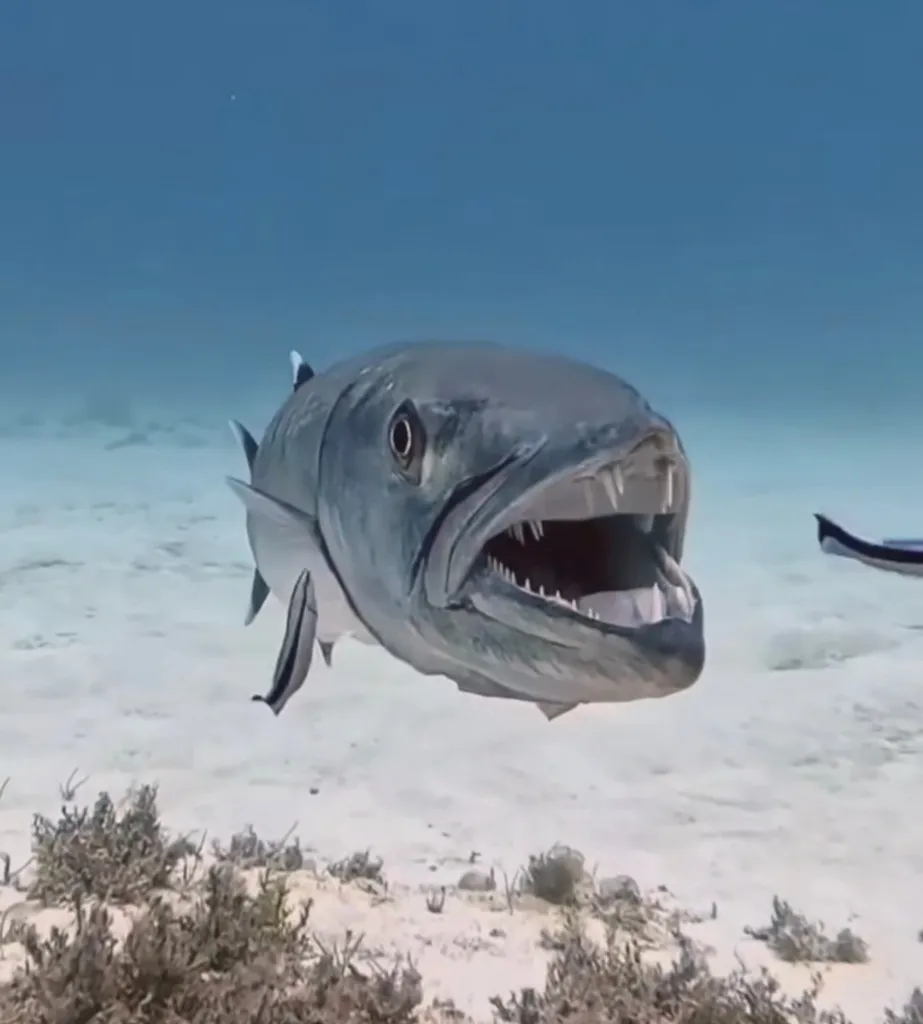
Exploring deeper sections and open water often brings encounters with larger pelagic species. Divers frequently spot grey sharks, barracuda, and various rays, including leopard rays and manta rays, gliding through the blue.
Depending on the season, migrating humpback whales might be observed in the area from July to September. From September onwards, lucky divers may also encounter whale sharks and hammerhead sharks patrolling the reef. Green turtles are also a common and welcome sight.
Dive Sites Near Carpenter Reef
View all dive sites in MadagascarDiscover more underwater gems in this area.
Dive Centers Near Carpenter Reef
No Dive Centers Local To Carpenter Reef
Are you a dive center visiting this location? Get listed to reach divers.
Nearest Airports
Nearest airports to help plan travel to this dive area.
Frequently Asked Questions
When is the best time to dive Carpenter Reef?
The period from September onward is generally favored for excellent overall diving conditions and increased chances of whale shark encounters. Humpback whales are also present from July through September. It's best to avoid the cyclone season from January to March, when some dive centers may be closed.
Is Carpenter Reef suitable for beginner divers?
Carpenter Reef is primarily known as a thrilling drift dive, which may present challenges for absolute beginners due to strong currents. While overall Madagascar diving caters to all levels, this specific site is often best enjoyed by divers with some experience in current or those with a Drift Diver Specialty certification.
What kind of marine life can I expect to see?
Expect a rich diversity including grey sharks, barracuda, and various rays like manta rays and leopard rays. Depending on the season, humpback whales, whale sharks, and hammerhead sharks can be observed. The vibrant corals also host numerous colorful reef fish, green turtles, sea urchins, anemones, and octopus.
What are the typical water temperatures at Carpenter Reef?
Water temperatures are reliably warm, generally ranging between 25-28°C (77-83°F). This provides comfortable conditions for extended dives throughout the year.
Is Nitrox recommended for diving here?
Yes, Nitrox certification is often recommended for Carpenter Reef. It can significantly extend bottom time, which is beneficial for exploring the site's deeper sections and expansive features, especially during drift dives.
How clear is the water, typically?
Visibility at Carpenter Reef is often excellent, frequently ranging from 5 to 40 meters (33 to 164 ft). Good visibility enhances the experience of observing the diverse marine life and intricate coral formations.
Are there specific hazards to be aware of?
The primary consideration is the strong currents, which define the drift diving experience. Divers should be comfortable with currents and ensure their dive operator carefully monitors tides. Planning for the cyclone season (January-March) is also important, as sea conditions can be less predictable.
Planning to dive Carpenter Reef?
Send one inquiry and receive offers directly from the best verified local dive operators.
Conditions are Good
Optimal conditions expected
Current conditions near Carpenter Reef show 22° air, 24° sea temperature, 1.1 m waves, and 26 km/h wind. Forecast data is refreshed regularly to ensure accuracy.