
Diving at Mayne Rock (Malaysia)
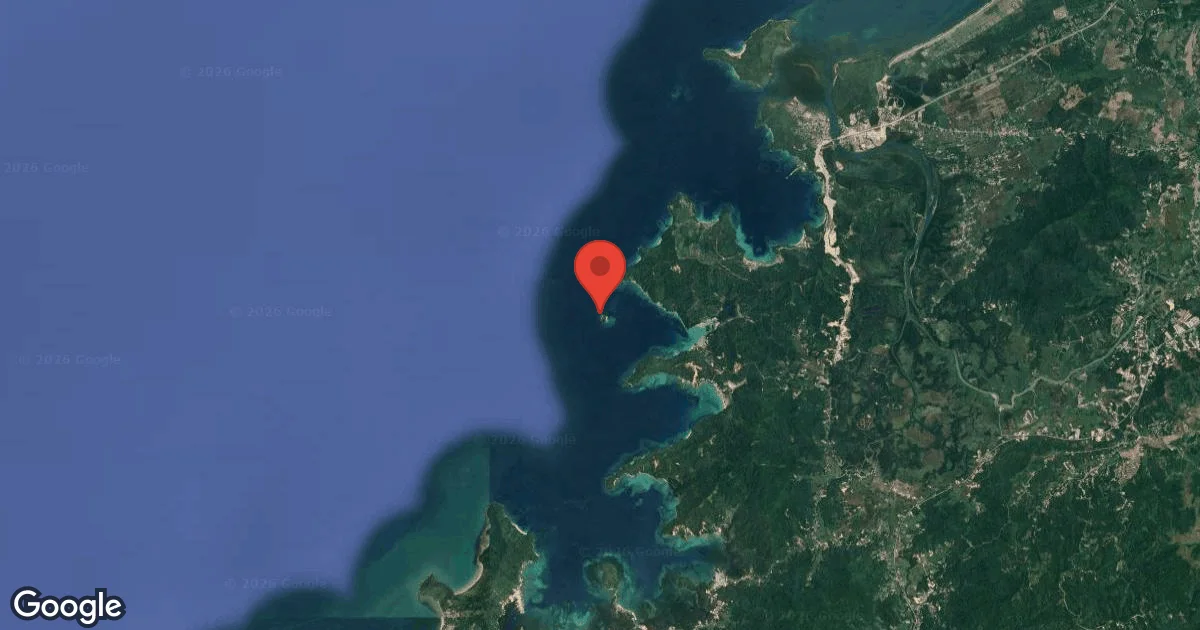
Mayne Rock has been a focal point for diving excursions in Sabah, Malaysia, documented by various dive operators over time. Early photographic records from 2009 and 2010 highlight its consistent appeal, with images frequently uploaded by 2011 showcasing its vibrant underwater scenes. Situated within Usukan Bay, it represents a well-established dive destination, frequently visited by local dive centers like Borneo Dream.
Tonight's objective overview for Mayne Rock shows an air temperature of 25.5°C. The measured surface conditions include wave heights around 1 m. This environmental data is logged for the close of the day.
Dive Site Location & Key Facts
Dive Site Overview
Descend into Mayne Rock's vibrant environment to discover an engaging and varied underwater topography that consistently rewards repeat exploration. Imposing rock formations and giant boulders characterize the site, creating a dramatic subaquatic landscape.
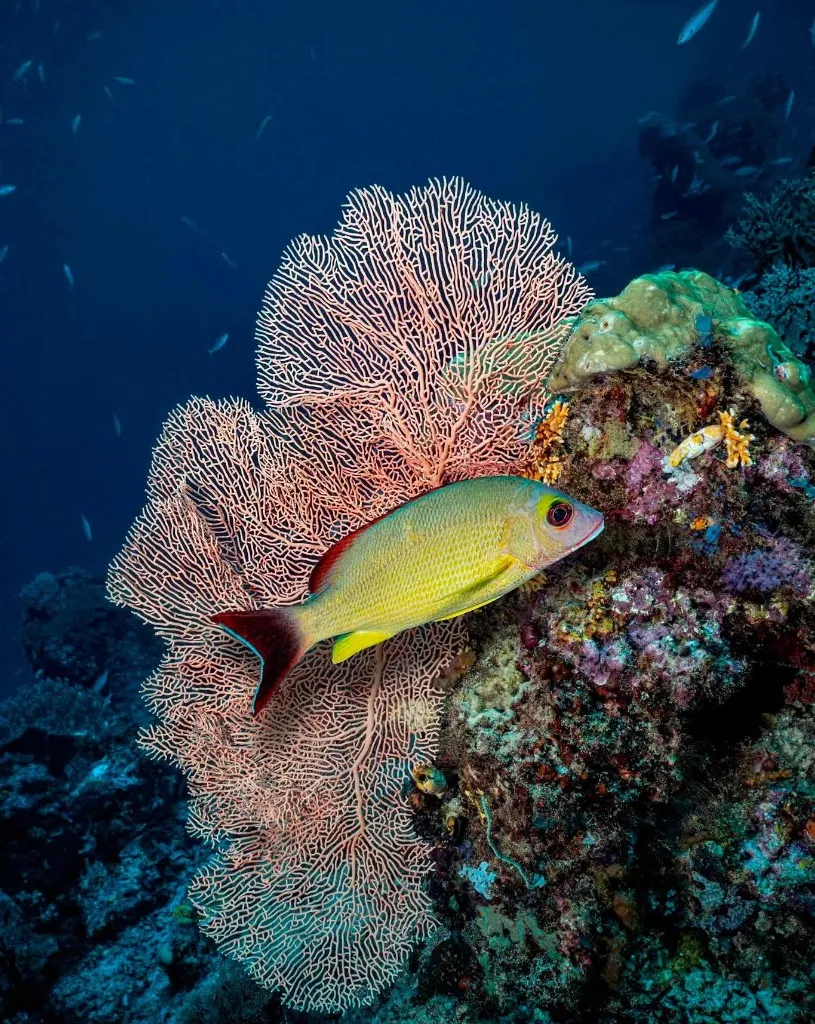
These massive structures are extensively draped in soft pink coral, vibrant feather stars, and intricate tube worms, forming a rich tapestry of color and texture. Complex geological structure fosters diverse habitats, supporting a wide array of marine life. Currents often bring schools of fusiliers, snapper, and sardines into view, frequently congregating around the rocky contours.
Swirling movements often signal the presence of larger pelagic species; jacks and mackerel dart in to feed, providing dynamic chase scenes for observers. Shifting focus to the calmer, expansive sandy areas between the boulders, divers can often observe more sedentary species.
Look closely for bamboo sharks and marble rays, frequently seen resting subtly on the seabed. Beyond the larger inhabitants, Mayne Rock also excels as a macro photography destination.
Numerous crevices and coral-encrusted surfaces reveal a wealth of smaller, often overlooked marine life, inviting close inspection and detailed photography.
Conditions are Good
Optimal conditions expected
Current conditions near Mayne Rock show 26° air, 31° sea temperature, 1.0 m waves, and 26 km/h wind. Forecast data is refreshed regularly to ensure accuracy.
Best Time to Dive
Planning a dive at Mayne Rock with optimal visibility in mind generally points towards May, which consistently shows an excellent dive score of 9. During this month, average wave heights are at their lowest, around 0.5 m (1.6 ft), and air temperatures are pleasantly warm, averaging 27.5°C (82°F). April also offers good conditions, with wave heights around 0.6 m (2.0 ft) and the lowest average rainfall at 3.66 mm (0.14 in), suggesting clearer water. While May offers the best overall conditions, months like March, April, July, August, and October also maintain good dive scores of 8, indicating favorable diving conditions are common across much of the year. Air temperatures across the year typically range between 26-27.5°C (79-82°F).
PEAK SEASON SCORE
Scores combine air & water temps, waves, wind & rainfall for overall conditions.
BEST MONTHS TO DIVE
Monthly records compiled from satellite and marine observation nodes over the last 3 years. Data provided by Open-Meteo and MET Norway.
Dive Experience & Conditions
The dive site features a varied depth profile, generally suitable for recreational divers, with many interesting sections found within 25 m (80 ft). Its unique structure, defined by huge rock formations and giant boulders, creates numerous swim-throughs and crevices to explore. Divers will navigate around these structures, observing the rich covering of pink soft corals and feather stars. Visibility can vary depending on recent weather patterns and currents, but often provides clear views of the dynamic marine interactions. Water temperatures are not consistently reported but are generally warm, consistent with tropical Malaysian waters.
Dive Difficulty & Safety Guidelines
When planning a dive at Mayne Rock, always prioritize safety by consulting a dive professional familiar with current site conditions. Given the site's rich and delicate soft coral formations, maintaining excellent buoyancy control is crucial to avoid accidental contact with the reef. Adhere strictly to established safe diving practices, including monitoring your air supply, depth, and bottom time.
No specific hazards have been consistently reported, but divers should remain aware of their surroundings and any potential changes in currents or visibility. Respect the marine environment by observing marine life without disturbing it.
Recommended Equipment
- Dive Computer
This gear list is based on verified equipment signals for Mayne Rock, Malaysia. Always confirm final gear choices with your dive operator, guide, or liveaboard.
Recommended Dive Suit
Water temperatures at Mayne Rock are currently estimated to be around 31°C (88°F), shaping the overall diving conditions for today. Surface air temperatures are resting at 26°C (78°F).
For the majority of recreational dives here, dive skin or rash guard should provide suitable protection. Consider warmer surface protection (like a boat coat) due to brisk winds.
Weather models currently point toward consistent diving conditions over the next several days.
Due to technical issues with our weather providers, live updates are temporarily delayed. The data above reflects the conditions at the time of the last successful fetch.
Emergency & Medical Support
Essential information to help you plan your dive trip to Mayne Rock.

Hyperbaric chambers are a critical part of dive safety infrastructure. Availability varies significantly by region, and not all dive areas have immediate access.
Before diving, it's recommended to:
- confirm nearest medical facilities
- check emergency procedures with local dive operators
- ensure dive insurance covers evacuation if required
Divers Alert Network
Diving emergency assistance available through DAN World.
+1-919-684-9111- 24/7 emergency hotline
- Diving medical assistance
- Evacuation coordination
Emergency contacts are provided for reference. Always verify local emergency services before diving.
Marine Life at Mayne Rock
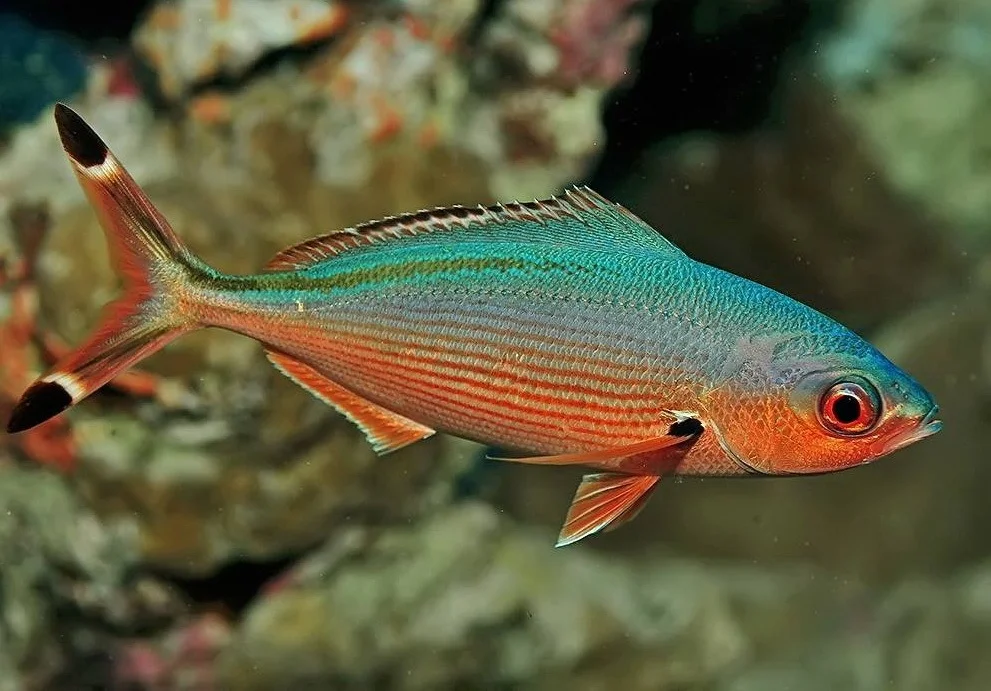
Mayne Rock is abundant with diverse marine life, appealing to both wide-angle and macro enthusiasts. Large schools of fusiliers, snapper, and sardines frequently swarm the reef, often pursued by larger predators like jacks and mackerel.
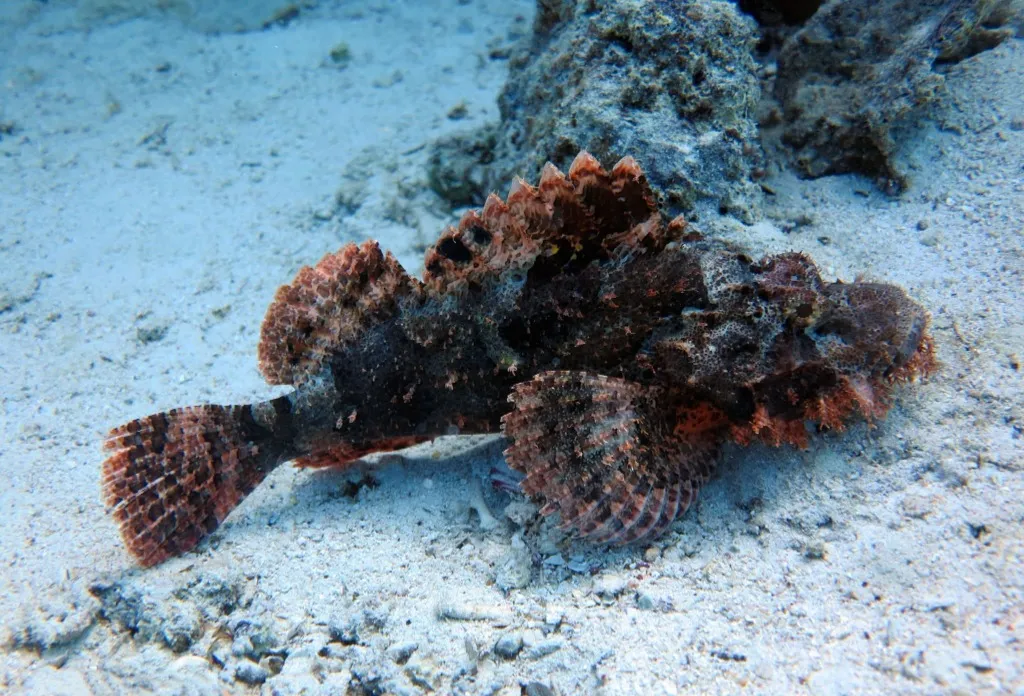
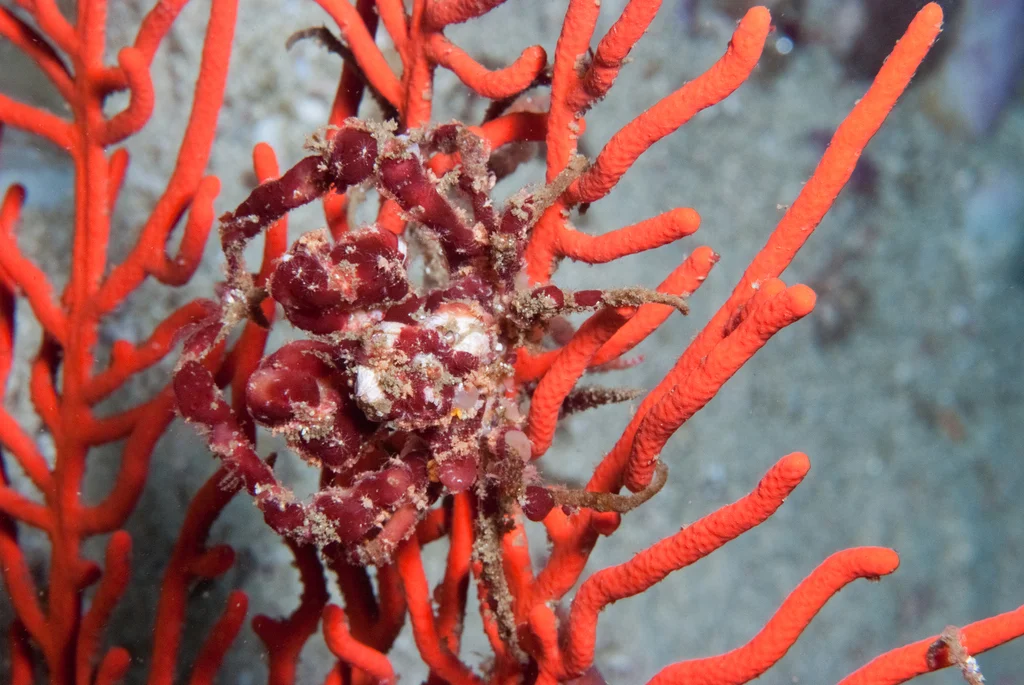
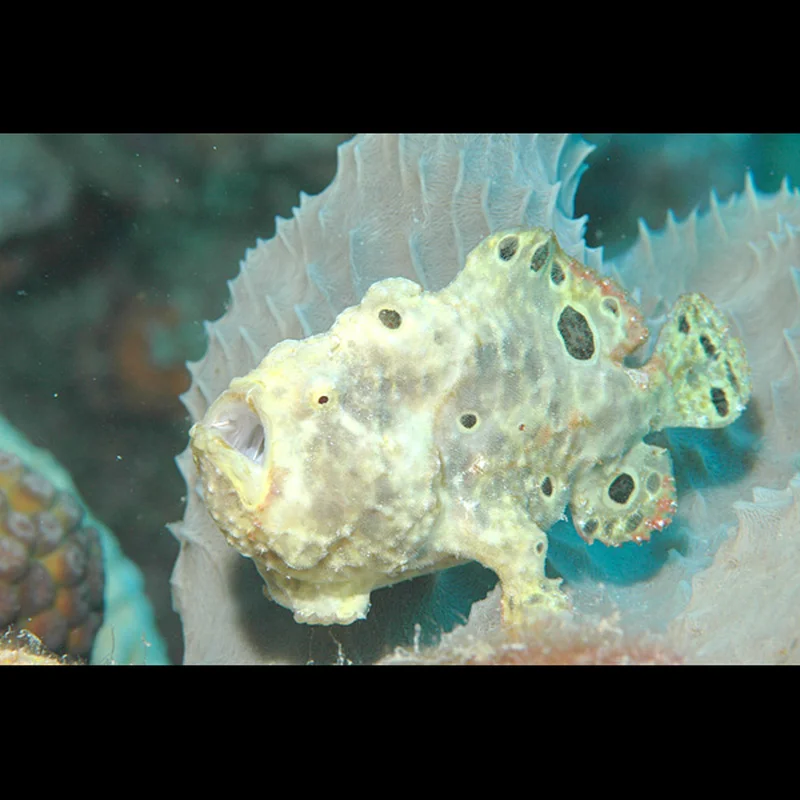
On the sandy bottoms, look for bamboo sharks and marble rays. The site's numerous crevices and corals are ideal for spotting smaller creatures such as ghost pipefish, scorpionfish, frogfish, juvenile reef fish, spider crabs, cowries, colorful nudibranchs, and tiny shrimps. Vibrant pink soft corals, feather stars, and tube worms also add to the rich underwater scenery.
Dive Sites Near Mayne Rock
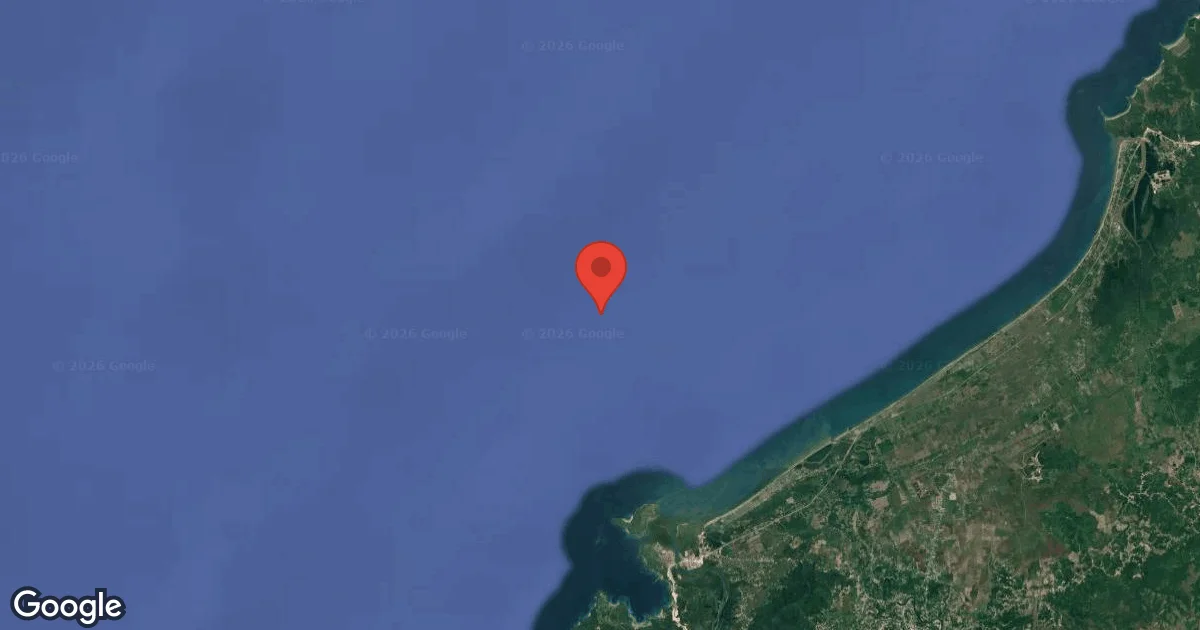
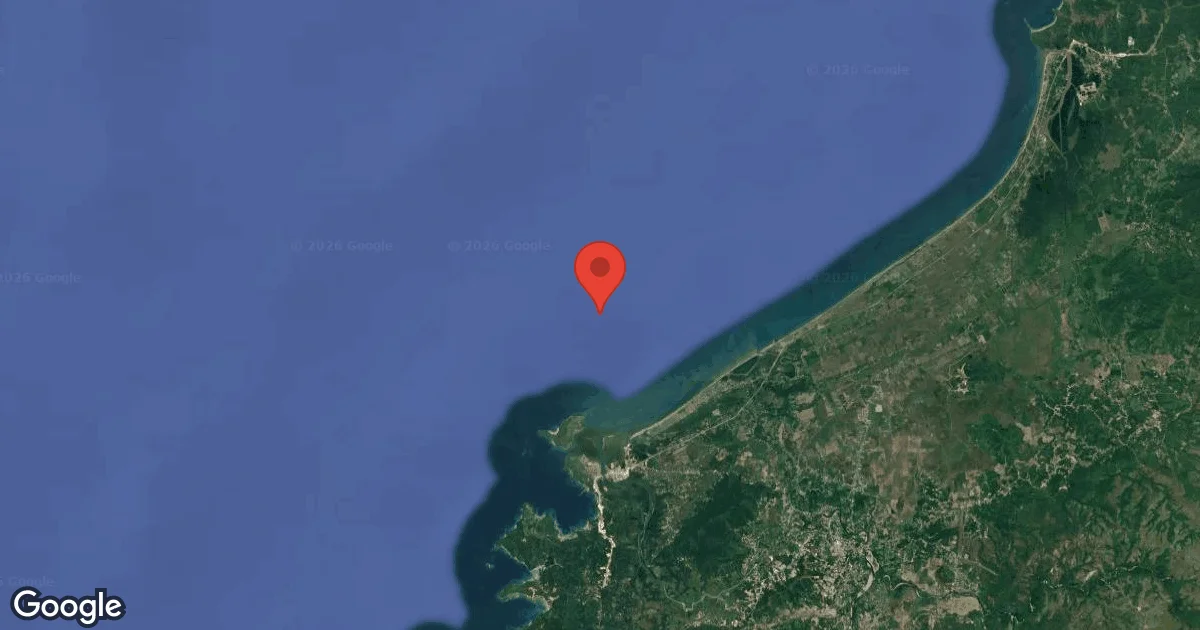
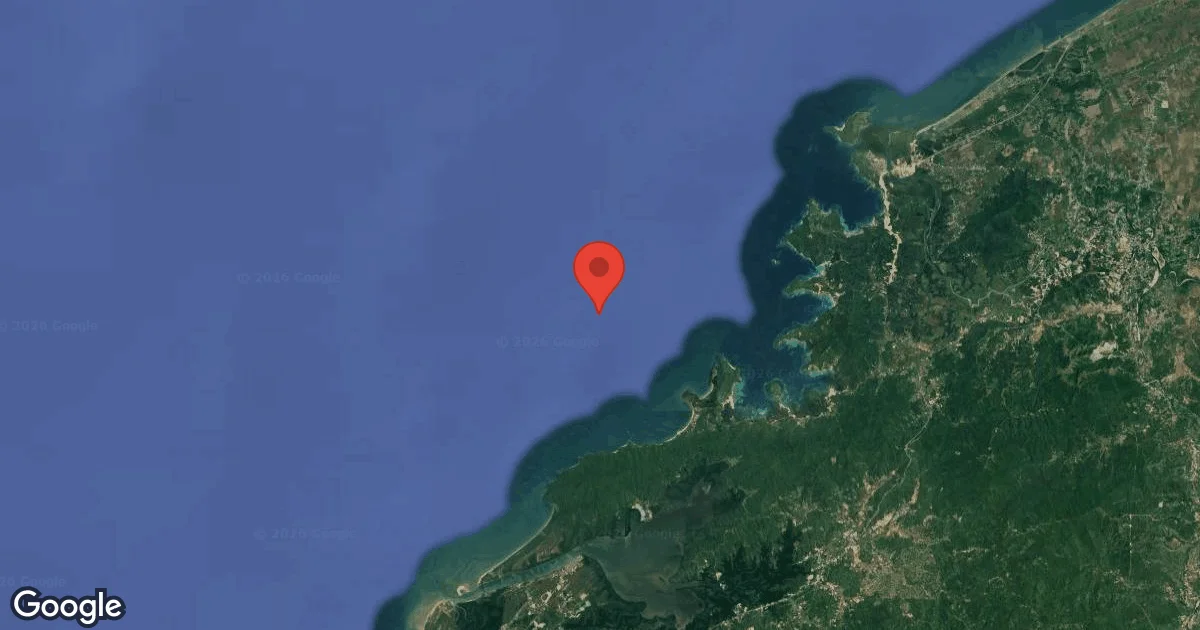
View all dive sites in MalaysiaDiscover more underwater gems in this area.
Dive Centers Near Mayne Rock
Today: Open 24 hours
Nearest Airports
Nearest airports to help plan travel to this dive area.
Search Flights
Check available flights and routes on Expedia, using the nearby airports listed in this section.
Search Flights on ExpediaFrequently Asked Questions
What type of dive site is Mayne Rock?
Mayne Rock is primarily a reef dive site, distinguished by its impressive rock formations and giant boulders. It offers a varied topography, creating diverse habitats for marine life, and is considered one of the more popular sites in the area.
What marine life can be seen at Mayne Rock?
Divers frequently encounter schools of fusiliers, snapper, and sardines, along with larger jacks and mackerel. The site is also known for sightings of bamboo sharks, marble rays, and a rich array of macro critters including ghost pipefish, scorpionfish, frogfish, and nudibranchs.
What are the typical diving conditions at Mayne Rock?
Conditions can vary, but generally include moderate currents and good visibility. The site features a varied depth profile within recreational limits. Water temperatures in the region are typically warm, though not consistently reported for this specific site.
When is the best time of year to dive Mayne Rock?
May is generally considered the best month, offering excellent dive conditions, lower wave heights, and minimal rainfall. Good diving conditions, however, extend through much of the year, including months like March, April, July, August, and October.
Is Mayne Rock suitable for beginner divers?
While the site is popular and offers varied topography, divers should consult with a local dive professional. Beginners may find it manageable, but good buoyancy control is essential to navigate around the delicate coral formations and rock structures.
What are the main topographical features of the site?
The site is dominated by huge rock formations and giant boulders covered in soft corals. These structures create an interesting and varied underwater landscape, complete with crevices and sandy patches.
Planning to dive Mayne Rock?
Send one inquiry and receive offers directly from the best verified local dive operators.
Conditions are Good
Optimal conditions expected
Current conditions near Mayne Rock show 26° air, 31° sea temperature, 1.0 m waves, and 26 km/h wind. Forecast data is refreshed regularly to ensure accuracy.