
Diving at Fish Bowl (Malaysia)
Fish Bowl's depth profile showcases black coral thriving unusually shallow, found between 14-18 m / 46-59 ft, contrasting its typical presence at 30 m / 100 ft or deeper. Encountering a species usually reserved for advanced dives becomes accessible here. Sabah, Malaysia, hosts this natural sanctuary, where extensive schooling fish gather among the reef's structure. Moderate depths welcome various certification levels, making it a key destination for observing special coral formations.
Tonight's objective overview for Fish Bowl shows an air temperature of 29°C. The measured surface conditions include wave heights around 0.8 m. This environmental data is logged for the close of the day.
Dive Site Location & Key Facts
Dive Site Overview
Fish Bowl's name originates from immense congregations of juvenile fish sheltering within its intricate reef structures. Black coral, a particularly distinctive species, largely defines the underwater topography here.
While often appearing as large pale white, green, and yellow bushes underwater, this coral reveals its characteristic black hue only when dried. A notable feature is black coral's thriving presence in much shallower sections, commonly around 14 to 18 meters. This is a significant departure from its typical occurrence in waters deeper than 30 meters, where currents often shape their growth.
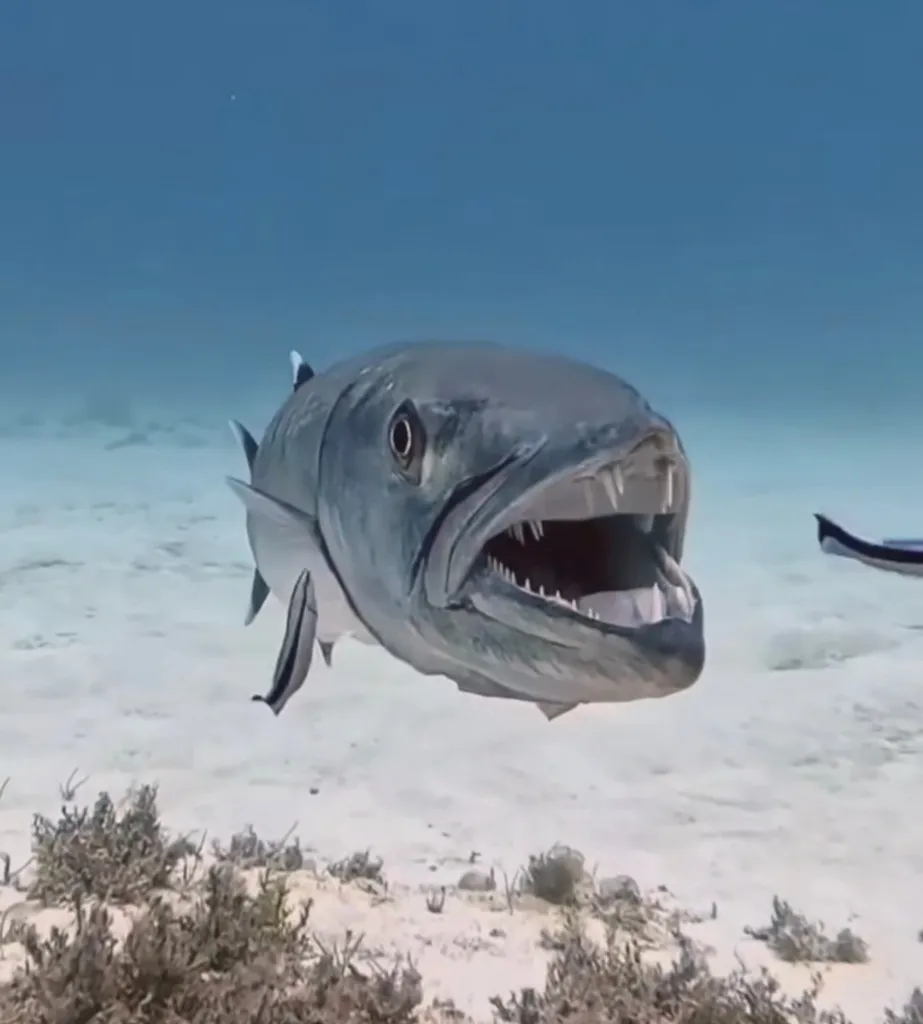
Unique accessibility allows divers to observe a species usually requiring advanced deep dives. Dense schools of barracudas, sardines, and juvenile scat frequently populate the area, their synchronized movements creating shimmering walls of silver.
These vast numbers congregate among extensive black coral formations, finding both shelter and feeding grounds. Reef systems form a consistently bustling environment.
Constant movement from countless fish species weaving through the coral trees creates a vibrant, dynamic scene, ensuring an engaging dive experience on a consistently lively reef, where something is always in motion.
Conditions are Good
Optimal conditions expected
Current conditions near Fish Bowl show 29° air, 31° sea temperature, 1.0 m waves, and 22 km/h wind. Forecast data is refreshed regularly to ensure accuracy.
Best Time to Dive
Planning a dive for Fish Bowl in Malaysian Borneo should note generally good year-round visibility, consistent with regional conditions. Peak dive scores typically occur from March to August, with May often achieving an 'Excellent' rating. During these months, average air temperatures range from 27-27.5°C / 81-82°F, creating comfortable surface conditions. Rainfall typically lowers in April and July, averaging around 3.7 mm / 0.15 inches and 4.7 mm / 0.18 inches respectively; this can contribute to calmer seas and enhanced underwater clarity. Wave heights generally remain manageable throughout the year, typically averaging below 1 meter / 3.3 ft. Rain events do occur, yet they don't consistently impact underwater visibility significantly, ensuring reliable diving opportunities.
PEAK SEASON SCORE
Scores combine air & water temps, waves, wind & rainfall for overall conditions.
BEST MONTHS TO DIVE
Monthly records compiled from satellite and marine observation nodes over the last 3 years. Data provided by Open-Meteo and MET Norway.
Dive Experience & Conditions
A dive at Fish Bowl frequently feels like being encapsulated within a vibrant, living aquarium. Its moniker stems from the sheer density of millions of juvenile fish, which swirl around divers in mesmerizing schools. A primary draw involves encountering the unusual sight of black coral thriving at accessible depths, often around 14 to 18 meters. This provides a distinct perspective on a species typically reserved for advanced deep dives, making it unusually observable. Conditions usually include good visibility, allowing clear observation of detailed reef life and distant schooling fish. Currents are generally mild, making for a relatively relaxed dive. It's suitable for divers comfortable navigating a busy, lively environment, where marine activity is constant.
Dive Difficulty & Safety Guidelines
While specific hazards for Fish Bowl are not consistently reported, adhering to general safe diving practices is paramount. Always dive within your training and comfort limits, ensuring a functioning buddy system is in place. Monitoring your air supply and bottom time is crucial, especially in deeper sections or when engrossed in marine life observation.
Respect the delicate coral structures, particularly the unique black coral formations, by maintaining good buoyancy control to avoid contact. Plan your dive with local guides who are familiar with daily conditions and any localized currents that may arise.
Recommended Equipment
- Dive Computer
- DSMB
This gear list is based on verified equipment signals for Fish Bowl, Malaysia. Always confirm final gear choices with your dive operator, guide, or liveaboard.
Recommended Dive Suit
Forecast trends indicate similar diving conditions over the next few days.
Many experienced divers would consider dive skin or rash guard an appropriate choice here. A hood or vest is suggested for sensitive divers due to surface winds.
Current dive conditions indicate that water temperatures around Fish Bowl are sitting at roughly 31°C (87°F). Surface air temperatures are resting at 29°C (84°F).
Emergency & Medical Support
Essential information to help you plan your dive trip to Fish Bowl.

Hyperbaric chambers are a critical part of dive safety infrastructure. Availability varies significantly by region, and not all dive areas have immediate access.
Before diving, it's recommended to:
- confirm nearest medical facilities
- check emergency procedures with local dive operators
- ensure dive insurance covers evacuation if required
Divers Alert Network
Diving emergency assistance available through DAN World.
+1-919-684-9111- 24/7 emergency hotline
- Diving medical assistance
- Evacuation coordination
Emergency contacts are provided for reference. Always verify local emergency services before diving.
Marine Life at Fish Bowl
Dense schooling fish define Fish Bowl's underwater landscape, crafting a truly dynamic environment. Millions of juvenile fish form pulsating clouds; schools of barracudas, sardines, and scat are frequently seen moving through black coral trees.
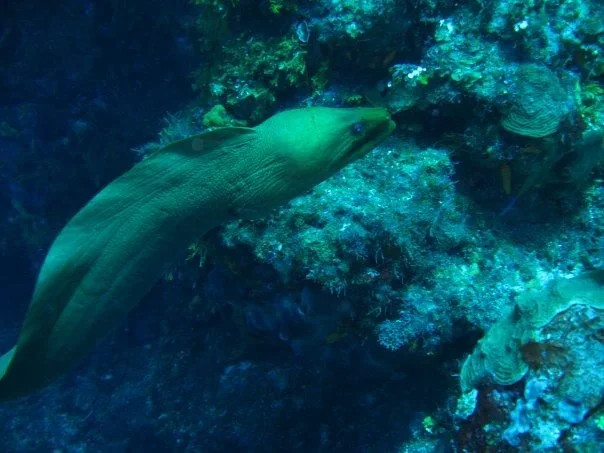
Appearing as large pale white, green, and yellow bushes, these corals provide crucial shelter and a vibrant backdrop. Exploring the reef, divers commonly spot moray eels tucked into crevices.
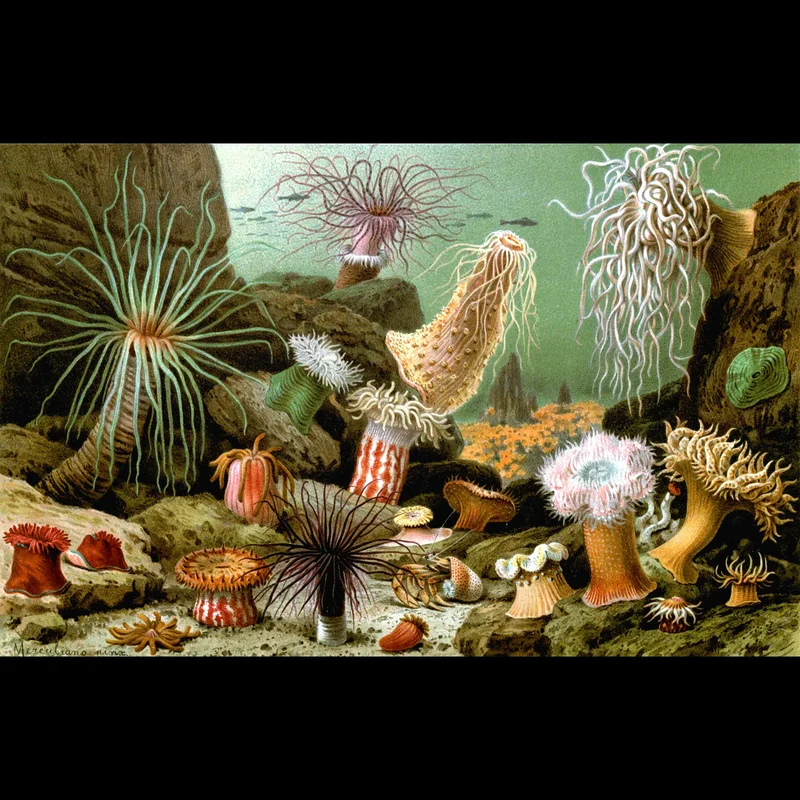
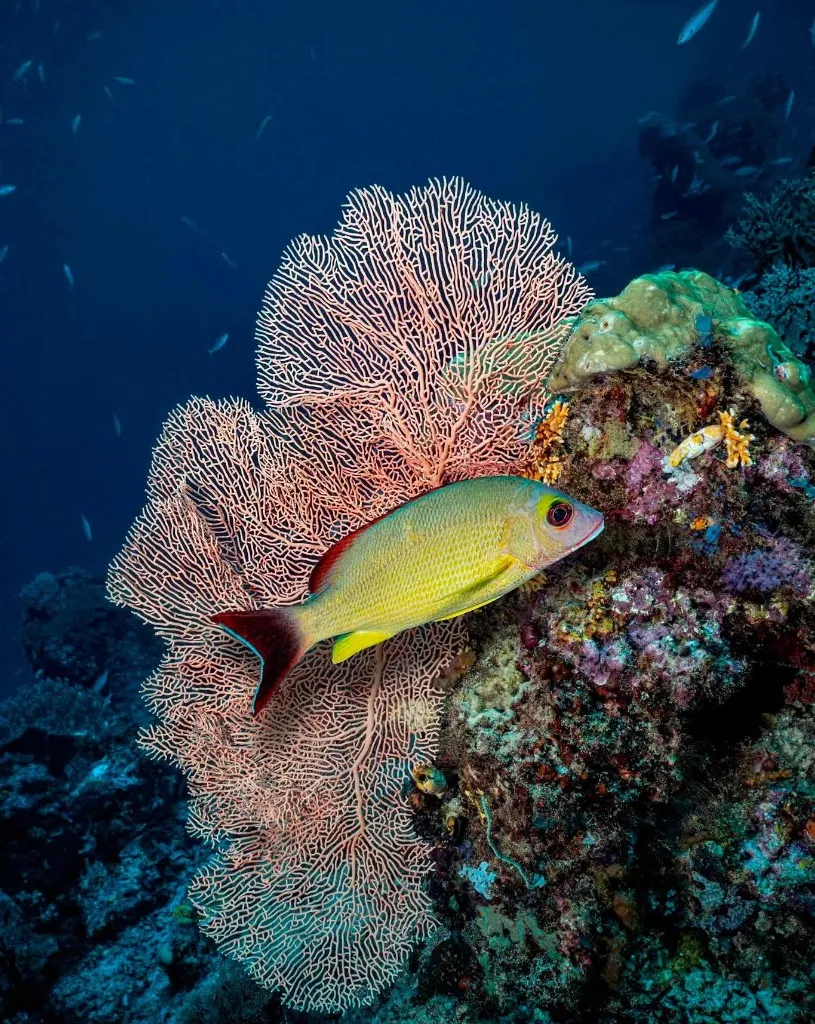
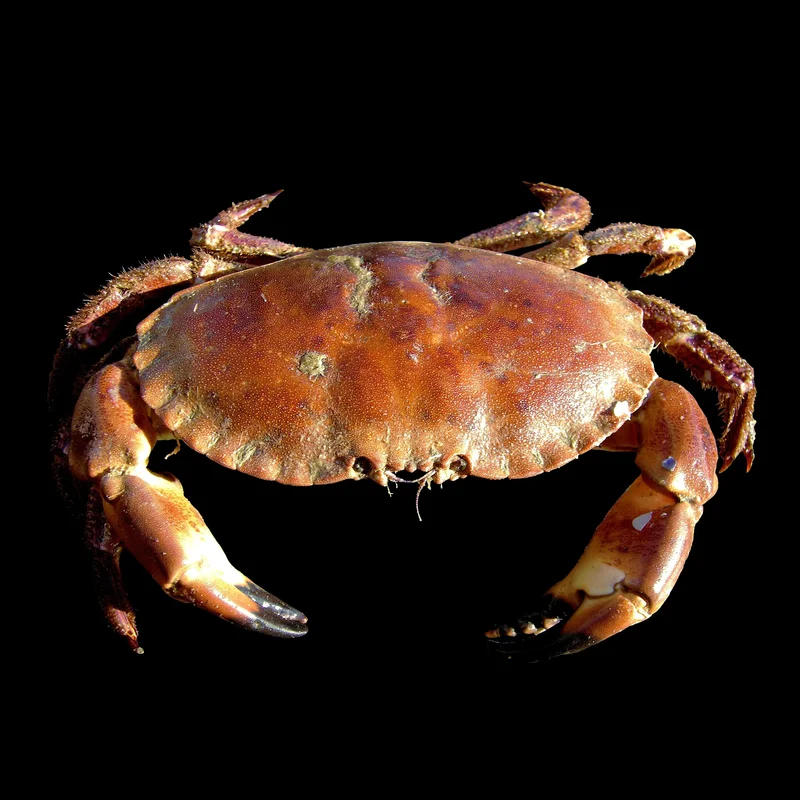
Various crabs scurry across the substrate, alongside delicate tentacles of sea anemones swaying gently. Snappers also frequent the area, contributing to the site's rich biodiversity.
Dive Sites Near Fish Bowl
View all dive sites in MalaysiaDiscover more underwater gems in this area.
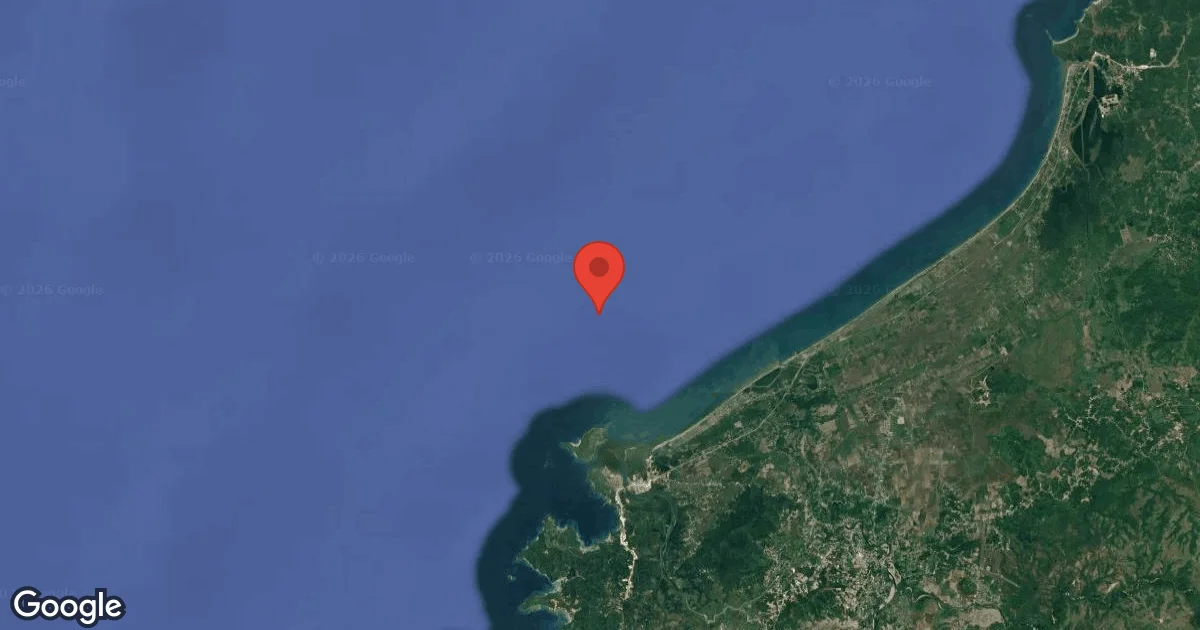
Dive Centers Near Fish Bowl
Today: Open 24 hours
Nearest Airports
Nearest airports to help plan travel to this dive area.
Search Flights
Check available flights and routes on Expedia, using the nearby airports listed in this section.
Search Flights on ExpediaFrequently Asked Questions
What gives Fish Bowl its name?
Site gets its name 'Fish Bowl' due to millions of juvenile fish congregating here. Vast schools create an immersive experience, making it feel like diving within a giant aquarium.
What is unique about the black coral at Fish Bowl?
Typically growing in deeper waters, often beyond 30 meters, black coral here thrives in much shallower waters. Commonly found around 14-18 meters, this coral is unusually accessible.
What is the typical depth range for diving at Fish Bowl?
Diving at Fish Bowl is primarily in the 14-18 meter depth range. It suits a variety of certified divers, including those with intermediate experience.
What kind of marine life can I expect to see at Fish Bowl?
Divers can expect to see huge schools of juvenile fish, barracudas, sardines, and scat. Other common sightings include moray eels, crabs, sea anemones, and snappers, all inhabiting the unique black coral reef.
Is Fish Bowl considered a busy dive site?
Yes, Fish Bowl is described as a very busy dive site. It refers to constant activity of marine life, particularly the large schools of fish that inhabit the reef.
When is the best time to dive in this region of Malaysia?
Diving in Malaysian Borneo, where Fish Bowl is located, is possible year-round. However, the period from March to August generally offers excellent conditions with higher dive scores and comfortable air temperatures.
Planning to dive Fish Bowl?
Send one inquiry and receive offers directly from the best verified local dive operators.
Conditions are Good
Optimal conditions expected
Current conditions near Fish Bowl show 29° air, 31° sea temperature, 1.0 m waves, and 22 km/h wind. Forecast data is refreshed regularly to ensure accuracy.