
Diving at Leopard Reef (Malaysia)
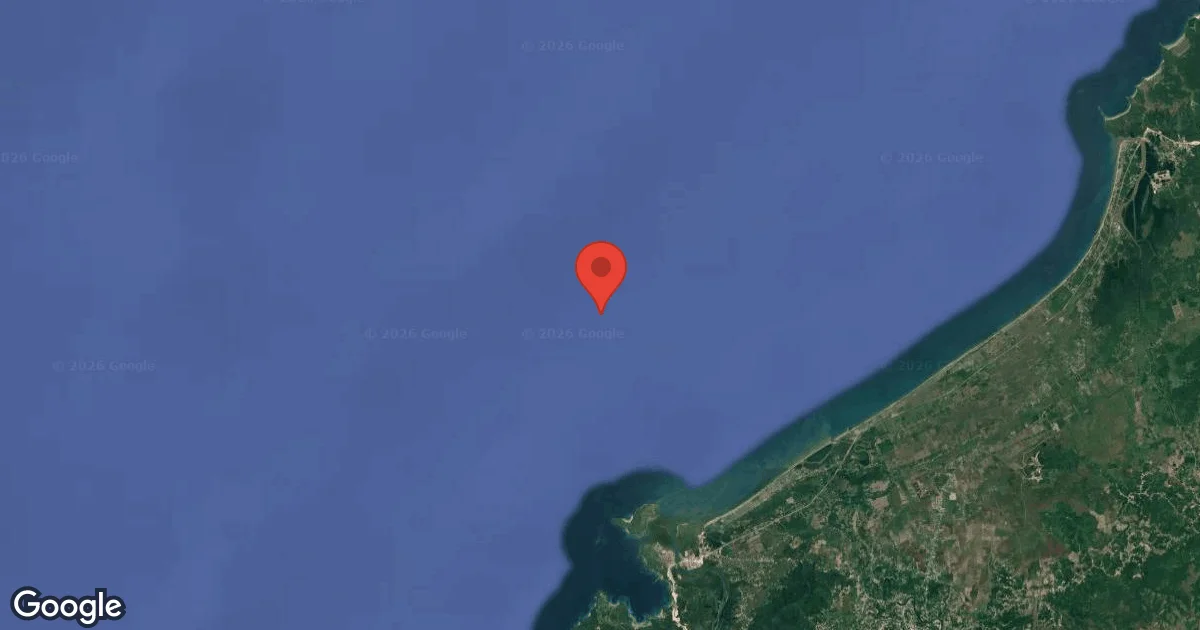
Visibility at Leopard Reef often allows divers clear views of its unique underwater pinnacle structure. Divers visit this Kota Belud site, known for its distinct rock formations and vibrant marine inhabitants, to explore its diverse ecosystem. The conditions typically support excellent opportunities for spotting marine life against the sandy expanses and rocky features.
Starting the day at Leopard Reef, the ambient air temperature is recorded at 26°C. Ongoing monitoring shows wave heights measuring 0.9 m. This data represents the current surface conditions for early activities.
Dive Site Location & Key Facts
Dive Site Overview
Leopard Reef emerges as a compelling pinnacle dive site situated off Kota Belud, offering an engaging exploration for certified divers. This reef structure stands out for observing various shark species; bamboo sharks, cat sharks, and sometimes even leopard sharks are frequently encountered resting patiently on the sandy bottom or tucked away within rocky crevices.
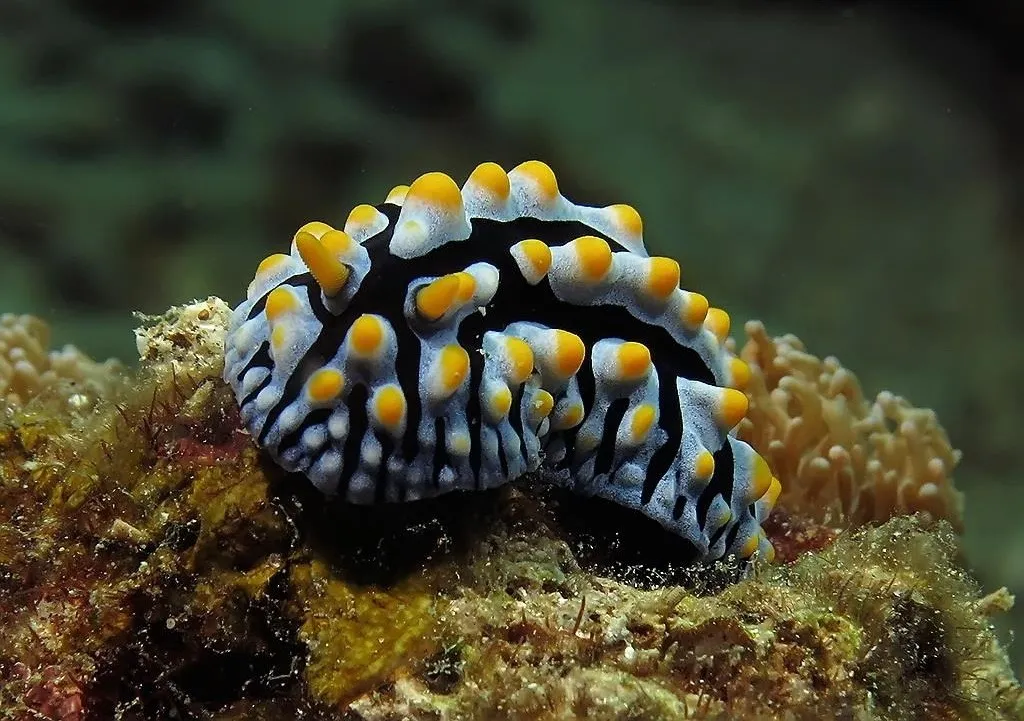
These bottom-dwelling species utilize the reef's varied topography, including small caves and ledges, as their resting grounds during the day. Beyond the larger marine life, Leopard Reef also provides an exceptional macro diving experience. Divers often discover an abundance of vibrant nudibranchs, along with other small critters like ghost pipefish or frogfish, thriving among the healthy coral growth and rocky substrates.
A diverse environment here allows for both broad pelagic sightings and intricate close-up photography. A typical dive involves circumnavigating the pinnacle, exploring its deeper sandy expanses and shallower coral gardens.
This balanced ecosystem, where larger residents complement the intricate details of macro subjects, makes it a diverse recreational dive easily within typical limits of 30 m (100 ft). Its unique combination of terrain and marine inhabitants provides a memorable underwater journey.
Conditions are Good
Optimal conditions expected
Current conditions near Leopard Reef show 26° air, 31° sea temperature, 1.0 m waves, and 24 km/h wind. Forecast data is refreshed regularly to ensure accuracy.
Best Time to Dive
Considering visibility and overall conditions, the period from March to October generally presents the most favorable window for diving Leopard Reef. During these months, dive scores are consistently rated 'Good' or 'Very Good'. Air temperatures remain pleasant, averaging 26-27°C (79-81°F). Rainfall tends to be lower, and wave heights are generally calmer, especially from April to August, which contribute to better surface conditions and underwater clarity. While specific water temperature data isn't consistently reported for this site, typical tropical conditions prevail year-round, suggesting warm waters. From November to February, conditions are rated 'Moderate' due to slightly increased wave heights and wind speeds, though diving is still possible.
PEAK SEASON SCORE
Scores combine air & water temps, waves, wind & rainfall for overall conditions.
BEST MONTHS TO DIVE
Monthly records compiled from satellite and marine observation nodes over the last 3 years. Data provided by Open-Meteo and MET Norway.
Dive Experience & Conditions
Descending upon Leopard Reef, divers encounter a distinct pinnacle rising from the seabed, characterized by its mix of healthy corals and rocky crevices. Currents here can vary; while generally mild, occasional stronger flows might be present, particularly around the pinnacle's exposed sections. Visibility is typically good, allowing for clear views of the resident marine life and overall reef topography. Your dive often involves exploring the deeper, sandy bottom areas where bottom-dwelling sharks rest, before gradually ascending to shallower sections. These upper parts of the pinnacle are adorned with diverse hard and soft corals, creating vibrant garden patches. Light filtering through the water illuminates these intricate structures, creating a captivating sensory experience. Divers navigate a dynamic environment, observing how the reef transforms from expansive sandy bottoms to colorful, current-swept coral slopes within a single dive.
Dive Difficulty & Safety Guidelines
Diving at Leopard Reef requires adherence to standard safe diving practices to ensure both diver safety and environmental protection. Maintaining proper buoyancy control is paramount, especially when navigating around the pinnacle's coral formations and rocky outcrops. Divers should be mindful of local currents, which can shift, and always dive within their certification limits.
Interactions with marine life, particularly the resting sharks, should be respectful and non-intrusive. As part of a broader marine ecosystem, supporting reef recovery efforts through responsible diving practices helps preserve this site for future explorations.
Recommended Equipment
- Dive Computer
This gear list is based on verified equipment signals for Leopard Reef, Malaysia. Always confirm final gear choices with your dive operator, guide, or liveaboard.
Recommended Dive Suit
With water temperatures around 31°C (88°F), many divers find a dive skin or rash guard provides comfortable protection.
Local conditions can vary slightly across different parts of the same dive site.
Conditions are expected to stay fairly consistent in the days ahead.
Due to technical issues with our weather providers, live updates are temporarily delayed. The data above reflects the conditions at the time of the last successful fetch.
Emergency & Medical Support
Essential information to help you plan your dive trip to Leopard Reef.

Hyperbaric chambers are a critical part of dive safety infrastructure. Availability varies significantly by region, and not all dive areas have immediate access.
Before diving, it's recommended to:
- confirm nearest medical facilities
- check emergency procedures with local dive operators
- ensure dive insurance covers evacuation if required
Divers Alert Network
Diving emergency assistance available through DAN World.
+1-919-684-9111- 24/7 emergency hotline
- Diving medical assistance
- Evacuation coordination
Emergency contacts are provided for reference. Always verify local emergency services before diving.
Marine Life at Leopard Reef
The underwater landscape at Leopard Reef is defined by its resident shark population and rich macro life. Divers frequently encounter bamboo sharks and cat sharks, often found resting patiently on the sandy substrate or nestled within rocky crevices.
Leopard sharks may also be observed in these areas. The site is a macro enthusiast's delight, with a high concentration of nudibranchs and other small, intricate critters inhabiting the healthy corals.
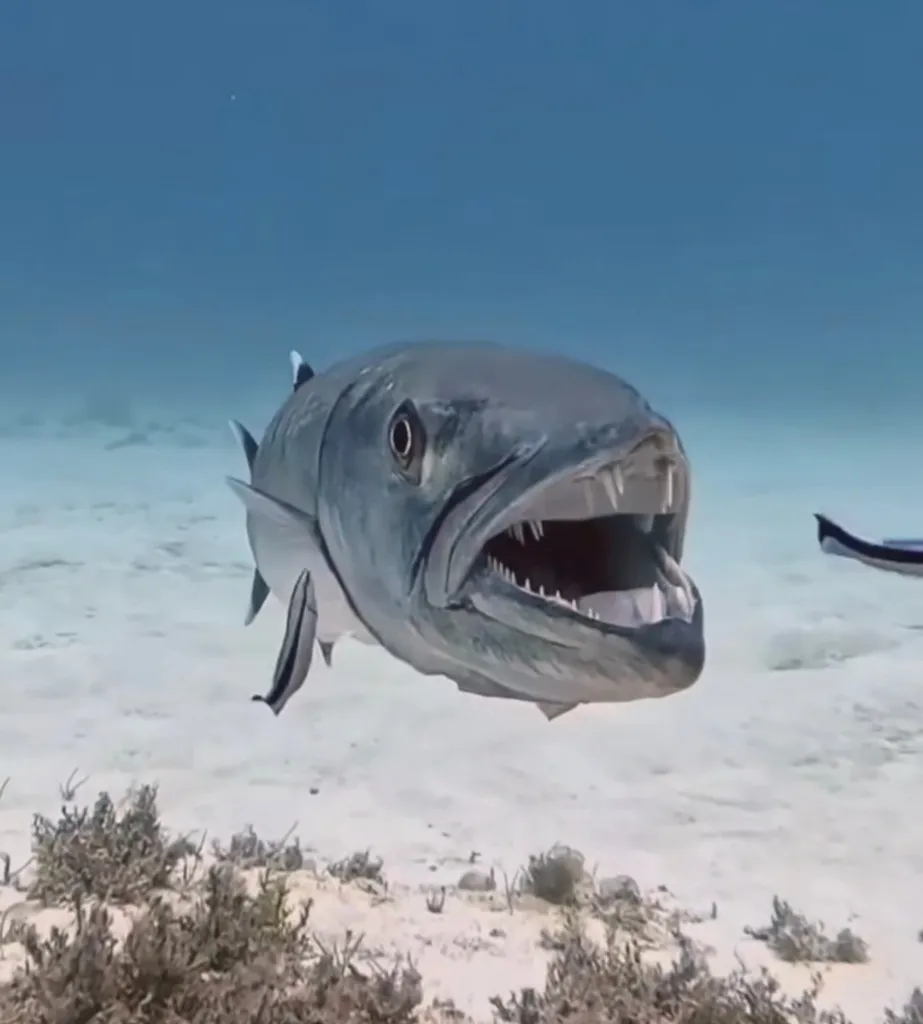
While not site-specific, regional reefs occasionally see visits from schools of parrotfish, yellowtail barracuda, and humphead parrotfish, along with the very occasional whale shark between March and May.

Dive Sites Near Leopard Reef
View all dive sites in MalaysiaDiscover more underwater gems in this area.
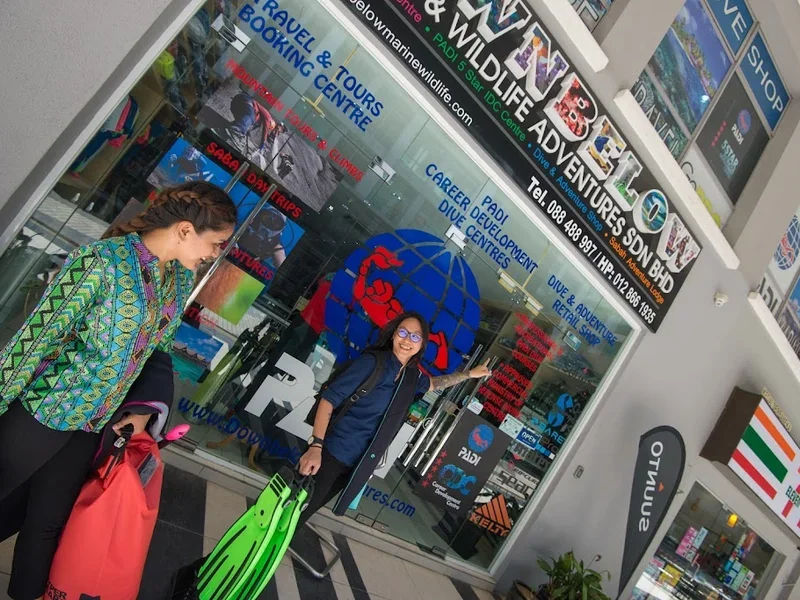
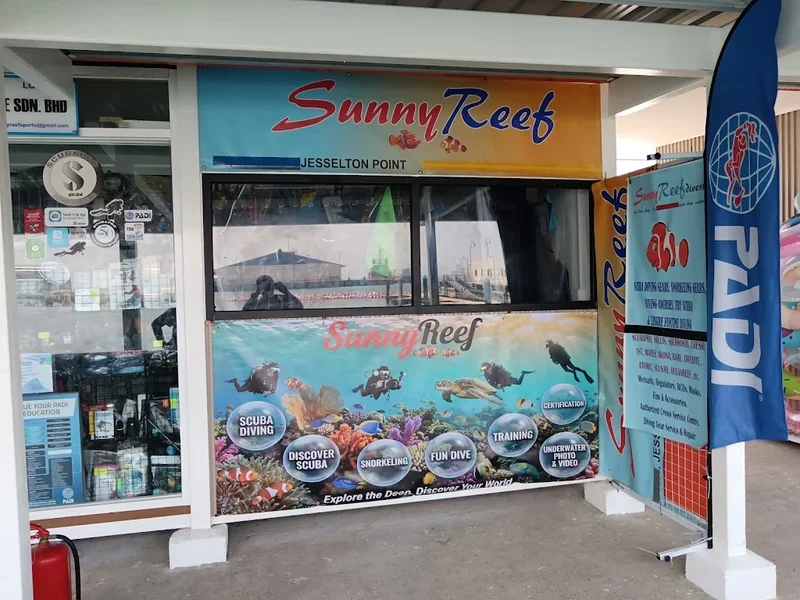
Dive Centers Near Leopard Reef

Today: Open 24 hours
Nearest Airports
Nearest airports to help plan travel to this dive area.
Search Flights
Check available flights and routes on Expedia, using the nearby airports listed in this section.
Search Flights on ExpediaFrequently Asked Questions
What kind of sharks can I expect to see at Leopard Reef?
Leopard Reef is known for sightings of bamboo sharks, cat sharks, and potentially leopard sharks. These species are often observed resting on the sandy bottom or within rocky crevices.
Is Leopard Reef suitable for beginner divers?
While the maximum depth of 30 m (100 ft) is within recreational limits, conditions like currents can vary. It's best suited for certified divers comfortable with pinnacle diving and varying currents.
What is the visibility like at Leopard Reef?
Visibility at Leopard Reef is generally good, especially during the peak diving season from March to October. Clear conditions allow for excellent viewing of marine life and reef structures.
Are there opportunities for macro photography?
Absolutely. Leopard Reef is considered a great macro site, with a high density of nudibranchs and various other small critters to discover among the corals and rocky areas.
What are the water temperatures at Leopard Reef?
Specific water temperature data for Leopard Reef isn't consistently reported. However, as a tropical Malaysian dive site, divers can expect warm water temperatures throughout the year.
Can I expect to see large schooling fish?
While regional reefs attract schools of parrotfish and barracuda, Leopard Reef is more specifically highlighted for its shark population and macro life. Pelagic sightings are possible but not the primary draw.
Planning to dive Leopard Reef?
Send one inquiry and receive offers directly from the best verified local dive operators.
Conditions are Good
Optimal conditions expected
Current conditions near Leopard Reef show 26° air, 31° sea temperature, 1.0 m waves, and 24 km/h wind. Forecast data is refreshed regularly to ensure accuracy.