
Diving at Rice Bowl Wreck (Malaysia)
To truly appreciate the Rice Bowl Wreck, divers should understand its complex history and current state. Located off the coast of Sabah, Malaysia, the site isn't a pristine wreck but a dynamically evolving artificial reef. It demands a mindful approach, recognizing the past while observing the marine life that now thrives among the scattered metal remains. Planning your dive with this perspective enhances the experience.
Tonight's objective overview for Rice Bowl Wreck shows an air temperature of 28°C. The measured surface conditions include wave heights around 1.2 m. This environmental data is logged for the close of the day.
Dive Site Location & Key Facts
Dive Site Overview
Once a collection of three formidable Japanese cargo vessels – the Kolusei Maru, Hiyori Maru, and Higane Maru – the Usukan Bay wrecks, including the Rice Bowl Wreck, faced a dramatic end. Torpedoed by the American submarine USS Hammerhead in 1944, these 5300-ton ships carried significant human loss, with 138 fatalities reported.
Hundreds of ceramic bowls in its cargo earned the 'Rice Bowl Wreck' its distinctive name. Until recently, these wrecks were described as an underwater museum, boasting rich coral growth and abundant marine life.
However, recent years have seen extensive salvage operations, leaving behind a vastly altered landscape. Today, the site consists primarily of scattered metal debris and a burgeoning artificial reef, transforming what was once a ship into a habitat for diverse fish schools and larger pelagics. It's an eerie dive, a testament to both historical events and natural resilience.
Conditions are Good
07:00 - 14:00
Optimal conditions expected
Current conditions near Rice Bowl Wreck show 28° air, 31° sea temperature, 1.0 m waves, and 25 km/h wind. Forecast data is refreshed regularly to ensure accuracy.
Best Time to Dive
Optimal visibility is a significant factor for diving the Rice Bowl Wreck, particularly given its deeper sections and scattered debris. Conditions are generally best between May and August, when wave heights are typically lower, often averaging 0.5-0.9 meters (1.6-3.0 feet). Rainfall tends to decrease around April and May, with May seeing approximately 8.39 mm (0.33 inches) of rain, which can contribute to clearer waters. Air temperatures during these months remain consistently warm, hovering around 27-27.5°C (81-82°F), creating comfortable surface conditions for divers. While September through December show increased wave activity and rainfall, good diving is still possible, though visibility may be more variable.
PEAK SEASON SCORE
Scores combine air & water temps, waves, wind & rainfall for overall conditions.
BEST MONTHS TO DIVE
Monthly records compiled from satellite and marine observation nodes over the last 3 years. Data provided by Open-Meteo and MET Norway.
Dive Experience & Conditions
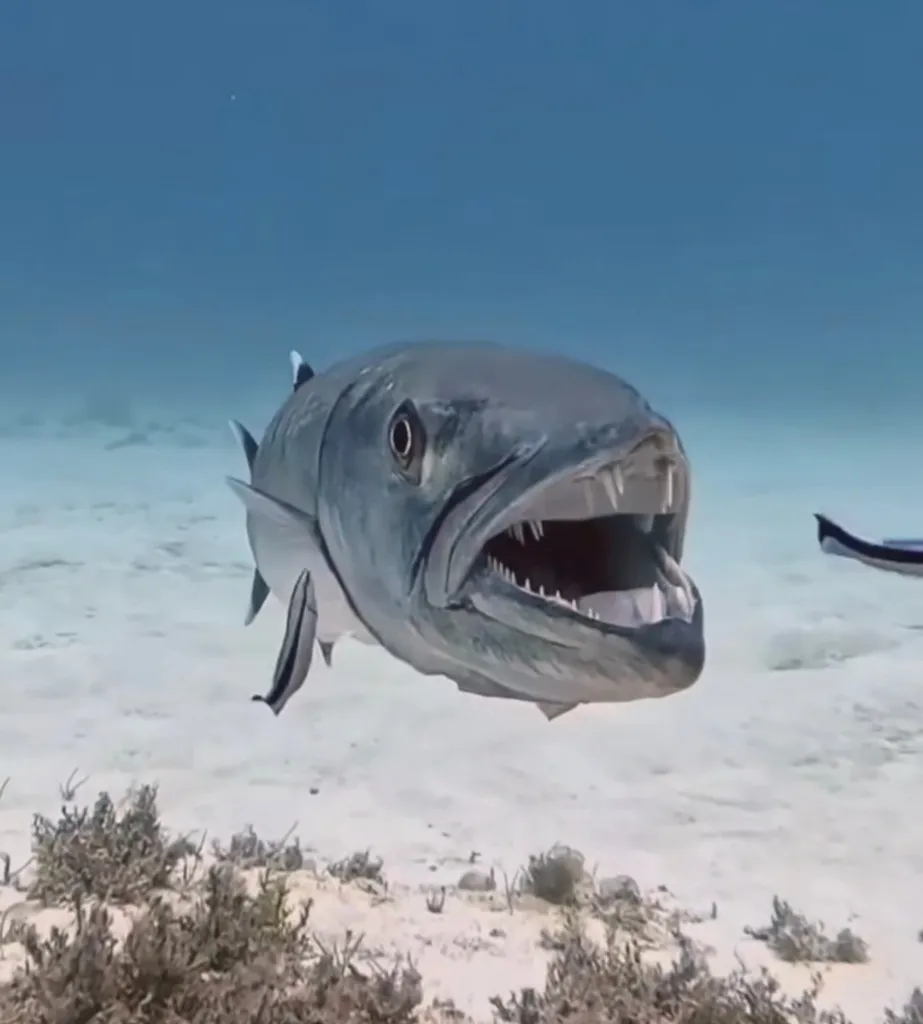
Descending into the deep blue reveals what remains of this once-intact wreck: a ghostly seabed littered with large chunks of metal. What was once an original structure, a complete vessel, now forms an unrecognisable 'heap of metal piled up into a ball,' as described by some divers. Despite this, an artificial reef has flourished around the debris, attracting a vibrant ecosystem. Water temperatures in these tropical waters generally range from 22-27°C (72-81°F). Reaching a maximum depth of approximately 30 m (100 ft), the site demands appropriate certification and gas management. Encounters with schooling barracuda and snapper are common, often blanketing the remnants of the wreck. An overall feeling of solemnity blends with the wonder of observing life adapting to an altered environment during this dive.
Dive Difficulty & Safety Guidelines
Navigating the remnants of the Rice Bowl Wreck requires careful planning and situational awareness. Due to the significant salvage activity, the site is now a collection of scattered debris and metal fragments, posing potential entanglement or collision hazards. Divers must maintain excellent buoyancy control to avoid contact with the seabed and any sharp edges.
As a former war grave, approaching the site with respect and reverence is paramount; disturbing any remains is strictly prohibited. Accessing the site typically involves a 75-minute boat trip from Kota Kinabalu, covering approximately 36 miles, making reliable boat and dive operator selection essential for safety and efficiency.
Strong currents are not consistently reported but can vary depending on local conditions, so staying close to your buddy and dive guide is always advisable.
Recommended Equipment
Overhead / entanglement risk. Wreck penetration requires proper training.
- Dive Computer
- Primary & Backup Lights
- Wreck Reel
- Cutting Tool
This gear list is based on verified equipment signals for Rice Bowl Wreck, Malaysia. Always confirm final gear choices with your dive operator, guide, or liveaboard.
Recommended Dive Suit
Experienced divers often bring flexible gear options.
The water around Rice Bowl Wreck is currently holding at approximately 31°C (87°F), setting the tone for today's dives. Surface air temperatures are resting at 28°C (82°F). Divers who spend longer periods underwater often choose dive skin or rash guard. Consider warmer surface protection (like a boat coat) due to brisk winds.
Current forecasts indicate relatively stable conditions for the coming days.
Emergency & Medical Support
Essential information to help you plan your dive trip to Rice Bowl Wreck.

Hyperbaric chambers are a critical part of dive safety infrastructure. Availability varies significantly by region, and not all dive areas have immediate access.
Before diving, it's recommended to:
- confirm nearest medical facilities
- check emergency procedures with local dive operators
- ensure dive insurance covers evacuation if required
Divers Alert Network
Diving emergency assistance available through DAN World.
+1-919-684-9111- 24/7 emergency hotline
- Diving medical assistance
- Evacuation coordination
Emergency contacts are provided for reference. Always verify local emergency services before diving.
Marine Life at Rice Bowl Wreck
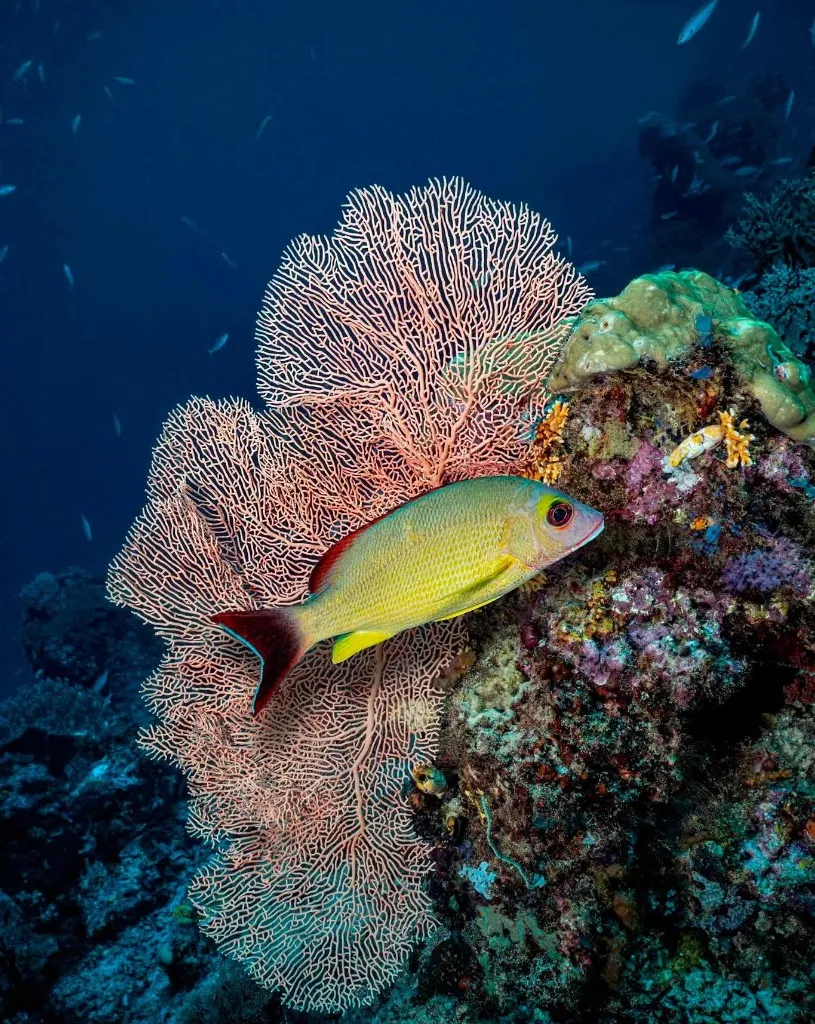
Despite its altered state, the site still attracts a significant array of marine life, thriving on the artificial reef created by the scattered metal. Schools of barracuda and snapper frequently blanket the remaining structures, forming impressive natural formations.
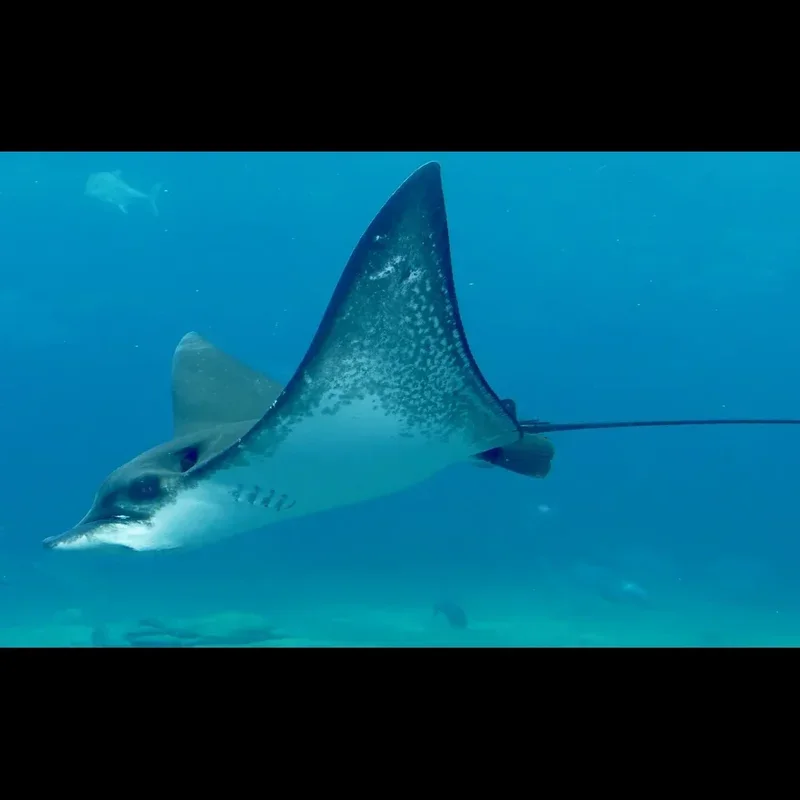
Keep a keen eye out for larger pelagic fish, including predatory tuna and jacks, which are known to hunt in the surrounding blue waters. Beneath the larger remnants, lucky divers might spot eagle rays, huge marble rays, and even giant groupers seeking shelter.

Dive Sites Near Rice Bowl Wreck
View all dive sites in MalaysiaDiscover more underwater gems in this area.
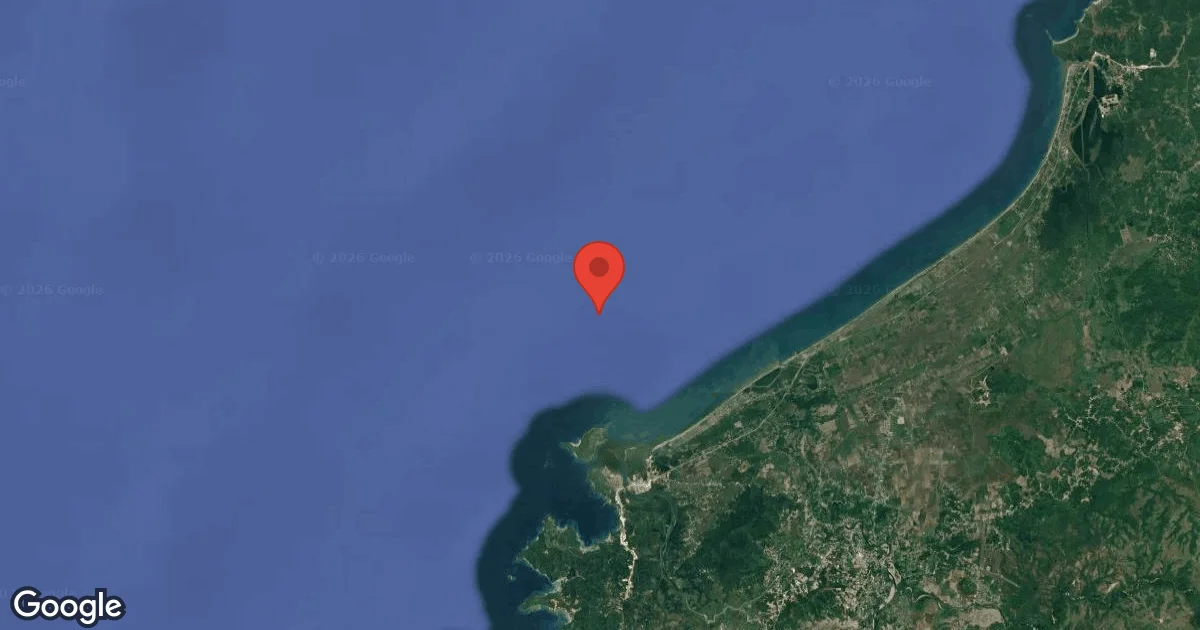
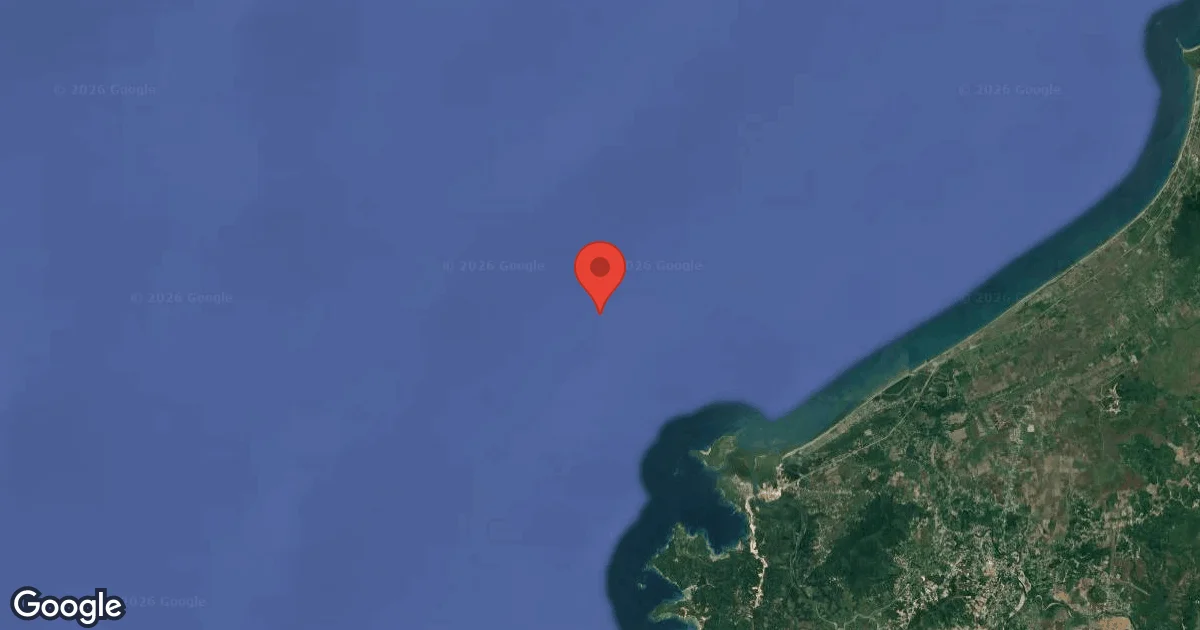
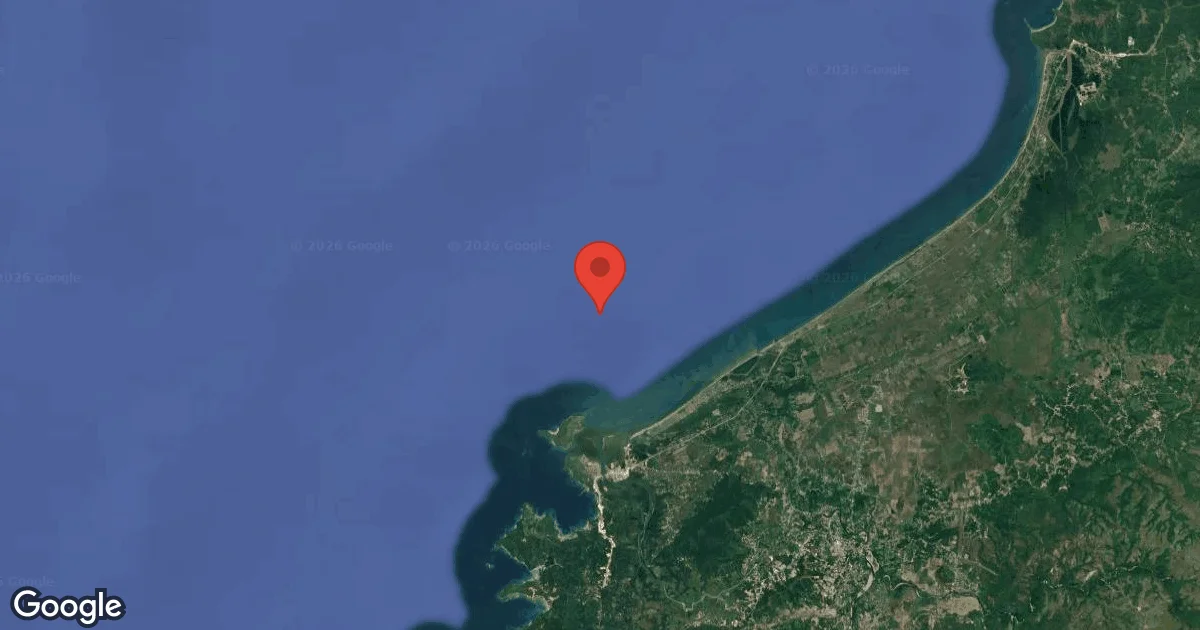
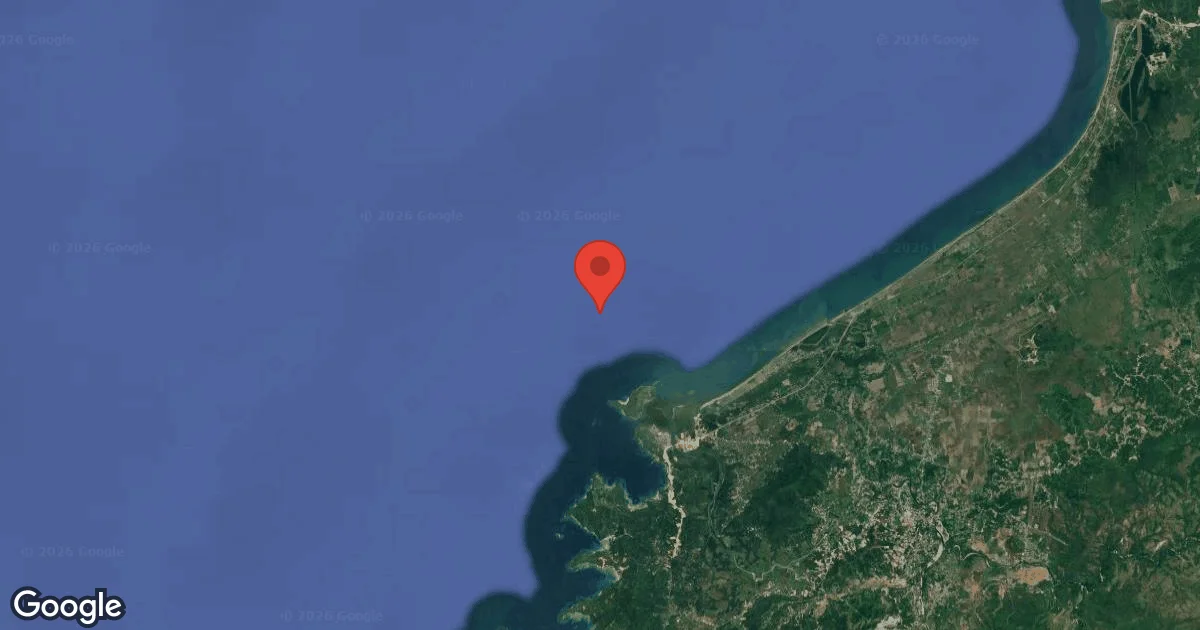
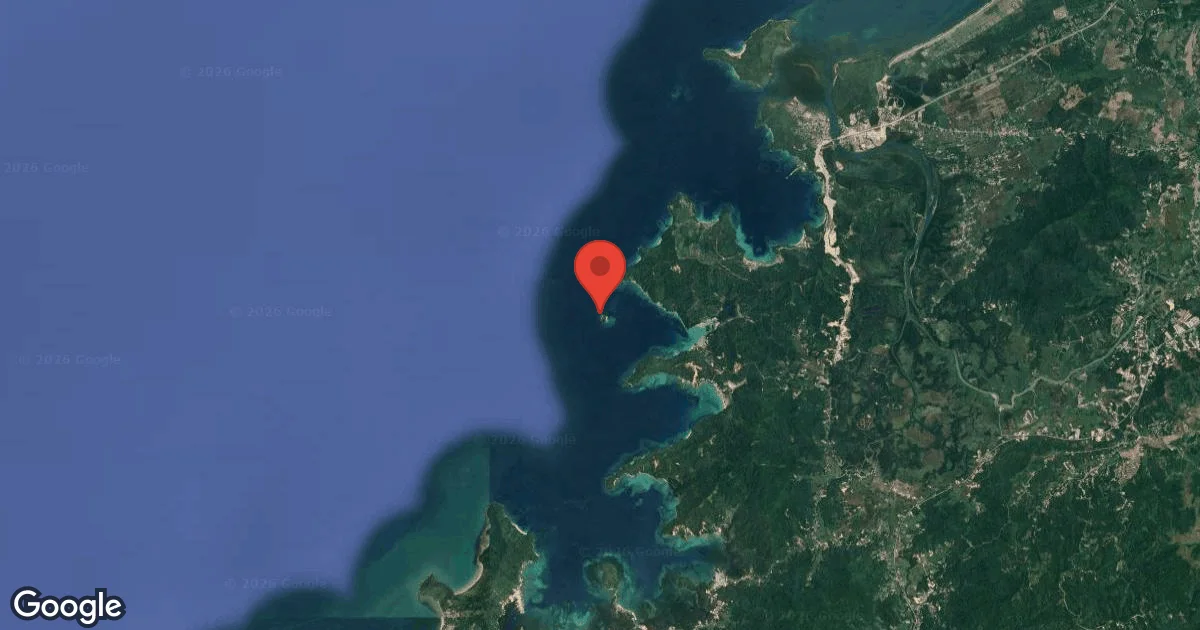
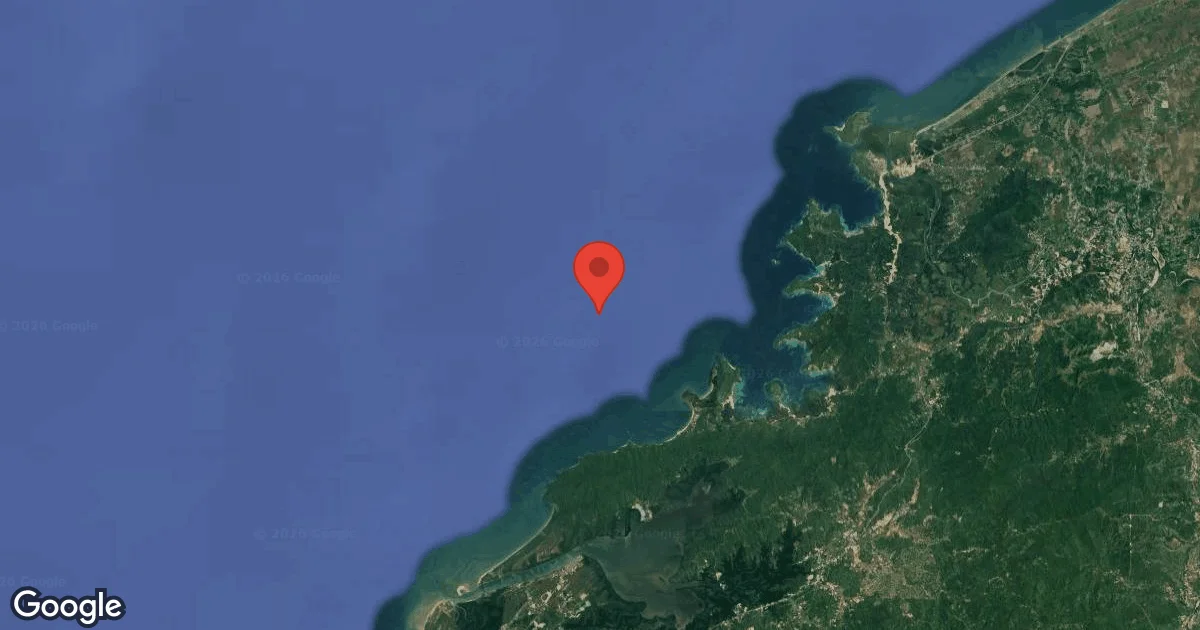
Dive Centers Near Rice Bowl Wreck
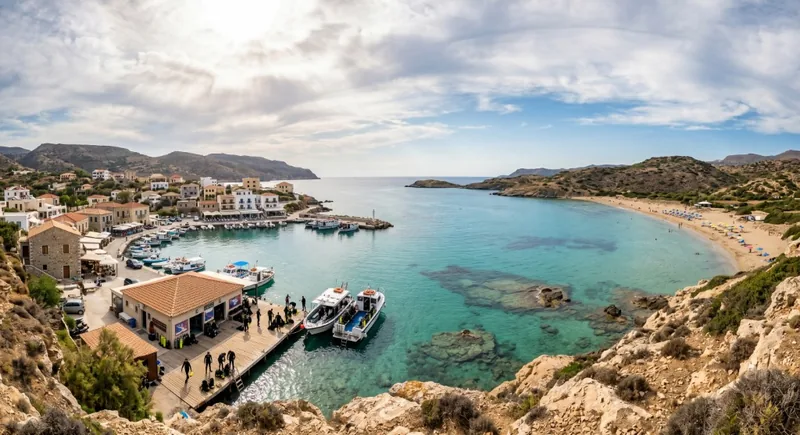
Today: Open 24 hours
Nearest Airports
Nearest airports to help plan travel to this dive area.
Search Flights
Check available flights and routes on Expedia, using the nearby airports listed in this section.
Search Flights on ExpediaFrequently Asked Questions
What happened to the Rice Bowl Wreck?
Torpedoed by an American submarine during WW2, the Rice Bowl Wreck was one of three Japanese cargo vessels sunk. Recent extensive salvage operations have left the wrecks largely fragmented.
Is the Rice Bowl Wreck still worth diving after the salvage?
Yes, many divers find it worthwhile. While the intact ship is gone, the scattered metal has created an artificial reef that attracts diverse marine life, offering a unique dive experience.
What kind of marine life can I expect to see?
Schools of barracuda and snapper inhabit the site. Divers might also encounter large pelagic fish like tuna and jacks, along with eagle rays, marble rays, and giant groupers near the wreckage.
What is the typical depth of the dive site?
Maximum depth at the Rice Bowl Wreck is around 30 m (100 ft). Such depths are suitable for advanced certified divers.
What are the general water conditions?
Water temperatures in this tropical region typically range from 22-27°C (72-81°F). Visibility varies depending on the season, with May to August often offering clearer conditions.
How long is the boat trip to the site from Kota Kinabalu?
From Kota Kinabalu, the boat journey to the Rice Bowl Wreck spans approximately 75 minutes. It's a significant trip, covering about 36 miles.
Is there anything left of the original ships?
While the complete ship structures are gone, the seabed is covered with scattered metal debris and large chunks of the original vessels. These fragments now form the base for the artificial reef.
Planning to dive Rice Bowl Wreck?
Send one inquiry and receive offers directly from the best verified local dive operators.
Conditions are Good
07:00 - 14:00
Optimal conditions expected
Current conditions near Rice Bowl Wreck show 28° air, 31° sea temperature, 1.0 m waves, and 25 km/h wind. Forecast data is refreshed regularly to ensure accuracy.