
Diving at CS Levant II (Malta)
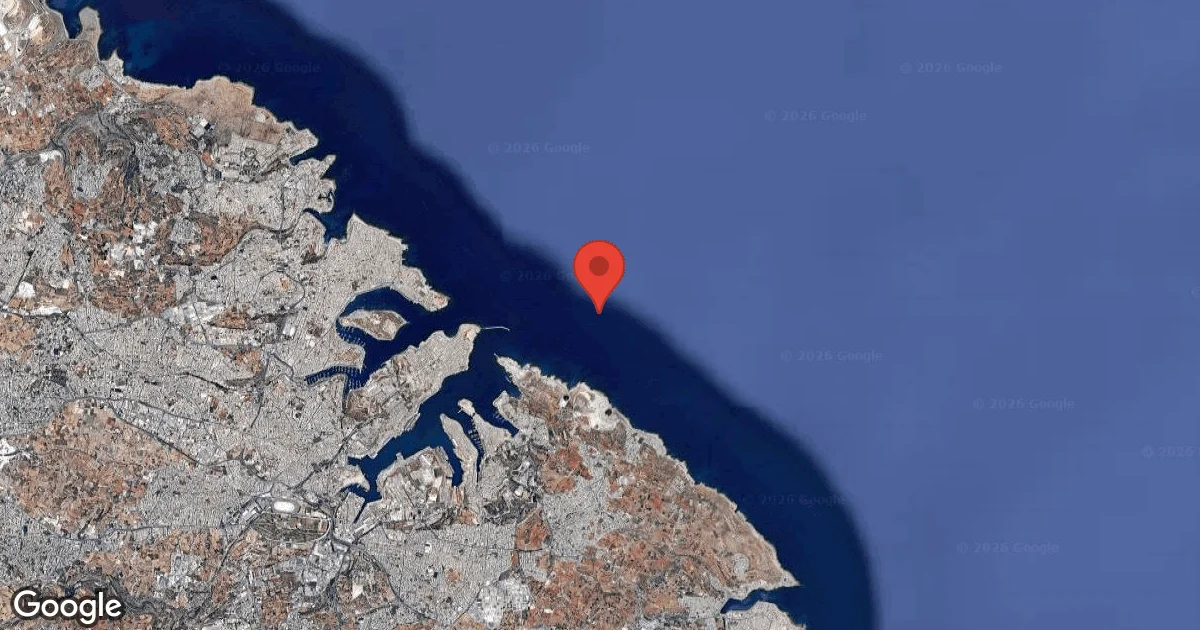
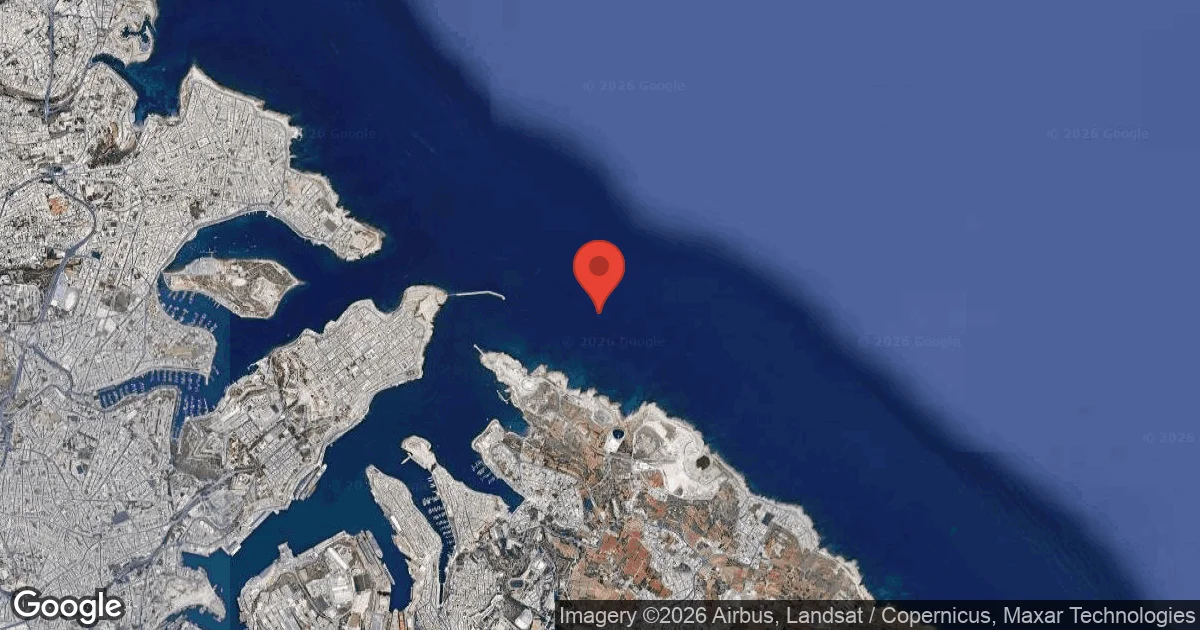
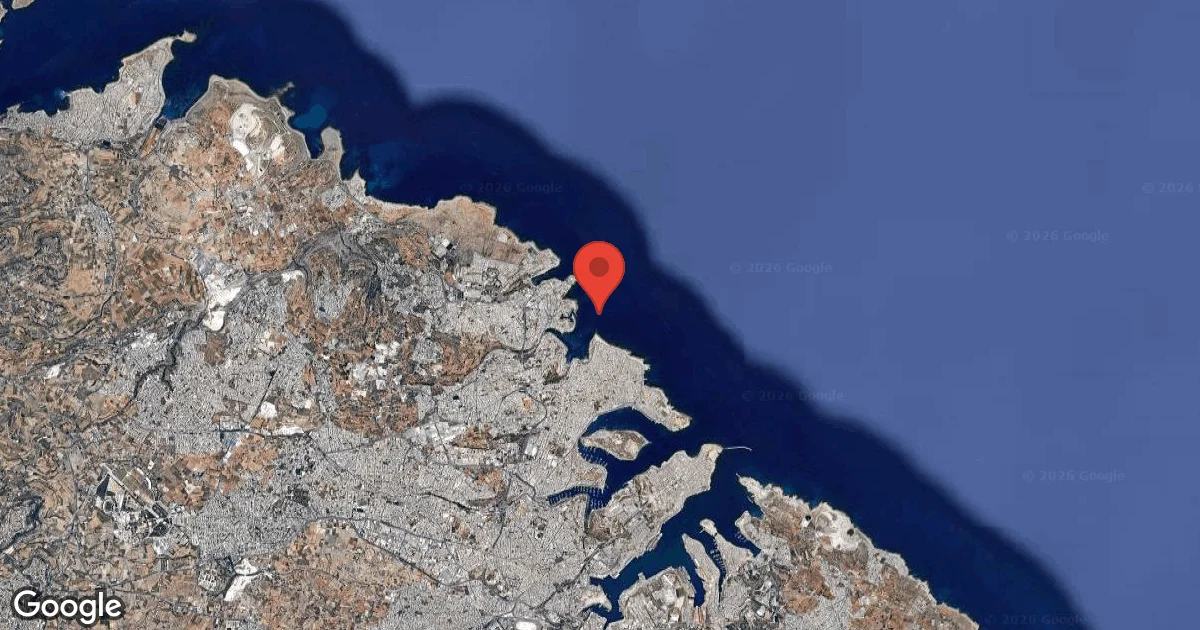
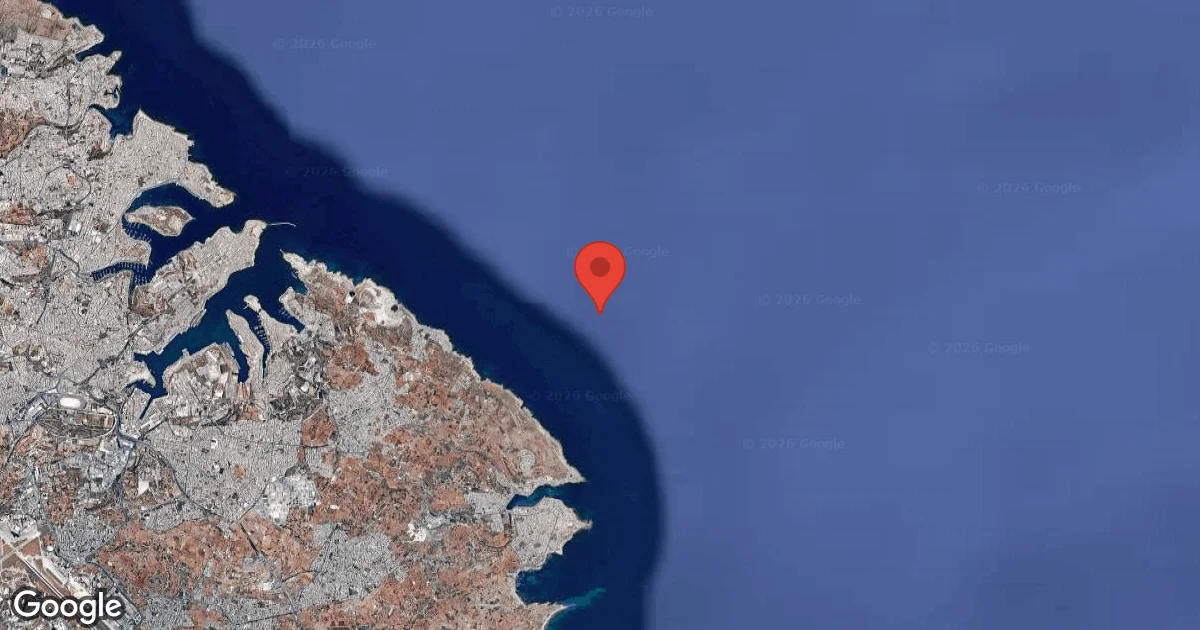
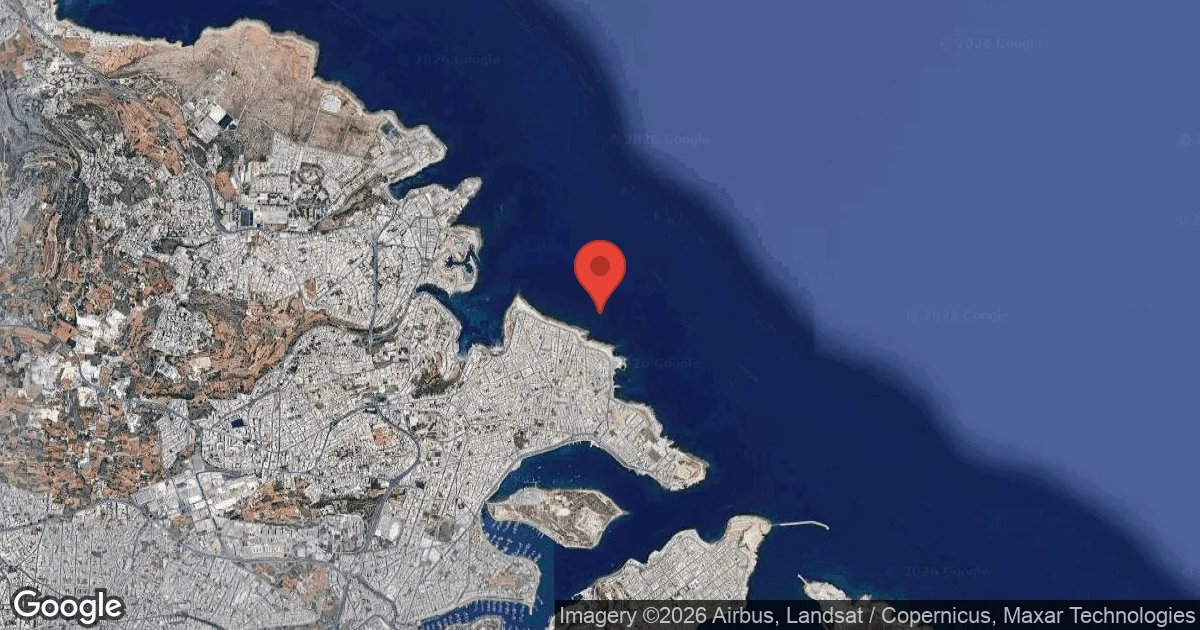
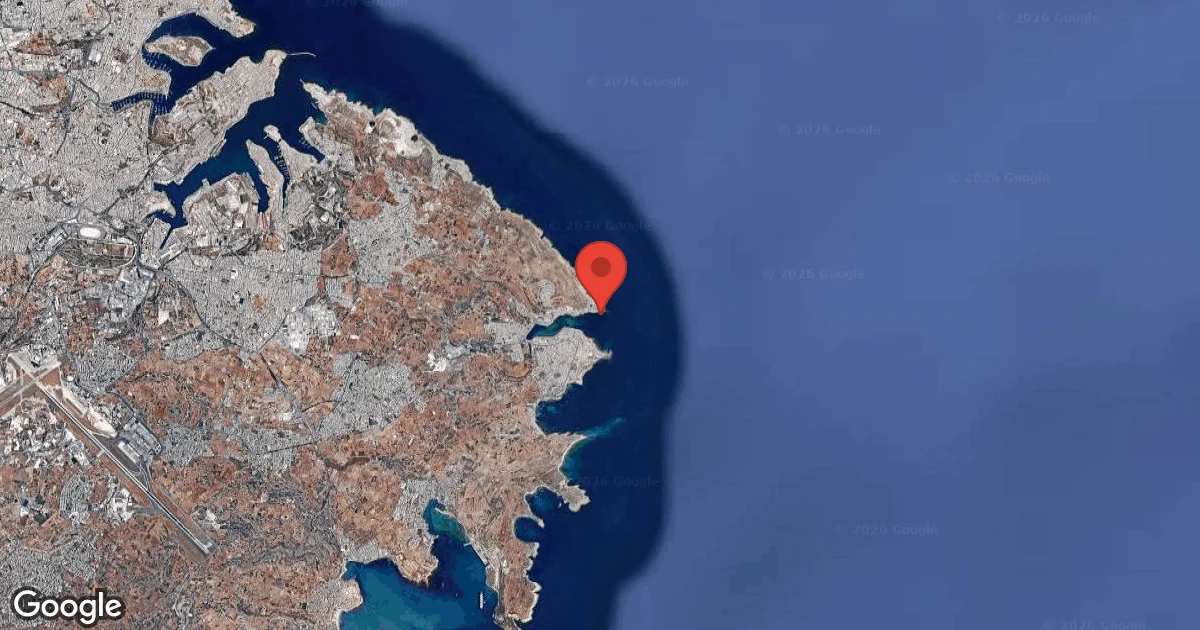
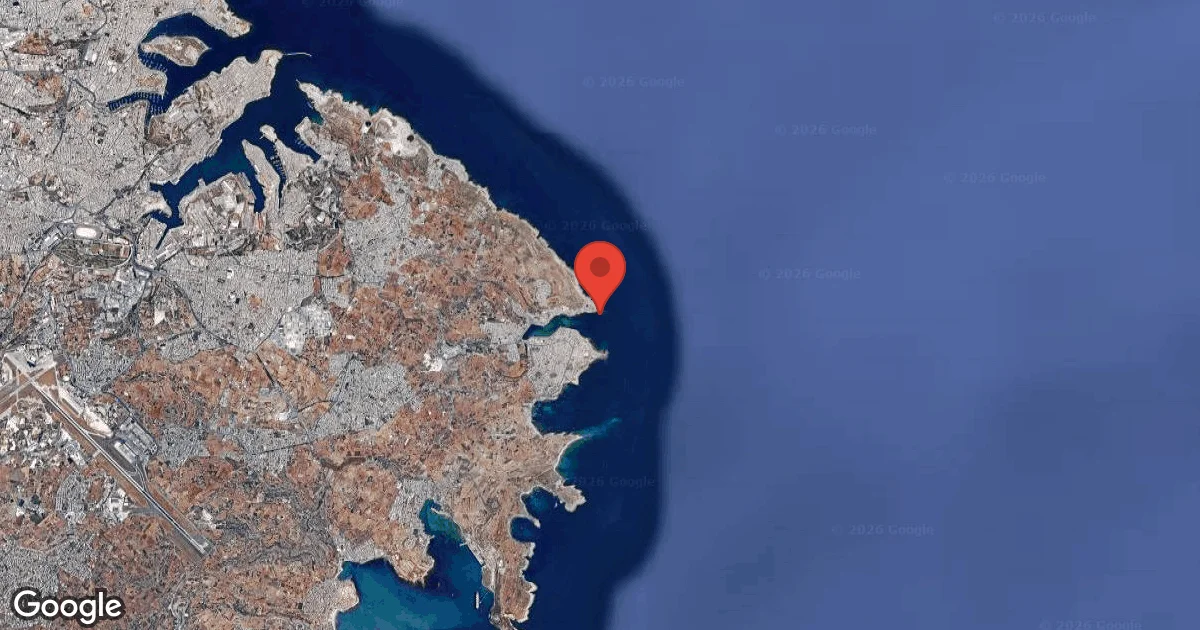
Approaching CS Levant II involves navigating Malta's often-busy Grand Harbour approaches, making conditions a primary consideration for this deep wreck dive. Lying about 1.5 km (0.9 miles) off the Grand Harbour entrance, this historic cable layer demands meticulous planning. Currents can be variable, impacting the ascent and descent, while average visibility often sits around 20 m (65 ft), though it can range from 10-40 m (33-130 ft). This challenging site is exclusively accessible by boat, suitable only for technical divers.
Tonight's objective overview for CS Levant II shows an air temperature of 24°C. The measured surface conditions include wave heights around 0.5 m. This environmental data is logged for the close of the day.
Dive Site Location & Key Facts
Dive Site Overview
Uniqueness of the CS Levant II lies in its history as a cable layer and its relatively intact state at a significant depth, offering an advanced wreck exploration for suitably qualified divers. Built as a trawler in 1904 by George Brown and Co., Greenock, it was later refitted for the Eastern Telegraph Company.
After WWI, it played a crucial role connecting Malta to Sicily, Libya, and Alexandria by cable. In 1952, deemed beyond repair, the vessel was slated for scuttling.
However, while being towed approximately three miles from Valletta, it began taking on water and sank prematurely, settling about 1.5 kilometers from the Grand Harbour entrance. Rediscovered around 1999, the wreck rests upright on a rocky bottom at a maximum depth of 59 m (194 ft).
Its approximate length is 42 meters (about 139 feet), with the cable drum still visible upfront. This deep wreck dive requires technical certification due to its depth and the potential for strong, variable currents.
Average visibility often reaches 20 meters, but can range considerably based on conditions. Site access is by boat, making logistical planning important.
Conditions are Good
Optimal conditions expected
Current conditions near CS Levant II show 24° air, 28° sea temperature, 0.4 m waves, and 35 km/h wind. Forecast data is refreshed regularly to ensure accuracy.
Best Time to Dive
For divers seeking optimal conditions, planning a visit to CS Levant II between June and September is generally recommended. During these months, dive scores are consistently rated "Good" (8 out of 10), reflecting more favorable weather patterns. Air temperatures comfortably range from 25°C to 28.5°C (77-83°F), making surface intervals pleasant. Rainfall is minimal, often less than one millimeter, reducing the likelihood of runoff affecting coastal visibility. Wind speeds are also at their lowest, typically below 20 kilometers per hour, leading to calmer seas and lower wave heights, which are crucial for boat-accessed, deep wreck dives. However, extending into October and November can also provide "Good" diving experiences, with air temperatures still mild at 19°C to 23°C (66-73°F), though average rainfall and wave heights begin to increase. Divers should anticipate colder water temperatures at depth, which are not consistently reported but will be significantly lower than surface averages. Early spring, from April to May, also sees "Good" dive scores, with increasing air temperatures and decreasing wave heights, providing an earlier window for less crowded excursions.
PEAK SEASON SCORE
Scores combine air & water temps, waves, wind & rainfall for overall conditions.
BEST MONTHS TO DIVE
Monthly records compiled from satellite and marine observation nodes over the last 3 years. Data provided by Open-Meteo and MET Norway.
Dive Experience & Conditions
Diving the CS Levant II is an experience reserved for very experienced technical divers. Entering the water, expect depths between 55 and 59 meters, making this a profile that demands advanced gas planning and decompression protocols. Visibility at the site generally averages 20 meters, though it can fluctuate significantly, sometimes reaching 40 meters or dropping to 10 meters depending on local currents and sediment. Access to the site is exclusively by boat. Navigating the depths, divers will find the wreck resting largely intact on a rocky bottom, presenting a formidable structure to explore. Currents can be variable, ranging from limited to strong, and may shift during the dive, requiring careful monitoring and robust finning techniques. Water temperatures at this depth will be considerably cooler than surface averages, often requiring thicker thermal protection. This isn't a site for casual exploration; it's a serious technical dive requiring precision and adherence to strict safety margins.
Dive Difficulty & Safety Guidelines
Approaching CS Levant II requires a high level of diver skill and specific certifications. Due to its depth, technical diving qualifications are mandatory. Divers must hold at least an Advanced Open Water certification and possess a minimum of 20 logged dives to be considered for this site.
A critical safety consideration involves Grand Harbour's ship traffic; this dive is generally considered hazardous unless the harbor is closed to commercial vessels. Always coordinate with local dive operators who are familiar with these specific restrictions.
Strong and variable currents are a consistent factor, necessitating advanced buoyancy control and trim. Medical clarification from a physician is required for any pre-existing conditions such as diabetes or asthma, or if taking prescribed medication.
Planning multiple deco stops will be part of the dive profile. Ensure all equipment is meticulously checked and maintained for deep technical operations. This is not a site where shortcuts can be taken.
Recommended Equipment
Overhead / entanglement risk. Wreck penetration requires proper training.
- Dive Computer
- Primary & Backup Lights
- Wreck Reel
- Cutting Tool
This gear list is based on verified equipment signals for CS Levant II, Malta. Always confirm final gear choices with your dive operator, guide, or liveaboard.
Recommended Dive Suit
According to recent observations, water temperatures near CS Levant II are approximately 28°C (83°F). Surface air temperatures are resting at 24°C (75°F).
Forecasts suggest rising temperatures later this week. A warming trend is expected over the next few days.
Most divers exploring waters at this temperature rely on 2-3mm shorty or light wetsuit for effective insulation. Water temperature is only one factor influencing overall comfort during a dive.
Emergency & Medical Support
Essential information to help you plan your dive trip to CS Levant II.

Hyperbaric chambers are a critical part of dive safety infrastructure. Availability varies significantly by region, and not all dive areas have immediate access.
Before diving, it's recommended to:
- confirm nearest medical facilities
- check emergency procedures with local dive operators
- ensure dive insurance covers evacuation if required
Divers Alert Network
Diving emergency assistance available through DAN Europe.
+39 0642115685- 24/7 emergency hotline
- Diving medical assistance
- Evacuation coordination
Emergency contacts are provided for reference. Always verify local emergency services before diving.
Closest Listed Hyperbaric Chambers
Showing listed hyperbaric chamber facilities within 200 km of this dive site.
Distances are approximate straight-line distances and may not reflect emergency travel time.
Hyperbaric Unit - Mater Dei Hospital
24/7 ListedICU CapableMsida, Malta•Approx. 4 km straight-line
Hyperbaric Unit - Mater Dei Hospital
24/7 ListedICU CapableInformation is provided for reference and planning purposes only. Dive Navigator does not verify operational status, staffing, availability, or quality of care at listed facilities. In an emergency, contact local emergency services, DAN, your dive operator, or the chamber directly. Do not travel to a facility without calling ahead.
Gozo
24/7 ListedICU CapableVictoria, Malta•Approx. 31 km straight-line
Gozo
24/7 ListedICU CapableInformation is provided for reference and planning purposes only. Dive Navigator does not verify operational status, staffing, availability, or quality of care at listed facilities. In an emergency, contact local emergency services, DAN, your dive operator, or the chamber directly. Do not travel to a facility without calling ahead.
Marine Life at CS Levant II
Exploring the CS Levant II wreck, divers will first notice the structures themselves, which serve as an artificial reef, attracting various Mediterranean species. Life at this depth adapts to the cooler, darker environment.
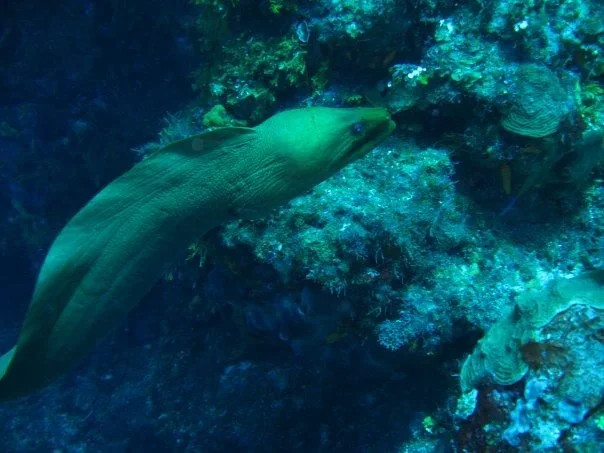
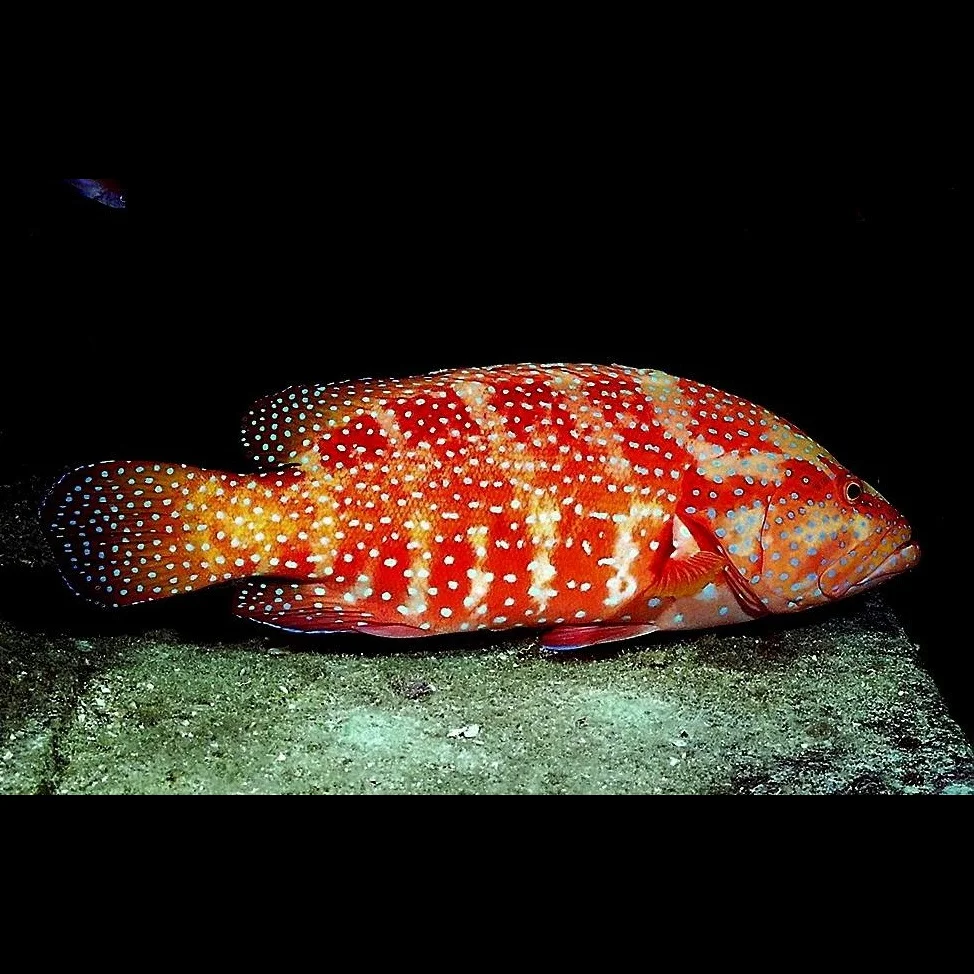
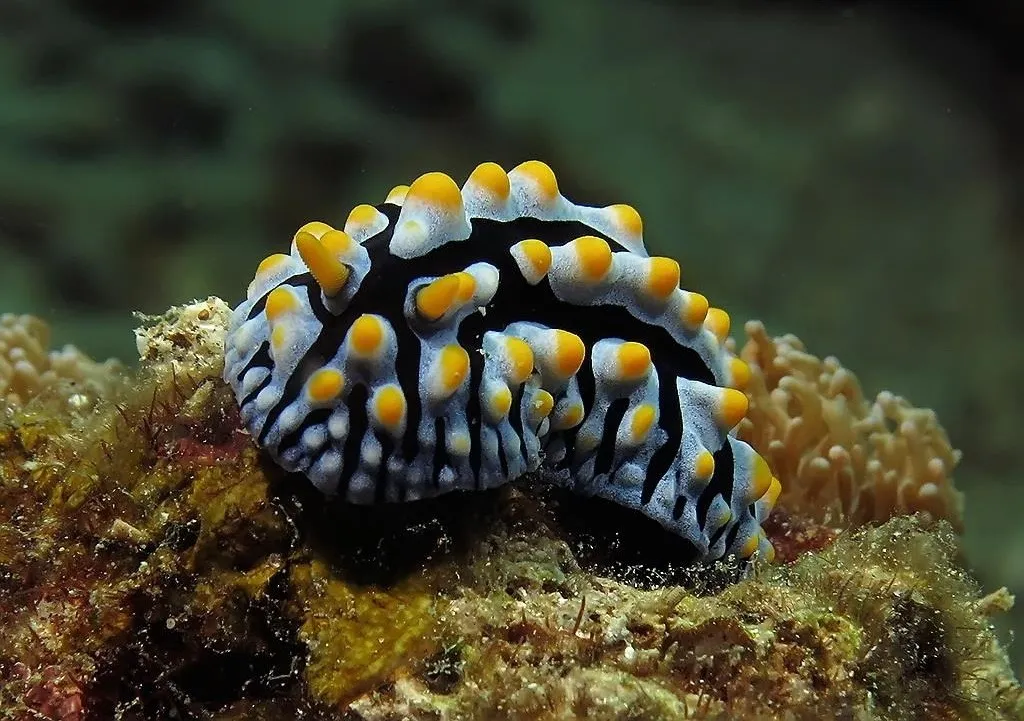
Expect to observe encrusting organisms, potentially some larger pelagic fish passing by the wreck's outline, and smaller bottom dwellers seeking shelter within the metal framework. While specific marine life sightings are not consistently reported for this particular deep wreck, similar sites in the region often host groupers, moray eels, and various invertebrates such as nudibranchs and crustaceans.
Cable drum and other intact features provide surfaces for sessile life to colonize, making the wreck itself a living habitat.
Dive Sites Near CS Levant II
View all dive sites in MaltaDiscover more underwater gems in this area.
Dive Centers Near CS Levant II
Today: 08:30 - 16:30
Nearest Airports
Nearest airports to help plan travel to this dive area.
Search Flights
Check available flights and routes on Expedia, using the nearby airports listed in this section.
Search Flights on ExpediaFrequently Asked Questions
What certification level is required for CS Levant II?
Technical diving certification is mandatory for CS Levant II due to its significant depth. Divers also need at least an Advanced Open Water certification and a minimum of 20 logged dives.
How deep is the CS Levant II wreck?
The wreck rests at a maximum depth of 59 meters, with shallower parts reaching 55 meters. Such deep profiles require advanced planning for technical diving.
What is the average visibility at this dive site?
Visibility at CS Levant II typically averages 20 meters. However, conditions can vary significantly, with reported visibility ranging from 10 to 40 meters.
Is CS Levant II accessible from shore?
No, CS Levant II is exclusively a boat dive. The site is located approximately 1.5 kilometers from the Grand Harbour entrance, requiring boat access for all dives.
Are there any specific hazards to be aware of?
A primary hazard is Grand Harbour ship traffic; the dive should only proceed when the harbor is closed to commercial vessels. Variable, sometimes strong, currents are also common at this site.
What is the historical significance of the CS Levant II?
The CS Levant II was a cable layer built in 1904, instrumental in maintaining communication lines between Malta, Sicily, Libya, and Alexandria after WWI. It sank prematurely in 1952 while being towed for scuttling.
What are the recommended months to dive CS Levant II?
The best time to dive is generally between June and September for calmer seas and higher air temperatures. April-May and October-November also offer good diving conditions, though with potentially cooler air and slightly increased chance of rain.
Planning to dive CS Levant II?
Send one inquiry and receive offers directly from the best verified local dive operators.
Conditions are Good
Optimal conditions expected
Current conditions near CS Levant II show 24° air, 28° sea temperature, 0.4 m waves, and 35 km/h wind. Forecast data is refreshed regularly to ensure accuracy.