
Diving at HMS St Angelo (Malta)
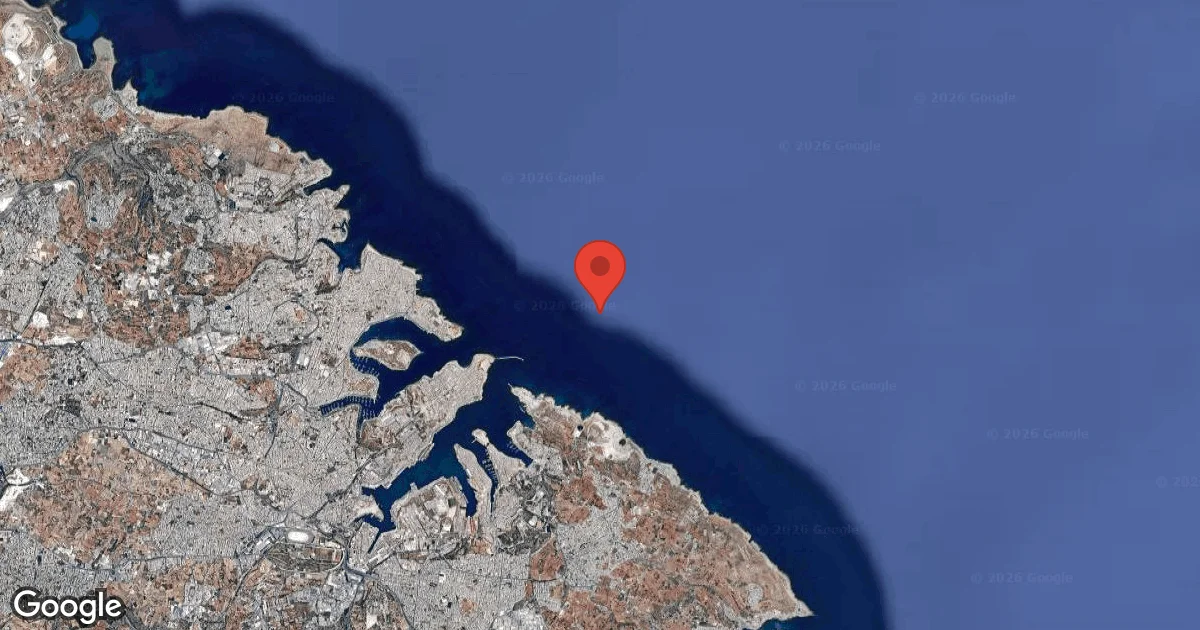
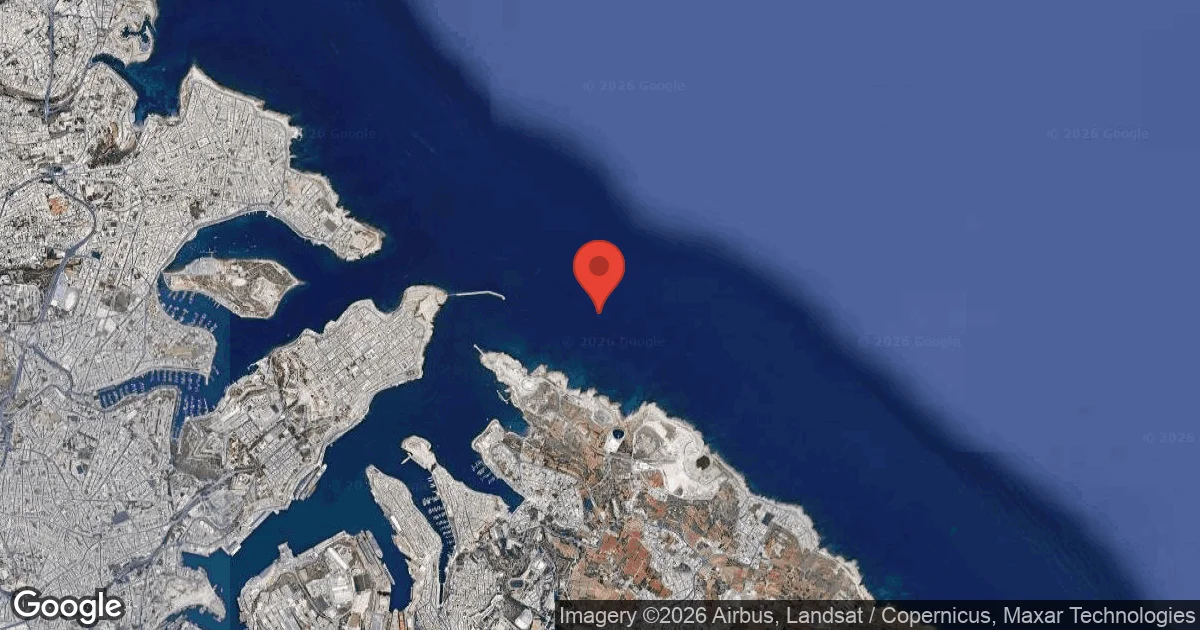
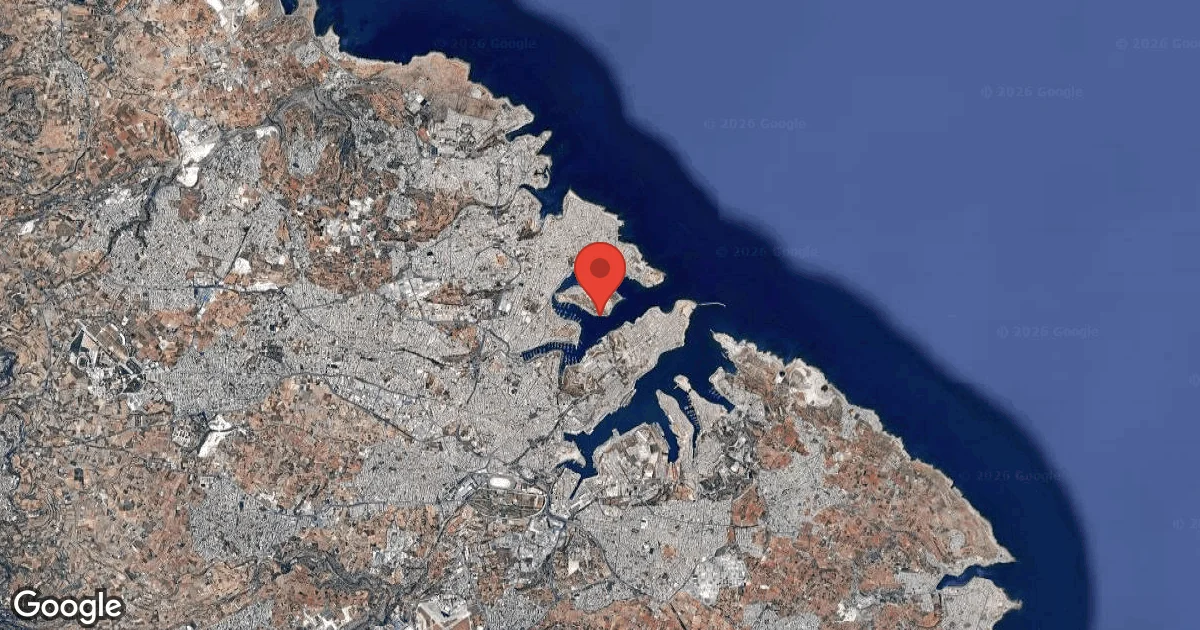
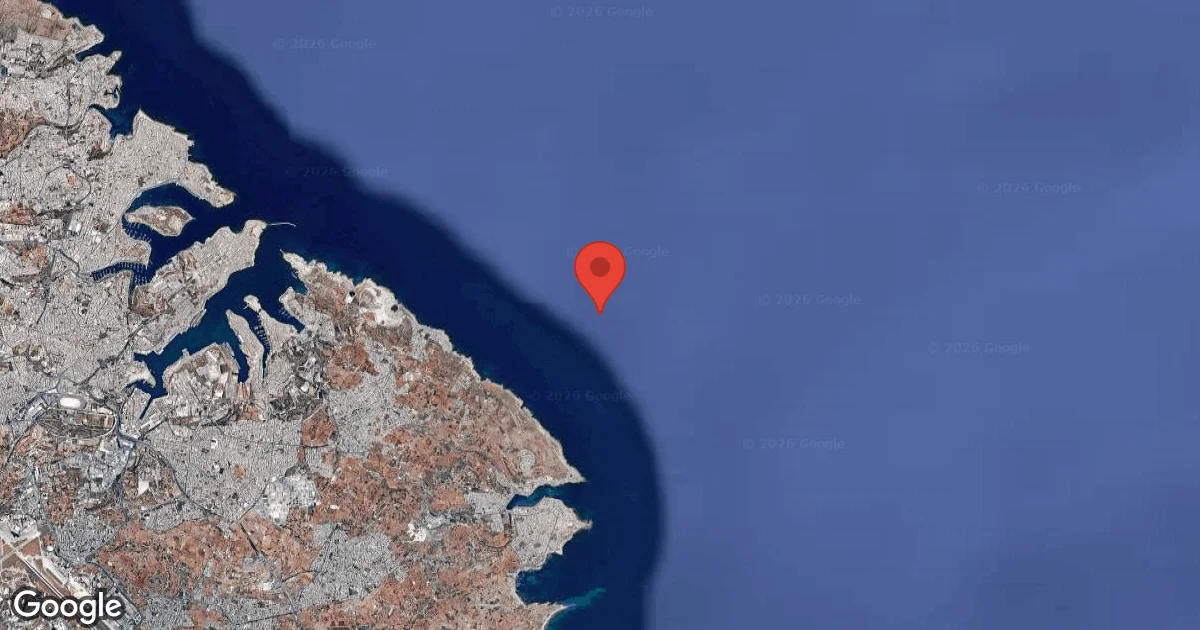
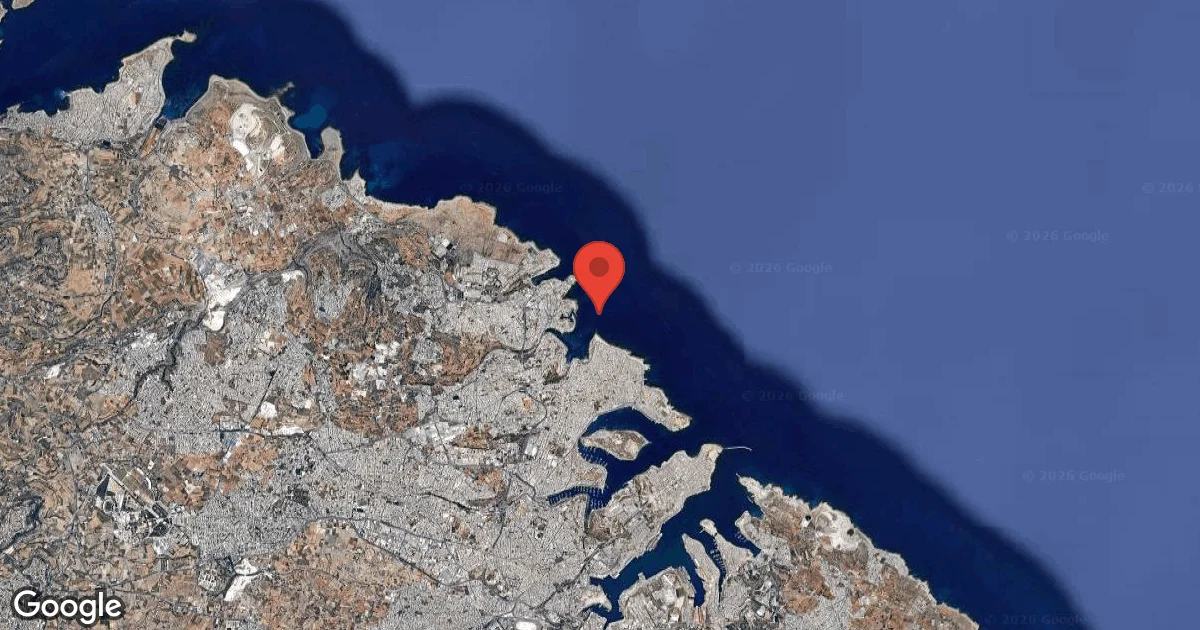
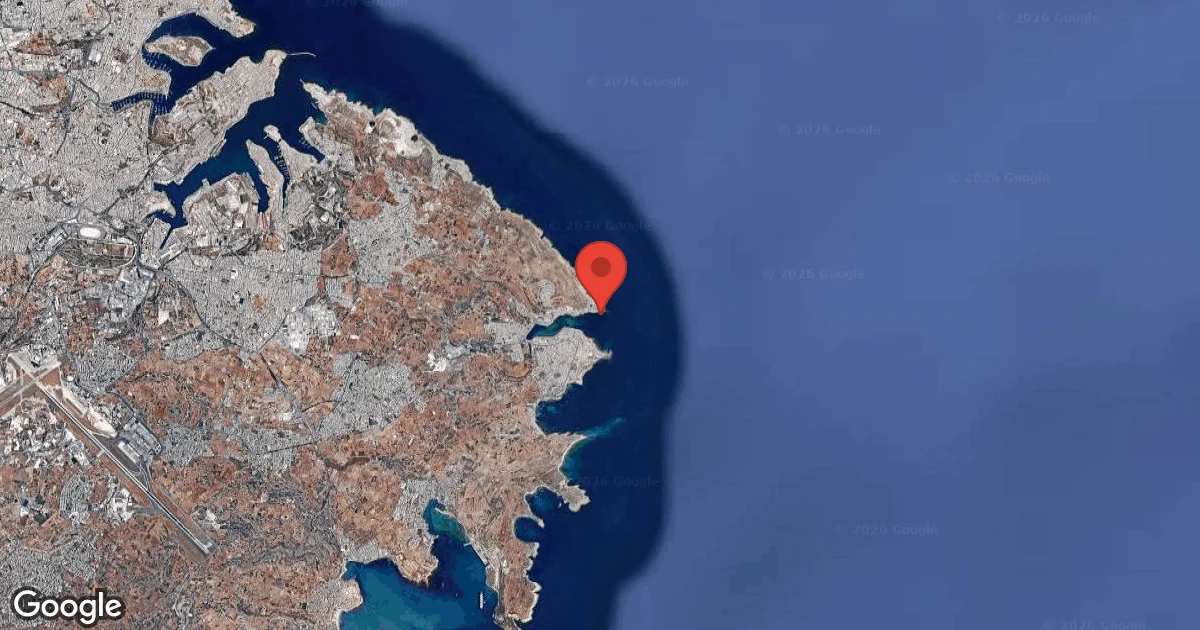
The HMS St Angelo wreck demands a specific technical diver profile, given its significant depth and location within Malta's busy maritime channel. This is a boat-only dive site, situated about 1.5 km off the Grand Harbour entrance, accessible only to technical or very experienced divers. Its operational depth of 54 m (177 ft) consistently places it in the realm of advanced wreck diving, requiring careful planning and execution.
Tonight's objective overview for HMS St Angelo shows an air temperature of 24.5°C. The measured surface conditions include wave heights around 0.4 m. This environmental data is logged for the close of the day.
Dive Site Location & Key Facts
Dive Site Overview
Tracing the story of HMS St Angelo reveals a vessel with a varied and critical role during World War II. Originally serving as a tug boat, it transported personnel for the Royal Navy from Fort St Angelo to warships and other ports around Malta.
Beyond its transport duties, she also contributed to rescue efforts, towing operations, and later, minesweeping. Unfortunately, while on a minesweeping operation outside Valletta, the St Angelo struck a mine on May 30, 1942, leading to her sinking and the loss of four crew members.
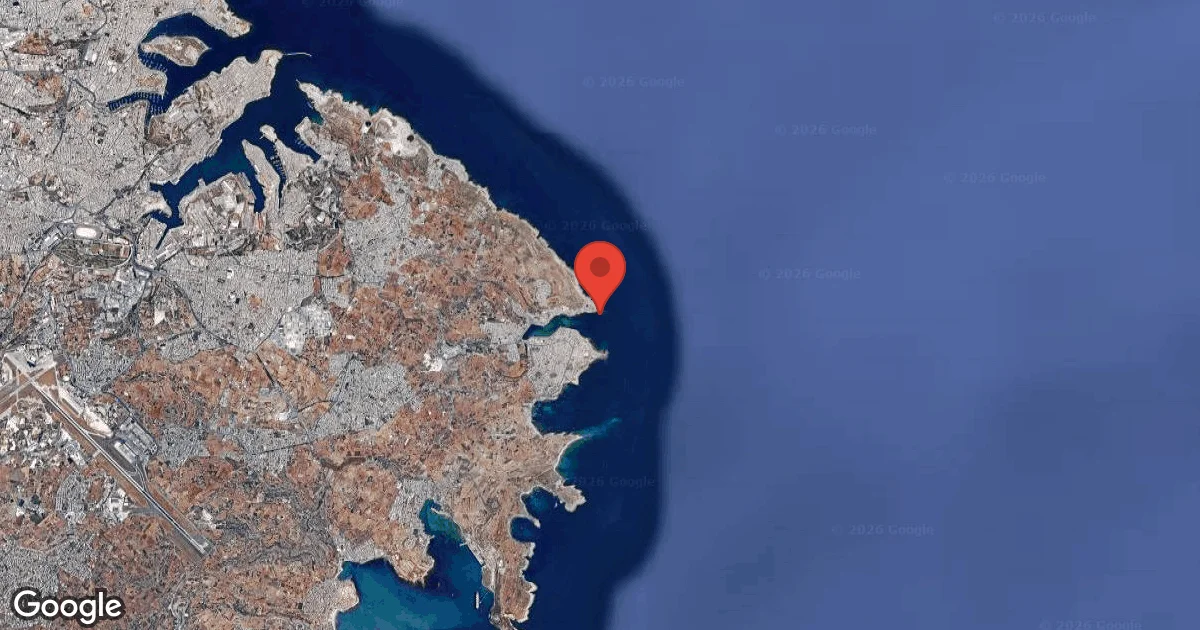
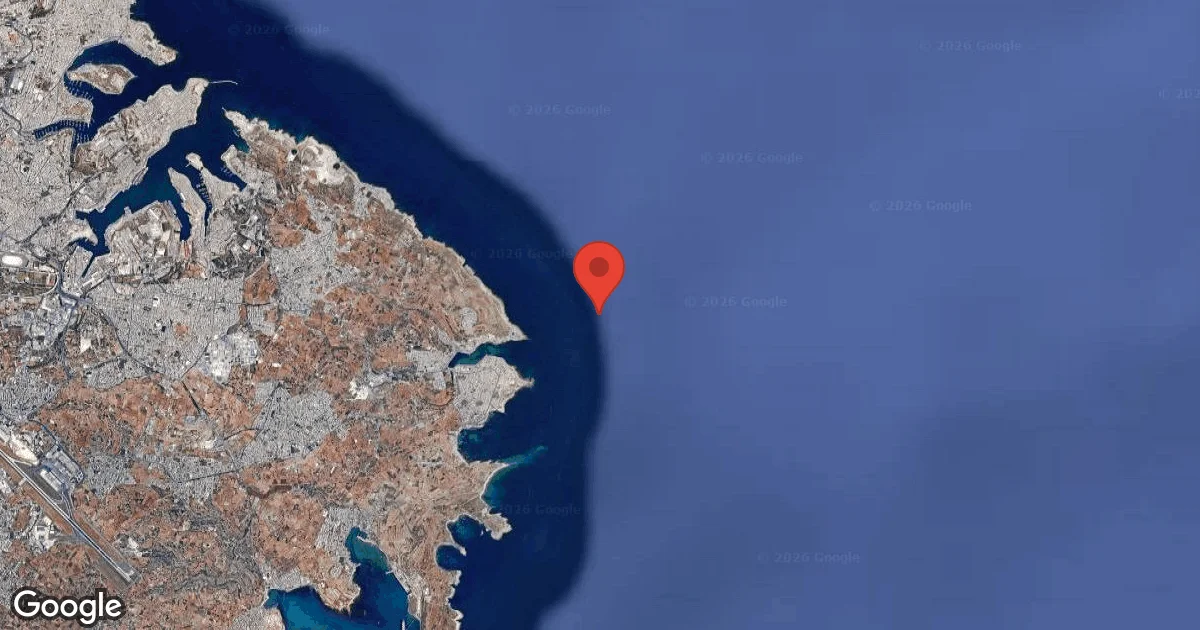
Today, the wreck lies upright on a sandy seabed at a depth of 54 m (177 ft), making it a challenging but rewarding destination for those qualified to explore its historical remnants. This 24-meter-long wreck sits approximately 1.5 km (1 mile) off the Grand Harbour entrance, a position that requires unique considerations for safe diving operations.
Conditions are Good
Optimal conditions expected
Current conditions near HMS St Angelo show 25° air, 28° sea temperature, 0.5 m waves, and 18 km/h wind. Forecast data is refreshed regularly to ensure accuracy.
Best Time to Dive
For divers seeking optimal conditions, the summer and early autumn months offer the best window to explore the HMS St Angelo. Between June and September, Malta typically sees 'Good' dive scores, benefiting from air temperatures ranging from 25-28°C (77-82°F) and minimal rainfall, often at 0-0.8 mm. Wave heights are lowest during this period, averaging around 0.7-0.9 meters, with more settled winds, generally between 18-20 km/h (11-12 mph). While water temperatures aren't consistently reported in our system data, the Mediterranean during these months typically offers comfortable diving conditions. Spring (April-May) and late autumn (October-November) also present 'Good' diving scores, though with slightly cooler air temperatures and increased, yet still moderate, wave activity.
PEAK SEASON SCORE
Scores combine air & water temps, waves, wind & rainfall for overall conditions.
BEST MONTHS TO DIVE
Monthly records compiled from satellite and marine observation nodes over the last 3 years. Data provided by Open-Meteo and MET Norway.
Dive Experience & Conditions
The descent to HMS St Angelo begins by boat, dropping into open water approximately 1.5 km (1 mile) from the Grand Harbour entrance. As you descend, the tug boat gradually materializes, sitting upright on the sandy seabed at its maximum depth of 54 m (177 ft). The wreck, about 24 meters in length, retains identifiable features from its service days. Visibility generally ranges from 10 to 30 meters, with an average around 20 meters, allowing for clear views of the structure. Currents around the wreck are reported as limited, but can be strong and variable depending on prevailing conditions. Exploring this site requires careful buoyancy control and awareness of the environment, given the soft, silty seabed and potential for disturbed visibility.
Dive Difficulty & Safety Guidelines
Approaching the HMS St Angelo wreck demands a high level of diver skill and preparedness; it's strictly a site for technical or very experienced divers. The primary hazard stems from its proximity to the Grand Harbour entrance and the active maritime channel, which sees busy ship traffic. Diving here is considered dangerous unless the harbor is explicitly closed on specific dates.
Additionally, currents in the area can be strong and variable, adding to the challenge. Access is boat-only, meaning divers must coordinate with experienced dive operators familiar with the site and its operational limitations. Always adhere to your certification limits and plan your gas and decompression meticulously.
Recommended Equipment
Overhead / entanglement risk. Wreck penetration requires proper training.
- Dive Computer
- Primary & Backup Lights
- Wreck Reel
- Cutting Tool
This gear list is based on verified equipment signals for HMS St Angelo, Malta. Always confirm final gear choices with your dive operator, guide, or liveaboard.
Recommended Dive Suit
Divers planning deeper dives may feel cooler than those staying in shallower areas.
Many divers find that 2-3mm shorty or light wetsuit offers a comfortable balance between warmth and mobility. Environmental models indicate a modest warming trend ahead. A warming trend is expected over the next few days.
Current temperature readings suggest that the water at HMS St Angelo is around 28°C (83°F). Surface air temperatures are resting at 25°C (76°F).
Emergency & Medical Support
Essential information to help you plan your dive trip to HMS St Angelo.

Hyperbaric chambers are a critical part of dive safety infrastructure. Availability varies significantly by region, and not all dive areas have immediate access.
Before diving, it's recommended to:
- confirm nearest medical facilities
- check emergency procedures with local dive operators
- ensure dive insurance covers evacuation if required
Divers Alert Network
Diving emergency assistance available through DAN Europe.
+39 0642115685- 24/7 emergency hotline
- Diving medical assistance
- Evacuation coordination
Emergency contacts are provided for reference. Always verify local emergency services before diving.
Closest Listed Hyperbaric Chambers
Showing listed hyperbaric chamber facilities within 200 km of this dive site.
Distances are approximate straight-line distances and may not reflect emergency travel time.
Hyperbaric Unit - Mater Dei Hospital
24/7 ListedICU CapableMsida, Malta•Approx. 4 km straight-line
Hyperbaric Unit - Mater Dei Hospital
24/7 ListedICU CapableInformation is provided for reference and planning purposes only. Dive Navigator does not verify operational status, staffing, availability, or quality of care at listed facilities. In an emergency, contact local emergency services, DAN, your dive operator, or the chamber directly. Do not travel to a facility without calling ahead.
Gozo
24/7 ListedICU CapableVictoria, Malta•Approx. 31 km straight-line
Gozo
24/7 ListedICU CapableInformation is provided for reference and planning purposes only. Dive Navigator does not verify operational status, staffing, availability, or quality of care at listed facilities. In an emergency, contact local emergency services, DAN, your dive operator, or the chamber directly. Do not travel to a facility without calling ahead.
Marine Life at HMS St Angelo
Around the structure of HMS St Angelo, marine life has begun to colonize the historical remnants, transforming the wreck into an artificial reef. Divers might observe species such as John Dory, also known as Peter's fish, subtly navigating the nooks and crannies of the sunken vessel.
Bonito are also reported in the vicinity, often patrolling the deeper waters surrounding the wreck. The sandy seabed stretching around the St Angelo provides a habitat for various bottom-dwelling creatures, making the exploration not just a historical journey but also an encounter with the evolving underwater landscape.
Dive Sites Near HMS St Angelo
View all dive sites in MaltaDiscover more underwater gems in this area.
Dive Centers Near HMS St Angelo
Today: 08:30 - 16:30

Nearest Airports
Nearest airports to help plan travel to this dive area.
Search Flights
Check available flights and routes on Expedia, using the nearby airports listed in this section.
Search Flights on ExpediaFrequently Asked Questions
What level of diving experience is required for HMS St Angelo?
This wreck dive is strictly for technical or very experienced divers. Its depth of 54 m (177 ft) and location in an active channel demand advanced skills, careful planning, and appropriate certification. Standard recreational certifications are not sufficient for this site.
How is the HMS St Angelo wreck accessed?
The HMS St Angelo is a boat-only dive site, located approximately 1.5 km (1 mile) off the Grand Harbour entrance. Divers must arrange access with a specialized dive operator experienced with the site's unique logistical and safety requirements. The site is not accessible from shore.
What are the primary safety considerations when diving HMS St Angelo?
The main safety concern is its proximity to the Grand Harbour entrance, which experiences significant ship traffic. Diving is only considered safe if the harbor is explicitly closed on specific dates. Additionally, currents can be strong and variable, requiring careful monitoring.
What is the typical visibility at the wreck site?
Visibility at HMS St Angelo generally ranges from 10 to 30 meters, with an average of around 20 meters. This allows for clear views of the 24-meter-long wreck and its features, though visibility can be affected by disturbed silt on the seabed.
When is the best time of year to dive HMS St Angelo?
Optimal conditions for diving HMS St Angelo are typically found during the summer and early autumn, from June to September. This period generally offers the lowest wave heights, settled winds, and comfortable air temperatures, though water temperatures aren't consistently reported.
What marine life can be observed around the wreck?
The HMS St Angelo has become an artificial reef, attracting various marine species. Divers may encounter John Dory and Bonito patrolling the deeper waters. The surrounding sandy seabed also hosts a range of bottom-dwelling creatures, adding to the site's biodiversity.
What is the condition of the HMS St Angelo wreck?
The 24-meter-long wreck of the HMS St Angelo lies upright on a sandy seabed at 54 m (177 ft) depth. Despite its age and sinking event, the tug boat retains identifiable features from its service days. It presents a substantial structure for exploration.
Planning to dive HMS St Angelo?
Send one inquiry and receive offers directly from the best verified local dive operators.
Conditions are Good
Optimal conditions expected
Current conditions near HMS St Angelo show 25° air, 28° sea temperature, 0.5 m waves, and 18 km/h wind. Forecast data is refreshed regularly to ensure accuracy.