
Diving at HMS Maori (Malta)
Approaching HMS Maori in St. Elmo Bay, divers will find this World War II destroyer wreck off Valletta's shore. It's an accessible shore dive, typically starting with an easy entry into Marsamxett Harbour. Descending to the sandy seabed, the visible bow section of the wreck lies upright, offering a clear outline for initial exploration at recreational depths.
As evening covers HMS Maori, the local air temperature is measured at 24.5°C. The current wave height at the surface is recorded at 0.4 m. These late-day readings characterize the surface conditions for the night.
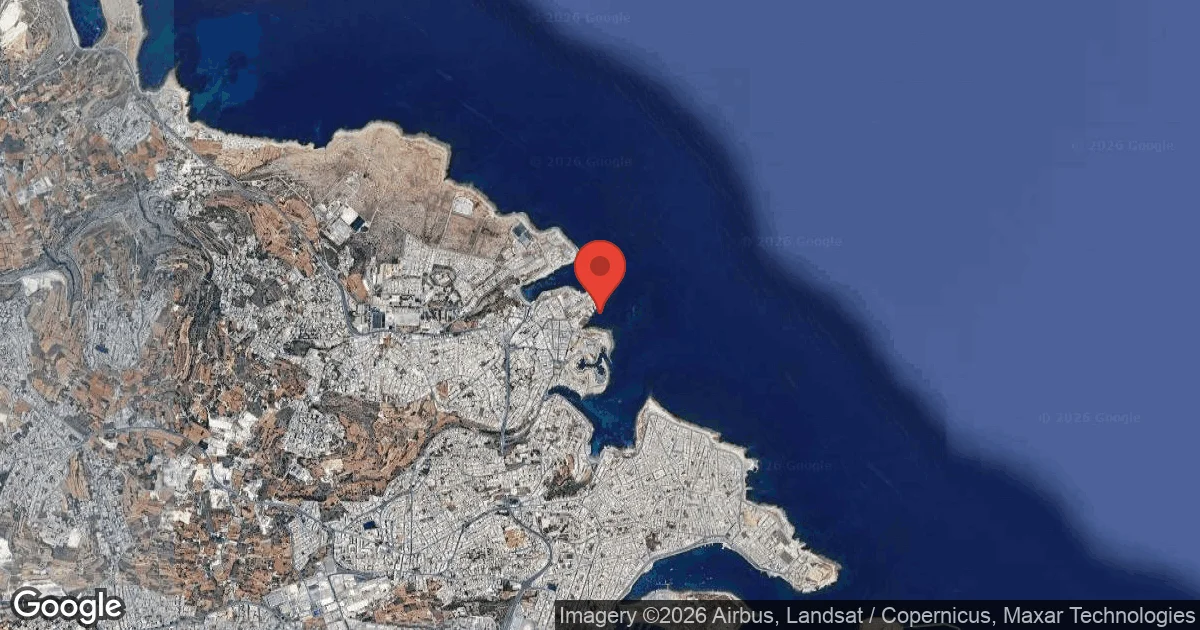
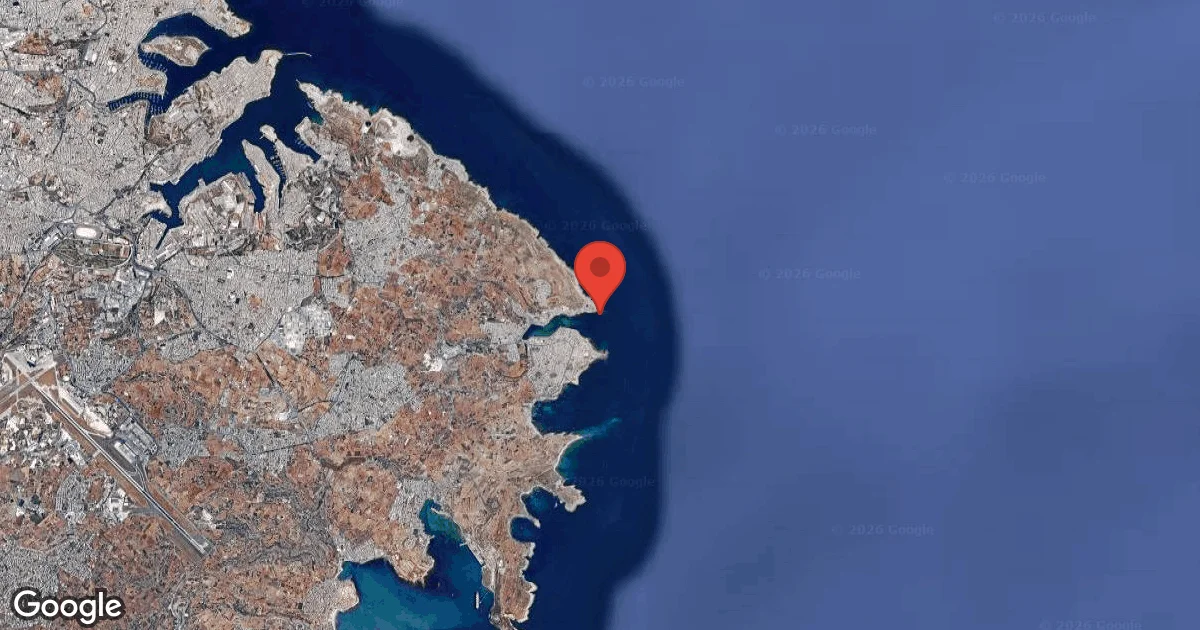
Dive Site Location & Key Facts
Dive Site Overview
HMS Maori stands apart as Malta's shallowest and most accessible World War II wreck dive, distinctive for various skill levels. Launched in 1937, the British Tribal-class destroyer met its fate in February 1942 during a German air raid in Grand Harbour.
After being raised, its forepart was deliberately scuttled in July 1945 off Fort St. Elmo Bay, on the south side of Marsamxett Harbour entrance. An upright wreck on a sandy bottom, its maximum depth reaches around 16 m (52 ft). Approximately 42 m (138 ft) of the bow section remains, a tangible testament to its dramatic history and wartime legacy.
This manageable depth and easy shore access make it an ideal introduction to wreck diving for beginners, including PADI OWD certified divers and even freedivers. Unlike many purpose-scuttled vessels, Maori is a genuine war wreck.
Divers often appreciate exploring its remnants, providing a direct link to Malta's significant role in World War II. Its shallow profile also allows for extended bottom times, encouraging thorough exploration of both the wreck and the surrounding sandy seabed.
Conditions are Good
Optimal conditions expected
Current conditions near HMS Maori show 25° air, 28° sea temperature, 0.5 m waves, and 18 km/h wind. Forecast data is refreshed regularly to ensure accuracy.
Best Time to Dive
Favorable conditions for diving HMS Maori are most prevalent during the summer and early autumn months, from June through September. Air temperatures are notably pleasant then, averaging from 25°C (77°F) in June to 28.5°C (83°F) in July, with August and September also staying warm around 27.5°C (82°F) and 25.5°C (78°F) respectively. These periods consistently exhibit lower wave heights and calmer winds, typically averaging below 1 meter and 20 km/h (12.4 mph), which enhances shore access and underwater visibility. Rain is minimal during summer, with July and August often recording zero precipitation, contributing to clearer inshore waters. Dive scores for this timeframe are consistently rated "Good" (8). While diving is still viable in spring and late autumn, roughly April to November, with "Good" (7) scores, conditions can vary more with moderate wave heights and increased wind speeds, especially from October onwards. Winter months present the lowest dive scores (6), marked by cooler air temperatures, higher waves, and more frequent rainfall.
PEAK SEASON SCORE
Scores combine air & water temps, waves, wind & rainfall for overall conditions.
BEST MONTHS TO DIVE
Monthly records compiled from satellite and marine observation nodes over the last 3 years. Data provided by Open-Meteo and MET Norway.
Dive Experience & Conditions
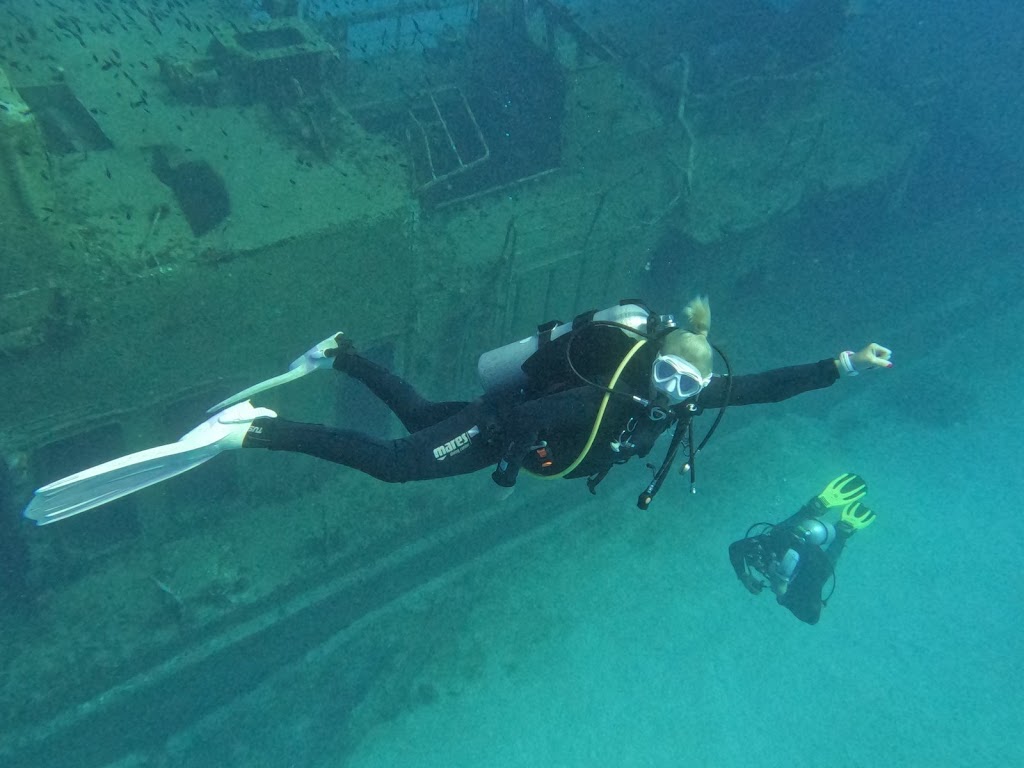
Entering the water for a dive on HMS Maori often provides a palpable sense of history as you descend towards the wreck. It lies upright on a sandy seabed, providing a distinct silhouette against the bottom. Wreck integrity is compromised, being largely broken, with its front resting against a rocky slope. Divers can navigate through various openings, including the forward hold, and even explore the wreck's entire remaining length. Ambient light penetrates well through portholes, missing side panels, and various hatches leading to the main deck, illuminating internal sections. Inside, good buoyancy control is essential; kicking up silt can quickly reduce visibility from what might be acceptable to quite murky, impacting the sensory experience. Caution is advised due to sharp edges and jagged metal. Surrounding the main structure, the sandy area also holds scattered wreckage and debris like old tires and barrels, creating additional points of interest.
Dive Difficulty & Safety Guidelines
Given HMS Maori's shallow depth of around 16 m (52 ft) and straightforward shore access, it's widely considered suitable for entry-level divers, often serving as a first wreck dive for those with Open Water Diver certification. While the site is generally forgiving, good buoyancy control is crucial, especially when penetrating any part of the wreck. Inside, divers need to be mindful of silt, which can be easily disturbed and significantly reduce visibility.
Additionally, the wreck is broken and contains sharp edges and jagged metal, requiring careful movement to prevent cuts or entanglement. It's always advisable to carry an appropriate cutting tool and a dive light for peering into darker sections or in case visibility unexpectedly drops.
Divers should plan their air consumption considering the potential for exploration around the main structure and any scattered debris.
Recommended Equipment
Overhead / entanglement risk. Wreck penetration requires proper training.
- Dive Computer
- Primary & Backup Lights
- Wreck Reel
- Cutting Tool
This gear list is based on verified equipment signals for HMS Maori, Malta. Always confirm final gear choices with your dive operator, guide, or liveaboard.
Recommended Dive Suit
Thermal protection such as 2-3mm shorty or light wetsuit is commonly used for water temperatures in this range.
Divers entering the water at HMS Maori today can expect temperatures near 28°C (83°F) beneath the surface. Surface air temperatures are resting at 25°C (76°F).
Environmental models indicate a modest warming trend ahead. A warming trend is expected over the next few days.
Emergency & Medical Support
Essential information to help you plan your dive trip to HMS Maori.

Hyperbaric chambers are a critical part of dive safety infrastructure. Availability varies significantly by region, and not all dive areas have immediate access.
Before diving, it's recommended to:
- confirm nearest medical facilities
- check emergency procedures with local dive operators
- ensure dive insurance covers evacuation if required
Divers Alert Network
Diving emergency assistance available through DAN Europe.
+39 0642115685- 24/7 emergency hotline
- Diving medical assistance
- Evacuation coordination
Emergency contacts are provided for reference. Always verify local emergency services before diving.
Closest Listed Hyperbaric Chambers
Showing listed hyperbaric chamber facilities within 200 km of this dive site.
Distances are approximate straight-line distances and may not reflect emergency travel time.
Hyperbaric Unit - Mater Dei Hospital
24/7 ListedICU CapableMsida, Malta•Approx. 2 km straight-line
Hyperbaric Unit - Mater Dei Hospital
24/7 ListedICU CapableInformation is provided for reference and planning purposes only. Dive Navigator does not verify operational status, staffing, availability, or quality of care at listed facilities. In an emergency, contact local emergency services, DAN, your dive operator, or the chamber directly. Do not travel to a facility without calling ahead.
Gozo
24/7 ListedICU CapableVictoria, Malta•Approx. 29 km straight-line
Gozo
24/7 ListedICU CapableInformation is provided for reference and planning purposes only. Dive Navigator does not verify operational status, staffing, availability, or quality of care at listed facilities. In an emergency, contact local emergency services, DAN, your dive operator, or the chamber directly. Do not travel to a facility without calling ahead.
Marine Life at HMS Maori
Despite being a wreck, HMS Maori supports a variety of marine life, thriving within and around its structure. Divers frequently encounter unique life forms that have colonized the metal surfaces and sheltered areas.
Fish often school around the wreck's remnants, utilizing its nooks and crannies for protection. Keep an eye out for smaller critters hiding amongst the broken sections and the surrounding debris like old tires and barrels.
While the wreck itself is the main draw, a closer look often reveals interesting macro life and resident fish populations making it their home.
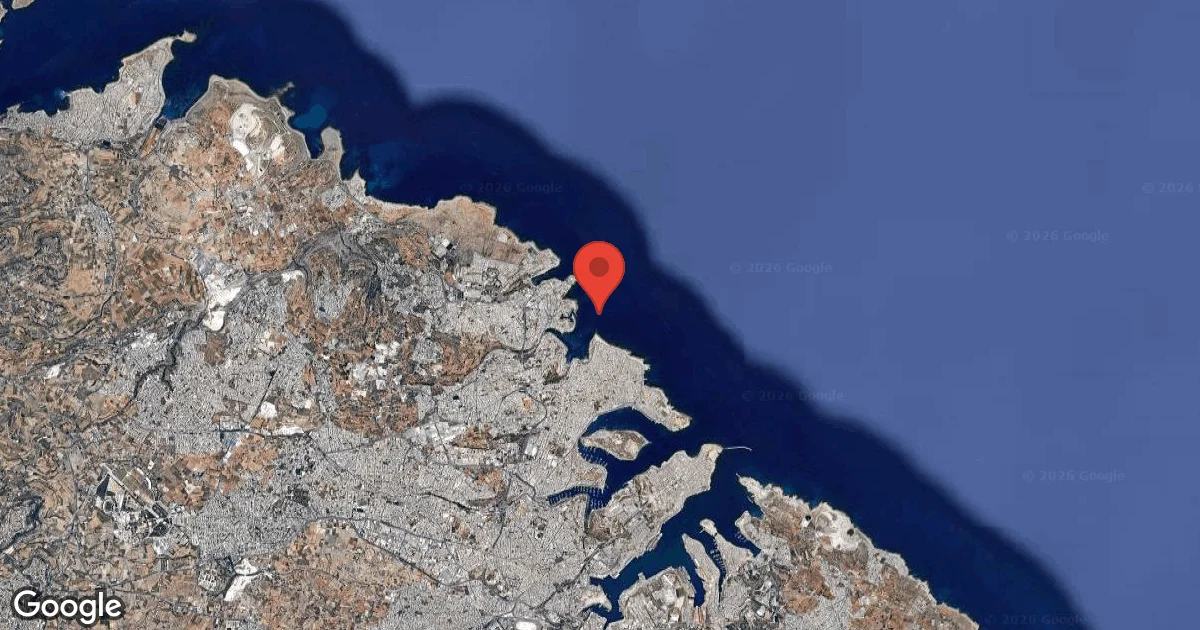
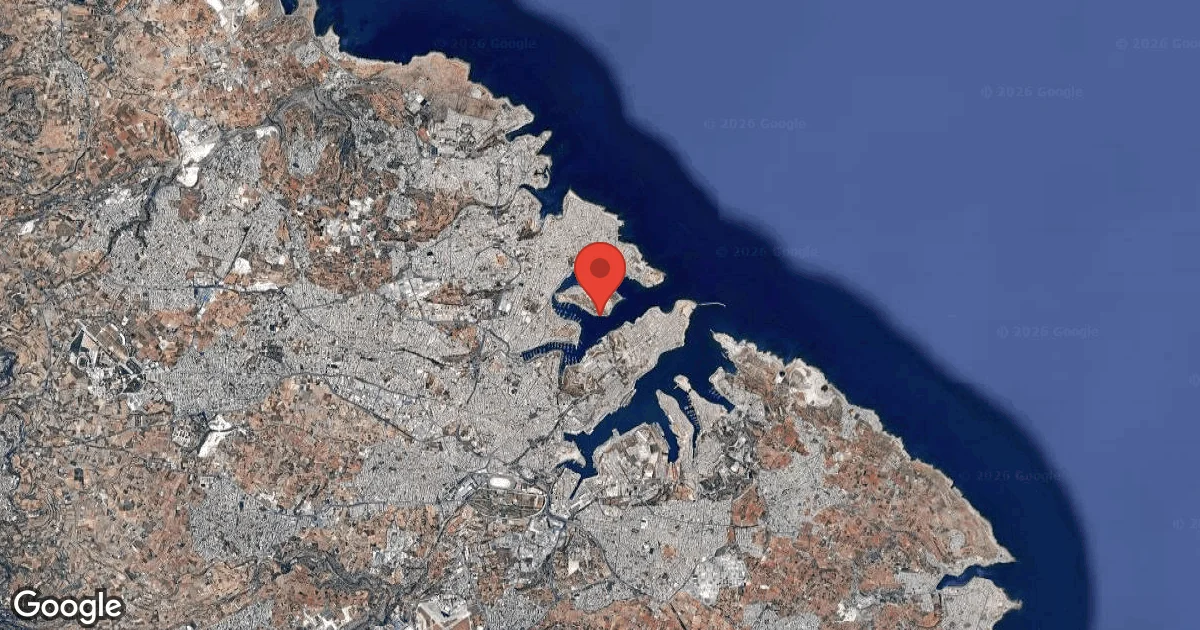
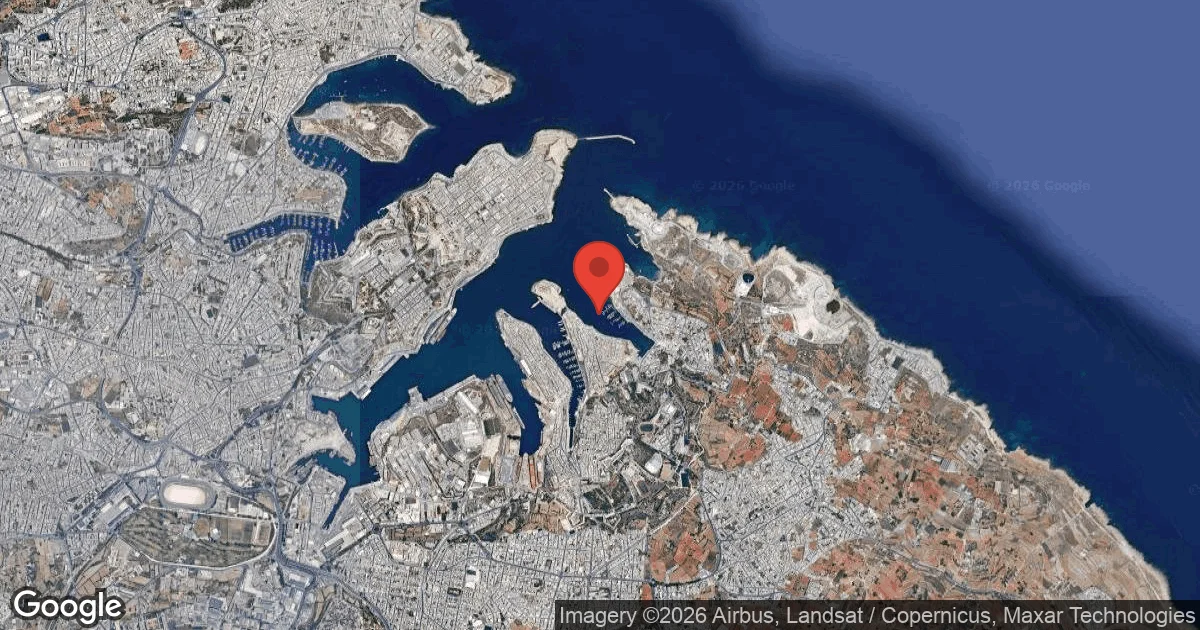
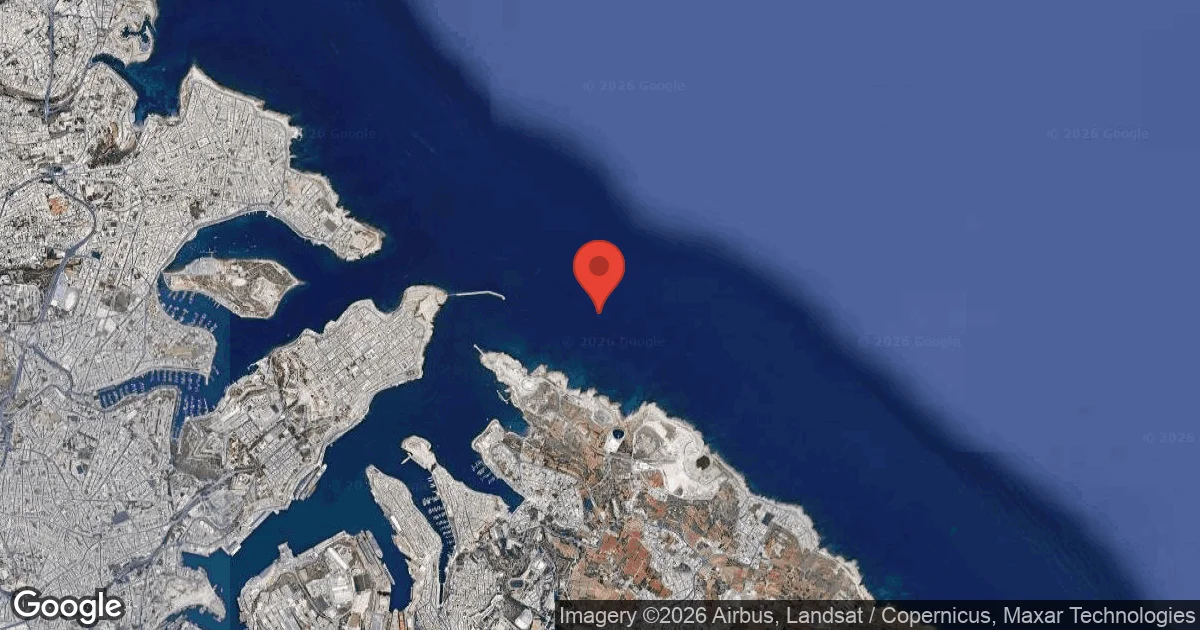
Dive Sites Near HMS Maori
View all dive sites in MaltaDiscover more underwater gems in this area.
Dive Centers Near HMS Maori
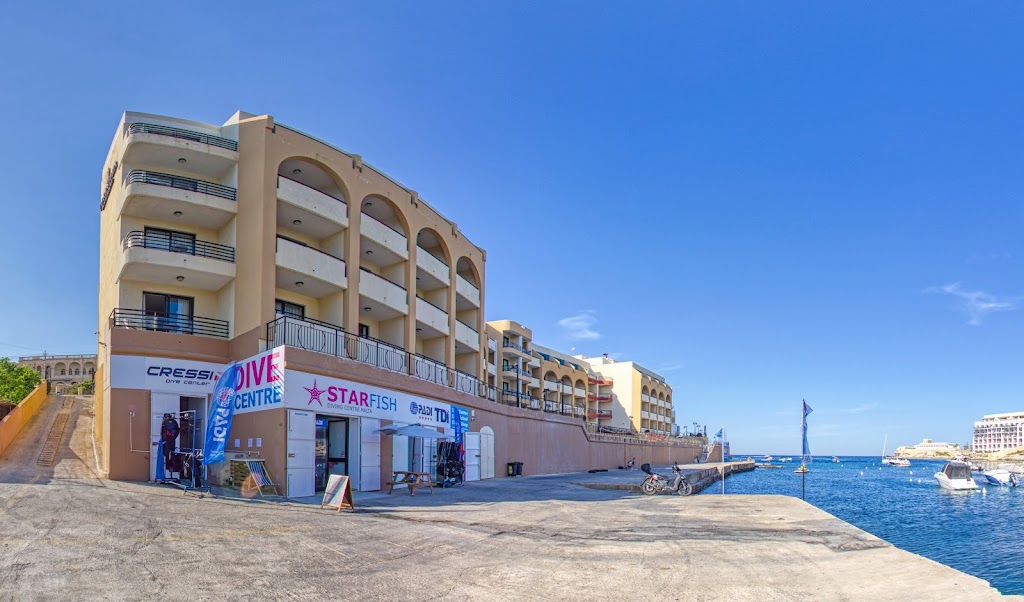
Today: 08:30 - 16:30

Nearest Airports
Nearest airports to help plan travel to this dive area.
Search Flights
Check available flights and routes on Expedia, using the nearby airports listed in this section.
Search Flights on ExpediaFrequently Asked Questions
What type of dive site is HMS Maori?
HMS Maori is a World War II British destroyer wreck, known for being one of Malta's shallowest and most accessible wreck dives. It also has surrounding reef elements due to its location on a sandy bottom near a rocky slope.
How deep is the HMS Maori wreck?
The wreck rests on a sandy seabed at a maximum depth of 16 m (52 ft). Its average depth is around 12 m (39 ft), making it suitable for beginner divers.
Is the HMS Maori suitable for beginner divers?
Yes, it is highly suitable for beginner divers, including those with Open Water Diver certification. Its shallow depth and easy shore access make it a popular choice for a first wreck dive experience.
What remains of the HMS Maori wreck?
Only the bow section of the destroyer remains, approximately 42 m (138 ft) in length. The aft section was abandoned in deeper waters during its towing for scuttling.
Can divers penetrate the HMS Maori wreck?
Yes, divers can enter the wreck through various openings, including the forward hold, and swim through sections. Good buoyancy is essential to avoid stirring up silt.
Where can one find the HMS Maori wreck?
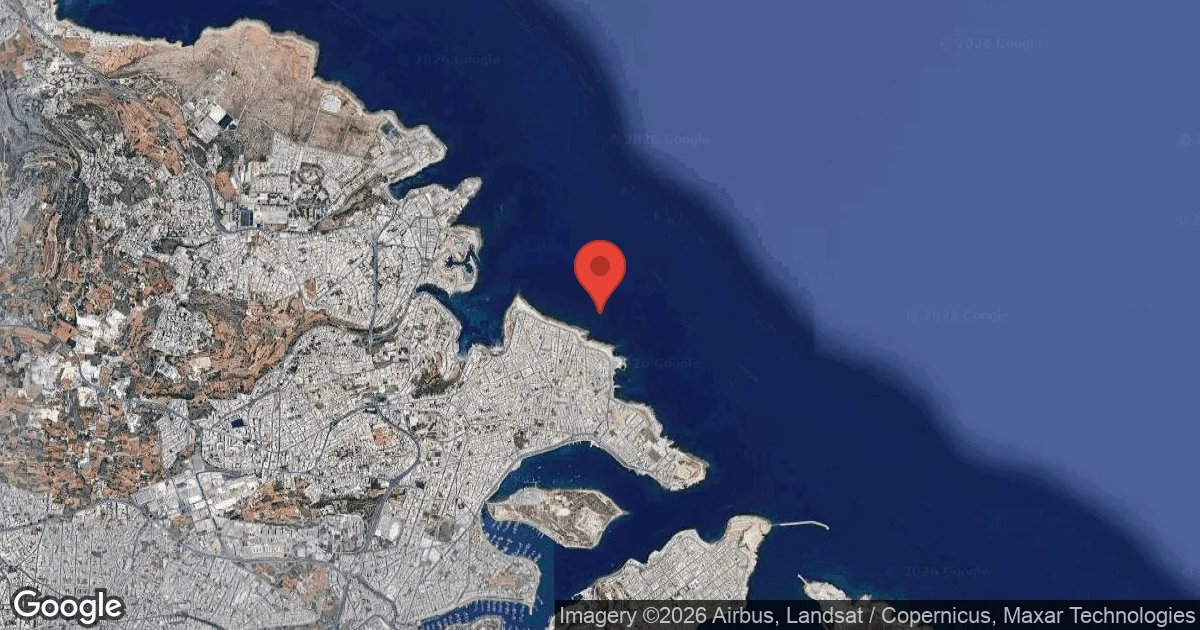
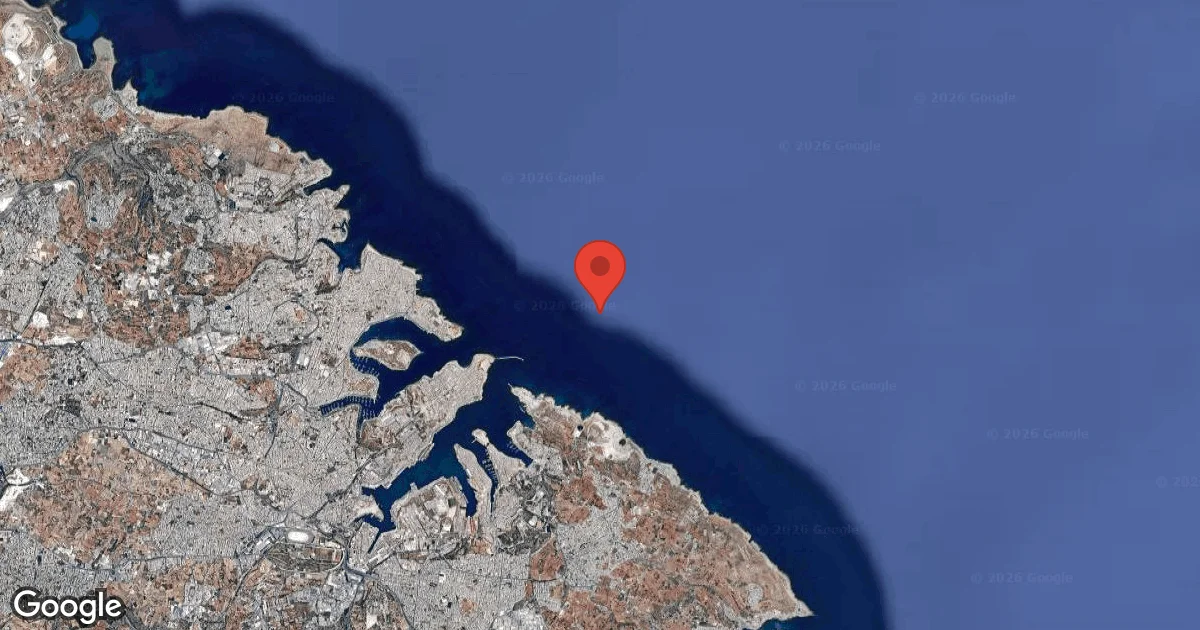
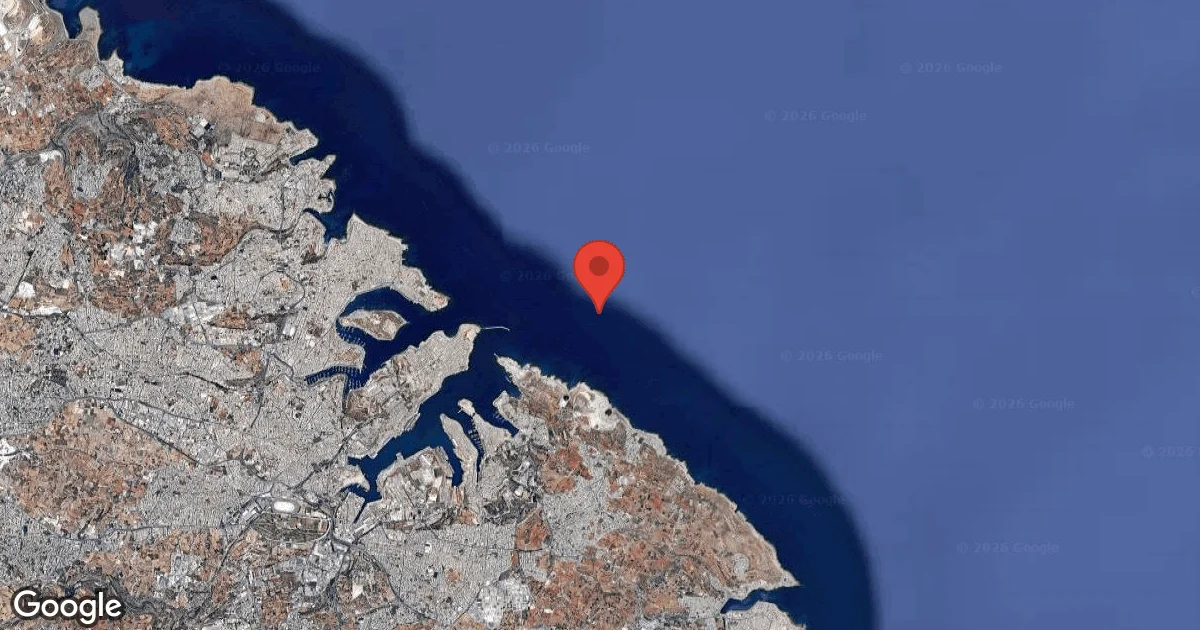
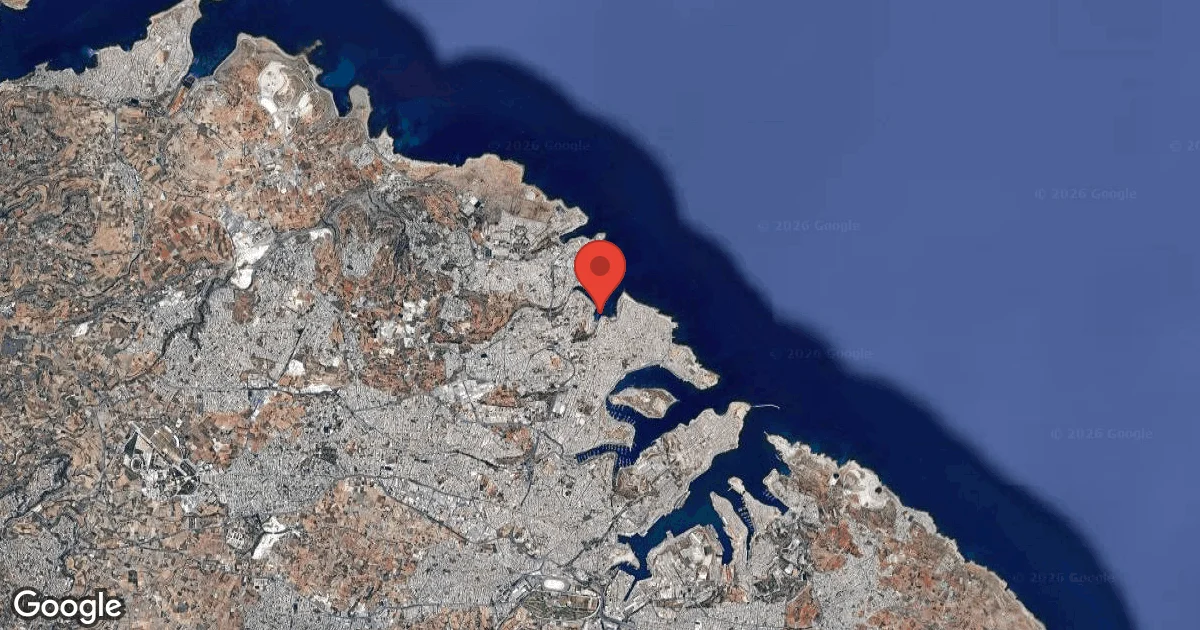
The wreck lies in St. Elmo Bay (also known as Il-Fossa or Jews Sally Port), near the entrance to Marsamxett Harbour, off the shore of Valletta, Malta.
What are the main hazards when diving HMS Maori?
The primary considerations are managing buoyancy to avoid disturbing silt inside the wreck and being aware of sharp edges and jagged metal remnants, which require careful navigation.
What kind of marine life can be seen at HMS Maori?
While not a dedicated marine park, the wreck attracts various fish species and unique marine life that colonize its surfaces and find shelter in its structure. Keep an eye out for smaller critters and schooling fish.
Planning to dive HMS Maori?
Send one inquiry and receive offers directly from the best verified local dive operators.
Conditions are Good
Optimal conditions expected
Current conditions near HMS Maori show 25° air, 28° sea temperature, 0.5 m waves, and 18 km/h wind. Forecast data is refreshed regularly to ensure accuracy.