
Diving at Shell Island Wreck – Epwaj (Marshall Islands)
Sitting upright on white lagoon sand just past 30 meters off Epwaj (Shell Island), this remarkably complete 34-meter Japanese converted long-liner picket boat preserves its raked bow, live-bait deck tanks, pilothouse, smokestack, and swung-out stern davits—telling a vivid visual story of crew abandonment under February 1944 air attack.
During this afternoon at Shell Island Wreck – Epwaj, the recorded air temperature stands at 28.5°C. The water surface currently features wave heights of 1.2 m. These conditions reflect the midday climate for this dive site.
Dive Site Location & Key Facts
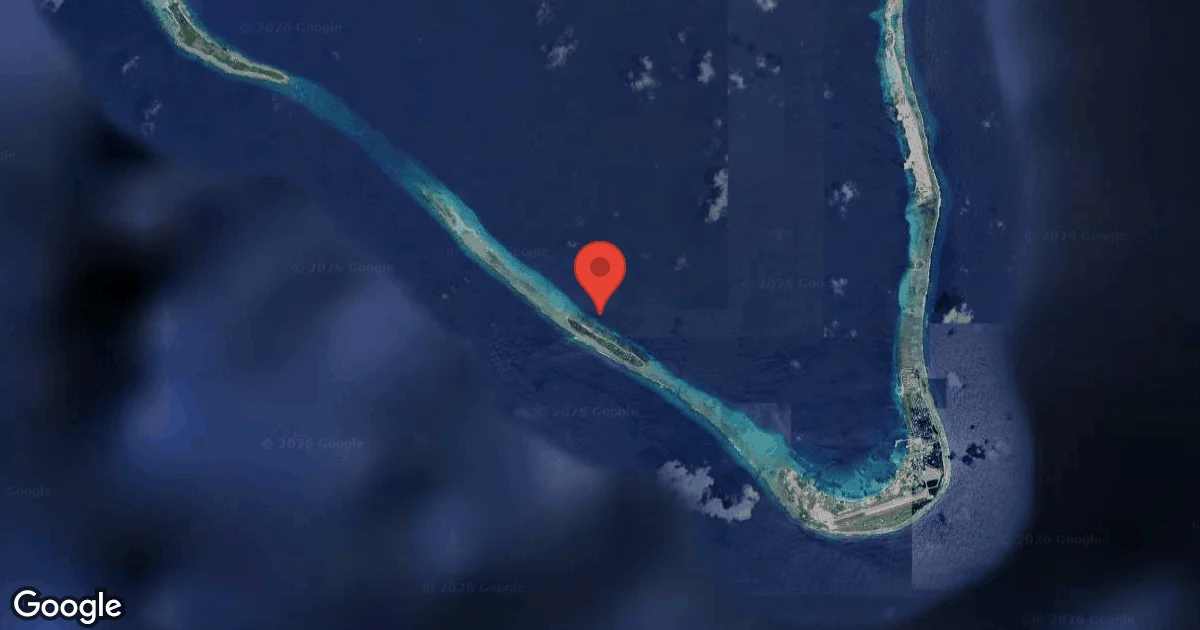
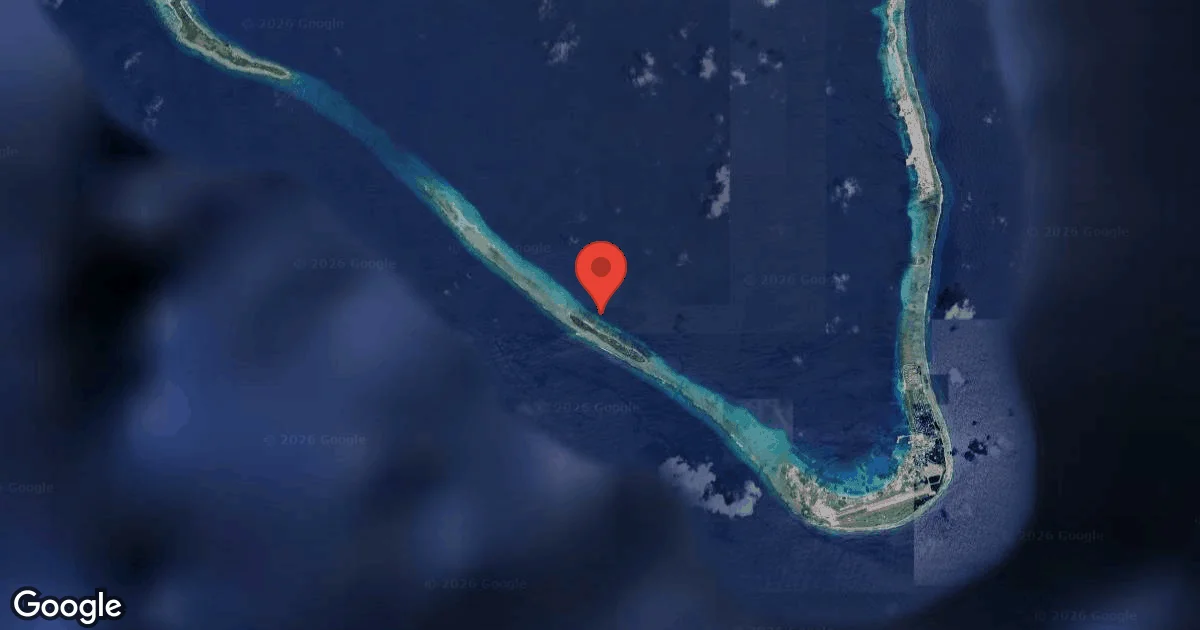
Estimated Coordinates
Coordinates are estimated from the best available maritime charts and local dive references, as exact GPS pins are not publicly confirmed. Always verify the precise entry or mooring point with a local dive operator.
Dive Site Overview
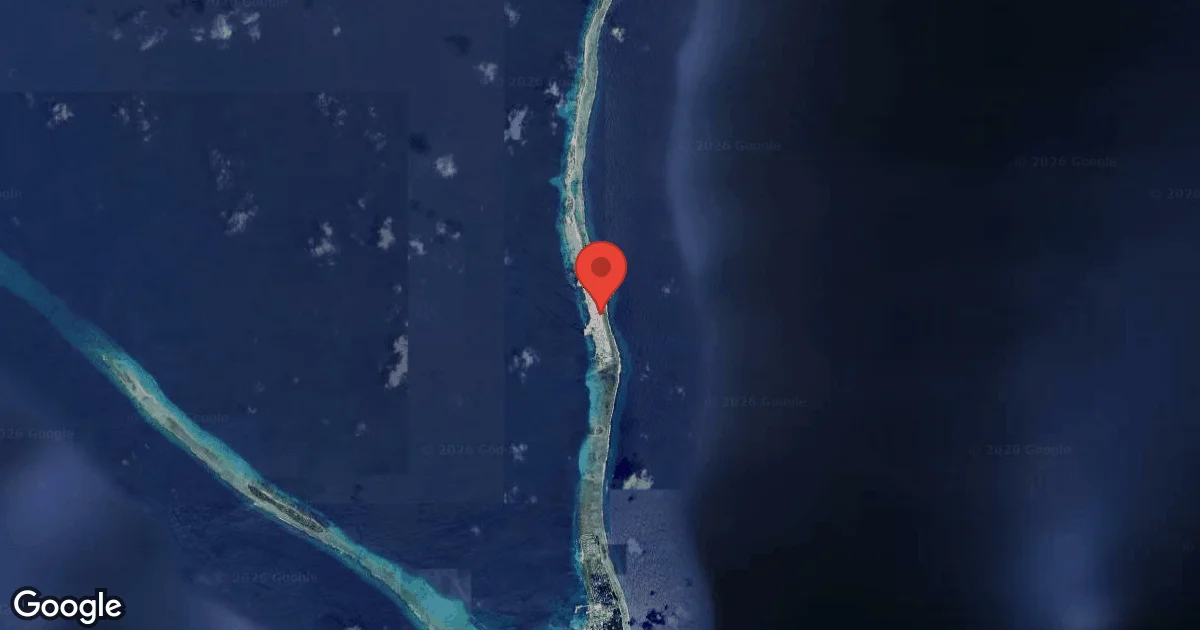
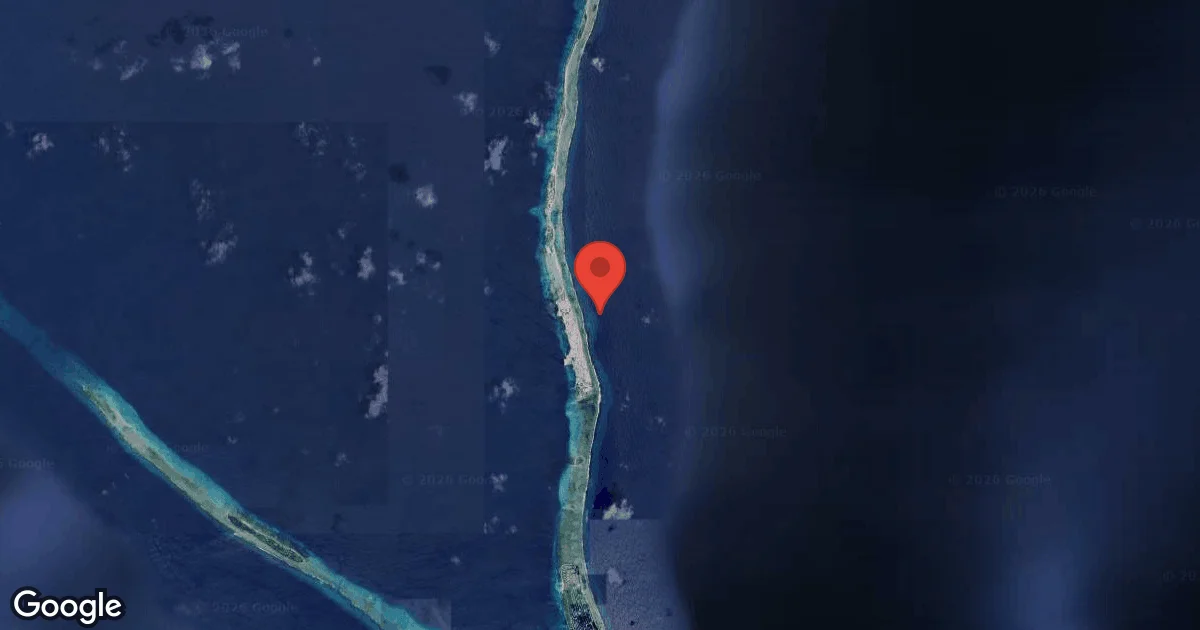
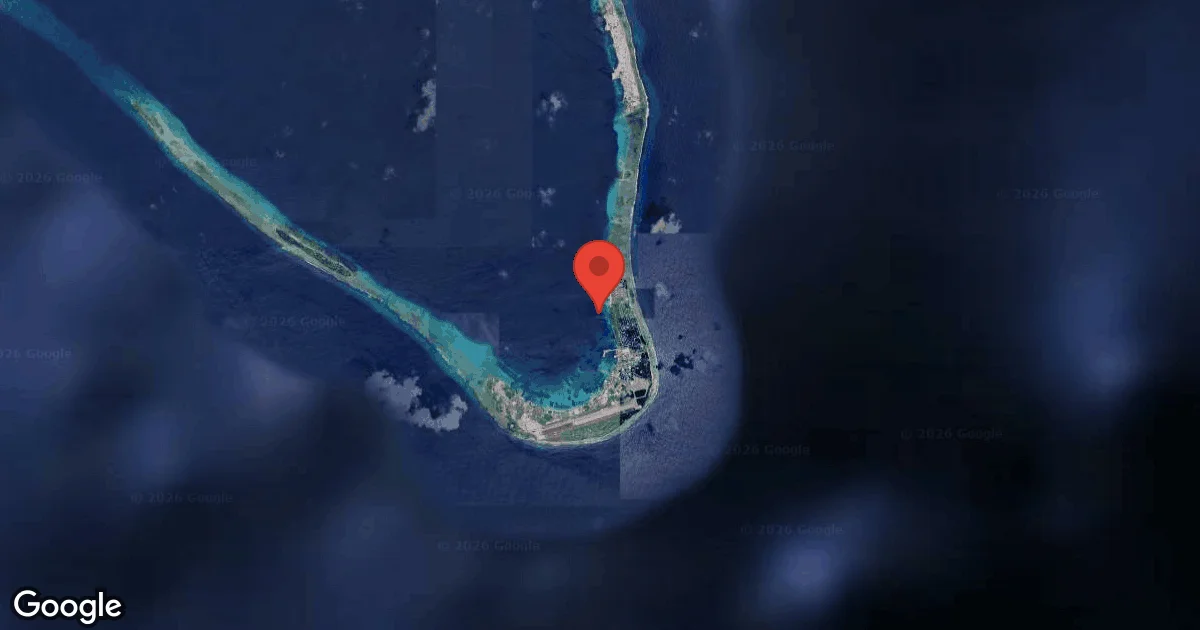
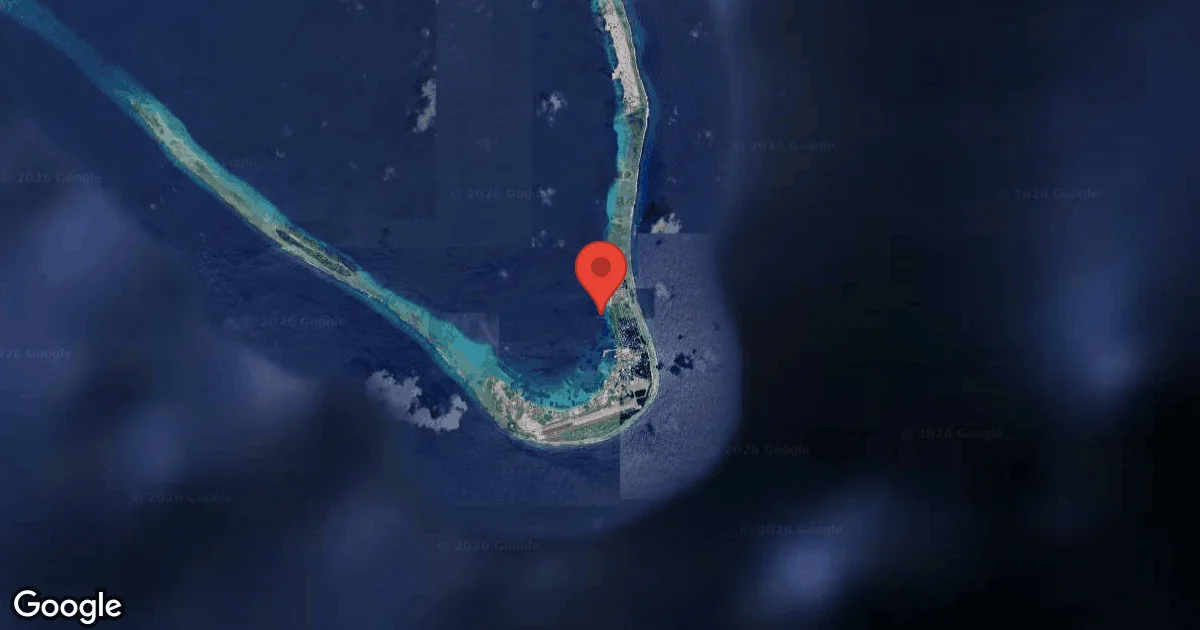
Located roughly 180 meters lagoonward and south of the old pier on Epwaj—known locally in English as Shell Island along the Ebeye-Gugegwe causeway—Shell Island Wreck is one of the finest intact auxiliary patrol wrecks in Kwajalein Lagoon. Prior to World War II, Japan requisitioned scores of steel-and-composite offshore tuna long-liners and pole-and-line fishing vessels, refitting them as armed picket and inter-island patrol craft across the Marshall Islands.
Resting upright on an even keel in 31 meters of calm lagoon water with its upper superstructure rising to roughly 24 meters, the 32-to-34-meter hull retains crisp nautical lines from stem to stern. Forward, the intact bow leads aft over recessed live-bait wells originally built to carry sardines for tuna fishing, followed by a recognizable central pilothouse and upright exhaust funnel. At the stern, both lifeboat davits remain swung outward over the rail—compelling physical evidence that her crew lowered their boat before the vessel slipped beneath the surface—while bushy white and bronze black-coral trees frame the rudder and stern counter.
Conditions are Moderate
Optimal conditions expected
Current conditions near Shell Island Wreck – Epwaj show 28° air, 29° sea temperature, N/A waves, and 30 km/h wind. Forecast data is refreshed regularly to ensure accuracy.
Best Time to Dive
With the eastern reef ribbon blocking open-Pacific trade swells, December through April delivers dependable boat conditions and 20 to 30 meters of clear blue lagoon visibility. Late summer calm spells between August and October are equally rewarding, allowing surface light to silhouette the entire 34-meter hull from 15 meters down during descent.
PEAK SEASON SCORE
Scores combine air & water temps, waves, wind & rainfall for overall conditions.
BEST MONTHS TO DIVE
Monthly records compiled from satellite and marine observation nodes over the last 3 years. Data provided by Open-Meteo and MET Norway.
Dive Experience & Conditions
Descending onto the upright superstructure at 24 meters, divers can complete a full bow-to-stern circuit within a single well-planned profile. Start at the stern near 31 meters to admire the swung-out davits and black coral colonies while gas reserves are highest, then work forward past the funnel, open pilothouse windows, and circular bait-well coamings toward the proud bow. Enriched air nitrox noticeably extends no-decompression bottom time at this 28-to-31-meter working depth.
Dive Difficulty & Safety Guidelines
At 31 meters on the sand, bottom time on air passes quickly; use nitrox if certified and track gas and no-decompression limits closely. View the pilothouse and engine casing from the exterior rather than entering tight, silt-laden companionways where fragile corroded plates and delicate black corals grow. Respect Marshall Islands historic preservation law by leaving all fittings untouched, and deploy a surface marker buoy for a controlled three-minute safety stop.
Recommended Equipment
Deep dive hazard. Increased narcosis and gas consumption risk.
Overhead / entanglement risk. Wreck penetration requires proper training.
- Dive Computer
- DSMB
- Primary & Backup Lights
- Wreck Reel
- Cutting Tool
This gear list is based on verified equipment signals for Shell Island Wreck – Epwaj, Marshall Islands. Always confirm final gear choices with your dive operator, guide, or liveaboard.
Recommended Dive Suit
Divers who spend more time observing marine life often prefer slightly warmer gear.
Divers exploring Shell Island Wreck – Epwaj today will likely encounter water temperatures close to 29°C (85°F). Surface air temperatures are resting at 28°C (83°F). Water temperatures in this range are often well suited to diving with dive skin or rash guard. A hood or vest is suggested for sensitive divers due to surface winds.
Forecast models indicate that diving conditions should remain largely unchanged.
Emergency & Medical Support
Essential information to help you plan your dive trip to Shell Island Wreck – Epwaj.

Hyperbaric chambers are a critical part of dive safety infrastructure. Availability varies significantly by region, and not all dive areas have immediate access.
Before diving, it's recommended to:
- confirm nearest medical facilities
- check emergency procedures with local dive operators
- ensure dive insurance covers evacuation if required
Divers Alert Network
Diving emergency assistance available through DAN World.
+1-919-684-9111- 24/7 emergency hotline
- Diving medical assistance
- Evacuation coordination
Emergency contacts are provided for reference. Always verify local emergency services before diving.
Marine Life at Shell Island Wreck – Epwaj
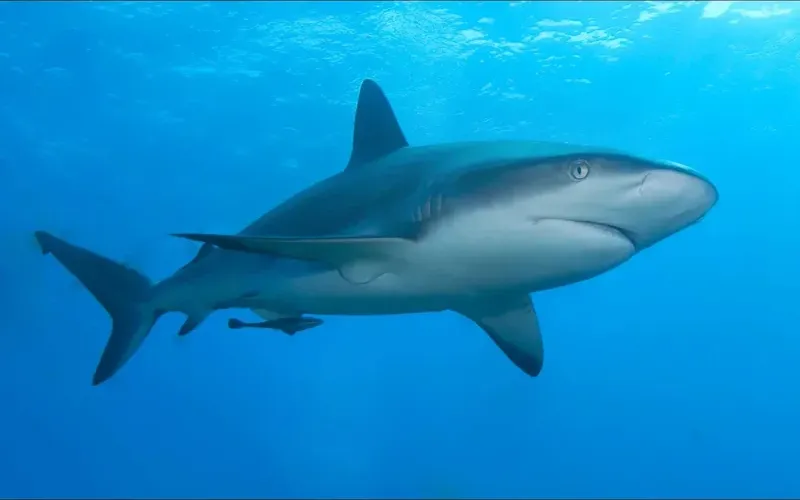
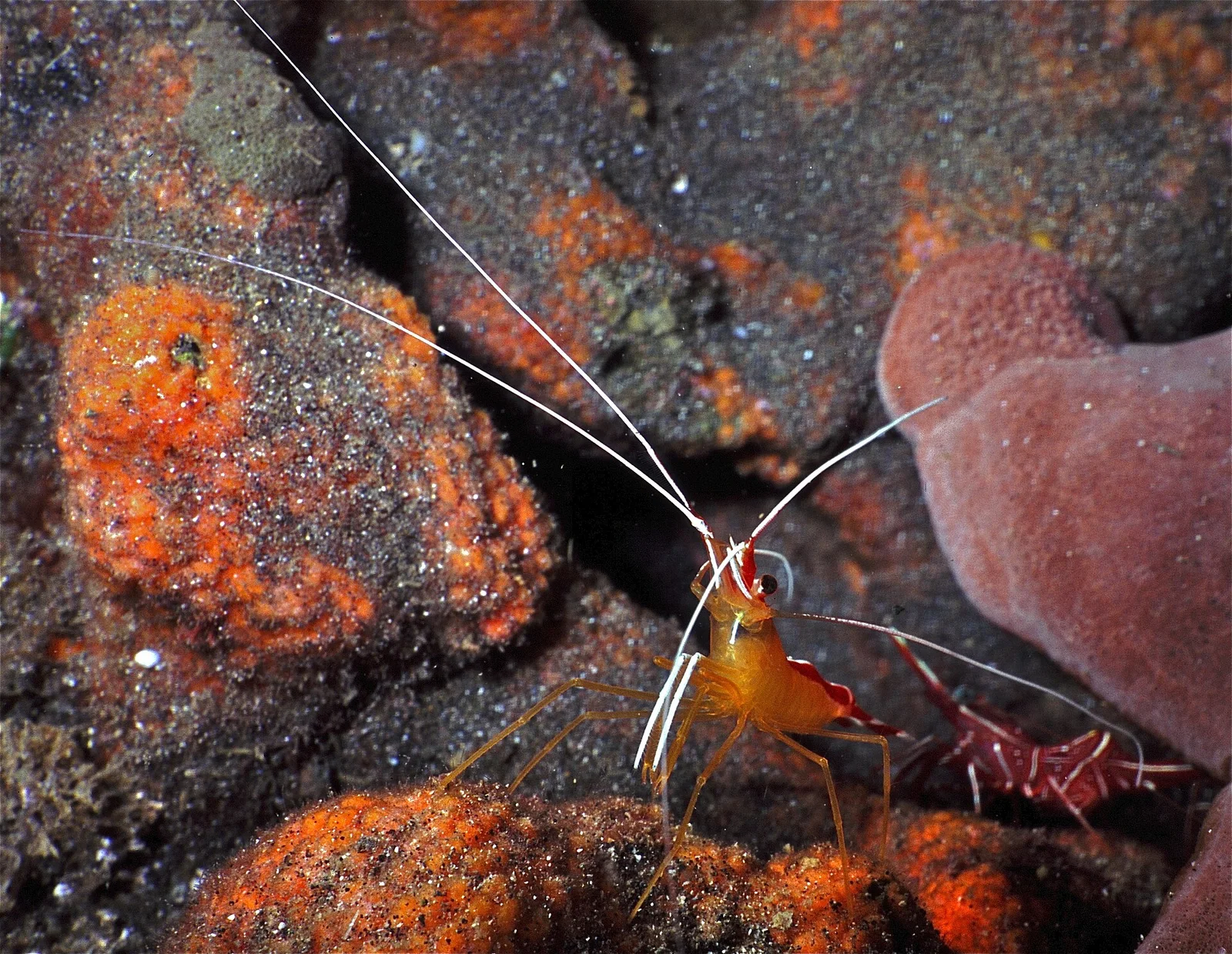
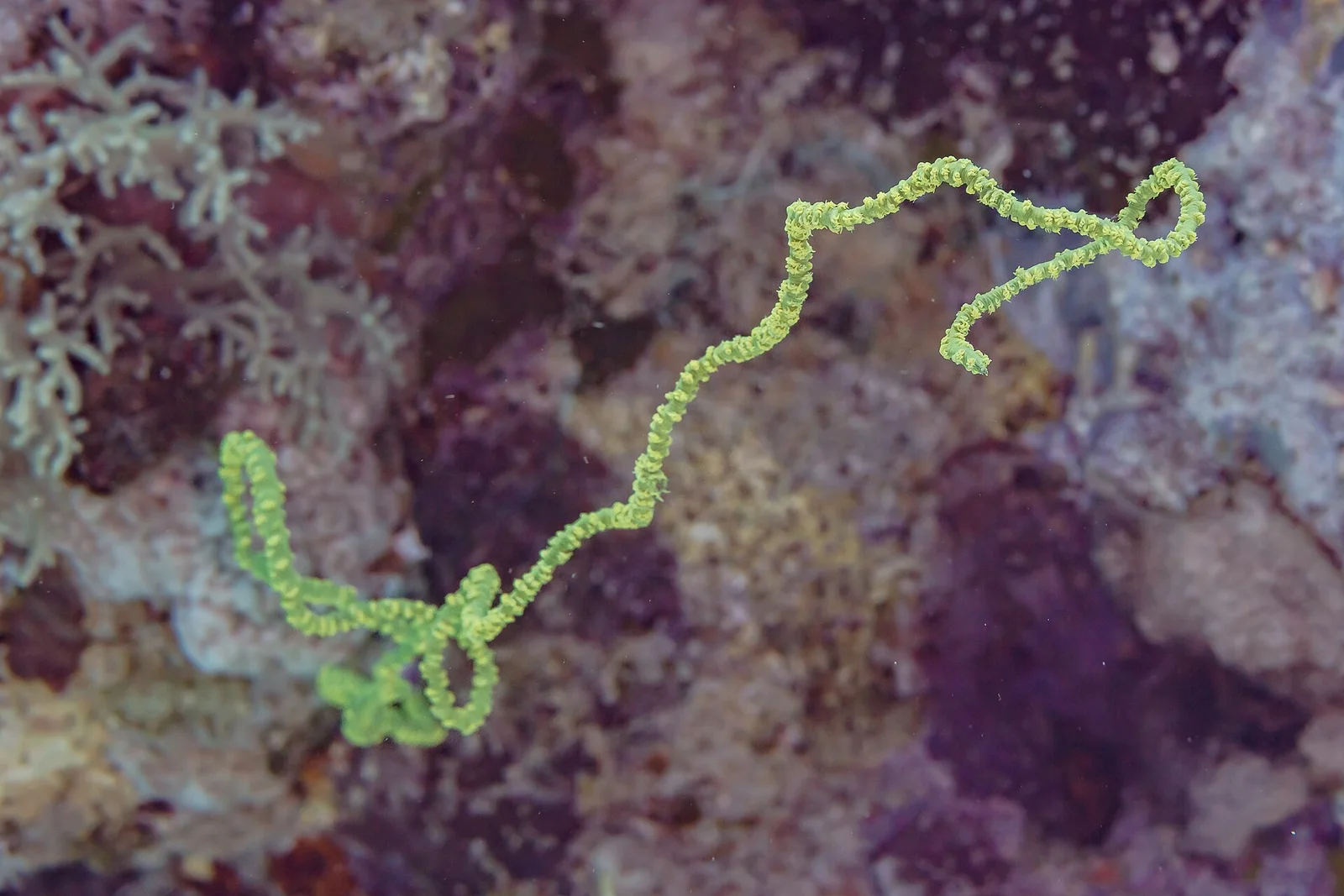
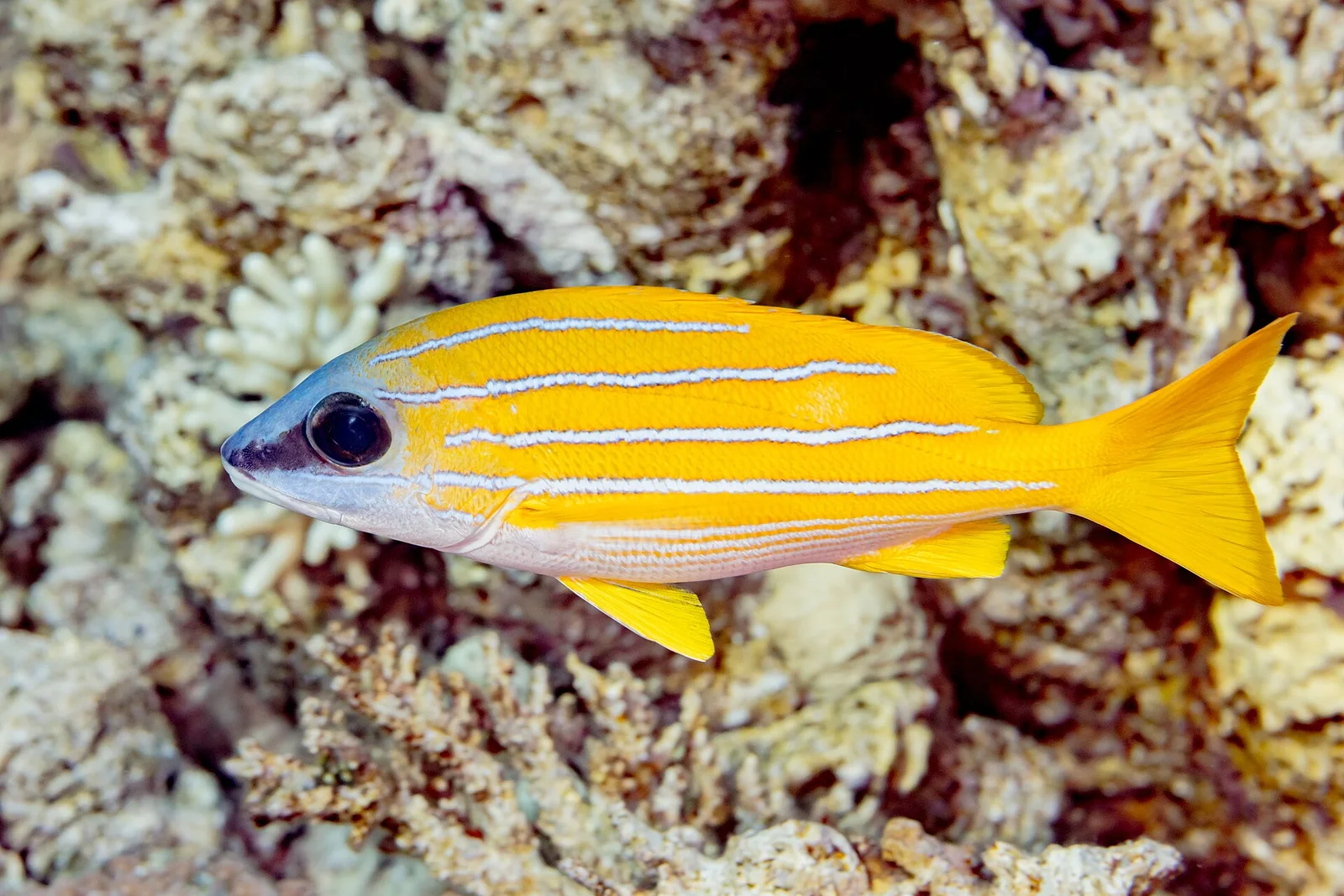
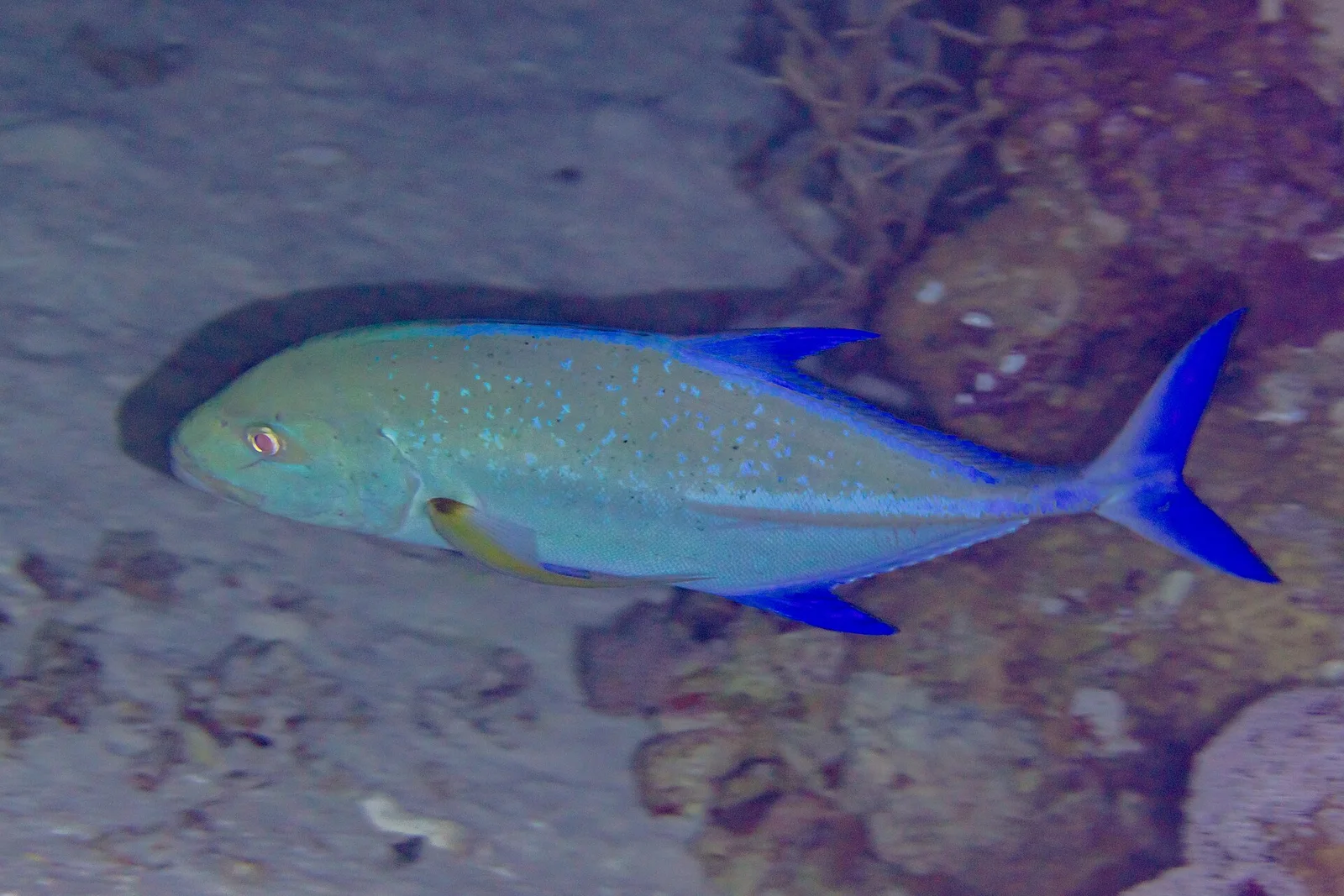
Dense colonies of antipatharian black coral sprout from the stern rail and davits, sheltering longnose hawkfish and lionfish. Clouds of cardinalfish and glassfish pack the pilothouse and bait-tank openings, drawing hunting bigeye trevallies and passing grey reef sharks from the deeper lagoon basin, while bluestripe snappers school along the hull sides.
Dive Sites Near Shell Island Wreck – Epwaj
View all dive sites in Marshall IslandsDiscover more underwater gems in this area.
Dive Centers Near Shell Island Wreck – Epwaj
No Dive Centers Local To Shell Island Wreck – Epwaj
Are you a dive center visiting this location? Get listed to reach divers.
Nearest Airports
Nearest airports to help plan travel to this dive area.
Frequently Asked Questions
How deep is the Shell Island Wreck off Epwaj?
The sandy lagoon floor around the keel lies at 31 meters (just over 100 feet), while the top of the pilothouse and funnel rise to approximately 24 meters.
What kind of ship is the Shell Island Wreck?
She is a 32-to-34-meter Japanese offshore fishing long-liner and pole-and-line vessel requisitioned by the Imperial Japanese Navy for picket and patrol service during World War II.
Why are the stern davits swung outward?
Swung-out davits indicate that the crew managed to launch the ship's small boat while abandoning the stricken vessel before she sank upright.
Is nitrox useful on this site?
Yes. Because most of the hull inspection takes place between 25 and 31 meters, diving on 32 percent nitrox significantly increases no-decompression time over the wreck.
Can divers penetrate inside the pilothouse or holds?
Interior penetration is discouraged due to narrow rusting bulkheads and thick sediment; all key features—including the pilothouse, funnel, and bait wells—are clearly visible from outside.
Where is Epwaj located within Kwajalein Atoll?
Epwaj (Shell Island) sits along the eastern causeway chain between Loi and Gugegwe, a short boat run north of Ebeye Island.
Planning to dive Shell Island Wreck – Epwaj?
Tell us your dates and diving needs. We'll review your request and seek offers from relevant local dive centers.
Request Dive OffersConditions are Moderate
Optimal conditions expected
Current conditions near Shell Island Wreck – Epwaj show 28° air, 29° sea temperature, N/A waves, and 30 km/h wind. Forecast data is refreshed regularly to ensure accuracy.