
Diving at Palancar Caves (Mexico)
Palancar Caves emerges as a distinctive geological formation within Cozumel's extensive Palancar Reef system, presenting a narrative woven from ancient coral growth and the relentless shaping forces of the ocean. This site is not a conventional wreck, but rather a naturally formed labyrinth, where divers navigate through impressive archways and overhangs. It stands as a testament to the dynamic underwater architecture of the Caribbean.
As evening covers Palancar Caves, the local air temperature is measured at 28.5°C. The current wave height at the surface is recorded at 0.6 m. These late-day readings characterize the surface conditions for the night.
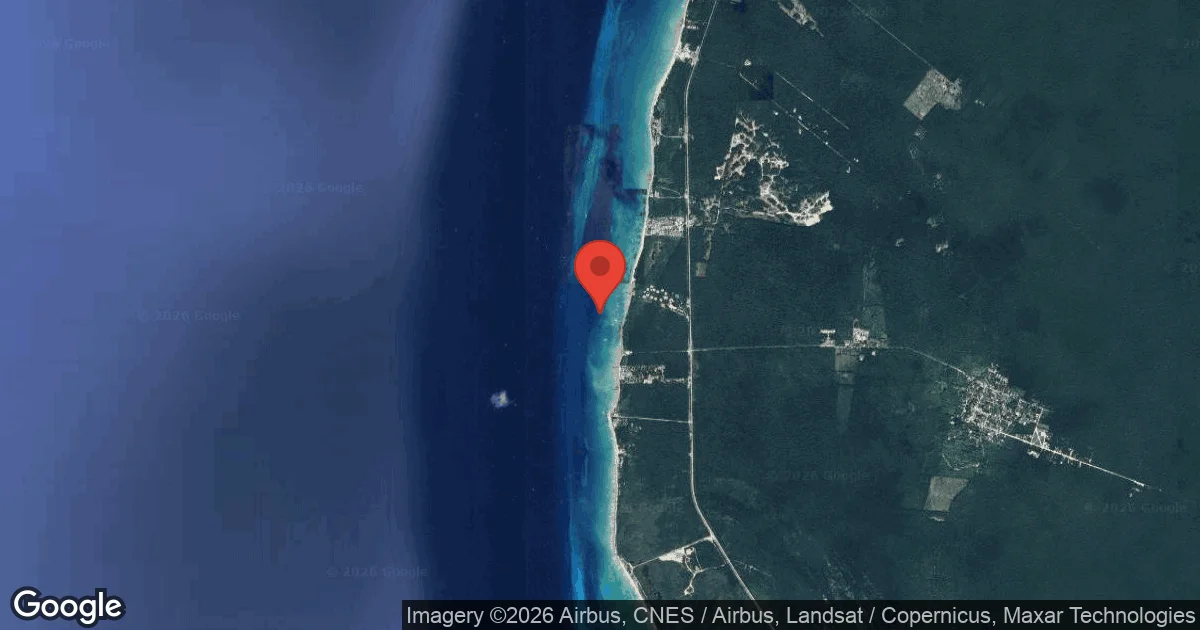
Dive Site Location & Key Facts
Dive Site Overview
Tracing its origins through millennia of coral accretion and erosion, Palancar Caves forms a central feature within the larger Palancar Reef, a massive structure extending about 4.8 km (3 miles) along Cozumel's coastline. Merging elements of drift, reef, and wall diving, it's marked by impressive drop-offs and complex coral formations.
Exploring the caves means navigating a series of substantial caverns and swim-throughs, which creates a distinct topographical experience. Reaching depths of approximately 37 m (120 ft), its deeper profile and the consistent presence of currents position it as a site often best appreciated by divers with a solid understanding of advanced techniques. An enduring presence and intricate design underscore the long-term geological and biological processes that have shaped the Mesoamerican Barrier Reef.
Divers here will experience a sense of deep exploration, moving through vast, sculpted chambers where light and shadow play across ancient coral surfaces. Careful buoyancy and current management become key to a rewarding dive, ensuring smooth passage through its unique architecture.
Conditions are Good
Optimal conditions expected
Current conditions near Palancar Caves show 29° air, 30° sea temperature, 0.6 m waves, and 20 km/h wind. Forecast data is refreshed regularly to ensure accuracy.
Best Time to Dive
Planning a dive at Palancar Caves is often best during months with consistently good conditions, typically from January through May and July through November, when dive scores are reported as 'Good.' During these periods, air temperatures generally range from 24.5°C to 28.5°C (76-83°F), contributing to comfortable surface intervals. Rain levels are notably lower in the early part of the year, particularly April and May, which tend to have the least rainfall. While June sees a slight dip to 'Moderate' dive scores due to increased rain (around 7.7 mm / 0.3 inches), the latter half of the year, especially August and September, often shows improved scores and calmer wave conditions, averaging 0.8 meters (2.6 feet). Wind speeds are consistently moderate throughout the year, generally around 15-21 km/h (9-13 mph), rarely disrupting dive operations.
PEAK SEASON SCORE
Scores combine air & water temps, waves, wind & rainfall for overall conditions.
BEST MONTHS TO DIVE
Monthly records compiled from satellite and marine observation nodes over the last 3 years. Data provided by Open-Meteo and MET Norway.
Dive Experience & Conditions
Entering the water at Palancar Caves, divers immediately sense the gentle to moderate current, dictating a characteristic drift dive. This flow carries you past massive coral structures and into the awe-inspiring caverns. Inside these formations, light filters through cracks and openings above, creating a serene, almost ethereal glow within the underwater passages. The experience involves navigating through expansive swim-throughs, where the scale of the reef's natural architecture becomes truly apparent. While the exact water temperature isn't consistently reported, it typically remains warm year-round in this region, contributing to a comfortable dive even at greater depths. The feeling of being enveloped by these ancient, sculpted corals offers a truly immersive exploration.
Dive Difficulty & Safety Guidelines
Approaching Palancar Caves requires divers to be prepared for conditions typical of a deep and cavernous reef system. Given its maximum depth of 37 m (120 ft) and a typical deep section at 24.5 m (80 ft), an Advanced Open Water certification or equivalent is highly recommended. The site often features currents, necessitating good buoyancy control and comfort with drift diving techniques.
Always adhere to your dive plan and maintain appropriate bottom times to avoid exceeding no-decompression limits. Navigating swim-throughs and caverns requires careful attention to surroundings and maintaining proximity to your buddy or dive guide.
Always consult with local dive professionals regarding current conditions before entering the water.
Recommended Equipment
Current and surface separation risk. Local briefing strongly recommended.
- Dive Computer
- DSMB
- Reel / Spool
This gear list is based on verified equipment signals for Palancar Caves, Mexico. Always confirm final gear choices with your dive operator, guide, or liveaboard.
Recommended Dive Suit
With water temperatures around 30°C (87°F), many divers find a dive skin or rash guard provides comfortable protection.
Local conditions can vary slightly across different parts of the same dive site.
Weather projections show fairly stable environmental conditions ahead.
Emergency & Medical Support
Essential information to help you plan your dive trip to Palancar Caves.

Hyperbaric chambers are a critical part of dive safety infrastructure. Availability varies significantly by region, and not all dive areas have immediate access.
Before diving, it's recommended to:
- confirm nearest medical facilities
- check emergency procedures with local dive operators
- ensure dive insurance covers evacuation if required
Divers Alert Network
Diving emergency assistance available through DAN World.
+1-919-684-9111- 24/7 emergency hotline
- Diving medical assistance
- Evacuation coordination
Emergency contacts are provided for reference. Always verify local emergency services before diving.
Marine Life at Palancar Caves
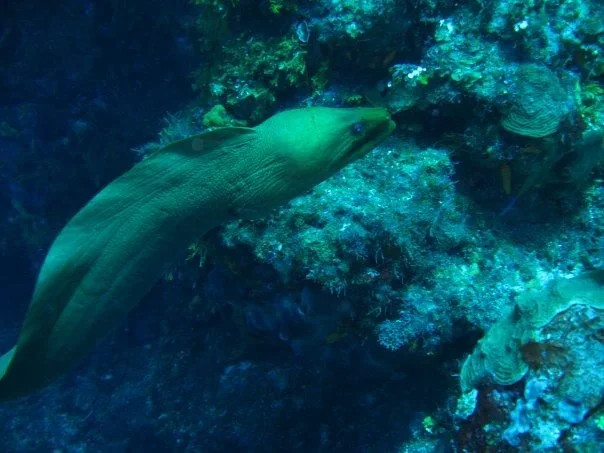
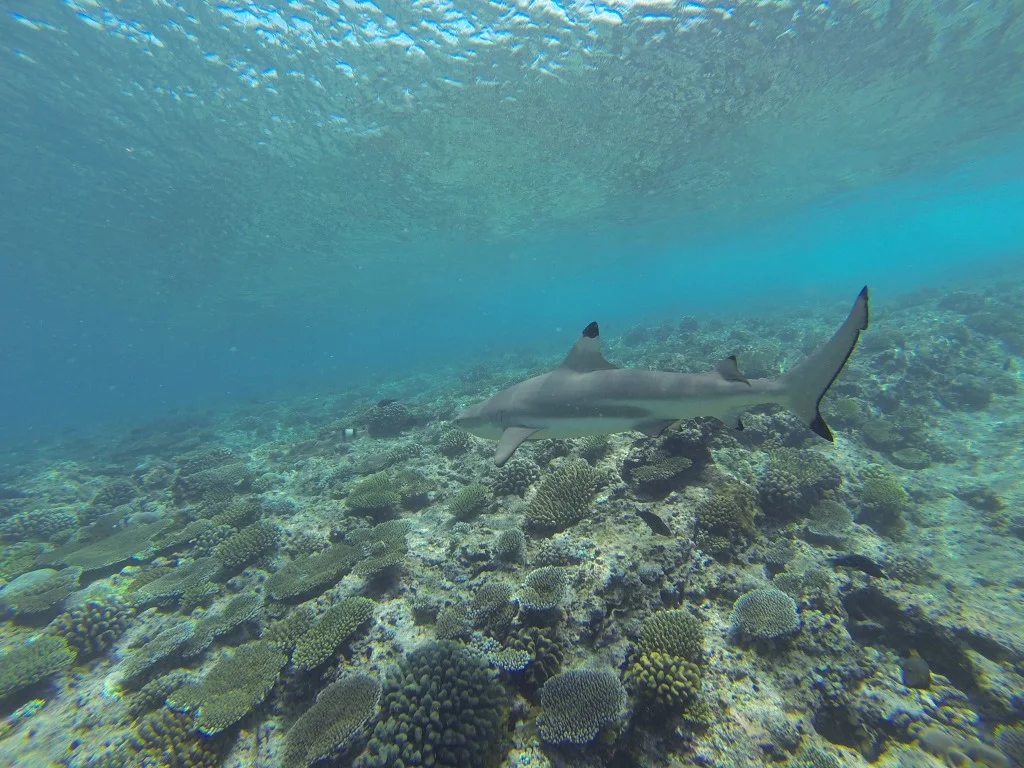
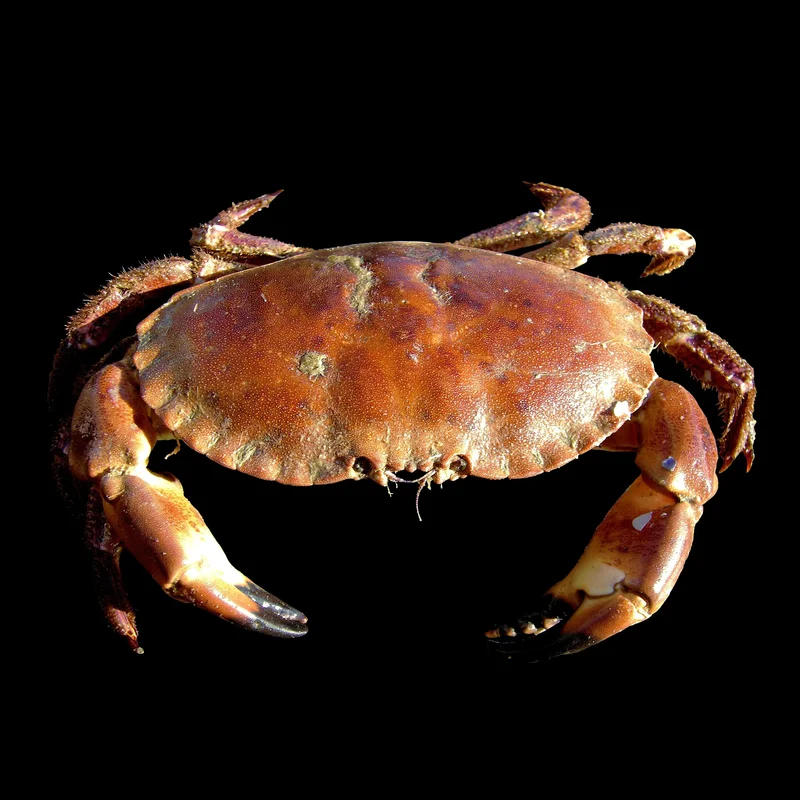
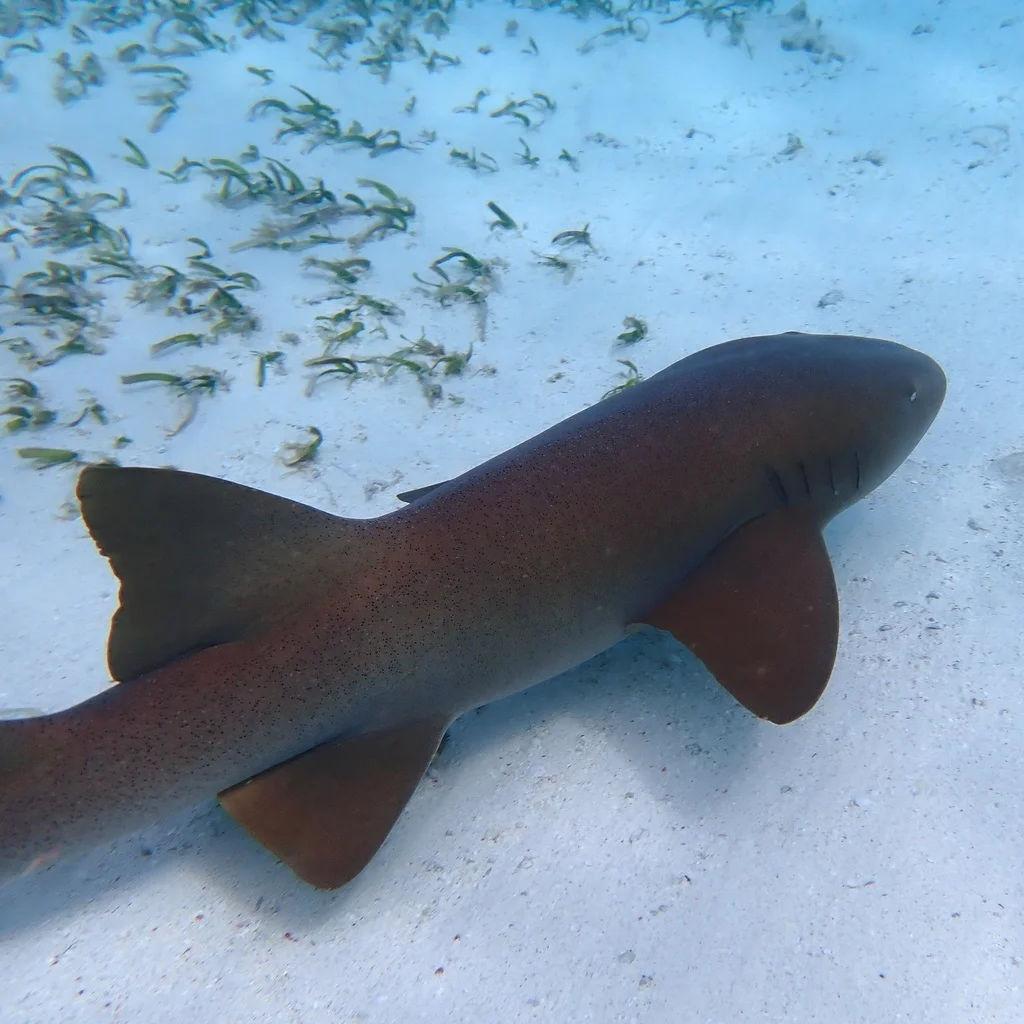
The underwater landscape of Palancar Caves provides an intricate habitat for a variety of marine species. Its many crevices and overhangs serve as shelter, while the vibrant coral walls attract a range of reef inhabitants.
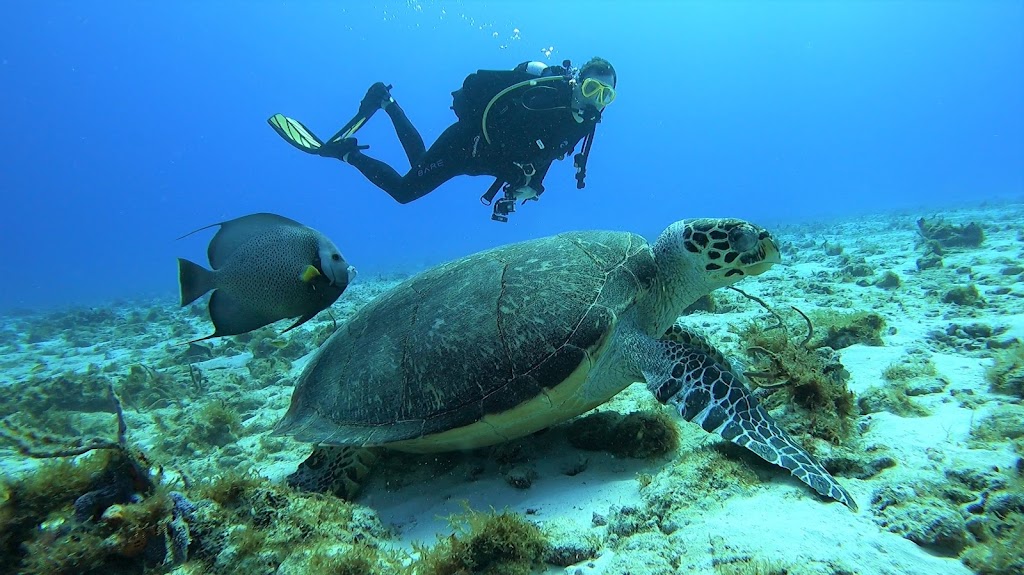
Common sightings can include sharks, graceful sea turtles, and various species of rays. The expansive environment also allows for occasional encounters with larger pelagic life, such as dolphins or even migratory whales, which traverse the wider reef system.
These encounters often happen along the dramatic wall sections, adding an element of surprise to the dive.
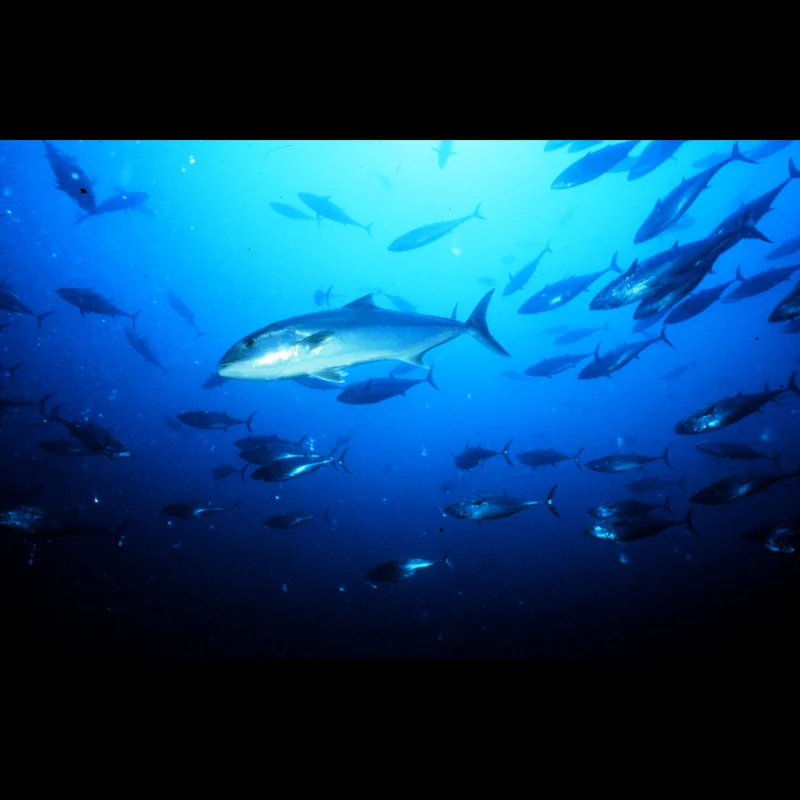
Dive Sites Near Palancar Caves
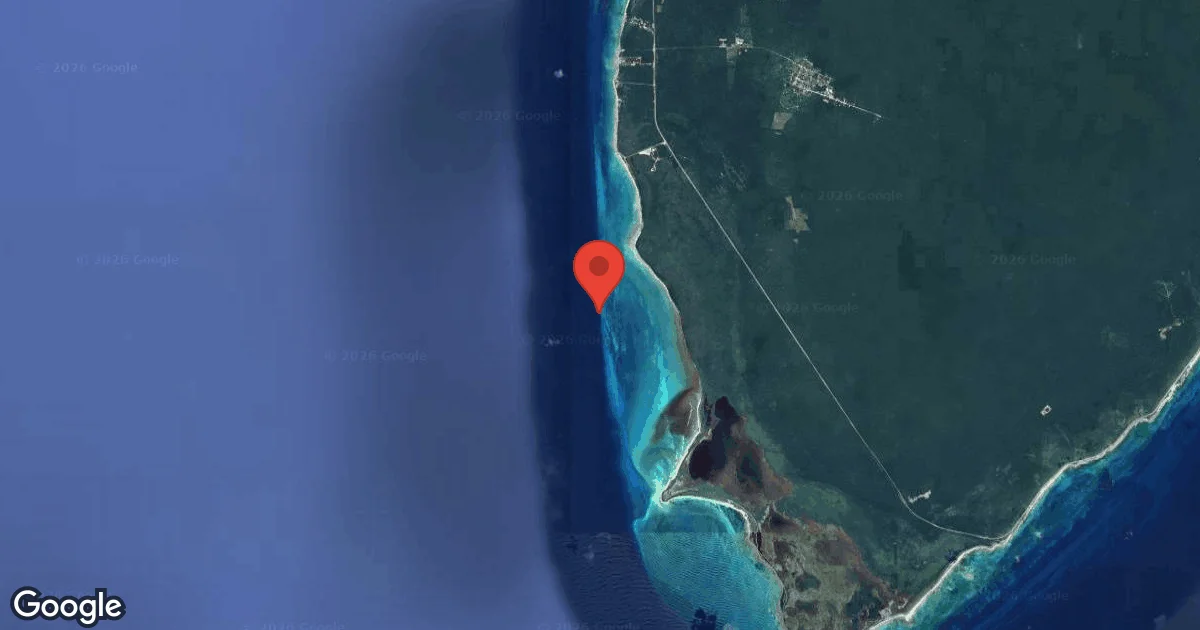
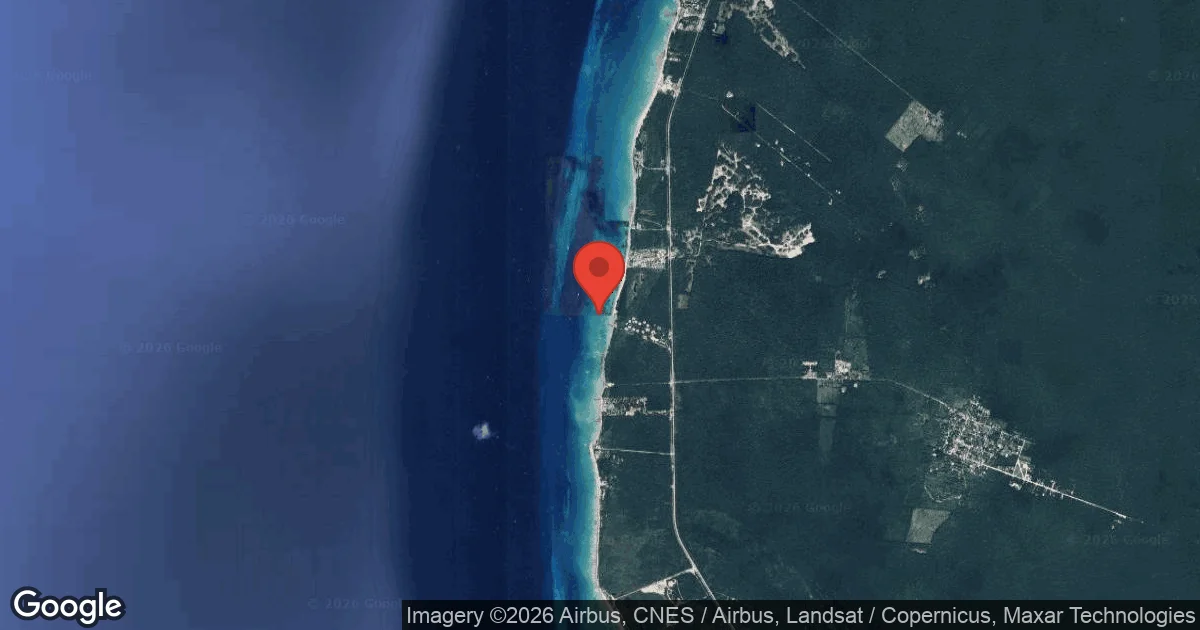
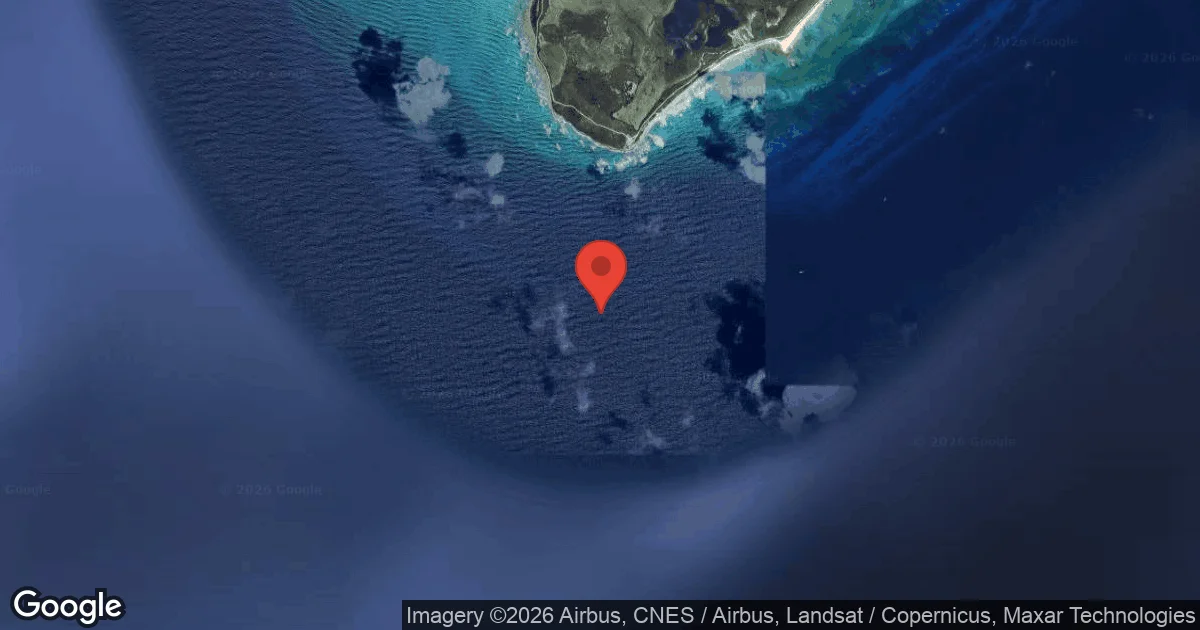
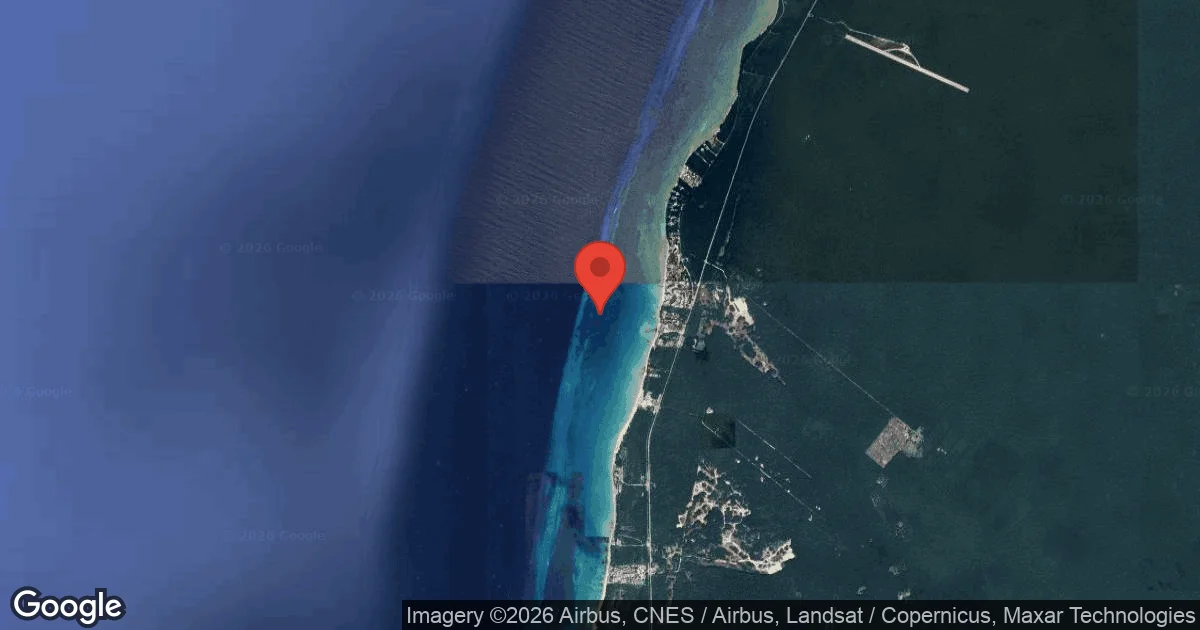
View all dive sites in MexicoDiscover more underwater gems in this area.
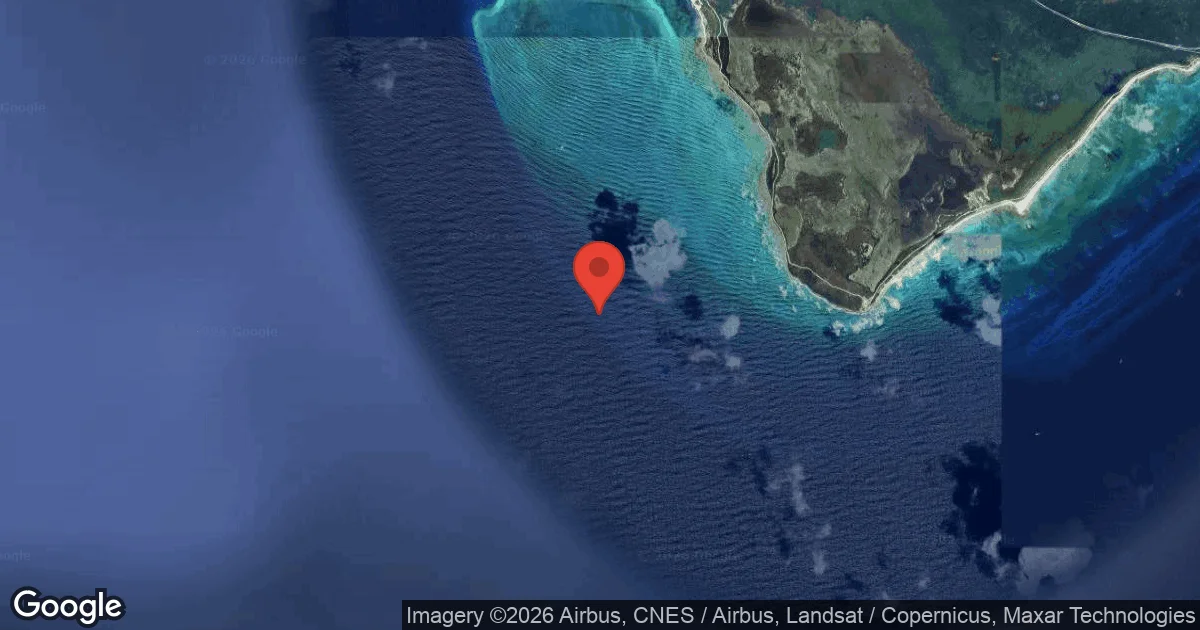
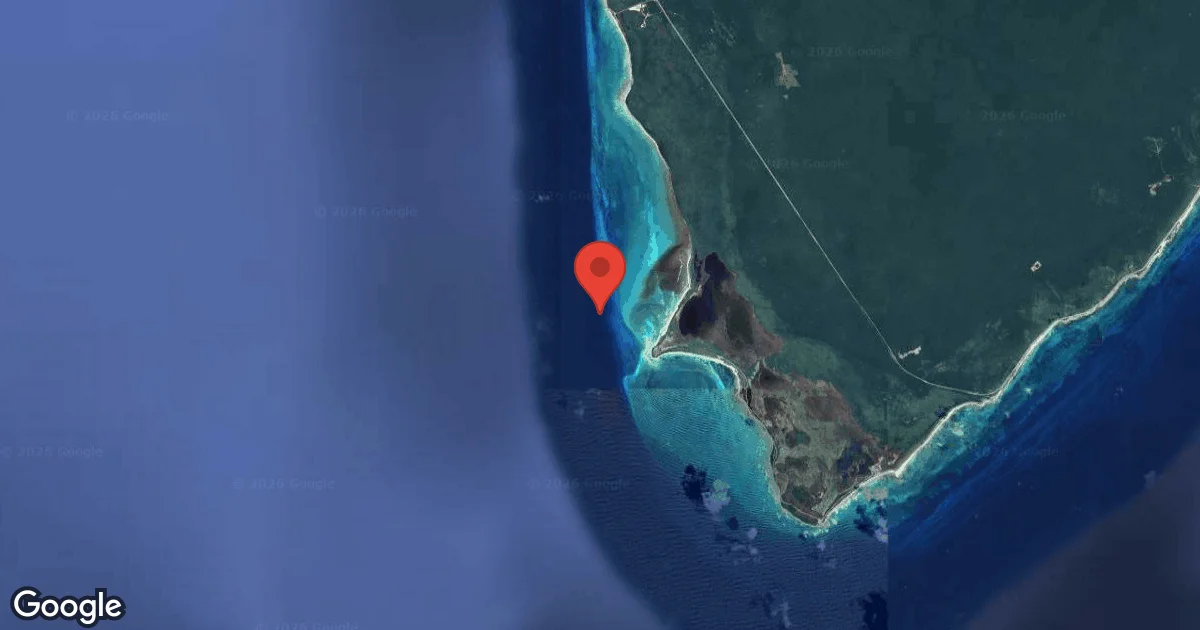
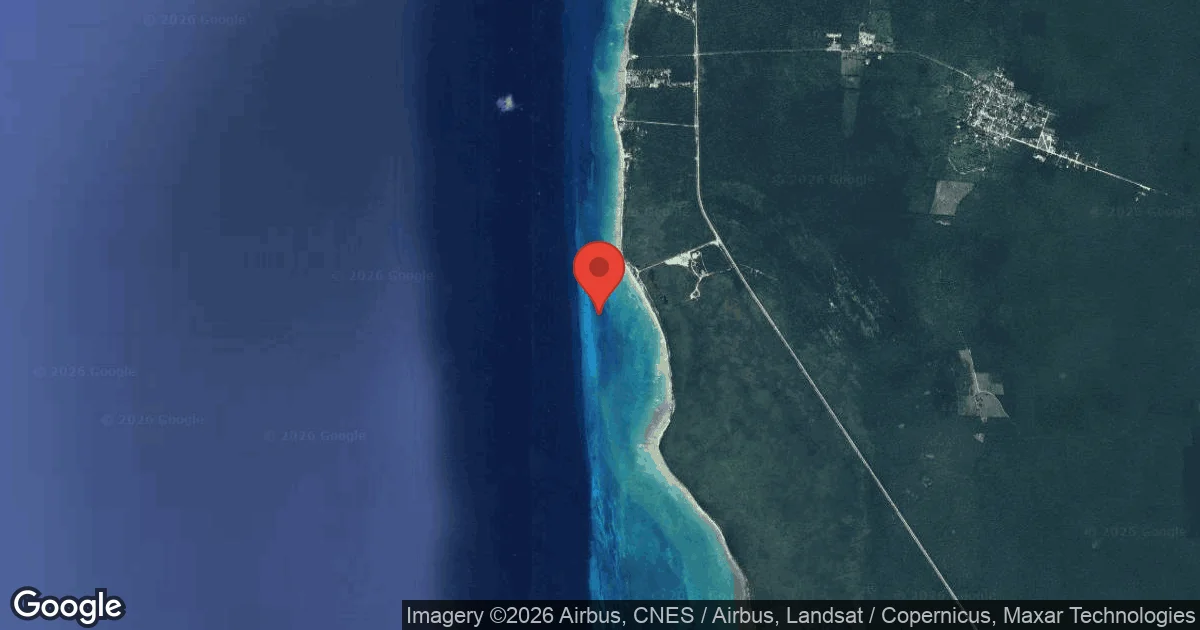
Dive Centers Near Palancar Caves
Today: 08:00 - 17:00
Nearest Airports
Nearest airports to help plan travel to this dive area.
Search Flights
Check available flights and routes on Expedia, using the nearby airports listed in this section.
Search Flights on ExpediaFrequently Asked Questions
What is the maximum depth at Palancar Caves?
The dive site reaches approximately 37 m (120 ft) at its deepest points. Many of its compelling features, however, can be explored at shallower depths, typically around 24.5 m (80 ft).
Is Palancar Caves suitable for beginner divers?
Due to the depth, currents, and overhead environments (caverns and swim-throughs), this site is generally recommended for Advanced Open Water certified divers or those with equivalent experience. Good buoyancy control is essential.
What kind of marine life can I expect to see?
The reef hosts a diverse array of life. Divers commonly encounter sharks, sea turtles, and various types of rays. There are also occasional sightings of dolphins and, seasonally, even whales in the wider Palancar reef area.
Are there strong currents at Palancar Caves?
Yes, currents are a common feature, making it a popular drift dive site. Divers should be comfortable with drift diving techniques and maintain good situational awareness.
What are the main features of the dive site?
Palancar Caves is characterized by large, open caverns, impressive swim-throughs, and extensive coral wall formations. The geological structure itself is a major draw, offering a unique exploration experience.
Do I need a dive light for this site?
While not strictly mandatory for all sections, a dive light is highly recommended. It enhances the experience of exploring the deeper parts of the caverns and illuminates hidden marine life within the darker recesses.
Planning to dive Palancar Caves?
Send one inquiry and receive offers directly from the best verified local dive operators.
Conditions are Good
Optimal conditions expected
Current conditions near Palancar Caves show 29° air, 30° sea temperature, 0.6 m waves, and 20 km/h wind. Forecast data is refreshed regularly to ensure accuracy.