
Diving at Casa Blanca (Mexico)
For certified divers seeking a dynamic drift experience in Cozumel, Casa Blanca presents an engaging profile. Often overlooked by local operators, this reef dive rewards those with strong air consumption and comfort navigating currents. It offers a compelling alternative or extension for divers exploring the vibrant Cozumel wall systems.
Tonight's objective overview for Casa Blanca shows an air temperature of 27.5°C. The measured surface conditions include wave heights around 0.6 m. This environmental data is logged for the close of the day.
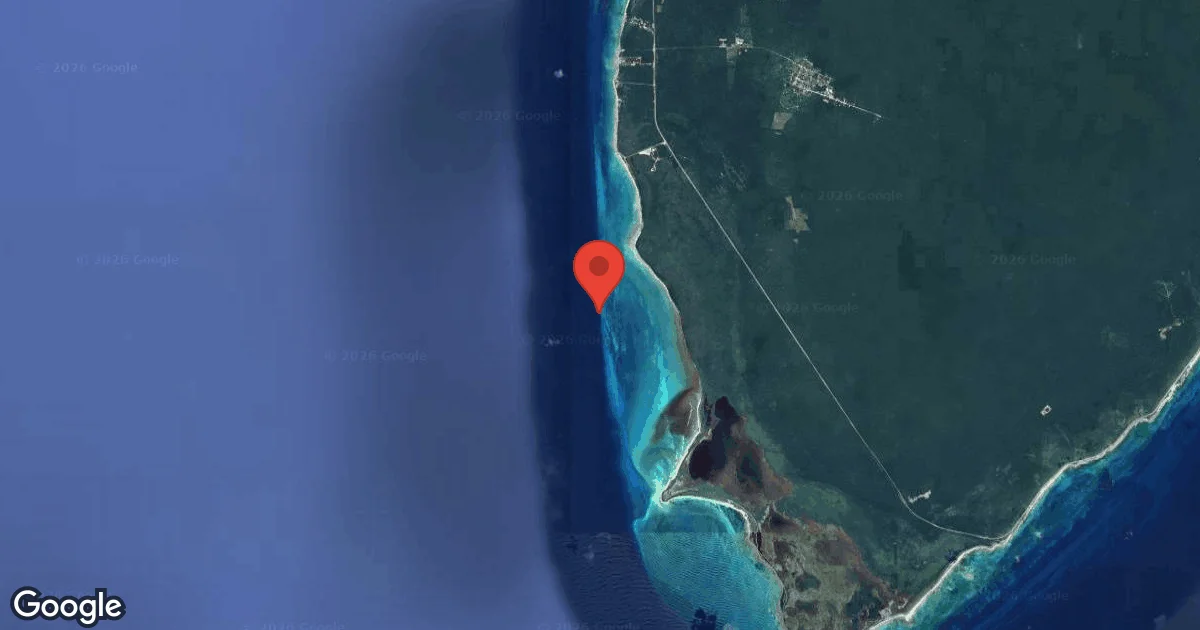
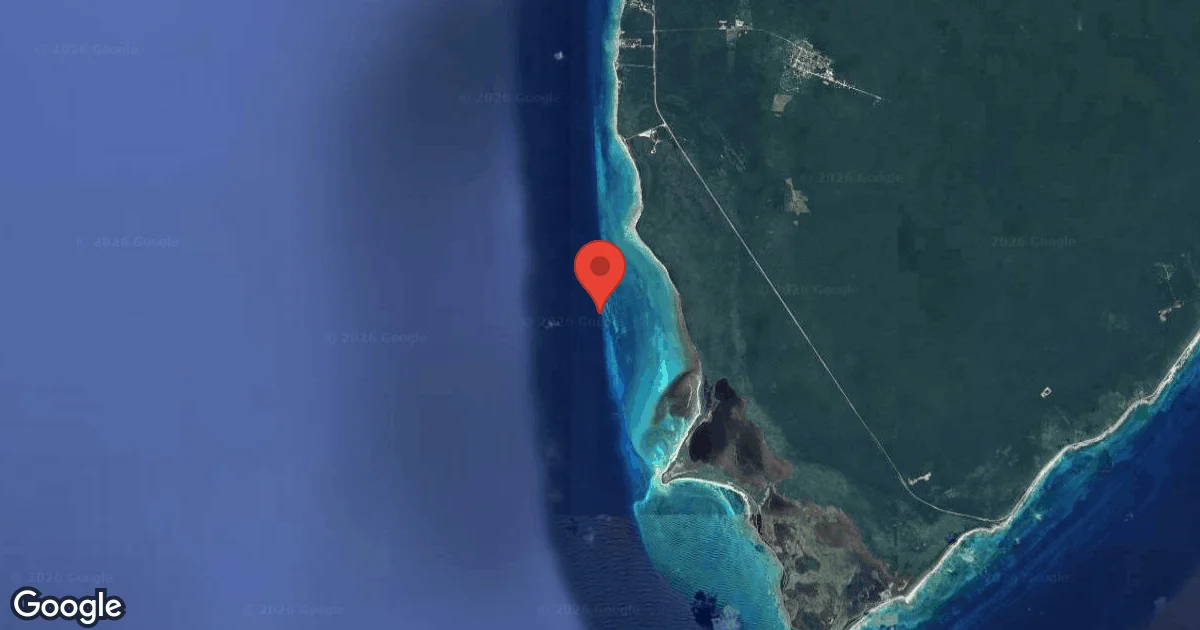
Dive Site Location & Key Facts
Dive Site Overview
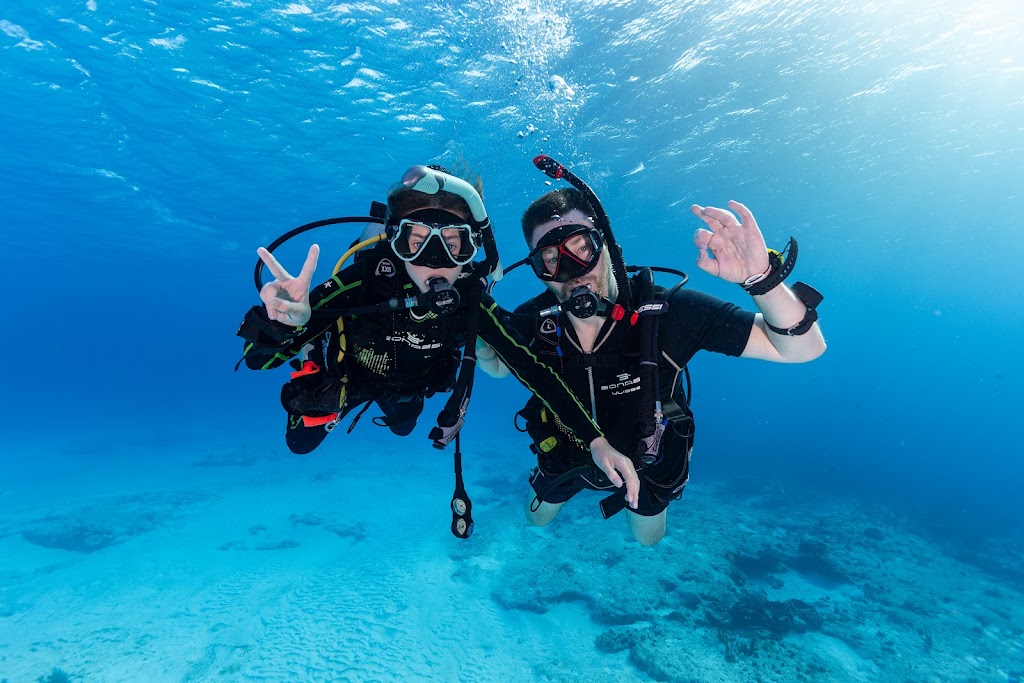
Casa Blanca reveals a vibrant reef environment, appealing to divers who appreciate a continuous drift. While often overlooked by local operators in favor of more prominent sites, this location holds its own distinct appeal, especially for those seeking a less crowded experience.
Described as similar in composition and marine life to Paso del Cedral, this site features a constant flow that guides explorers over its intricate formations. Divers often find themselves gliding past a landscape rich with tight coves and crevices, perfect hiding spots for various marine species, from smaller reef fish to larger pelagics. A typical dive here maintains recreational depths, often around 18-20 m (60-66 ft), allowing for ample bottom time to appreciate the thriving ecosystem.
This continuous movement contributes to a dynamic and engaging exploration from start to finish, making it an ideal spot for divers keen on maximizing their reef time and soaking in the natural beauty of Cozumel's underwater world.
Conditions are Good
07:00 - 14:00
Optimal conditions expected
Current conditions near Casa Blanca show 27° air, 30° sea temperature, 0.6 m waves, and 19 km/h wind. Forecast data is refreshed regularly to ensure accuracy.
Best Time to Dive
Generally, diving conditions at Casa Blanca remain favorable for much of the year, with a 'Good' dive score predominating across most months. Air temperatures typically range between 24.5-30°C (76-86°F), while water temperature usually sits between 26-28°C (79-82°F), ensuring comfortable thermal conditions both above and below the surface. Rain precipitation is consistently low throughout the year, though slightly higher averages occur from June to November, which rarely impacts diving significantly. For optimal calm conditions, August and September often present the lowest average wave heights, contributing to improved visibility and a smoother boat ride. Wind speeds, averaging 15-22 km/h (9-14 mph) across months, influence surface conditions. These months also frequently record the highest dive scores, making them particularly appealing for planning your visit to experience the reef at its best.
PEAK SEASON SCORE
Scores combine air & water temps, waves, wind & rainfall for overall conditions.
BEST MONTHS TO DIVE
Monthly records compiled from satellite and marine observation nodes over the last 3 years. Data provided by Open-Meteo and MET Norway.
Dive Experience & Conditions
Navigating Casa Blanca largely involves a drift dive, propelled by a consistent current, often reported around 1 knot. This dynamic flow allows divers to cover a significant stretch of reef, experiencing the site as a continuous, flowing panorama. Visibility here is generally good, frequently reaching 25 m (82 ft), offering clear views of the extensive reef system. Water temperatures typically remain warm, ranging from 26-28°C (79-82°F). Depths for this particular reef site are commonly within the 18-20 m (60-66 ft) range. Divers with excellent air consumption will find this site particularly rewarding, as prevailing currents might otherwise limit bottom time when combined with deeper adjacent walls.
Dive Difficulty & Safety Guidelines
Approaching Casa Blanca requires careful attention to current management, as it's primarily a drift dive. Prioritize a thorough briefing on entry and exit procedures, and maintain good communication with your dive guide or buddy. Since conditions can include fast currents, ensure you possess strong buoyancy control to avoid unintended contact with the reef.
Staying aware of your air consumption is also critical; continuous movement means covering more distance, which can affect gas planning. Always carry a surface marker buoy (SMB) for safety, facilitating easy location by the dive boat upon surfacing. Adhering to these practices ensures a safe and enjoyable exploration of this dynamic Cozumel reef.
Recommended Equipment
Current and surface separation risk. Local briefing strongly recommended.
- Dive Computer
- DSMB
- Reel / Spool
This gear list is based on verified equipment signals for Casa Blanca, Mexico. Always confirm final gear choices with your dive operator, guide, or liveaboard.
Recommended Dive Suit
Weather models currently point toward consistent diving conditions over the next several days.
Even in warm destinations, extended dives can gradually draw heat away from the body.
Exposure protection such as dive skin or rash guard is commonly used when diving in waters of this temperature. Divers preparing to enter the water at Casa Blanca will likely find temperatures around 30°C (86°F) today. Surface air temperatures are resting at 27°C (81°F).
Emergency & Medical Support
Essential information to help you plan your dive trip to Casa Blanca.

Hyperbaric chambers are a critical part of dive safety infrastructure. Availability varies significantly by region, and not all dive areas have immediate access.
Before diving, it's recommended to:
- confirm nearest medical facilities
- check emergency procedures with local dive operators
- ensure dive insurance covers evacuation if required
Divers Alert Network
Diving emergency assistance available through DAN World.
+1-919-684-9111- 24/7 emergency hotline
- Diving medical assistance
- Evacuation coordination
Emergency contacts are provided for reference. Always verify local emergency services before diving.
Marine Life at Casa Blanca
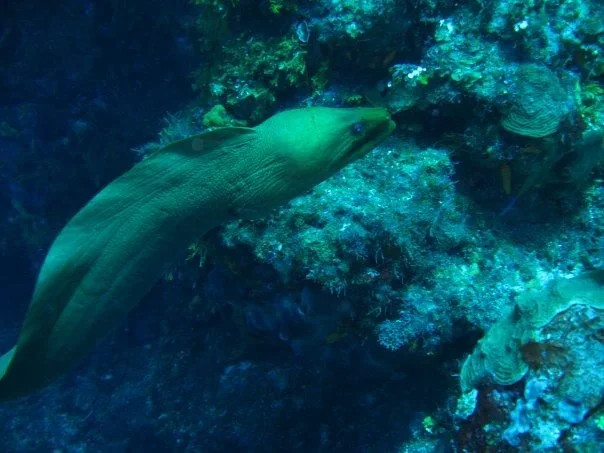
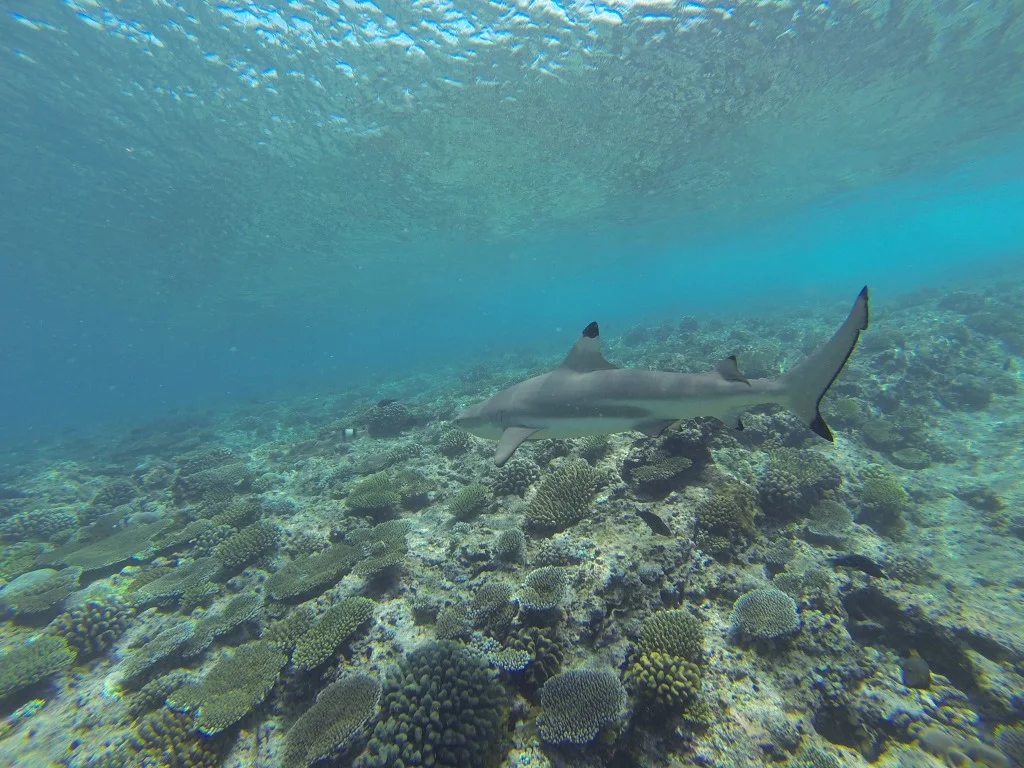
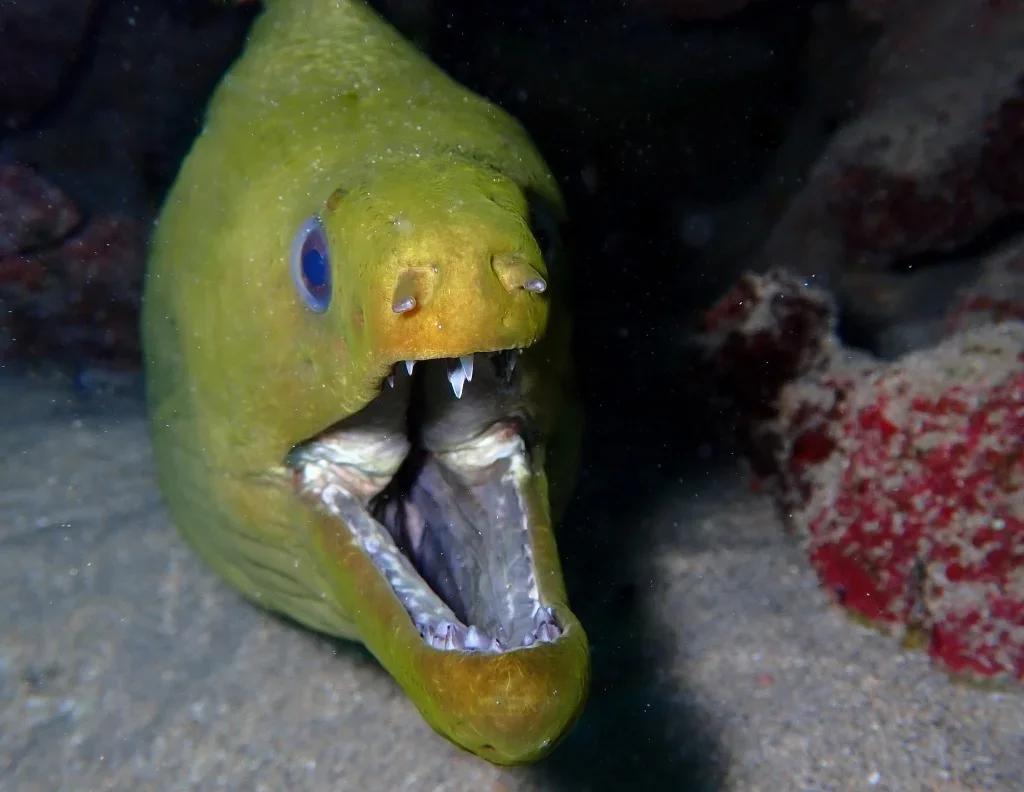
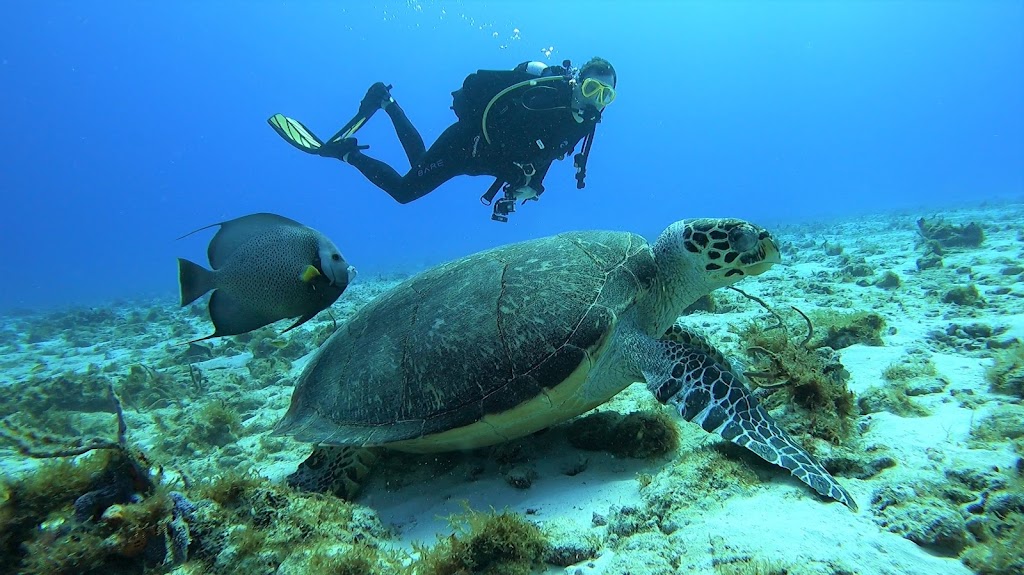
Encounters at Casa Blanca often feature a diverse array of reef inhabitants. Divers frequently report sightings of various sharks and green moray eels, adding an exciting dimension to the dive.
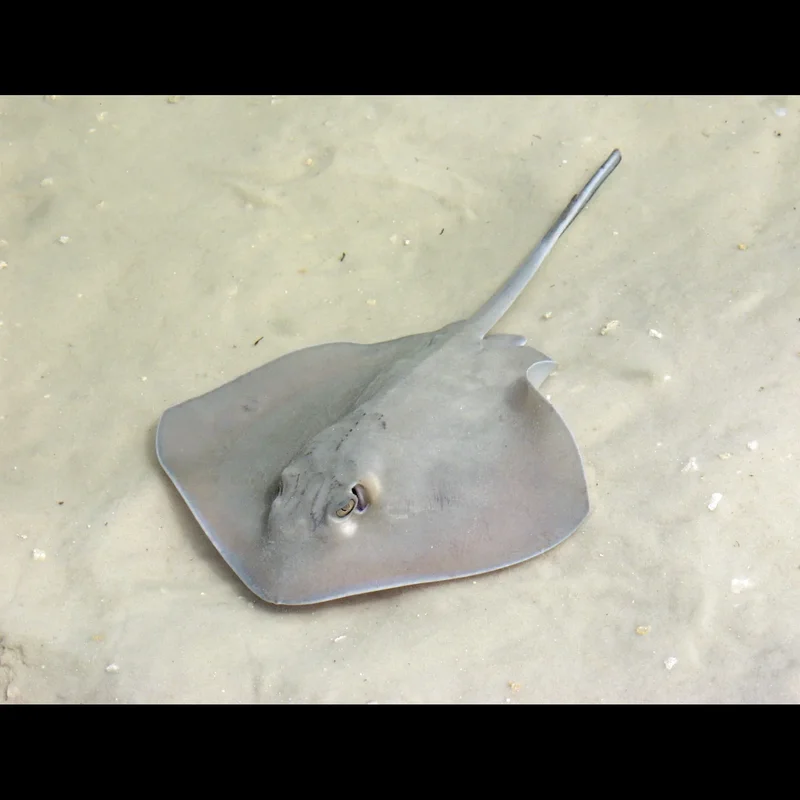
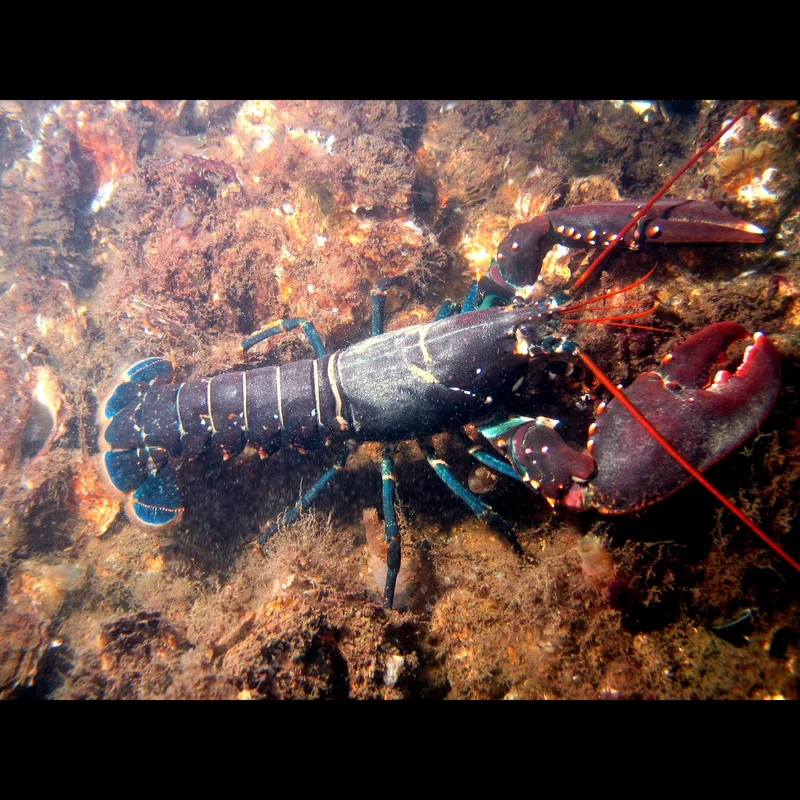
Turtles are also a common and welcome sight, often seen gliding gracefully along the reef. Observing the reef’s structure can reveal southern stingrays resting on the sandy patches, and lobsters tucked into the numerous coves and crevices.
The constant drift provides an excellent opportunity to spot a wide range of marine life thriving within this healthy Cozumel ecosystem.
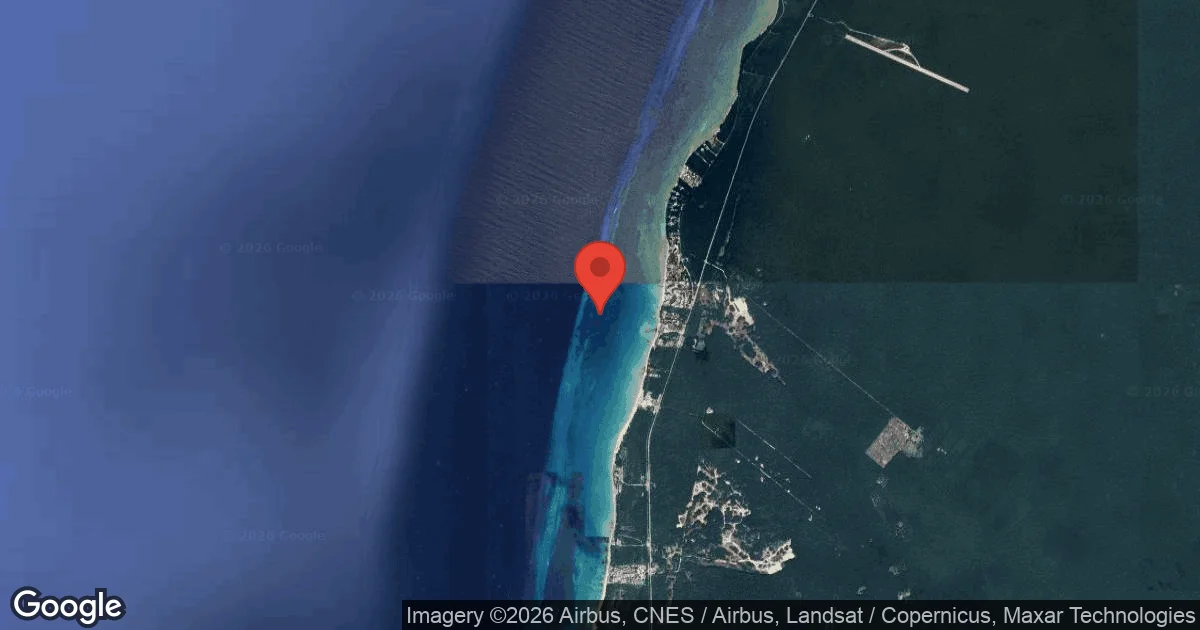
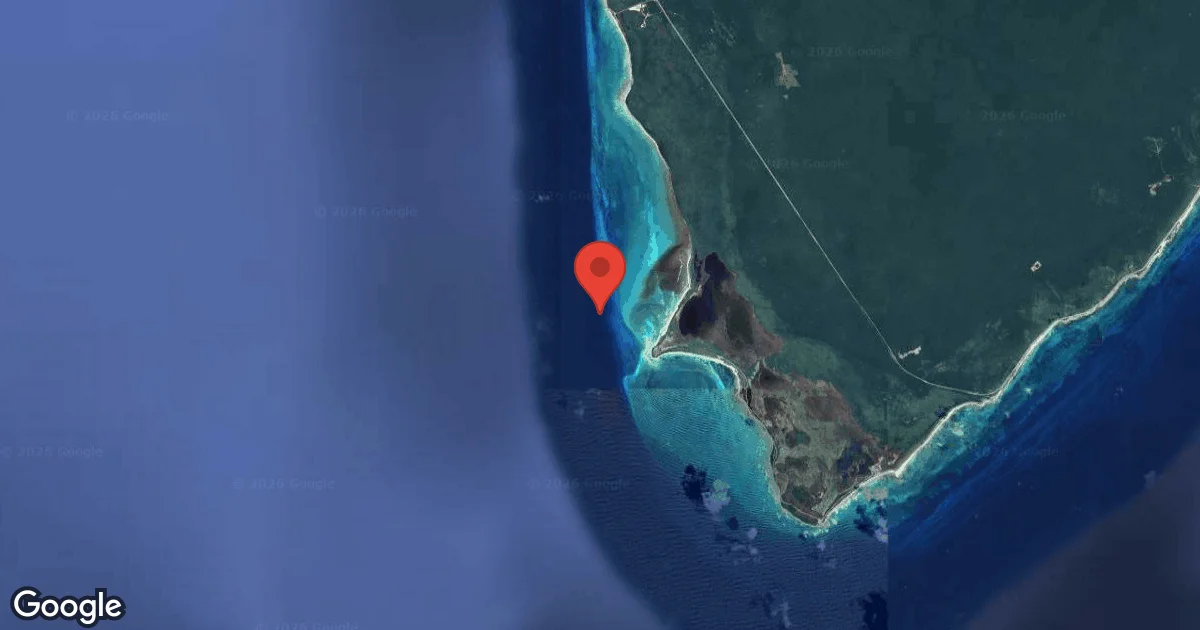
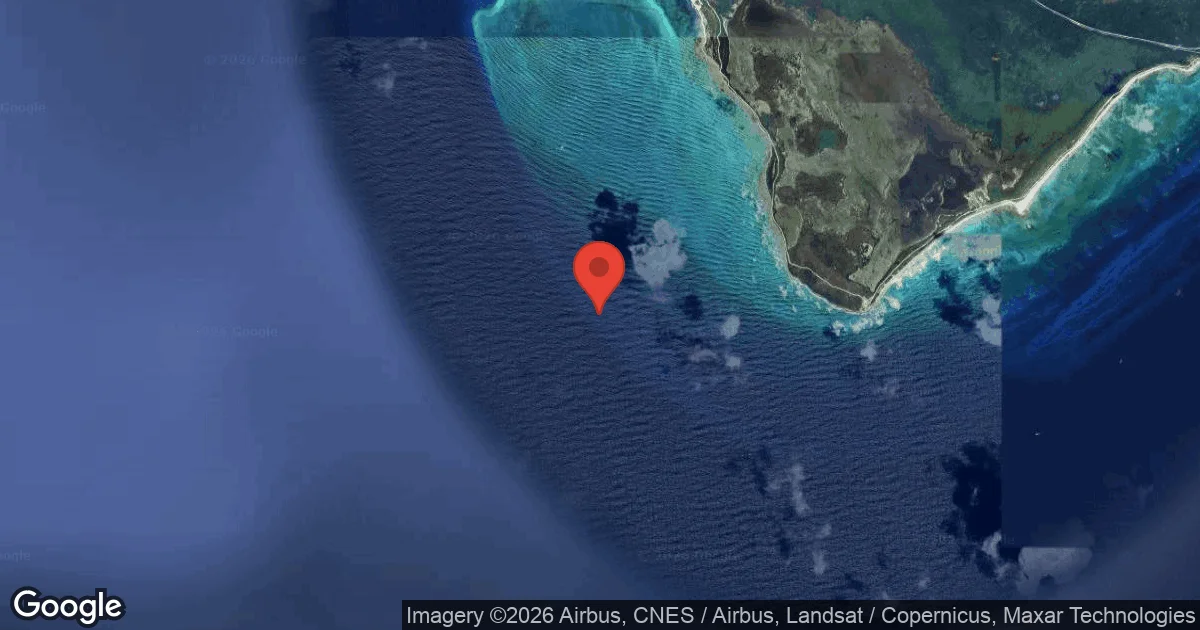
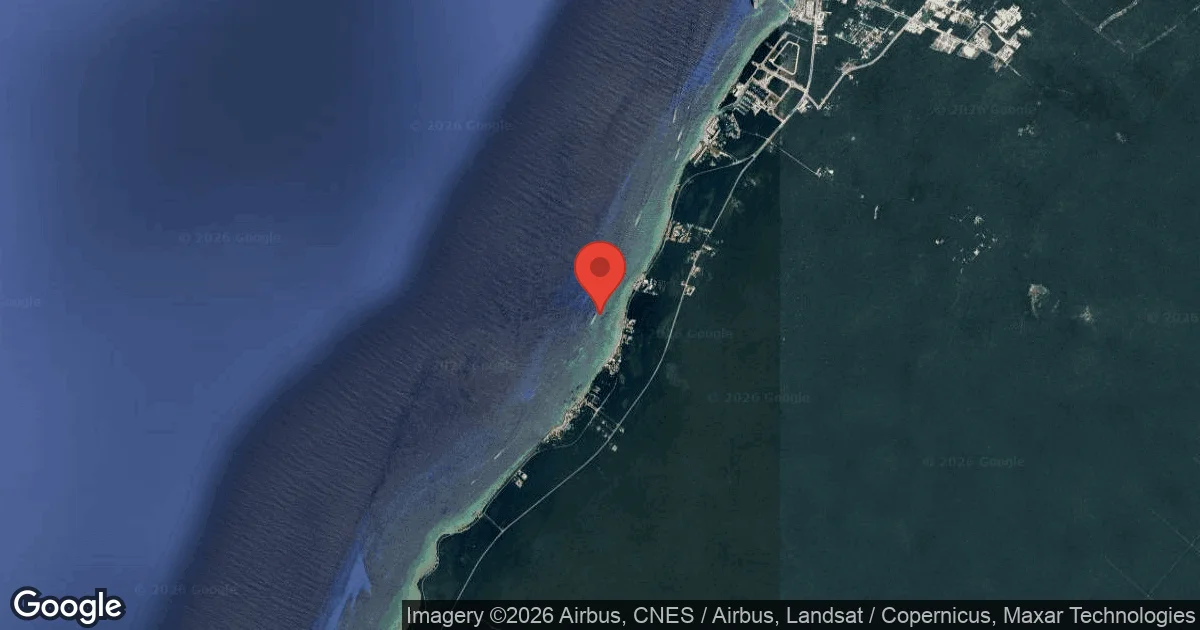
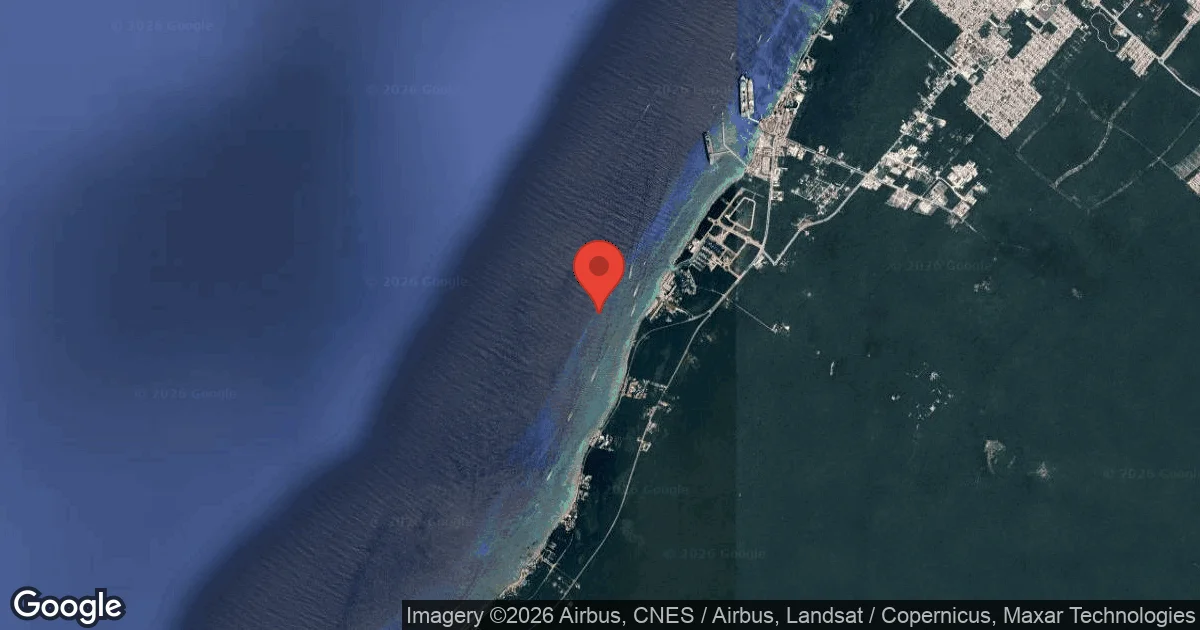
Dive Sites Near Casa Blanca
View all dive sites in MexicoDiscover more underwater gems in this area.
Dive Centers Near Casa Blanca
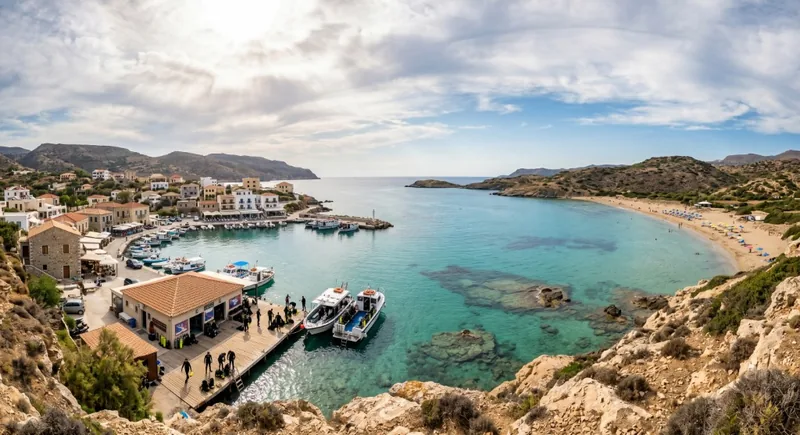
Today: 08:00 - 17:00
Nearest Airports
Nearest airports to help plan travel to this dive area.
Search Flights
Check available flights and routes on Expedia, using the nearby airports listed in this section.
Search Flights on ExpediaFrequently Asked Questions
What skill level is recommended for Casa Blanca?
Casa Blanca is best suited for certified divers comfortable with drift diving. Managing consistent currents and maintaining good air consumption are key to fully enjoying this dynamic site.
What is the typical depth for diving at Casa Blanca?
The typical recreational depth for this reef site is around 18-20 m (60-66 ft). Within this range, divers find a good balance of exploration and bottom time amidst the vibrant reef structure.
Are strong currents always present at Casa Blanca?
Casa Blanca is characterized by a constant drift, often around 1 knot. While currents are a defining feature, their intensity can vary slightly depending on prevailing weather and tidal conditions.
What marine life is commonly seen here?
Divers often encounter sharks, green moray eels, and various turtles. Southern stingrays and lobsters are also frequently spotted, particularly within the reef's crevices and sandy areas.
Is Casa Blanca a good site for underwater photography?
Yes, with generally clear visibility and abundant marine life, it provides excellent opportunities for photography. The intricate reef structure, complete with coves and crevices, adds interesting compositional elements.
How does Casa Blanca compare to nearby Cedral Wall?
Casa Blanca is often seen as a shallower reef alternative to Cedral Wall. It's ideal for divers who want to extend their reef time or who prefer not to push the deeper recreational limits of a wall dive, especially on days with strong currents.
Planning to dive Casa Blanca?
Send one inquiry and receive offers directly from the best verified local dive operators.
Conditions are Good
07:00 - 14:00
Optimal conditions expected
Current conditions near Casa Blanca show 27° air, 30° sea temperature, 0.6 m waves, and 19 km/h wind. Forecast data is refreshed regularly to ensure accuracy.