
Diving at Paso de Cedral (Mexico)
Navigating the varied currents found at Paso de Cedral challenges divers, particularly those exploring the deeper wall sections where flow can intensify. This Cozumel site drops off into depths exceeding 30 m (100 ft), presenting an exhilarating drift opportunity. Its topography, from vibrant shallow gardens to dramatic deep walls, demands respect for conditions and a keen awareness of your surroundings. It's a destination favored by those ready for dynamic underwater exploration.
Tonight's objective overview for Paso de Cedral shows an air temperature of 28.5°C. The measured surface conditions include wave heights around 0.6 m. This environmental data is logged for the close of the day.
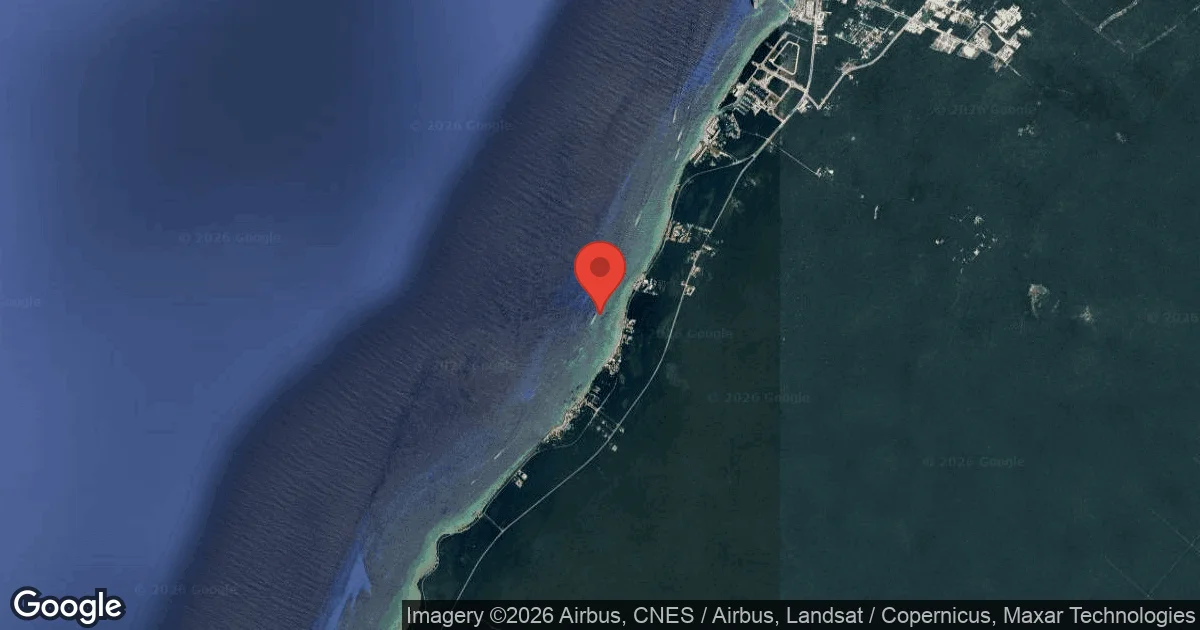
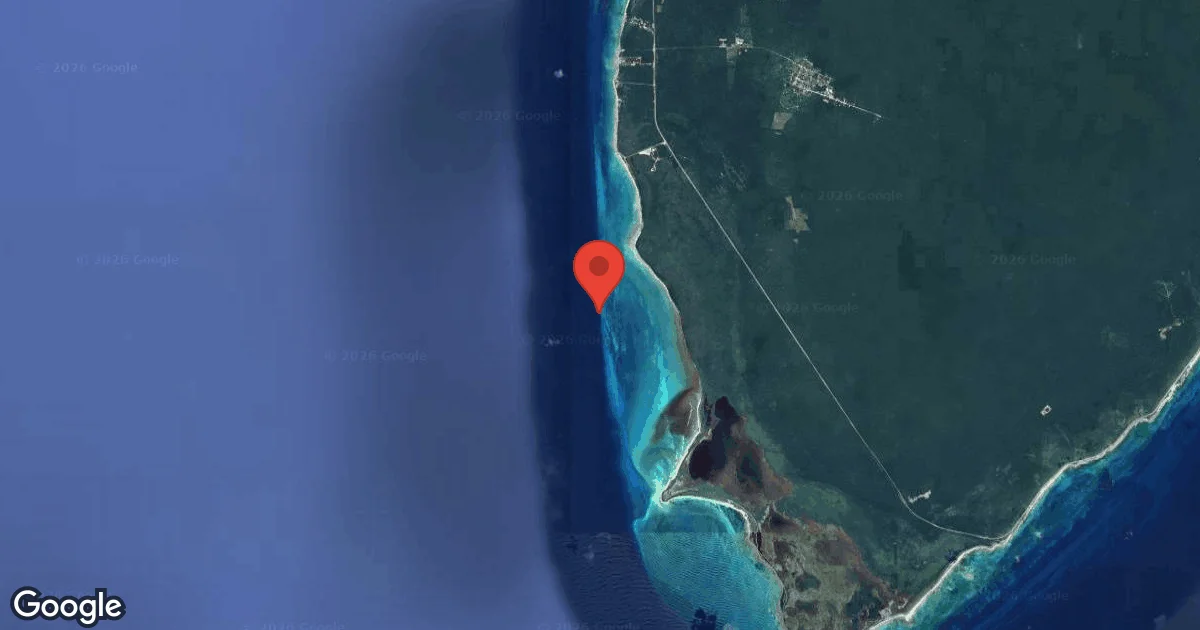
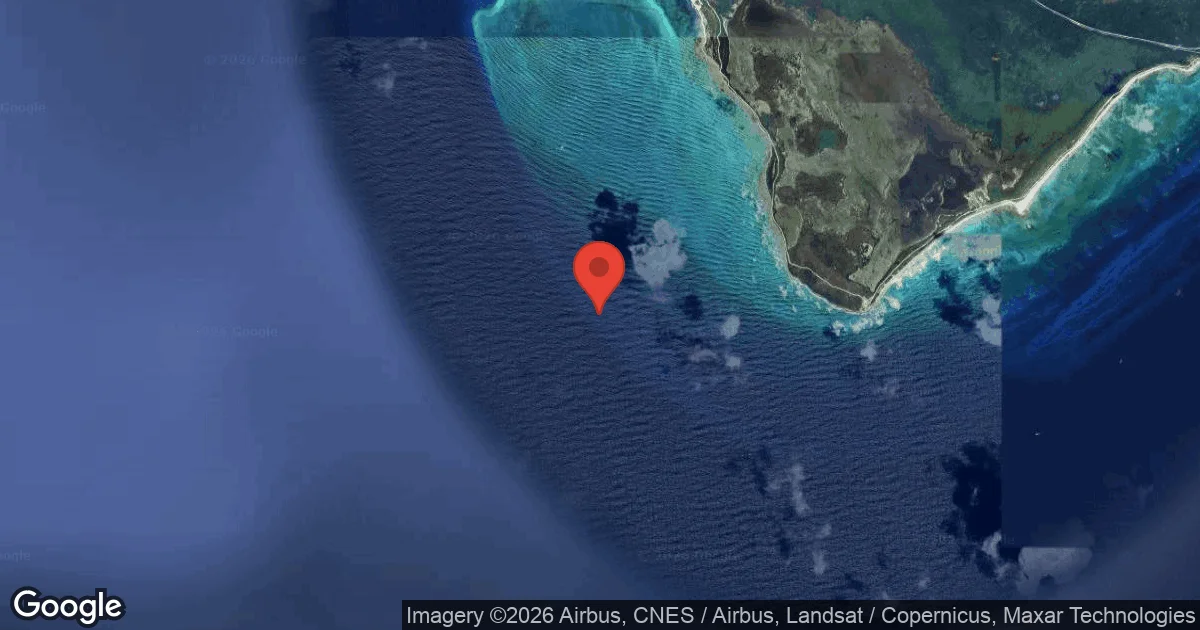
Dive Site Location & Key Facts
Dive Site Overview
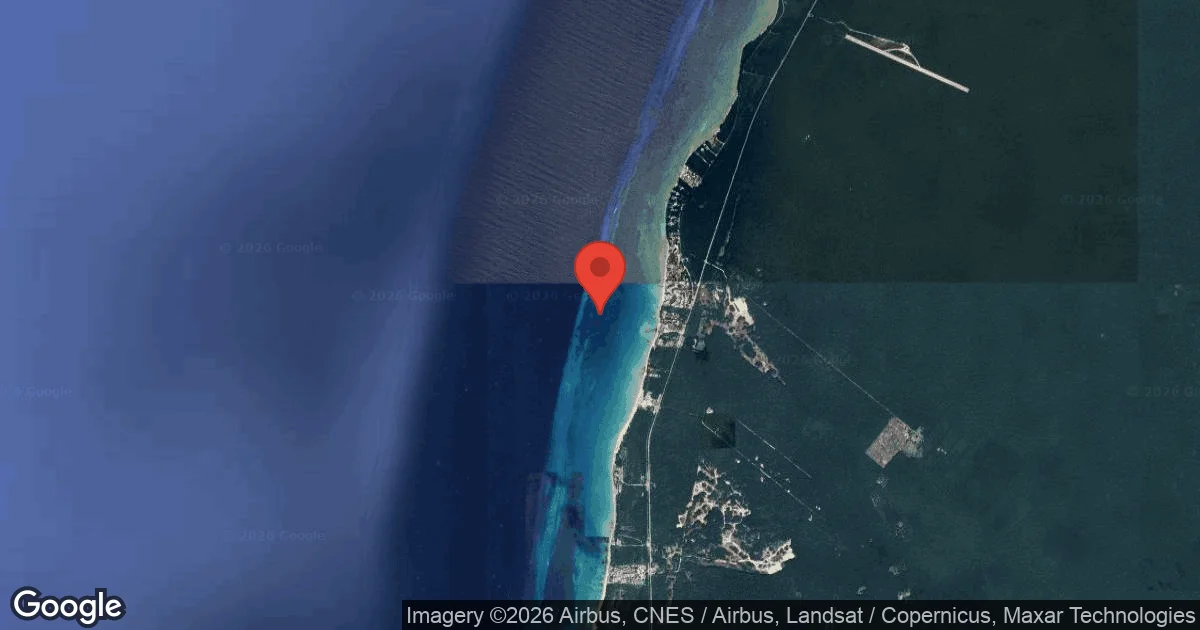
Paso de Cedral has become a recognized destination within the Cozumel Marine Park, particularly noted for its blend of reef and drift diving experiences. Situated southwest of Cozumel, this site typically serves as a second dive, allowing for a relaxed pace after a deeper initial descent.
Dive depths typically range from 9 to 18 m (30 to 60 ft), though certain sections can drop past 30 m (100 ft). The topography begins relatively flat, transitioning into a diverse mix of coral formations, including distinct brain coral, broad elkhorn coral, and towering sea fans.
These structures create numerous overhangs and swim-throughs, forming an intricate underwater playground. While some areas offer gentle currents for an easy drift, other sections, particularly along the Cedral Wall, are known for exciting, faster-paced drifts that allow divers to cover significant ground with minimal effort.
Visibility is often exceptional, frequently surpassing 30 m (100 ft), allowing for clear views of the vibrant coral gardens and the abundant tropical fish life. Year-round water temperatures averaging around 27°C (80°F) ensure comfortable exploration.
Conditions are Good
Optimal conditions expected
Current conditions near Paso de Cedral show 28° air, 30° sea temperature, 0.6 m waves, and 23 km/h wind. Forecast data is refreshed regularly to ensure accuracy.
Best Time to Dive
Planning a dive at Paso de Cedral offers consistent 'Good' to 'Moderate' conditions throughout much of the year, based on historical climate data. The optimal dive months typically span from August through October, when conditions frequently register the highest dive scores. During these months, average wave heights are generally lower, ranging from 0.8 to 1.1 m (2.6 to 3.6 ft), and average wind speeds are calmer, from 15.5 to 18.6 km/h (9.6 to 11.6 mph). Air temperatures during this period are pleasantly warm, averaging between 27.5°C and 29°C (84°F)and 84.0°F), though rain levels are slightly higher compared to spring months, averaging 4.4 to 5.0 mm. Conversely, the period from January to May also presents good diving opportunities, characterized by very low average rainfall, typically under 1.5 mm, and air temperatures averaging between 24.5°C and 28.5°C (83°F)and 83.1°F). However, wave heights and wind speeds during these months can be marginally higher, often around 1.1 to 1.3 m (3.6 to 4.3 ft) and 19.5 to 21.7 km/h (12.1 to 13.5 mph), which may impact surface comfort. June shows a moderate dive score, with increased average rainfall of 7.7 mm, suggesting a slight shift in conditions.
PEAK SEASON SCORE
Scores combine air & water temps, waves, wind & rainfall for overall conditions.
BEST MONTHS TO DIVE
Monthly records compiled from satellite and marine observation nodes over the last 3 years. Data provided by Open-Meteo and MET Norway.
Dive Experience & Conditions
Entry to Paso de Cedral is exclusively by boat, typically involving a giant stride or back roll, depending on the vessel. Once in the water, divers encounter varied current conditions; while some areas provide gentle flow suitable for an easy drift, others, especially along the deeper walls, feature stronger, more exhilarating currents. These dynamic currents enable effortless gliding along the reef, covering significant distances. The site's main reef typically sits between 9 and 18 m (30 and 60 ft), with portions extending beyond 30 m (100 ft) along the wall. Visibility is a consistent highlight, frequently exceeding 30 m (100 ft), offering expansive views of the corals and marine life. Water temperatures remain comfortably warm throughout the year, averaging around 27°C (80°F).
Dive Difficulty & Safety Guidelines
Divers considering Paso de Cedral should assess their current skill level, as the site caters to a range of experience, though stronger currents on the deeper wall sections are better suited for advanced divers. Essential training for this site can include PADI Open Water Diver for shallower sections, and PADI Advanced Open Water Diver or PADI Drift Diver certifications for managing the variable currents. Maintaining perfect buoyancy is crucial at Paso de Cedral to avoid accidental contact with the extensive coral formations and delicate sea fans.
Always be mindful of your depth and air consumption, especially during drift dives where ascent control and buddy separation management become more critical. It's recommended to carry a Surface Marker Buoy (SMB) for safety, particularly in areas with significant boat traffic.
Recommended Equipment
Current and surface separation risk. Local briefing strongly recommended.
- Dive Computer
- DSMB
- Reel / Spool
This gear list is based on verified equipment signals for Paso de Cedral, Mexico. Always confirm final gear choices with your dive operator, guide, or liveaboard.
Recommended Dive Suit
Short-term weather patterns suggest stable conditions for divers visiting the area.
Some divers prefer slightly warmer exposure protection simply for additional comfort.
Dive skin or rash guard usually works well for maintaining comfort during standard dive profiles in these conditions. Divers preparing to enter the water at Paso de Cedral will likely find temperatures around 30°C (87°F) today. Surface air temperatures are resting at 28°C (83°F).
Emergency & Medical Support
Essential information to help you plan your dive trip to Paso de Cedral.

Hyperbaric chambers are a critical part of dive safety infrastructure. Availability varies significantly by region, and not all dive areas have immediate access.
Before diving, it's recommended to:
- confirm nearest medical facilities
- check emergency procedures with local dive operators
- ensure dive insurance covers evacuation if required
Divers Alert Network
Diving emergency assistance available through DAN World.
+1-919-684-9111- 24/7 emergency hotline
- Diving medical assistance
- Evacuation coordination
Emergency contacts are provided for reference. Always verify local emergency services before diving.
Marine Life at Paso de Cedral
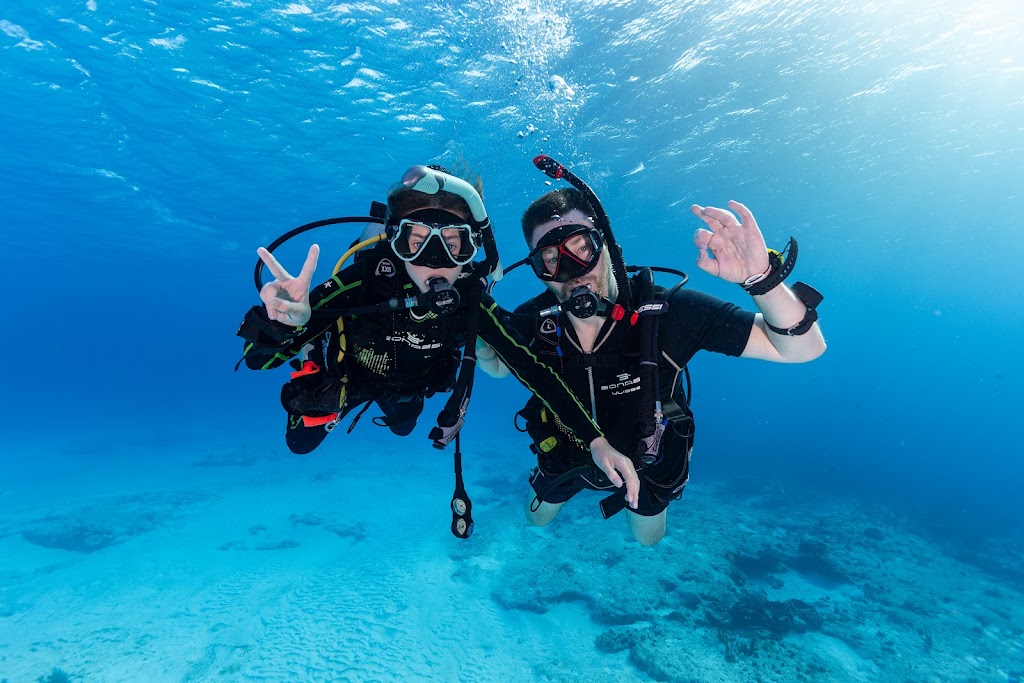
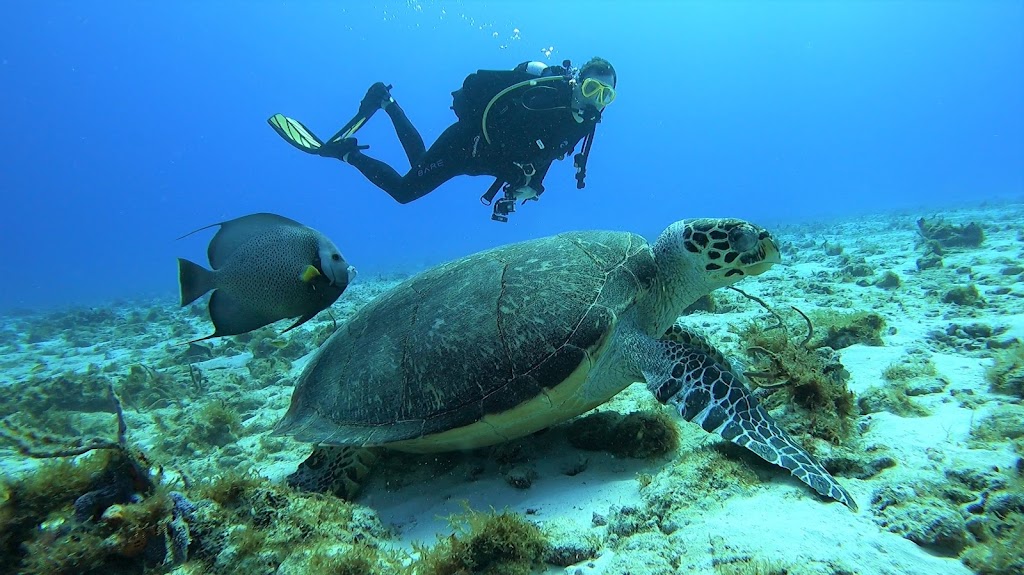
The vibrant underwater ecosystem at Paso de Cedral is a consistent draw for divers. The reef is rich with diverse coral formations, including impressive brain coral, expansive elkhorn coral, and numerous towering sea fans that create a stunning backdrop.
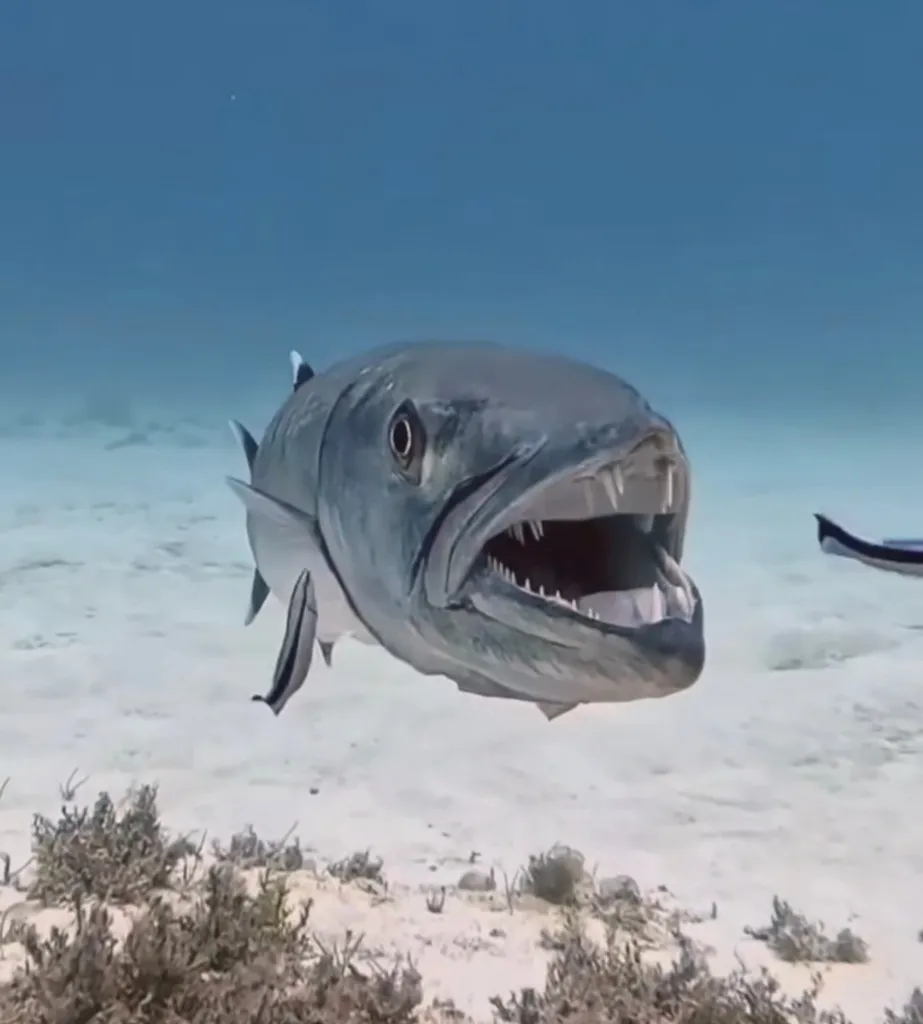
Within these intricate structures, divers can spot an incredible array of tropical fish. Common sightings include Juvenile Spotted Drums, powerful Great Barracudas, and large Groupers.
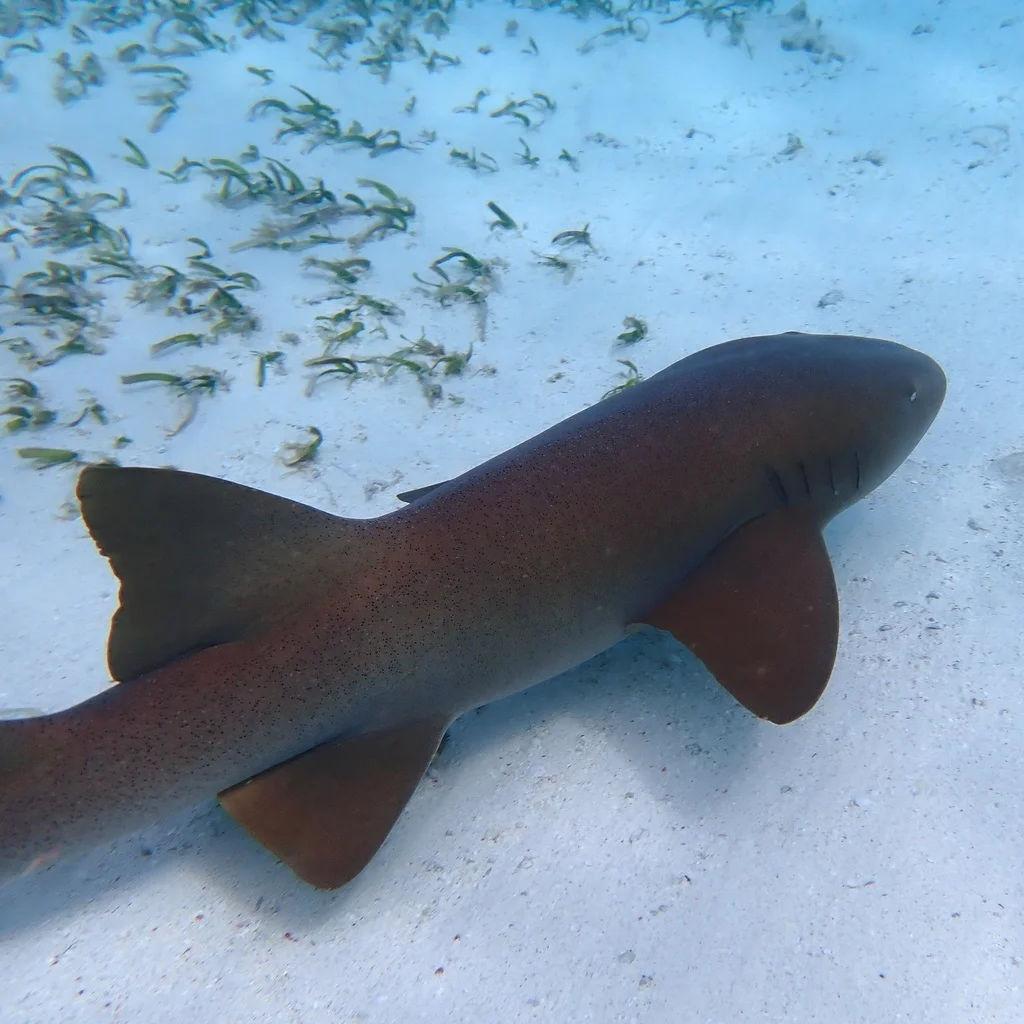
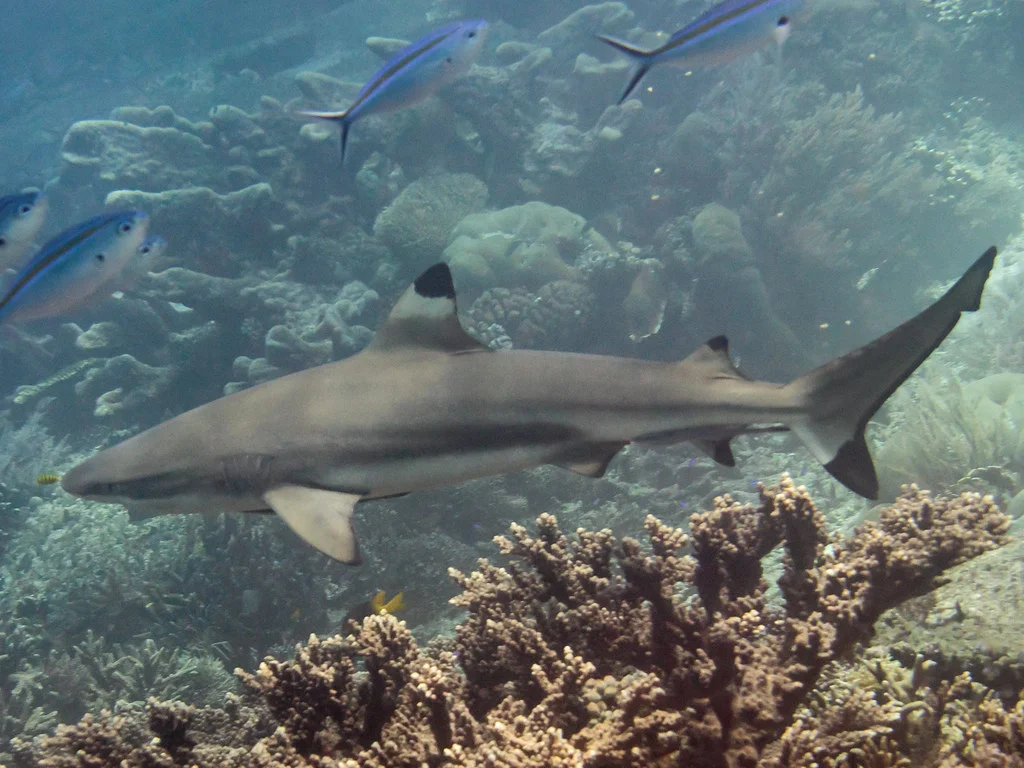
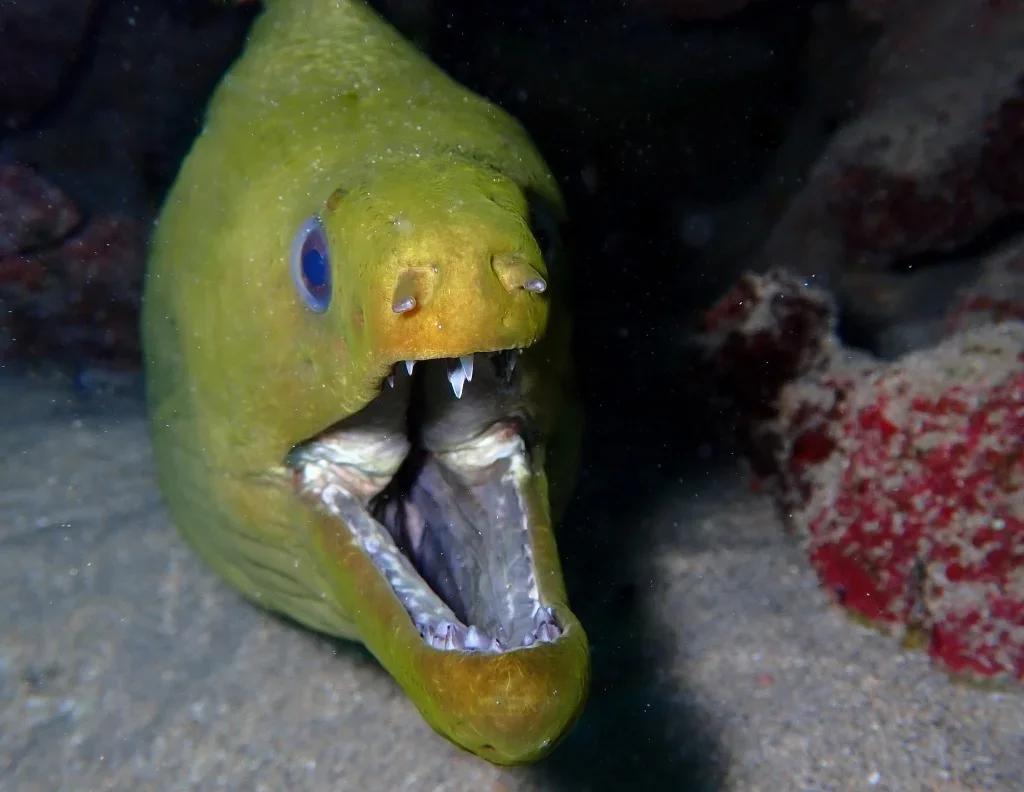
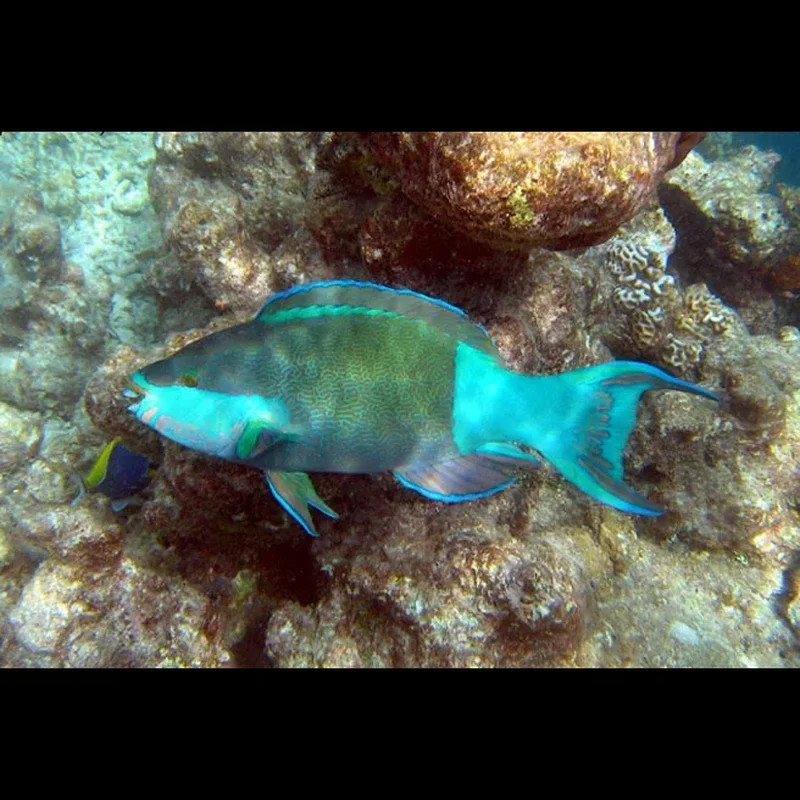
Patience may also reward divers with views of Green Moray Eels peeking from crevices, and the occasional Nurse Shark or blacktip reef shark patrolling the area. Schools of horse-eye jacks and large parrotfish are also frequently observed.
Dive Sites Near Paso de Cedral
View all dive sites in MexicoDiscover more underwater gems in this area.
Dive Centers Near Paso de Cedral
Today: 08:00 - 17:00
Nearest Airports
Nearest airports to help plan travel to this dive area.
Search Flights
Check available flights and routes on Expedia, using the nearby airports listed in this section.
Search Flights on ExpediaFrequently Asked Questions
What is the typical depth range for diving at Paso de Cedral?
Dive depths at Paso de Cedral generally range from 9 to 18 m (30 to 60 ft) on the main reef. However, advanced divers can explore sections of the wall that drop off to more than 30 m (100 ft).
What are the water conditions like at Paso de Cedral?
Paso de Cedral is known for exceptional visibility, often exceeding 30 m (100 ft). Water temperatures are consistently warm, averaging around 27°C (80°F) throughout the year, providing comfortable diving conditions.
Is Paso de Cedral suitable for beginner divers?
The dive profile at Paso de Cedral can accommodate various skill levels. While some areas offer gentle currents ideal for less experienced divers, the site's deeper wall sections with stronger currents are better suited for advanced divers with drift diving experience.
What types of marine life can I expect to see here?
Divers can expect to encounter diverse marine species, including Juvenile Spotted Drums, Great Barracudas, large Groupers, and Green Moray Eels. There are also frequent sightings of Nurse Sharks, schools of horse-eye jacks, and vibrant tropical fish among the extensive coral formations.
What kind of currents are present at Paso de Cedral?
Currents at Paso de Cedral vary; some sections offer gentle, easy drift experiences, perfect for leisurely gliding. Other areas, particularly along the Cedral Wall, feature stronger, more exciting currents that allow for a fast-paced drift, covering significant distances with minimal effort.
What training is recommended for diving at Paso de Cedral?
For basic exploration, a PADI Open Water Diver certification is usually sufficient. However, to fully appreciate the site's dynamic conditions and deeper areas, PADI Advanced Open Water Diver and PADI Drift Diver certifications are highly beneficial.
Planning to dive Paso de Cedral?
Send one inquiry and receive offers directly from the best verified local dive operators.
Conditions are Good
Optimal conditions expected
Current conditions near Paso de Cedral show 28° air, 30° sea temperature, 0.6 m waves, and 23 km/h wind. Forecast data is refreshed regularly to ensure accuracy.