
Diving at Palancar (Mexico)
Palancar Reef in Cozumel, Mexico, caters to divers across various experience levels, offering drift dives along one of the world's most extensive coral formations. Its diverse sections, from the gentle slopes of Palancar Gardens to the deeper, more challenging Palancar Horseshoe, ensure engaging underwater explorations. Whether you're a novice or an advanced diver, the reef's structure provides both accessible and more intricate routes for discovery.
As evening covers Palancar, the local air temperature is measured at 28°C. The current wave height at the surface is recorded at 0.6 m. These late-day readings characterize the surface conditions for the night.
Dive Site Location & Key Facts
Dive Site Overview
Palancar Reef holds a significant place in the Western Atlantic's Great Mayan Reef, extending along the far south of Cozumel Island in the Mexican Caribbean. Global recognition from Jacques Cousteau's explorations first brought this vibrant underwater world to the diving community, often described as an "Underwater Garden of Eden." This designation highlights the reef's exceptional health and intricate ecosystems.
To ensure its preservation, Mexican authorities enacted the Marine Park Law in 1996. This legislation actively protects Palancar from environmental threats like overfishing and sediment damage, fostering a thriving habitat for diverse marine species and robust coral growth. The reef system itself covers a vast area and features several distinct sections, each providing a unique diving experience.
Palancar Gardens offers a gentle introduction, often preferred for its accessibility and expansive coral growth, inviting divers for a leisurely exploration. Further along, Palancar Bricks presents a more fragmented coral wall interspersed with sandy slopes, named for scattered debris from a 1950s shipwreck, adding a historical dimension to the natural beauty.
Deeper and further south, Palancar Horseshoe unfolds as a magnificent natural amphitheater, showcasing towering coral pinnacles, deep crevices, and swim-throughs. Exploring these sections often involves exhilarating drift diving, a hallmark of Cozumel's diving, where prevailing currents carry divers effortlessly along the reef's impressive formations.
Conditions are Good
07:00 - 14:00
Optimal conditions expected
Current conditions near Palancar show 28° air, 30° sea temperature, 0.7 m waves, and 23 km/h wind. Forecast data is refreshed regularly to ensure accuracy.
Best Time to Dive
Ideal diving conditions at Palancar Reef generally span most of the year, with "Good" dive scores consistently reported from January to May and July to November. August and September often present excellent scores (8), characterized by some of the lowest average wave heights, around 0.8 meters / 2.6 feet, and lighter winds, averaging 15.5-15.8 km/h / 9.6-9.8 mph. Air temperatures remain comfortably warm, typically ranging from 24.5°C / 76°F in cooler months to highs of 29°C / 84°F in summer. While June through October can see increased rainfall, averaging up to 7.7 mm / 0.3 inches in June, diving remains feasible and enjoyable, as other months experience significantly less precipitation, sometimes as low as 0.76 mm / 0.03 inches in April.
PEAK SEASON SCORE
Scores combine air & water temps, waves, wind & rainfall for overall conditions.
BEST MONTHS TO DIVE
Monthly records compiled from satellite and marine observation nodes over the last 3 years. Data provided by Open-Meteo and MET Norway.
Dive Experience & Conditions
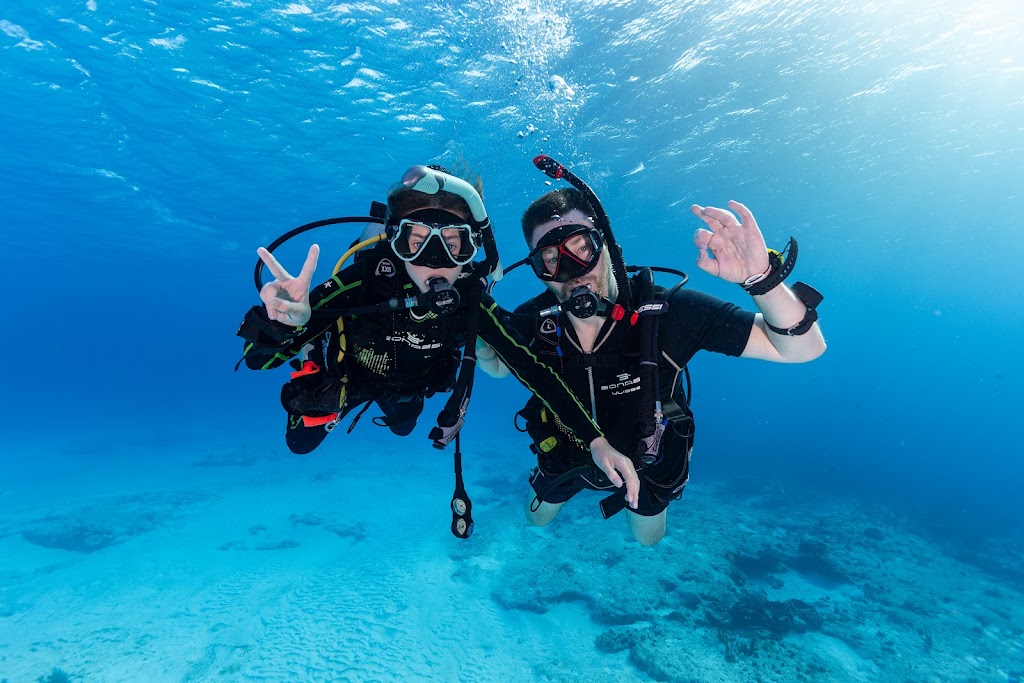
Descending into Palancar's inviting waters reveals a world of dynamic coral structures and often-gentle currents that define the drift diving experience. Drifting along Palancar Gardens, you're guided past an extensive coral wall from a sandy area, where the current is typically moderate and manageable for most divers. Further south, Palancar Bricks presents a discontinuous coral wall interspersed with sandy slopes, creating a varied underwater landscape that invites exploration of its nooks and crannies. The deeper sections of Palancar Horseshoe immerse divers in a natural amphitheater, showcasing intricate coral formations and deeper swim-throughs. Visibility here is consistently exceptional, often extending beyond 30 meters / 100 feet, allowing the vibrant colors of the reef and its inhabitants to fully emerge.
Dive Difficulty & Safety Guidelines
Diving Palancar Reef requires respecting its protected status under the Marine Park Law established in 1996. Adherence to park regulations, which prohibit touching or removing any marine life or coral, is mandatory to preserve this delicate ecosystem. While sections like Palancar Gardens are suitable for beginners and experienced divers, areas such as Palancar Horseshoe are recommended for intermediate to advanced divers due to potentially deeper profiles and more complex formations.
Given its characteristic drift, proficient buoyancy control and a thorough understanding of current dynamics are important for a safe and enjoyable dive. Always dive with a reputable local guide who understands the specific conditions and dive site variations.
Recommended Equipment
Current and surface separation risk. Local briefing strongly recommended.
- Dive Computer
- DSMB
- Reel / Spool
This gear list is based on verified equipment signals for Palancar, Mexico. Always confirm final gear choices with your dive operator, guide, or liveaboard.
Recommended Dive Suit
With water temperatures around 30°C (86°F), many divers find a dive skin or rash guard provides comfortable protection.
Divers performing multiple dives may appreciate slightly warmer protection later in the day.
Forecast models indicate that diving conditions should remain largely unchanged.
Emergency & Medical Support
Essential information to help you plan your dive trip to Palancar.

Hyperbaric chambers are a critical part of dive safety infrastructure. Availability varies significantly by region, and not all dive areas have immediate access.
Before diving, it's recommended to:
- confirm nearest medical facilities
- check emergency procedures with local dive operators
- ensure dive insurance covers evacuation if required
Divers Alert Network
Diving emergency assistance available through DAN World.
+1-919-684-9111- 24/7 emergency hotline
- Diving medical assistance
- Evacuation coordination
Emergency contacts are provided for reference. Always verify local emergency services before diving.
Marine Life at Palancar
The underwater landscape of Palancar Reef teems with an incredible array of life, thriving among extensive coral formations. Divers can expect to encounter endemic species like the splendid Cozumel toadfish, often hidden within the reef's crevices.
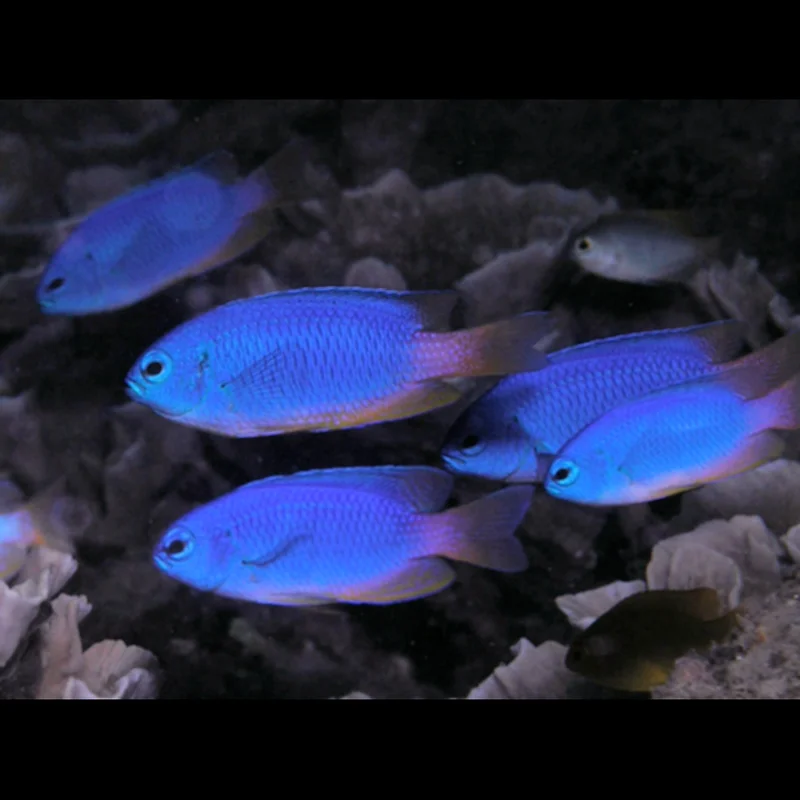
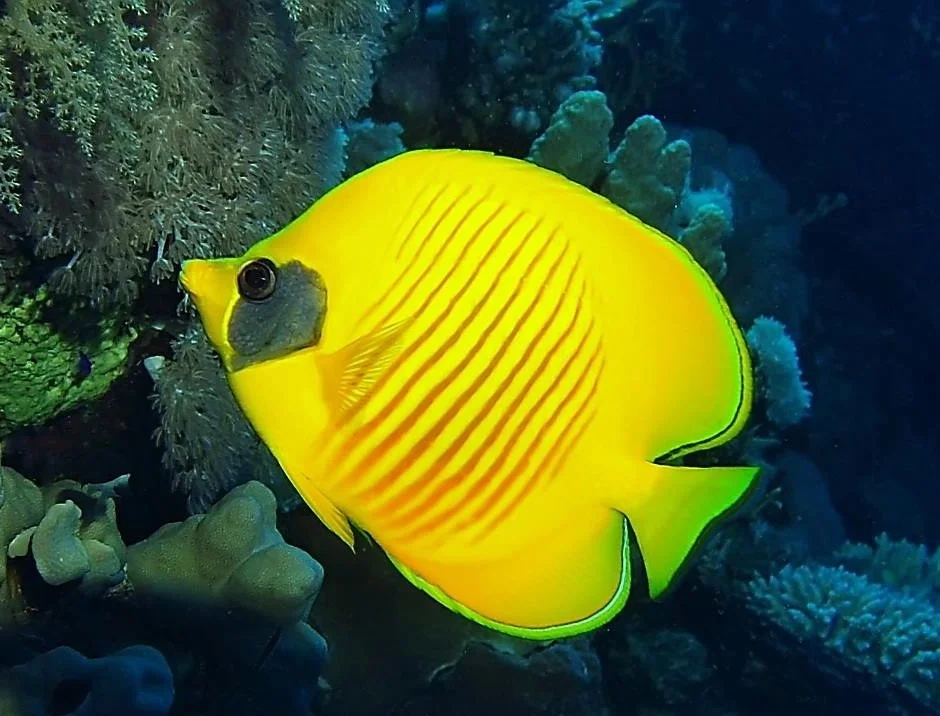
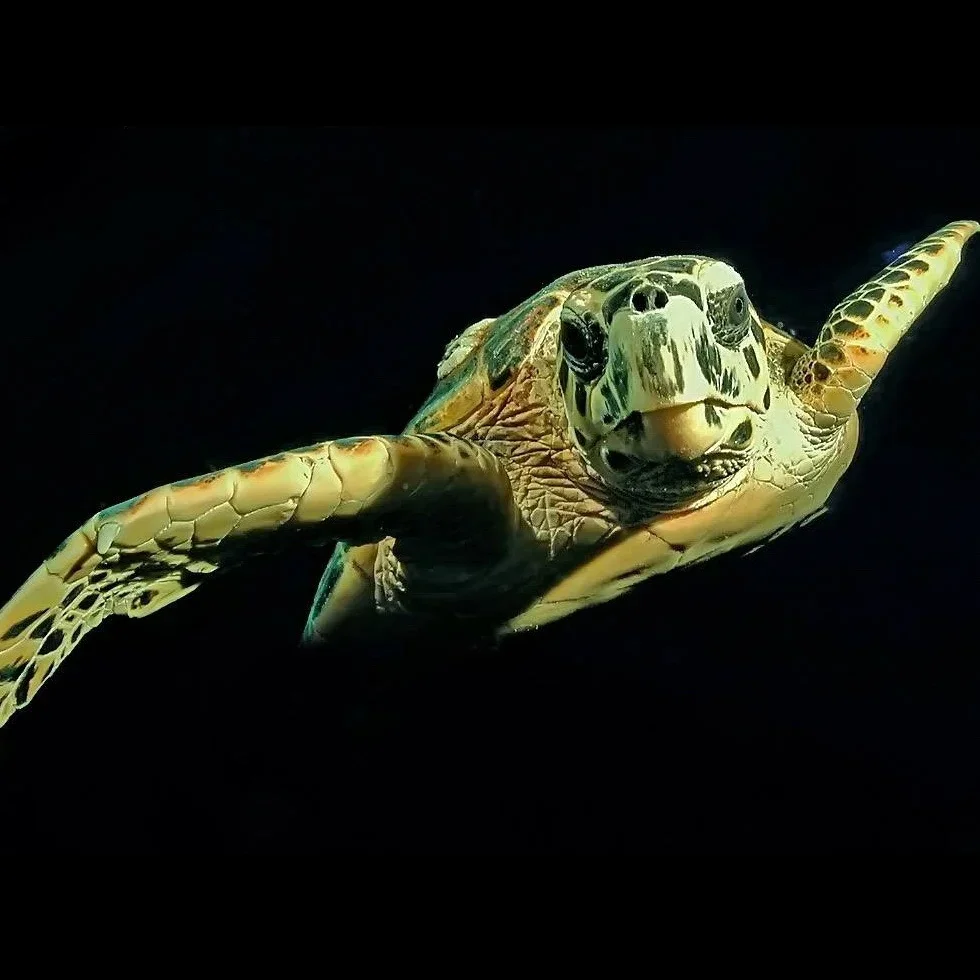
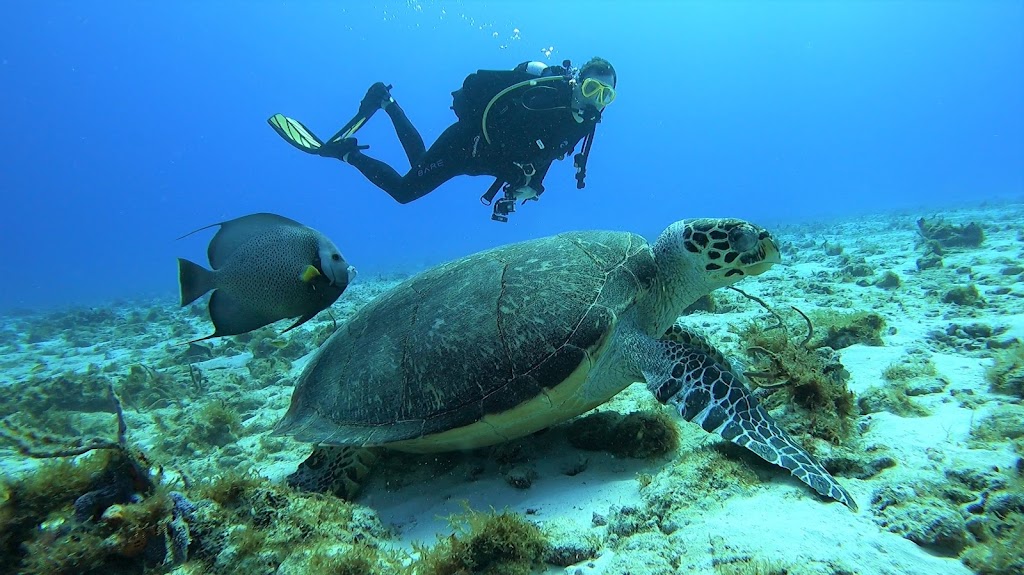
Hawksbill turtles gracefully glide past, while green and spotted moray eels peer from their coral homes. Look for schools of colorful reef fish, including angelfish, filefish, damselfish, and butterflyfish, populating the reef's mantle.
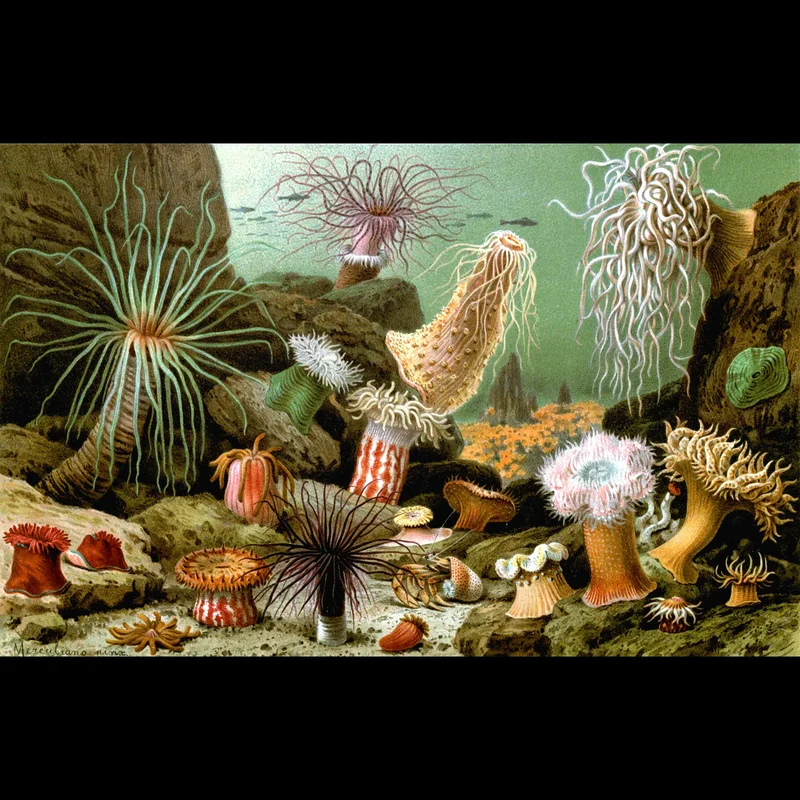
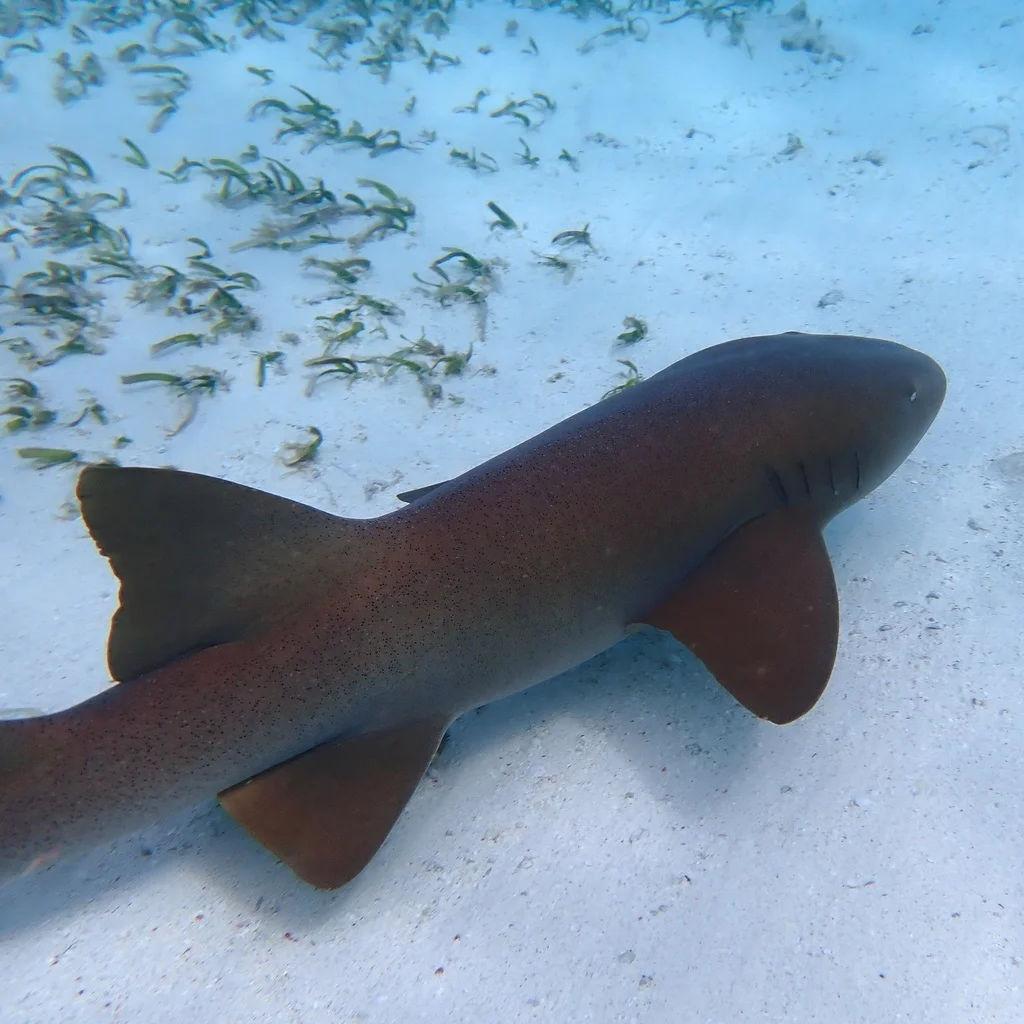
In sandy expanses, southern rays might be spotted, and sightings of eagle rays, groupers, and nurse sharks also occur. Giant anemones and fire coral add to the vibrant, colorful scene, making every dive a discovery.
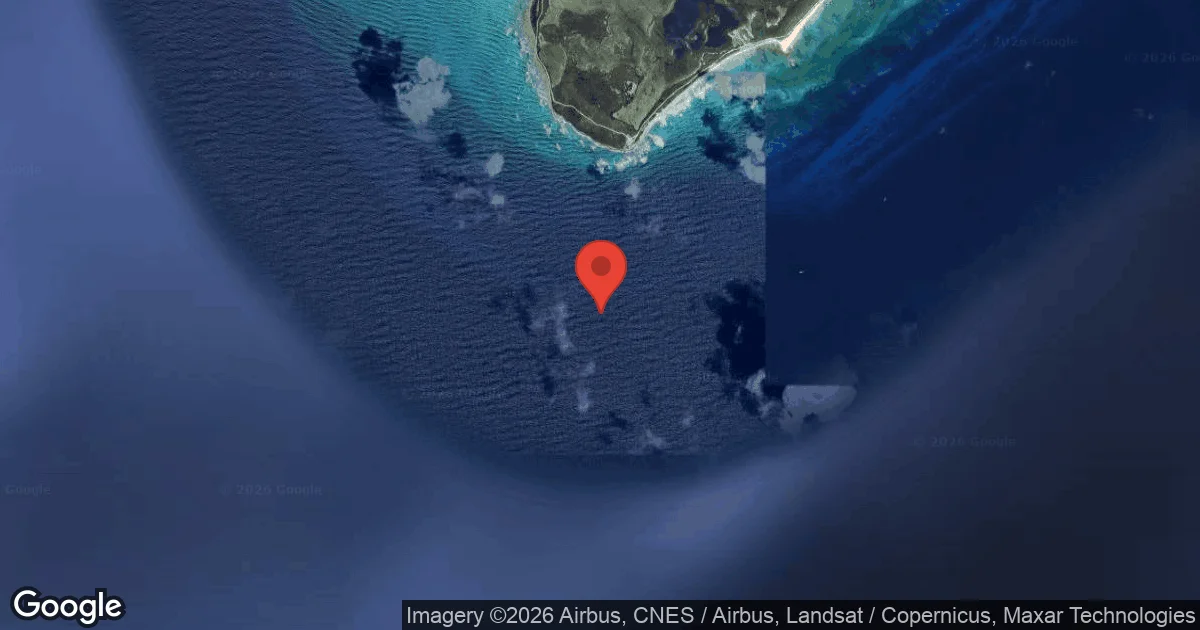
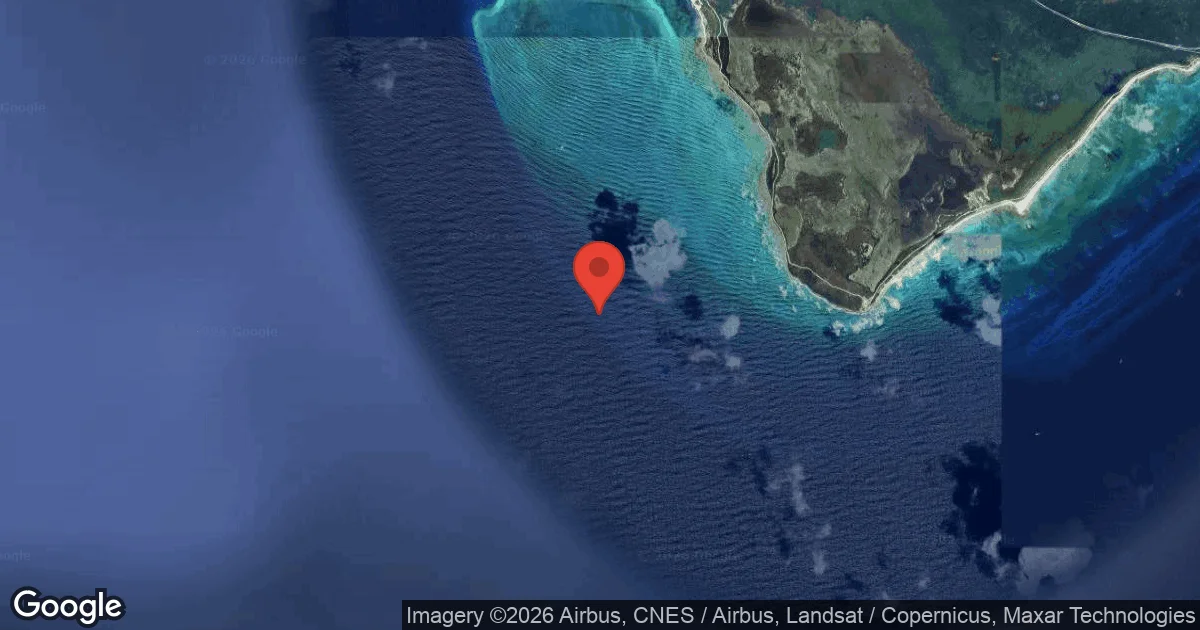
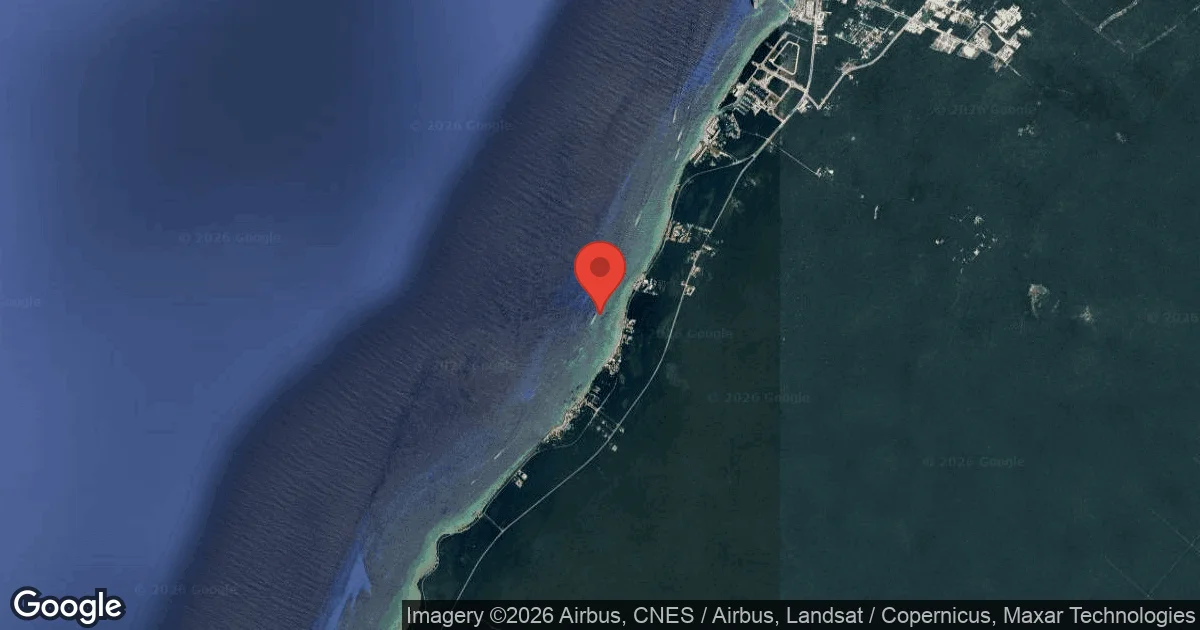
Dive Sites Near Palancar
View all dive sites in MexicoDiscover more underwater gems in this area.
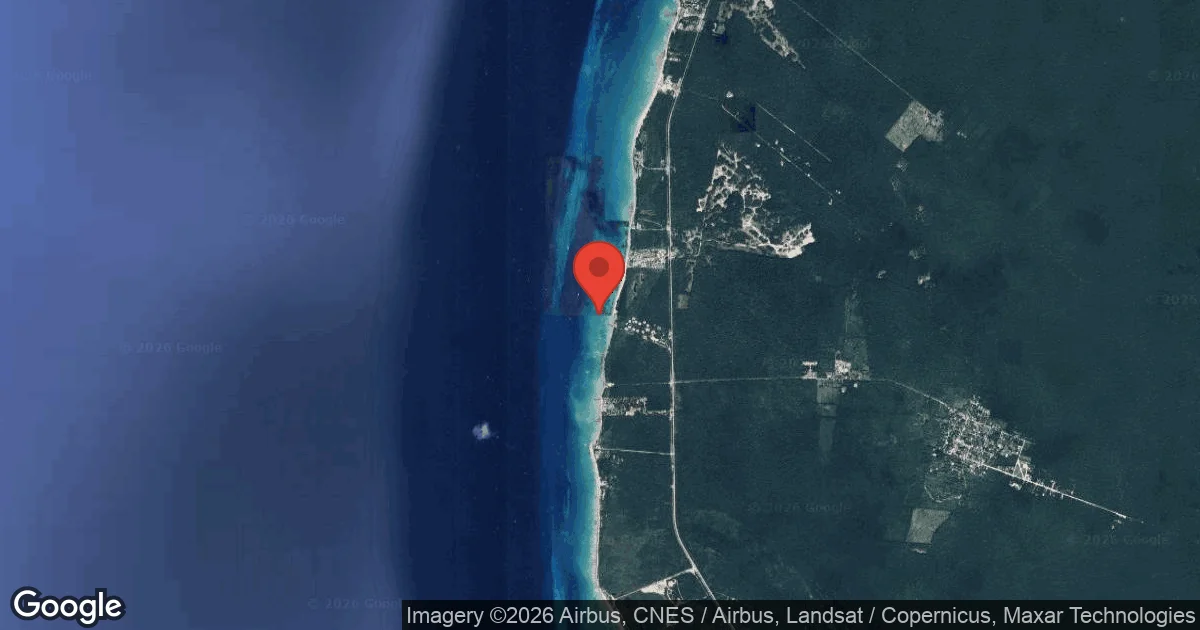
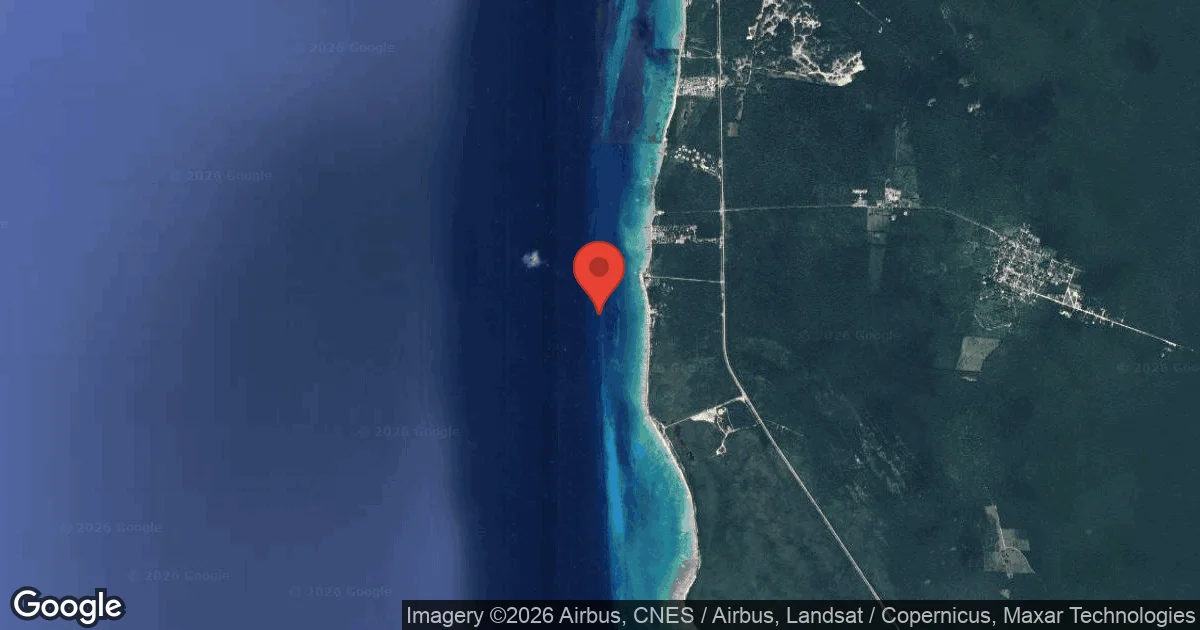
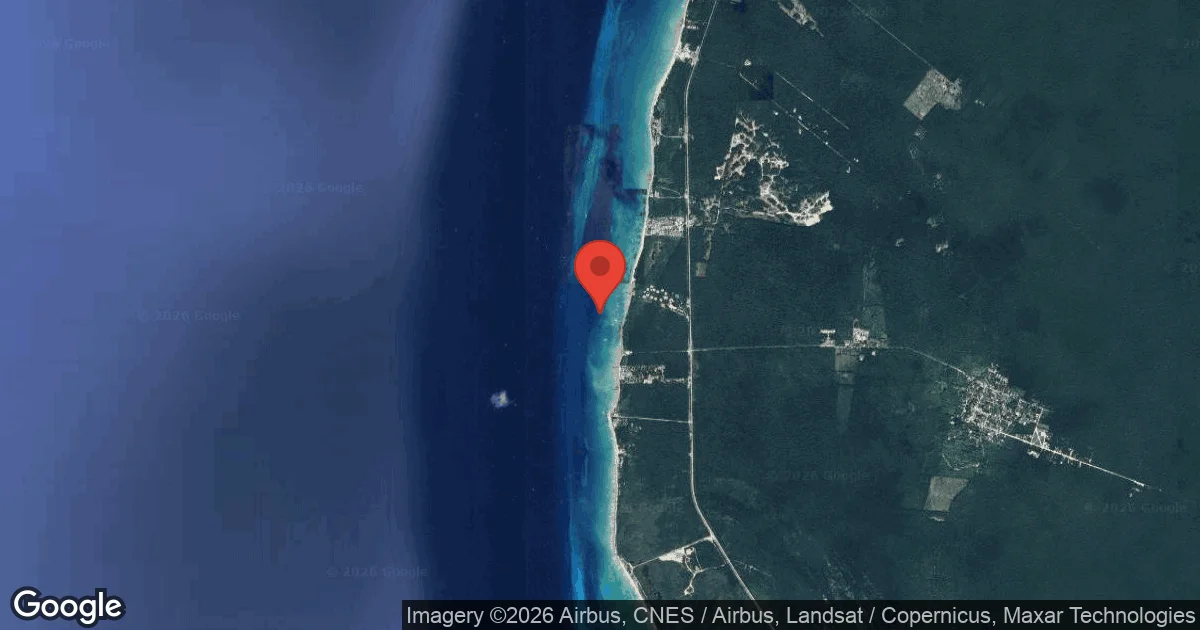
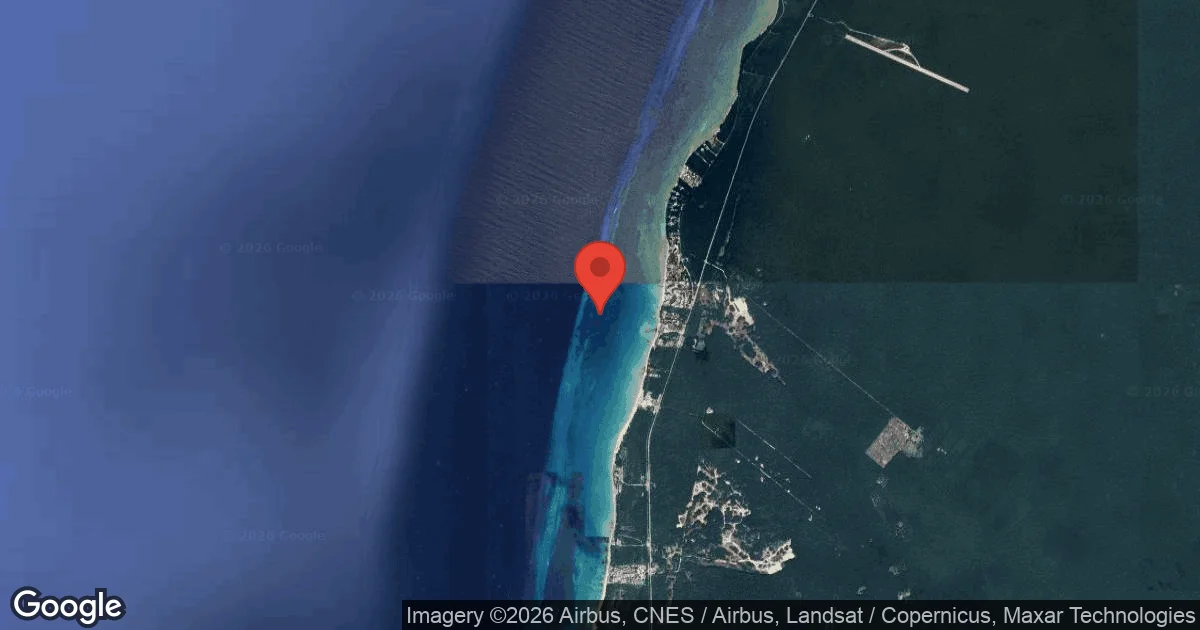
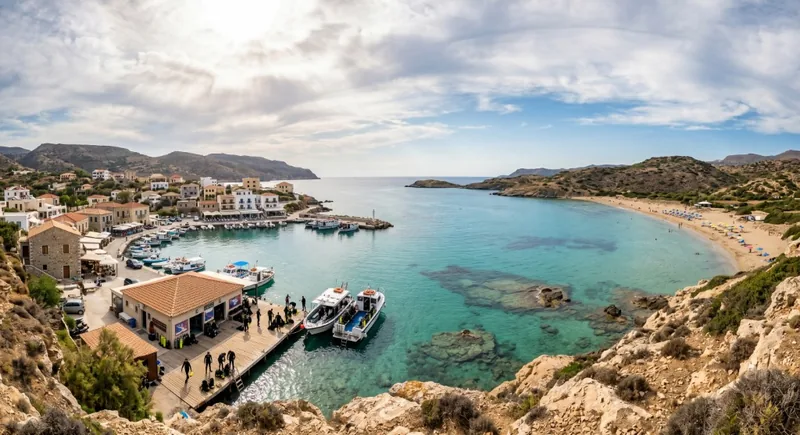
Dive Centers Near Palancar
Today: 08:00 - 17:00
Nearest Airports
Nearest airports to help plan travel to this dive area.
Search Flights
Check available flights and routes on Expedia, using the nearby airports listed in this section.
Search Flights on ExpediaFrequently Asked Questions
What makes Palancar Reef special?
Palancar Reef was popularized by Jacques Cousteau and is recognized as the second-largest coral formation globally, after the Great Barrier Reef. Its pristine condition is attributed to its protection under Mexican Marine Park Law since 1996.
What are the different sections of Palancar Reef?
The reef is divided into several distinct areas, including Palancar Gardens, Palancar Bricks, and Palancar Horseshoe. Each section offers unique coral formations and diving experiences, catering to different skill levels.
What kind of marine life can I expect to see?
Divers often encounter endemic splendid Cozumel toadfish, hawksbill turtles, green and spotted moray eels, and eagle rays. The reef is also home to abundant colorful reef fish like angelfish, damselfish, and butterflyfish, alongside groupers, nurse sharks, and southern rays in sandy areas.
Is Palancar Reef suitable for beginners?
Yes, sections like Palancar Gardens are well-suited for both beginner and experienced divers. However, some areas such as Palancar Horseshoe are recommended for intermediate to advanced divers due to their depth and more complex structures.
What is the typical depth range for diving at Palancar Reef?
Diving depths at Palancar Reef vary across its sections, generally ranging from 10 m / 30 ft at Palancar Gardens to 27 m / 90 ft in deeper areas like Palancar Bricks and Palancar Horseshoe.
Is snorkeling possible at Palancar Reef?
Yes, Palancar Reef is an excellent spot for snorkeling. Its crystal-clear waters allow snorkelers to easily view vibrant coral heads and a variety of marine life from the surface.
Why is Palancar Reef protected?
Mexican authorities enacted the Marine Park Law in 1996 to protect Palancar Reef. This measure safeguards the reef from threats like overfishing and sediment damage, ensuring its thriving as an underwater paradise.
Planning to dive Palancar?
Send one inquiry and receive offers directly from the best verified local dive operators.
Conditions are Good
07:00 - 14:00
Optimal conditions expected
Current conditions near Palancar show 28° air, 30° sea temperature, 0.7 m waves, and 23 km/h wind. Forecast data is refreshed regularly to ensure accuracy.