
Diving at Santa Rosa Wall (Mexico)
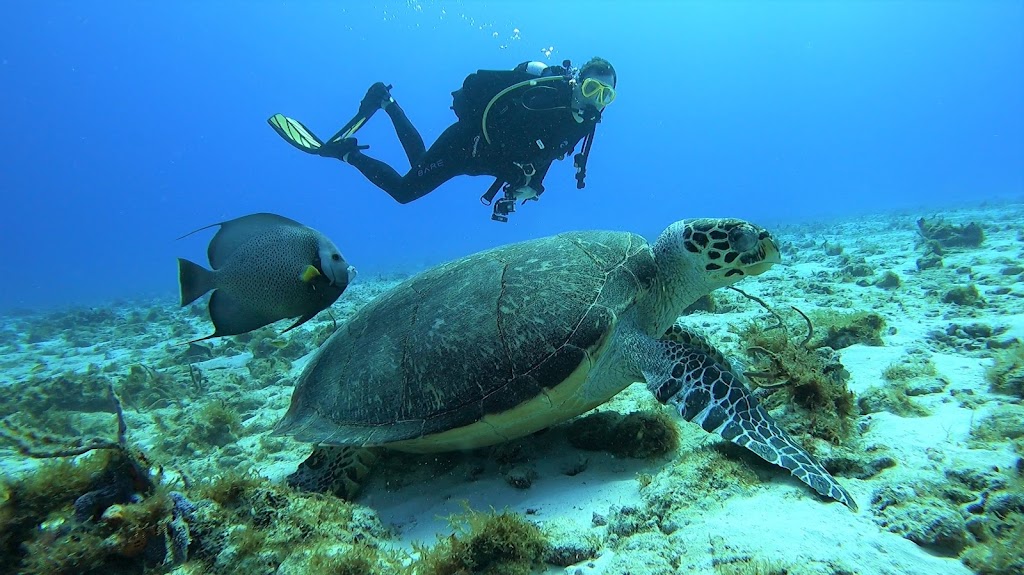
Santa Rosa Wall presents an opportunity to witness a vibrant ecosystem, where a diverse array of marine life navigates dramatic coral formations. Expect graceful spotted eagle rays, elusive groupers, and a spectrum of angelfish and parrotfish. Occasional sightings of nurse sharks, green moray eels, and majestic sea turtles enhance the experience. The wall serves as a backdrop for a bustling community of reef fish, from wrasses to blennies, creating a dynamic underwater spectacle.
Tonight's objective overview for Santa Rosa Wall shows an air temperature of 27.5°C. The measured surface conditions include wave heights around 0.7 m. This environmental data is logged for the close of the day.
Dive Site Location & Key Facts
Dive Site Overview
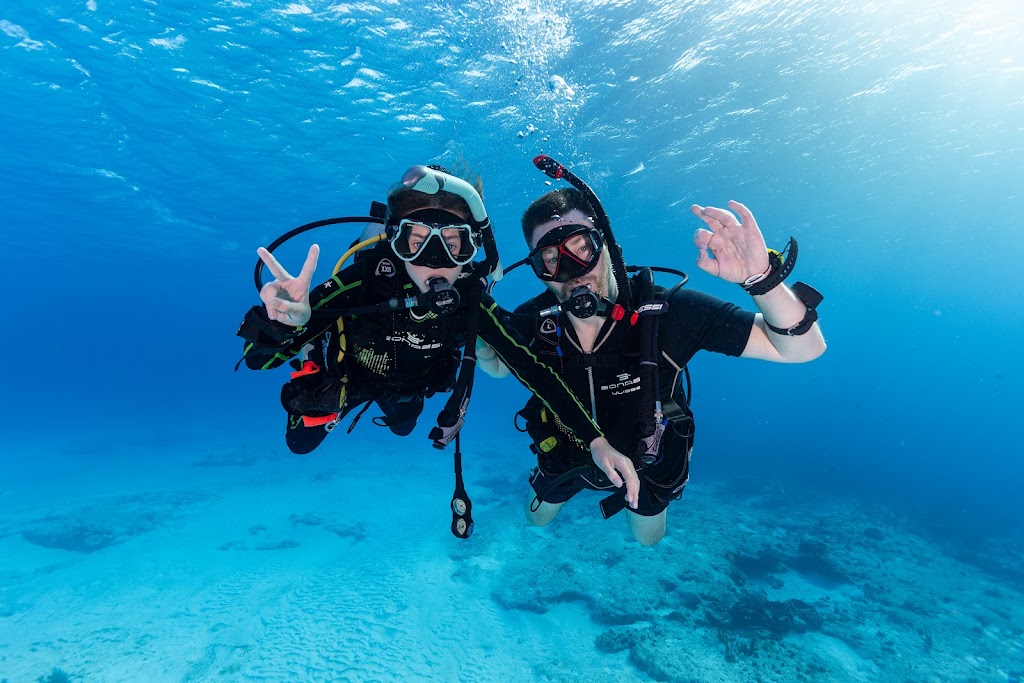
Descending into Santa Rosa Wall, divers encounter a quintessential Cozumel experience, defined by its impressive vertical drop and the exhilarating sensation of a drift dive. This site initiates its dramatic plunge around 15 m / 50 ft and extends deeper than 30 m / 100 ft, revealing a panorama of coral-covered expanses.
Moderate currents typically guide divers along the wall, offering an effortless glide past vibrant sponges, delicate sea fans, and intricate coral structures. Visibility often exceeds 30 m / 100 ft, allowing extensive views of the dramatic topography as you journey along the reef.
Notably, the reef features distinctive tunnels that cut through its structure at approximately 24 meters, adding an overhead environment to explore. This natural movement with the current allows for continuous observation of the dynamic underwater scenery, making it a compelling first dive for many visiting the island.
Conditions are Good
Optimal conditions expected
Current conditions near Santa Rosa Wall show 28° air, 30° sea temperature, 0.6 m waves, and 26 km/h wind. Forecast data is refreshed regularly to ensure accuracy.
Best Time to Dive
While diving is possible year-round, conditions at Santa Rosa Wall present a notable contrast between seasons. The period from November through May is generally considered optimal, characterized by calmer water and excellent visibility, which contributes to a smoother drift experience. During these months, air temperatures typically range from 24.6 to 28.4 degrees Celsius, with minimal rainfall (1-1.5 mm/month). Conversely, the summer months, particularly June through October, can introduce stronger currents and the potential for occasional storms, impacting dive conditions. For instance, September sees an average air temperature of around 83 degrees Fahrenheit and increased rainfall of approximately 5 mm. Despite this, dive scores remain good (7-8) for most of the year, indicating generally favorable conditions, even with seasonal variations.
PEAK SEASON SCORE
Scores combine air & water temps, waves, wind & rainfall for overall conditions.
BEST MONTHS TO DIVE
Monthly records compiled from satellite and marine observation nodes over the last 3 years. Data provided by Open-Meteo and MET Norway.
Dive Experience & Conditions
Exploring Santa Rosa Wall often begins in the shallower sections of the reef, with the potential to explore significant depths for suitably qualified divers. This site is primarily experienced as a drift dive, where moderate to swift currents can carry divers effortlessly along the wall. Excellent visibility, frequently surpassing 30 meters, allows for clear observation of the dramatic drop-off and the diverse life inhabiting it. While exhilarating, these conditions demand good buoyancy control and situational awareness. Consequently, Santa Rosa Wall is best suited for intermediate to advanced divers comfortable with deeper profiles and managing dynamic drift conditions.
Dive Difficulty & Safety Guidelines
Navigating Santa Rosa Wall responsibly involves acknowledging its inherent challenges, particularly its unpredictable currents and the overhead environments found within its tunnels. Divers should possess strong buoyancy control and acute situational awareness to safely manage the swift drift conditions. Due to the potential for deeper profiles and dynamic water movement, this site is generally recommended for intermediate to advanced divers.
Proper training, such as PADI Advanced Open Water Diver, PADI Deep Diver, and PADI Drift Diver, can enhance preparedness for the unique demands of this location. Always maintain close contact with your dive buddy and follow the guidance of local dive professionals.
Recommended Equipment
Current and surface separation risk. Local briefing strongly recommended.
- Dive Computer
- DSMB
- Reel / Spool
This gear list is based on verified equipment signals for Santa Rosa Wall, Mexico. Always confirm final gear choices with your dive operator, guide, or liveaboard.
Recommended Dive Suit
With water temperatures around 30°C (86°F), many divers find a dive skin or rash guard provides comfortable protection.
Local conditions can vary slightly across different parts of the same dive site.
Conditions are expected to stay fairly consistent in the days ahead.
Due to technical issues with our weather providers, live updates are temporarily delayed. The data above reflects the conditions at the time of the last successful fetch.
Emergency & Medical Support
Essential information to help you plan your dive trip to Santa Rosa Wall.

Hyperbaric chambers are a critical part of dive safety infrastructure. Availability varies significantly by region, and not all dive areas have immediate access.
Before diving, it's recommended to:
- confirm nearest medical facilities
- check emergency procedures with local dive operators
- ensure dive insurance covers evacuation if required
Divers Alert Network
Diving emergency assistance available through DAN World.
+1-919-684-9111- 24/7 emergency hotline
- Diving medical assistance
- Evacuation coordination
Emergency contacts are provided for reference. Always verify local emergency services before diving.
Marine Life at Santa Rosa Wall
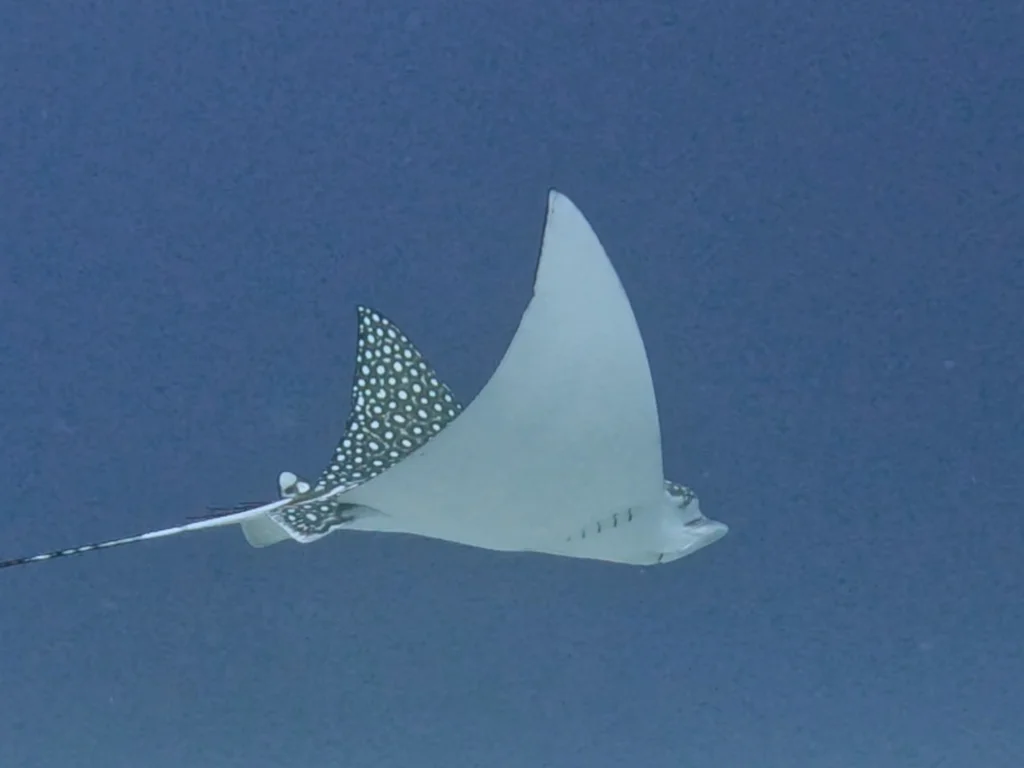
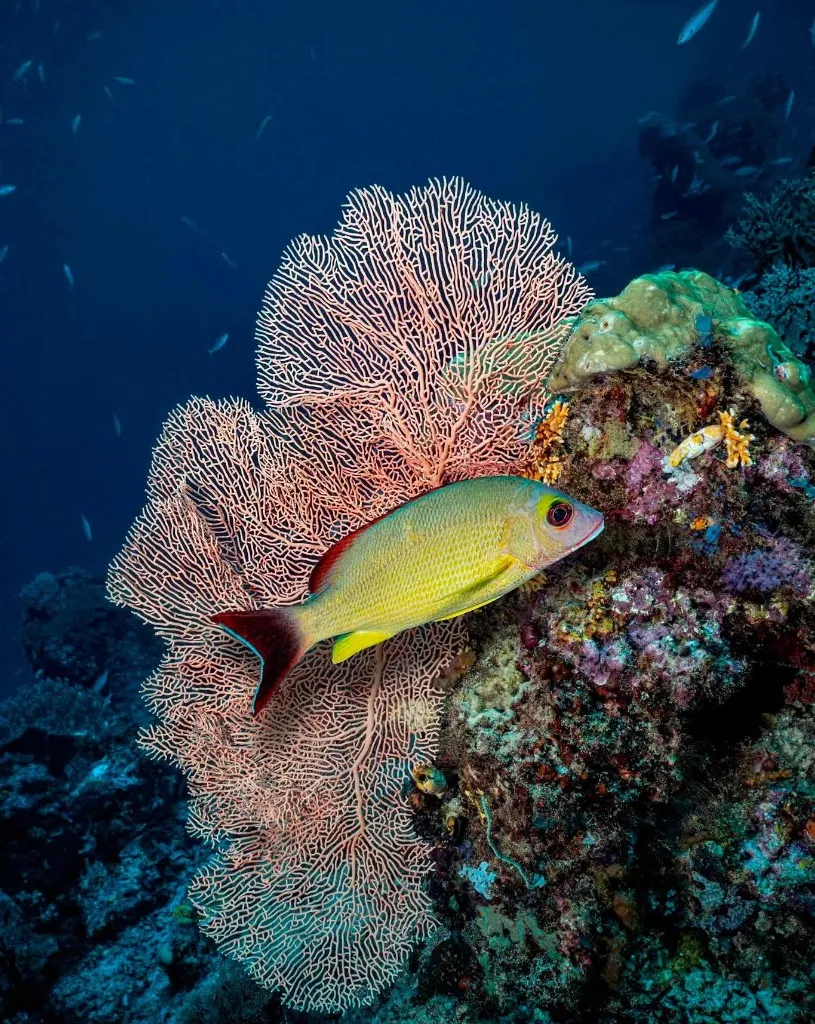
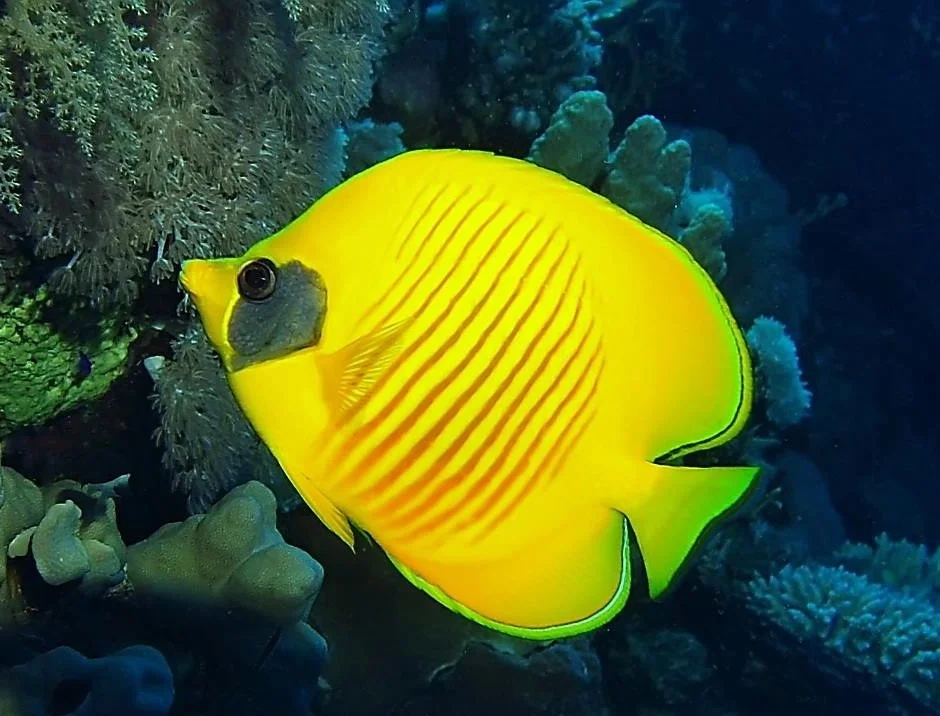
The initial impression at Santa Rosa Wall is often the sheer volume of life moving along the current. Divers frequently spot graceful spotted eagle rays passing by, while large groupers and snappers often occupy crevices within the coral.
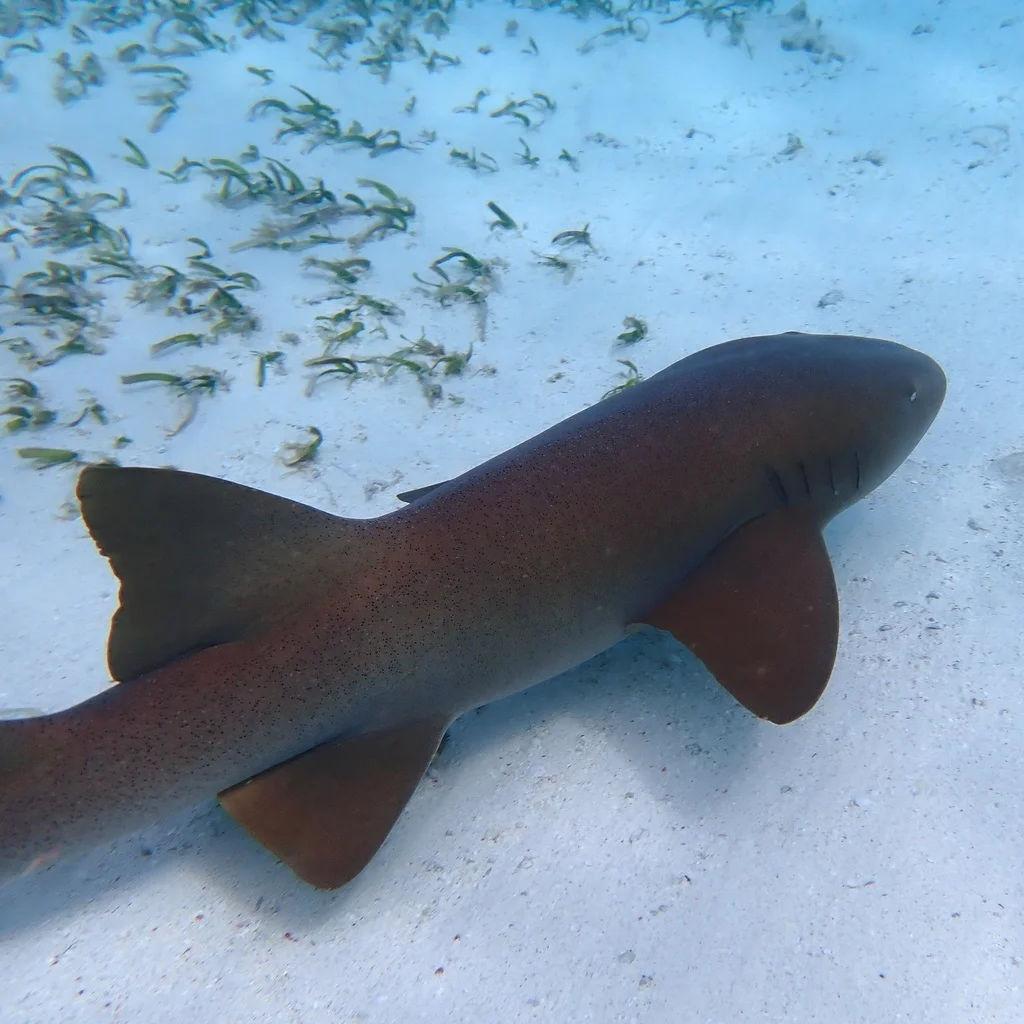
The vibrant reef hosts numerous angelfish, parrotfish, and butterflyfish in continuous motion. Keep an eye out for horse-eyed jacks, barracudas, and the occasional nurse shark or green moray eel.
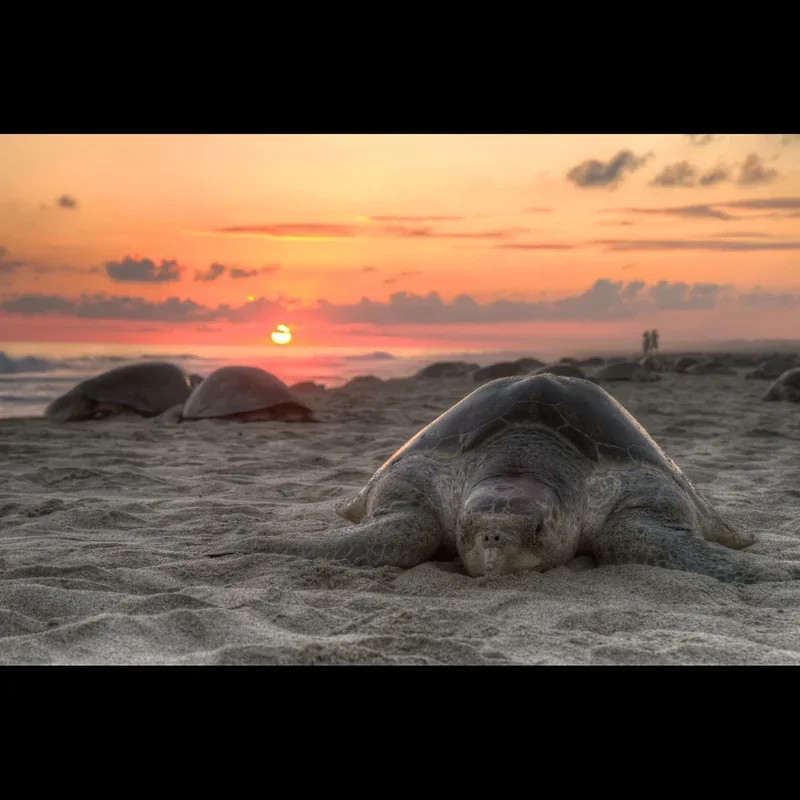
Sea turtles, including hawksbill and green varieties, are also common sightings, adding to the spectacle.
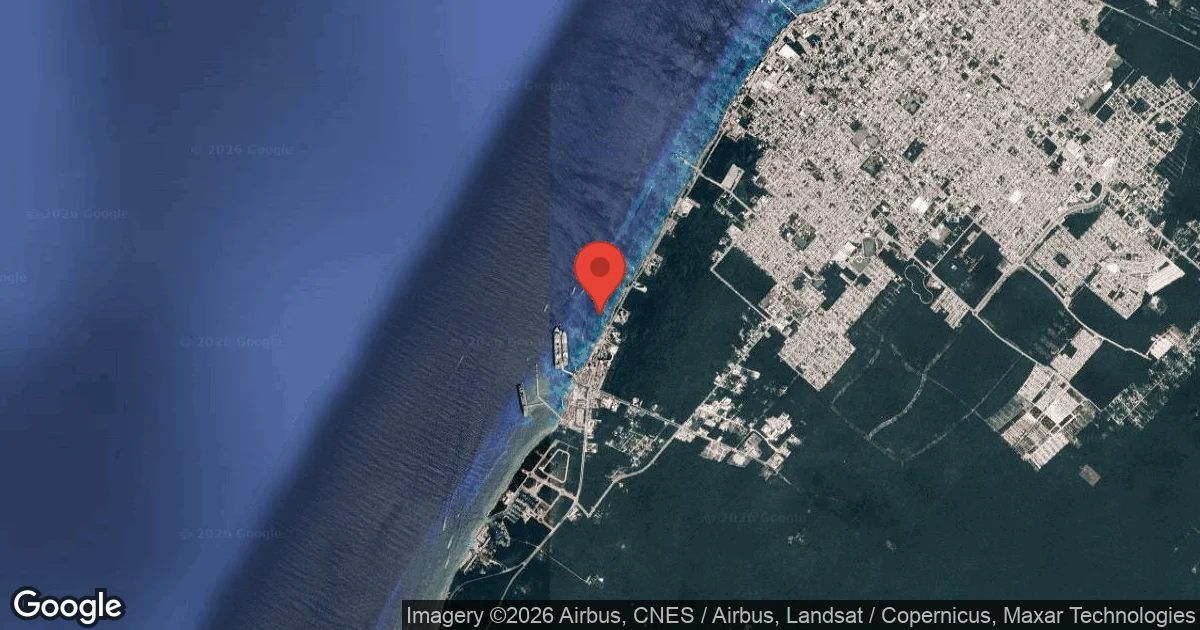
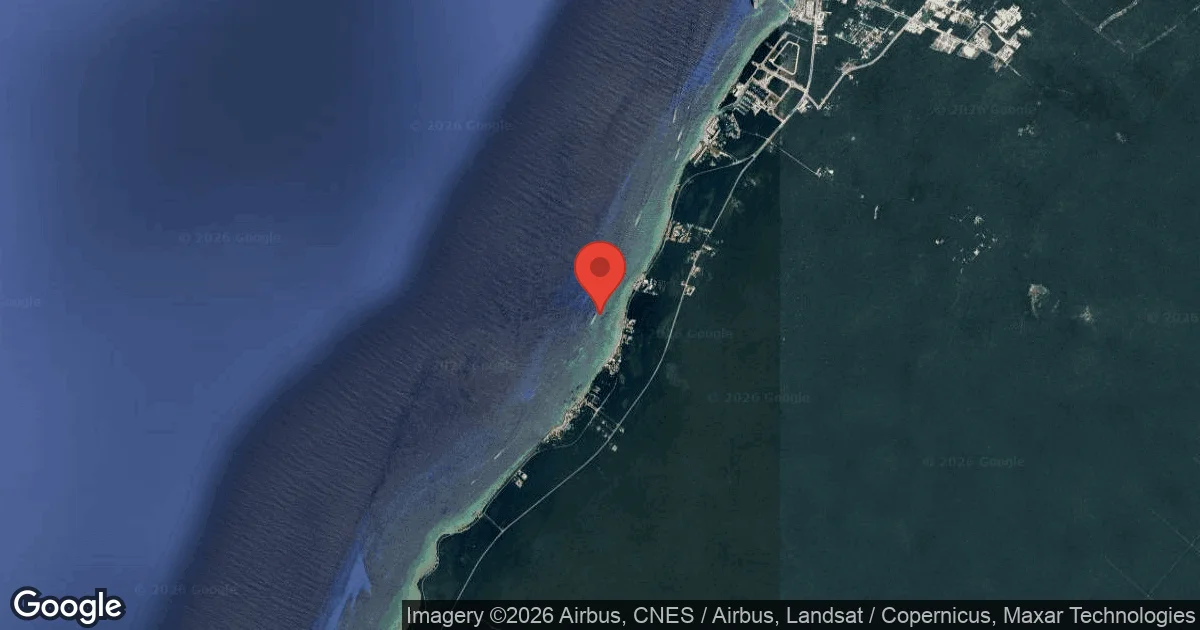
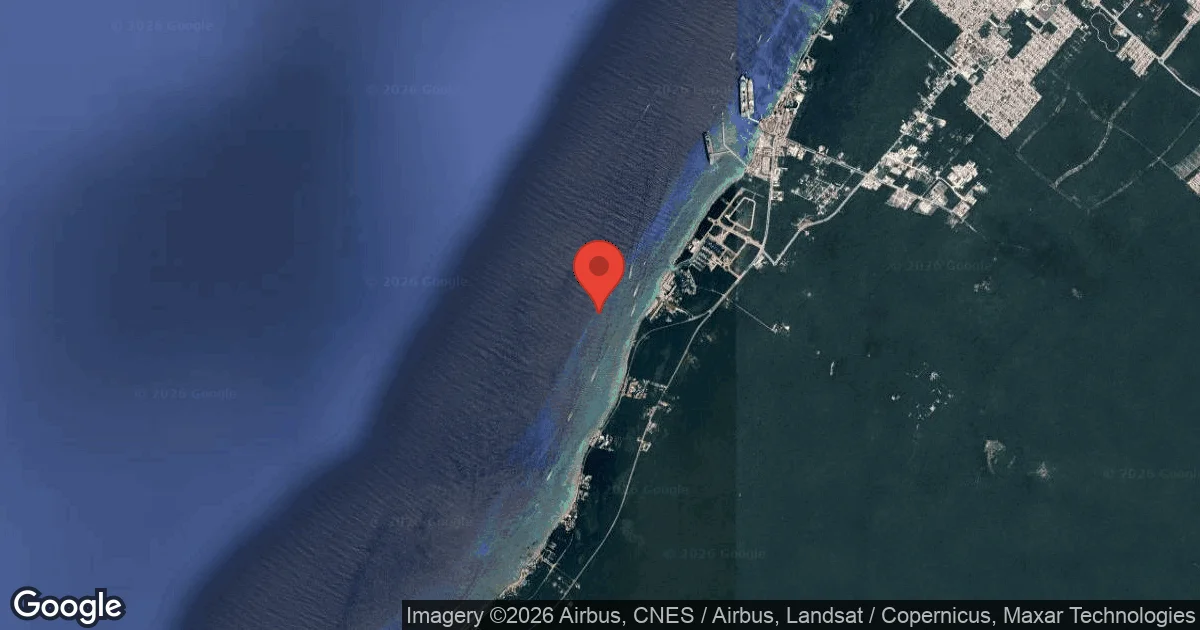
Dive Sites Near Santa Rosa Wall
View all dive sites in MexicoDiscover more underwater gems in this area.
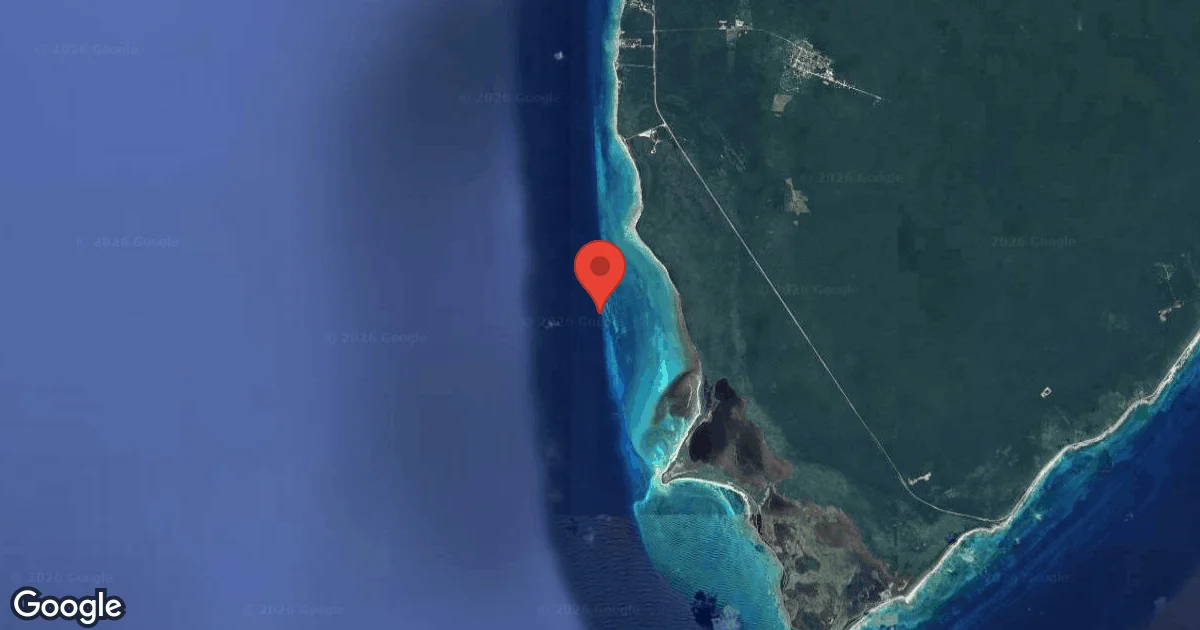
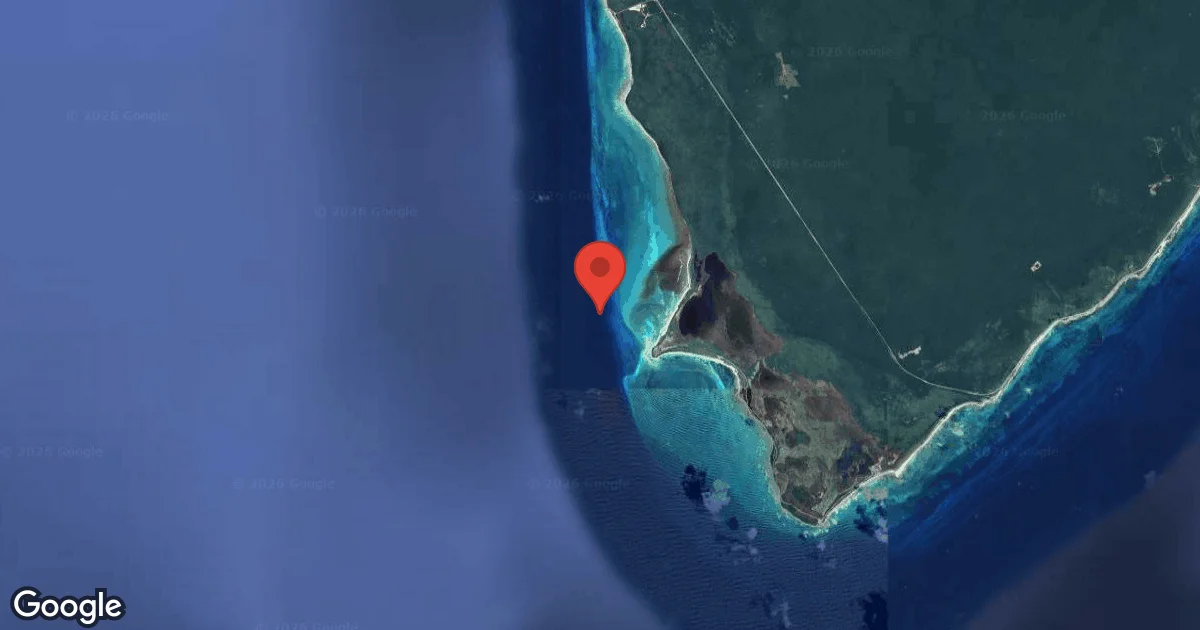
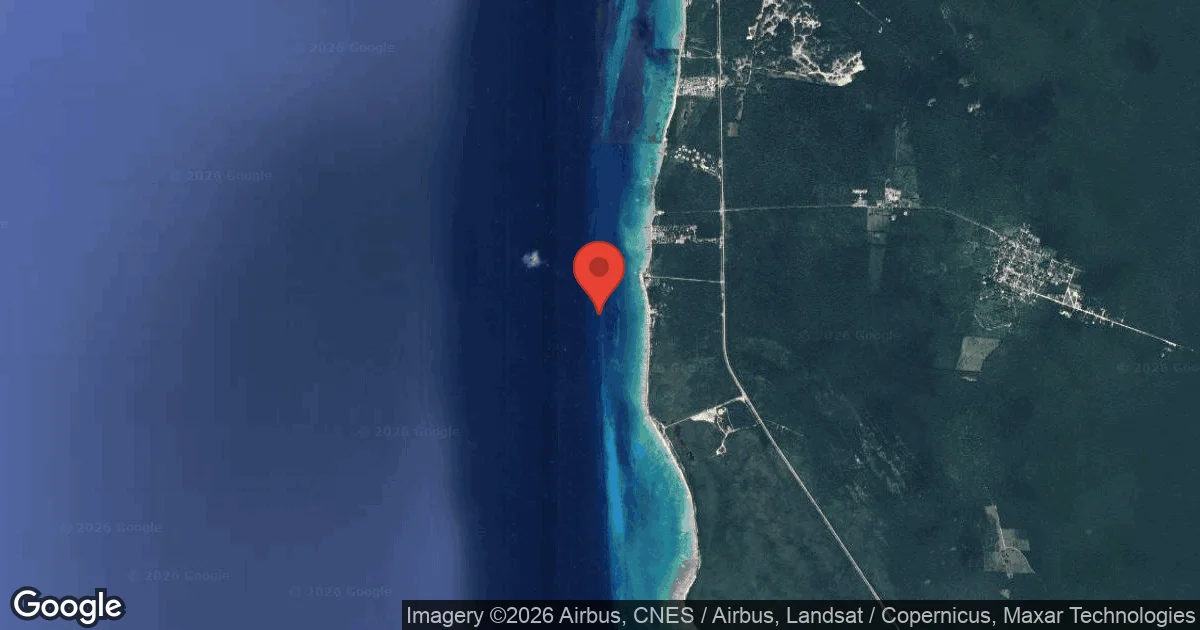
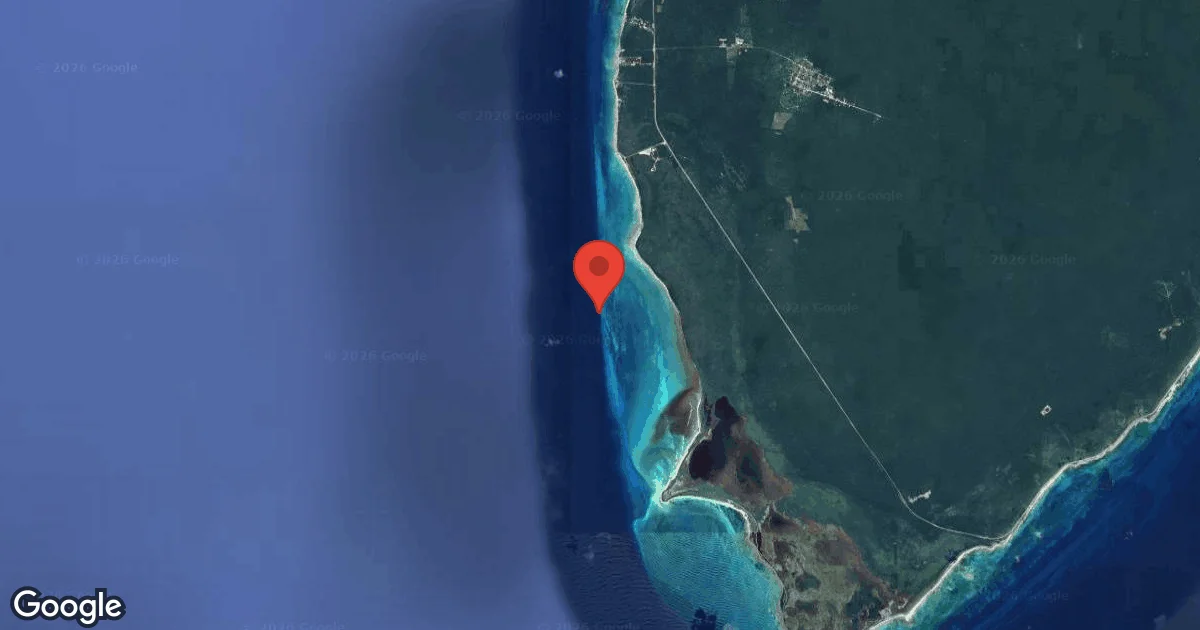
Dive Centers Near Santa Rosa Wall
Today: 08:00 - 17:00
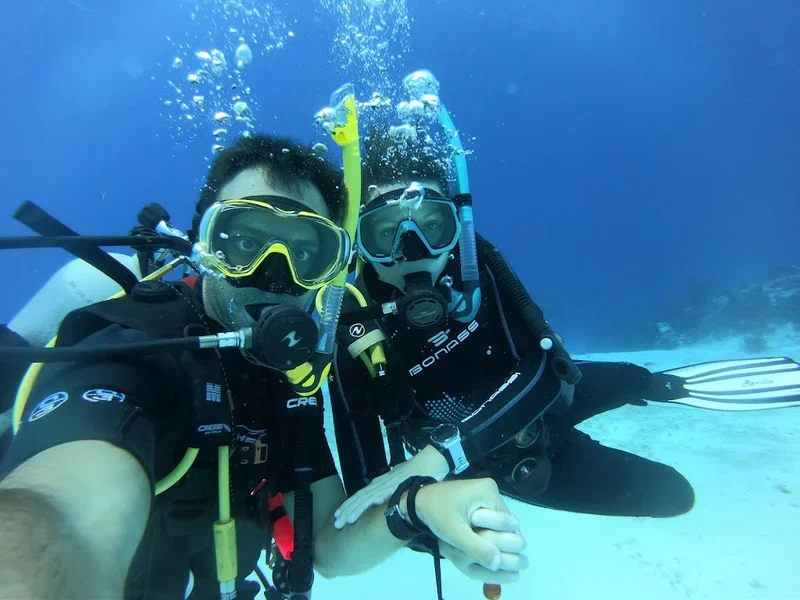
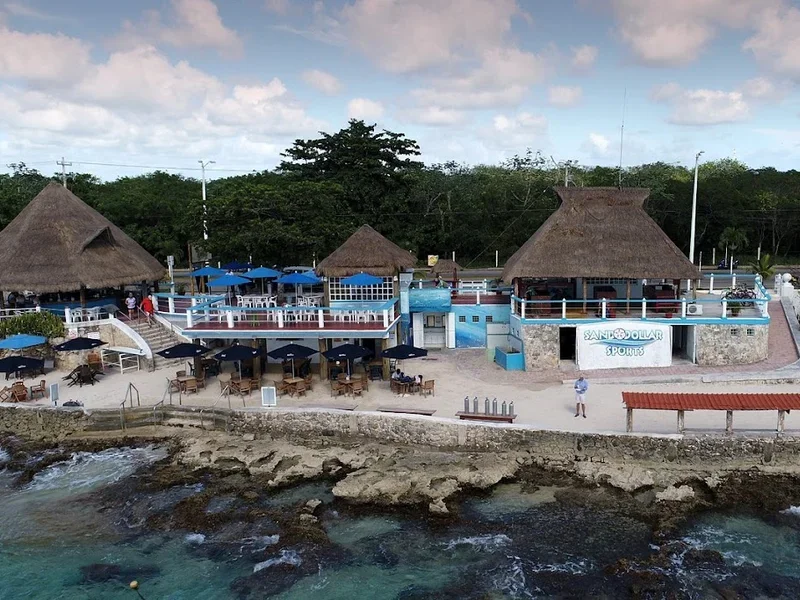
Nearest Airports
Nearest airports to help plan travel to this dive area.
Search Flights
Check available flights and routes on Expedia, using the nearby airports listed in this section.
Search Flights on ExpediaFrequently Asked Questions
What skill level is recommended for Santa Rosa Wall?
This site is best suited for intermediate to advanced divers. The presence of moderate to swift currents and the potential for deeper profiles require good buoyancy control and situational awareness.
What type of dive experience can I expect?
Santa Rosa Wall is primarily a drift dive, where currents gently carry you along the impressive vertical wall. This allows for effortless viewing of the extensive coral formations and marine life.
What is the typical depth range for diving at Santa Rosa Wall?
Divers commonly start along the upper sections of the wall, generally in the 15 to 24 meter range. The wall continues to drop well beyond 30 meters, allowing for deeper exploration by qualified divers.
What marine life might I encounter?
Expect to see spotted eagle rays, large groupers, snappers, angelfish, parrotfish, and butterflyfish. Occasional sightings include nurse sharks, green moray eels, barracudas, and various sea turtles.
When is the best time to dive Santa Rosa Wall?
The optimal period is generally from November to May. During these months, water conditions are typically calmer, and visibility is excellent, contributing to a smoother dive experience.
How good is the underwater visibility?
Visibility at Santa Rosa Wall is consistently excellent, often exceeding 30 meters. This allows for expansive views of the dramatic wall topography and its vibrant marine inhabitants.
Are there any unique geological features?
Yes, the reef features characteristic tunnels that cut through the coral structure around 24 meters. These provide an engaging overhead environment for exploration.
Planning to dive Santa Rosa Wall?
Send one inquiry and receive offers directly from the best verified local dive operators.
Conditions are Good
Optimal conditions expected
Current conditions near Santa Rosa Wall show 28° air, 30° sea temperature, 0.6 m waves, and 26 km/h wind. Forecast data is refreshed regularly to ensure accuracy.