
Diving at Paradise Reef (Mexico)
Sliding into the warm Caribbean embrace of Paradise Reef, divers often notice the gentle nudge of the current almost immediately. It's a feeling of effortless movement, where the reef unfolds before you, painted with vibrant corals and sponges. The water's comfortable temperature allows for long, relaxed explorations. Sunlight filters through, illuminating pockets of activity, making every turn a visual delight.
Tonight's objective overview for Paradise Reef shows an air temperature of 28°C. The measured surface conditions include wave heights around 0.2 m. This environmental data is logged for the close of the day.
Dive Site Location & Key Facts
Dive Site Overview
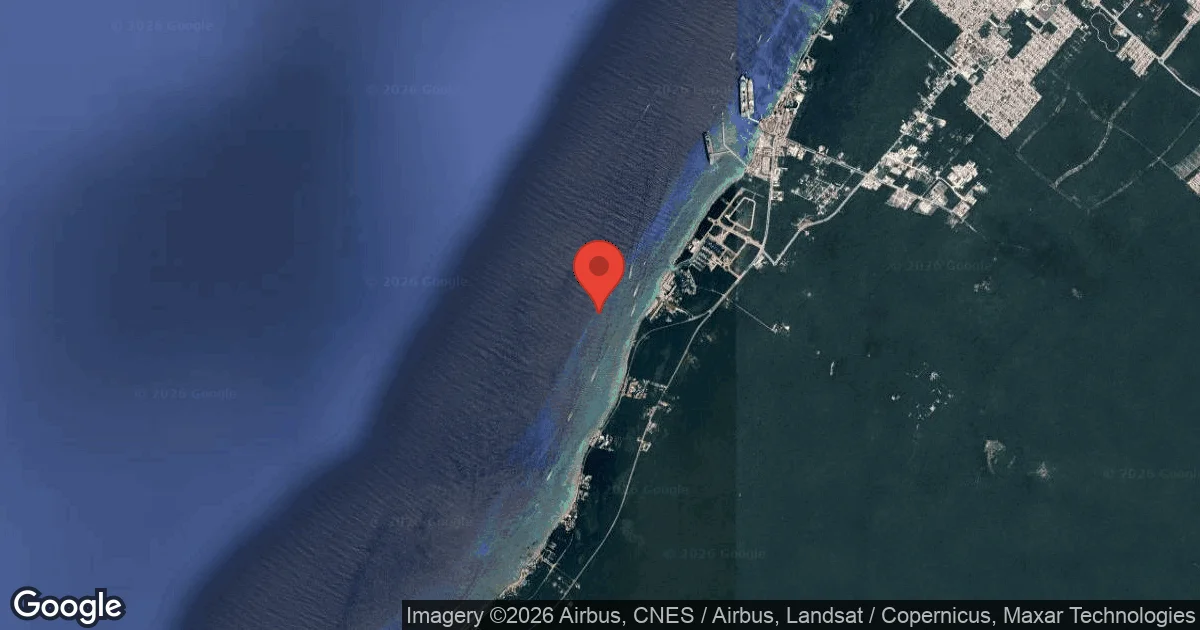
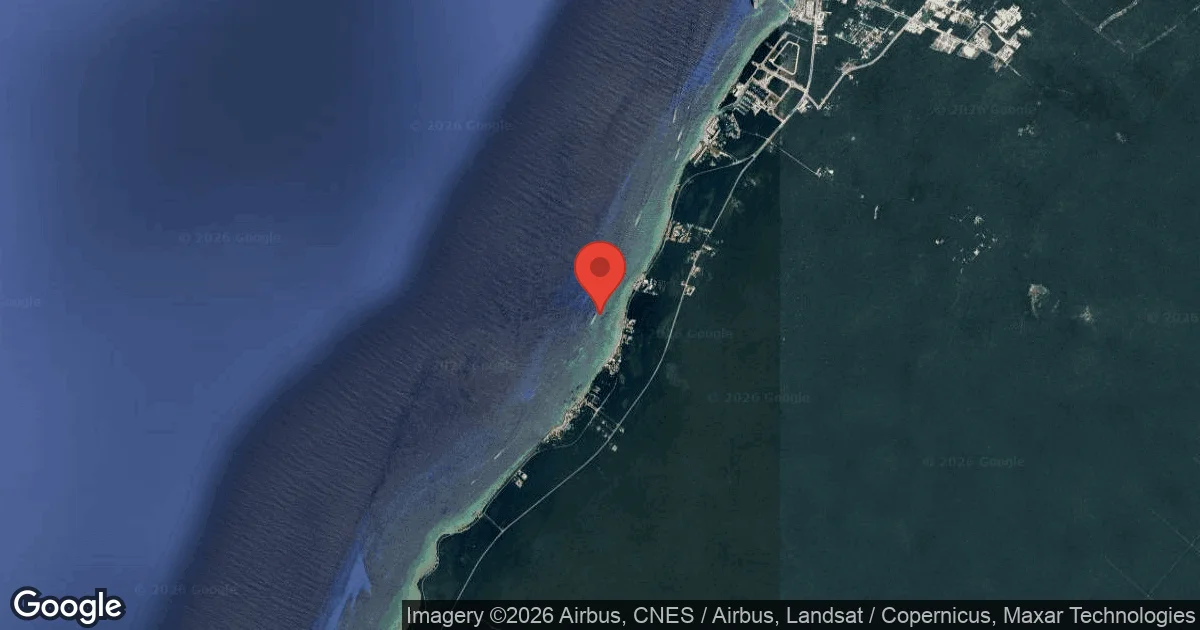
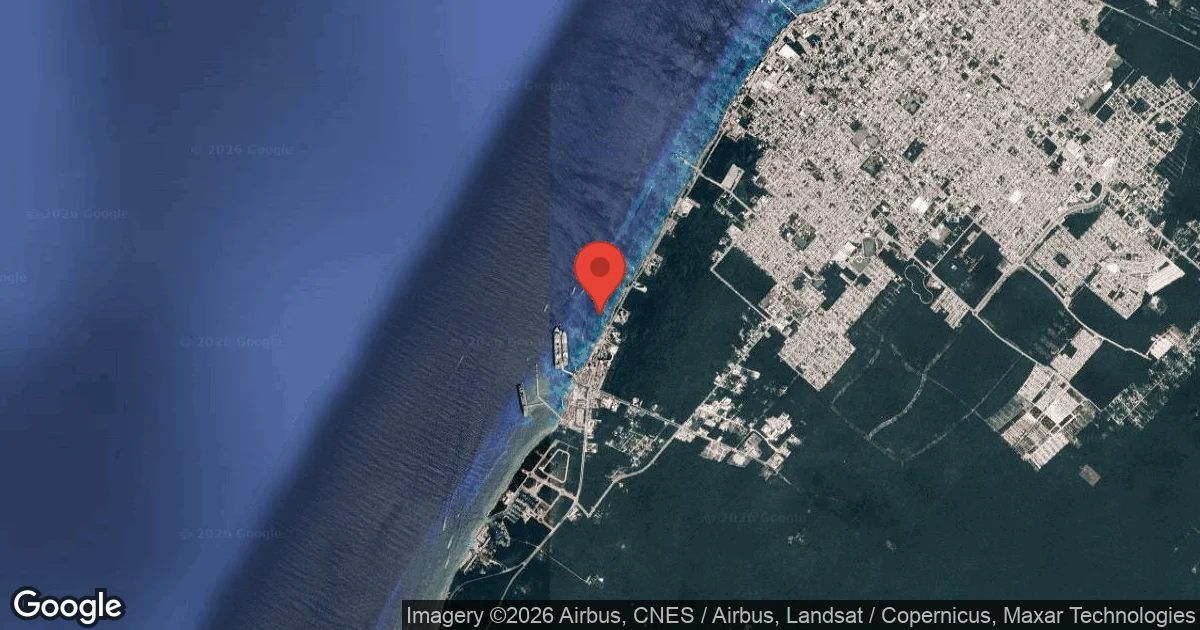
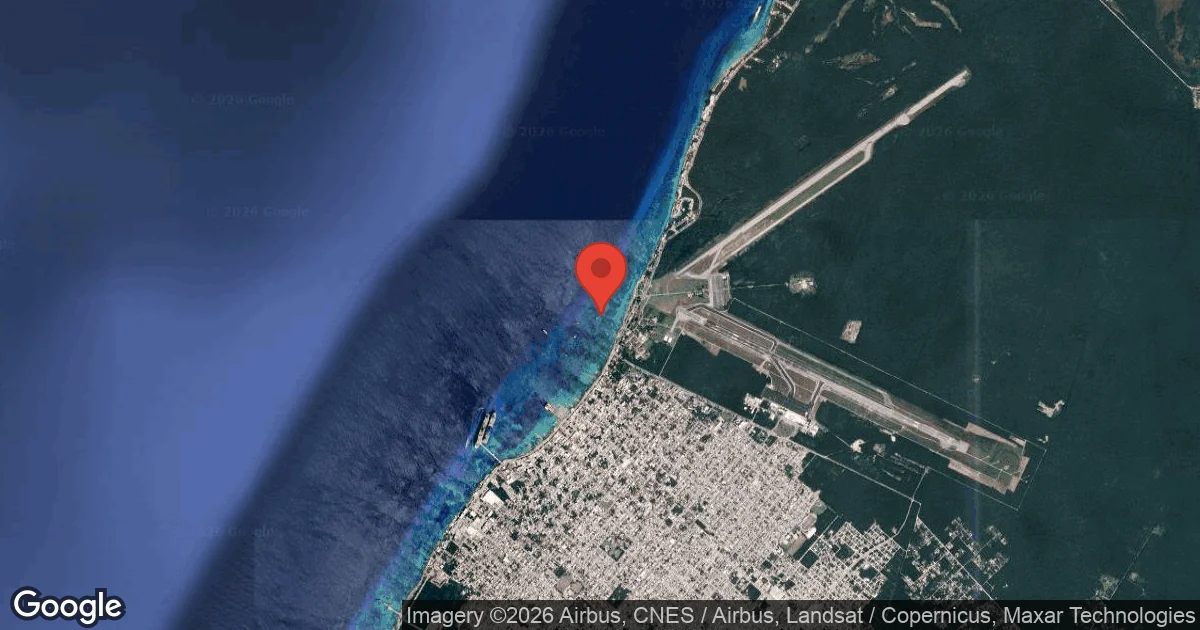
What makes Paradise Reef stand out isn't just its convenient location, just minutes from downtown San Miguel and the cruise ship piers; it's the site's unique structure and accessibility for all diver levels. This iconic Cozumel dive site is the northernmost reef within the Cozumel Reefs Natural Preserve, comprising three distinct sections: North, Middle, and South Paradise.
Each area presents its own character and opportunities for discovery. North Paradise Reef, for instance, offers intriguing swim-throughs and a habitat for smaller critters, making it a favorite for macro photographers.
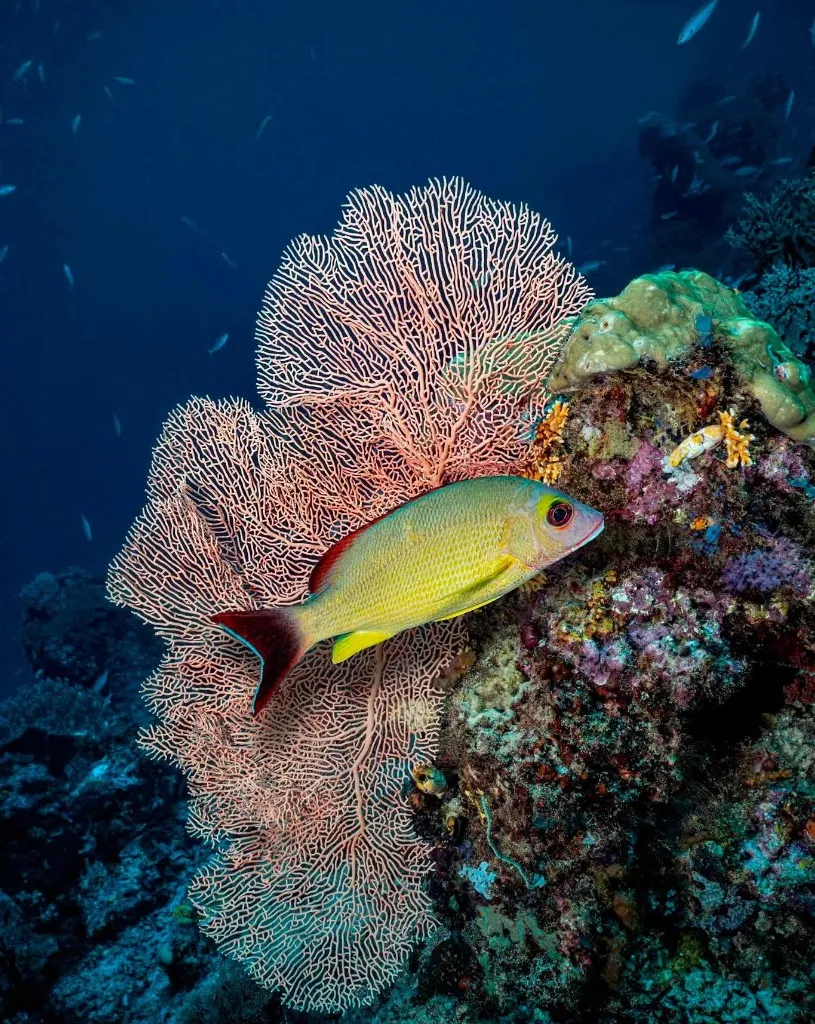
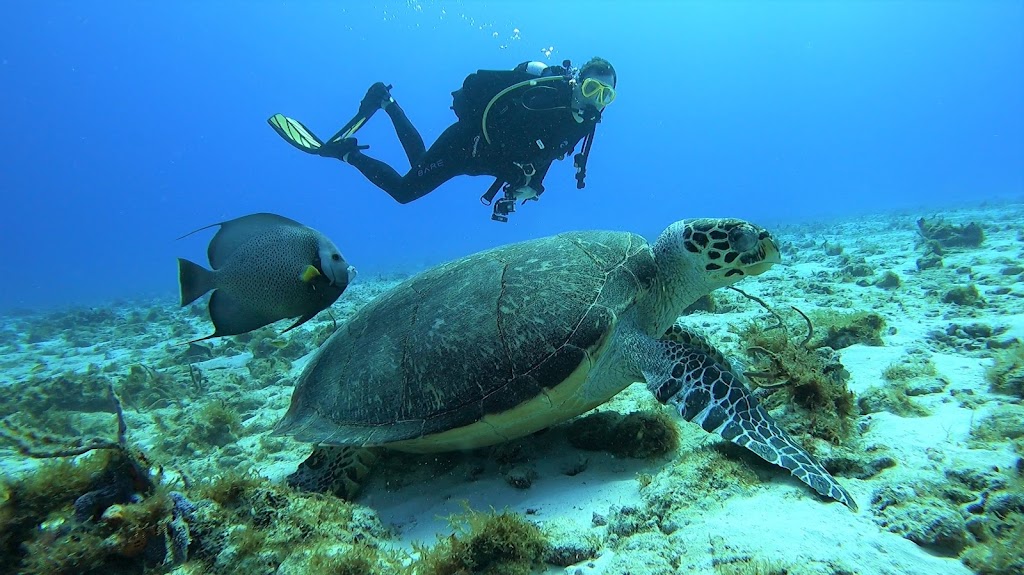
Moving towards Middle Paradise, divers find coral ridges interspersed with sandy bottoms, where stingrays and garden eels commonly thrive. The South Paradise section often presents the most vibrant panorama, hosting schools of snappers, white grunts, and the occasional turtle navigating among sponges and gorgonians.
With its shallow depths, typically ranging from 9-15 m (30-50 ft), and a mild to moderate northbound current that can vary, it's also a highly regarded spot for classic Cozumel drift diving and considered an excellent choice for night dives.
Conditions are Good
Optimal conditions expected
Current conditions near Paradise Reef show 28° air, 30° sea temperature, 0.2 m waves, and 26 km/h wind. Forecast data is refreshed regularly to ensure accuracy.
Best Time to Dive
Planning your dive to Paradise Reef means anticipating consistent conditions that support an enjoyable experience throughout much of the year. The dry season, from January to May, often provides 'Good' to 'Excellent' dive scores, with average air temperatures ranging from 24.5-28.5°C (76-83°F) and minimal rainfall. May, in particular, frequently achieves an 'Excellent' dive score. Entering the wetter, warmer months from June to November, conditions remain highly favorable, with air temperatures averaging 28.5-29°C (83-84°F) and many months still rated 'Excellent' for diving, despite increased rainfall. Wave heights and wind speeds tend to be mild during this period, enhancing comfort on the water. Even the late fall and early winter months, extending into December, maintain 'Good' dive scores, ensuring that Paradise Reef remains a reliable destination for captivating underwater exploration.
PEAK SEASON SCORE
Scores combine air & water temps, waves, wind & rainfall for overall conditions.
BEST MONTHS TO DIVE
Monthly records compiled from satellite and marine observation nodes over the last 3 years. Data provided by Open-Meteo and MET Norway.
Dive Experience & Conditions
As divers begin their descent at Paradise Reef, they enter a gentle, typically mild to moderate northbound current. This current makes for an easy drift dive, allowing the reef to unfold naturally beneath you. The site's maximum depth generally reaches 15 m (50 ft), making it perfect for new divers, those undergoing refresher courses, or underwater photographers seeking ample bottom time. Visibility varies depending on conditions but is often excellent, offering clear views of the diverse coral formations. While exploring, divers will encounter the distinct topography of the three reef sections. Whether navigating the swim-throughs of North Paradise or observing the coral ridges of Middle Paradise, the dive offers a relaxed pace suitable for appreciating the details of the reef system.
Dive Difficulty & Safety Guidelines
Approaching Paradise Reef with an understanding of its mild to moderate drift conditions is key for a comfortable and safe dive. Divers should remain aware of their position relative to the dive boat, especially as currents, though generally northbound, can occasionally shift.
It's prudent to review drift diving techniques, ensuring proper buoyancy control and group awareness to fully enjoy the experience. Always maintain a respectful distance from marine life and the delicate coral structures, avoiding contact to preserve the reef's health.
Given its popularity for night dives, divers should also ensure they are properly equipped with lighting and have experience with nocturnal diving procedures before embarking on a sunset exploration.
Recommended Equipment
Current and surface separation risk. Local briefing strongly recommended.
- Dive Computer
- DSMB
- Reel / Spool
This gear list is based on verified equipment signals for Paradise Reef, Mexico. Always confirm final gear choices with your dive operator, guide, or liveaboard.
Recommended Dive Suit
Weather models currently point toward consistent diving conditions over the next several days.
Even in warm destinations, extended dives can gradually draw heat away from the body.
Exposure protection such as dive skin or rash guard is commonly used when diving in waters of this temperature. Divers preparing to enter the water at Paradise Reef will likely find temperatures around 30°C (86°F) today. Surface air temperatures are resting at 28°C (83°F).
Emergency & Medical Support
Essential information to help you plan your dive trip to Paradise Reef.

Hyperbaric chambers are a critical part of dive safety infrastructure. Availability varies significantly by region, and not all dive areas have immediate access.
Before diving, it's recommended to:
- confirm nearest medical facilities
- check emergency procedures with local dive operators
- ensure dive insurance covers evacuation if required
Divers Alert Network
Diving emergency assistance available through DAN World.
+1-919-684-9111- 24/7 emergency hotline
- Diving medical assistance
- Evacuation coordination
Emergency contacts are provided for reference. Always verify local emergency services before diving.
Marine Life at Paradise Reef
For divers keen on observing endemic species, Paradise Reef presents a prime opportunity to spot the Splendid Toadfish, a species found exclusively in Cozumel. This unique fish, often camouflaged among the coral, is a highlight.
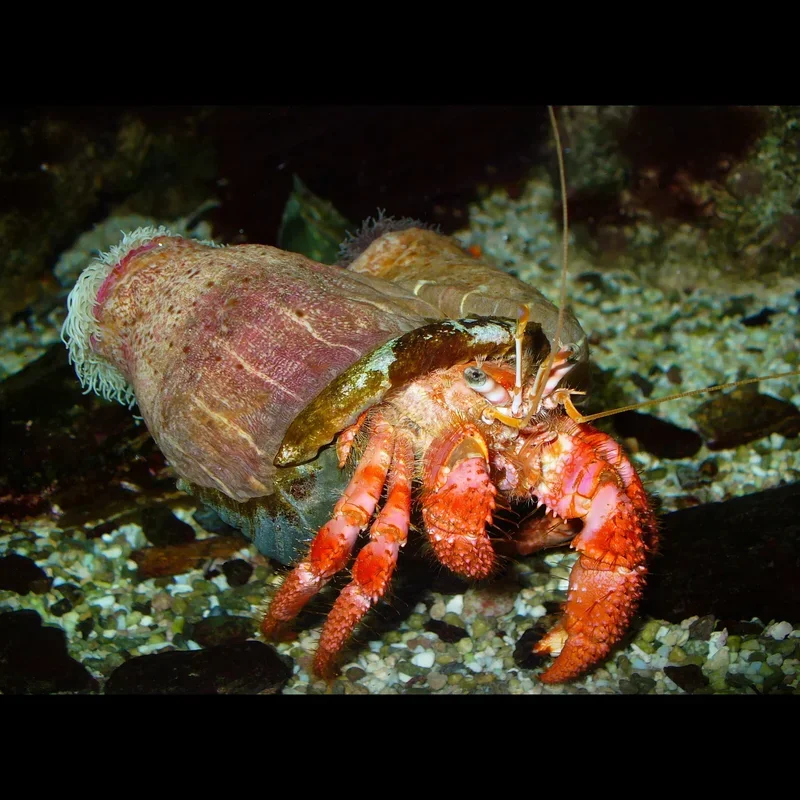
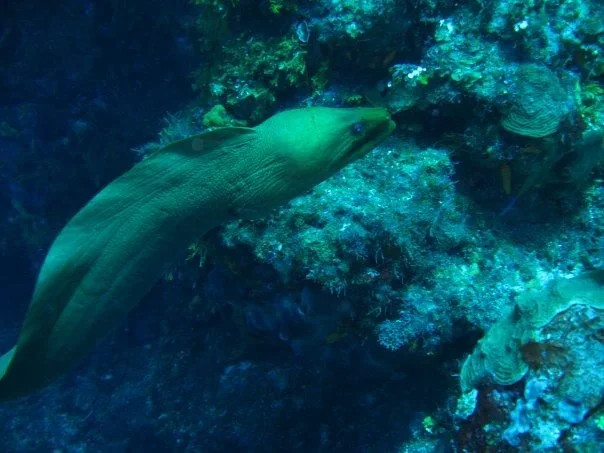
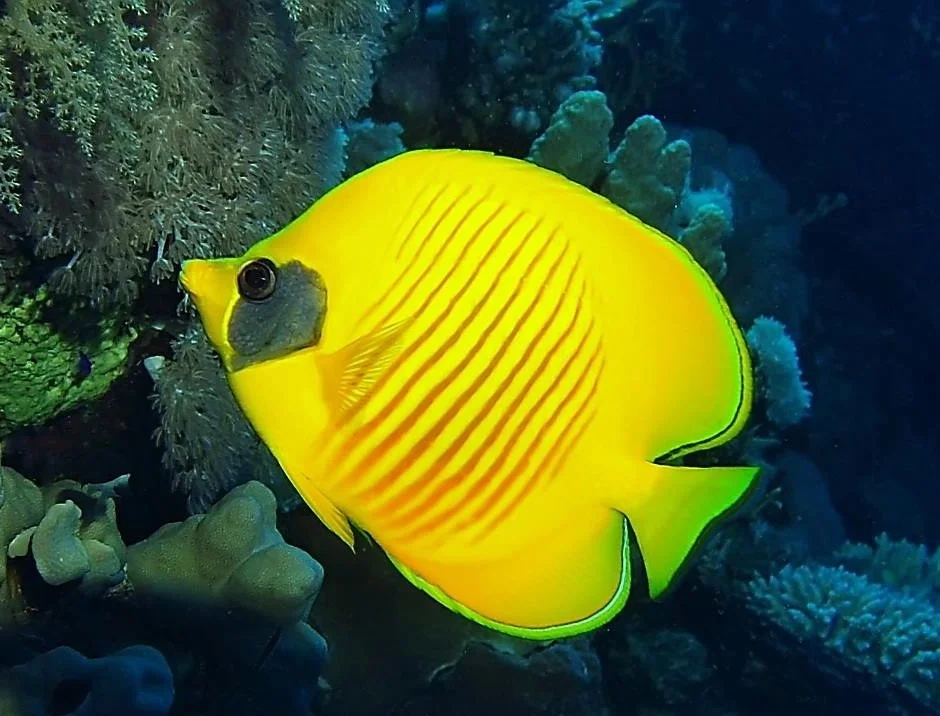
Beyond this special resident, the reef is home to a variety of tropical fish, including angelfish, parrotfish, and butterflyfish. You'll frequently encounter schools of snappers and grunts, alongside larger creatures like moray eels, lobsters, and stingrays.
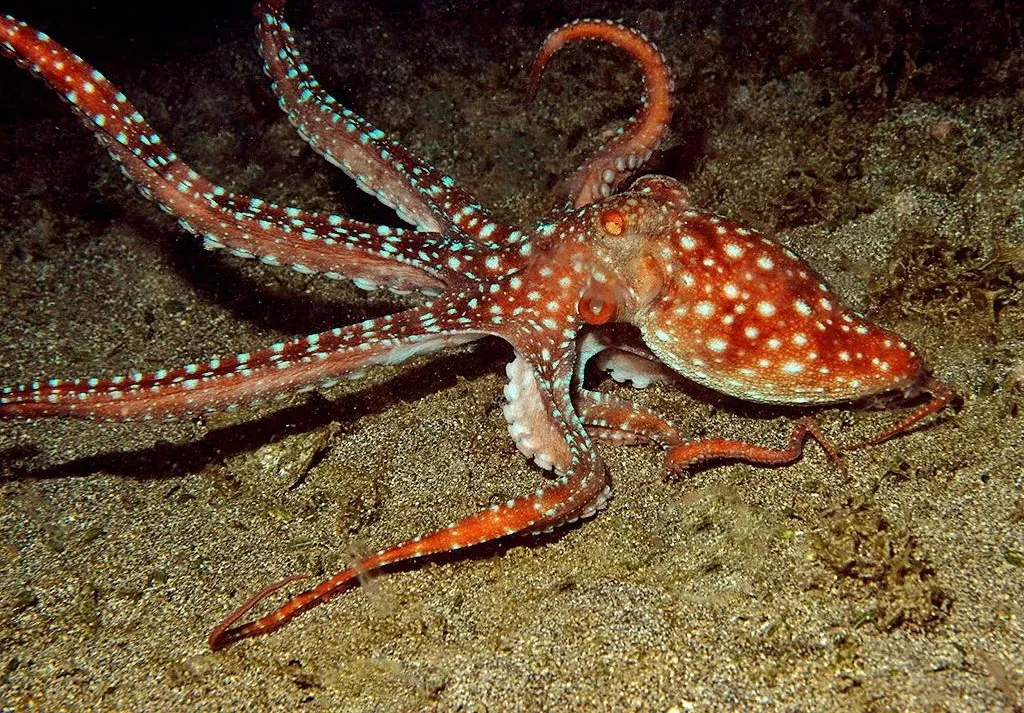
During night dives, the reef transforms, revealing octopuses, hermit crabs, and the mesmerizing glow of bioluminescence, adding another dimension to the marine experience.
Dive Sites Near Paradise Reef
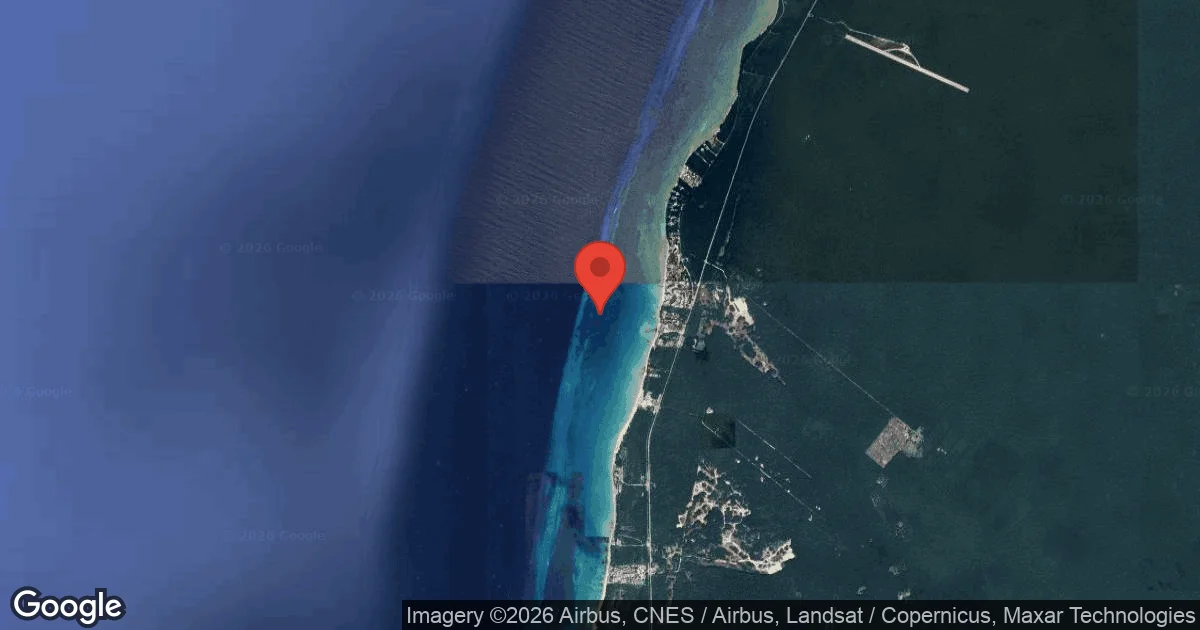
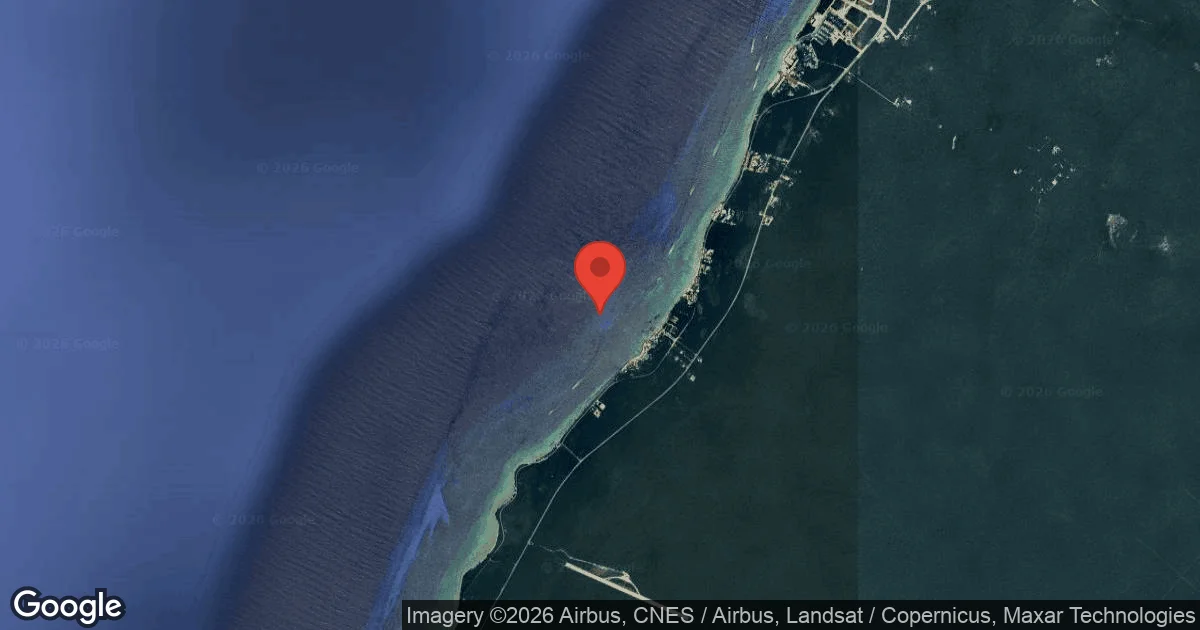
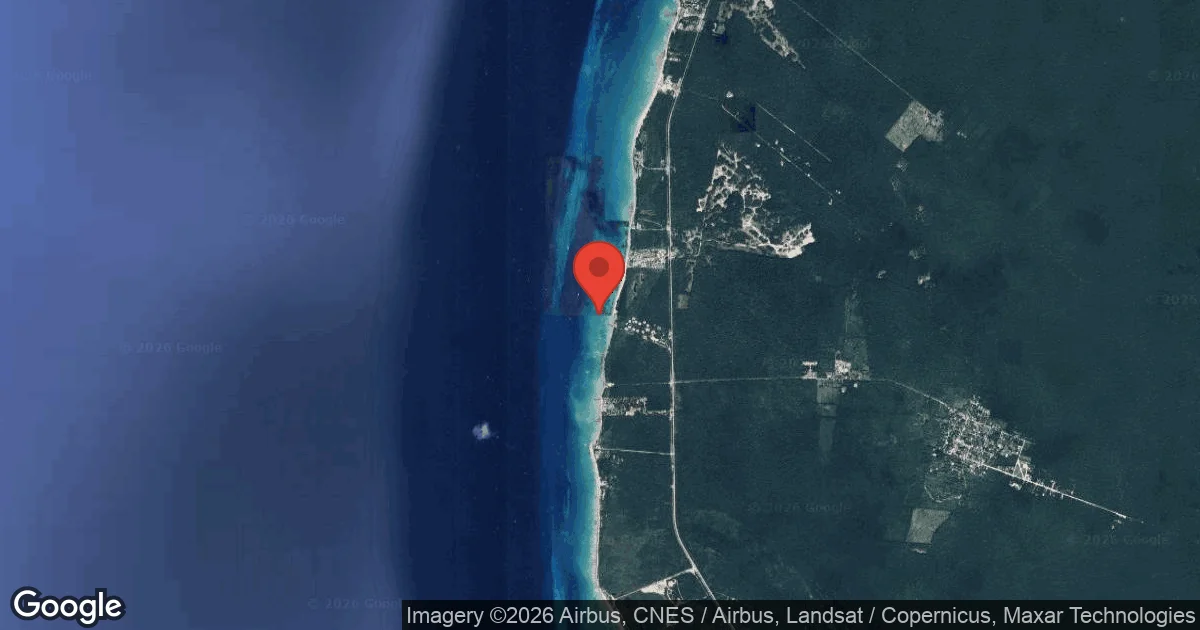
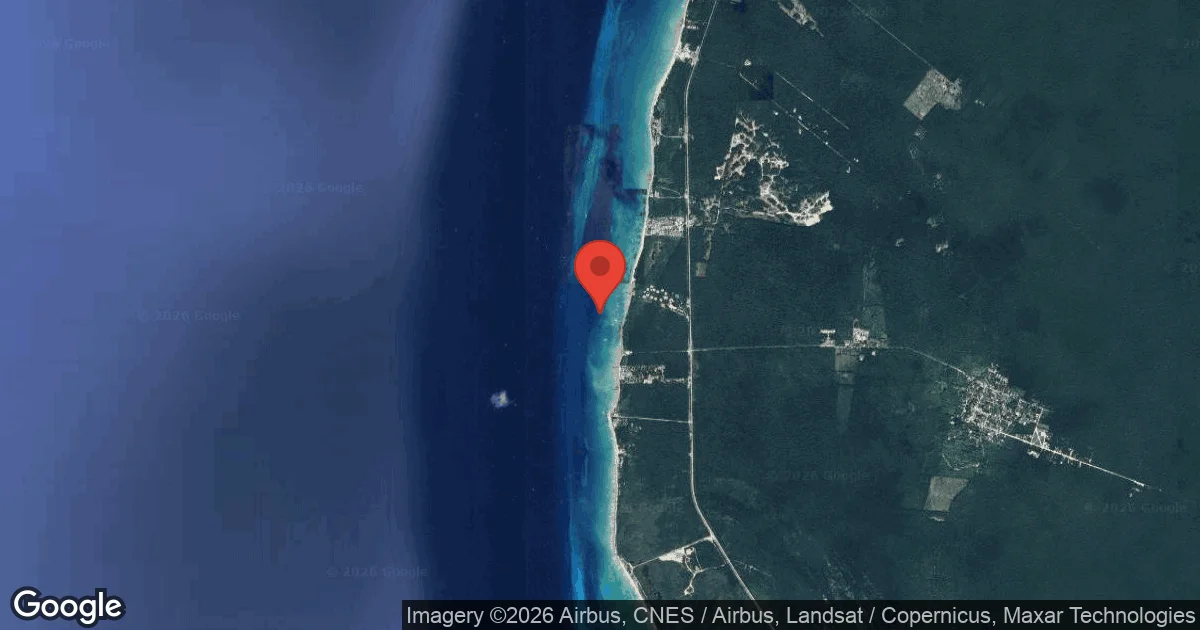
View all dive sites in MexicoDiscover more underwater gems in this area.
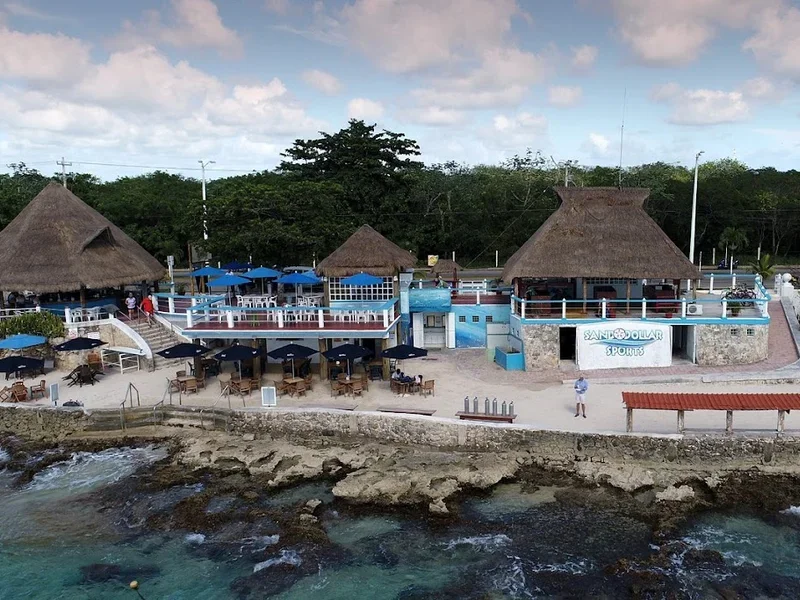
Dive Centers Near Paradise Reef
Today: 09:00 - 17:00

Nearest Airports
Nearest airports to help plan travel to this dive area.
Search Flights
Check available flights and routes on Expedia, using the nearby airports listed in this section.
Search Flights on ExpediaFrequently Asked Questions
What is the typical depth range at Paradise Reef?
Paradise Reef is generally shallow, with depths typically ranging from 9-15 meters (30-50 feet). The deeper sections can reach up to 15 meters (50 feet), making it accessible for a wide range of divers.
Is Paradise Reef suitable for beginner divers?
Yes, Paradise Reef is considered highly suitable for beginner divers. Its mild to moderate current and relatively shallow depths create a relaxed environment, ideal for those new to drift diving or seeking comfortable conditions.
What kind of current should I expect at Paradise Reef?
Divers typically encounter a mild to moderate northbound current at Paradise Reef. While generally consistent, its direction can occasionally vary, making it perfect for experiencing classic Cozumel drift diving.
Why is Paradise Reef recommended for night diving?
Paradise Reef is considered one of the best night dives in Cozumel due to its calm currents and the transformation of marine life after sunset. Divers often observe octopuses, lobsters, and the ethereal glow of bioluminescence, providing a unique experience.
What unique marine life can be seen at Paradise Reef?
A primary highlight is the endemic Splendid Toadfish, found only in Cozumel. Divers also regularly spot angelfish, snappers, white grunts, stingrays, and various tropical fish among the coral and sponges.
How is Paradise Reef structured?
Paradise Reef is composed of three main sections: North, Middle, and South Paradise. Each section offers distinct features, from swim-throughs and small critters in the North to coral ridges and sandy bottoms in the Middle, and vibrant schools of fish in the South.
Is Paradise Reef easily accessible?
Yes, Paradise Reef is very accessible, located just minutes from downtown San Miguel and the cruise ship piers. It's a popular choice for day trips due to its proximity and convenient boat entry.
Planning to dive Paradise Reef?
Send one inquiry and receive offers directly from the best verified local dive operators.
Conditions are Good
Optimal conditions expected
Current conditions near Paradise Reef show 28° air, 30° sea temperature, 0.2 m waves, and 26 km/h wind. Forecast data is refreshed regularly to ensure accuracy.