
Diving at Piedra Solitaria (Mexico)
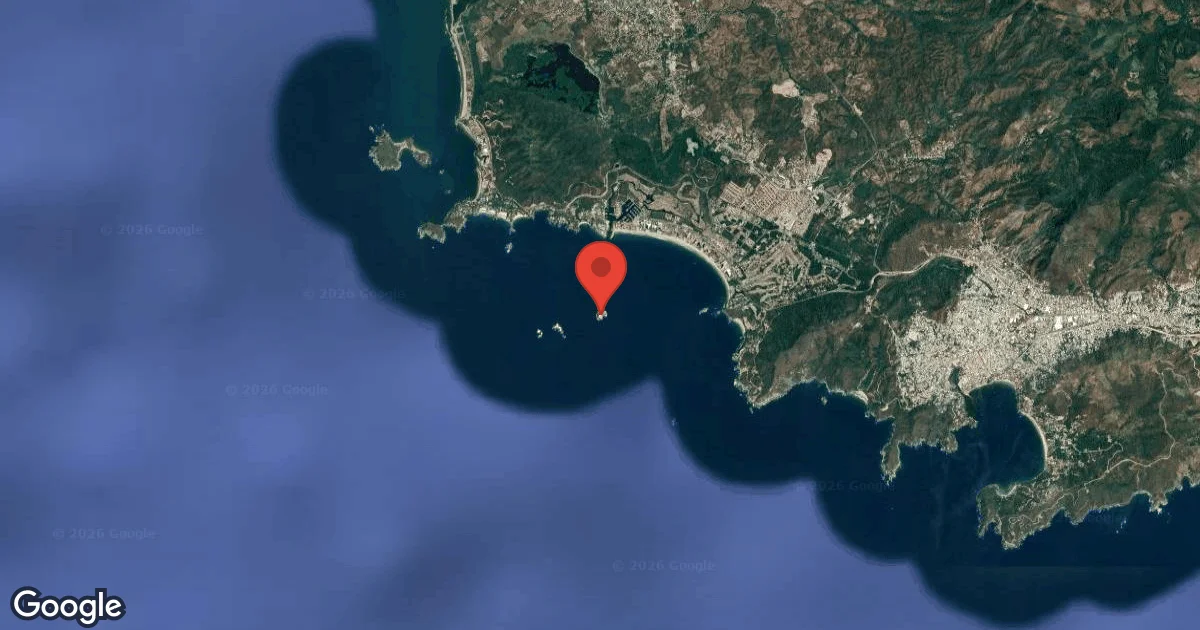
Piedra Solitaria offers a distinct diving experience along Mexico's Pacific Coast, situated near Ixtapa-Zihuatanejo. This site provides a compelling contrast for divers seeking engaging underwater topography without the significant crowds found at more heavily trafficked destinations. Its waters invite exploration, promising a different pace for certified enthusiasts.
As evening covers Piedra Solitaria, the local air temperature is measured at 29°C. The current wave height at the surface is recorded at 1.2 m. These late-day readings characterize the surface conditions for the night.
Dive Site Location & Key Facts
Dive Site Overview
Piedra Solitaria is defined by its striking wall formations, which plunge into the deeper Pacific waters, offering a dynamic environment for divers. This impressive vertical reef structure presents a compelling contrast to the more gradual slopes commonly found in other regional dive areas.
Along the substantial wall, a vibrant ecosystem thrives, supporting a diverse range of marine life that adheres to or patrols the rock faces. Exploring its contours, certified divers will find themselves well within comfortable recreational depth limits, often descending to around 30 m (100 ft). The site's offshore location means ocean currents and broader weather patterns directly influence conditions.
Observing the vertical relief allows for appreciation of varying species at different depth intervals, from the shallower, current-swept ledges to the deeper, calmer recesses. Visibility often benefits from calmer ocean periods, allowing for clear views of the extensive rock faces and the life inhabiting them.
Divers often report a sense of drift along parts of the wall, making for an effortless tour when currents are favorable. Its geology fosters a truly dynamic environment, attracting a mix of both sessile creatures and larger pelagic species in the surrounding Pelagic Zone.
Conditions are Good
Optimal conditions expected
Current conditions near Piedra Solitaria show 29° air, 32° sea temperature, 1.2 m waves, and 13 km/h wind. Forecast data is refreshed regularly to ensure accuracy.
Best Time to Dive
Planning a dive at Piedra Solitaria is best aligned with periods of enhanced visibility and calmer seas. The months from January through April, along with November and December, consistently show 'Good' dive scores, benefiting from lower average wave heights, typically ranging from 1.0 m to 1.3 m (3.3-4.3 ft). Rainfall is also at its minimum during these periods, with averages often below 1 mm (0.04 inches). July also presents a 'Good' dive score, with moderate wave heights and lower rain compared to the peak rainy season. Throughout the year, average annual water temperatures hover around 26°C (79°F), maintaining comfortable conditions for most dives. These calmer periods generally contribute to clearer water, allowing divers to appreciate the site's extensive wall features and marine inhabitants without obstruction.
PEAK SEASON SCORE
Scores combine air & water temps, waves, wind & rainfall for overall conditions.
BEST MONTHS TO DIVE
Monthly records compiled from satellite and marine observation nodes over the last 3 years. Data provided by Open-Meteo and MET Norway.
Dive Experience & Conditions
Approaching Piedra Solitaria, divers encounter a prominent wall dive, presenting opportunities to explore the vertical reef structure. Common sightings here include larger pelagic species, indicating a dynamic oceanic environment. The average annual water temperature of 26°C (79°F) ensures a comfortable diving experience, though a 3mm wetsuit is often recommended for protection against potential abrasions and prolonged immersion. While specific depths can vary, the site generally falls within standard recreational dive limits. Currents can be a factor, influenced by prevailing ocean patterns, and may require moderate experience for comfortable navigation. Visibility can fluctuate but is typically good, allowing for appreciation of the wall's contours and the diverse life it supports.
Dive Difficulty & Safety Guidelines
Ensuring a safe dive at Piedra Solitaria requires adherence to established protocols, particularly given its open ocean exposure. While no specific inherent hazards are consistently reported, divers should always assess current conditions and dive within their certification limits. Local dive operators provide continuous guidance from qualified instructors, which is crucial for navigating any changing conditions.
For any decompression emergencies, a hyperbaric chamber operated by qualified personnel is available at the Navy Hospital in Ixtapa. Planning for appropriate surface intervals is essential; divers should not fly for at least 20 hours after their last dive to mitigate decompression sickness risks. Always follow instructor advice and safety briefings carefully.
Recommended Equipment
- Dive Computer
This gear list is based on verified equipment signals for Piedra Solitaria, Mexico. Always confirm final gear choices with your dive operator, guide, or liveaboard.
Recommended Dive Suit
Current diving conditions indicate water temperatures around 32°C (90°F) at Piedra Solitaria. Surface air temperatures are resting at 29°C (85°F).
Environmental conditions may feel slightly cooler as the week progresses. Cooler days are ahead; you might want a warmer option for later in the week. A neoprene vest or hood can add flexibility if temperatures feel cooler underwater.
In water temperatures like these, dive skin or rash guard typically offers sufficient warmth for most recreational dives. Some divers naturally tolerate cooler water better than others. Divers planning trips later in the week may want to consider bringing a slightly warmer suit.
Emergency & Medical Support
Essential information to help you plan your dive trip to Piedra solitaria.

Hyperbaric chambers are a critical part of dive safety infrastructure. Availability varies significantly by region, and not all dive areas have immediate access.
Before diving, it's recommended to:
- confirm nearest medical facilities
- check emergency procedures with local dive operators
- ensure dive insurance covers evacuation if required
Divers Alert Network
Diving emergency assistance available through DAN World.
+1-919-684-9111- 24/7 emergency hotline
- Diving medical assistance
- Evacuation coordination
Emergency contacts are provided for reference. Always verify local emergency services before diving.
Marine Life at Piedra Solitaria
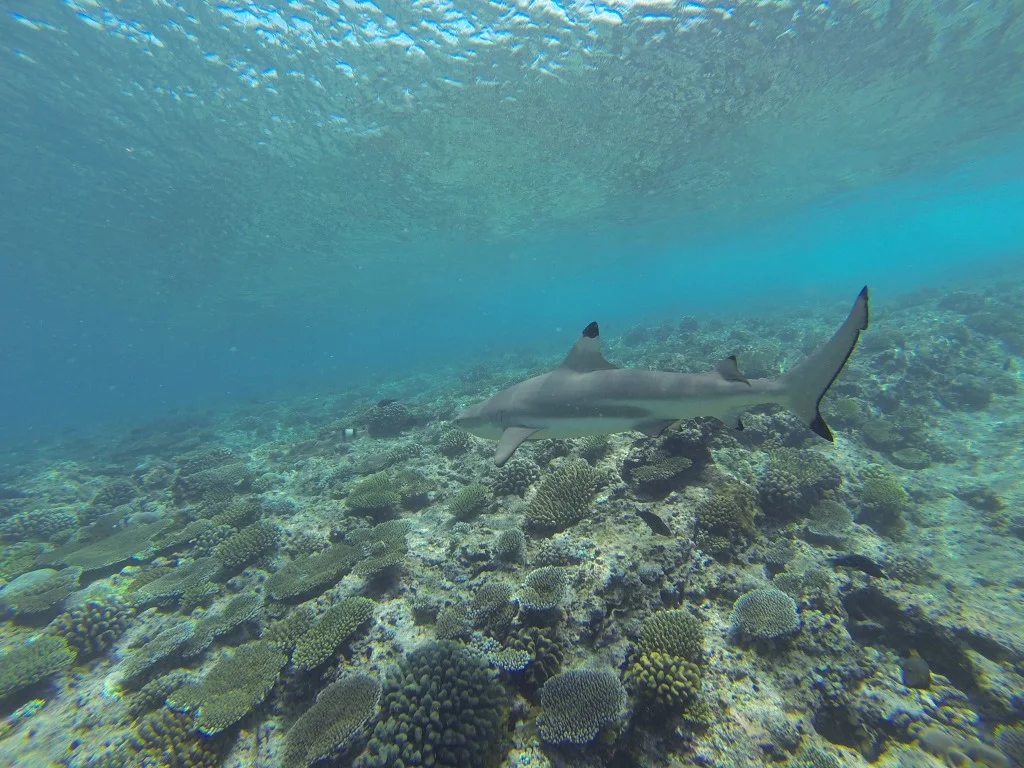
Diving here, one might first notice the larger forms of marine life that frequent its waters. Common sightings include various species of sharks, which can patrol the deeper sections.
Encounters with majestic whales and playful dolphins are also possible, especially during migration seasons. Throughout the year, divers frequently observe different types of turtles, often seen grazing on the reef or resting in crevices along the wall.
The vertical structure of Piedra Solitaria attracts a diverse array of fish, making for an active dive.
Dive Sites Near Piedra Solitaria
View all dive sites in MexicoDiscover more underwater gems in this area.
Dive Centers Near Piedra Solitaria
Today: 08:00 - 22:00
Nearest Airports
Nearest airports to help plan travel to this dive area.
Search Flights
Check available flights and routes on Expedia, using the nearby airports listed in this section.
Search Flights on ExpediaFrequently Asked Questions
When is the best time of year to dive Piedra Solitaria?
Optimal diving periods generally occur from January through April, and again in November and December. July also often presents favorable conditions. These months consistently show good dive scores, benefiting from calmer seas and clearer visibility.
What kind of dive experience does Piedra Solitaria offer?
Divers primarily engage in a wall dive at Piedra Solitaria, exploring prominent vertical reef structures. The site's dynamic environment provides a compelling contrast to more gradual slopes found in other regional dive areas. Expect a vibrant ecosystem thriving along these rock faces.
What are the typical maximum depths for dives at this site?
Dives at Piedra Solitaria usually remain within comfortable recreational limits, often descending to around 30 m (100 ft). Shallower sections along the wall also provide ample exploration opportunities for divers.
Are strong currents common at Piedra Solitaria?
Currents can be a factor, influenced by prevailing ocean patterns and the site's open ocean exposure. Divers may require moderate experience for comfortable navigation. Favorable currents can, however, contribute to an effortless drift along the wall.
What marine life can divers expect to see?
Piedra Solitaria attracts a mix of larger pelagic species, with sightings of various sharks, whales, and dolphins possible, especially during migration seasons. Throughout the year, divers frequently observe different types of turtles, along with a diverse array of reef fish inhabiting the wall.
What wetsuit thickness is recommended for diving here?
With an average annual water temperature of 26°C (79°F), a 3mm wetsuit is generally recommended. This thickness provides thermal comfort and offers protection against potential abrasions or contact with marine growth during your dive.
Where is the nearest hyperbaric chamber for emergencies?
For any decompression emergencies, a hyperbaric chamber operated by qualified personnel is available at the Navy Hospital in Ixtapa. Local dive operators will provide information on access and protocols.
Planning to dive Piedra Solitaria?
Send one inquiry and receive offers directly from the best verified local dive operators.
Conditions are Good
Optimal conditions expected
Current conditions near Piedra Solitaria show 29° air, 32° sea temperature, 1.2 m waves, and 13 km/h wind. Forecast data is refreshed regularly to ensure accuracy.