
Diving at San Gabriel (Mexico)
San Gabriel in Mexico's Pacific Coast region reveals a significant wall diving experience. Its underwater landscape is shaped by dramatic vertical drop-offs, characteristic of many sites in the Sea of Cortez vicinity. These subsea structures create dynamic environments, providing shelter and hunting grounds for various marine species. Exploring the contours of its extensive walls offers divers a direct encounter with the distinct geological formations of this biodiverse region.
As evening covers San Gabriel, the local air temperature is measured at 29.5°C. The current wave height at the surface is recorded at 1.3 m. These late-day readings characterize the surface conditions for the night.
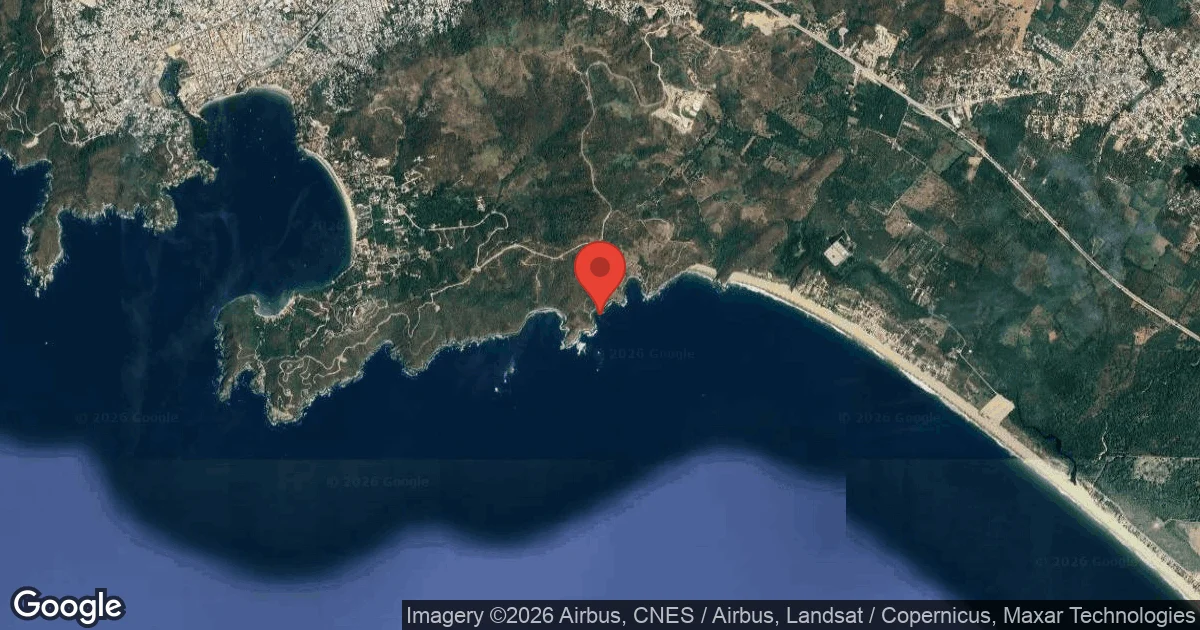
Dive Site Location & Key Facts
Dive Site Overview
Exploring San Gabriel offers divers an authentic encounter with the Pacific Coast's dramatic underwater landscape, particularly for those drawn to immersive wall diving. This site, recognized for its prominent wall features, is part of a broader diving ecosystem near La Paz, where conditions frequently demand mid-level to advanced skills.
Diving here truly involves navigating significant depths and a unique subsea topography, where vertical walls plunge downwards, creating an environment akin to an underwater canyon system. These extensive formations provide shelter and complex structures for a wide array of marine species. Visibility across the area typically maintains a clear range of 15-24 m (50-80 ft), allowing ample light penetration and expansive views of the geological features and the resident marine life.
Furthermore, the underwater environment near San Gabriel is largely free of commercial fishing, a factor that profoundly contributes to an impressive and robust diversity of fauna. Divers can expect a dynamic setting, full of stunning marine life that thrives within a complex, current-influenced environment.
Navigating these currents requires situational awareness, but the reward is a vibrant ecosystem interacting directly with the site's grand, sculpted walls. It's a dive that rewards careful planning and observant exploration, revealing different aspects of the wall as divers move along its contours.
Conditions are Good
Optimal conditions expected
Current conditions near San Gabriel show 29° air, 32° sea temperature, 1.2 m waves, and 14 km/h wind. Forecast data is refreshed regularly to ensure accuracy.
Best Time to Dive
Considering seasonal patterns reveals distinct preferences for diving at San Gabriel. The months from January through April, and again in November and December, consistently show a 'Good' dive score. During these periods, air temperatures average between 26°C (79°F) and 27.5°C (82°F), with significantly lower rainfall, often less than 1 mm (0.04 in). Wave heights also tend to be more moderate compared to other times of the year, enhancing comfort for boat travel and surface conditions. Conversely, months like May through October are labeled 'Moderate' for diving, often presenting slightly higher air temperatures peaking around 28.5°C (83°F), increased wave heights, and more substantial rainfall, sometimes reaching 9.7 mm (0.38 in) in September. Water temperature data is not consistently reported for this specific location, but local conditions often vary depending on the season and depth.
PEAK SEASON SCORE
Scores combine air & water temps, waves, wind & rainfall for overall conditions.
BEST MONTHS TO DIVE
Monthly records compiled from satellite and marine observation nodes over the last 3 years. Data provided by Open-Meteo and MET Norway.
Dive Experience & Conditions
Navigating the waters around San Gabriel often means encountering a range of dynamic conditions. Strong currents are a notable characteristic of diving in this region, which can influence how divers approach and experience the site. The site's wall formations contribute to these current dynamics, creating diverse flow patterns. Depths here, particularly in the vicinity of other deep wall sites like La Reina, extend into the recreational limit and beyond, with some areas dropping to 45-150 ft (14-46 m) at nearby locations. Divers should be prepared for potential thermoclines, which can introduce noticeable temperature changes at different depths. While specific water temperature data for San Gabriel is not consistently reported, conditions can vary, requiring attention to thermal protection. Typical visibility in this area maintains a clear range of 15-24 m (50-80 ft).
Dive Difficulty & Safety Guidelines
Approaching San Gabriel requires divers to be well-prepared for conditions commonly found in the La Paz area. Diving here is often categorized as mid-level to advanced due to the strong currents, variable depths, and presence of thermoclines. It's essential for divers to possess adequate training and experience to manage these factors effectively.
Awareness of dive site topography and the potential for changing water movements is crucial. Always adhere to your certification limits and consider additional training, such as advanced open water or drift diving specialties, if you plan to explore deeper or more current-prone sections.
Prioritizing conservative dive planning ensures a safer experience when interacting with San Gabriel's underwater challenges.
Recommended Equipment
- Dive Computer
This gear list is based on verified equipment signals for San Gabriel, Mexico. Always confirm final gear choices with your dive operator, guide, or liveaboard.
Recommended Dive Suit
Divers visiting San Gabriel today can expect water conditions around 32°C (89°F). Surface air temperatures are resting at 29°C (85°F).
For the majority of recreational dives here, dive skin or rash guard should provide suitable protection.
Surface temperatures may decrease slightly later in the week. Cooler days are ahead; you might want a warmer option for later in the week. Some divers prefer carrying a slightly thicker suit as a backup.
Emergency & Medical Support
Essential information to help you plan your dive trip to San Gabriel.

Hyperbaric chambers are a critical part of dive safety infrastructure. Availability varies significantly by region, and not all dive areas have immediate access.
Before diving, it's recommended to:
- confirm nearest medical facilities
- check emergency procedures with local dive operators
- ensure dive insurance covers evacuation if required
Divers Alert Network
Diving emergency assistance available through DAN World.
+1-919-684-9111- 24/7 emergency hotline
- Diving medical assistance
- Evacuation coordination
Emergency contacts are provided for reference. Always verify local emergency services before diving.
Marine Life at San Gabriel
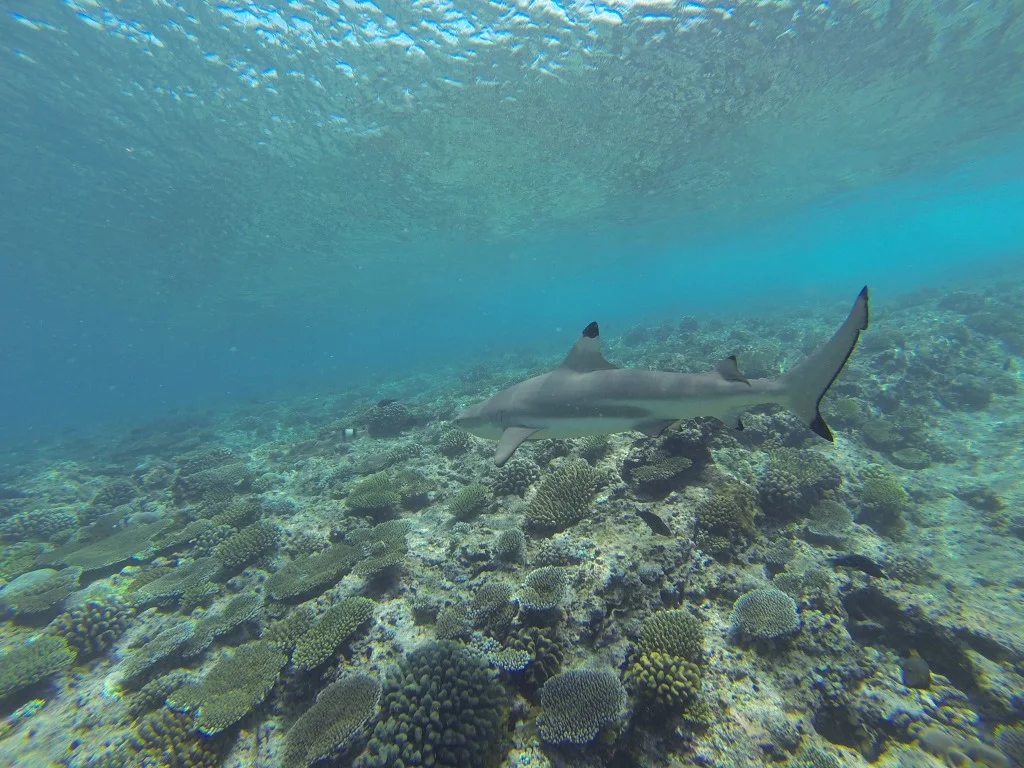
The waters surrounding San Gabriel and the broader Pacific Coast of Mexico are recognized for their vibrant marine populations. Divers may encounter larger pelagic species such as sharks, whales, dolphins, and various turtles.
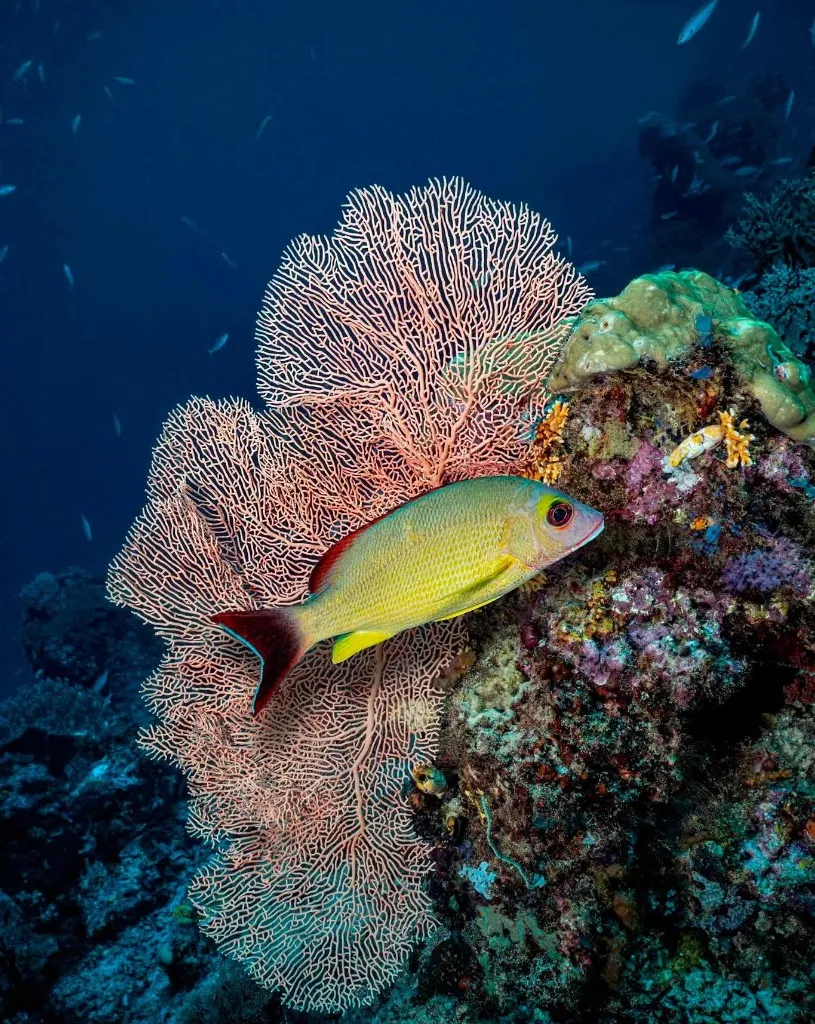
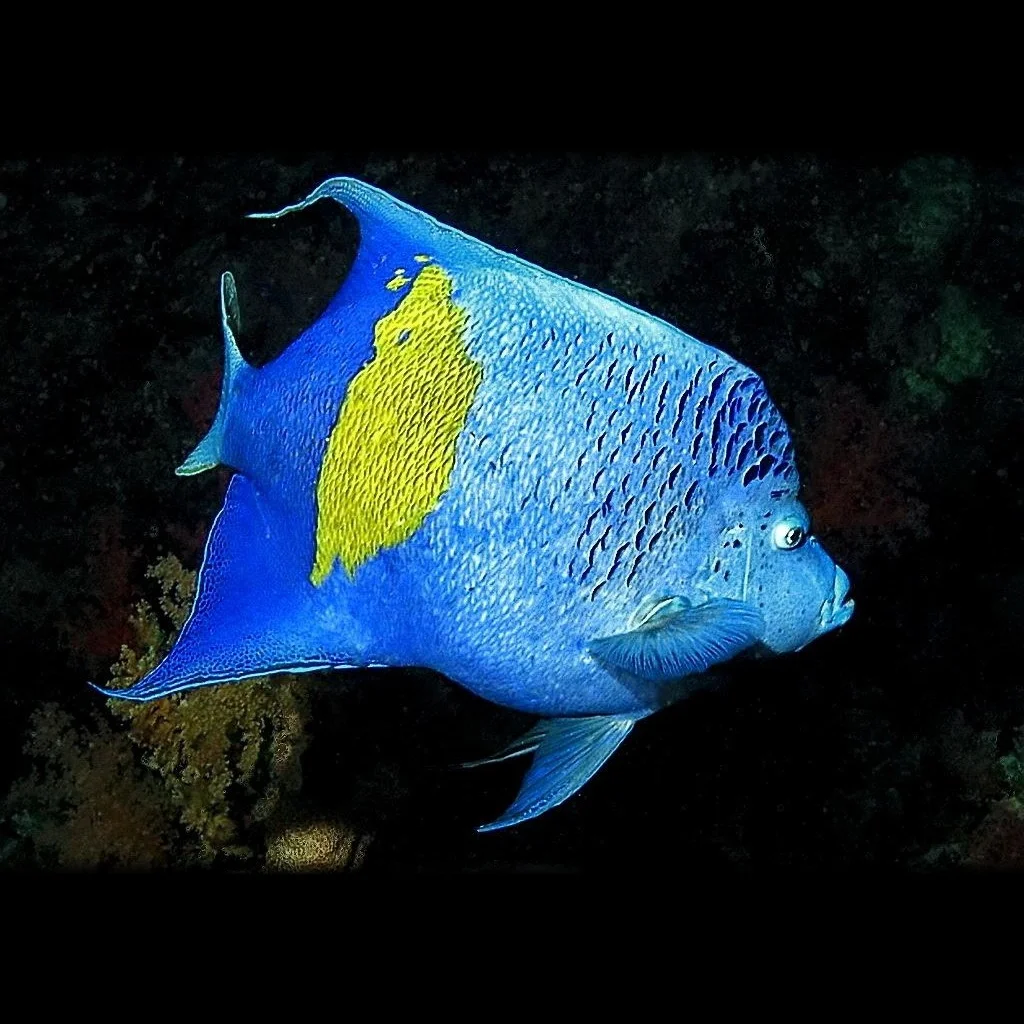
Reef fish and snapper are commonly observed, particularly around the structures of the wall. Cortez angelfish and other species endemic to the Sea of Cortez are also present.
Additionally, the area's rich ecosystem attracts schooling fish like tuna and mackerel, alongside significant predators like marlin, especially in offshore locations.

Dive Sites Near San Gabriel
View all dive sites in MexicoDiscover more underwater gems in this area.
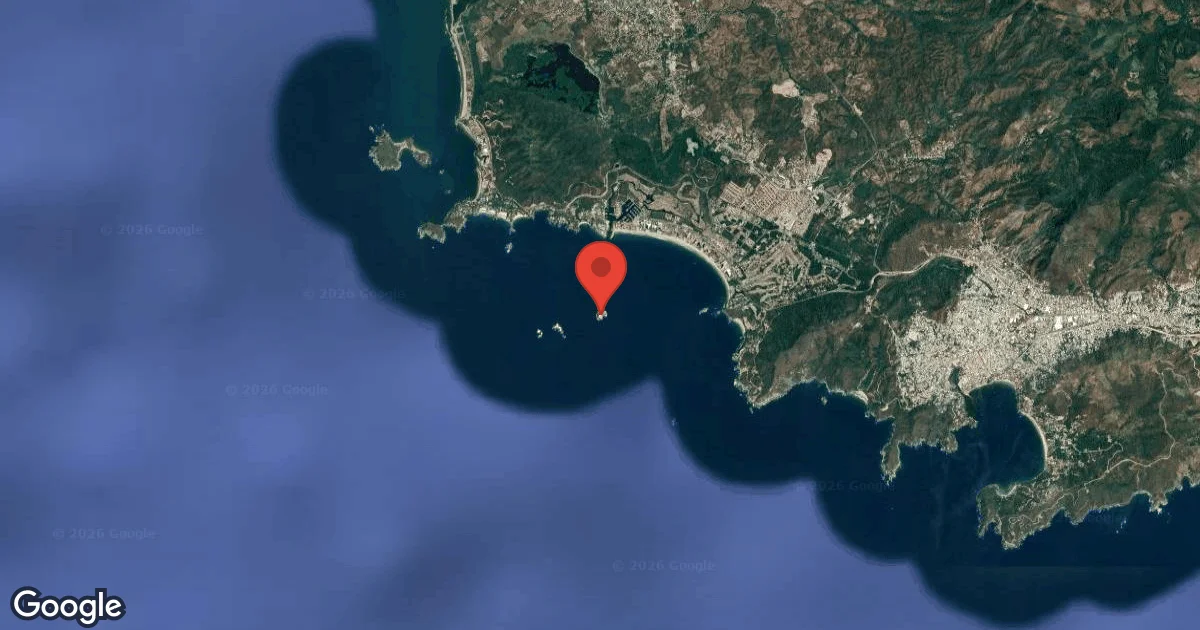
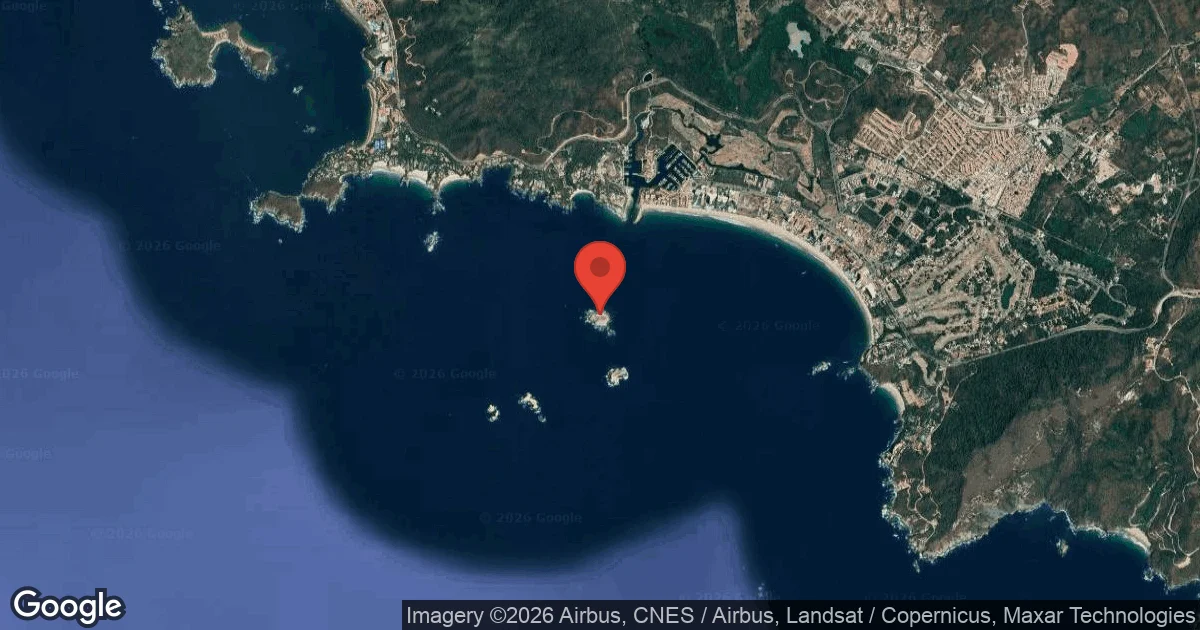
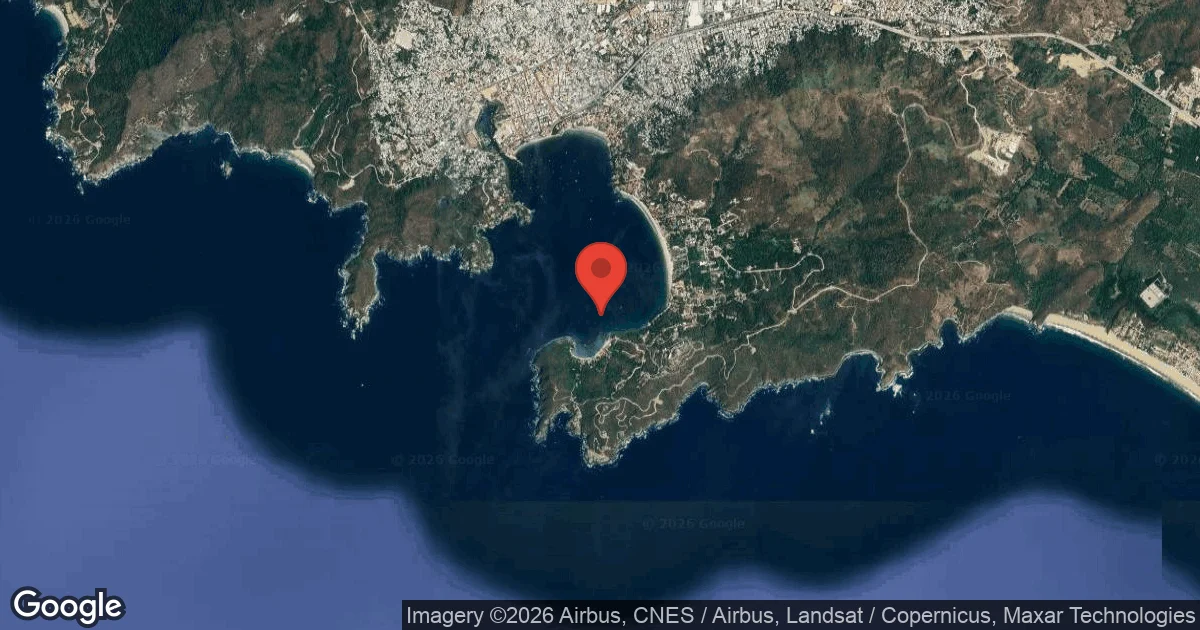
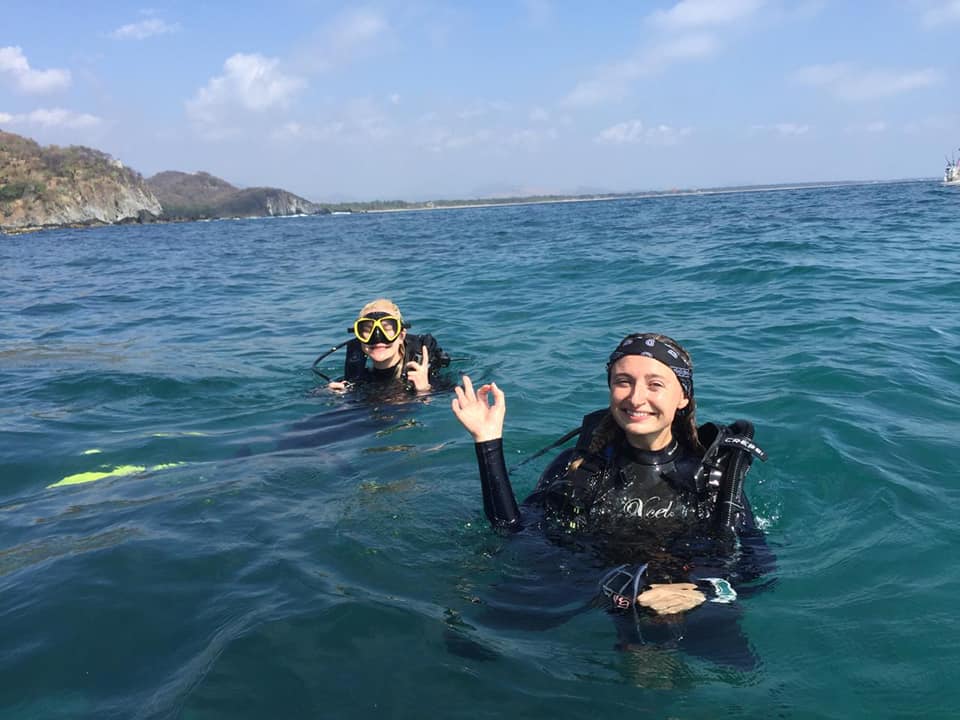
Dive Centers Near San Gabriel
Today: 08:00 - 22:00
Nearest Airports
Nearest airports to help plan travel to this dive area.
Search Flights
Check available flights and routes on Expedia, using the nearby airports listed in this section.
Search Flights on ExpediaFrequently Asked Questions
What type of diving is primarily found at San Gabriel?
San Gabriel is primarily known for its wall diving opportunities. The site features extensive vertical drop-offs that are characteristic of the underwater topography in this part of Mexico.
What skill level is recommended for diving at San Gabriel?
Diving in the La Paz region, including sites like San Gabriel, is generally considered mid-level to advanced. This is due to factors such as strong currents, varied depths, and the potential presence of thermoclines.
What marine life can I expect to see at San Gabriel?
While San Gabriel specifically notes wall diving, the broader region offers diverse marine life. Divers might encounter large pelagics like sharks, whales, and dolphins, alongside reef fish, snapper, and unique Cortez angelfish.
What are the typical visibility conditions at San Gabriel?
Visibility in this area generally ranges from 15-24 meters (50-80 feet). This allows for good viewing of the wall structures and the marine ecosystems present.
Are strong currents a factor when diving at San Gabriel?
Yes, strong currents are a common characteristic of diving conditions in the La Paz region. Divers should be prepared to navigate these dynamics, which can vary depending on the specific location along the wall.
What are the best months for diving at San Gabriel?
The months from January to April, and November to December, generally offer the best diving conditions. These periods typically feature 'Good' dive scores due to more moderate wave heights and significantly lower rainfall.
Is San Gabriel suitable for beginner divers?
Given the 'mid-level to advanced' designation for diving in this area due to currents and depth, San Gabriel might be challenging for absolute beginners. Shallower, calmer waters around some Sea of Cortez islands might be more suitable for initial experiences.
Planning to dive San Gabriel?
Send one inquiry and receive offers directly from the best verified local dive operators.
Conditions are Good
Optimal conditions expected
Current conditions near San Gabriel show 29° air, 32° sea temperature, 1.2 m waves, and 14 km/h wind. Forecast data is refreshed regularly to ensure accuracy.