
Diving at Manzanillo (Mexico)
Manzanillo, Mexico, remains an understated Pacific diving destination, offering an underwater world that feels genuinely untouched and alive. Divers here discover a secret realm, defined by incredible, pristine reefs and a dramatic, volcanic coastline. Its natural state provides a refreshing contrast to more frequently visited resort areas.
As evening covers Manzanillo, the local air temperature is measured at 33°C. The current wave height at the surface is recorded at 1.3 m. These late-day readings characterize the surface conditions for the night.
Dive Site Location & Key Facts
Dive Site Overview
Manzanillo Bay distinguishes itself as a non-traditional dive destination, largely due to its intriguing geological history and ongoing preservation. The area's volcanic origins sculpted an underwater landscape rich with fissures, cracks, and crevices, creating natural archways and swim-through tunnels for exploration.
You'll encounter sea mounds adorned with visible lava flows, making each dive a geological journey. Several notable sites dot the coastline; Roca Lola, Orejas de Caballo, and Roca del Elefante typically hold depths around 18 m (59 ft), suitable for beginner to intermediate divers.
Deeper sites like Los Frailes often reach beyond 30 m (98 ft), catering to advanced experience levels. Peña Blanca, a prominent rock formation, offers extensive depth ranges, from its shallower sections to deeper fissures.
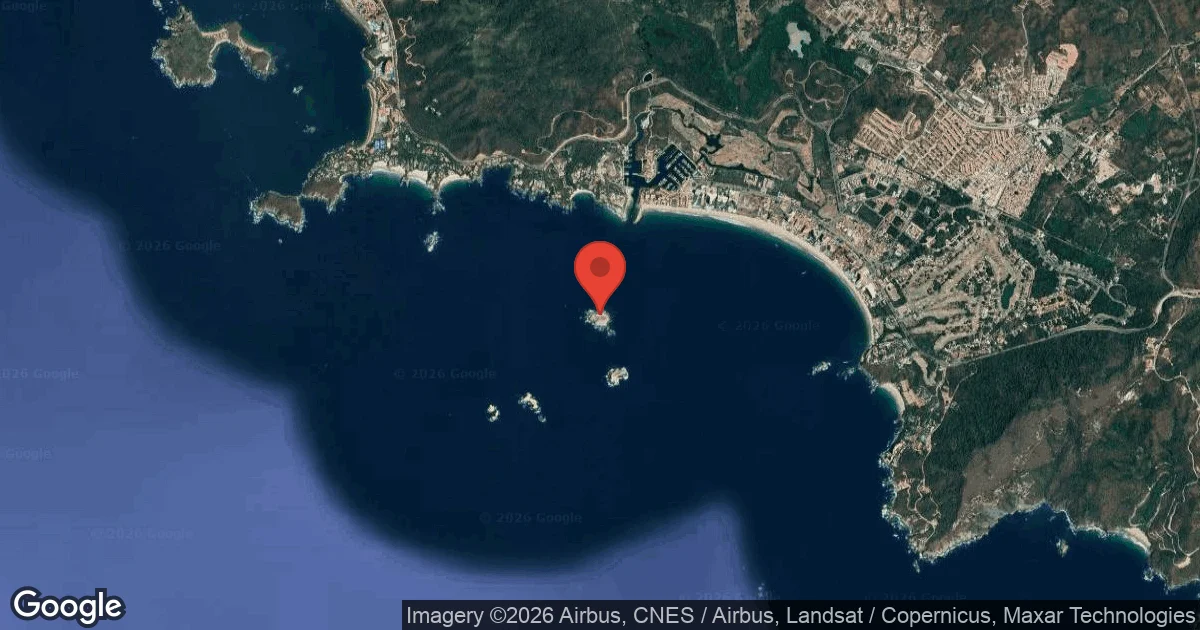
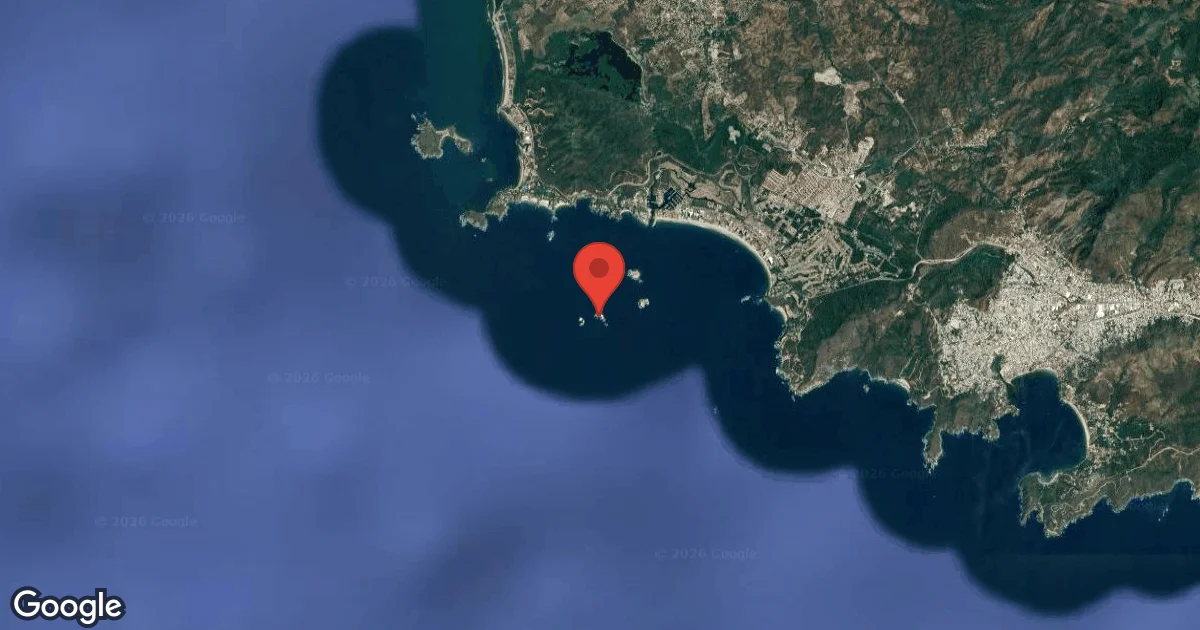
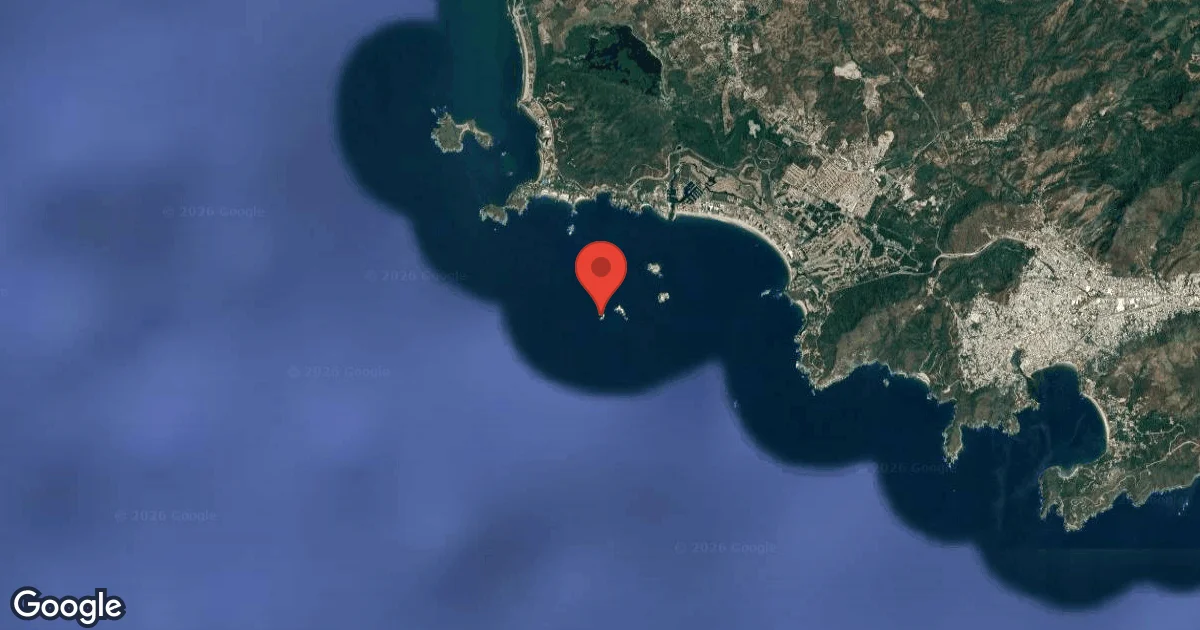
Artificial reefs, installed near Tepalcates to the south and Elephant Rock to the north in 1995, have further enhanced marine habitats. More recently, 1998 saw the discovery of several seamounts just minutes from Audiencia Beach, with their tops remaining relatively shallow beneath the surface.
A recently discovered barge, shallow and penetrable, adds a wreck diving element, providing diverse opportunities across Manzanillo's varied underwater topography.
Conditions are Good
Optimal conditions expected
Current conditions near Manzanillo show 33° air, 32° sea temperature, 1.4 m waves, and 15 km/h wind. Forecast data is refreshed regularly to ensure accuracy.
Best Time to Dive
Planning your dive trip to Manzanillo depends heavily on your preferred experience and the conditions you seek. For calmest sea conditions, particularly favoring offshore sites and pelagic sightings, the period from November to May is generally considered ideal. During these months, average air temperatures comfortably range from 26.5°C to 28.5°C (80-83°F), with minimal rainfall, typically less than 1.2 mm (0.05 inches) monthly. Wave heights are also comparatively lower, often under 1.2 meters (3.9 feet). Conversely, the summer months, from June to October, are often the off-season for tourism, yet water temperatures warm significantly, reaching up to 29°C (84°F) in August and September according to local reports. While rainfall increases, averaging up to 9.7 mm (0.38 inches) in September, and wave heights can exceed 1.5 meters (4.9 feet), these months are often favored by beginners for the warmer water and accessibility of closer-to-shore sites.
PEAK SEASON SCORE
Scores combine air & water temps, waves, wind & rainfall for overall conditions.
BEST MONTHS TO DIVE
Monthly records compiled from satellite and marine observation nodes over the last 3 years. Data provided by Open-Meteo and MET Norway.
Dive Experience & Conditions
Navigating Manzanillo's dive sites exposes divers to a spectrum of underwater environments and depths. Shallower sections, like Roca Lola and Roca del Elefante, typically remain within recreational depths. Meanwhile, advanced sites such as Los Frailes extend into deeper ranges. Peña Blanca also offers extensive depth ranges for exploration. Visibility can vary considerably, often ranging from 7.6 to 30 meters, influenced by seasonal conditions and recent weather events. Water temperatures are generally warm, fluctuating between 24-30°C (76-86°F) depending on the time of year and specific location. Many sites close to shore within the bay experience gentle currents, making them suitable for beginners. Strong currents, however, can affect areas outside the bay. Divers should also be prepared for heavy surge around rocky walls during full and new moons, which can impact dive planning.
Dive Difficulty & Safety Guidelines
Diving in Manzanillo requires an understanding of local conditions to ensure a safe and enjoyable experience. Always dive with a buddy; this fundamental safety measure is especially crucial when exploring less-frequented sites. Currents vary considerably; while many dive locations along the rocky coastline rarely experience strong currents, sites outside the bay can be more exposed.
Be particularly aware of potential heavy surge along rocky walls around full and new moon phases. Consider the volcanic terrain, which presents numerous fissures and swim-throughs.
If navigating tunnels or archways, ensure you possess appropriate training or are accompanied by a local guide. Reputable dive centers provide trained staff who are always vigilant, contributing significantly to your peace of mind underwater.
Recommended Equipment
- Dive Computer
This gear list is based on verified equipment signals for Manzanillo, Mexico. Always confirm final gear choices with your dive operator, guide, or liveaboard.
Recommended Dive Suit
Surface temperatures may decrease slightly later in the week. A significant temperature drop is forecast; strongly suggest bringing a backup warmer suit option. Divers planning multiple dives may appreciate having a warmer option available.
Even in warm destinations, extended dives can gradually draw heat away from the body. Divers planning trips later in the week may want to consider bringing a slightly warmer suit.
Exposure protection such as dive skin or rash guard is commonly used when diving in waters of this temperature. The surrounding waters at Manzanillo are currently registering temperatures of roughly 32°C (90°F). Surface air temperatures are resting at 33°C (91°F).
Emergency & Medical Support
Essential information to help you plan your dive trip to Manzanillo.

Hyperbaric chambers are a critical part of dive safety infrastructure. Availability varies significantly by region, and not all dive areas have immediate access.
Before diving, it's recommended to:
- confirm nearest medical facilities
- check emergency procedures with local dive operators
- ensure dive insurance covers evacuation if required
Divers Alert Network
Diving emergency assistance available through DAN World.
+1-919-684-9111- 24/7 emergency hotline
- Diving medical assistance
- Evacuation coordination
Emergency contacts are provided for reference. Always verify local emergency services before diving.
Marine Life at Manzanillo
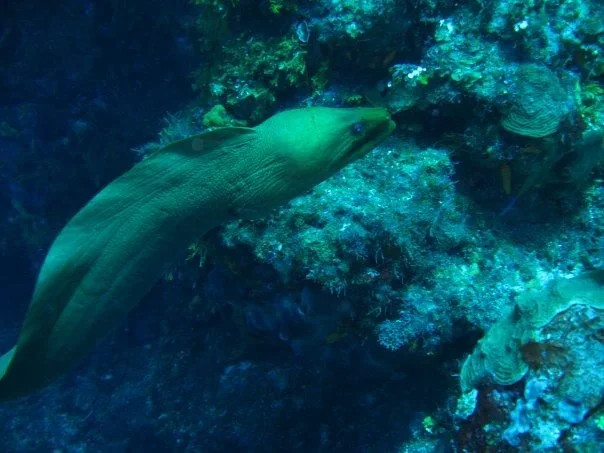
Exploring Manzanillo's underwater world, divers often first notice the abundance of diverse fish species thriving on healthy reefs. Moray eels are particularly plentiful throughout the area, frequently seen within the volcanic cracks and crevices.
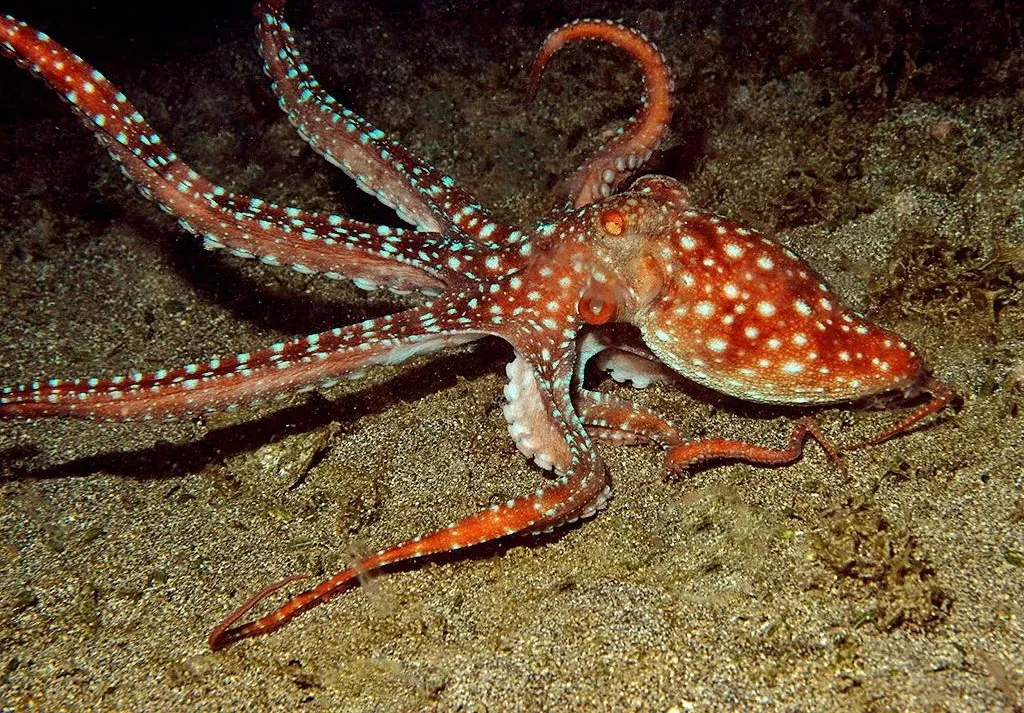
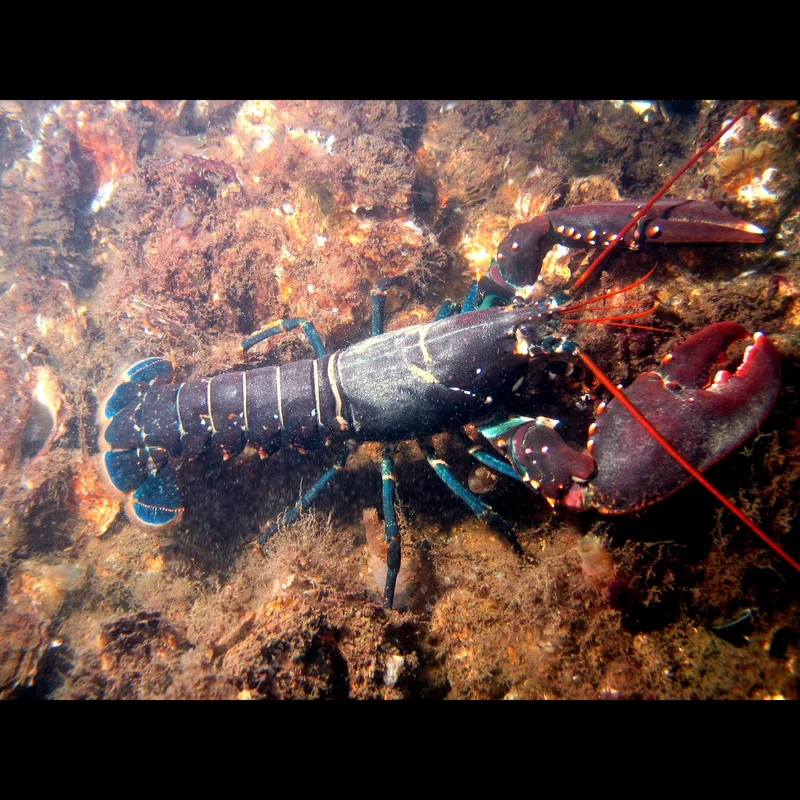
Octopuses are common, enjoying the warm water, alongside various crustaceans. Soft and hard corals colonize the rocky coastline, contributing to the vibrant ecosystem.
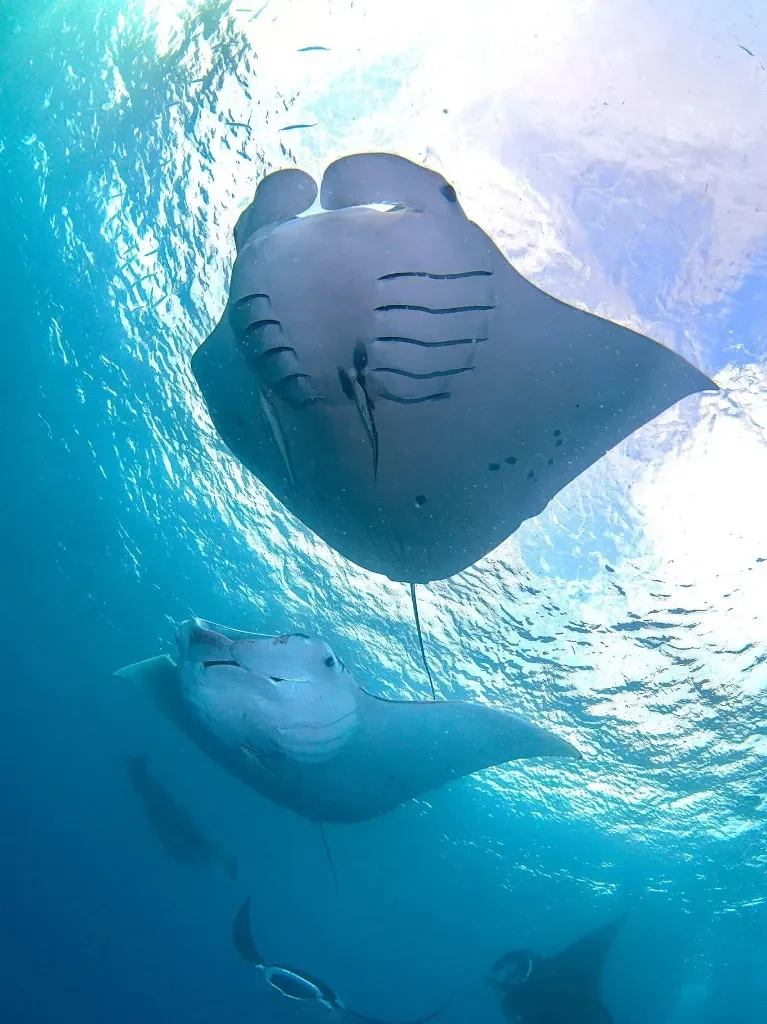
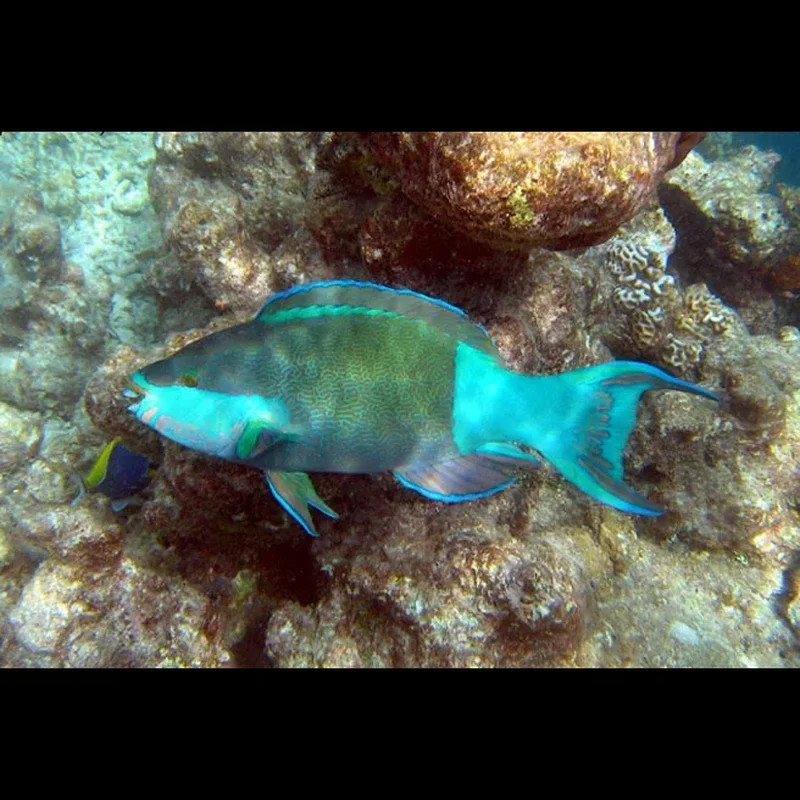
During night dives, the nocturnal shift reveals lobsters foraging and giant parrotfish resting. At more remote sites like Peña Blanca, divers might encounter larger pelagic species, including whales and giant Pacific manta rays, alongside areas of black coral in deeper sections.
Dive Sites Near Manzanillo
View all dive sites in MexicoDiscover more underwater gems in this area.
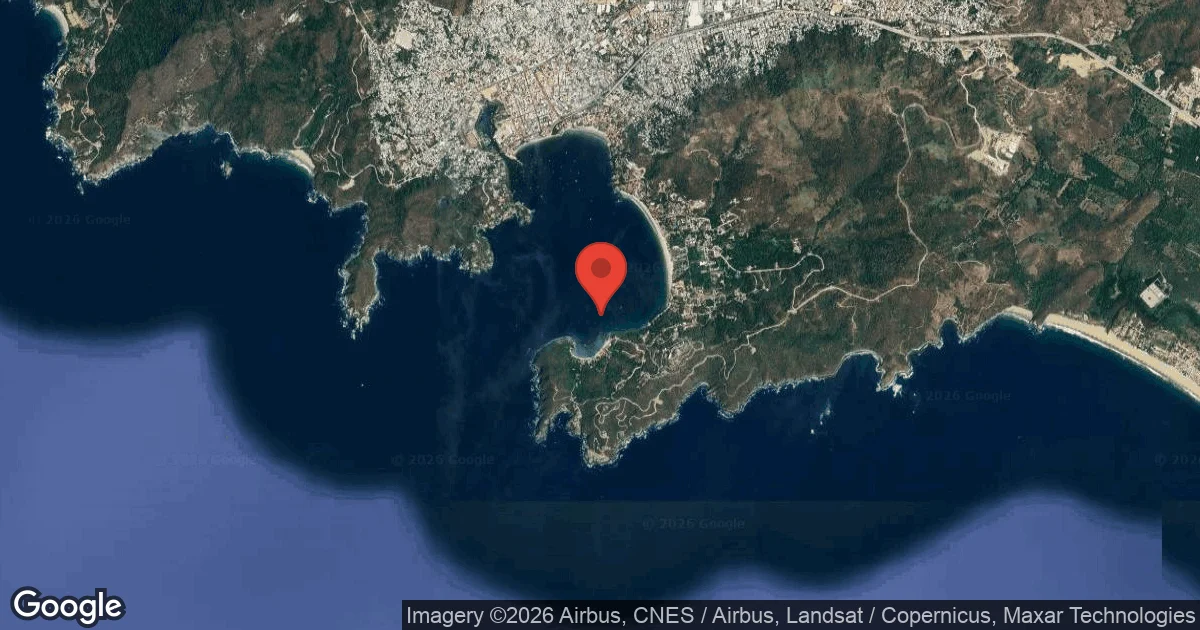
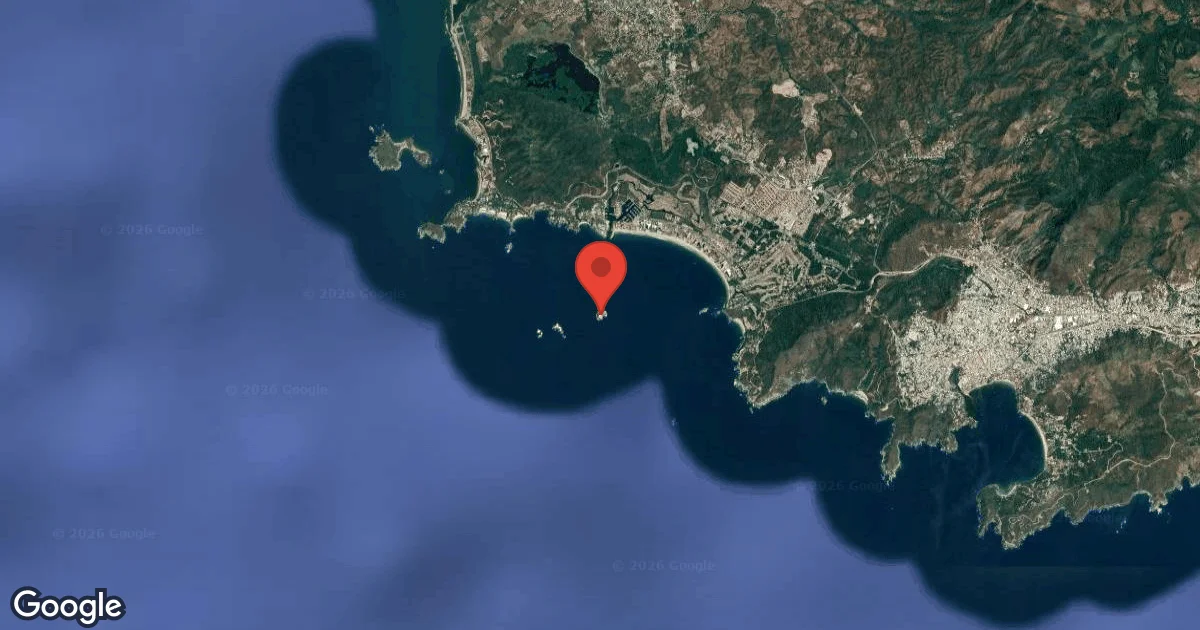
Dive Centers Near Manzanillo
Today: 08:00 - 22:00
Nearest Airports
Nearest airports to help plan travel to this dive area.
Search Flights
Check available flights and routes on Expedia, using the nearby airports listed in this section.
Search Flights on ExpediaFrequently Asked Questions
What types of underwater terrain can be found in Manzanillo?
Manzanillo's diving terrain is primarily volcanic, featuring underwater fissures, cracks, crevices, archways, and tunnels. You'll also find sea mounds with visible lava flows, pristine coral reefs, and rocky coastlines.
What are the typical water temperatures for diving?
Water temperatures in Manzanillo generally range from 24-30°C (76-86°F). Temperatures tend to be warmest during the summer months, from June to October, reaching the upper end of this range.
Is Manzanillo suitable for beginner divers?
Yes, Manzanillo offers several sites suitable for beginner divers, especially those closer to shore within the bay. These sites typically feature gentle currents and recreational depths, providing a welcoming environment for newer divers.
Are strong currents common in Manzanillo?
While many dive sites along the coast experience gentle currents, strong currents can affect areas outside Manzanillo Bay. Heavy surge is also possible along rocky walls, particularly around full and new moons.
What kind of marine life can be seen while diving?
Divers can expect to see a variety of fish, plentiful moray eels, octopuses, and diverse crustaceans. Soft and hard corals are abundant, and at night, lobsters and giant sleeping parrotfish are often observed. Whales and giant Pacific manta rays are also sighted, especially at outer sites like Peña Blanca.
What is the typical underwater visibility?
Visibility in Manzanillo can vary considerably, often from moderate to excellent, sometimes exceeding 30 meters. Conditions depend on the specific site, time of year, and recent weather, with calmer periods often yielding clearer waters.
When is the best time to see pelagic species?
For divers hoping to encounter pelagic species like whales and giant Pacific manta rays, the period between November and May is generally considered the most favorable. Sea conditions are also typically calmer during these months.
Planning to dive Manzanillo?
Send one inquiry and receive offers directly from the best verified local dive operators.
Conditions are Good
Optimal conditions expected
Current conditions near Manzanillo show 33° air, 32° sea temperature, 1.4 m waves, and 15 km/h wind. Forecast data is refreshed regularly to ensure accuracy.