
Diving at EN1 (Mozambique)
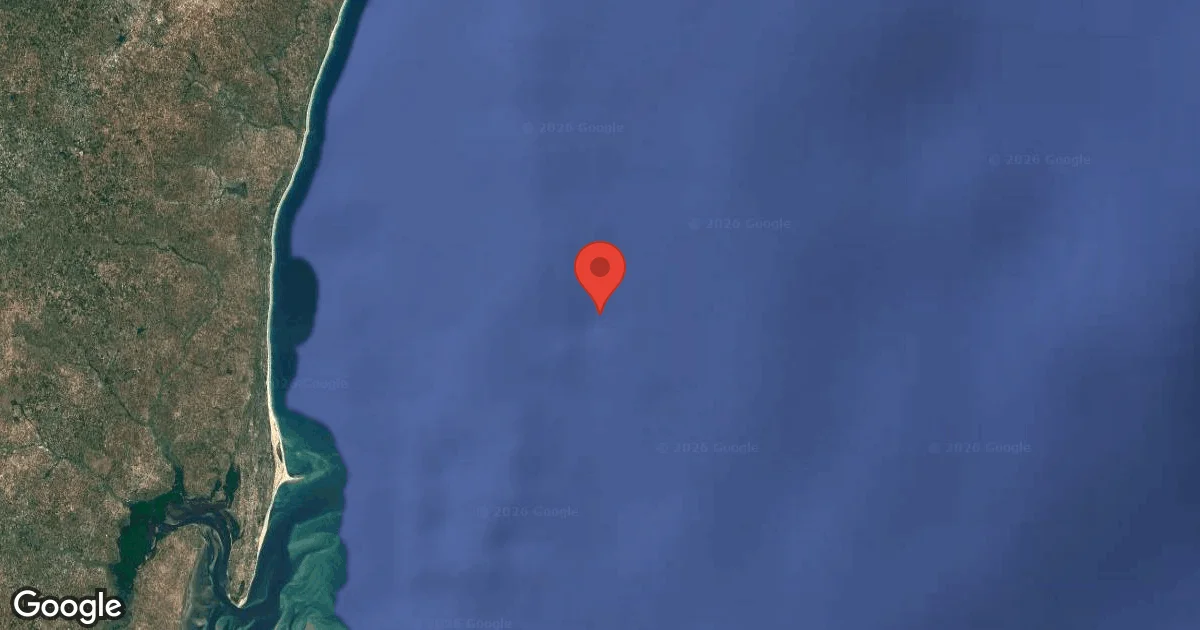
EN1 takes its name from Mozambique's main thoroughfare, mirroring the way its submerged rock formations appear like a 'brick road' laid across the seabed. This particular dive site is distinctive among Tofo's reefs because its accessibility is heavily influenced by tidal patterns. Consequently, diving here is primarily limited to periods of slack high tide, making careful planning essential for an enjoyable visit.
Evening condition tracking at EN1 features an air temperature of 25.5°C. We have recorded wave heights measuring 0.4 m during this period. These figures outline the environmental parameters currently present.
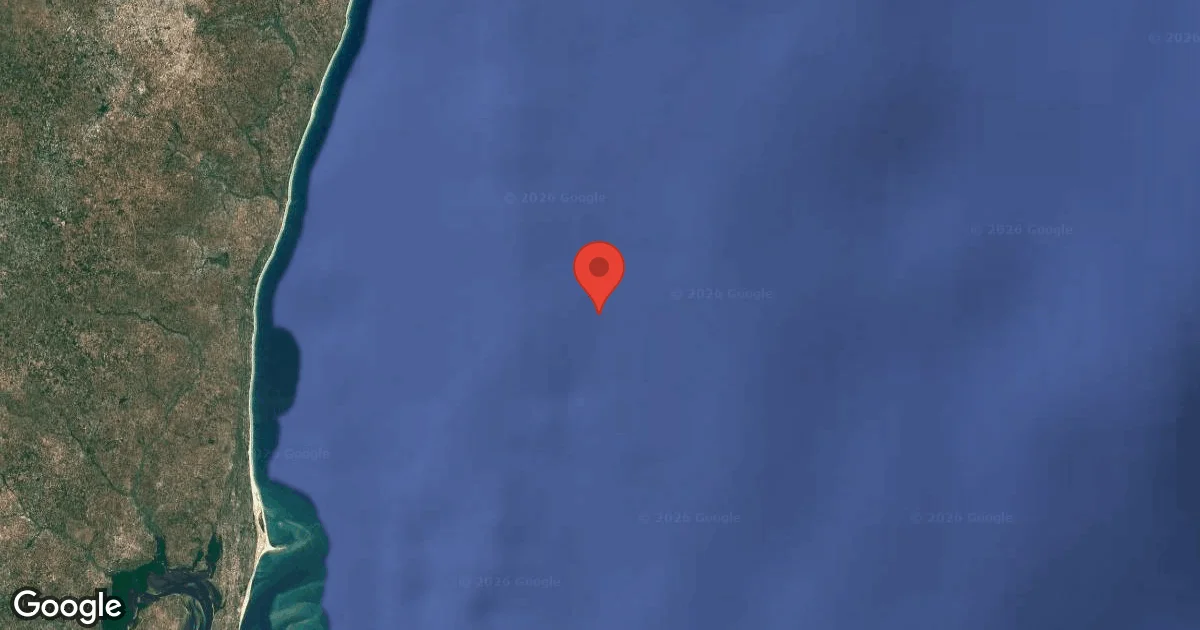
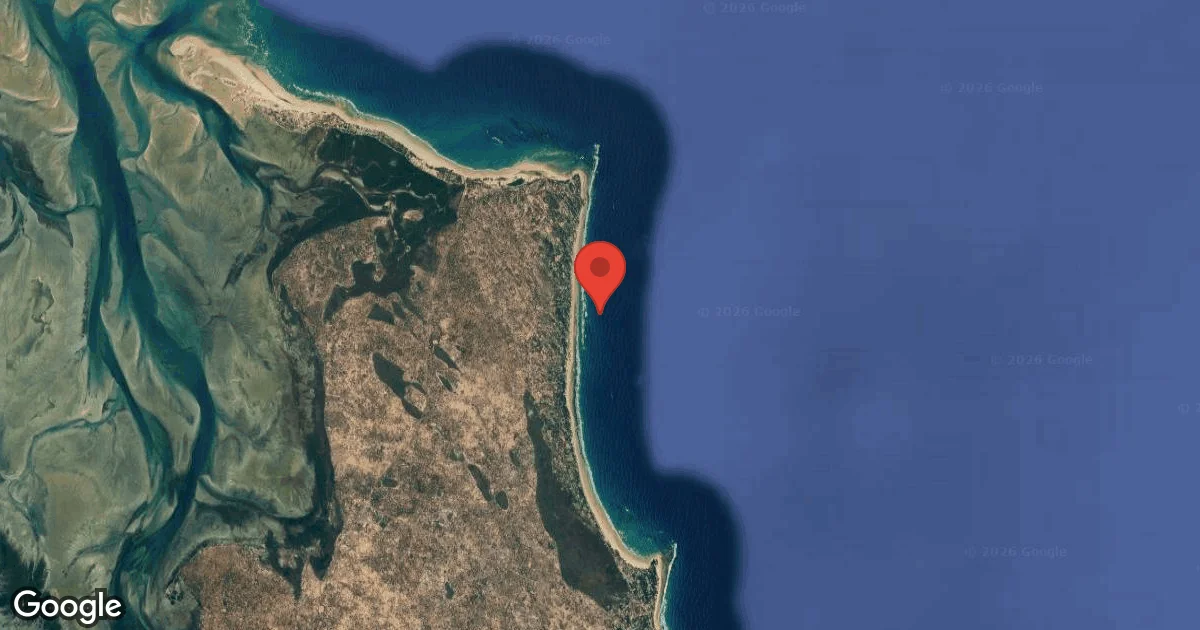
Dive Site Location & Key Facts
Dive Site Overview
Characterized by its unique 'brick road' topography, EN1 presents a compelling dive for certified divers near Tofo, Mozambique. This site is specifically suited for Open Water + qualified individuals, offering a typical bottom time of around 45 minutes within a comfortable depth range of 13 to 18 m (43 to 59 ft).
Low-lying rocks define much of the landscape, creating numerous hiding spots amidst the prevailing rock and sand substrate. Navigating to EN1 involves a boat journey of approximately 16 km (10 miles), typically taking about 40 minutes from the launch point. Given its strong tidal influence, precise timing around slack high tide is critical for safe and rewarding exploration.
Divers will find the interaction of current and reef structure shapes the experience profoundly, favoring a calm period for optimal viewing of its cryptic inhabitants. This combination of moderate depth and varied terrain makes EN1 a distinct and engaging part of the local dive circuit when conditions align.
Conditions are Good
Optimal conditions expected
Current conditions near EN1 show 25° air, 25° sea temperature, 0.7 m waves, and 26 km/h wind. Forecast data is refreshed regularly to ensure accuracy.
Best Time to Dive
Planning a trip to EN1 involves considering both the region's climate and the site's specific tidal dependency. Air temperatures in the area are consistently warm, ranging from a cooler 21-22°C (70-72°F) in July and August, peaking at 26-27°C (79-81°F) during January and February. Rainfall is minimal from May through October, often below 1 mm, which contrasts with the slightly wetter months of January through March, when it averages 3-6 mm. Overall dive conditions, as indicated by regional dive scores, remain 'Good' throughout the year. However, the site itself is only accessible during a slack high tide, regardless of the month. Drier conditions from May to September might offer a more comfortable overall travel experience topside, with less wind and wave height generally noted from May to July.
PEAK SEASON SCORE
Scores combine air & water temps, waves, wind & rainfall for overall conditions.
BEST MONTHS TO DIVE
Monthly records compiled from satellite and marine observation nodes over the last 3 years. Data provided by Open-Meteo and MET Norway.
Dive Experience & Conditions
Approaching EN1, divers sense the powerful influence of the ocean's rhythm, as this site can only be dived on a slack high tide. Underneath, the terrain unfolds as a series of low-lying rock slabs and scattered sand patches, reminiscent of a submerged pathway. Depths typically stay within recreational limits, reaching a maximum depth of 18 m (59 ft). Water temperatures in this part of Mozambique generally remain inviting, often between 24-30°C (75-86°F) regionally, though local upwellings can cause variations. Visibility, while generally good, can be affected by the tidal flow and seasonal plankton blooms. Divers should be prepared for varying currents leading up to or away from the slack tide window, demanding attentive buoyancy control and awareness.
Dive Difficulty & Safety Guidelines
Diving at EN1 presents a primary consideration: the site's strong tidal influence. It's imperative to schedule dives exclusively during slack high tide to mitigate powerful currents, which otherwise make the site challenging or unsafe. This requires close coordination with local dive operators who possess expert knowledge of the tide charts.
As an Open Water + rated site, divers should hold at least an Open Water certification and ideally have some experience with drift diving, even if the intention is to dive during slack water. Always maintain good situational awareness, especially regarding your dive group and proximity to the bottom.
In Mozambique, general travel planning is essential, including considerations for daylight travel and reliable transport options to and from dive centers.
Recommended Equipment
Current and surface separation risk. Local briefing strongly recommended.
- Dive Computer
- DSMB
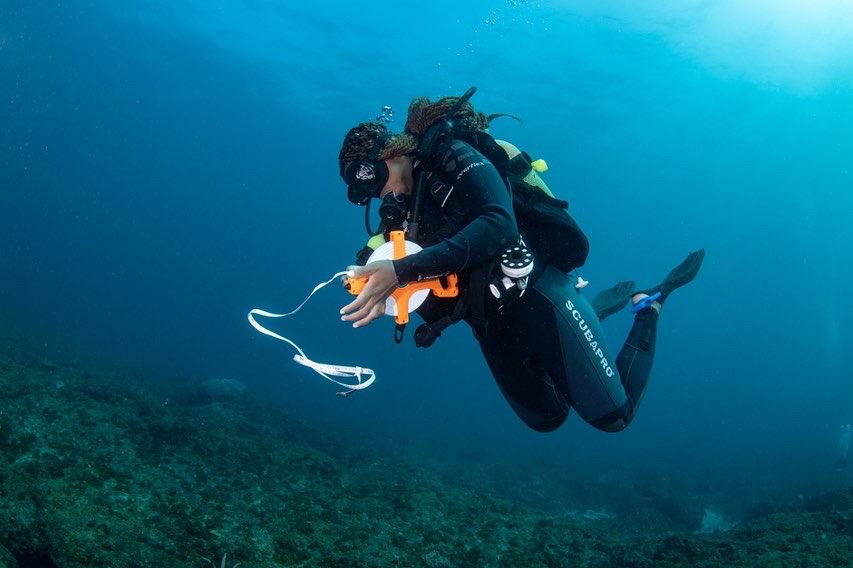
- Reel / Spool
This gear list is based on verified equipment signals for EN1, Mozambique. Always confirm final gear choices with your dive operator, guide, or liveaboard.
Recommended Dive Suit
For divers planning standard recreational dives, 3mm wetsuit is usually a suitable option. Divers vary widely in how quickly they feel cold underwater.
At the moment, divers exploring EN1 will likely experience water temperatures near 25°C (77°F). Surface air temperatures are resting at 25°C (78°F).
The upcoming forecast points to generally steady conditions in the area.
Emergency & Medical Support
Essential information to help you plan your dive trip to EN1.

Hyperbaric chambers are a critical part of dive safety infrastructure. Availability varies significantly by region, and not all dive areas have immediate access.
Before diving, it's recommended to:
- confirm nearest medical facilities
- check emergency procedures with local dive operators
- ensure dive insurance covers evacuation if required
Divers Alert Network
Diving emergency assistance available through DAN Southern Africa.
+27828106010- 24/7 emergency hotline
- Diving medical assistance
- Evacuation coordination
Emergency contacts are provided for reference. Always verify local emergency services before diving.
Marine Life at EN1
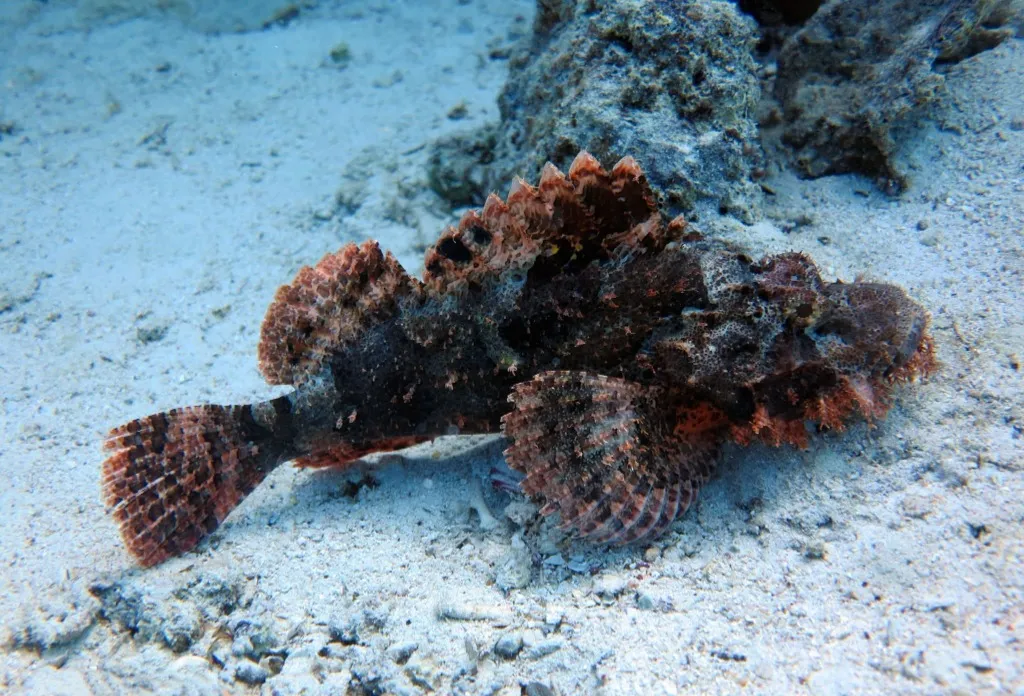
What stands out on a dive at EN1 is the exceptional camouflage artistry of its residents, particularly among the low-lying rocks and sandy areas. Divers often first notice cryptic species such as crocodile fish, perfectly blended into the substrate.
Scorpion fish and stone fish are frequently spotted, their stillness easily mistaken for the reef itself. Torpedo rays and flounders also use this bottom topography to their advantage.
Perhaps the biggest draw, however, is the majestic honeycomb whipray, known for its distinct pattern and impressive tail, which can measure up to 5 meters (16 ft) long.

Dive Sites Near EN1
View all dive sites in MozambiqueDiscover more underwater gems in this area.
Dive Centers Near EN1
Today: 08:00 - 16:00
Nearest Airports
Nearest airports to help plan travel to this dive area.
Search Flights
Check available flights and routes on Expedia, using the nearby airports listed in this section.
Search Flights on ExpediaFrequently Asked Questions
What is the typical depth range for diving at EN1?
EN1 is a recreational dive site with depths generally ranging from 13 to 18 m (43 to 59 ft). It's suitable for certified Open Water divers with some additional experience.
Why is EN1 named after a road?
The dive site is named EN1 because its submerged rock formations resemble slabs of rock laid out like a brick road, similar to the main EN1 highway running through Mozambique.
What marine life can I expect to see at EN1?
EN1 is well-known for cryptic species like crocodile fish, scorpion fish, stone fish, torpedo rays, and flounders. The site's main attraction is often the large honeycomb whipray.
What are the water temperatures in this region?
Regionally, water temperatures typically range from 24-30°C (75-86°F). This warm water generally means comfortable diving, though exposure protection like a wetsuit is still recommended.
How long is the boat trip to EN1?
The boat trip to EN1 from local dive centers usually covers a distance of approximately 16 km (10 miles) and takes about 40 minutes, depending on sea conditions.
What diving qualification is required for EN1?
An Open Water + qualification is recommended for EN1 due to its variable conditions and the need to manage potential currents, even when diving at slack tide.
Planning to dive EN1?
Send one inquiry and receive offers directly from the best verified local dive operators.
Conditions are Good
Optimal conditions expected
Current conditions near EN1 show 25° air, 25° sea temperature, 0.7 m waves, and 26 km/h wind. Forecast data is refreshed regularly to ensure accuracy.