
Diving at Oostvoornse Meer (Netherlands)
Challenging divers with its intriguing past, Oostvoornse Meer presents a compelling opportunity to explore a freshwater body brimming with maritime history. This artificial environment, carved from a former shipping route, became a silent graveyard for vessels spanning centuries. Encountering these preserved historical shipwrecks, some dating back to the 16th century, requires careful planning and a respect for their delicate state. The site invites adventurous exploration of a unique underwater landscape, distinct from traditional marine environments.
Tonight's objective overview for Oostvoornse Meer shows an air temperature of 18.5°C. The measured surface conditions include wave heights around 1.4 m. This environmental data is logged for the close of the day.
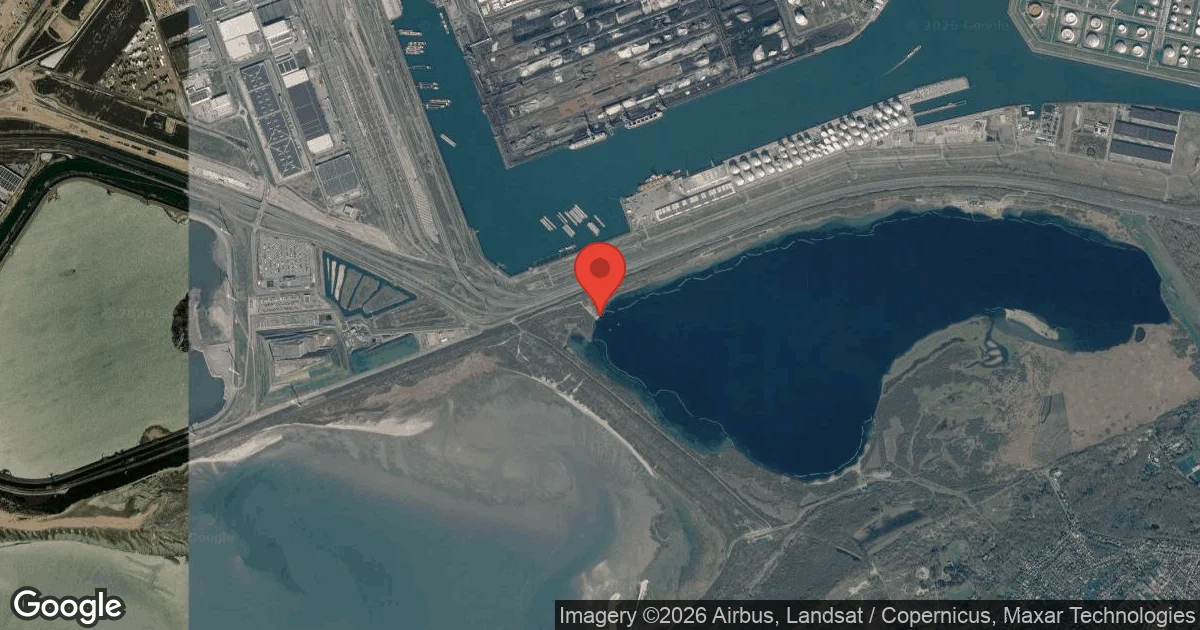
Dive Site Location & Key Facts
Dive Site Overview
Beneath the surface of Oostvoornse Meer, an intriguing narrative unfolds within this artificial freshwater body, created in the 1960s through major water management projects around Rotterdam. What was once a crucial supply route now cradles the remains of over a dozen Wreck sites, predominantly from the early 17th century.
Sand excavation for the Maasvlakte 1 exposed many previously buried vessels, creating an accessible wreck cemetery. Divers here encounter varied objects, from historical ships like the OVM12, a potential 17th-century warship lying at 35 to 40 m (115 to 131 ft), to more modern additions like a Volkswagen or a slide.
Its diverse layout also includes areas like "Slag Stormvogel" with numerous wrecks and objects, or "Slag Baardmannetje" featuring an artificial reef. In the southern part, an interesting Canyon rim offers further exploration, where fossil remains have been discovered.
Exploring this unique underwater landscape requires careful attention to navigation, particularly when seeking out specific historical wreck locations that often lie further from the shoreline. The artificial water body’s origin and subsequent changes have contributed to conditions that both preserve and challenge the integrity of these submerged artifacts.
Conditions are Moderate
High Wind Advisory (48km/h). Unsafe surface.
Current conditions near Oostvoornse Meer show 18° air, 19° sea temperature, 1.5 m waves, and 48 km/h wind. Forecast data is refreshed regularly to ensure accuracy.
Best Time to Dive
Contrasting seasonal conditions significantly impact the diving experience at Oostvoornse Meer. While the warmer months offer pleasant air temperatures, with July and August averaging around 18-18.5°C (64-65°F) and June experiencing around 17.5°C (64°F), summer water quality often deteriorates, leading to reduced visibility and the presence of blue-green algae. For optimal underwater clarity, divers typically find better conditions during autumn and winter. Air temperatures drop considerably in these seasons, ranging from 4°C (39°F) in January to 8.5°C (47°F) in November. Rainfall also varies, with November seeing averages around 4.0 mm, compared to a drier June at 1.6 mm. Despite colder conditions, the improved visibility from September through March generally makes these months preferable for wreck exploration. The overall dive score indicates `Good` conditions from February to September and December, with `Moderate` scores in January, October, and November, influenced by factors like wind speed which can reach over 25 km/h (15.5 mph) in peak winter.
PEAK SEASON SCORE
Scores combine air & water temps, waves, wind & rainfall for overall conditions.
BEST MONTHS TO DIVE
Monthly records compiled from satellite and marine observation nodes over the last 3 years. Data provided by Open-Meteo and MET Norway.
Dive Experience & Conditions
Exploring the depths of Oostvoornse Meer reveals a diverse underwater topography. Recreational depths are commonly explored in areas like Slag Stormvogel or Slag Baardmannetje, where divers might experience water temperatures around 14-15°C (57-59°F) in the upper 4-13 meters (13-43 ft). Deeper sections, particularly around the OVM12 `wreck`, descend to 35 to 40 m (115 to 131 ft), where water temperatures are significantly cooler, reported at 8°C (46°F) compared to 18°C (64°F) at the surface. Visibility varies widely, with log reports ranging from `redelijk zicht` (reasonable visibility) to `-8 meters`. While some conditions allow for 8-meter (26 ft) visibility, others are much more limited, particularly during summer. Its salinity, temperature, and oxygen levels create an environment suitable for shipworms, which can affect wooden wrecks. However, the cooler temperatures at maximum depth appear to mitigate the threat of shipworm activity on the deepest wreck sites, offering a degree of natural protection for some historical artifacts.
Dive Difficulty & Safety Guidelines
Approaching dives at Oostvoornse Meer requires awareness of several challenges and specific guidelines. Deteriorating water quality is a consistent concern, especially during summer months when blue-green algae can significantly reduce visibility and potentially impact diver comfort. Navigating specific historical wreck sites often necessitates precise location knowledge, as many lie further from shore and are not marked clearly.
Another consideration is the presence of timber-eating shipworms (Teredo navalis); while some deeper wrecks like OVM12 are somewhat protected by lower temperatures, the overall re-salination efforts since 2007 have increased the risk of these organisms affecting other wooden artifacts. Divers must avoid disturbing or engaging in any form of illegal excavation of wreck remains, as these sites are culturally significant.
Respecting the historical integrity of these submerged structures and planning dives according to seasonal visibility patterns ensures a safer and more rewarding experience.
Recommended Equipment
- Dive Computer
This gear list is based on verified equipment signals for Oostvoornse Meer, Netherlands. Always confirm final gear choices with your dive operator, guide, or liveaboard.
Recommended Dive Suit
Water temperatures at Oostvoornse Meer are currently estimated to be around 19°C (65°F), shaping the overall diving conditions for today. Surface air temperatures are resting at 18°C (65°F).
5mm wetsuit generally offers enough warmth for most dives under these conditions. Strong winds are present; please take strong precautions against rapid cooling during surface intervals. Surface intervals may feel cooler.
Forecast conditions over the next few days suggest temperatures will remain relatively stable.
Emergency & Medical Support
Essential information to help you plan your dive trip to Oostvoornse meer.

Hyperbaric chambers are a critical part of dive safety infrastructure. Availability varies significantly by region, and not all dive areas have immediate access.
Before diving, it's recommended to:
- confirm nearest medical facilities
- check emergency procedures with local dive operators
- ensure dive insurance covers evacuation if required
Divers Alert Network
Diving emergency assistance available through DAN Europe.
+39 0642115685- 24/7 emergency hotline
- Diving medical assistance
- Evacuation coordination
Emergency contacts are provided for reference. Always verify local emergency services before diving.
Closest Listed Hyperbaric Chambers
Showing listed hyperbaric chamber facilities within 200 km of this dive site.
Distances are approximate straight-line distances and may not reflect emergency travel time.
Hyperbaar Geneeskundig Centrum Rijswijk (HGC)
24/7 ListedRijswijk, Netherlands•Approx. 21 km straight-line
Hyperbaar Geneeskundig Centrum Rijswijk (HGC)
24/7 ListedInformation is provided for reference and planning purposes only. Dive Navigator does not verify operational status, staffing, availability, or quality of care at listed facilities. In an emergency, contact local emergency services, DAN, your dive operator, or the chamber directly. Do not travel to a facility without calling ahead.
ADRZ Hospital/Medisch Centrum Hyperbare Zuurstoftherapie
24/7 ListedGoes, Netherlands•Approx. 51 km straight-line
ADRZ Hospital/Medisch Centrum Hyperbare Zuurstoftherapie
24/7 ListedInformation is provided for reference and planning purposes only. Dive Navigator does not verify operational status, staffing, availability, or quality of care at listed facilities. In an emergency, contact local emergency services, DAN, your dive operator, or the chamber directly. Do not travel to a facility without calling ahead.
Amsterdam University Medical Center
24/7 ListedICU CapableAmsterdam, Netherlands•Approx. 72 km straight-line
Amsterdam University Medical Center
24/7 ListedICU CapableInformation is provided for reference and planning purposes only. Dive Navigator does not verify operational status, staffing, availability, or quality of care at listed facilities. In an emergency, contact local emergency services, DAN, your dive operator, or the chamber directly. Do not travel to a facility without calling ahead.
Marine Life at Oostvoornse Meer
Life within Oostvoornse Meer adapts to the unique conditions found among its submerged structures. Divers exploring around wreck sites and artificial reefs may spot flatfish camouflaged against the bottom.
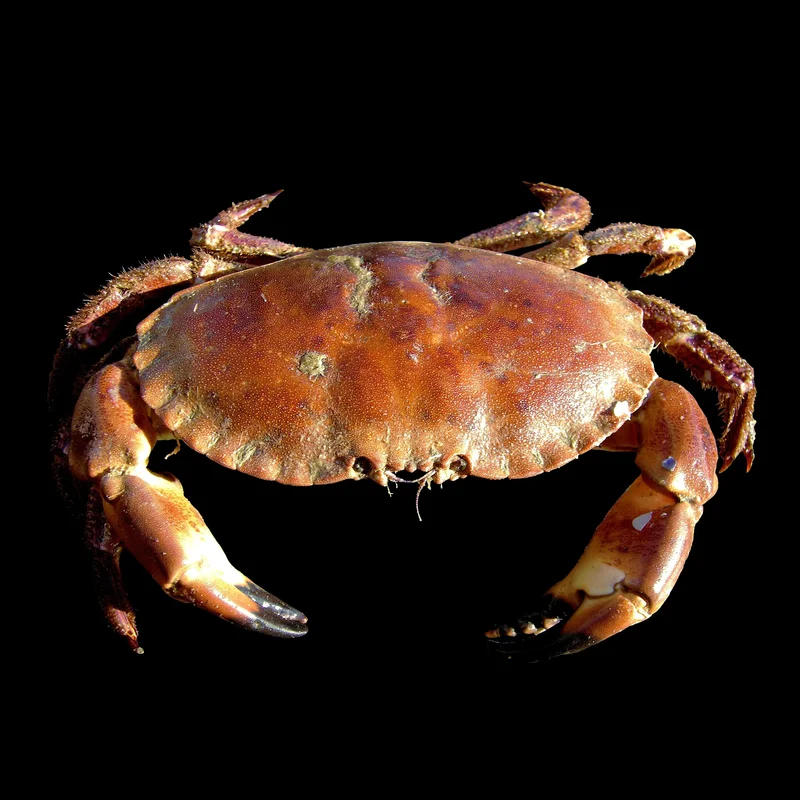
Crabs and shrimps are commonly observed navigating the varied terrain. While some dive reports mention weinig leven (little life) in certain areas, others consistently note the presence of numerous crabs.
Occasionally, divers might encounter rainbow trout or even herring, adding to the diversity of this underwater landscape.
Dive Sites Near Oostvoornse Meer
View all dive sites in NetherlandsDiscover more underwater gems in this area.
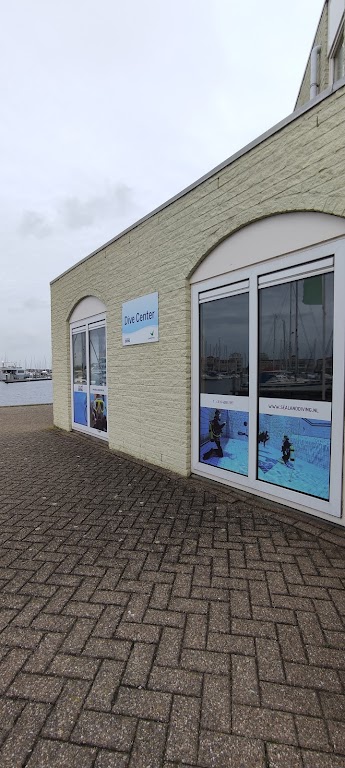
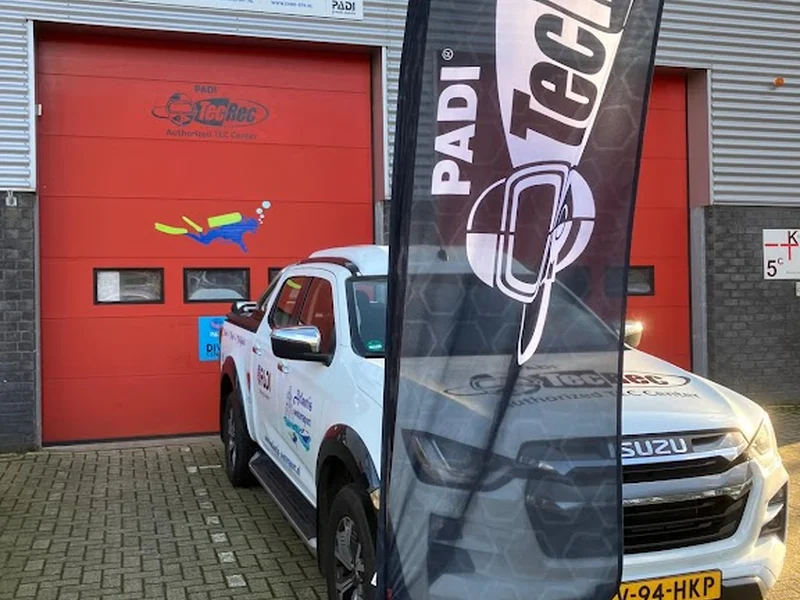
Dive Centers Near Oostvoornse Meer
Today: 10:00 - 17:00
Nearest Airports
Nearest airports to help plan travel to this dive area.
Search Flights
Check available flights and routes on Expedia, using the nearby airports listed in this section.
Search Flights on ExpediaFrequently Asked Questions
What types of wrecks are found in Oostvoornse Meer?
This body of water is a graveyard for more than a dozen shipwrecks, primarily from the early 17th century, though vessels from the 16th to 20th centuries are present. Many were cargo ships, with one notable discovery, OVM12, believed to be a 17th-century warship. These submerged artifacts offer a glimpse into the region's rich maritime history.
What are the typical water temperatures?
Water temperatures vary significantly with depth and season. Surface temperatures can reach around 18°C (64°F) in summer, while deeper areas, such as the 35-40 m (115-131 ft) range, can be as cold as 8°C (46°F). Shallower recreational dives often see temperatures between 14-15°C (57-59°F), depending on the specific location and time of year.
How good is visibility at the site?
Visibility is highly variable and often depends on the season. Autumn and winter generally offer the best visibility, sometimes up to 8 meters (26 ft) or more. Summer months, however, can see significantly reduced visibility due to deteriorating water quality and the presence of blue-green algae, making dive planning crucial for optimal viewing.
Are there any specific hazards for divers?
Divers should be aware of blue-green algae impacting summer visibility and the threat of shipworms (Teredo navalis) to wooden wrecks. While deeper temperatures offer some protection for certain artifacts, the general re-salination of this environment increases this risk. Always avoid disturbing historical sites, as illegal excavation is a concern.
Besides wrecks, what other points of interest can be found?
Beyond the numerous historical wrecks, the site also features various modern objects such as a sunken Volkswagen, a slide, and grab arms. An artificial reef is present at Slag Baardmannetje, and a canyon rim in its southern part reveals fossil remains. Exploring these diverse features adds to the unique experience.
What kind of marine life might I see?
Observing marine life within this environment often includes flatfish, various crabs, and shrimps. Depending on the area and conditions, divers might also spot rainbow trout or herring. Diversity can vary, but these species are commonly reported, especially around the artificial structures.
Is special equipment needed for diving here?
Considering the colder water temperatures, especially at deeper sections, adequate thermal protection like a drysuit or thick wetsuit is recommended. Given the variable visibility, a reliable dive light is also essential for navigation and exploring wreck interiors. Local conditions should always inform gear choices.
Planning to dive Oostvoornse Meer?
Send one inquiry and receive offers directly from the best verified local dive operators.
Conditions are Moderate
High Wind Advisory (48km/h). Unsafe surface.
Current conditions near Oostvoornse Meer show 18° air, 19° sea temperature, 1.5 m waves, and 48 km/h wind. Forecast data is refreshed regularly to ensure accuracy.