
Diving at Aramoana Mole (New Zealand)
Aramoana Mole presents itself as a substantial man-made rock wall, initially conceived as Cargill’s Pier. Effectively, this structure protects the harbour entrance from silting. Beneath its surface, a surprising and diverse underwater environment awaits, comprising both fascinating macro life and schools of pelagic species. It's an area where both natural marine ecosystems and remnants of maritime history intertwine.
Tonight's objective overview for Aramoana Mole shows an air temperature of 14.5°C. The measured surface conditions include wave heights around 1.3 m. This environmental data is logged for the close of the day.
Dive Site Location & Key Facts
Dive Site Overview
Initially conceived as Cargill’s Pier, Aramoana Mole was constructed to redirect tidal flow into Otago Harbour, maintaining a clear shipping channel. This substantial man-made rock wall evolved into a unique dive site through a series of deliberate scuttlings.
Between 1921 and 1945, several hulks were intentionally sunk along the Mole's length, providing crucial erosion protection for the structure. These submerged vessels now form a nearly kilometre-long stretch of interwoven wreck material, creating a complex underwater topography that shelters a surprising amount of marine life. Divers here typically explore shallower sections, often averaging depths of 10–15 metres (33-49 feet), allowing extended bottom times.
The site’s deepest part, however, extends to around 30 metres (98 feet) off the very end of the Mole, offering challenges for divers with advanced certifications. Exploring these historical wrecks provides an engaging experience, navigating through their remnants and alongside sandy bottoms.
Opportunities for exploration and navigation challenges presented by the submerged structures make this an excellent location for specific training objectives, such as night diving or PADI Wreck Diver courses. A clear transformation from functional pier to an underwater ecosystem is evident.
Conditions are Poor
High Wind Advisory (56km/h). Unsafe surface.
Current conditions near Aramoana Mole show 14° air, 11° sea temperature, 1.5 m waves, and 56 km/h wind. Forecast data is refreshed regularly to ensure accuracy.
Best Time to Dive
For a more comfortable experience at Aramoana Mole, aim for the summer months, particularly February, which generally offers good diving conditions. During this period, average air temperatures are at their warmest, reaching around 14.5°C (58°F). January and March also present relatively mild conditions, with air temperatures averaging 14°C (57°F) and 13°C (55°F) respectively. Rainfall remains consistently low throughout these months, typically between 2.6 mm and 3.7 mm, which can contribute to better visibility. While the southern South Island waters retain a chilly character year-round, calmer surface conditions and the potential for increased visibility, sometimes reaching 10 metres (30 feet), are more prevalent during periods of higher tides and reduced north-easterly winds.
PEAK SEASON SCORE
Scores combine air & water temps, waves, wind & rainfall for overall conditions.
BEST MONTHS TO DIVE
Monthly records compiled from satellite and marine observation nodes over the last 3 years. Data provided by Open-Meteo and MET Norway.
Dive Experience & Conditions
The dynamics at Aramoana Mole are often defined by its role as a harbour entrance protector. Average visibility typically ranges from 3-6 metres (10-20 feet), though favorable conditions can extend this to 10 metres (30 feet). Diving on the harbour side generally yields the best conditions, as the Mole provides shelter from all winds except those from the northeast. Strong tidal currents can be a factor, particularly off the end of the structure; therefore, planning dives around slack tide is a critical consideration. While the site reaches a maximum depth of 30 metres (98 feet), many recreational dives focus on the extensive wreck sections found within the 10-15 metre (33-49 feet) range. Water temperatures in this region are consistently cool, reflecting its southern location.
Dive Difficulty & Safety Guidelines
Diving Aramoana Mole requires careful planning, particularly concerning tidal conditions. A strong tidal current can be present off the end, making it essential to dive this specific area only during slack tide to avoid challenging drifts. Access to the Mole itself is typically managed; while there is good road access to a carpark, vehicle entry onto the structure is often restricted to organized dives, such as those by Dive Otago.
It's advisable for divers to confirm access arrangements beforehand. Furthermore, the Mole is recognized as a voluntary marine reserve by local dive clubs, reinforcing the importance of respectful and responsible diving practices.
Recommended Equipment
Overhead / entanglement risk. Wreck penetration requires proper training.
- Dive Computer
- DSMB
- Primary & Backup Lights
- Wreck Reel
- Cutting Tool
This gear list is based on verified equipment signals for Aramoana Mole, New Zealand. Always confirm final gear choices with your dive operator, guide, or liveaboard.
Recommended Dive Suit
For dives of average duration, drysuit (strongly recommended) usually provides sufficient protection from heat loss. A hood or vest is suggested for sensitive divers due to surface winds. A thermal robe or jacket is recommended between dives.
Current readings at Aramoana Mole show water temperatures near 11°C (52°F). Surface air temperatures are resting at 14°C (58°F).
A modest cooling trend is expected in the upcoming forecast. A significant temperature drop is forecast; strongly suggest bringing a backup warmer suit option. Having a second exposure option available is often a good precaution.
Emergency & Medical Support
Essential information to help you plan your dive trip to Aramoana Mole.

Hyperbaric chambers are a critical part of dive safety infrastructure. Availability varies significantly by region, and not all dive areas have immediate access.
Before diving, it's recommended to:
- confirm nearest medical facilities
- check emergency procedures with local dive operators
- ensure dive insurance covers evacuation if required
Divers Alert Network
Diving emergency assistance available through DAN World.
+1-919-684-9111- 24/7 emergency hotline
- Diving medical assistance
- Evacuation coordination
Emergency contacts are provided for reference. Always verify local emergency services before diving.
Marine Life at Aramoana Mole
Diving at Aramoana Mole often reveals a rich tapestry of life against the backdrop of historical wrecks. Divers frequently encounter a fantastic array of sponges, showcasing various shapes and vibrant colours.
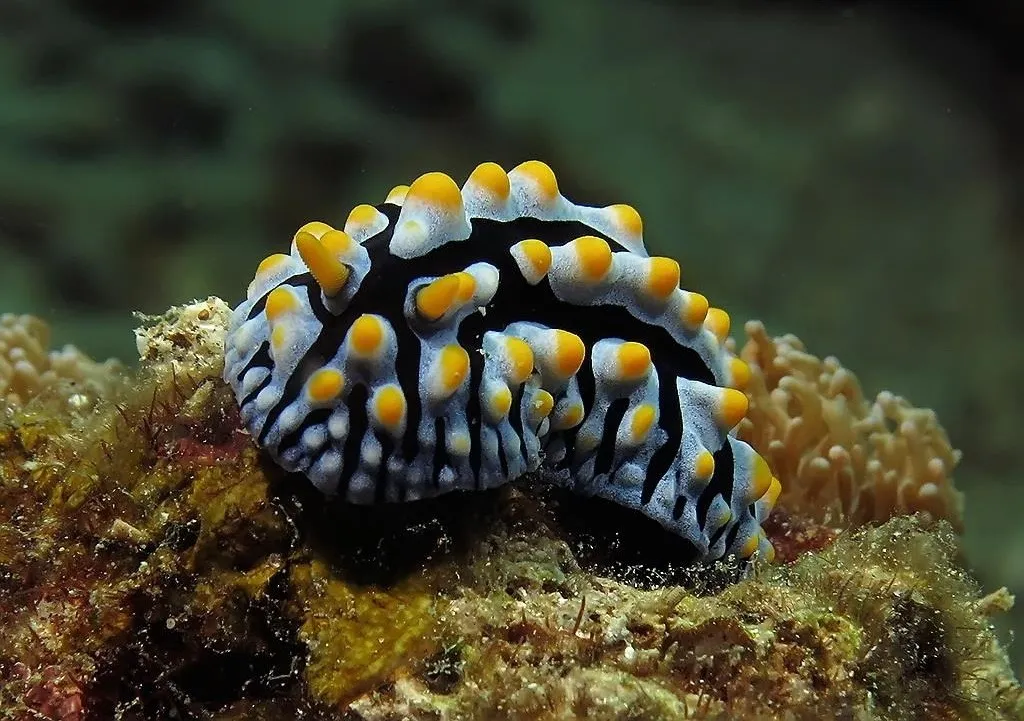
The site is particularly noted for its abundance of macro life, including numerous slugs, snails, and nudibranchs. Keep an eye out for diverse fish species such as blue moki, trumpeter, greenbone, red cod, and rock cod.
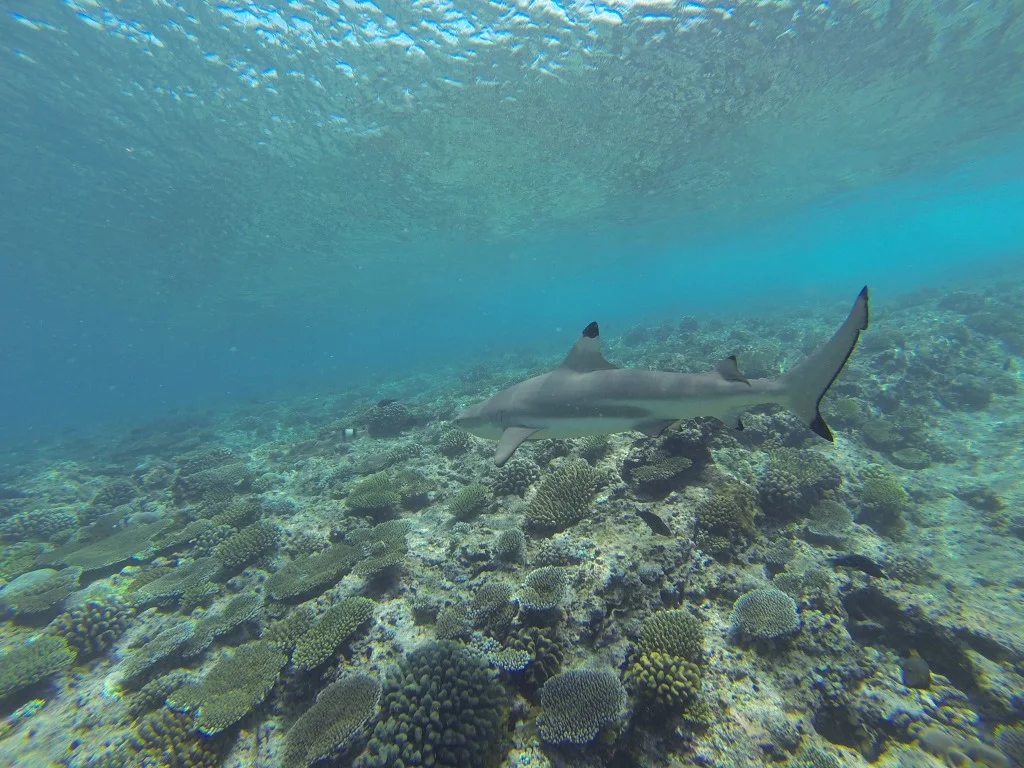
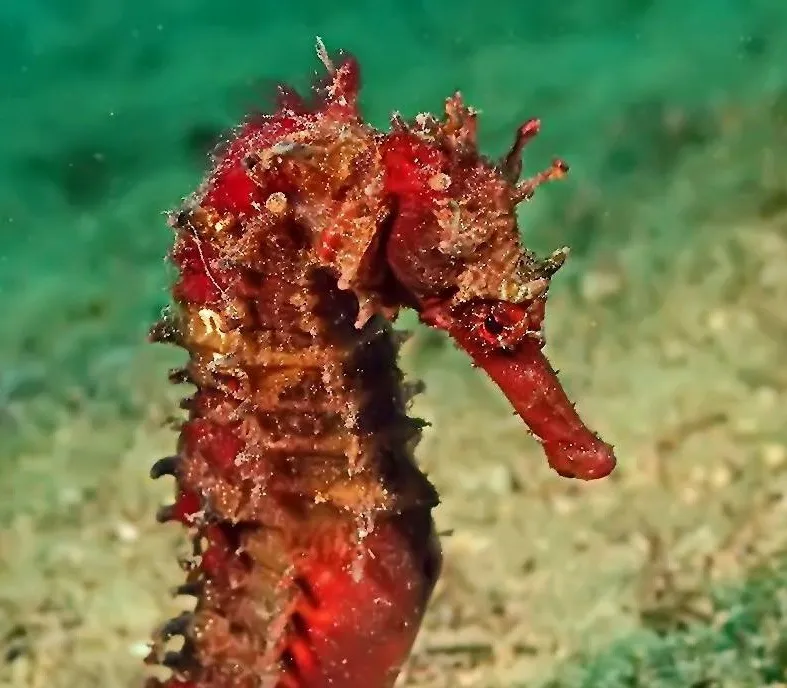
Rarer sightings include seahorses, carpet sharks, telescope fish, and sevengill sharks. New Zealand hooker sea lions are also occasional, captivating visitors to the area, adding a special dimension to the dive experience.

Dive Centers Near Aramoana Mole
No Dive Centers Local To Aramoana Mole
Are you a dive center visiting this location? Get listed to reach divers.
Nearest Airports
Nearest airports to help plan travel to this dive area.
Search Flights
Check available flights and routes on Expedia, using the nearby airports listed in this section.
Search Flights on ExpediaFrequently Asked Questions
What is Aramoana Mole?
Aramoana Mole is a man-made rock wall, originally called Cargill’s Pier, constructed to protect the Otago Harbour entrance from silting. Over time, several shipwrecks were scuttled along its length, creating a unique dive site rich in historical artifacts and marine life.
What types of diving are available at Aramoana Mole?
The site offers a variety of dive experiences, including wreck diving, sandy bottom exploration, and general ocean diving. It's also a popular location for diver training, including PADI Night Diver and PADI Wreck Diver courses.
What are the typical depths and visibility?
Most dives at Aramoana Mole are conducted at depths averaging 10–15 metres (33-49 feet). The maximum depth can reach around 30 metres (98 feet) off the end of the Mole. Visibility generally ranges from 3-6 metres (10-20 feet), with conditions sometimes improving to 10 metres (30 feet) on exceptional days.
Are there currents to be aware of?
Yes, a strong tidal current may be present off the end of the Mole. Divers should plan their entries and exits carefully and ideally dive this section during slack tide to ensure a safer experience.
What marine life can divers expect to see?
The Mole is home to a diverse array of marine life, including schools of blue moki and other fish like trumpeter and red cod. Divers often spot macro life such as seahorses, nudibranchs, and a variety of sponges. Larger animals like carpet sharks, sevengill sharks, and New Zealand hooker sea lions are also occasionally seen.
How do I access the dive site?
There is good road access to a carpark near Aramoana Mole. However, vehicle access directly onto the Mole itself is generally limited to organized dive operations, such as those facilitated by Dive Otago. Most individual divers will need to walk to their entry point from the designated parking area.
When is the best time to visit for diving?
The warmer months, particularly February, typically offer the most favorable conditions for diving with higher average air temperatures and relatively low rainfall. However, good visibility is often best at high tide and when sheltered from northeast winds, which can occur year-round.
Planning to dive Aramoana Mole?
Send one inquiry and receive offers directly from the best verified local dive operators.
Conditions are Poor
High Wind Advisory (56km/h). Unsafe surface.
Current conditions near Aramoana Mole show 14° air, 11° sea temperature, 1.5 m waves, and 56 km/h wind. Forecast data is refreshed regularly to ensure accuracy.