
Diving at White Island (New Zealand)
An extraordinary underwater landscape awaits divers at White Island, New Zealand's only active marine volcano. With typical visibility ranging from 10 to 30 m (33 to 100 ft), clear waters frequently allow for expansive views of its dramatic volcanic topography. Exploring the vibrant ecosystem around this active site reveals a world shaped by geothermal forces, providing an experience unlike many other dive destinations.
Starting the day at White Island, the ambient air temperature is recorded at 14°C. Ongoing monitoring shows wave heights measuring 1.4 m. This data represents the current surface conditions for early activities.
Dive Site Location & Key Facts
Dive Site Overview
Exploring White Island, known in Māori as 'Te Puia o Whakaari' or 'The Dramatic Volcano,' presents a distinct diving environment. This active andesite stratovolcano, located approximately 48 km (30 mi) from the Whakatane coast, is New Zealand’s most active cone volcano.
Divers navigate underwater pinnacles and walls, observing geothermal vents releasing streams of gas bubbles from the seabed—often described as an 'underwater hot water beach.' The island itself is the peak of a much larger submarine mountain, dropping to a maximum depth of 30 m (100 ft) for recreational diving, though average depths explored typically sit around 18 m. Its unique features draw scientists, volcanologists, and divers keen to witness a live marine volcano's effects on an underwater ecosystem. This site, alongside the nearby Volkner Rocks marine reserve, stands as a prime diving location in the Bay of Plenty.
Conditions are Poor
High Wind Advisory (53km/h). Unsafe surface.
Current conditions near White Island show 14° air, 16° sea temperature, 1.7 m waves, and 53 km/h wind. Forecast data is refreshed regularly to ensure accuracy.
Best Time to Dive
Planning a dive trip to White Island benefits from understanding seasonal climate patterns, with the period from December to April generally considered optimal. During these months, air temperatures are milder, averaging between 19°C and 20.5°C, alongside lower average rainfall, typically ranging from 1.8 mm to 4.2 mm. Dive scores for this period are consistently moderate, reflecting generally more favorable sea conditions. Conversely, the cooler winter months, particularly July and September, see average air temperatures drop to 14°C to 14.5°C, with higher average wind speeds and wave heights, resulting in dive scores rated as poor. Water temperatures, not consistently reported by system data, tend to range from 16-21°C (61-70°F) throughout the year, with the warmer end of this spectrum more likely during the preferred summer season.
PEAK SEASON SCORE
Scores combine air & water temps, waves, wind & rainfall for overall conditions.
BEST MONTHS TO DIVE
Monthly records compiled from satellite and marine observation nodes over the last 3 years. Data provided by Open-Meteo and MET Norway.
Dive Experience & Conditions
Recreational divers approaching White Island should be prepared for an intermediate-level dive, given its dynamic environment. Underwater, the water temperature typically ranges from 16-21°C (61-70°F), supporting a unique ecosystem adapted to the specific conditions. Visibility frequently extends between 10 to 30 m (33 to 100 ft), allowing clear views of the submarine volcanic activity. Divers can witness underwater steam vents and experience the sensation of gas bubbles rising from the seafloor. The dramatic volcanic topography features walls and pinnacles, forming complex underwater structures. Access to the dive sites is exclusively by boat, typically arranged through local dive operators.
Dive Difficulty & Safety Guidelines
Navigating an active volcanic environment like White Island requires adherence to specific safety protocols. White Island is an active volcano, and noxious fumes may be emitted. It is crucial to avoid filling dive cylinders downwind of the island due to potential gas hazards.
As the island is privately owned, visitors may not land without explicit permission, nor should any wildlife be disturbed or removed. Diving activities must always be conducted with authorized tourist operators who are experienced in managing the unique challenges of this site.
Divers should remain vigilant and follow all instructions from their dive guides to ensure a safe and respectful exploration of this powerful natural wonder.
Recommended Equipment
- Dive Computer
This gear list is based on verified equipment signals for White Island, New Zealand. Always confirm final gear choices with your dive operator, guide, or liveaboard.
Recommended Dive Suit
Divers who spend more time observing marine life often prefer slightly warmer gear.
The water around White Island is currently holding at approximately 16°C (60°F), setting the tone for today's dives. Surface air temperatures are resting at 14°C (57°F). Water temperatures in this range are often well suited to diving with 5-7mm wetsuit. Consider warmer surface protection (like a boat coat) due to brisk winds. A thermal robe or jacket is recommended between dives.
Environmental conditions appear stable for the near future.
Emergency & Medical Support
Essential information to help you plan your dive trip to White Island.

Hyperbaric chambers are a critical part of dive safety infrastructure. Availability varies significantly by region, and not all dive areas have immediate access.
Before diving, it's recommended to:
- confirm nearest medical facilities
- check emergency procedures with local dive operators
- ensure dive insurance covers evacuation if required
Divers Alert Network
Diving emergency assistance available through DAN World.
+1-919-684-9111- 24/7 emergency hotline
- Diving medical assistance
- Evacuation coordination
Emergency contacts are provided for reference. Always verify local emergency services before diving.
Marine Life at White Island
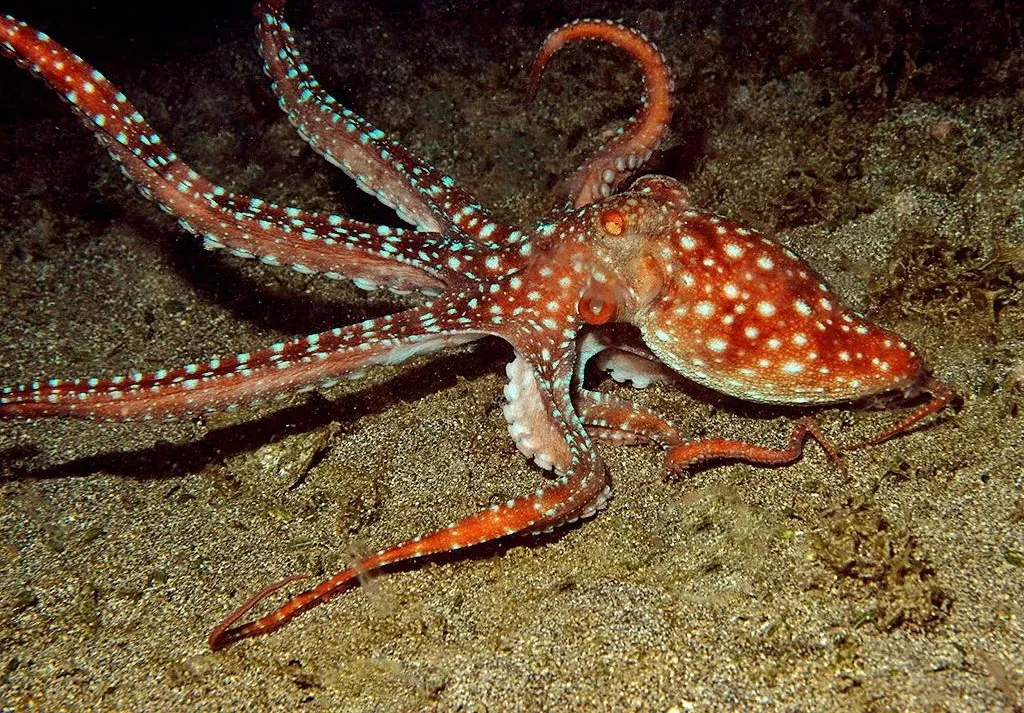
The unique geothermal environment of White Island nurtures a distinct marine community, thriving amidst the volcanic activity. Divers commonly encounter large schools of fish, along with sightings of rays and octopuses.
This unique assemblage of marine life has adapted to the fluctuating conditions, creating an interesting study in resilience. Occasionally, dolphins are observed in the surrounding waters off Whakatane, adding an exciting dimension to the overall marine experience.
Above water, a breeding colony of approximately 3000 pairs of Australasian Gannets can be seen on the island itself.

Dive Centers Near White Island
No Dive Centers Local To White Island
Are you a dive center visiting this location? Get listed to reach divers.
Nearest Airports
Nearest airports to help plan travel to this dive area.
Search Flights
Check available flights and routes on Expedia, using the nearby airports listed in this section.
Search Flights on ExpediaFrequently Asked Questions
What makes diving at White Island unique?
White Island is New Zealand's only active marine volcano, offering the chance to dive alongside underwater steam vents and observe geothermal bubbles rising from the seabed. The volcanic topography creates a dramatic and distinctive underwater landscape.
What are the typical water temperatures for diving?
Water temperatures at White Island generally range from 16-21°C (61-70°F) throughout the year. Thermal protection like a wetsuit or drysuit is recommended for comfort during dives.
What kind of visibility can I expect while diving here?
Divers typically experience good visibility at White Island, often ranging from 10 to 30 m (33 to 100 ft). This allows for clear views of the volcanic structures and marine life.
Is White Island suitable for beginner divers?
Diving at White Island is generally considered to be of intermediate difficulty. Divers should possess adequate experience and comfort in varied conditions, as access is exclusively via boat.
How do I access White Island for diving?
Access to White Island is exclusively by boat, with authorized dive operators departing from mainland towns like Whakatane. Landing on the island itself requires special permission due to its private ownership and active status.
Are there specific safety concerns when diving near an active volcano?
Yes, safety is paramount. White Island is an active volcano, meaning noxious fumes can be emitted. Divers should only go with experienced, authorized operators and must never fill cylinders downwind of the island. Adherence to all guide instructions is essential.
What is the maximum depth for recreational diving at White Island?
Recreational dives around White Island typically reach a maximum depth of 30 m (100 ft). Dive plans are tailored to specific sites and diver certifications.
What kind of marine life might I encounter?
You can expect to see large schools of fish, rays, and octopuses thriving in the unique ecosystem shaped by the volcanic activity. Occasional dolphin sightings are also reported in the wider Whakatane waters.
Planning to dive White Island?
Send one inquiry and receive offers directly from the best verified local dive operators.
Conditions are Poor
High Wind Advisory (53km/h). Unsafe surface.
Current conditions near White Island show 14° air, 16° sea temperature, 1.7 m waves, and 53 km/h wind. Forecast data is refreshed regularly to ensure accuracy.