
Diving at Apo Island (Philippines)
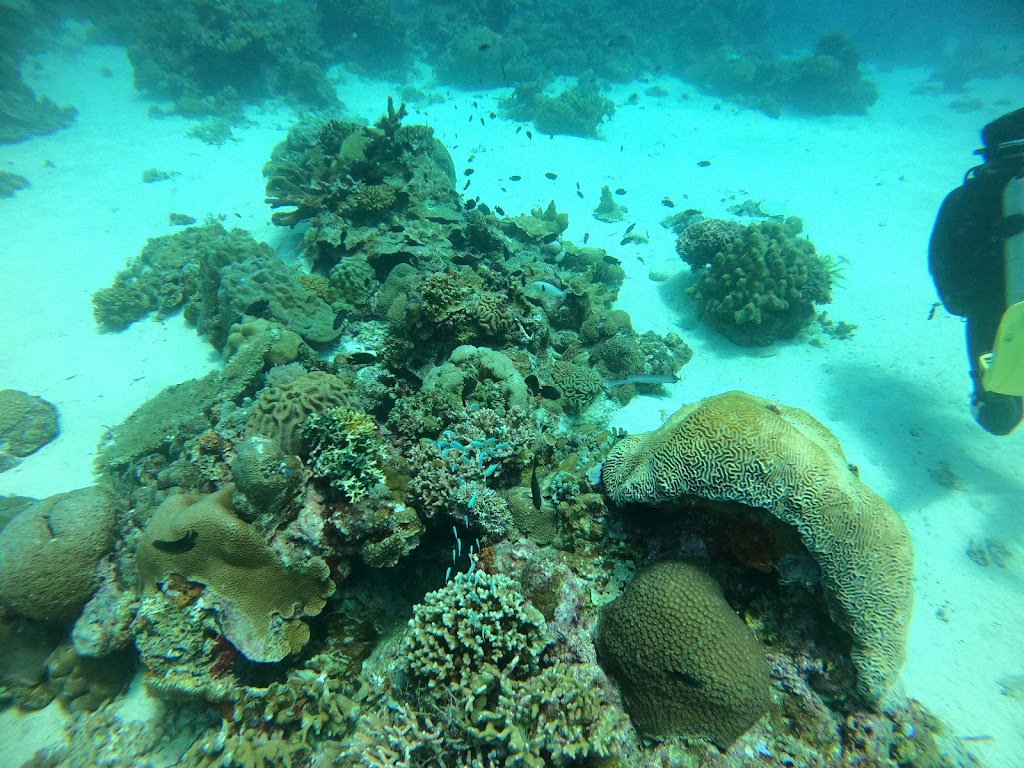
Apo Island’s underwater realm reveals a tapestry of vibrant hard and soft coral reefs, characterized by dramatic walls, gentle slopes, and robust ocean drifts. This protected marine sanctuary presents an environment shaped by dynamic currents and geothermal activity. Dive sites range from shallow coral gardens to deeper, exposed sections, each contributing to a rich and varied seascape that supports extensive biodiversity.
Tonight's objective overview for Apo Island shows an air temperature of 28.5°C. The measured surface conditions include wave heights around 0.5 m. This environmental data is logged for the close of the day.
Dive Site Location & Key Facts
Dive Site Overview
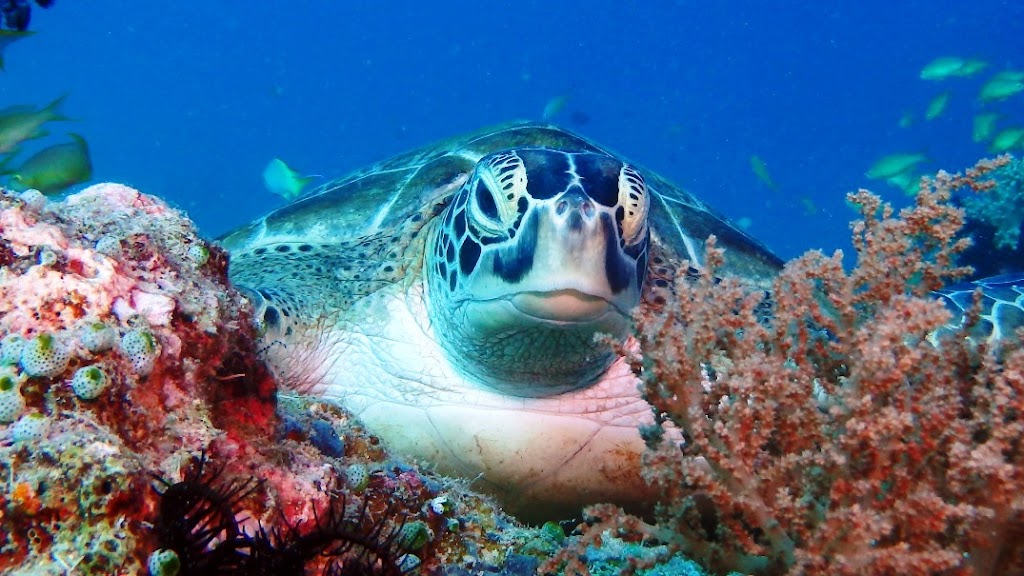
Dropping into Apo Island's waters presents a diverse underwater journey across its more than 12 distinct dive sites. Beginners can explore sites like Rock Point East, where gentle currents nurture vibrant coral gardens, or the Marine Sanctuary, a protected haven teeming with diverse reef fish and green sea turtles.
For those seeking varied terrain, Baluarte combines healthy coral with sandy slopes and a small cave. Divers exploring Largahan will encounter unique underwater hot springs, releasing fascinating bubbles from the sandy seabed. More experienced divers will appreciate the steep walls and potentially challenging currents at Chapel, which often bring in large schools of fish and the occasional shark or turtle.
Maximum depths here can reach up to 40 m / 131 ft, offering plenty to explore for all certification levels, from exploring macro life at Katipanan to experiencing strong drifts at Coconut Point.
Conditions are Excellent
07:00 - 14:00
Optimal conditions expected
Current conditions near Apo Island show 29° air, 30° sea temperature, 0.6 m waves, and 25 km/h wind. Forecast data is refreshed regularly to ensure accuracy.
Best Time to Dive
Considering Apo Island for a dive trip involves timing your visit with the dry season, running from November through May. During these months, the weather is generally calm, providing excellent underwater visibility and more manageable currents across most sites. Air temperatures typically range from 26.5°C / 80°F in November to a warmer 28°C / 82°F by May, contributing to comfortable surface intervals and pleasant topside conditions. This period sees minimal rainfall, with monthly averages often below 5 mm, allowing for consistent dive opportunities without significant weather interruptions. Conversely, the rainy season, from June to October, brings higher rainfall, stronger winds, and the potential for rougher seas, which can reduce visibility and impact dive schedules, making diving more unpredictable.
PEAK SEASON SCORE
Scores combine air & water temps, waves, wind & rainfall for overall conditions.
BEST MONTHS TO DIVE
Monthly records compiled from satellite and marine observation nodes over the last 3 years. Data provided by Open-Meteo and MET Norway.
Dive Experience & Conditions
Descending into the varied dive sites of Apo Island offers distinct experiences shaped by local conditions and the prevailing currents. While some sites like Rock Point East or Katipanan feature calm waters, perfect for patient macro photography and relaxed exploration of smaller wonders, others, such as Coconut Point, can present strong drift conditions, appealing to advanced divers seeking an adrenaline rush. Expect generally good to excellent visibility, often exceeding 20 meters, especially during the peak dry season. Water conditions are consistently warm throughout the year, though specific temperatures are not widely reported. Sites often transition from shallow coral gardens, bustling with reef fish, to deeper walls or sandy slopes, with many dives occurring along dynamic reef systems or vertical drop-offs that plunge into the blue.
Dive Difficulty & Safety Guidelines
Navigating Apo Island's currents requires an awareness of site-specific conditions and appropriate certification. While many areas offer gentle dives suitable for Open Water divers, sites with strong drift or unpredictable flows, like Chapel or Coconut Point, necessitate advanced certifications and careful planning with local expertise.
Dive operators and guides possess invaluable knowledge of current patterns and optimal entry/exit points, making their guidance essential for a safe experience. The Apo Island Marine Sanctuary, a critical protected area, requires divers to adhere strictly to guidelines to preserve its pristine coral reefs and abundant marine life.
Always maintain proper buoyancy, avoid touching any marine organisms, and ensure your dive flag is deployed where required, signaling boat support.
Recommended Equipment
Deep dive hazard. Increased narcosis and gas consumption risk.
Current and surface separation risk. Local briefing strongly recommended.
- Dive Computer
- DSMB
- Primary & Backup Lights
- Reel / Spool
This gear list is based on verified equipment signals for Apo Island, Philippines. Always confirm final gear choices with your dive operator, guide, or liveaboard.
Recommended Dive Suit
With water temperatures around 30°C (86°F), many divers find a dive skin or rash guard provides comfortable protection.
Local dive briefings can provide the most accurate guidance.
The forecast outlook suggests that temperatures will stay close to current levels.
Emergency & Medical Support
Essential information to help you plan your dive trip to Apo Island.

Hyperbaric chambers are a critical part of dive safety infrastructure. Availability varies significantly by region, and not all dive areas have immediate access.
Before diving, it's recommended to:
- confirm nearest medical facilities
- check emergency procedures with local dive operators
- ensure dive insurance covers evacuation if required
Divers Alert Network
Diving emergency assistance available through DAN World.
+1-919-684-9111- 24/7 emergency hotline
- Diving medical assistance
- Evacuation coordination
Emergency contacts are provided for reference. Always verify local emergency services before diving.
Marine Life at Apo Island
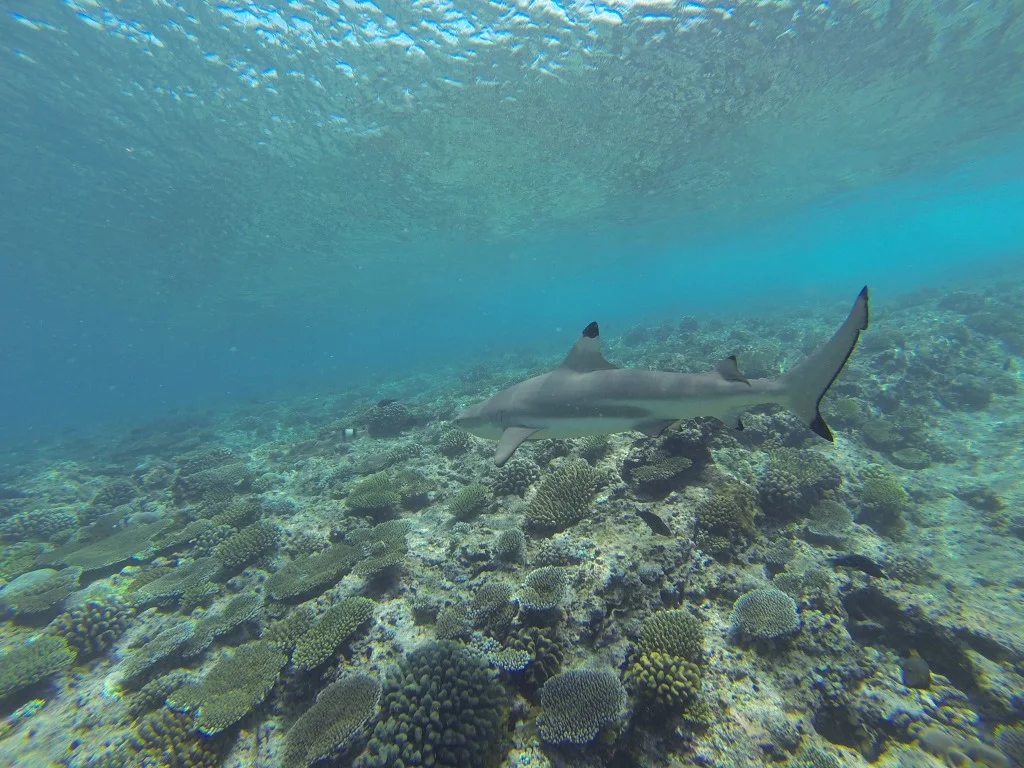
An array of marine life populates Apo Island's diverse underwater environments, flourishing within its healthy coral ecosystems. Turtles are a common sight, often seen cruising through the protected sanctuary areas.
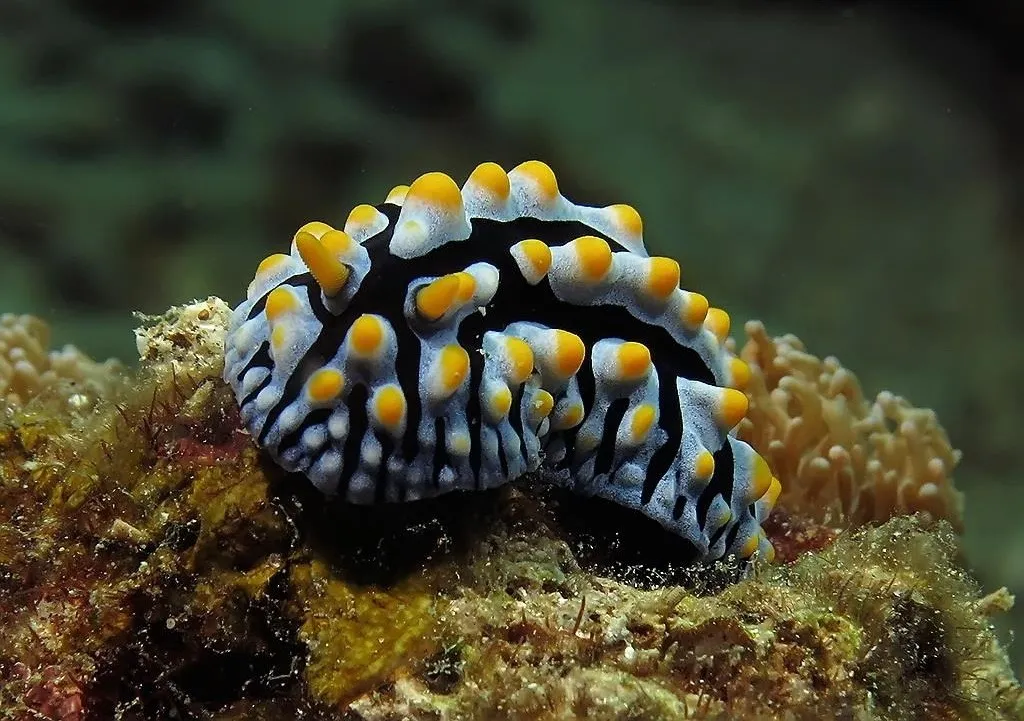
Smaller wonders like nudibranchs and pygmy seahorses can be spotted at macro-focused sites such as Katipanan. Schools of jacks frequently swirl in dynamic formations, particularly where currents are more active.
Divers might also encounter various reef fish, occasional sea snakes, and, less commonly, larger pelagics like sharks, whales, or dolphins, especially on ocean-facing sites.

Dive Sites Near Apo Island
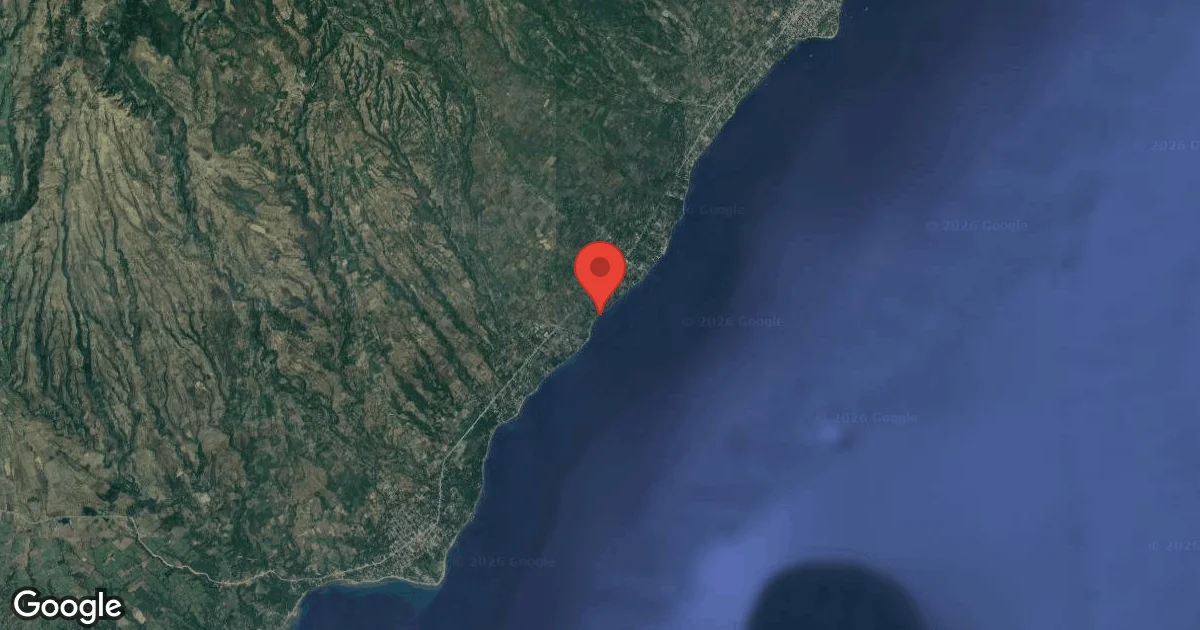
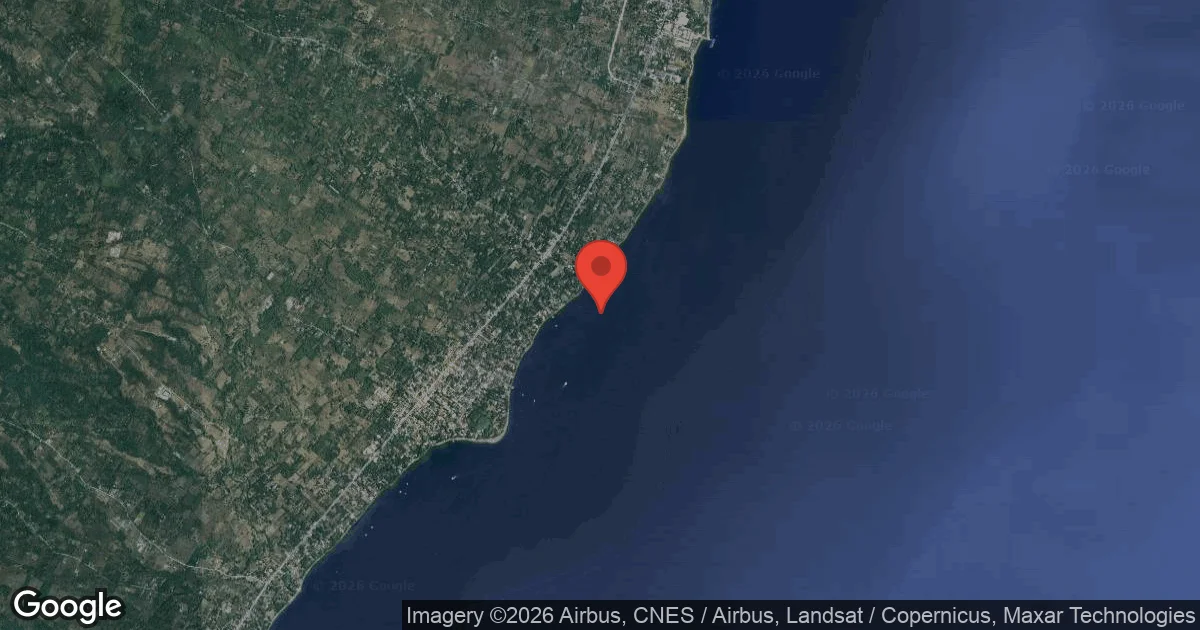
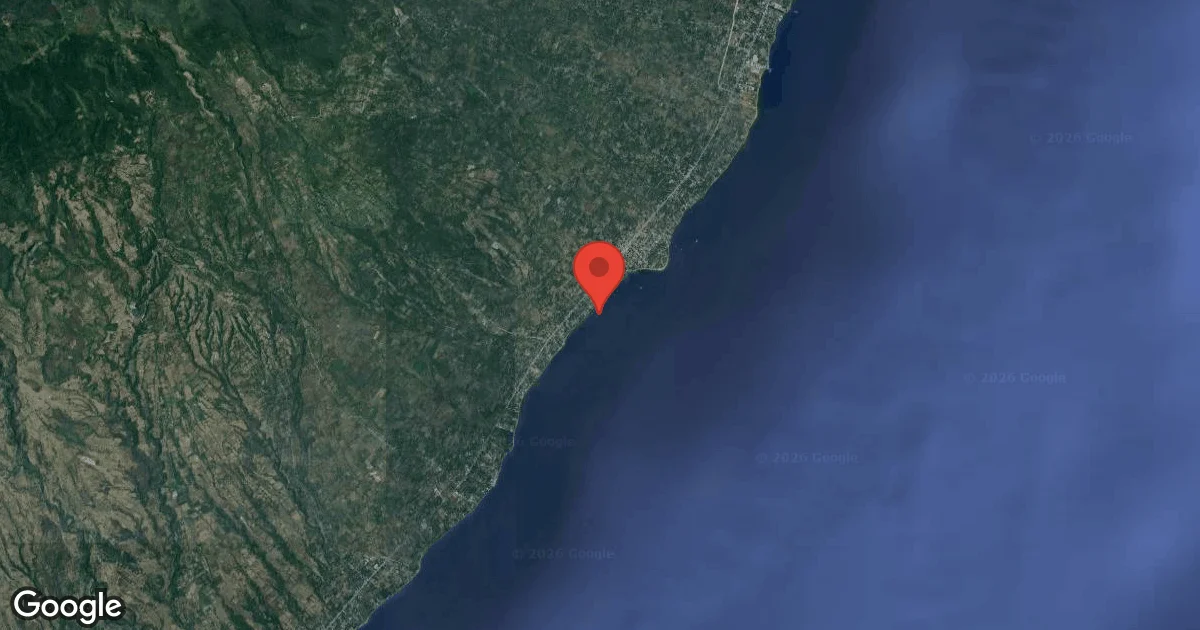
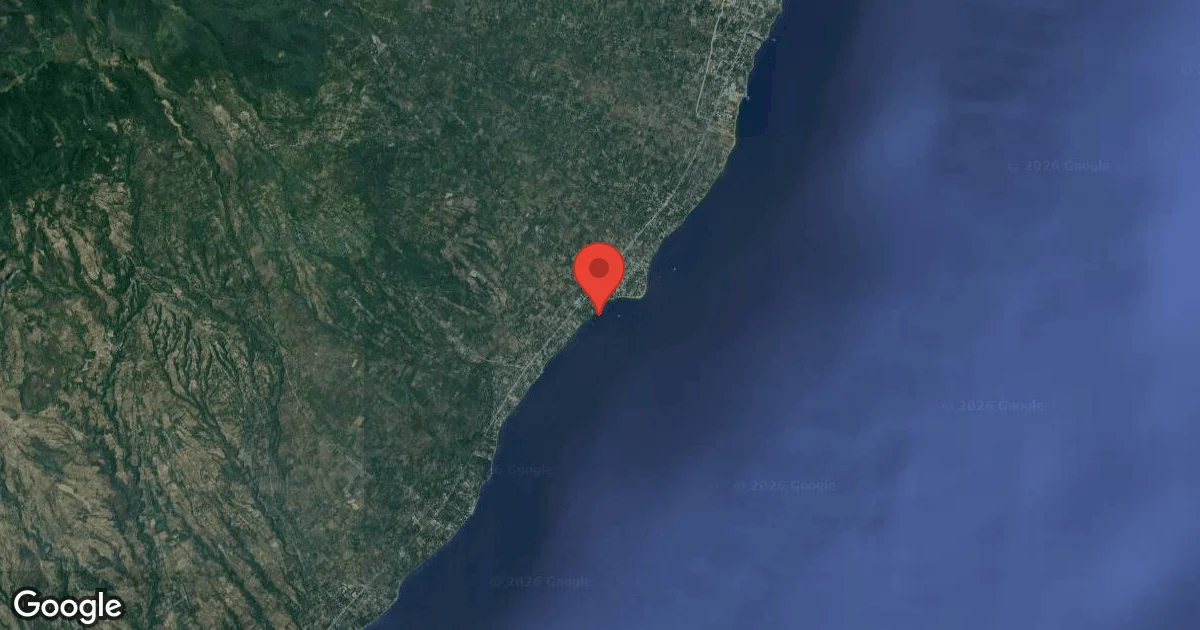
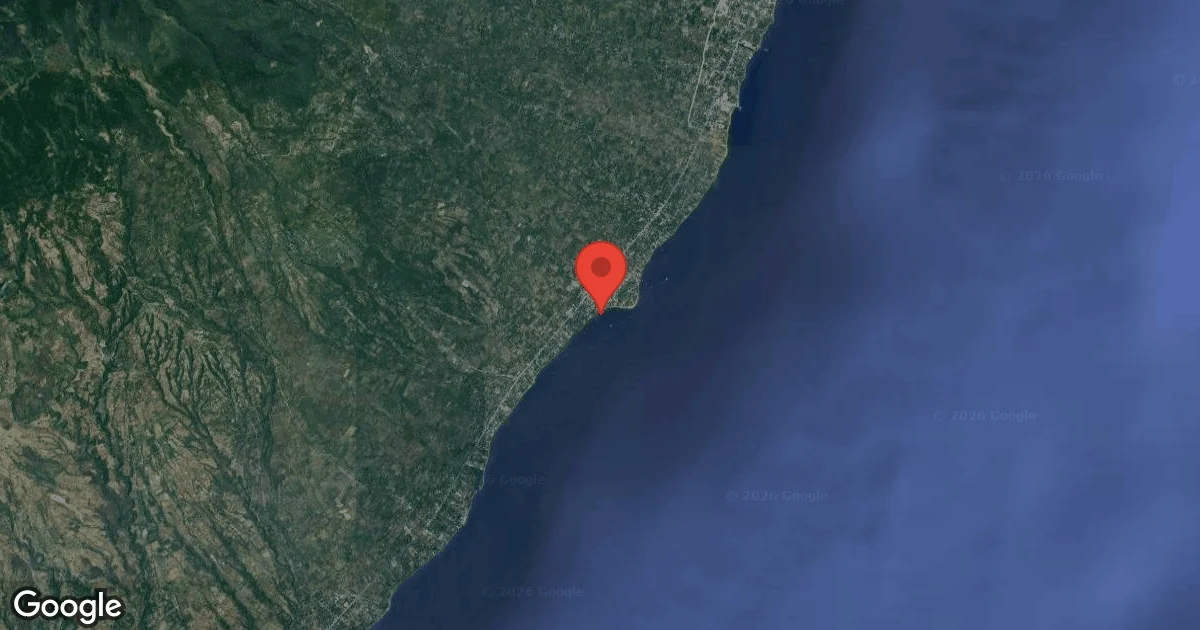
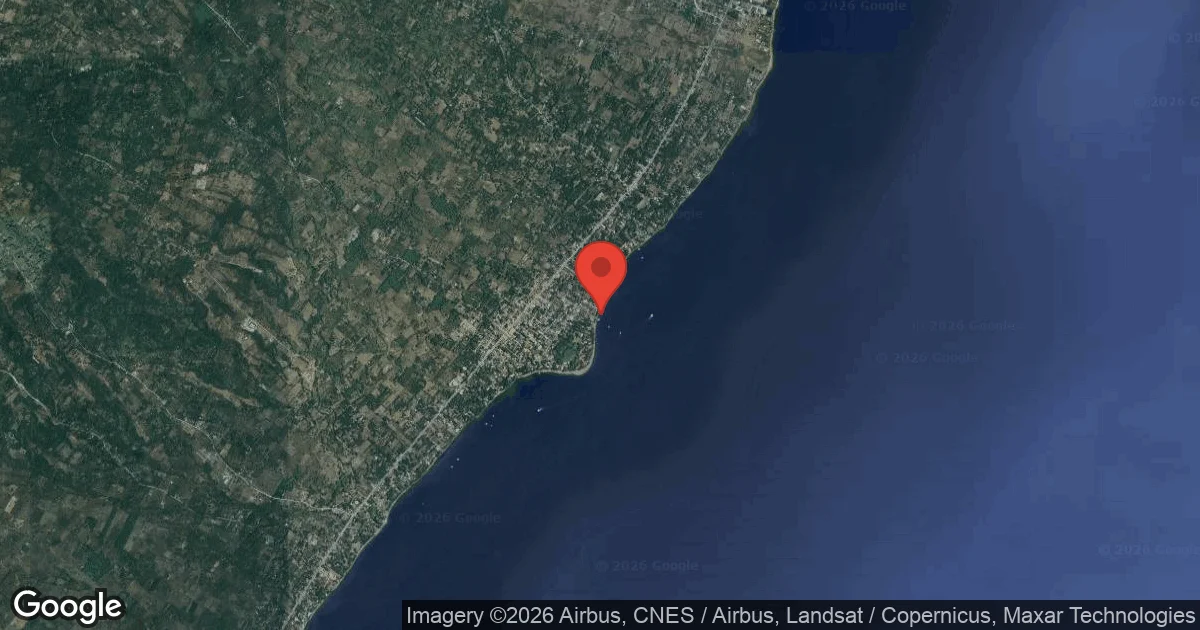
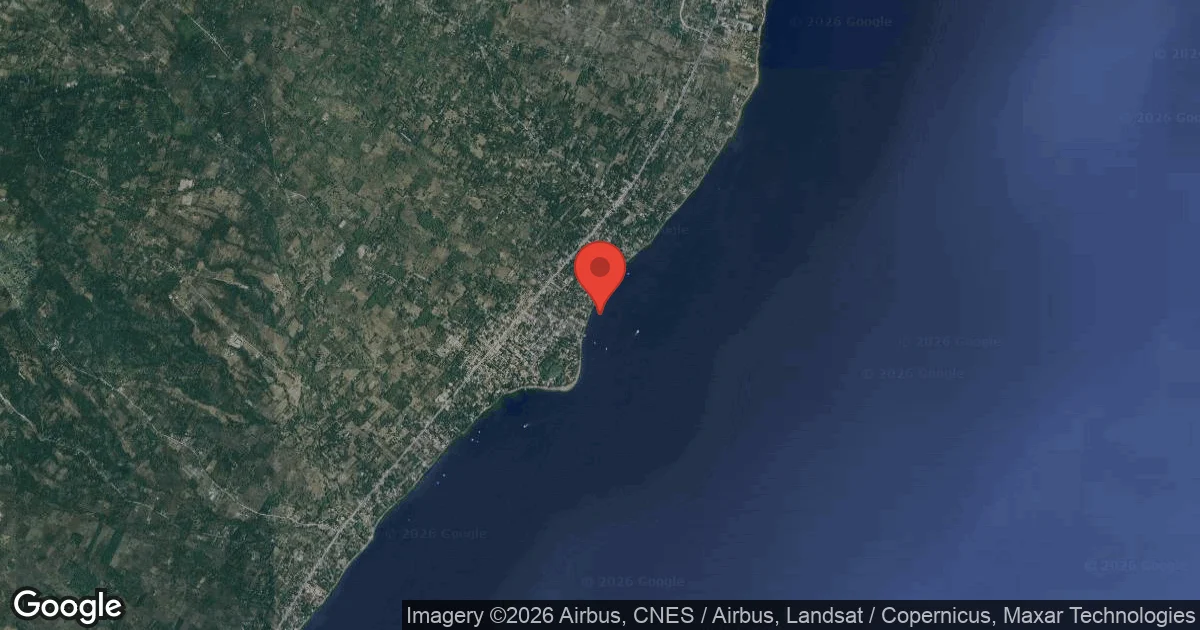
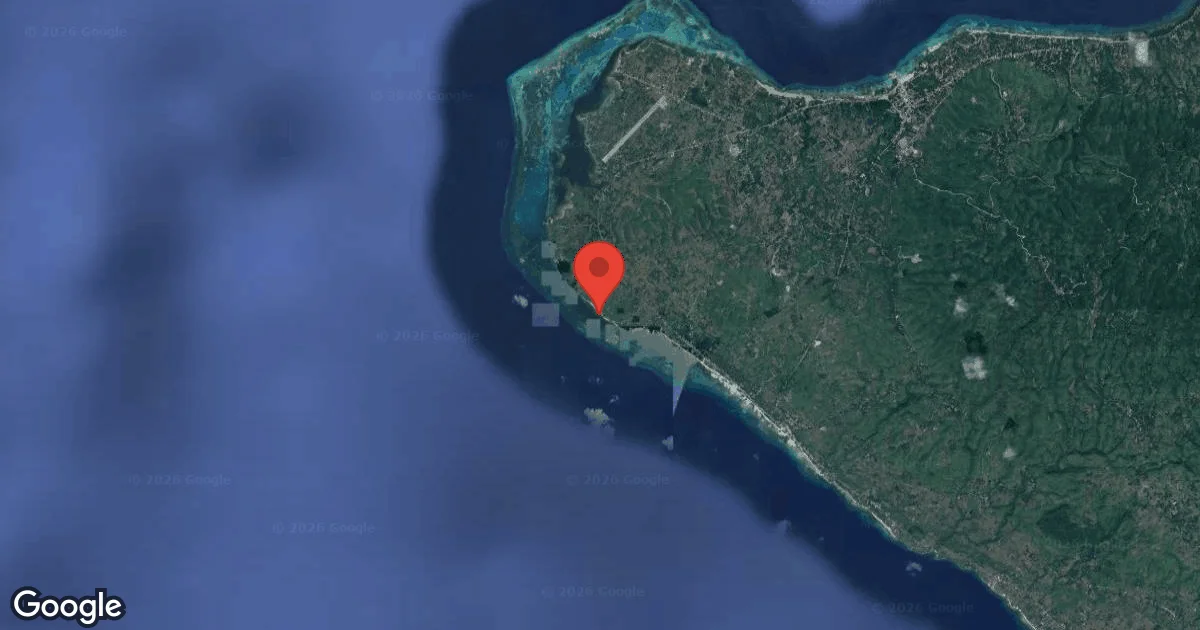
View all dive sites in PhilippinesDiscover more underwater gems in this area.
Dive Centers Near Apo Island
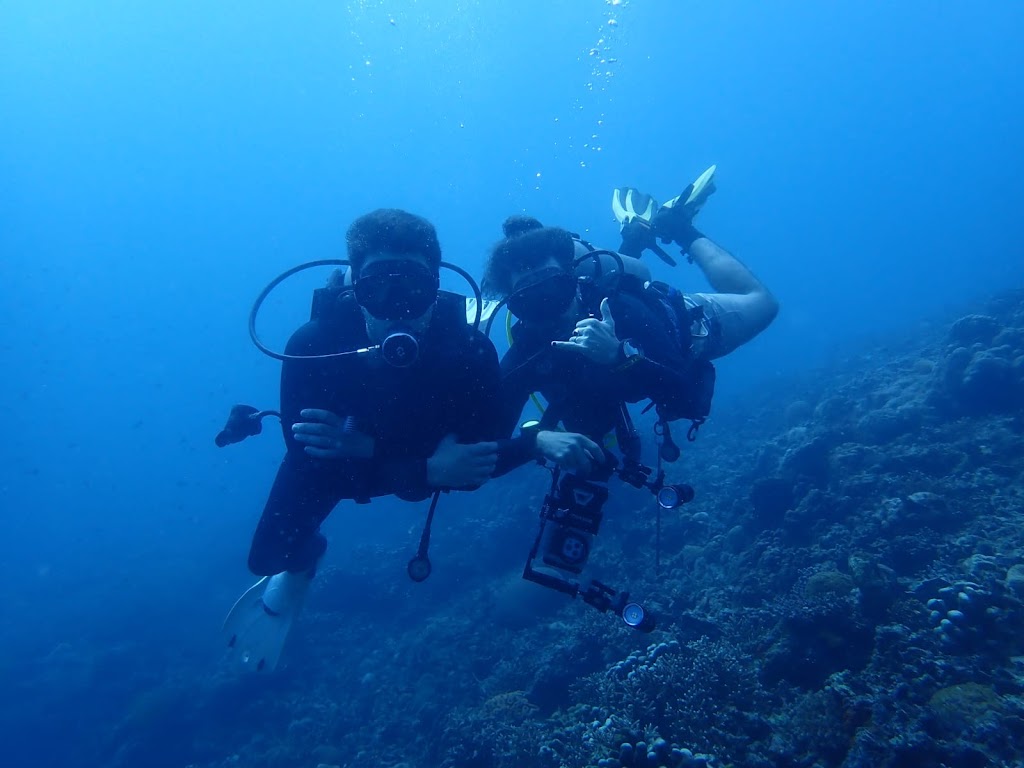
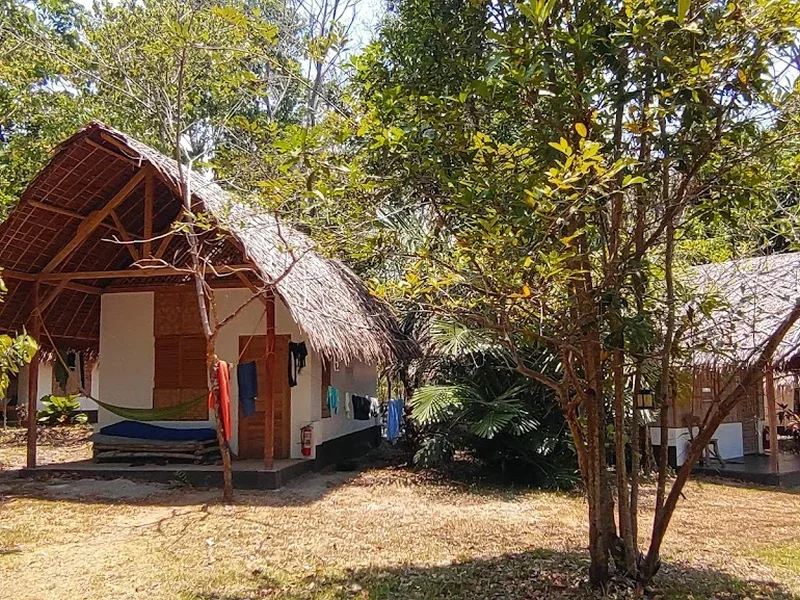
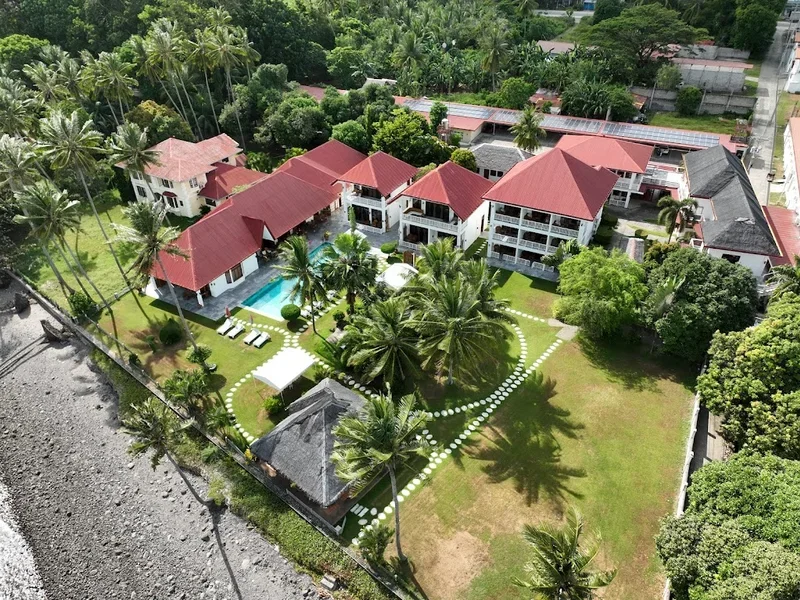
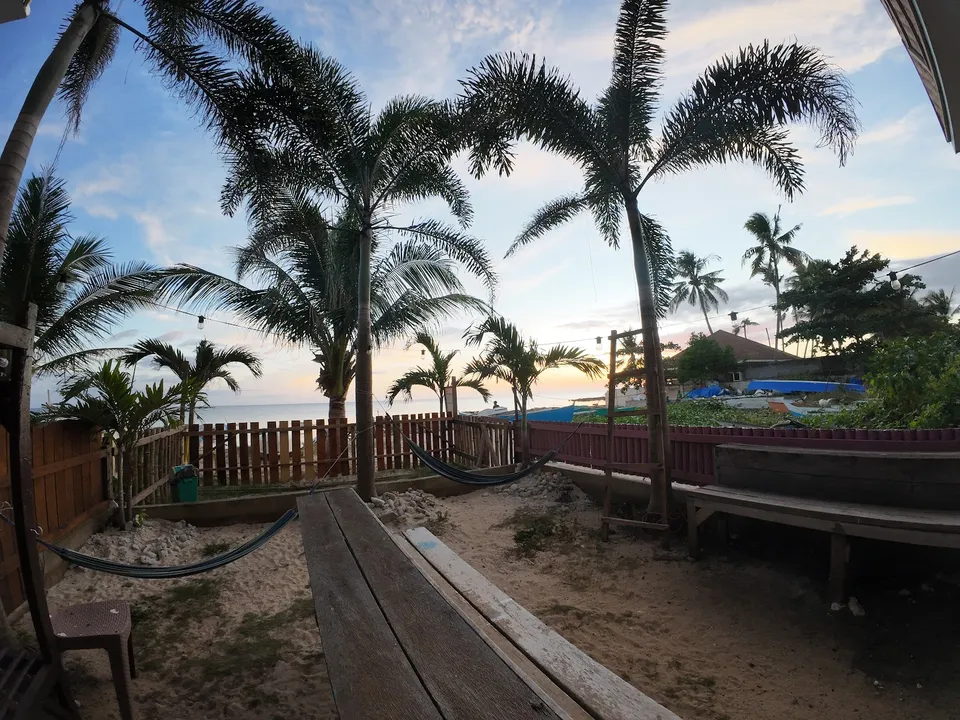
Today: 08:00 - 17:00

Nearest Airports
Nearest airports to help plan travel to this dive area.
Search Flights
Check available flights and routes on Expedia, using the nearby airports listed in this section.
Search Flights on ExpediaFrequently Asked Questions
What types of diving can I expect at Apo Island?
Apo Island offers a variety of dive types, including drift dives, vibrant reef explorations, dramatic wall dives, and open ocean encounters. There are sites suitable for both beginner and advanced certified divers.
When is the best time of year to dive Apo Island?
The optimal diving season runs from November to May, characterized by calmer weather, minimal rainfall, and excellent underwater visibility. This period provides the most comfortable and rewarding dive conditions.
Are there sites for less experienced divers?
Yes, Apo Island caters to all levels. Sites like Rock Point East and the Marine Sanctuary feature gentle currents and vibrant coral gardens, making them ideal for Open Water divers or those seeking a relaxed pace.
What marine life is commonly seen around Apo Island?
Divers frequently encounter turtles, diverse reef fish, and schools of jacks. Macro enthusiasts will appreciate sightings of nudibranchs and pygmy seahorses, with occasional reports of sea snakes, sharks, whales, or dolphins.
What is the maximum depth for diving around Apo Island?
Maximum depths for diving around Apo Island can reach approximately 40 meters or 131 feet. This allows for diverse exploration, from shallow reef tops to deeper wall sections.
Can I stay on Apo Island, or should I stay nearby?
You can stay on Apo Island for an immersive, authentic experience, though accommodations are basic. Alternatively, many divers stay in Dauin or Dumaguete City on Negros Island, which offer more amenities and convenient access via a short boat ride.
Are there strong currents?
Currents vary significantly by dive site. Some locations have gentle conditions, while others, like Coconut Point or Chapel, can experience strong drift currents. Awareness of site conditions and local guidance is important.
Are there any unique features underwater?
Yes, one unique feature is the presence of underwater hot springs at the Largahan dive site. These geothermal vents release intriguing bubbles from the sandy seabed, creating a distinctive and memorable dive experience.
Planning to dive Apo Island?
Send one inquiry and receive offers directly from the best verified local dive operators.
Conditions are Excellent
07:00 - 14:00
Optimal conditions expected
Current conditions near Apo Island show 29° air, 30° sea temperature, 0.6 m waves, and 25 km/h wind. Forecast data is refreshed regularly to ensure accuracy.