
Diving at Bantigi (Philippines)
While some sites recount dramatic tales of submerged vessels and forgotten cargo, Bantigi paints a different underwater narrative. This Malapascua dive site is a celebrated destination for its vibrant macro life, offering a compelling contrast to typical wreck dives in the region. Situated in the Visayas region of the Philippines, specifically North Cebu, it stands as a prime example of a thriving shallow reef system, rich in biodiversity for those who prefer to look closer.
Evening condition tracking at Bantigi features an air temperature of 29°C. We have recorded wave heights measuring 0.1 m during this period. These figures outline the environmental parameters currently present.
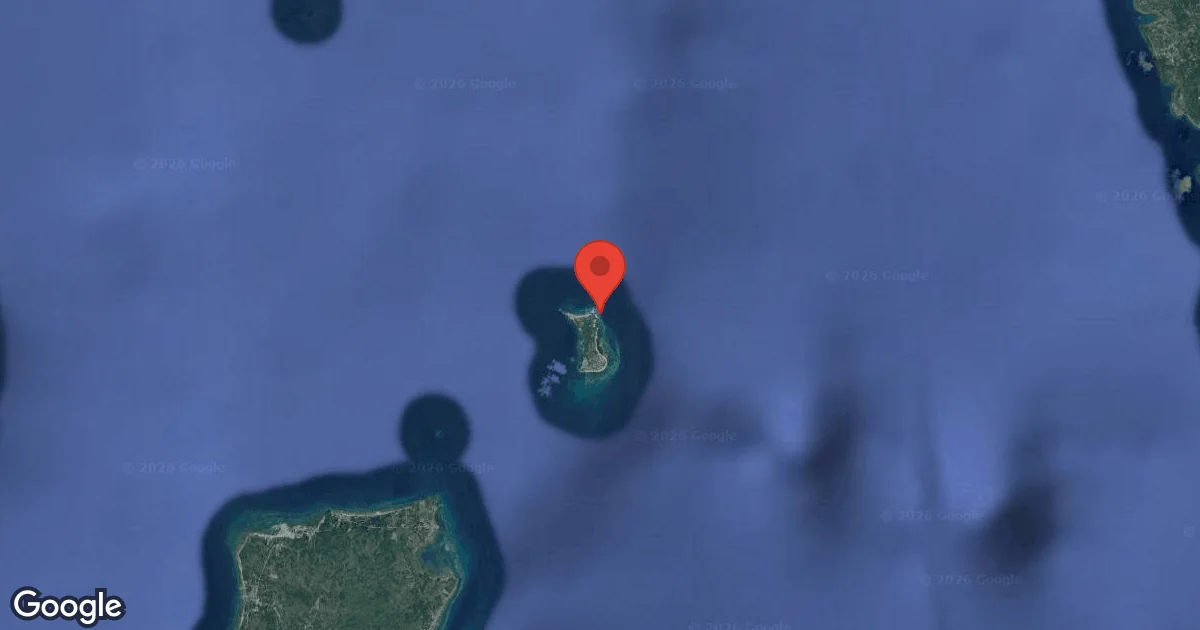
Dive Site Location & Key Facts
Dive Site Overview
Bantigi distinguishes itself as a premier muck dive, inviting divers to slow down and observe the intricate world beneath the surface. It’s a site where keen eyes are often rewarded with sightings of mimic octopus and stargazers, though these require a touch of luck and patience.
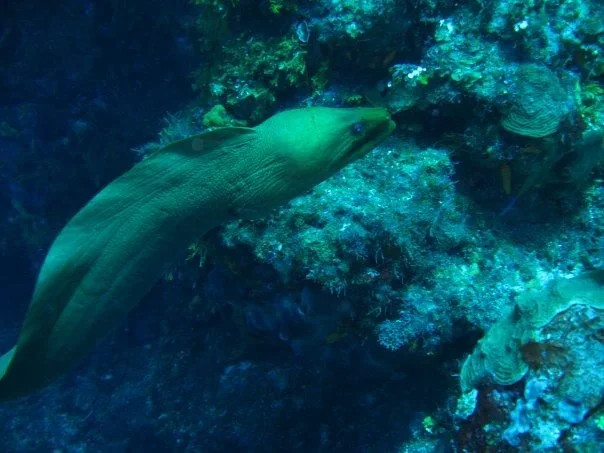
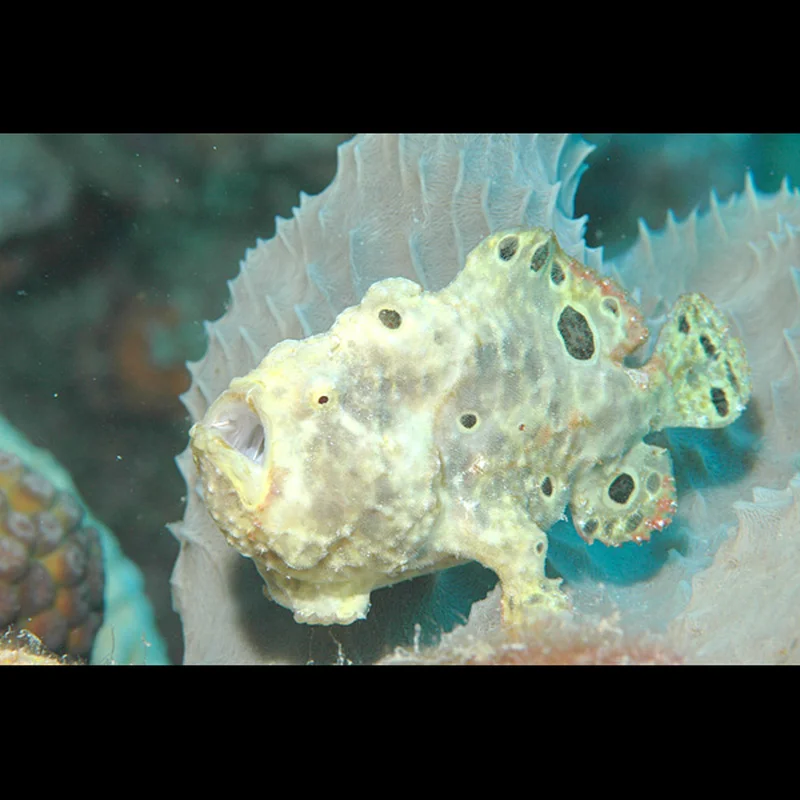
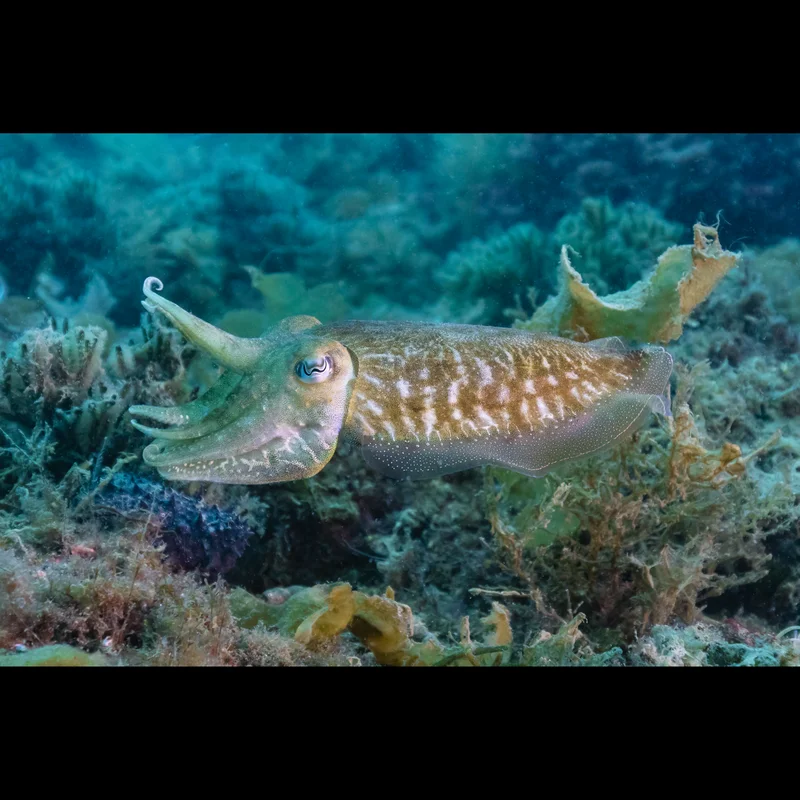
Typical encounters include a diverse array of goby, shrimp, mantis shrimp, and various crabs, along with fire urchins and zebra crabs. The seabed also hosts dwarf lionfish, cuttlefish, and an assortment of seamoths, snakes, and eels. Frogfish and numerous nudibranch species contribute to its macro appeal.
This reef, sandy bottom, and ocean dive maintains a maximum depth of 12 meters (39 feet) and is generally considered to be of intermediate difficulty, appealing to both open water and advanced divers looking for unique photographic opportunities and calm observation. Dive times can extend up to 60 minutes, providing ample opportunity to explore its subtle wonders.
Conditions are Good
Optimal conditions expected
Current conditions near Bantigi show 29° air, 30° sea temperature, 0.4 m waves, and 27 km/h wind. Forecast data is refreshed regularly to ensure accuracy.
Best Time to Dive
For optimal diving pleasure at Bantigi, planning your visit between March and June offers the most favorable conditions. During April, the site often receives an 'Excellent' dive score, with air temperatures averaging around 28°C (82°F) and minimal rainfall, approximately 0.43 mm. Moving into May, air temperatures peak slightly at 28.5°C (83°F) with light rain, maintaining a 'Good' dive score. Even in March and June, with average air temperatures ranging from 27°C (81°F) to 28°C (82°F), conditions remain very good, experiencing relatively low rainfall compared to other times of the year. This period generally provides the warmest water temperatures, fluctuating between 26-30°C (79-86°F), enhancing comfort and visibility for extended underwater exploration.
PEAK SEASON SCORE
Scores combine air & water temps, waves, wind & rainfall for overall conditions.
BEST MONTHS TO DIVE
Monthly records compiled from satellite and marine observation nodes over the last 3 years. Data provided by Open-Meteo and MET Norway.
Dive Experience & Conditions
Diver entry at Bantigi typically involves a boat, placing you directly over its inviting marine landscape. The site is characterized by a gentle sandy bottom interspersed with patches of reef and ocean terrain, making for a serene descent. While visibility is generally mild, it's suitable for appreciating the macro life that thrives here. Notably, Bantigi is known for experiencing little to no current, offering a relaxed environment for divers to navigate at their own pace. The water type is saltwater, with temperatures varying between 24-28°C (75-82°F) in cooler months and 26-30°C (79-86°F) during warmer periods, which contributes to its comfortable diving conditions. This site is well-suited for divers who appreciate calm waters and detailed observation rather than swift drift dives.
Dive Difficulty & Safety Guidelines
Considering Bantigi's intermediate rating, a recommended certification level of 30 meters is advisable, though the maximum depth explored here is typically 12 meters (39 feet). With site depths ranging from 15 to 30 meters, divers should be mindful of their gas consumption and no-decompression limits, especially during longer dives. The absence of strong currents at this site simplifies navigation and reduces physical exertion, making it accessible for divers looking to refine their buoyancy control and observational skills.
Always dive with a buddy and conduct thorough equipment checks. Staying attentive to your surroundings is key for appreciating the intricate marine life and maintaining personal safety.
Recommended Equipment
- Dive Computer
- DSMB
This gear list is based on verified equipment signals for Bantigi, Philippines. Always confirm final gear choices with your dive operator, guide, or liveaboard.
Recommended Dive Suit
For relaxed exploration dives, dive skin or rash guard generally provides adequate warmth. For divers entering the water at Bantigi, temperatures are currently hovering around 30°C (86°F). Surface air temperatures are resting at 29°C (84°F).
Forecast trends indicate similar diving conditions over the next few days.
A diver's personal tolerance to cold water can play a large role in suit selection.
Emergency & Medical Support
Essential information to help you plan your dive trip to Bantigi.

Hyperbaric chambers are a critical part of dive safety infrastructure. Availability varies significantly by region, and not all dive areas have immediate access.
Before diving, it's recommended to:
- confirm nearest medical facilities
- check emergency procedures with local dive operators
- ensure dive insurance covers evacuation if required
Divers Alert Network
Diving emergency assistance available through DAN World.
+1-919-684-9111- 24/7 emergency hotline
- Diving medical assistance
- Evacuation coordination
Emergency contacts are provided for reference. Always verify local emergency services before diving.
Marine Life at Bantigi
Upon descending into Bantigi's waters, the sheer variety of macro life immediately becomes apparent. Your eyes will first scan for the cleverly camouflaged frogfish or the striking patterns of snowflake moray eels.
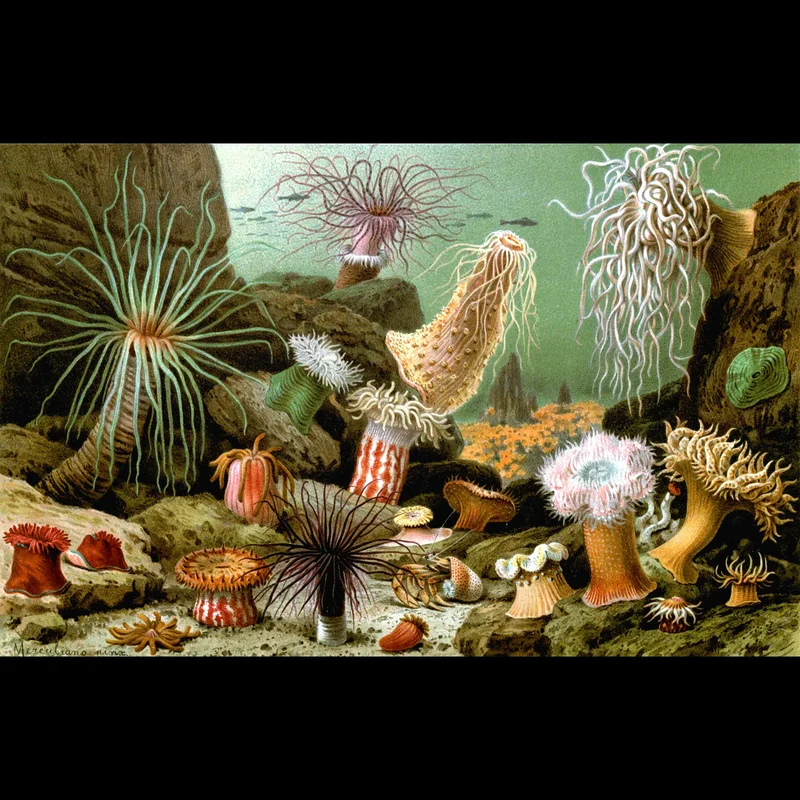
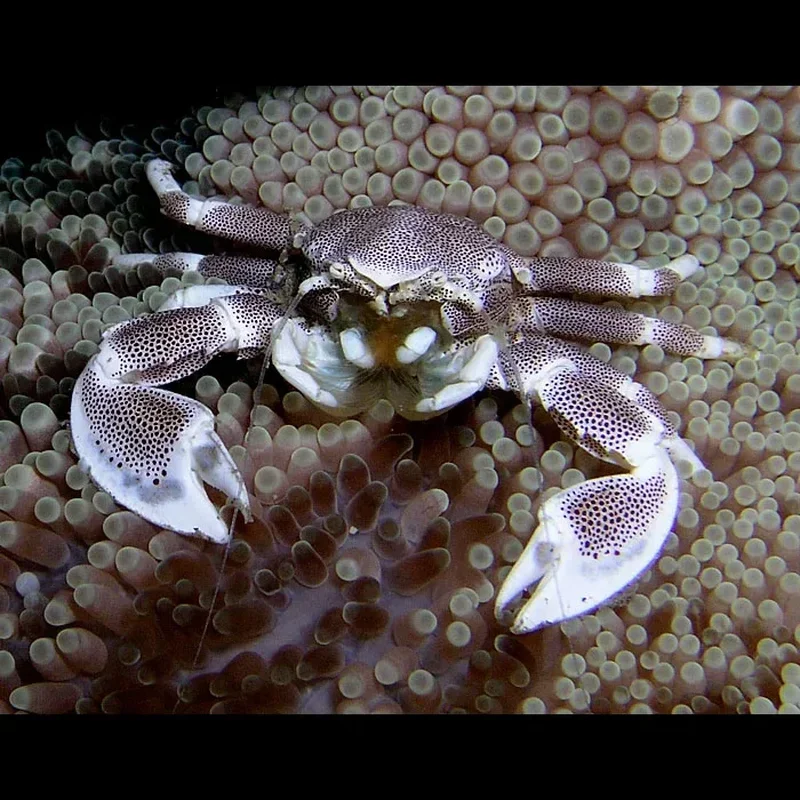
Patches of carpet anemone often host porcelain crabs and banded boxer shrimp, exhibiting fascinating symbiotic relationships. Keep an eye out for diverse nudibranchs, goby, and various shrimp species, which are abundant across the sandy and reef areas.
Lucky divers might even spot the elusive mimic octopus or stargazers, adding to the site's reputation as a muck diving haven.
Dive Sites Near Bantigi
View all dive sites in PhilippinesDiscover more underwater gems in this area.
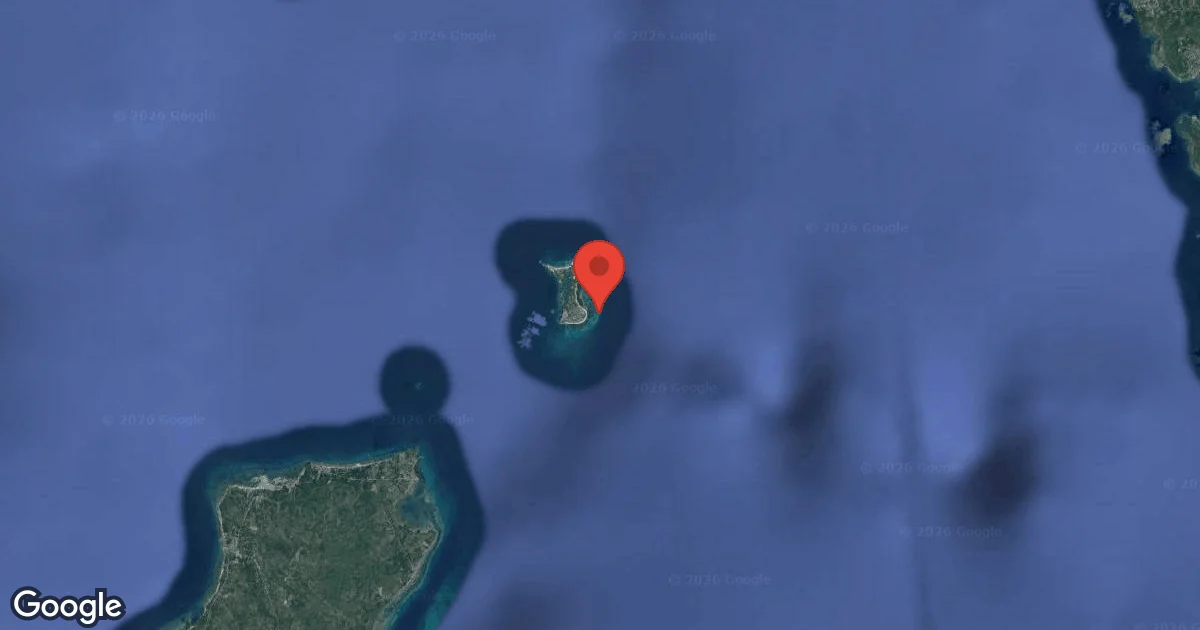
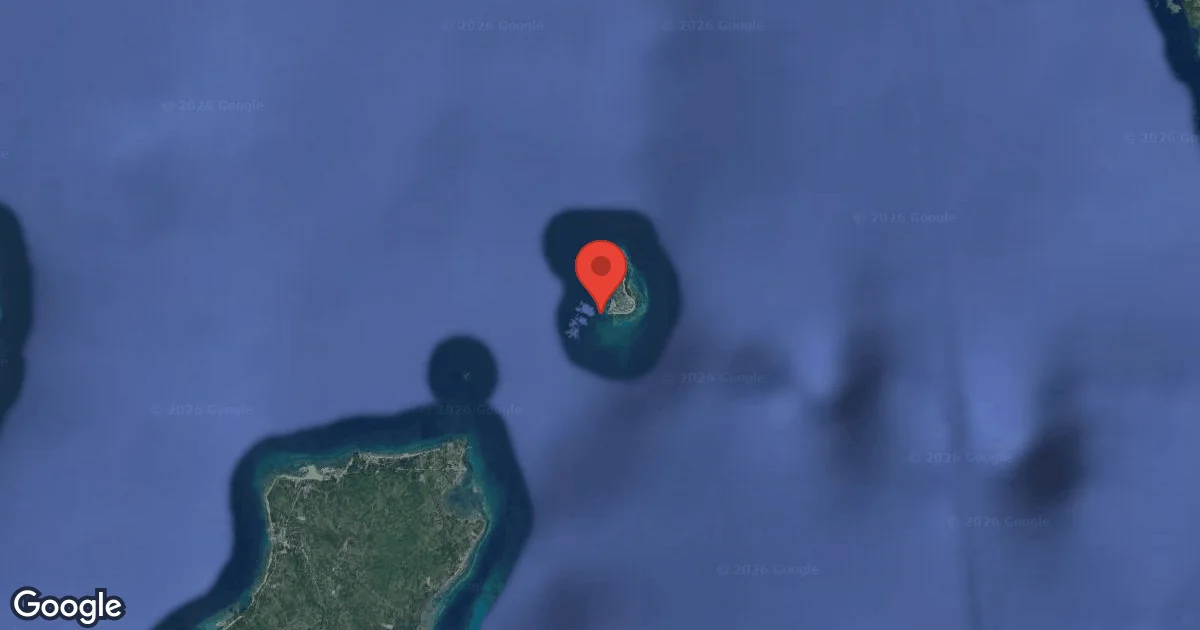
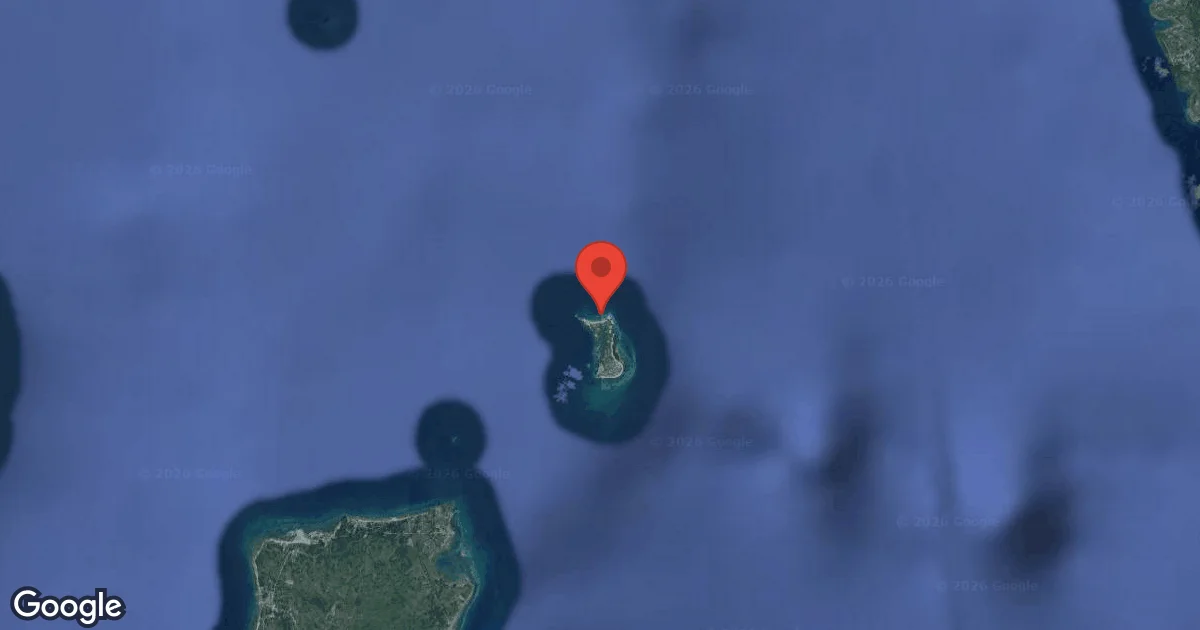
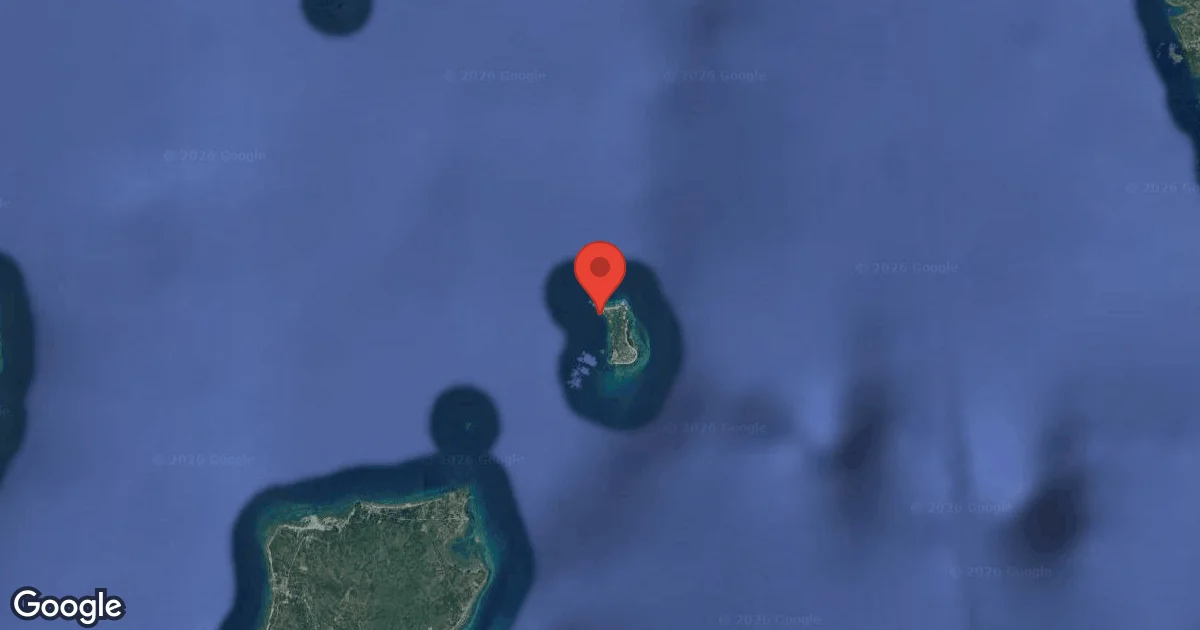
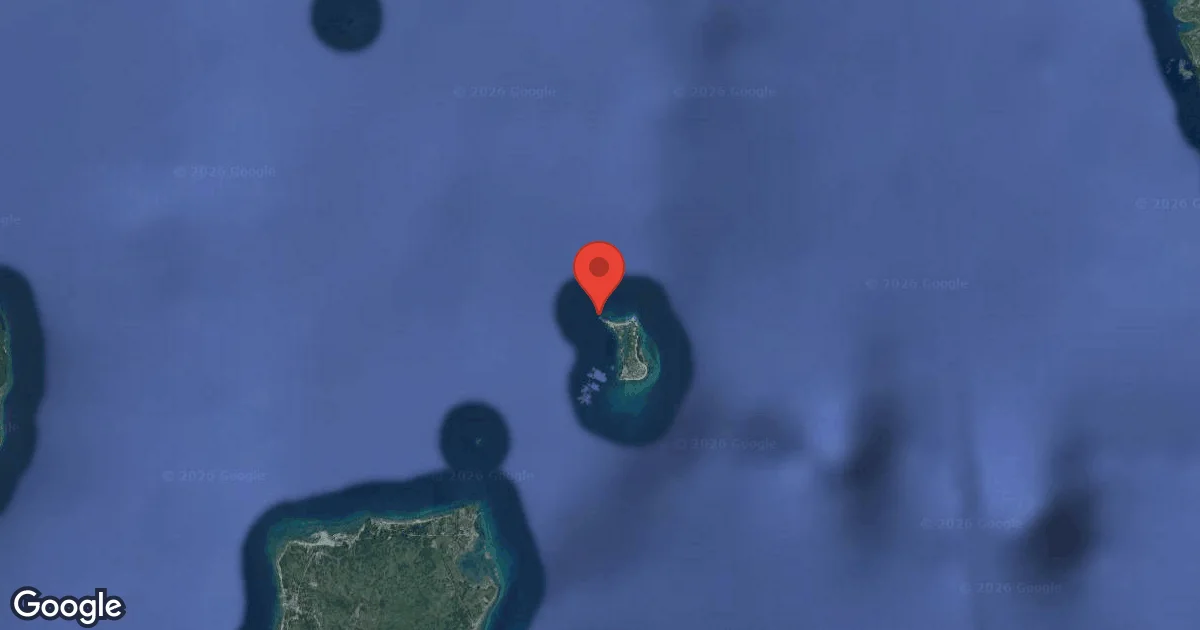
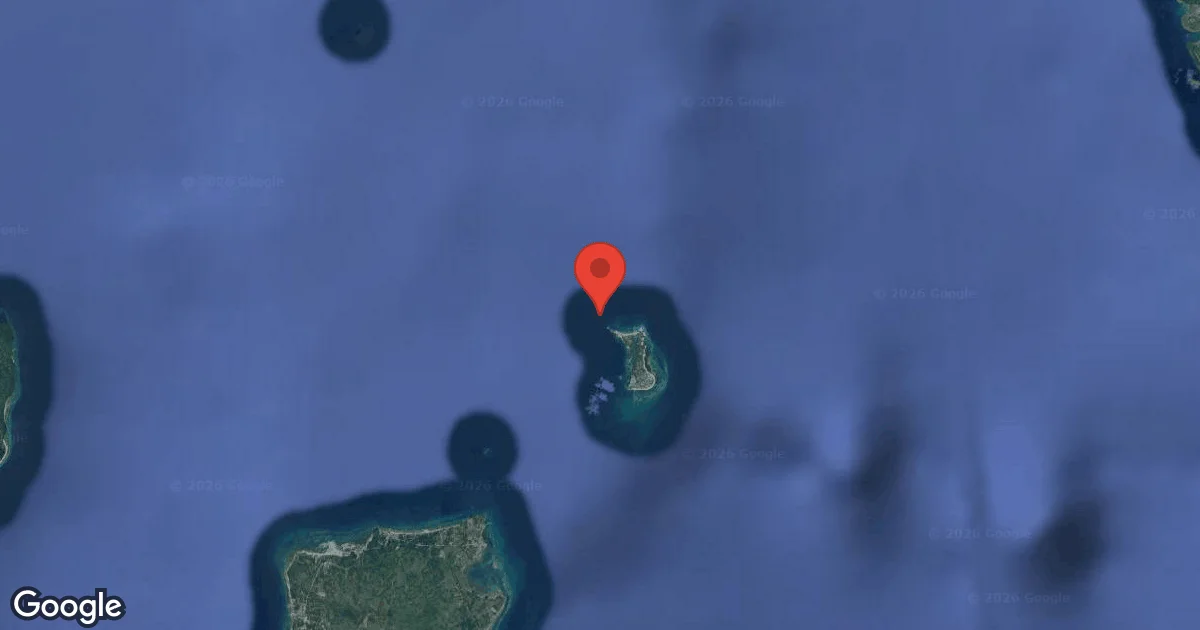
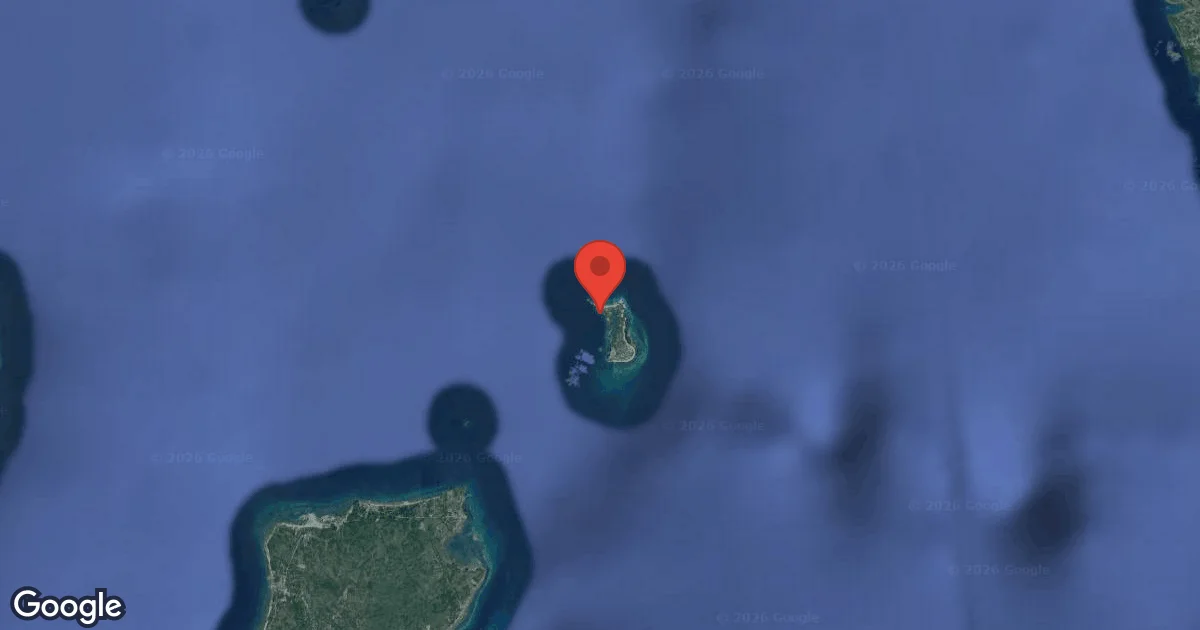
Dive Centers Near Bantigi
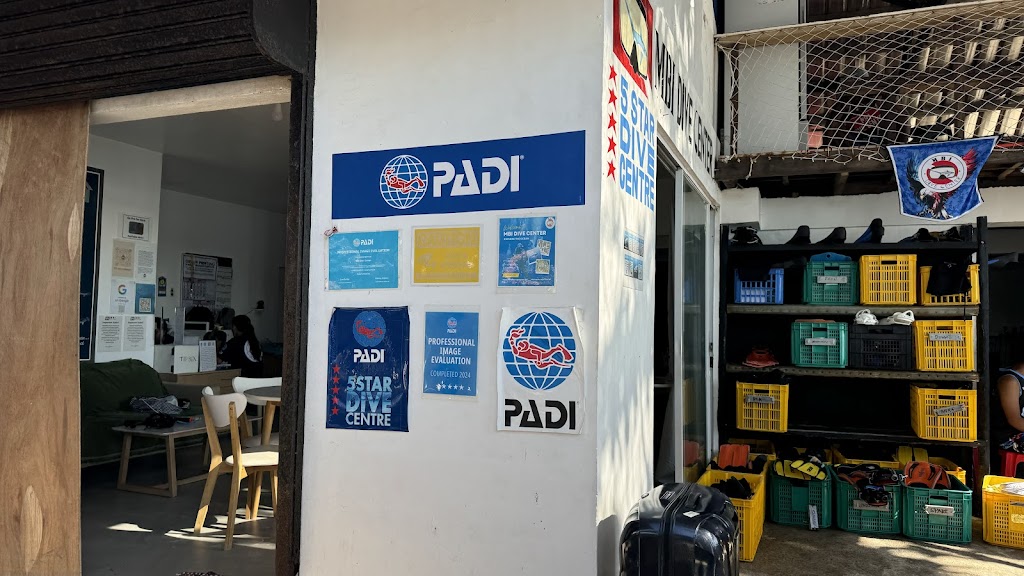
Today: 08:00 - 19:00
Nearest Airports
Nearest airports to help plan travel to this dive area.
Search Flights
Check available flights and routes on Expedia, using the nearby airports listed in this section.
Search Flights on ExpediaFrequently Asked Questions
What is the typical depth range for diving at Bantigi?
Bantigi is primarily a shallow dive site, with a maximum depth of 12 meters (39 feet). This makes it excellent for extended bottom times and detailed macro observation, particularly appealing to open water and intermediate certified divers.
What kind of currents can I expect at Bantigi?
The site is notable for having little to no current, providing calm and stable conditions. This makes Bantigi an ideal location for macro photography, training dives, and relaxed exploration without the challenge of strong water movement.
What marine life is Bantigi best known for?
Bantigi is recognized as a premier muck dive site, valued for its diverse macro life. Divers frequently encounter goby, various shrimp, crabs, frogfish, nudibranchs, and eels. Spotting mimic octopus and stargazers is possible with some patience.
What are the water temperatures like at Bantigi?
Water temperatures at Bantigi are comfortably warm throughout the year. They generally range from 24-28°C (75-82°F) during cooler seasons and can warm up to 26-30°C (79-86°F) in the summer months, making for pleasant diving conditions.
Is Bantigi suitable for beginner divers?
While listed as 'intermediate difficulty' with a recommended certification depth of 30 meters, its shallow depth and minimal currents make Bantigi quite accessible. It's an excellent site for open water divers to practice buoyancy and develop observational skills in a relaxed environment.
What makes Bantigi a 'muck dive'?
Bantigi is considered a muck dive due to its sandy bottom and the concentration of small, unusual, and often camouflaged marine creatures found there. Instead of large coral formations, the focus is on discovering unique macro life hidden within the substrate and sparse reef patches.
Planning to dive Bantigi?
Send one inquiry and receive offers directly from the best verified local dive operators.
Conditions are Good
Optimal conditions expected
Current conditions near Bantigi show 29° air, 30° sea temperature, 0.4 m waves, and 27 km/h wind. Forecast data is refreshed regularly to ensure accuracy.