
Diving at Deep Rock (Philippines)
Deep Rock presents a striking contrast from other Malapascua sites. While many areas offer gentle slopes for training, this particular site plunges dramatically with its sheer walls. It's an underwater pinnacle, setting it apart as a vibrant, submerged mountain in the northern part of Malapascua. Divers encounter both a rich array of macro life and the potential for pelagic sightings within its varied terrain.
As evening covers Deep Rock, the local air temperature is measured at 30°C. The current wave height at the surface is recorded at 0.3 m. These late-day readings characterize the surface conditions for the night.
Dive Site Location & Key Facts
Dive Site Overview
Deep Rock, off Malapascua in the Philippines, is an underwater pinnacle presenting a distinct dive environment. Rising dramatically from the seafloor, its topography features impressive sheer walls that begin at about 5 meters (16 ft) and extend downward to a maximum depth of 30 m (98 ft) on one side, offering a profound sense of verticality.
A more gentle slope on the opposite face provides an alternative profile for exploration. Resting at about 14 meters, the flat top of the rock allows divers ample opportunity for extended bottom time in its shallower, brightly lit sections. Reef walls are extensively covered in vibrant soft and hard corals, creating a rich, colorful tapestry of life across the structure.
As the site descends, the slope transitions to a sandy bottom, where specific macro life often seeks refuge. Intricate rock formations, including small canyons, various holes, and an overhang, provide numerous hiding spots for smaller critters.
This diverse underwater landscape makes Deep Rock suitable for a broad spectrum of divers, from open water students exploring the shallower reef portions to advanced divers seeking greater depths and unique photographic opportunities within its varied terrain.
Conditions are Good
High Wind Advisory (44km/h). Unsafe surface.
Current conditions near Deep Rock show 30° air, 31° sea temperature, 0.7 m waves, and 44 km/h wind. Forecast data is refreshed regularly to ensure accuracy.
Best Time to Dive
Optimal visibility typically draws divers to Deep Rock throughout the year, benefiting from the consistent tropical climate in the Philippines. Exceptional dive conditions are often reported in April, which typically sees the lowest rain accumulation, averaging around 0.43 mm. During this month, air temperatures average 28°C (82°F), contributing to comfortable surface intervals. Though the rainy season runs from July to December, the site generally maintains good underwater clarity. Water temperatures at Deep Rock are quite inviting, ranging from 25°C (77°F) in January up to 29°C (84°F) in May. Stronger winds, sometimes reaching around 29 km/h (18 mph), are more common in the earlier months of the year, potentially affecting surface conditions, but generally not impacting the underwater visibility for which this site is known.
PEAK SEASON SCORE
Scores combine air & water temps, waves, wind & rainfall for overall conditions.
BEST MONTHS TO DIVE
Monthly records compiled from satellite and marine observation nodes over the last 3 years. Data provided by Open-Meteo and MET Norway.
Dive Experience & Conditions
Descending at Deep Rock, divers first encounter the flat top of the pinnacle, sitting around a depth of 14 meters, before exploring the surrounding vertical terrain. Sheer walls quickly drop to the site's maximum depth, creating an exhilarating drift opportunity for experienced divers. Visibility is consistently good, often reaching up to 30 m (100 ft), allowing clear views of the expansive coral coverage. While a light current is usually present, especially when not at slack high tide, it generally enhances drift diving without being overly challenging. Water temperatures remain warm year-round, typically between 25-29°C (77-84°F), making for comfortable dives even in deeper sections. This site is suitable for a wide range of certifications, from novice divers sticking to shallower reef sections to those with more experience venturing to deeper parts along the walls and slopes.
Dive Difficulty & Safety Guidelines
Planning a dive at Deep Rock necessitates awareness of the potential for currents, which, while often light, can occasionally become stronger, especially along the walls. Divers should be proficient in current navigation and maintain good buoyancy control to avoid damaging the delicate coral structures. Always carry a surface marker buoy (SMB) and know how to deploy it, particularly when drift diving is anticipated.
Given the site's maximum depth and the sheer walls, advanced certification is recommended for full exploration, though shallower parts are accessible to novices. Monitor your air consumption carefully, especially when exploring deeper sections or if currents require more effort.
Recommended Equipment
- Dive Computer
- DSMB
This gear list is based on verified equipment signals for Deep Rock, Philippines. Always confirm final gear choices with your dive operator, guide, or liveaboard.
Recommended Dive Suit
Repeated dives during the same day can gradually reduce overall body warmth.
Divers exploring Deep Rock today will likely encounter water temperatures close to 31°C (87°F). Surface air temperatures are resting at 30°C (86°F). Divers spending extended time underwater often rely on dive skin or rash guard for balanced warmth and flexibility. A hood or vest is suggested for sensitive divers due to surface winds.
The forecast outlook suggests that temperatures will stay close to current levels.
Emergency & Medical Support
Essential information to help you plan your dive trip to Deep Rock.

Hyperbaric chambers are a critical part of dive safety infrastructure. Availability varies significantly by region, and not all dive areas have immediate access.
Before diving, it's recommended to:
- confirm nearest medical facilities
- check emergency procedures with local dive operators
- ensure dive insurance covers evacuation if required
Divers Alert Network
Diving emergency assistance available through DAN World.
+1-919-684-9111- 24/7 emergency hotline
- Diving medical assistance
- Evacuation coordination
Emergency contacts are provided for reference. Always verify local emergency services before diving.
Marine Life at Deep Rock
Immediately upon arrival, the vibrant soft and hard corals covering Deep Rock's walls captivate attention. As you scrutinize the reef, a keen eye often reveals nudibranchs and various shrimp tucked among the corals.
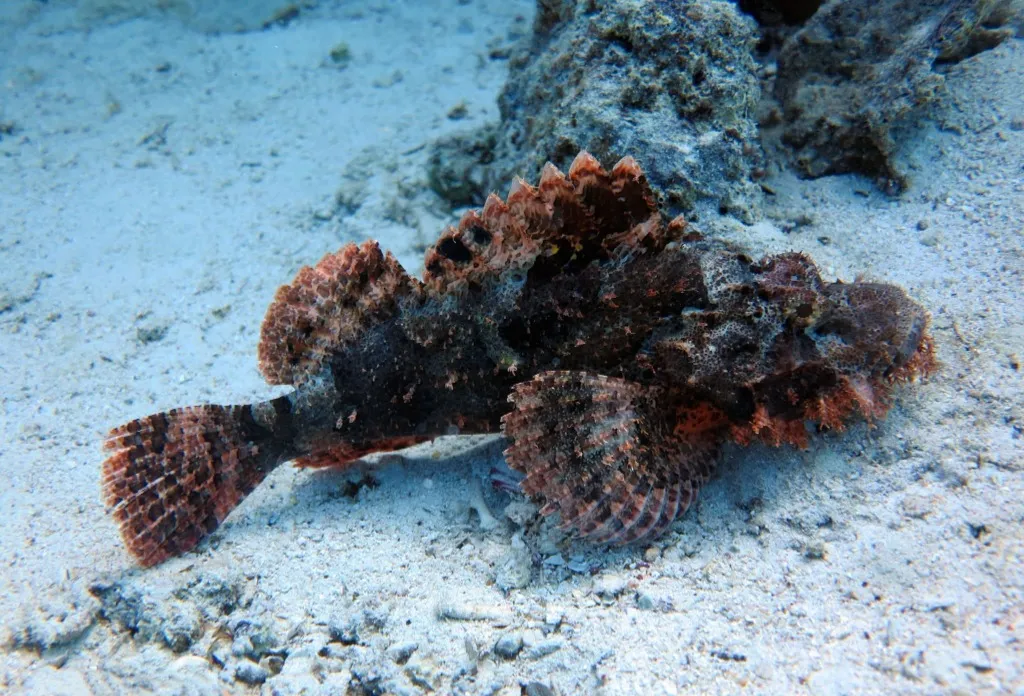
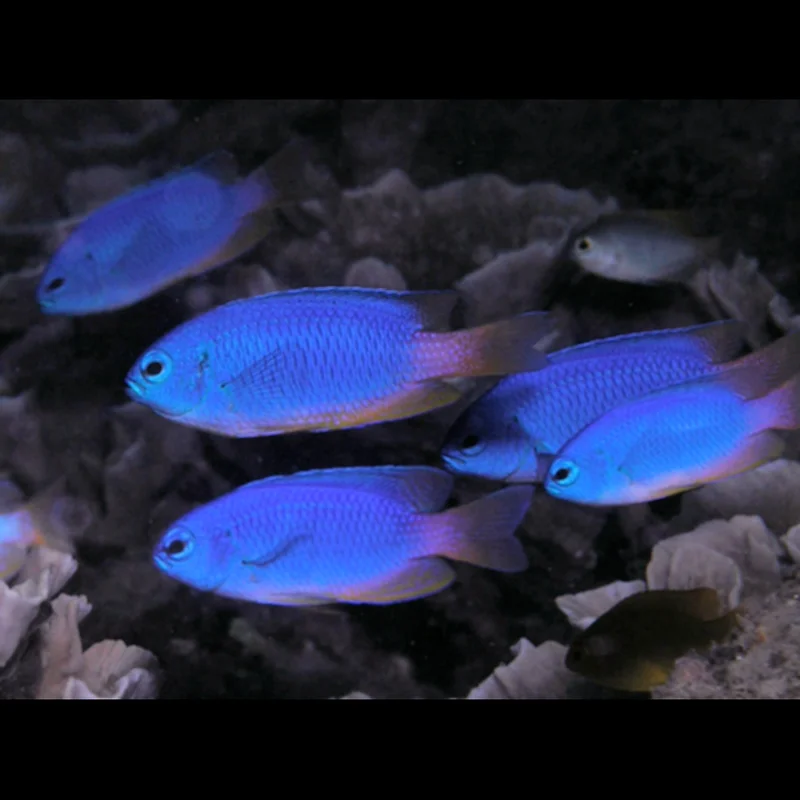
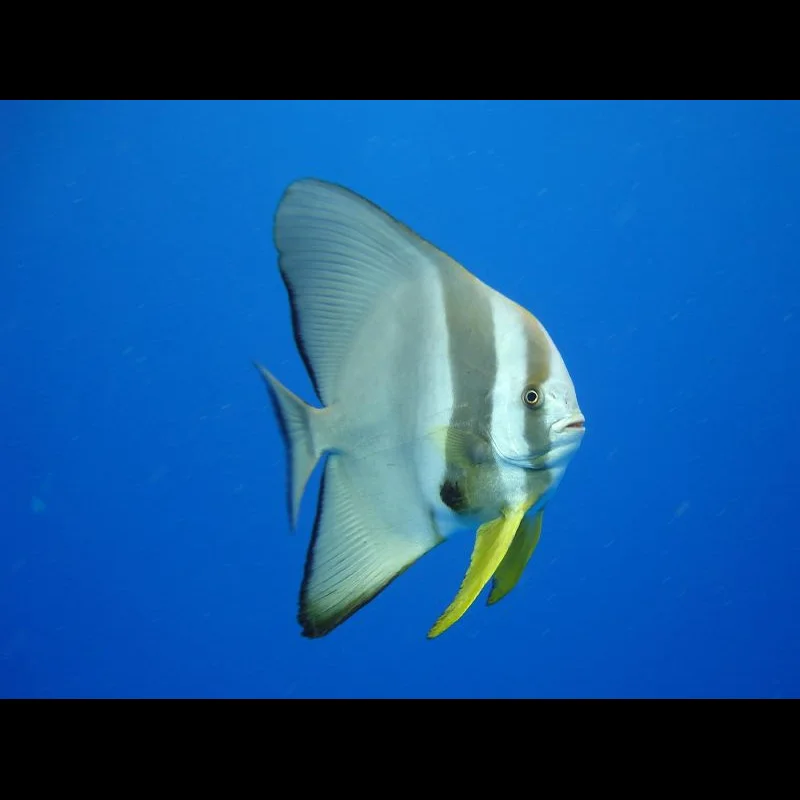
The site is a known haven for frogfish and scorpionfish, frequently spotted camouflaged against the colorful backdrop. Further exploration may bring encounters with batfish, lionfish, and schools of anthias, butterfly fish, and damselfish swirling above the reef.
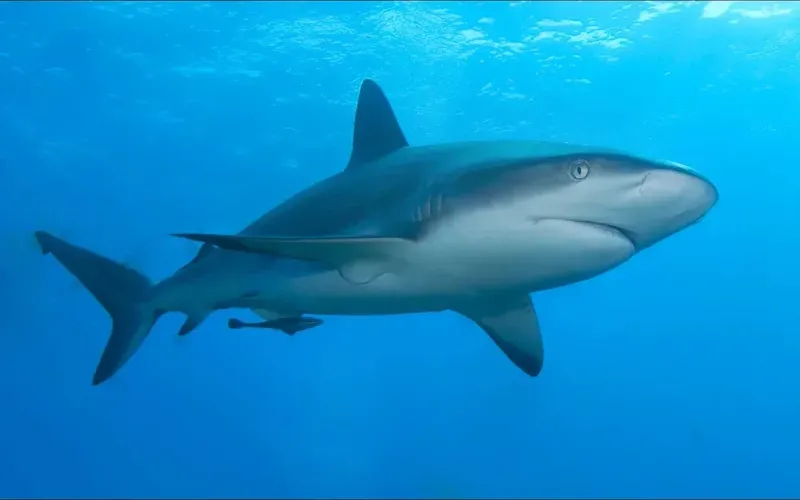
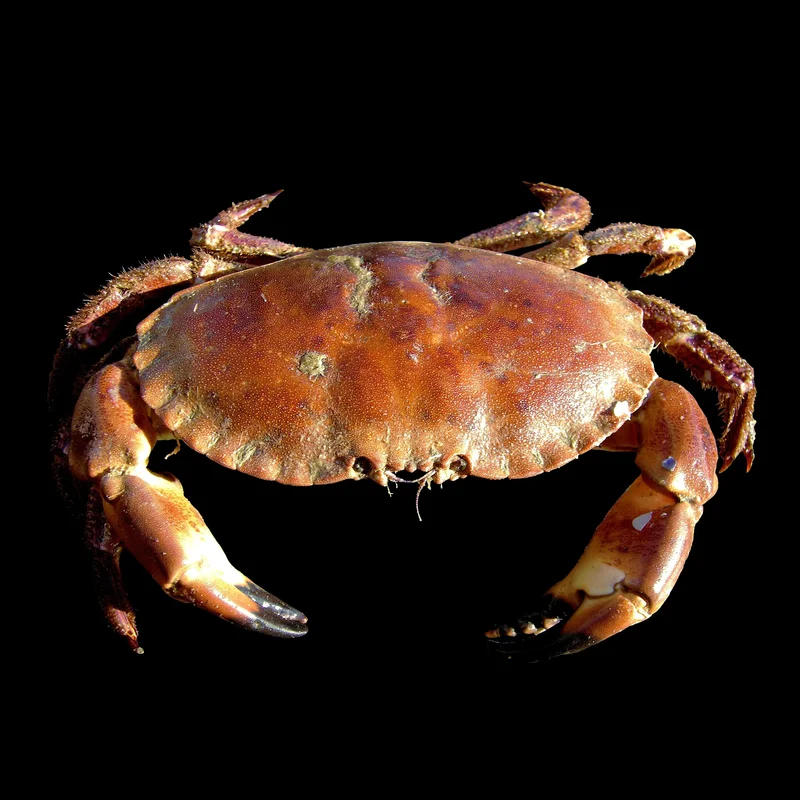
Look for zebra crabs, garden eels on sandy patches, and even the elusive pygmy seahorses clinging to sea fans. Occasional sightings of white-tip reef sharks and sea snakes are also reported, adding an element of pelagic excitement.
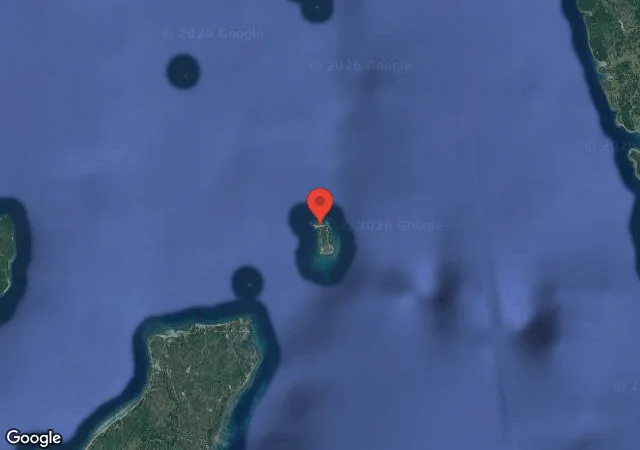
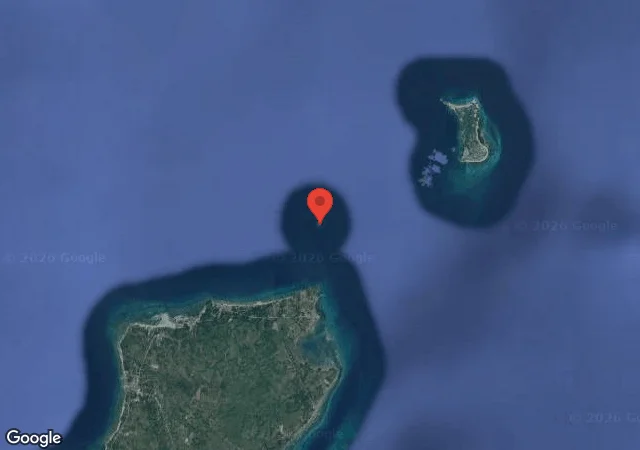
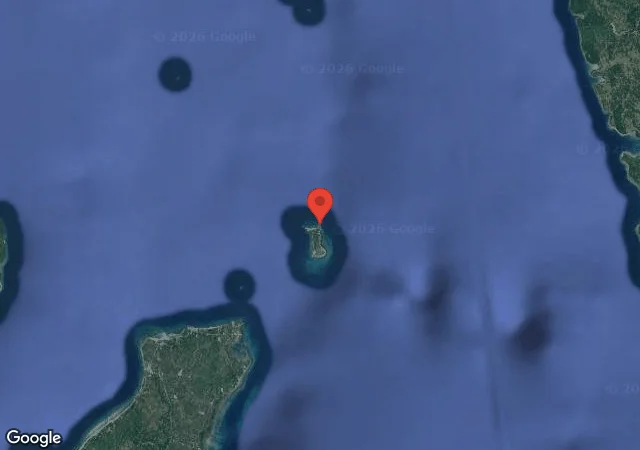
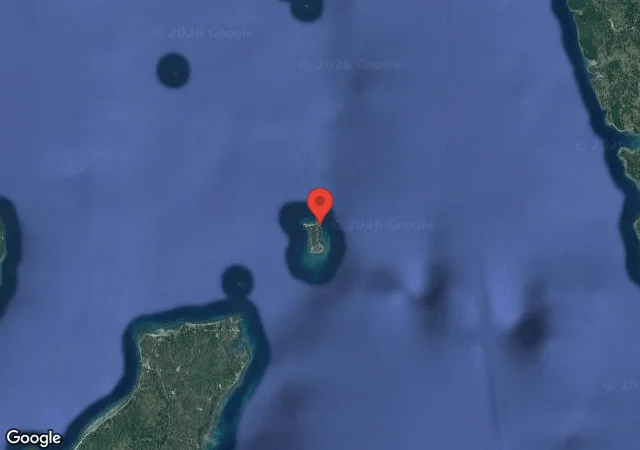
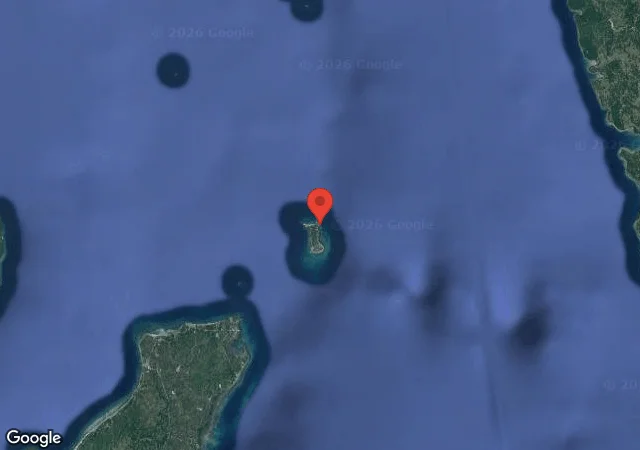
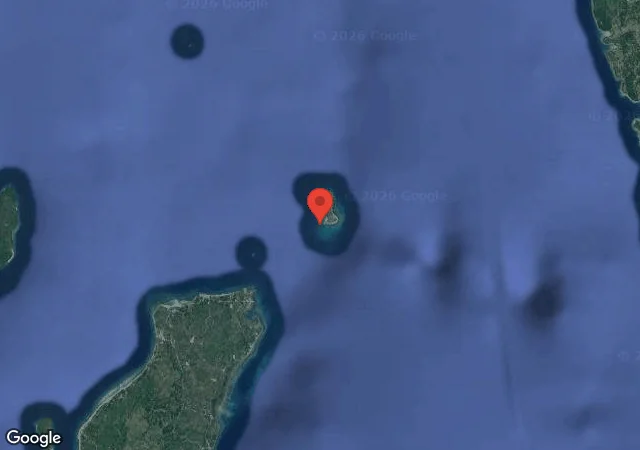
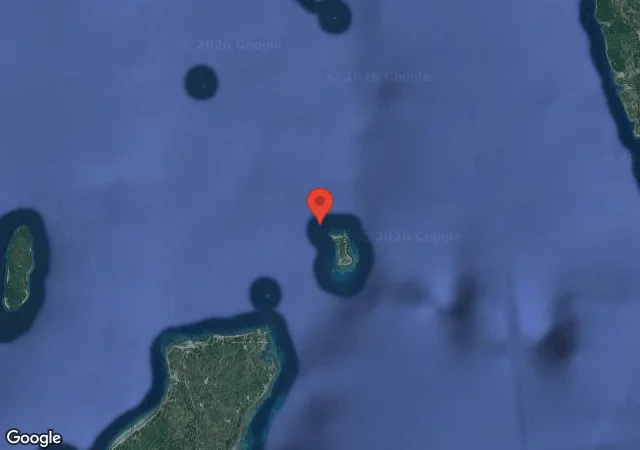
Dive Sites Near Deep Rock
View all dive sites in PhilippinesDiscover more underwater gems in this area.
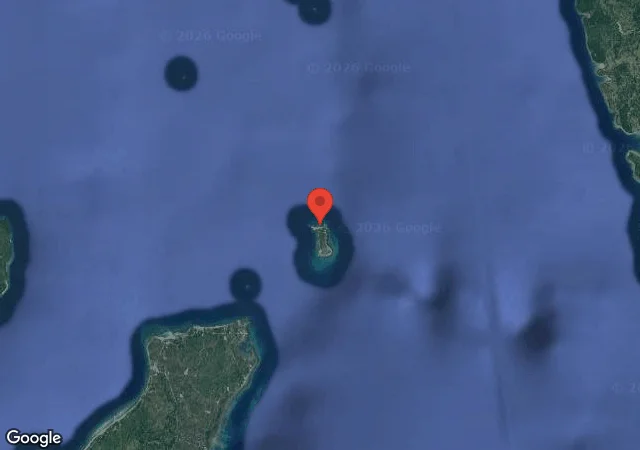
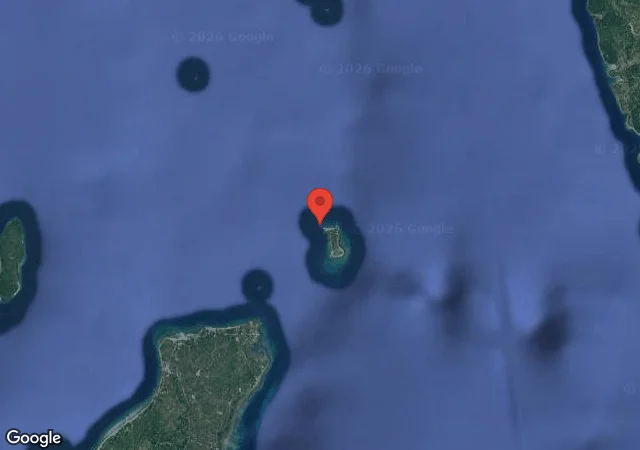
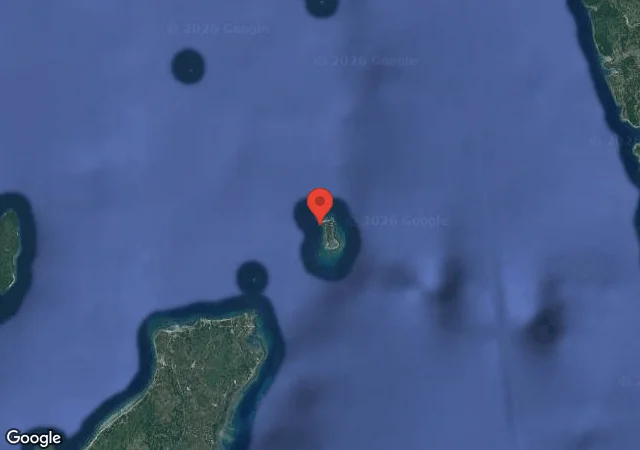
Dive Centers Near Deep Rock
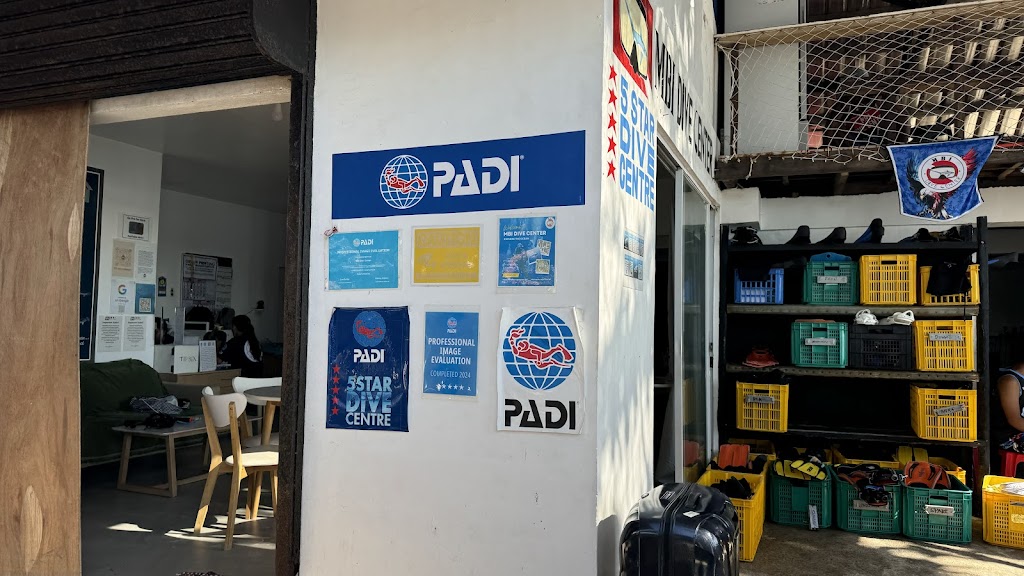
Today: 08:00 - 19:00

Nearest Airports
Nearest airports to help plan travel to this dive area.
Search Flights
Check available flights and routes on Expedia, using the nearby airports listed in this section.
Search Flights on ExpediaFrequently Asked Questions
What is the typical depth range at Deep Rock?
Depths at this site extend from a shallow plateau around 5 meters down to its maximum recreational depth of 30 meters. This variation accommodates divers of different experience levels.
Is Deep Rock suitable for beginner divers?
Yes, Deep Rock is suitable for novice divers, particularly in its shallower sections. However, advanced divers will find more to explore along the deeper walls and slopes.
What kind of coral can be seen here?
Deep Rock is known for its extensive coverage of both colorful soft and hard corals. They adorn the sheer walls and contribute significantly to the site's vibrant ecosystem.
Are there currents at Deep Rock?
Typically, a light current is present at Deep Rock, which can be beneficial for drift diving. Conditions vary, and stronger currents may be encountered, especially away from slack tide.
What unique marine life might I spot?
Divers can expect to find a rich array of macro life, including nudibranchs, frogfish, and various shrimp. Larger residents like batfish and lionfish are also commonly observed.
Is night diving possible at Deep Rock?
While not explicitly listed as a primary night dive site like some others for Mandarin fish, the diverse macro life and coral formations make it a potentially interesting location for a night exploration.
Can I see thresher sharks here?
Deep Rock primarily offers macro life and reef fish. While Malapascua is well-regarded for thresher shark encounters, specific thresher shark dives are typically conducted at other, dedicated sites.
Planning to dive Deep Rock?
Send one inquiry and receive offers directly from the best verified local dive operators.
Conditions are Good
High Wind Advisory (44km/h). Unsafe surface.
Current conditions near Deep Rock show 30° air, 31° sea temperature, 0.7 m waves, and 44 km/h wind. Forecast data is refreshed regularly to ensure accuracy.