
Diving at Lighthouse (Philippines)
Conditions at Lighthouse dive sites in the Philippines vary significantly, demanding careful planning. Many of these sites, particularly the Malapascua Lighthouse, are geared towards advanced divers due to wall diving profiles and specific timing required for target marine life encounters. Precision buoyancy and awareness are crucial when navigating deeper sections and delicate coral formations. Currents can be present, necessitating good dive management, especially during sunset or night dives.
Evening condition tracking at Lighthouse features an air temperature of 30.5°C. We have recorded wave heights measuring 0.1 m during this period. These figures outline the environmental parameters currently present.
Dive Site Location & Key Facts
Dive Site Overview
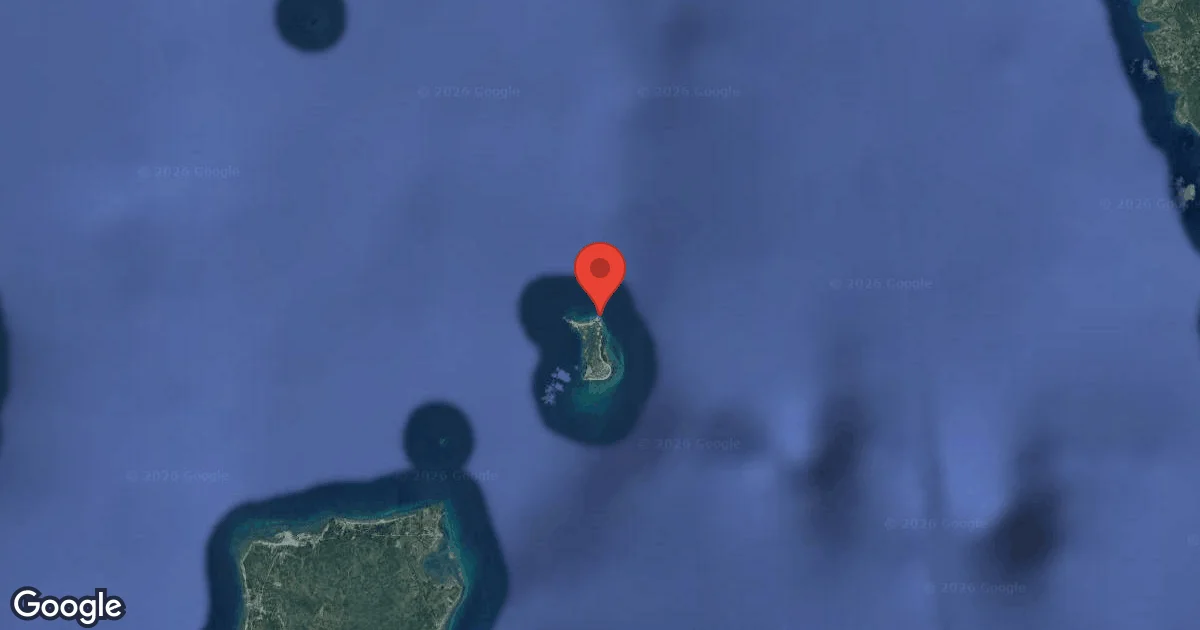
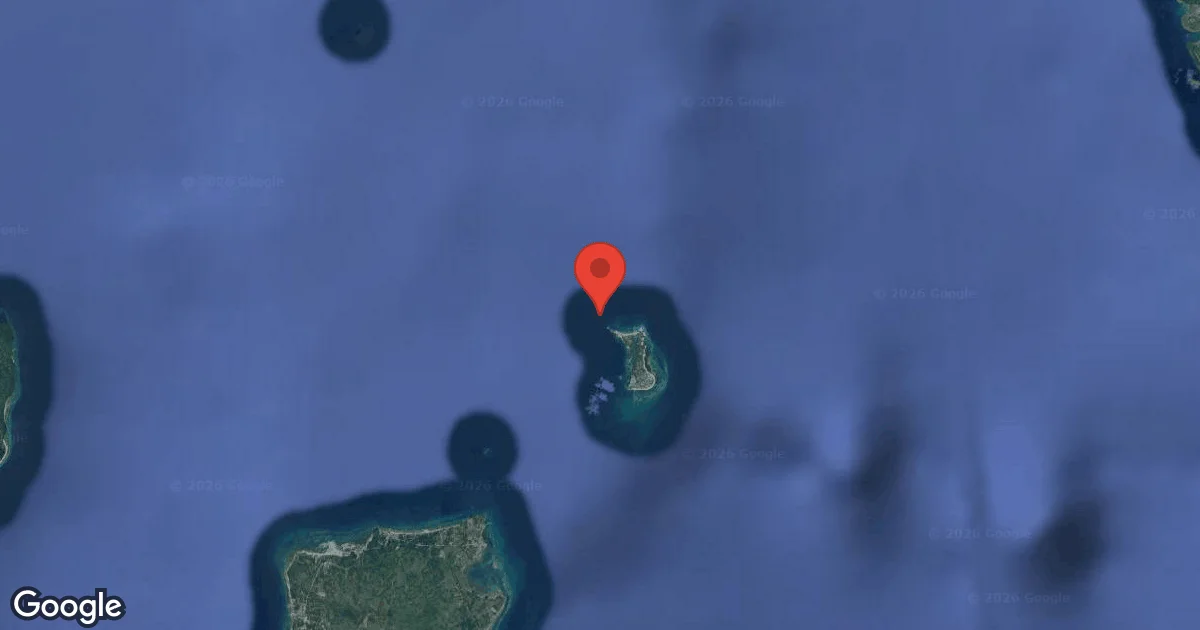
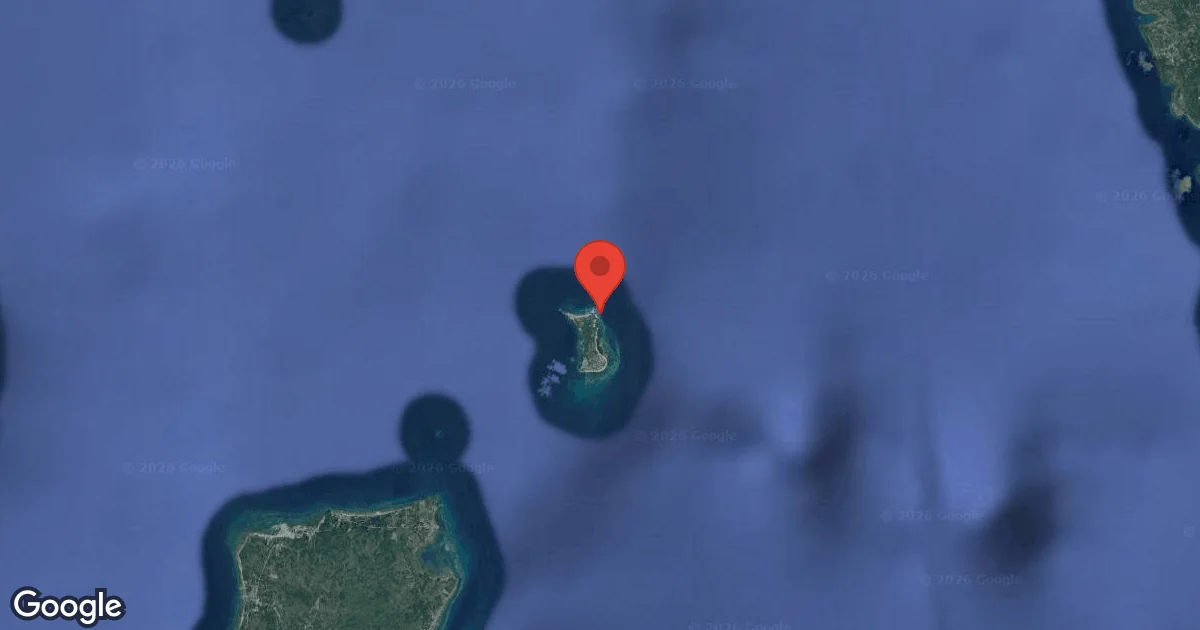
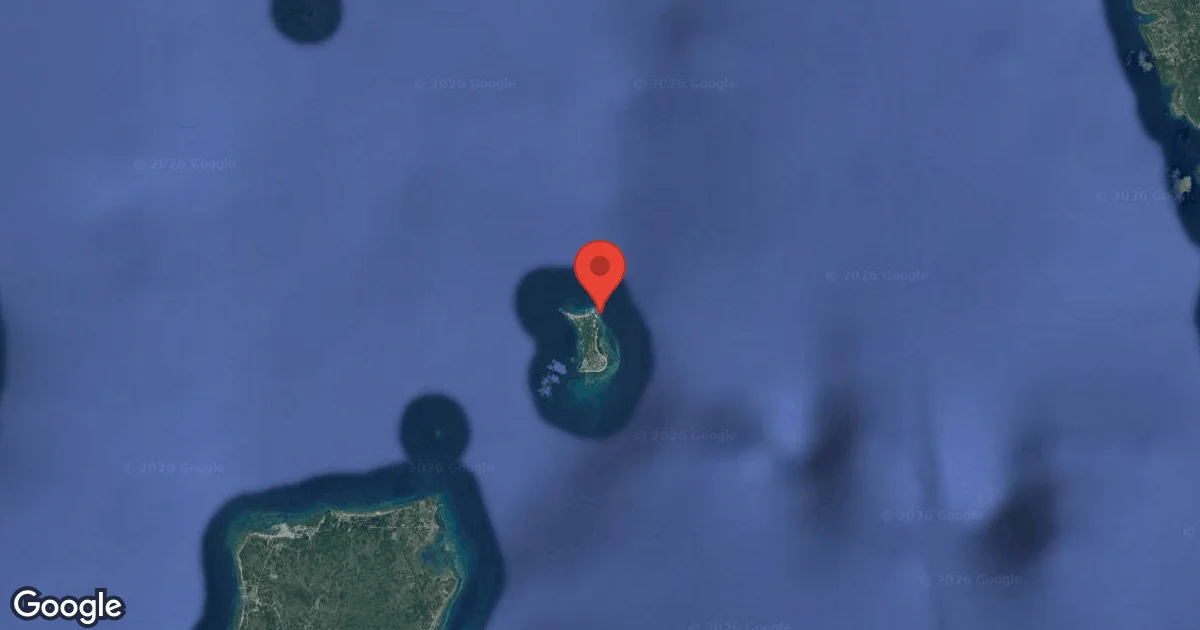
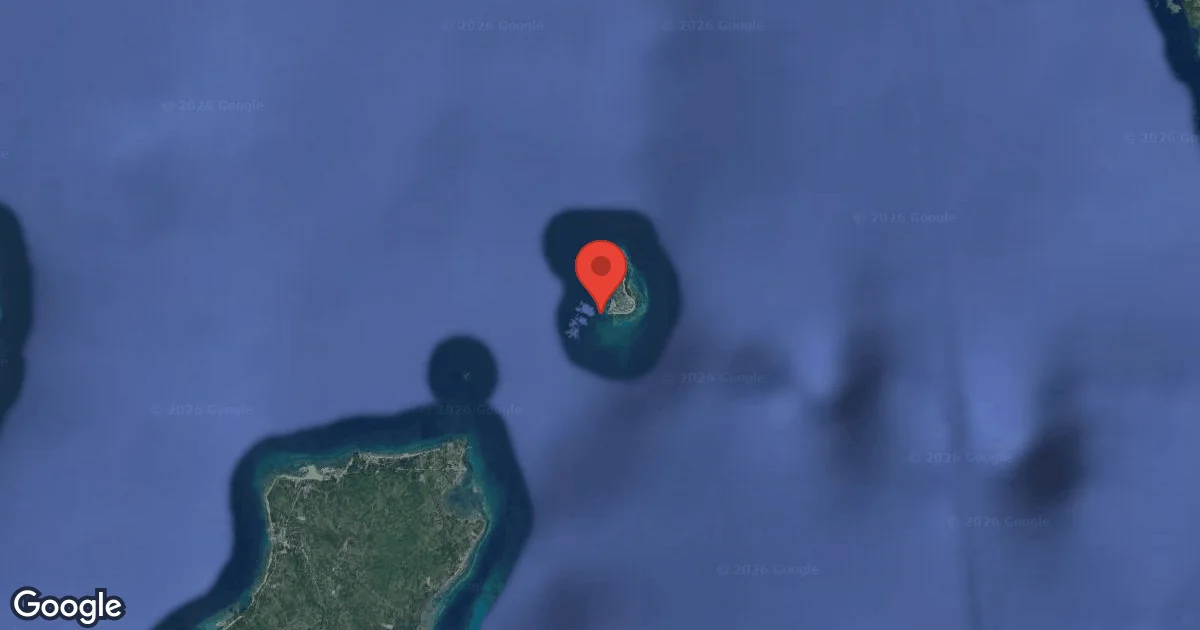
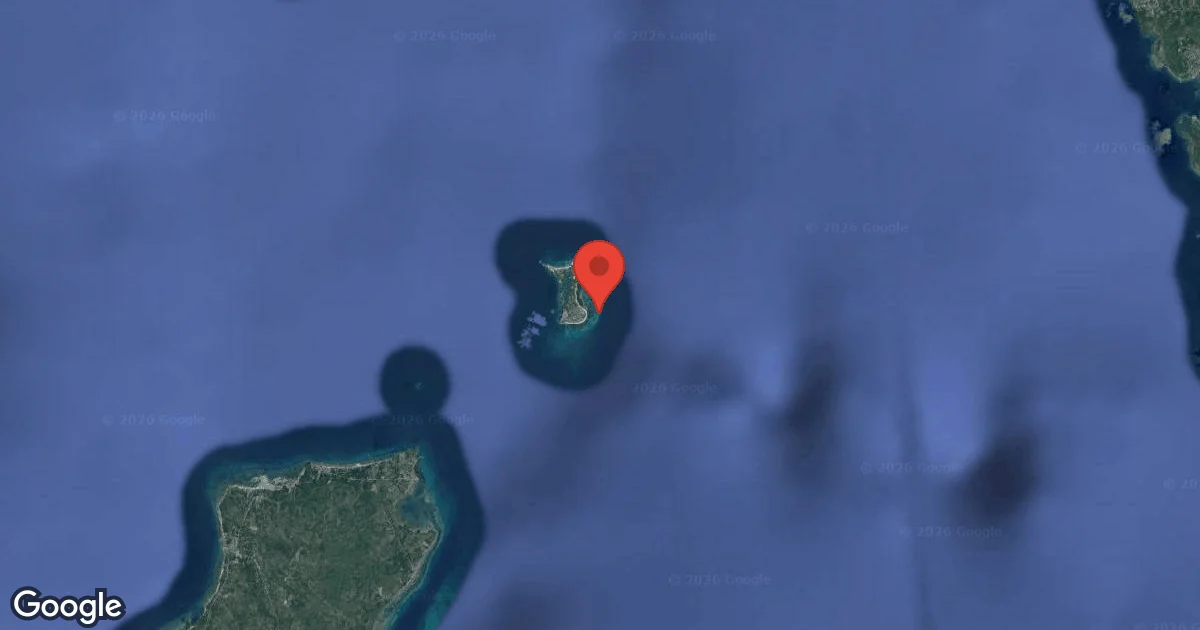
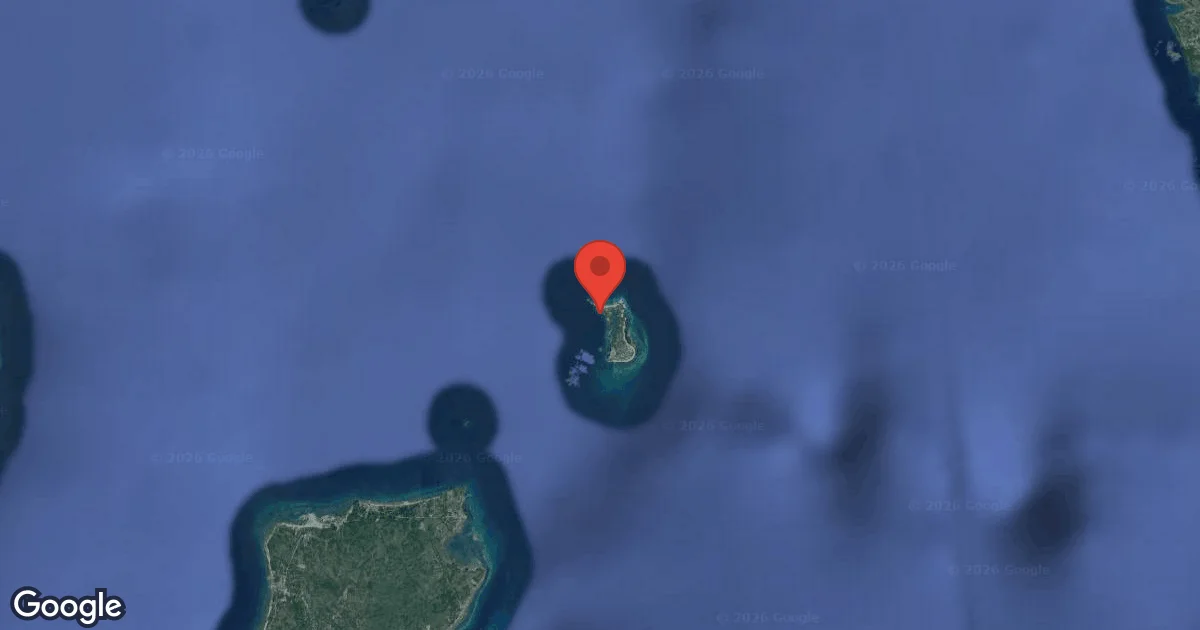
Designated 'Lighthouse' across the Philippine archipelago, many vibrant dive locations share this common nomenclature, often pointing to notable underwater features. Among these, Malapascua Lighthouse stands out, celebrated for its sunset and night diving experiences.
A primary attraction involves observing the captivating mating dance of the Mandarin Fish, an activity visible almost nightly and especially prolific around the full moon. Divers initially spend 20 minutes focused on this spectacle before moving to investigate the rest of the reef; exploring beyond the Mandarinfish encounter provides a gradual exploration of the site. Other Lighthouse sites, such as those near Capitancillo Island, offer different encounters, showcasing unique biodiversity including large pelagics like yellowfin tuna, various shark species, and even dolphins off the walls.
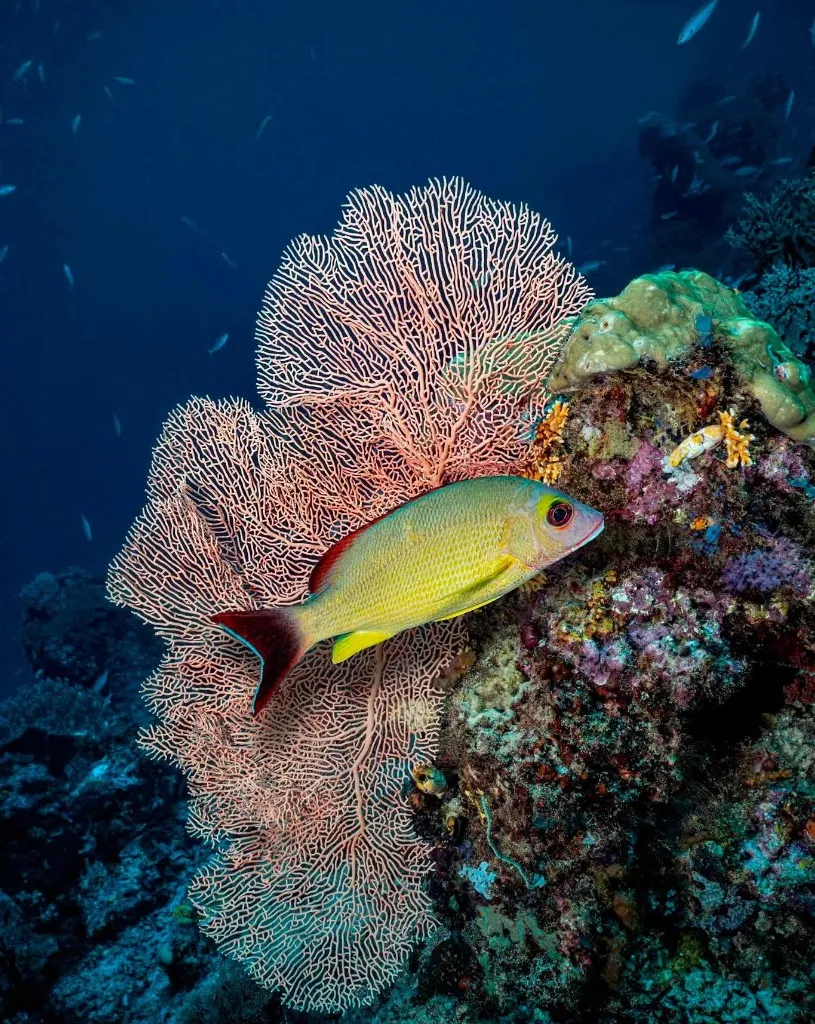
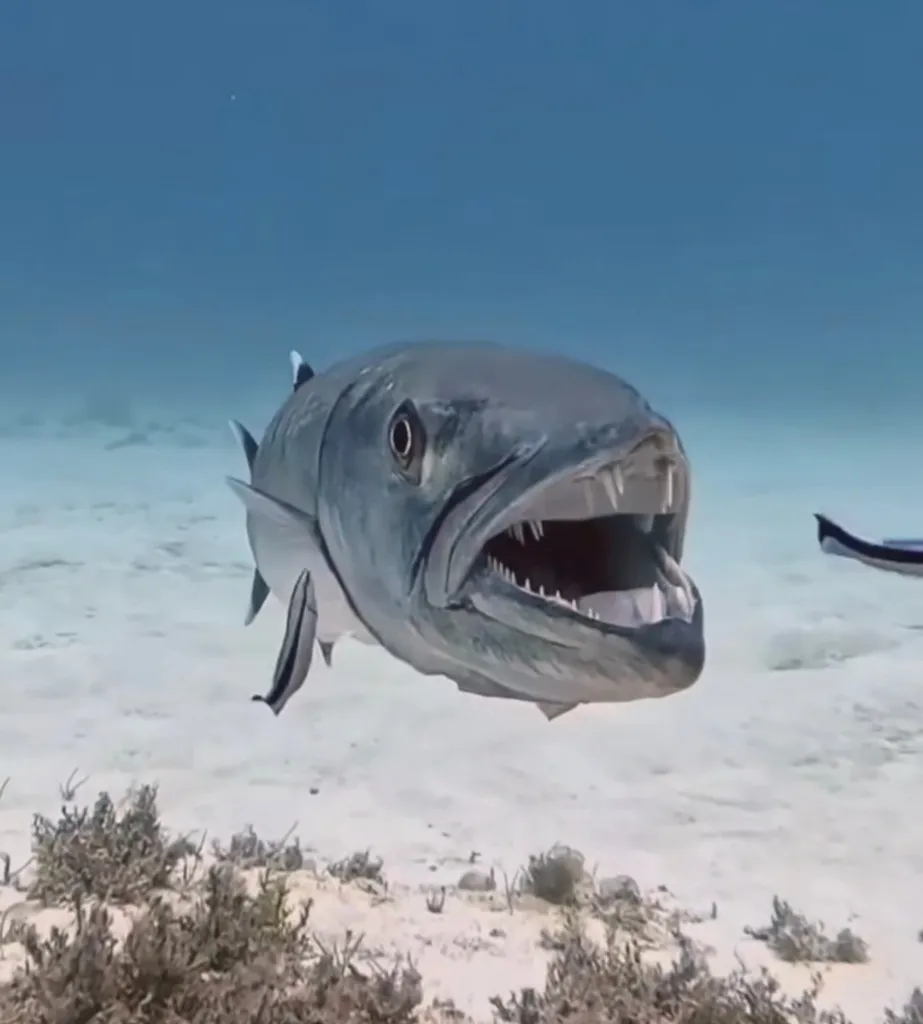
Cabilao Island's Lighthouse site, easily accessible from the beach, is known for its schooling barracudas, snappers, jacks, and sweetlips. Collectively, these sites represent the varied and rich underwater landscapes found beneath the numerous lighthouses dotted across the islands.
Conditions are Good
Optimal conditions expected
Current conditions near Lighthouse show 30° air, 30° sea temperature, 0.1 m waves, and 20 km/h wind. Forecast data is refreshed regularly to ensure accuracy.
Best Time to Dive
Climate conditions generally make Lighthouse diving favorable year-round in the Philippines, though specific months offer peak experiences. April consistently receives an 'Excellent' dive score, boasting low rainfall averaging 0.4 mm and minimal wave heights around 0.4 m (1.3 ft), which creates ideal sea conditions. Pleasantly warm air temperatures average 28°C (82°F) during this time. From February through May, drier months typically provide the calmest waters and clearest conditions, with air temperatures ranging from 27°C to 28.5°C (81-83°F). Rainfall increases slightly during the second half of the year, peaking around September with 12.3 mm, though dive scores generally remain 'Good' or 'Excellent'. Surface water temperatures are not consistently reported but typically remain warm, falling within ranges common for tropical Philippine waters. For Mandarin Fish sightings at Malapascua, the period around the full moon is particularly active, though captivating displays occur almost every night.
PEAK SEASON SCORE
Scores combine air & water temps, waves, wind & rainfall for overall conditions.
BEST MONTHS TO DIVE
Monthly records compiled from satellite and marine observation nodes over the last 3 years. Data provided by Open-Meteo and MET Norway.
Dive Experience & Conditions
Diving at Lighthouse sites often involves descending along a prominent wall, such as Malapascua's, which drops to 25 m (82 ft). A rich carpet of sea grass and corals covers this structure before it flattens into a plateau at 30 m (98 ft), then continues with another wall. Initial dive segments at locations like Malapascua are commonly dedicated to observing the subtle, colorful movements of the Mandarin Fish, especially during sunset or night dives. Afterwards, divers can explore surrounding reefs, characterized by hard coral branches and diverse macro life. Shallower sections are suitable for safety stops and extend dive time, offering additional opportunities for observing smaller creatures. Dive experiences vary across Lighthouse locations; some focus on intricate macro subjects within recreational depths, while others may present strong currents with pelagic encounters off deeper walls.
Dive Difficulty & Safety Guidelines
Robust buoyancy control and careful dive planning are paramount for Lighthouse sites, especially advanced designations like Malapascua. Wall structures and delicate coral gardens necessitate excellent trim to avoid contact and protect the marine environment. When engaging in specific activities, such as observing Mandarin Fish at sunset, divers should maintain appropriate distance and avoid disturbing natural behavior.
For sites with deeper walls or potential currents, good air management and adherence to no-decompression limits are essential. Bringing a reliable underwater light source is advisable for night dives or to illuminate crevices and overhangs where macro life often hides.
Always dive within your certification limits and consider local dive guides' advice for real-time conditions and specific site protocols.
Recommended Equipment
- Dive Computer
This gear list is based on verified equipment signals for Lighthouse, Philippines. Always confirm final gear choices with your dive operator, guide, or liveaboard.
Recommended Dive Suit
With water temperatures around 30°C (87°F), many divers find a dive skin or rash guard provides comfortable protection.
Local conditions can vary slightly across different parts of the same dive site.
Conditions are expected to stay fairly consistent in the days ahead.
Emergency & Medical Support
Essential information to help you plan your dive trip to Lighthouse.

Hyperbaric chambers are a critical part of dive safety infrastructure. Availability varies significantly by region, and not all dive areas have immediate access.
Before diving, it's recommended to:
- confirm nearest medical facilities
- check emergency procedures with local dive operators
- ensure dive insurance covers evacuation if required
Divers Alert Network
Diving emergency assistance available through DAN World.
+1-919-684-9111- 24/7 emergency hotline
- Diving medical assistance
- Evacuation coordination
Emergency contacts are provided for reference. Always verify local emergency services before diving.
Marine Life at Lighthouse
Vibrant marine life around Lighthouse dive sites draws divers seeking both macro and pelagic encounters. At Malapascua, colorful Mandarin Fish are a primary highlight, often observed performing their mating dance.
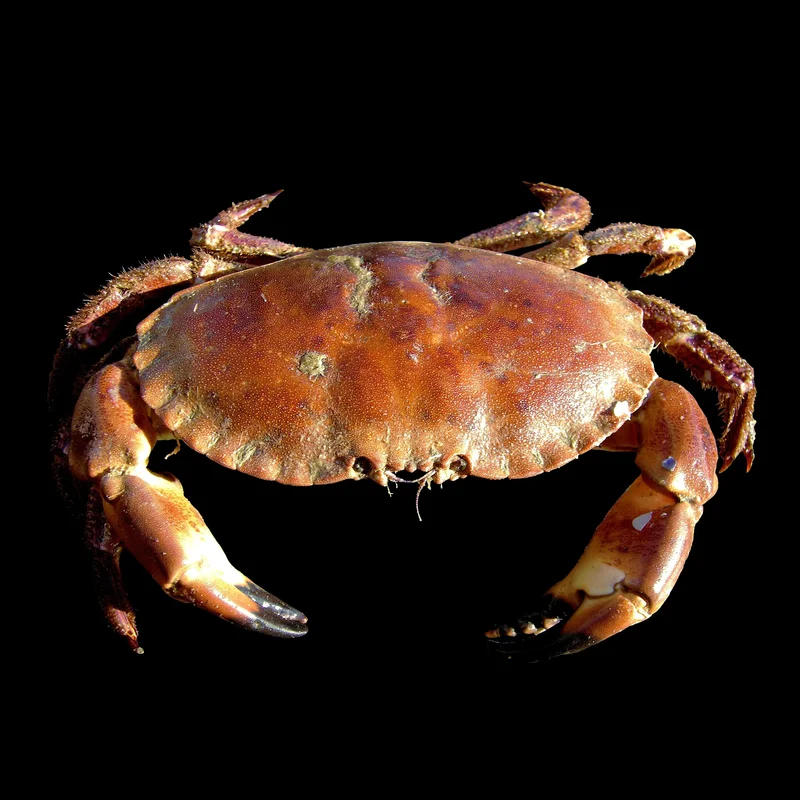
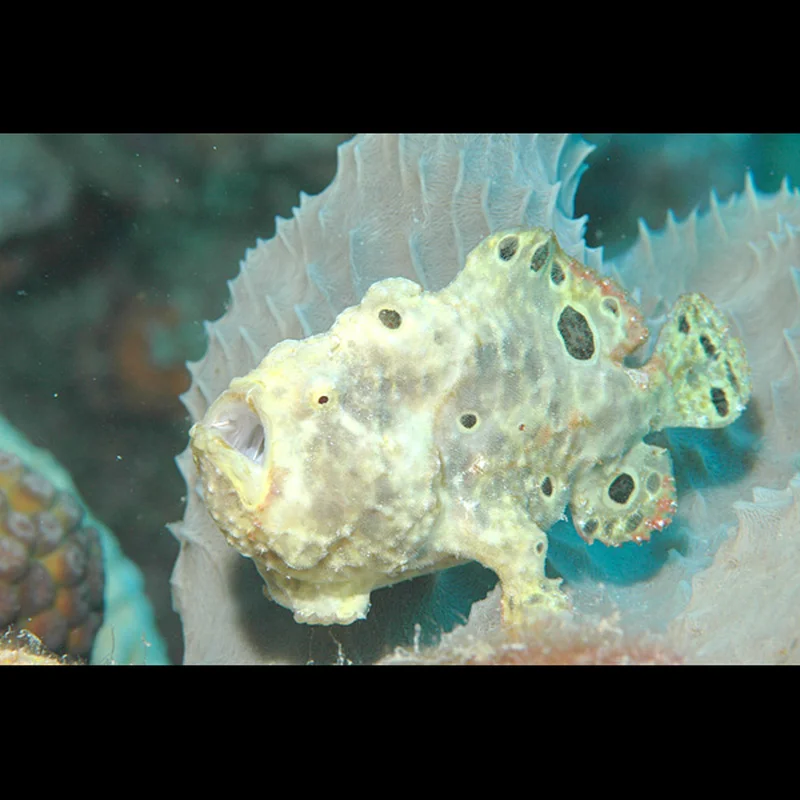
Among the hard coral branches, divers routinely find seahorses of various shapes and sizes. Other macro treasures include flamboyant cuttlefish, elusive blue-ringed octopus, and a wide array of crabs, alongside nudibranchs, frogfish, ghost pipefish, stone fish, and leaf fish.
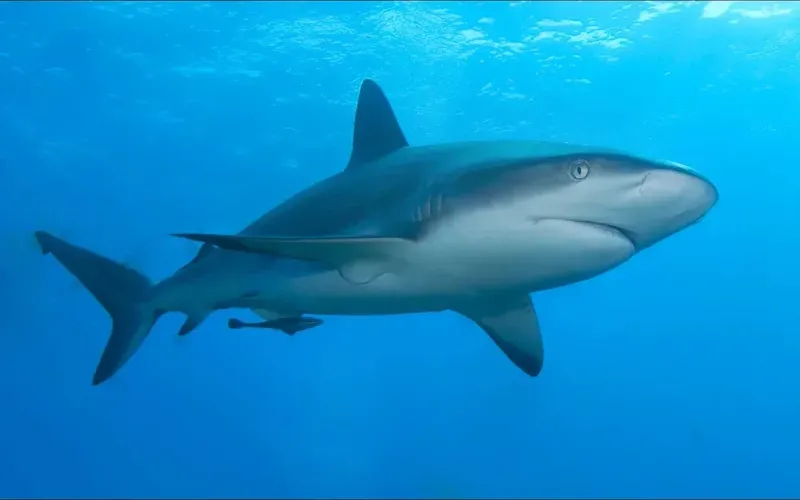
Certain Lighthouse locations, such as those around Capitancillo, feature large pelagics like big yellowfin tunas, various shark species, and even dolphins. Near Cabilao, expansive schools of barracudas, snappers, jacks, and sweetlips are a common sight. Turtles are also frequently observed, and during the winter months, there's the possibility of encountering hammerheads and white-tipped reef sharks.
Dive Sites Near Lighthouse
View all dive sites in PhilippinesDiscover more underwater gems in this area.
Dive Centers Near Lighthouse
Today: 08:00 - 19:00
Nearest Airports
Nearest airports to help plan travel to this dive area.
Search Flights
Check available flights and routes on Expedia, using the nearby airports listed in this section.
Search Flights on ExpediaFrequently Asked Questions
What is the main attraction at Malapascua Lighthouse?
The Malapascua Lighthouse dive site is celebrated for the captivating mating dance of the colorful Mandarin Fish, which divers can often observe during sunset and night dives. This activity is particularly prolific around the full moon.
What is the typical depth profile for a Lighthouse dive?
At sites like Malapascua Lighthouse, dives often begin along a wall that descends to approximately 25 m (82 ft), leading to a plateau at 30 m (98 ft) before another wall section. Other Lighthouse sites may vary, offering experiences in shallower waters or along deeper walls.
Is Lighthouse suitable for beginner divers?
Some Lighthouse sites, like Malapascua, are generally considered suitable for advanced divers due to wall diving and specific conditions. However, other 'Lighthouse' labeled sites may offer more accessible, shallower sections or less demanding profiles suitable for various experience levels.
What kind of macro marine life can I expect to see?
Divers frequently spot seahorses, flamboyant cuttlefish, and blue-ringed octopus among the hard corals. Other macro highlights include nudibranchs, frogfish, ghost pipefish, stone fish, and a variety of crabs.
When is the best time to dive at Lighthouse sites in the Philippines?
April is generally considered excellent, with low rainfall and calm seas. The period from February to May offers consistently good conditions, while Mandarin Fish sightings are best around the full moon, though visible nightly.
Are there other 'Lighthouse' dive sites in the Philippines besides Malapascua?
Yes, 'Lighthouse' is a common dive site name in the Philippines. Notable examples include sites near Capitancillo Island, known for pelagic encounters, and Cabilao Island, celebrated for its large schools of fish.
Planning to dive Lighthouse?
Send one inquiry and receive offers directly from the best verified local dive operators.
Conditions are Good
Optimal conditions expected
Current conditions near Lighthouse show 30° air, 30° sea temperature, 0.1 m waves, and 20 km/h wind. Forecast data is refreshed regularly to ensure accuracy.