
Diving at Lighthouse Wreck (Philippines)
Beneath the tranquil waters off Malapascua, Philippines, lies a silent testament to history: the Lighthouse Wreck. This site, a Japanese WWII landing craft, was bombed en route to deliver cement for gun emplacements. Today, its shallow remains provide a compelling and accessible dive for all levels, particularly those new to wreck exploration.
Tonight's objective overview for Lighthouse Wreck shows an air temperature of 27°C. The measured surface conditions include wave heights around 0.1 m. This environmental data is logged for the close of the day.
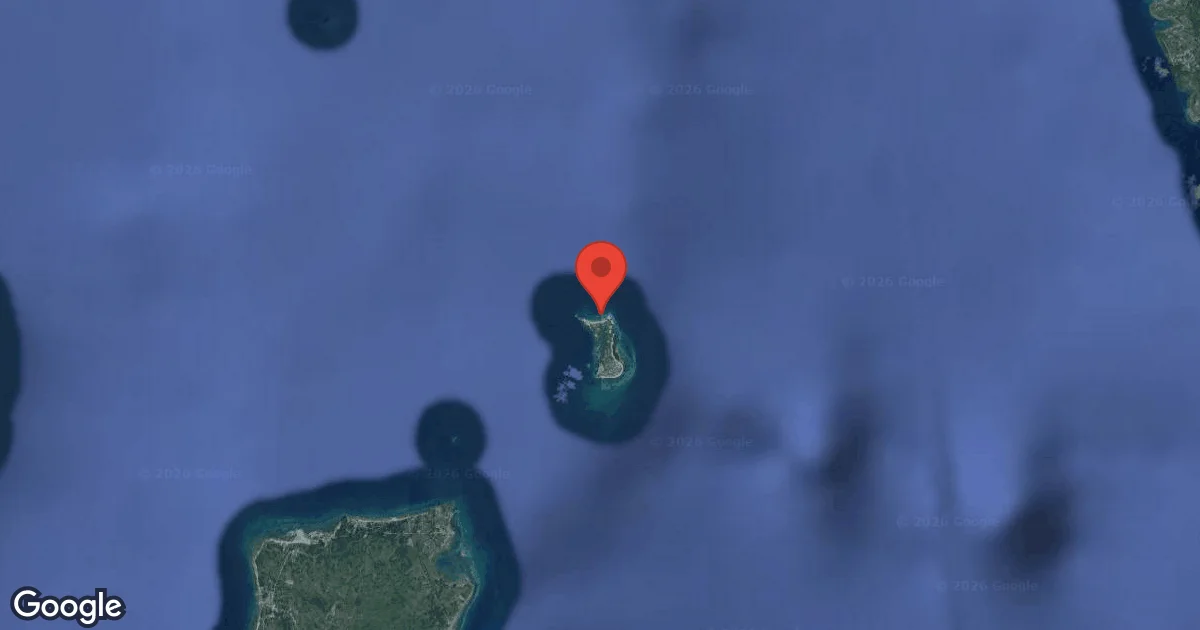
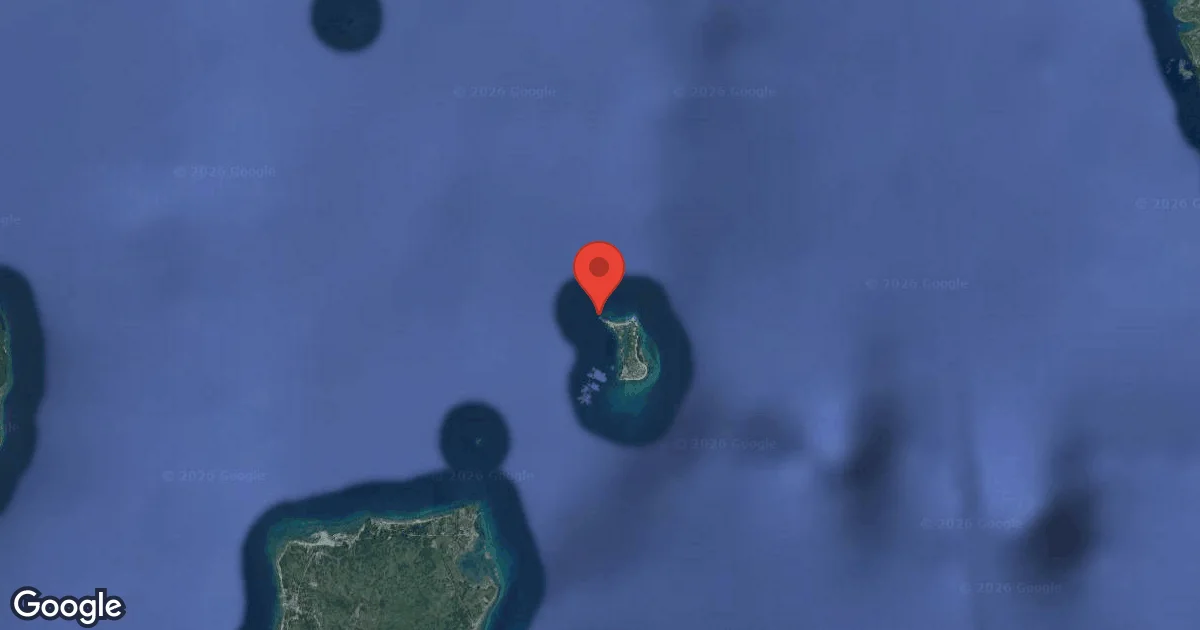
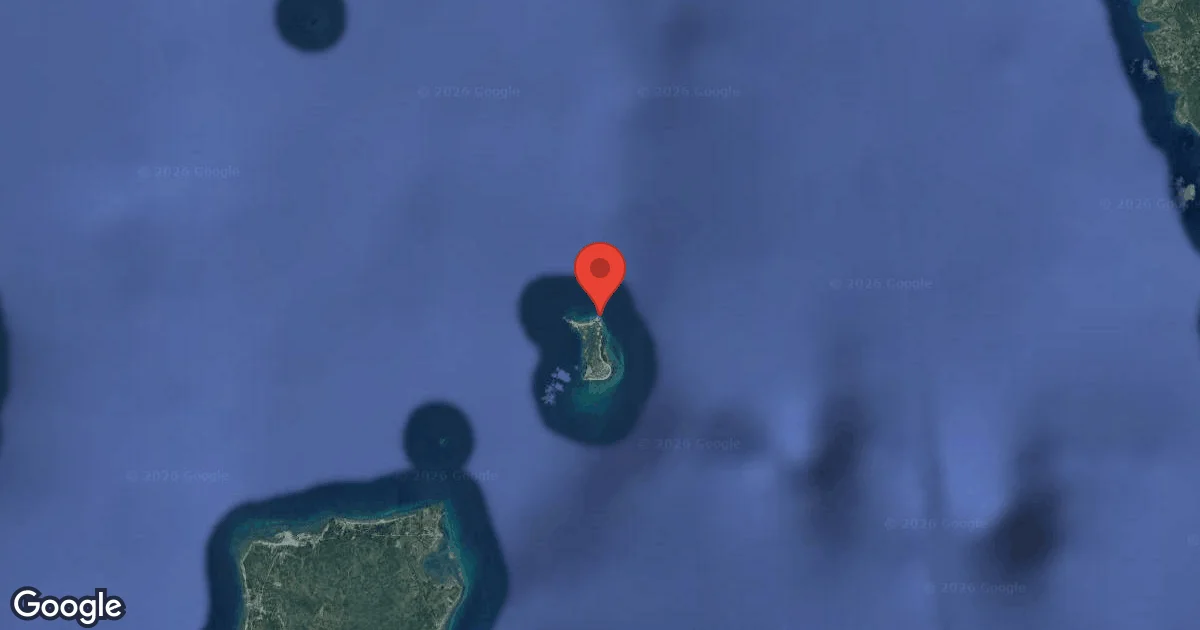
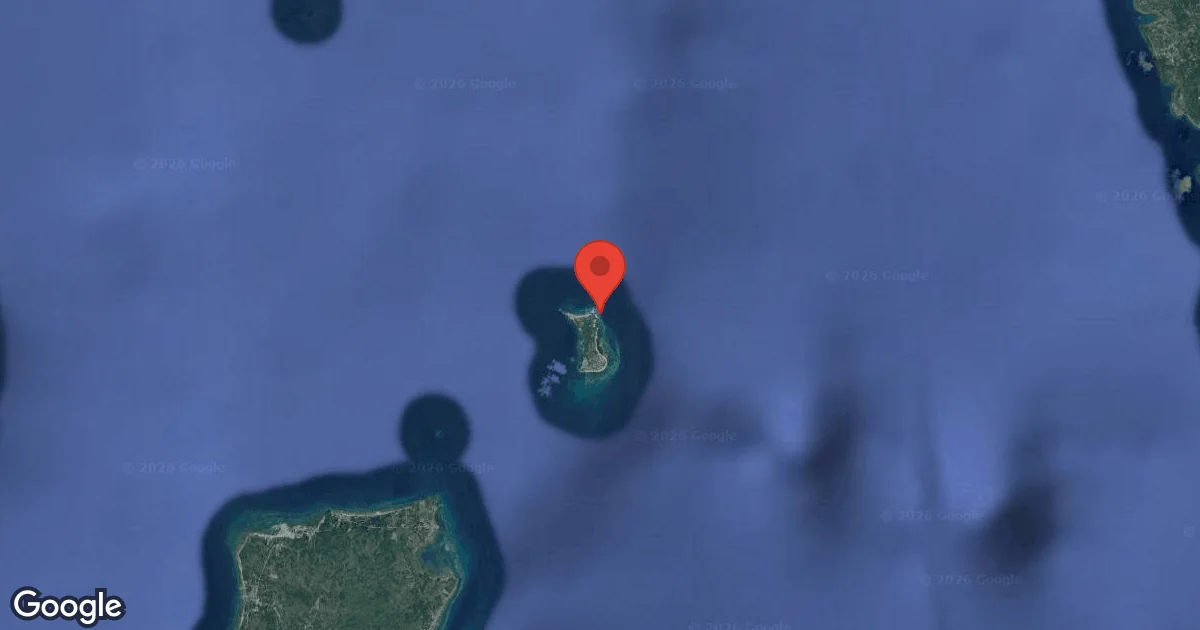
Dive Site Location & Key Facts
Dive Site Overview
Beneath the waves off Malapascua, the Lighthouse Wreck presents a shallow, fragmented Japanese WWII landing craft, primarily resting at an average depth of 3 m (10 ft). Its maximum depth extends to only 7m.
The vessel's hull is separated into two main pieces, now extensively encrusted with diverse marine growth, creating an immediate visual interest for descending divers. Exploring the exterior, one can easily identify the broken sections and imagine its past. What appear to be natural rock formations nearby are actually bags of cement from the original cargo; some surfaces still bear distinct weave imprints, telling a silent story of its wartime mission.
Transformed into a vibrant artificial reef, this site supports a rich growth of hard and soft corals, alongside colorful tunicates that add a striking palette to the metallic remnants. Observing a variety of macro life within its structure, from tiny crustaceans to juvenile fish, is a key draw for many visitors.
This approachable site serves as an ideal location for buoyancy practice, allowing new divers to hone skills in a real wreck environment. Both entry-level certifications and experienced divers seeking unique photographic subjects or smaller organisms find this rewarding spot appealing. Its accessible depth ensures extended bottom times for thorough exploration.
Conditions are Good
07:00 - 14:00
Optimal conditions expected
Current conditions near Lighthouse Wreck show 27° air, 30° sea temperature, 0.2 m waves, and 17 km/h wind. Forecast data is refreshed regularly to ensure accuracy.
Best Time to Dive
Optimal visibility often characterizes the diving conditions at Lighthouse Wreck, especially during the drier months. April stands out as an excellent month, with a high dive score and minimal rainfall averaging 0.43 mm. Air temperatures during this period typically hover around 28°C (82°F). The months from March through May generally present calmest surface conditions, with wave heights decreasing to averages as low as 0.3 m in May, enhancing comfort for boat entries and surface intervals. While the site maintains good dive conditions throughout much of the year, drier periods from January to May, with consistently lower rain and moderate winds, usually offer the clearest water and most comfortable experience.
PEAK SEASON SCORE
Scores combine air & water temps, waves, wind & rainfall for overall conditions.
BEST MONTHS TO DIVE
Monthly records compiled from satellite and marine observation nodes over the last 3 years. Data provided by Open-Meteo and MET Norway.
Dive Experience & Conditions
Descending onto the Lighthouse Wreck offers an approachable introduction to wreck diving, making it highly suitable for Open Water Diver training and Try Scuba experiences. Its shallow maximum depth, reaching only 7m, allows for extended bottom times, fostering relaxed exploration without time pressure. Typically, the dive site experiences negligible current, ensuring comfortable and easy navigation around the fragmented structure. The calm water simplifies skill practice for new divers. Featuring a bottom composition mainly of sand and scattered seagrass beds, the area provides ample opportunity to spot various macro marine life. Divers comfortably explore the exterior of the wreck's two main pieces, observing the diverse ecosystem that has colonized its remnants and the surrounding sandy bottom.
Dive Difficulty & Safety Guidelines
Given the shallow nature of Lighthouse Wreck, surface awareness is a primary safety consideration; divers must deploy a surface marker buoy (SMB) or float throughout the dive to signal their position to boat traffic. This is a frequently visited site by dive boats and local traffic. The site is known for its generally calm water and lack of strong currents, which contributes to its beginner-friendly reputation.
As with any dive, careful ascent rates and adherence to no-decompression limits are essential, especially for newer divers practicing skills here. Always dive within your certification limits and follow your dive guide's instructions.
Recommended Equipment
Overhead / entanglement risk. Wreck penetration requires proper training.
- Dive Computer
- DSMB
- Primary & Backup Lights
- Wreck Reel
- Cutting Tool
This gear list is based on verified equipment signals for Lighthouse Wreck, Philippines. Always confirm final gear choices with your dive operator, guide, or liveaboard.
Recommended Dive Suit
With water temperatures around 30°C (85°F), many divers find a dive skin or rash guard provides comfortable protection.
Local conditions can vary slightly across different parts of the same dive site.
Conditions are expected to stay fairly consistent in the days ahead.
Due to technical issues with our weather providers, live updates are temporarily delayed. The data above reflects the conditions at the time of the last successful fetch.
Emergency & Medical Support
Essential information to help you plan your dive trip to Lighthouse wreck.

Hyperbaric chambers are a critical part of dive safety infrastructure. Availability varies significantly by region, and not all dive areas have immediate access.
Before diving, it's recommended to:
- confirm nearest medical facilities
- check emergency procedures with local dive operators
- ensure dive insurance covers evacuation if required
Divers Alert Network
Diving emergency assistance available through DAN World.
+1-919-684-9111- 24/7 emergency hotline
- Diving medical assistance
- Evacuation coordination
Emergency contacts are provided for reference. Always verify local emergency services before diving.
Marine Life at Lighthouse Wreck
Observing the vibrant ecosystem that has claimed the Lighthouse Wreck is a core aspect of the dive. The wreck provides habitat for numerous hard and soft corals, alongside an array of colorful tunicates.
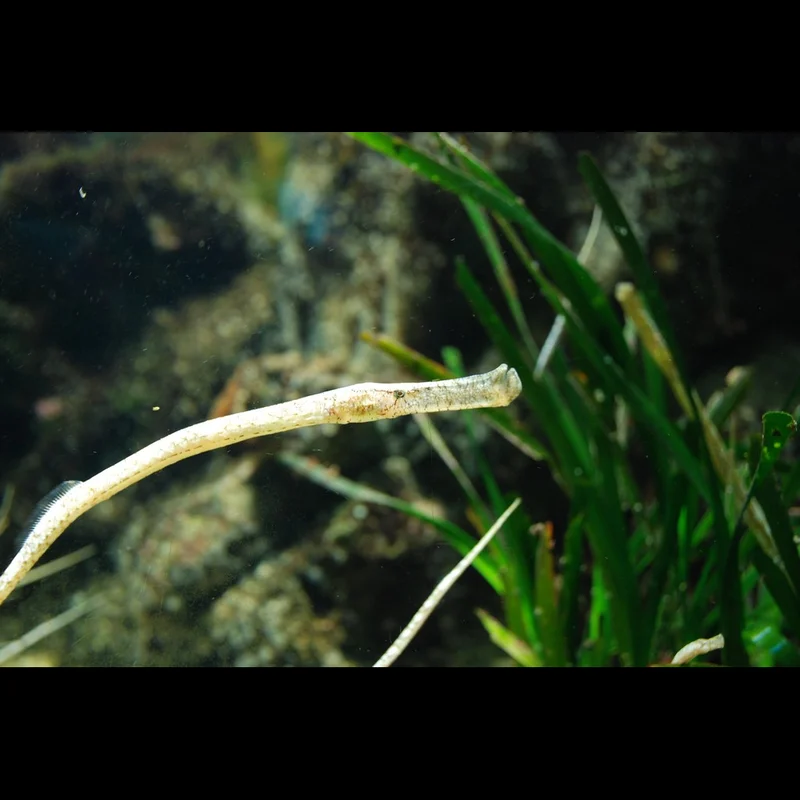
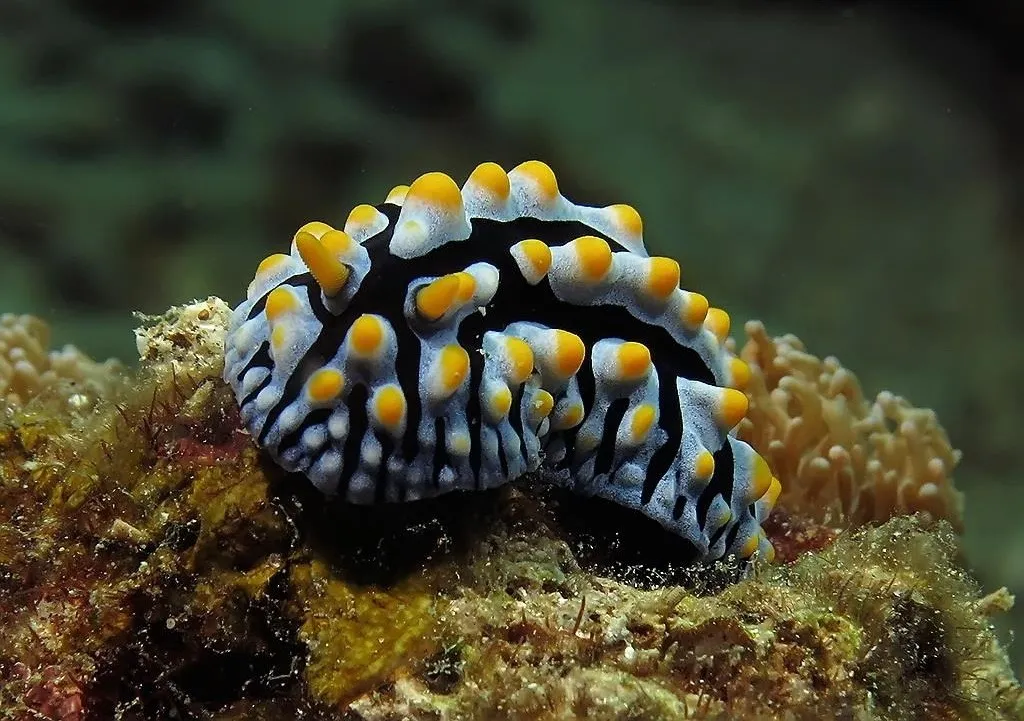
Diverse macro life thrives here, with frequent sightings of sea horses and coral pipefishes, sometimes engaged in their intricate mating dances. Patches of nudibranchs add splashes of color to the encrusted metal.
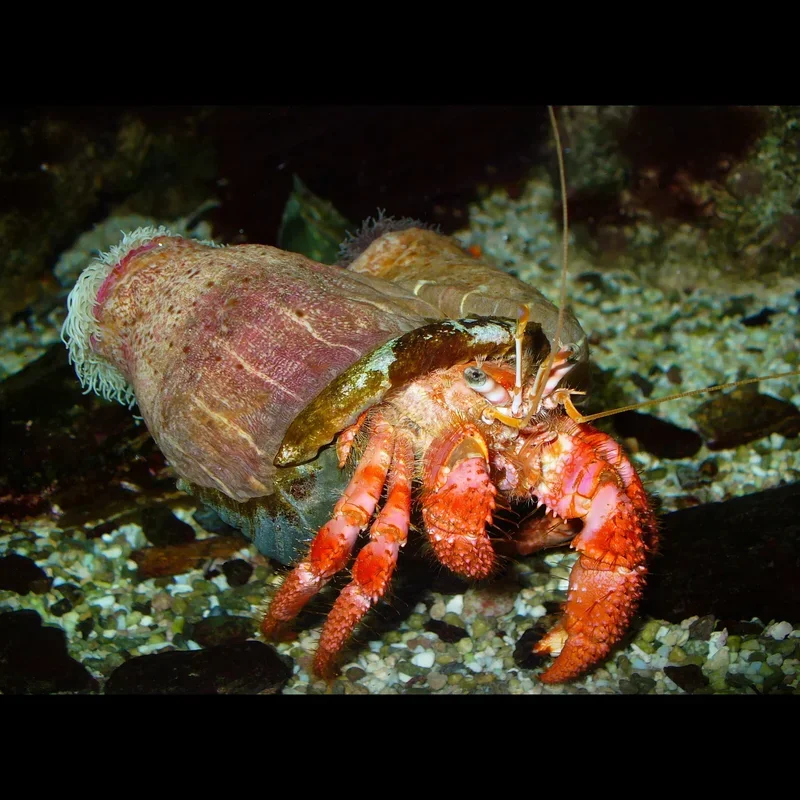
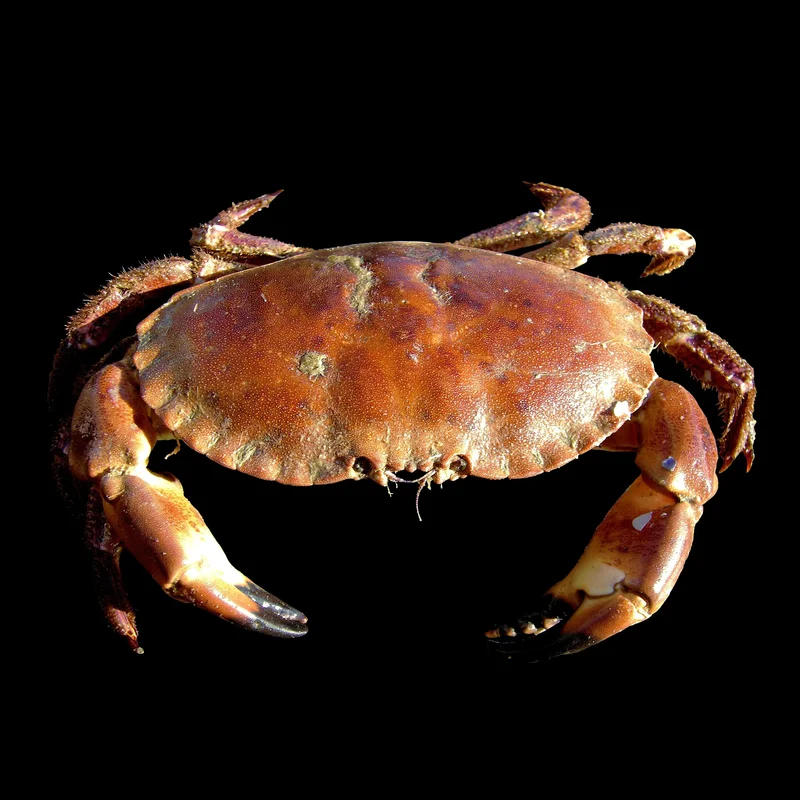
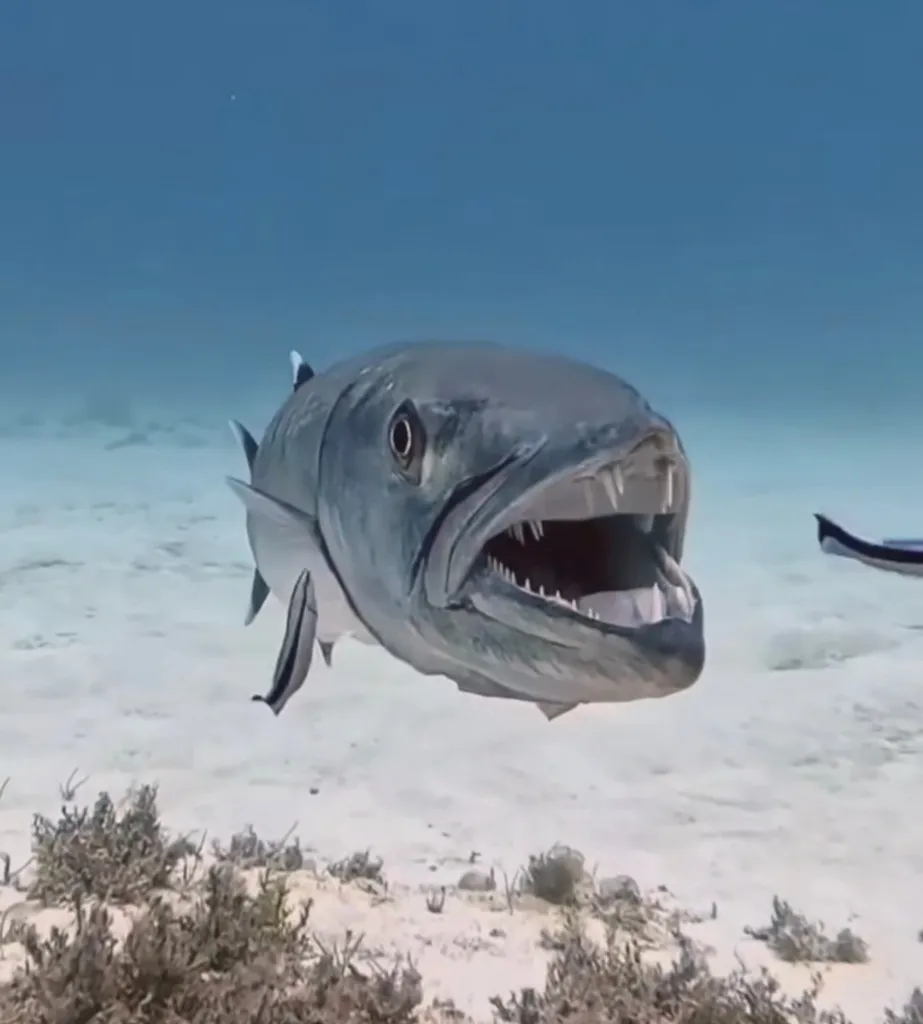
Larger inhabitants include yellow-tailed barracuda, hermit crabs, and octopus, while juvenile harlequin sweetlips and banded sea snakes are often spotted navigating the structure's crevices.
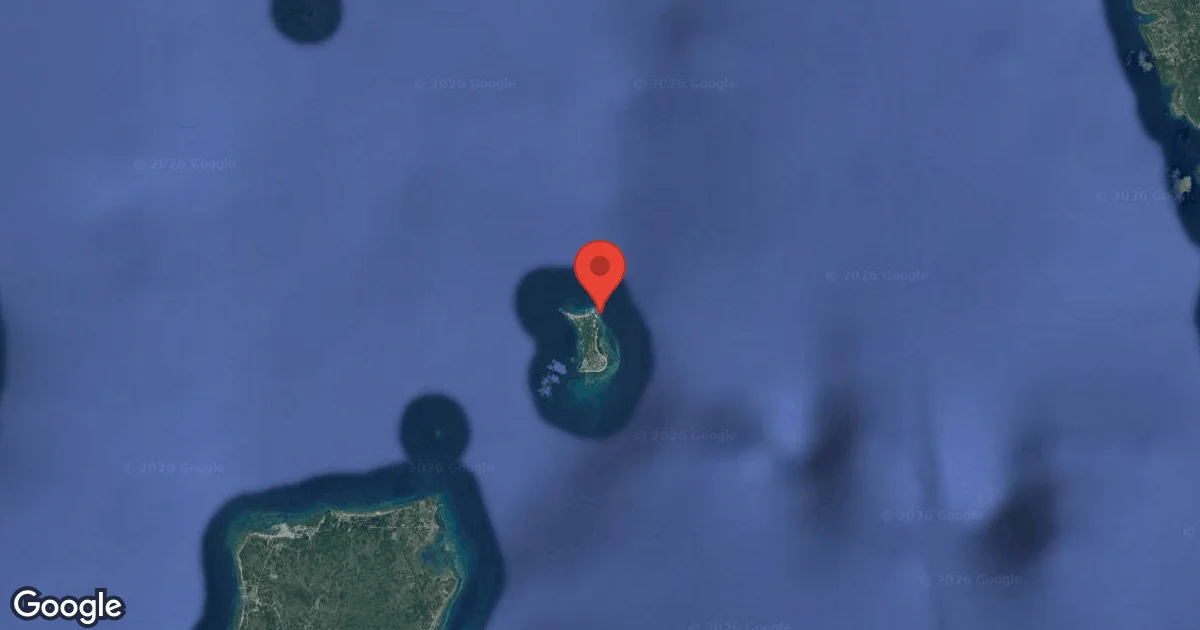
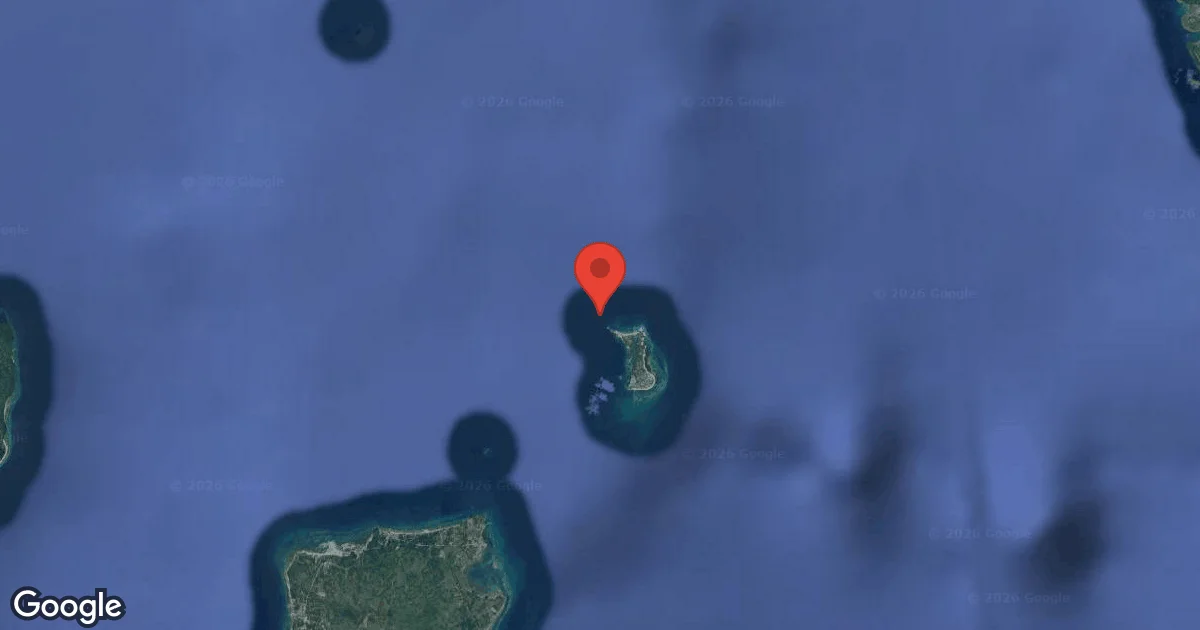
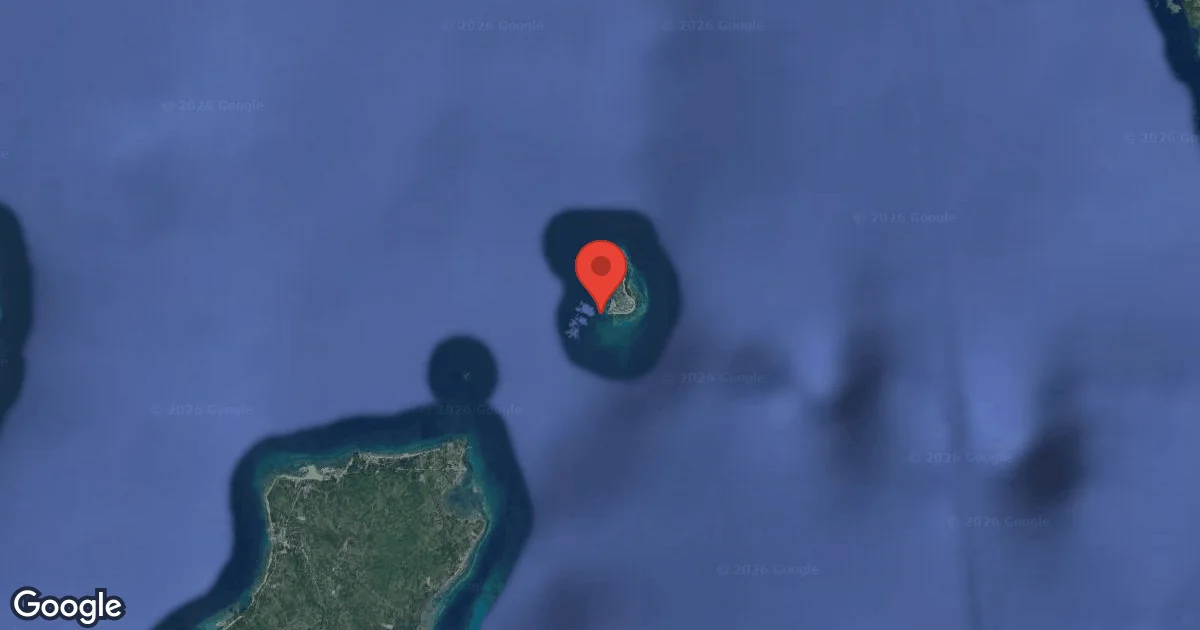
Dive Sites Near Lighthouse Wreck
View all dive sites in PhilippinesDiscover more underwater gems in this area.
Dive Centers Near Lighthouse Wreck
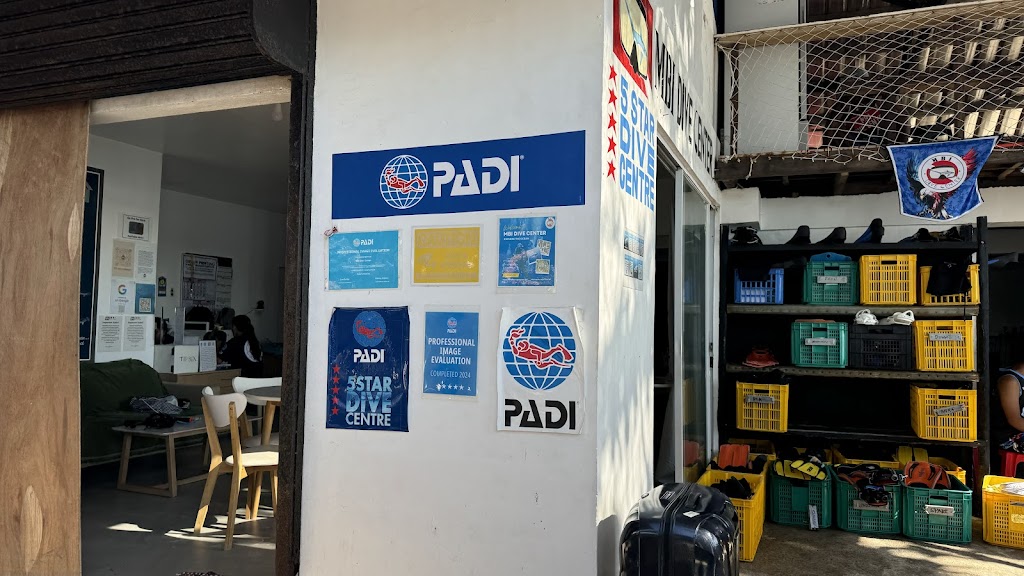
Today: 08:00 - 19:00
Nearest Airports
Nearest airports to help plan travel to this dive area.
Search Flights
Check available flights and routes on Expedia, using the nearby airports listed in this section.
Search Flights on ExpediaFrequently Asked Questions
What type of wreck is the Lighthouse Wreck?
It is a Japanese World War II landing craft. The vessel was bombed just prior to landing, while carrying a large shipment of cement intended for military gun emplacements.
What is the maximum depth of the dive site?
Lighthouse Wreck is quite shallow, reaching a maximum depth of 7 m (23 ft). An average depth around the wreck is closer to 3 m (10 ft).
Is the Lighthouse Wreck suitable for beginner divers?
Yes, it is highly suitable for beginner divers, including those undergoing their PADI Open Water course or a Try Scuba experience. Its shallow depth and generally calm conditions make it an excellent training site.
What kind of marine life can be seen at the wreck?
Divers often encounter sea horses, coral pipefishes, and various nudibranchs. Other common sightings include yellow-tailed barracuda, hermit crabs, octopus, juvenile harlequin sweetlips, and banded sea snakes.
Are there strong currents at the Lighthouse Wreck?
Usually, there are no strong currents at this dive site. Conditions can vary, but it's generally known for calm and still waters, making it a relaxed dive.
What are the 'rocks' near the wreck made of?
Many of the 'rocks' you'll see nearby are actually bags of cement that were part of the ship's cargo. You can still observe the woven imprints on some of them.
Planning to dive Lighthouse Wreck?
Send one inquiry and receive offers directly from the best verified local dive operators.
Conditions are Good
07:00 - 14:00
Optimal conditions expected
Current conditions near Lighthouse Wreck show 27° air, 30° sea temperature, 0.2 m waves, and 17 km/h wind. Forecast data is refreshed regularly to ensure accuracy.