
Diving at Bugtong Bato (Philippines)
From the surface, Bugtong Bato presents itself as a stark granite pinnacle. Its seemingly barren exterior belies a vibrant, complex underwater ecosystem. This massive rock holds a story of ecological transformation, revealing a thriving world upon descent to its maximum depth of 30 m (100 ft). Divers exploring Malapascua find a compelling narrative here.
Tonight's objective overview for Bugtong Bato shows an air temperature of 28°C. The measured surface conditions include wave heights around 0.2 m. This environmental data is logged for the close of the day.
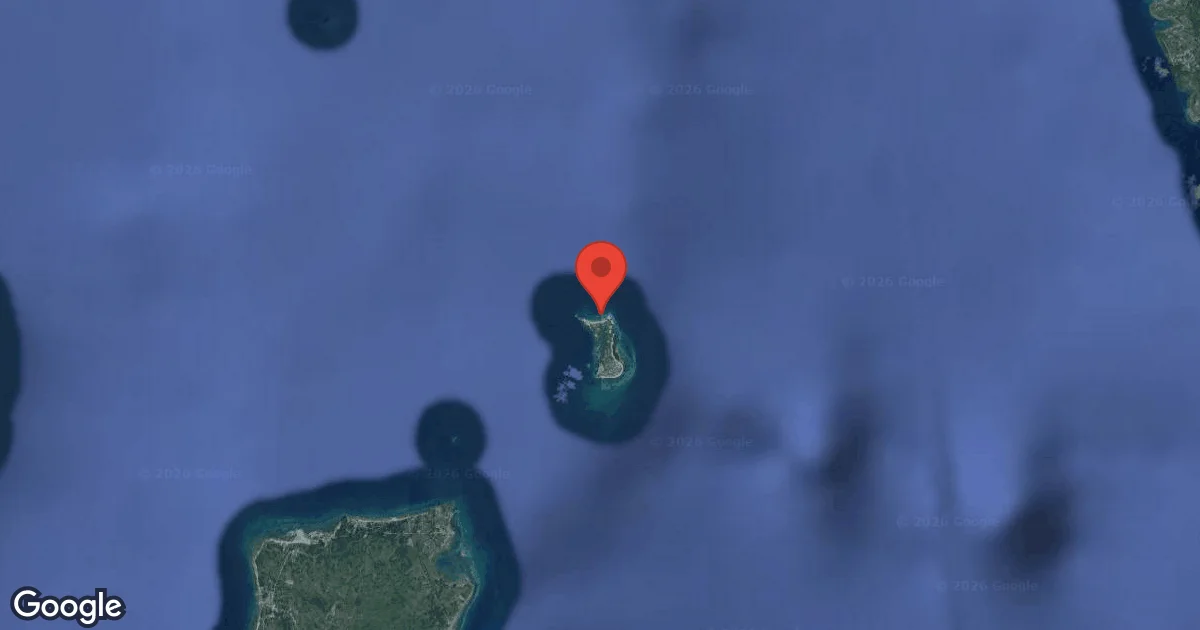
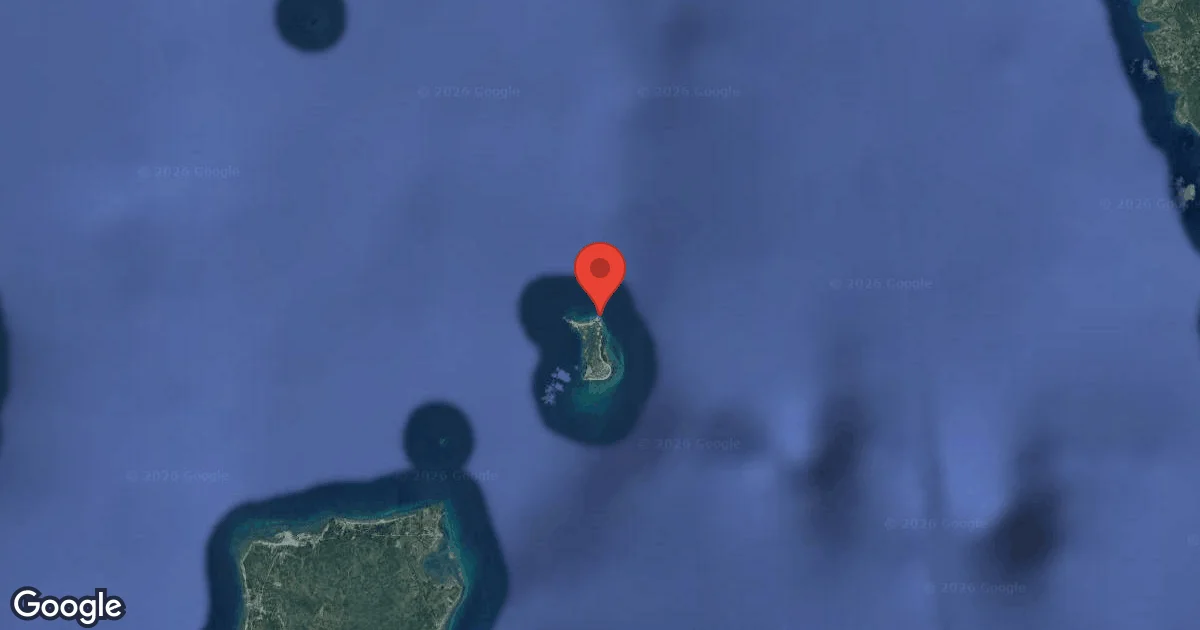
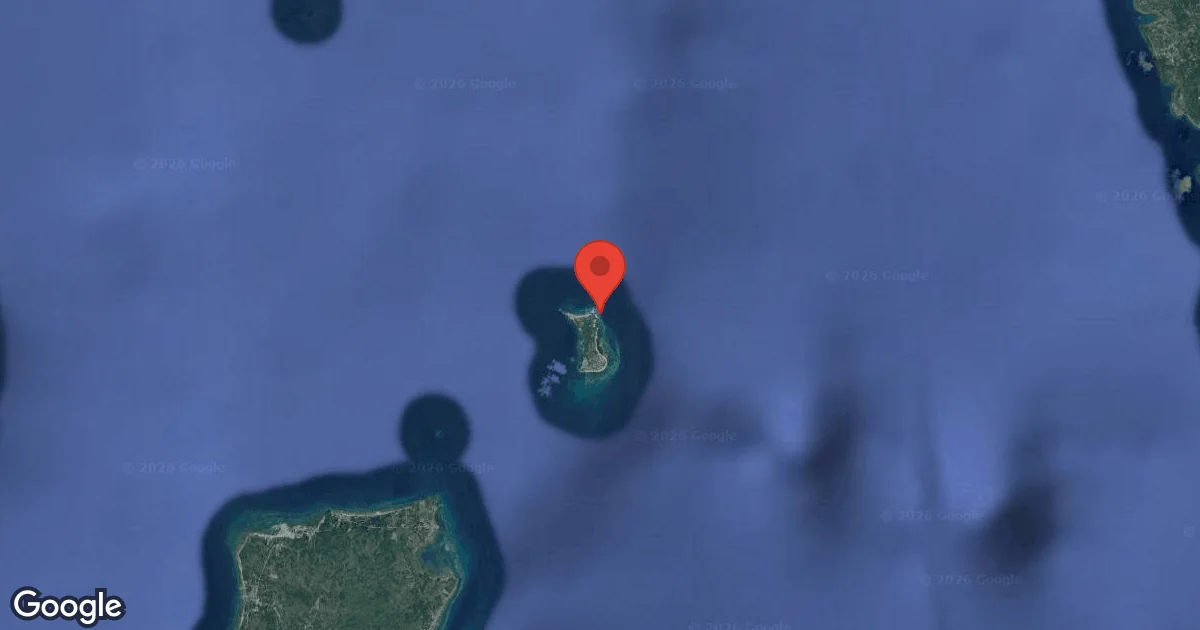
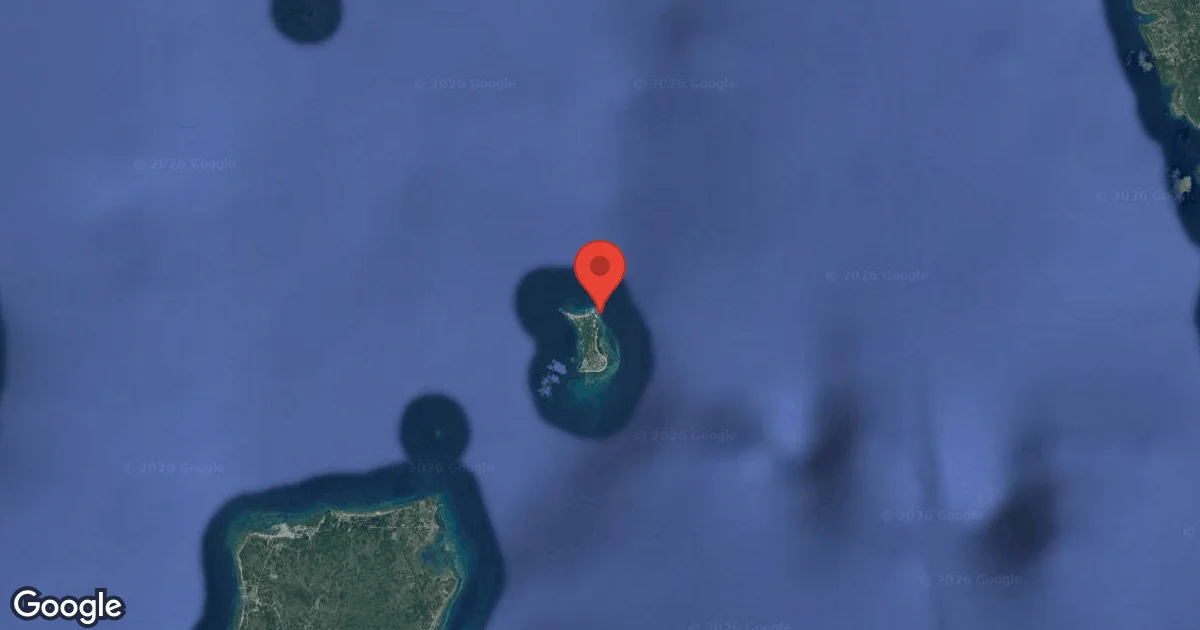
Dive Site Location & Key Facts
Dive Site Overview
Bugtong Bato presents a versatile dive profile, appealing to a wide range of certified divers. Exploration typically begins on a gently sloping reef, found at depths between 8-12 meters, which smoothly transitions into a modest wall.
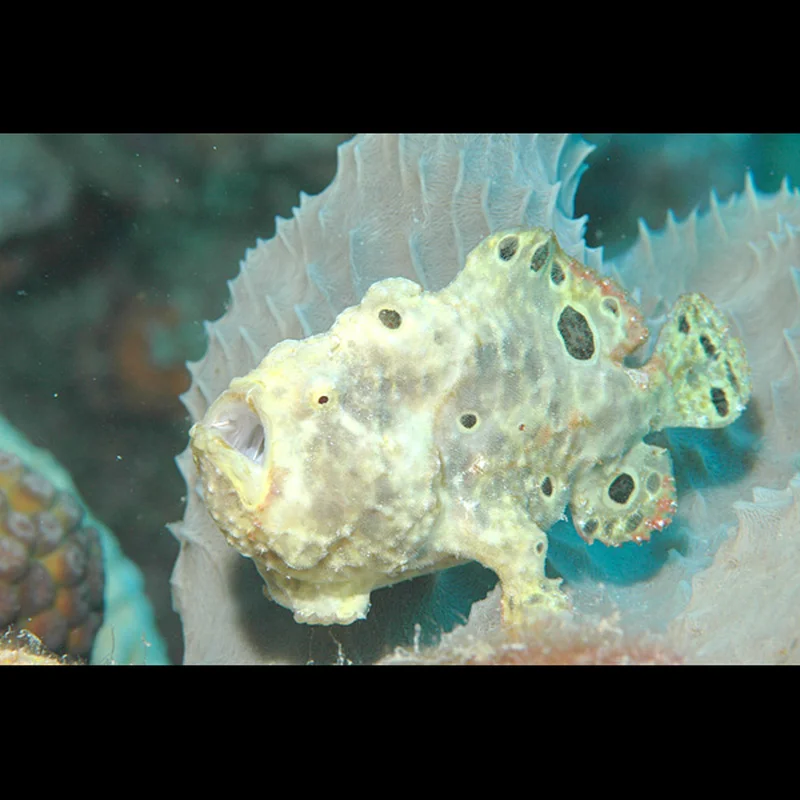
Descending along this wall segment, divers reach approximately 20 meters, where a further sloping reef continues its gradual drop, eventually reaching a sandy bottom around 30 meters. Varied topography provides diverse exploration opportunities, from vibrant reef sections to navigating the wall's contours. Macro enthusiasts will appreciate a wealth of smaller inhabitants, including well-camouflaged frogfishes and a variety of colorful nudibranchs often found nestled among corals or rocks.
For those capturing underwater scenery, the site serves as an excellent photographic subject, with its distinct structures offering numerous compositional angles. Currents are usually minimal, which contributes to a relaxed and unhurried exploration of each distinct topographical feature.
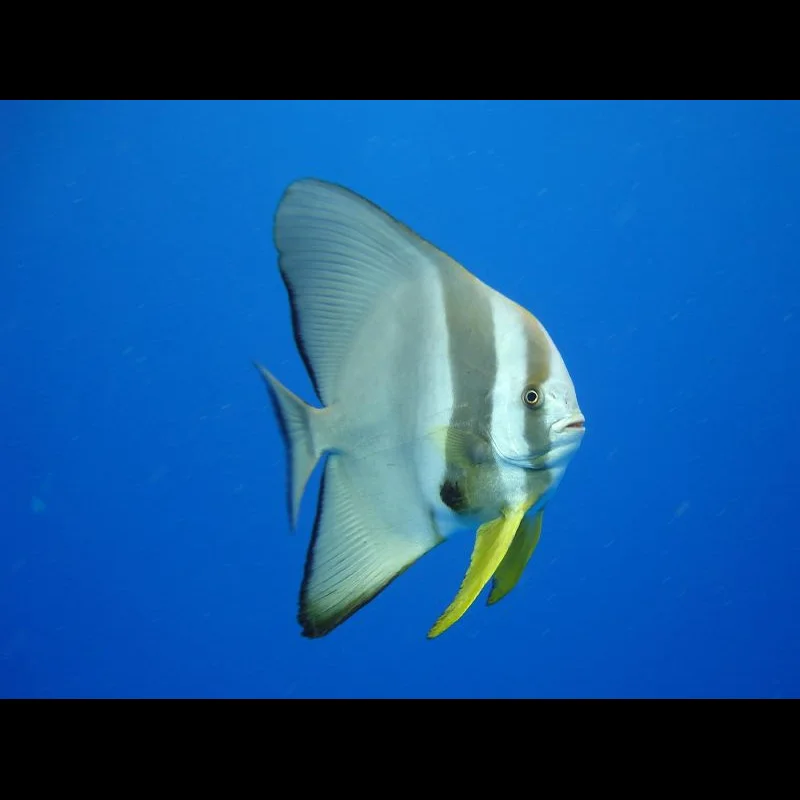
Visibility can vary; while sometimes reported as a bit hazy, it rarely detracts from the overall experience, often clearing sufficiently to reveal the site's unique charm and inhabitants. Divers can spend ample time in shallower zones, allowing for extended bottom times ideal for detailed observation, or venture deeper to inspect sandy expanses for hidden macro life. Occasional schools of batfish and mackerel are common sights, adding dynamic movement to the scene.
Conditions are Good
07:00 - 14:00
Optimal conditions expected
Current conditions near Bugtong Bato show 28° air, 30° sea temperature, 0.2 m waves, and 15 km/h wind. Forecast data is refreshed regularly to ensure accuracy.
Best Time to Dive
April generally stands out as an excellent time to visit Bugtong Bato, often offering prime diving conditions with high dive scores. During this month, air temperatures average around 28°C (82°F) and rainfall is exceptionally low, averaging just 0.43 mm. Overall, diving maintains good to excellent conditions throughout most of the year. Air temperatures tend to consistently range between 27-29°C (81-84°F) across many months, providing comfortable surface intervals. While minimal rainfall is characteristic of the drier season from March to May, precipitation can increase slightly from June to November, potentially impacting surface conditions. Wave heights are typically manageable, usually staying below 0.6 meters (2 feet), and winds remain moderate, averaging around 20-29 km/h (12-18 mph). These consistent, mild conditions make the site accessible for a substantial portion of the year. Divers seeking the most consistently favorable weather and optimal visibility should consider planning around the April window.
PEAK SEASON SCORE
Scores combine air & water temps, waves, wind & rainfall for overall conditions.
BEST MONTHS TO DIVE
Monthly records compiled from satellite and marine observation nodes over the last 3 years. Data provided by Open-Meteo and MET Norway.
Dive Experience & Conditions
Descending into Bugtong Bato often feels like entering a different realm, a stark contrast to its surface appearance. Visibility here can vary; while sometimes reported as a bit hazy, conditions rarely detract from the overall experience, often clearing enough to reveal the site's unique charm. Gentle slopes leading to a modest wall create a comfortable flow for divers of all levels, including Open Water certified. Exploring shallower sections of the reef allows for extended bottom times, providing ample opportunity to observe macro life and coral details. Deeper sandy stretches invite careful observation for more elusive species. A usual lack of strong currents allows divers to take their time, truly soaking in the rhythm and colors of the marine environment. Patient observation rewards divers here, letting the underwater spectacle unfold around you without pressure. Water temperatures typically hold a comfortable range of 22-27°C (72-81°F).
Dive Difficulty & Safety Guidelines
Ensuring a safe dive at Bugtong Bato, like any site, relies on standard dive protocols and awareness of prevailing conditions. While specific hazards are not consistently reported for this site, divers should always perform thorough pre-dive checks of their gear and maintain a vigilant buddy system. Given that visibility can be variable, maintaining situational awareness and staying close to your buddy is especially important for safety and navigation.
Monitoring air consumption and no-decompression limits remains crucial, particularly when exploring deeper sections of the reef or the wall that extends to its maximum depth. Prudent divers will consult with local dive operators regarding the most current site conditions, including recent reports on visibility and any mild currents, before planning their descent. Always ascend slowly and perform a safety stop.
Recommended Equipment
- Dive Computer
- DSMB
This gear list is based on verified equipment signals for Bugtong Bato, Philippines. Always confirm final gear choices with your dive operator, guide, or liveaboard.
Recommended Dive Suit
Water temperatures at Bugtong Bato are currently estimated to be around 30°C (86°F), shaping the overall diving conditions for today. Surface air temperatures are resting at 28°C (82°F).
Dive skin or rash guard generally offers enough warmth for most dives under these conditions. A hood or vest is suggested for sensitive divers due to surface winds.
Forecast conditions over the next few days suggest temperatures will remain relatively stable.
Due to technical issues with our weather providers, data hasn't been fetched for over 48 hours. The data above reflects the conditions at the time of the last successful fetch.
Emergency & Medical Support
Essential information to help you plan your dive trip to Bugtong Bato.

Hyperbaric chambers are a critical part of dive safety infrastructure. Availability varies significantly by region, and not all dive areas have immediate access.
Before diving, it's recommended to:
- confirm nearest medical facilities
- check emergency procedures with local dive operators
- ensure dive insurance covers evacuation if required
Divers Alert Network
Diving emergency assistance available through DAN World.
+1-919-684-9111- 24/7 emergency hotline
- Diving medical assistance
- Evacuation coordination
Emergency contacts are provided for reference. Always verify local emergency services before diving.
Marine Life at Bugtong Bato
The underwater landscape of Bugtong Bato teems with an array of fascinating creatures across its reef and wall sections. Along the sloping reef, divers often encounter schools of scads, damsels, and chromis, creating swirling patterns of movement.
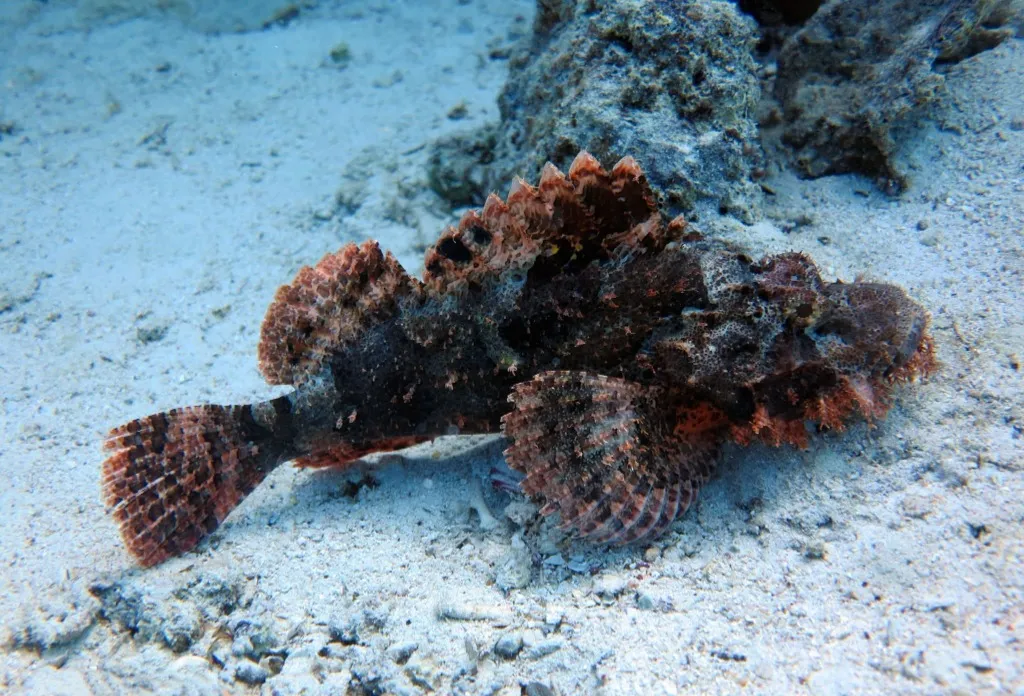
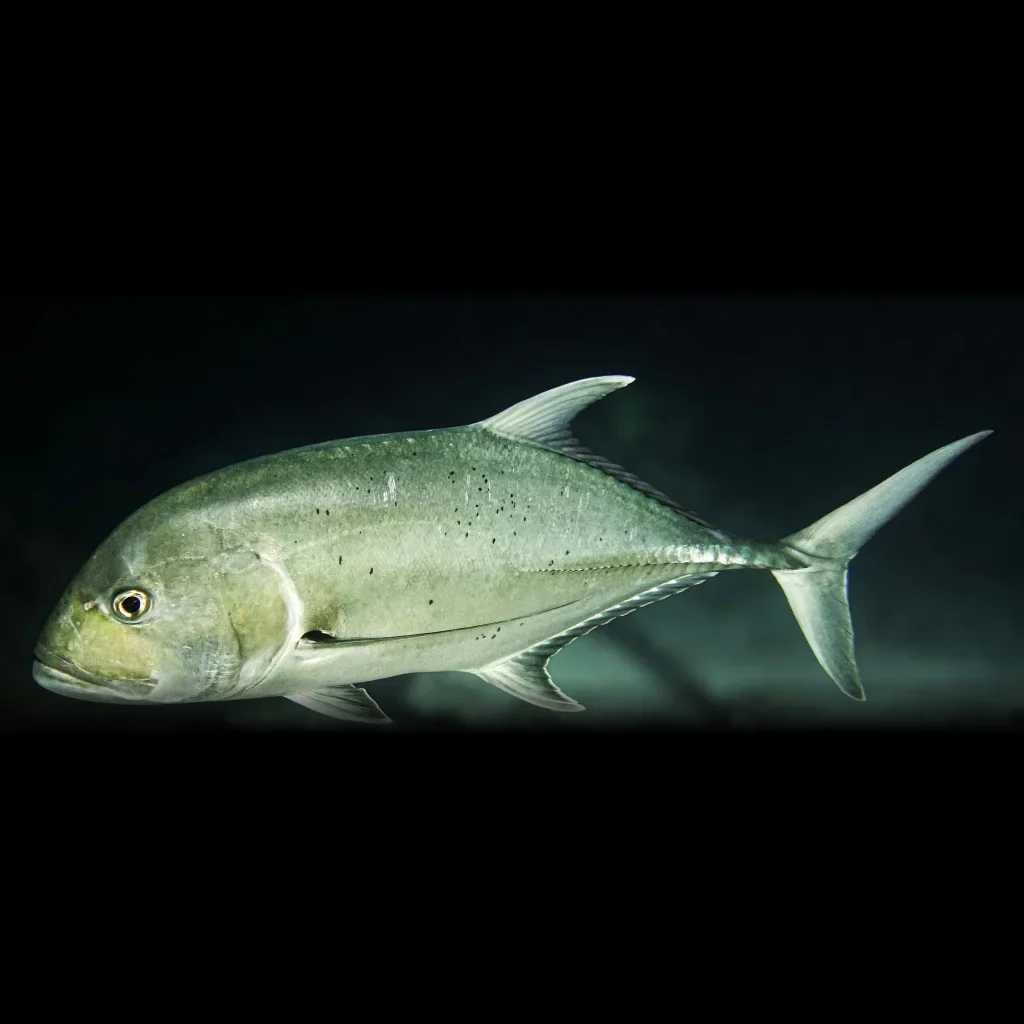
Red snappers dart through the coral, while giant trevally may make unexpected appearances. Macro enthusiasts will find a treasure trove of smaller species, including elusive seahorses, well-camouflaged frogfishes, and a wide variety of colorful nudibranchs.
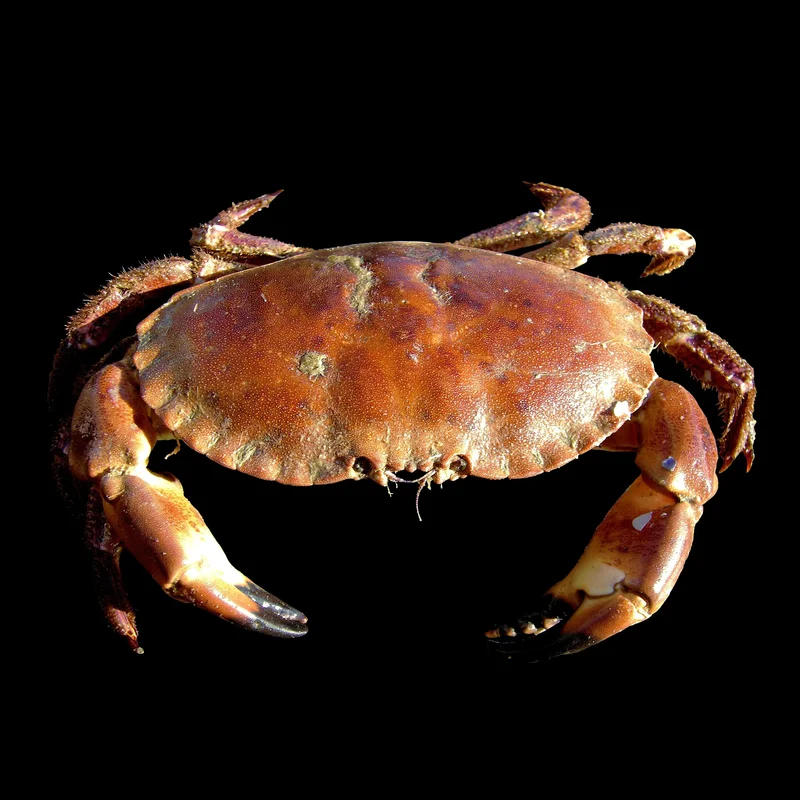
Additionally, schools of batfish and mackerel are common sights, alongside scorpionfish, lionfish, zebra crabs, and coral shrimp, adding to the site's rich biodiversity.
Dive Sites Near Bugtong Bato
View all dive sites in PhilippinesDiscover more underwater gems in this area.
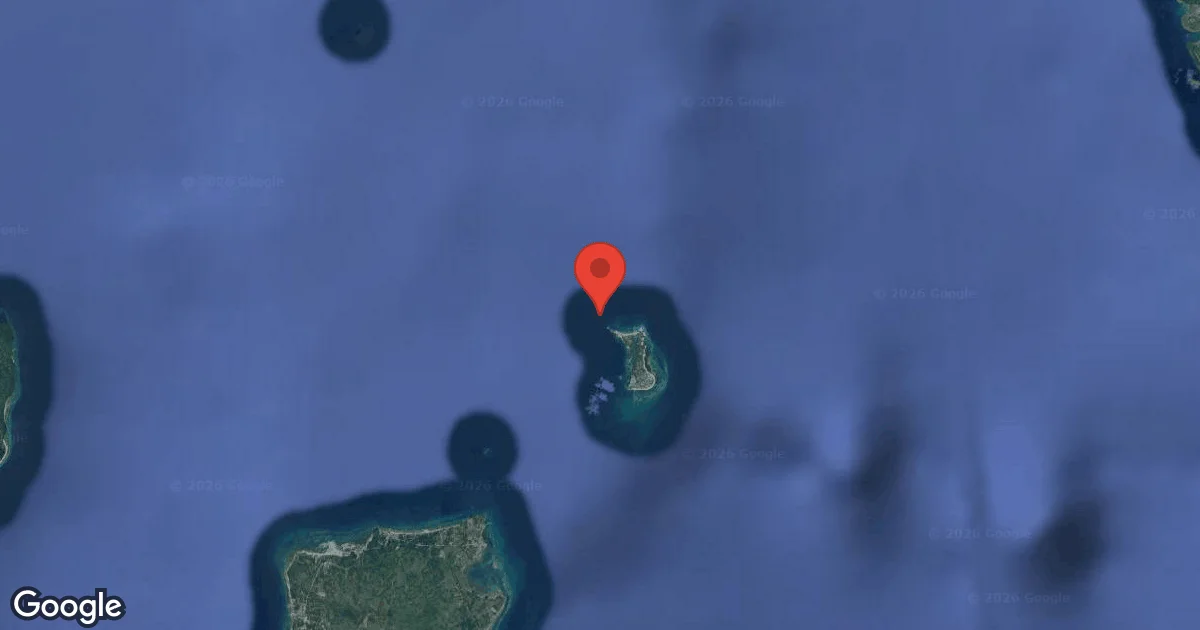
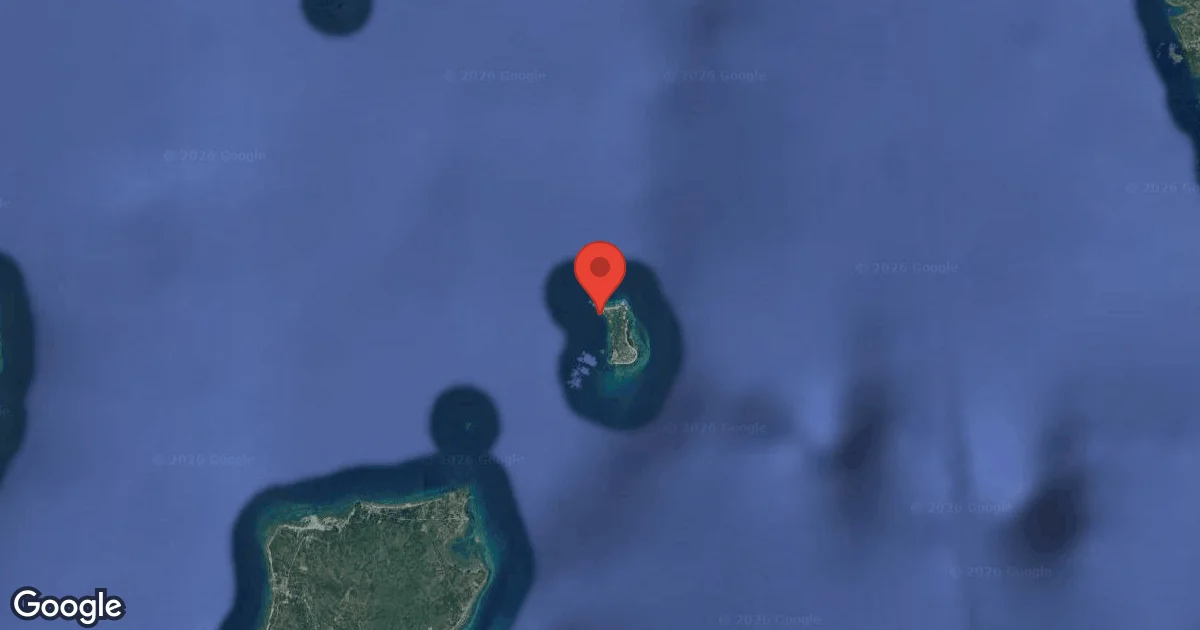
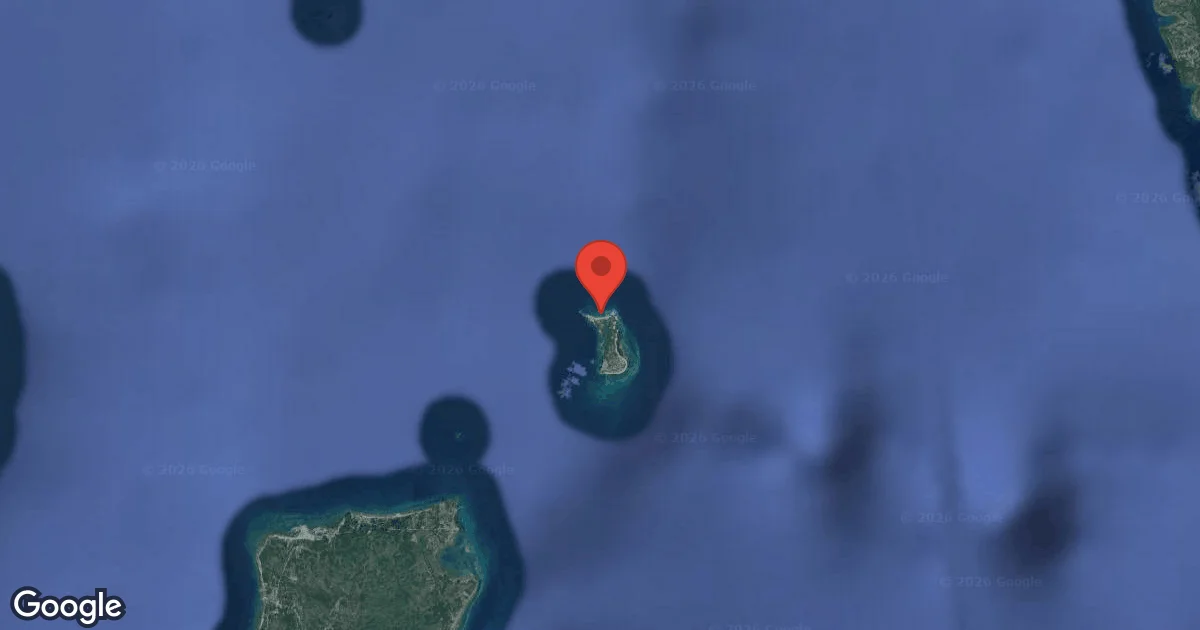
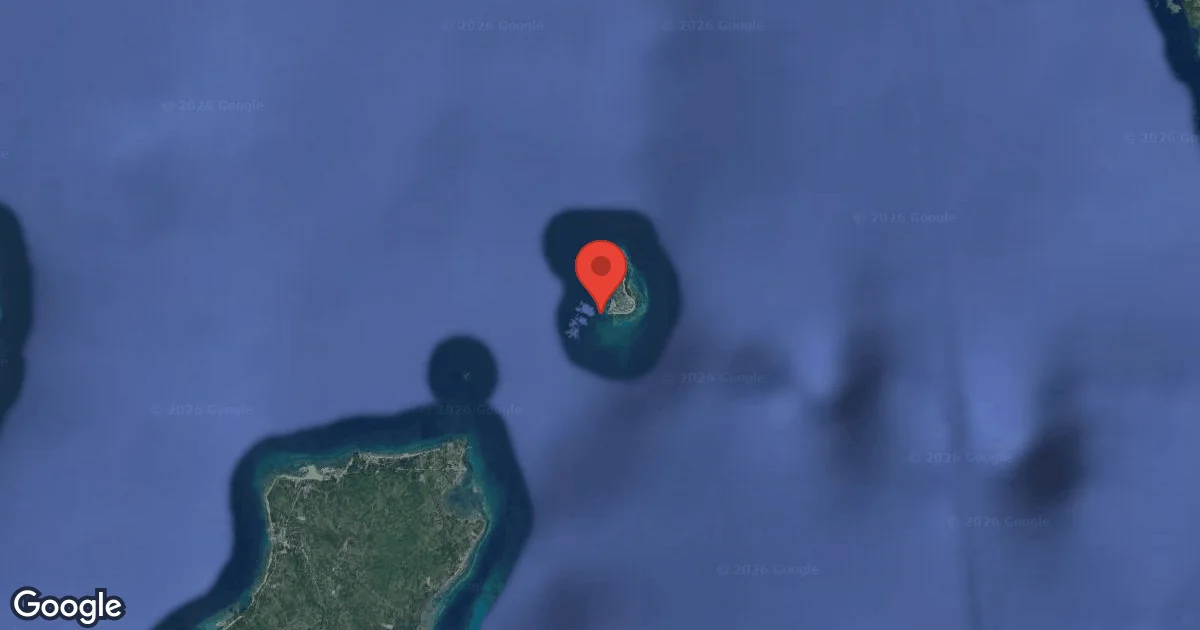
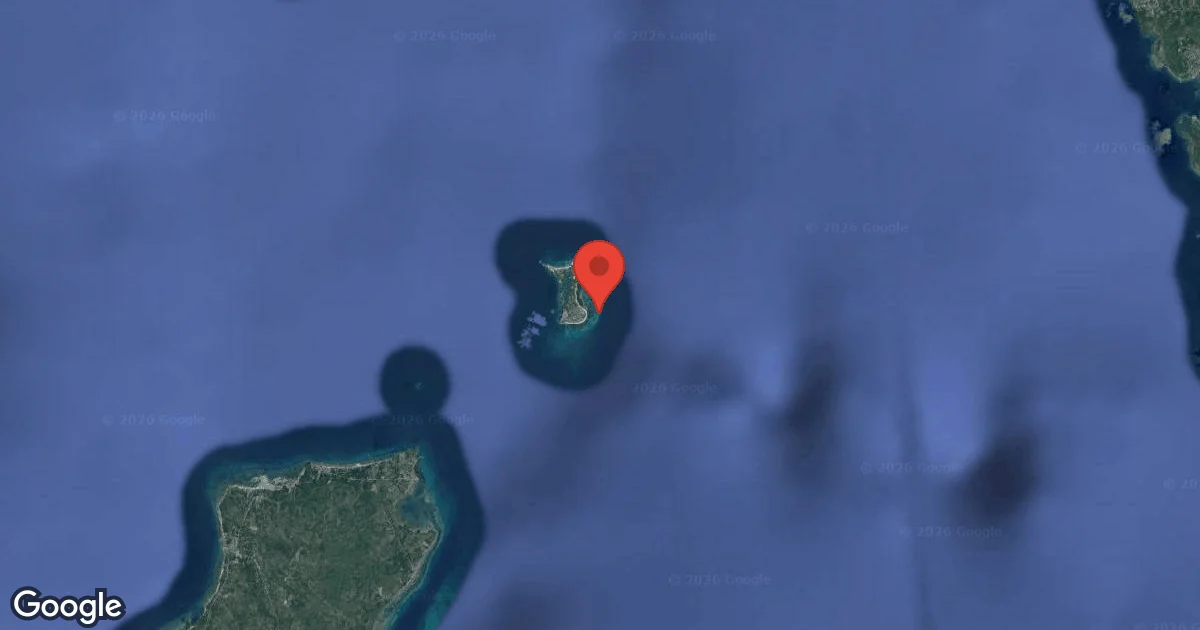
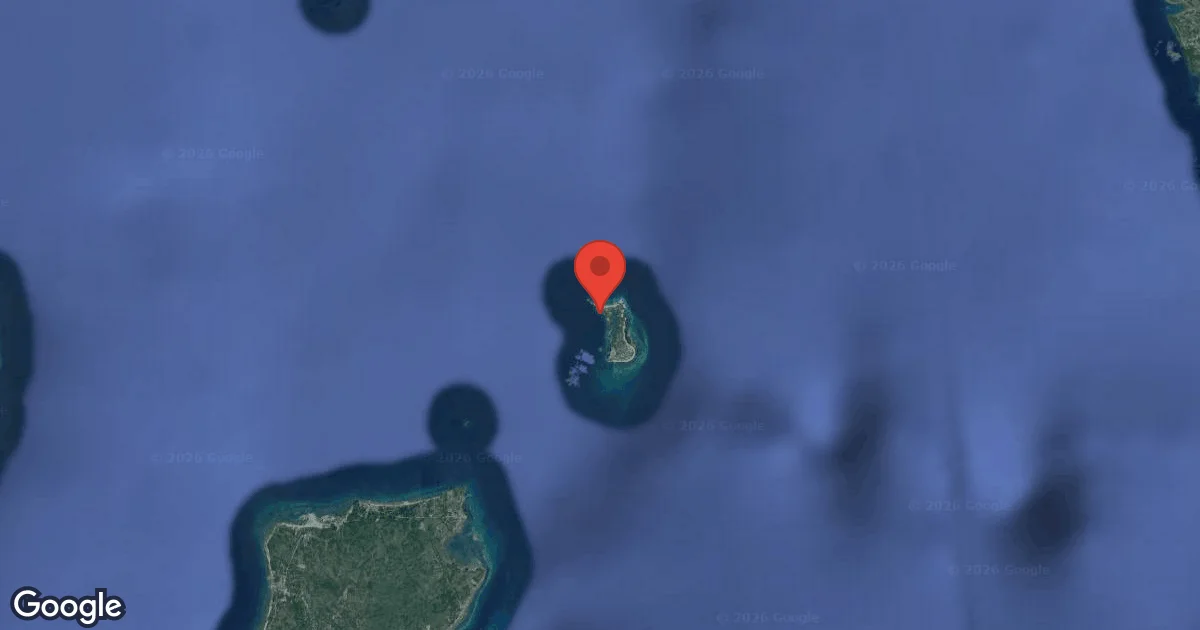
Dive Centers Near Bugtong Bato

Today: 08:00 - 19:00

Nearest Airports
Nearest airports to help plan travel to this dive area.
Search Flights
Check available flights and routes on Expedia, using the nearby airports listed in this section.
Search Flights on ExpediaFrequently Asked Questions
What is the maximum depth at Bugtong Bato?
Maximum depth recorded for diving at Bugtong Bato is 30 m (100 ft). Divers reach this on the sloping reef that continues beyond a small wall.
Is Bugtong Bato suitable for beginner divers?
Yes, Bugtong Bato is classified as suitable for Open Water divers. Its gently sloping reefs and typically mild currents make it accessible and enjoyable for various experience levels.
What kind of currents can I expect?
Currents at Bugtong Bato are usually reported as none. A generally calm environment allows for relaxed exploration and easier photography opportunities.
What marine life is commonly seen there?
Divers often observe schools of scads, damsels, and chromis. Macro life includes seahorses, frogfishes, and nudibranchs. Batfish, mackerel, red snappers, giant trevally, scorpionfish, lionfish, zebra crabs, and coral shrimp are also regularly spotted.
How is the visibility at Bugtong Bato?
Visibility can vary, sometimes being a bit hazy. However, it's generally sufficient for an enjoyable dive, often clearing enough to reveal the site's vibrant underwater details.
What are the main features of the dive site's topography?
Bugtong Bato features a gently sloping reef from 8-12 meters, transitioning to a small wall that drops to 20 meters. Beyond the wall, another sloping reef continues down to a sandy bottom at 30 meters, presenting a diverse underwater landscape.
Are there specific months when diving conditions are best?
April typically offers excellent diving conditions due to low rainfall and favorable air temperatures. However, Bugtong Bato provides good to excellent diving opportunities throughout much of the year, with mild waves and moderate winds.
Planning to dive Bugtong Bato?
Send one inquiry and receive offers directly from the best verified local dive operators.
Conditions are Good
07:00 - 14:00
Optimal conditions expected
Current conditions near Bugtong Bato show 28° air, 30° sea temperature, 0.2 m waves, and 15 km/h wind. Forecast data is refreshed regularly to ensure accuracy.