
Diving at Buceo Anilao House Reef (Philippines)
Visiting Buceo Anilao House Reef places divers squarely in a prime spot for macro photography. Here, a specific and highly rewarding experience awaits, focusing intently on smaller marine life. An accessible shore or boat dive, it proves convenient for repeat explorations across any dive trip. Expect encounters with a diverse array of critters, transforming each descent into an opportunity for discovery and capturing intricate details.
Tonight's objective overview for Buceo Anilao House Reef shows an air temperature of 29.5°C. The measured surface conditions include wave heights around 0.1 m. This environmental data is logged for the close of the day.
Dive Site Location & Key Facts
Dive Site Overview
Buceo Point, the house reef itself, functions as an accessible gateway into Anilao's rich underwater diversity. Diving here presents prime muck and sandy bottom opportunities.
Upon entering, divers first encounter stretches of rubble and open sand patches, gradually transitioning into sections adorned with vibrant coral gardens. Though other local sites might reach maximum depths of 30 m (100 ft), explorations on this particular house reef generally remain within comfortable recreational limits. Many areas brimming with life are frequently observed between 15-18 m (50-60 ft).
Farther down, the sandy bottom continues to host a surprising number of camouflaged inhabitants. This varied topography nurtures a rich habitat for countless smaller marine organisms, shifting the focus from expansive views to detailed, close-up observations.
Its intricate structure provides abundant nooks and crannies for critters seeking shelter, drawing divers keen on meticulous exploration.
Conditions are Good
07:00 - 14:00
Optimal conditions expected
Current conditions near Buceo Anilao House Reef show 30° air, 29° sea temperature, 0.2 m waves, and 22 km/h wind. Forecast data is refreshed regularly to ensure accuracy.
Best Time to Dive
Planning a dive at Buceo Anilao House Reef is generally favorable from January through June, when conditions are often quite good for diving. During these months, average air temperatures range from 26°C to 28.5°C (79-83°F), indicating comfortable surface intervals. Rainfall is typically lower during this period, particularly in March and April, which can contribute to better underwater visibility. While specific water temperature data isn't consistently reported, the region generally experiences warm tropical waters year-round. Dive scores are consistently rated 'Good' in these months, suggesting stable and enjoyable conditions for exploring the reef, though visibility can vary with local weather patterns.
PEAK SEASON SCORE
Scores combine air & water temps, waves, wind & rainfall for overall conditions.
BEST MONTHS TO DIVE
Monthly records compiled from satellite and marine observation nodes over the last 3 years. Data provided by Open-Meteo and MET Norway.
Dive Experience & Conditions
Diving here generally involves manageable conditions, which is characteristic of a house reef environment. While specific current reports aren't consistently available, house reefs often experience gentler water movements compared to open ocean sites, though conditions can vary. Water entry is convenient, possible directly from shore or via a short boat ride. The warm tropical waters allow for comfortable dives, though thermal protection requirements can depend on individual tolerance and dive duration. Divers can anticipate a relatively calm environment, allowing for extended time to observe the abundant macro life, which thrives across the sandy bottoms and among the reef structures.
Dive Difficulty & Safety Guidelines
For safe diving at Buceo Anilao House Reef, a key practice involves maintaining excellent buoyancy control, particularly in shallower sections and over delicate ecosystems. Given its popularity for macro photography and the presence of numerous small, easily disturbed creatures like nudibranchs, responsible interaction and careful finning are paramount. Divers are encouraged to stay with their experienced guides, who possess keen eyes for spotting camouflaged marine life and can navigate the varied terrain.
The resort also provides dedicated facilities, such as rinse bins and equipment rooms, supporting diver safety and gear maintenance.
Recommended Equipment
- Dive Computer
- Pointer / Muck Stick
This gear list is based on verified equipment signals for Buceo Anilao House Reef, Philippines. Always confirm final gear choices with your dive operator, guide, or liveaboard.
Recommended Dive Suit
The coming days appear slightly cooler according to the latest forecast. Cooler days are ahead; you might want a warmer option for later in the week. A hood or vest can noticeably improve warmth during longer dives.
For typical recreational dives, dive skin or rash guard generally provides comfortable insulation. A hood or vest is suggested for sensitive divers due to surface winds.
Current dive conditions indicate that water temperatures around Buceo Anilao House Reef are sitting at roughly 29°C (85°F). Surface air temperatures are resting at 30°C (85°F).
Emergency & Medical Support
Essential information to help you plan your dive trip to Buceo Anilao House Reef.

Hyperbaric chambers are a critical part of dive safety infrastructure. Availability varies significantly by region, and not all dive areas have immediate access.
Before diving, it's recommended to:
- confirm nearest medical facilities
- check emergency procedures with local dive operators
- ensure dive insurance covers evacuation if required
Divers Alert Network
Diving emergency assistance available through DAN World.
+1-919-684-9111- 24/7 emergency hotline
- Diving medical assistance
- Evacuation coordination
Emergency contacts are provided for reference. Always verify local emergency services before diving.
Marine Life at Buceo Anilao House Reef
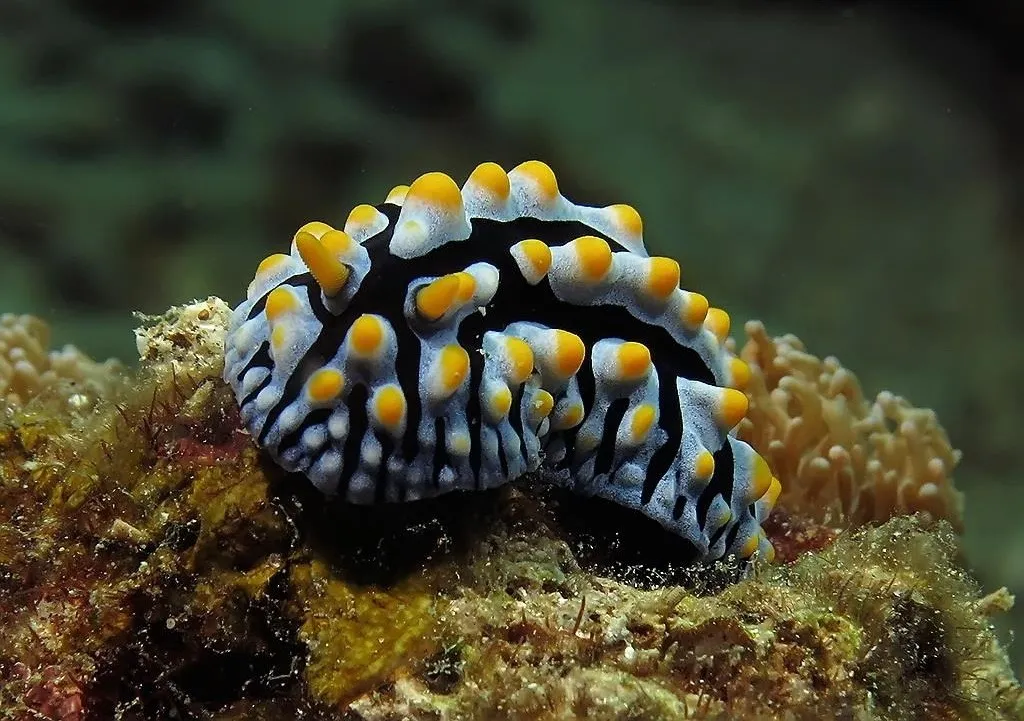
The Buceo Anilao House Reef delivers exceptional encounters with a wide array of macro subjects. Divers frequently spot nudibranchs, often referred to as 'Jewels of the Sea,' in remarkable variety and color.
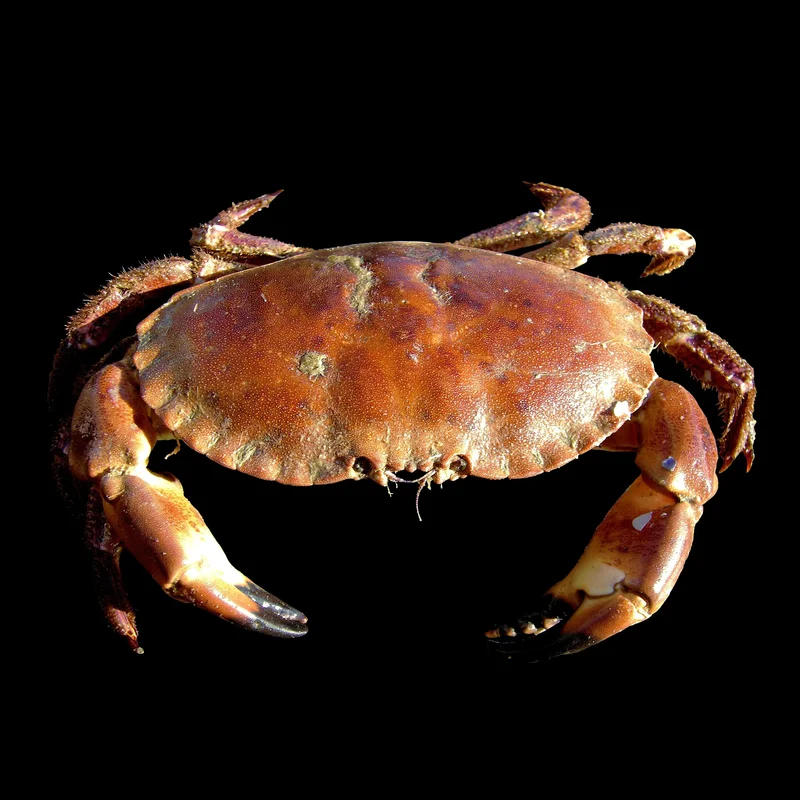
Observing a bobbit worm emerge from its sandy lair can be a thrilling sight. The reef also hosts various octopus, shrimps, and crabs.
Occasionally, a rhinopias may be sighted, a rare and highly prized find for underwater photographers seeking unique subjects.

Dive Sites Near Buceo Anilao House Reef
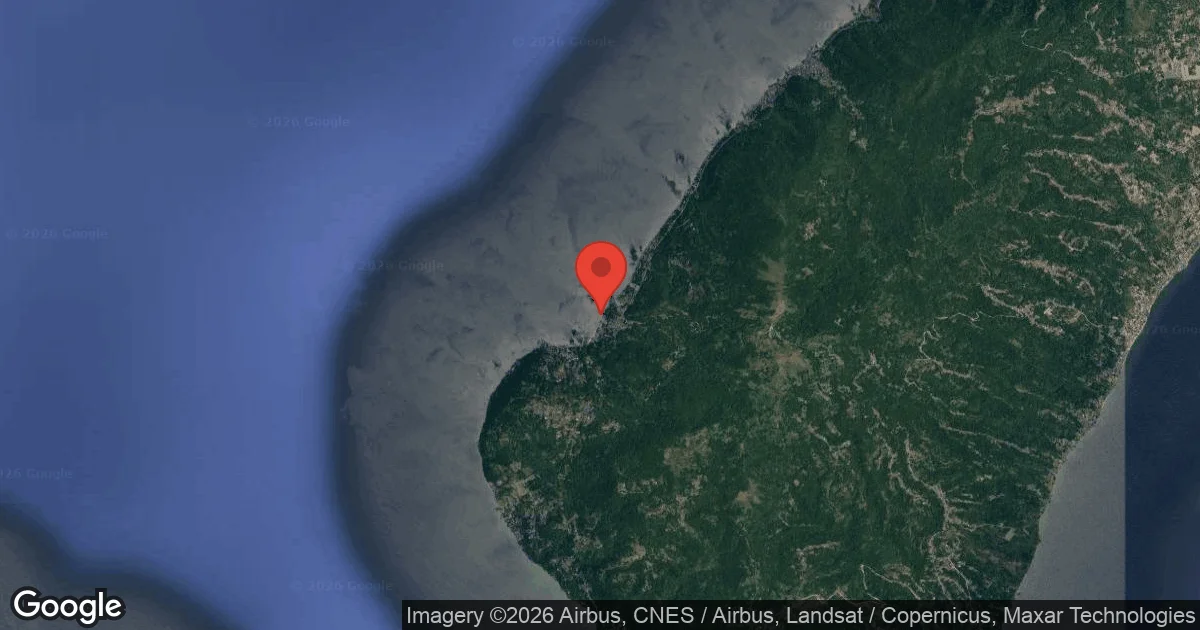
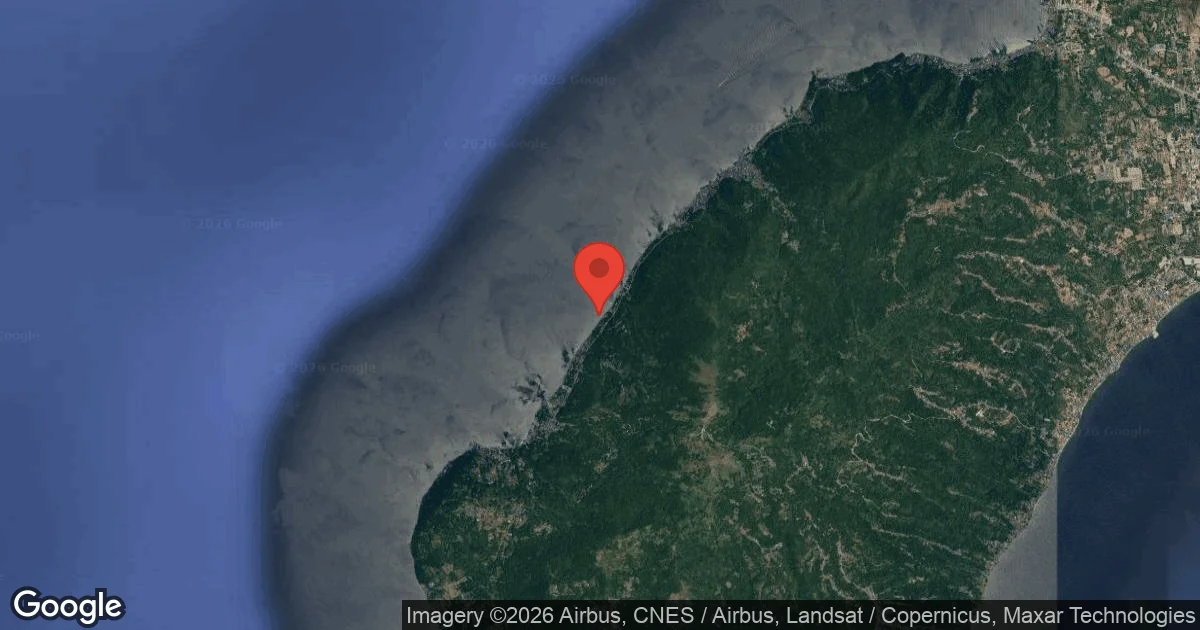
View all dive sites in PhilippinesDiscover more underwater gems in this area.
Dive Centers Near Buceo Anilao House Reef

Today: Open 24 hours
Nearest Airports
Nearest airports to help plan travel to this dive area.
Search Flights
Check available flights and routes on Expedia, using the nearby airports listed in this section.
Search Flights on ExpediaFrequently Asked Questions
What kind of diving is Buceo Anilao House Reef best for?
The house reef is primarily known as an excellent muck dive spot, making it ideal for macro photography and observing small, unique critters such as nudibranchs, shrimps, and crabs.
What is the typical depth range for diving here?
Dives on the house reef generally occur within recreational limits, with many vibrant sections found between 15-18 m (50-60 ft). While other sites in Anilao can be deeper, the house reef focuses on shallower, critter-rich areas.
Is it possible to dive from shore?
Yes, Buceo Anilao House Reef offers both shore and boat entry options, providing flexibility for divers to access the site easily.
What marine life can I expect to see?
Divers commonly encounter a diverse range of macro life, including numerous species of nudibranchs, bobbit worms, octopus, various shrimps, and crabs. Rare sightings like Rhinopias are also possible.
Are there facilities for underwater photographers?
The resort is well-equipped for underwater photographers, featuring a spacious camera room with well-lit matted desks, storage cabinets, air guns, and ample power sockets.
What are the best months to visit Buceo Anilao?
The period from January to June generally offers good diving conditions, characterized by comfortable air temperatures and lower rainfall, which can positively impact visibility.
Planning to dive Buceo Anilao House Reef?
Send one inquiry and receive offers directly from the best verified local dive operators.
Conditions are Good
07:00 - 14:00
Optimal conditions expected
Current conditions near Buceo Anilao House Reef show 30° air, 29° sea temperature, 0.2 m waves, and 22 km/h wind. Forecast data is refreshed regularly to ensure accuracy.