
Diving at The Seagrass (Philippines)
Sunlight filters softly through shallow waters at The Seagrass, illuminating a world of intricate life nestled within Sabang Bay. It's a place where macro photography thrives, inviting divers to slow their pace and observe the subtle movements of hidden critters. This sandy, muck-bottom environment provides a calm, sensory dive experience, typically ranging from 3-8 meters (10-26 ft) in depth.
As evening covers The Seagrass, the local air temperature is measured at 29.5°C. The current wave height at the surface is recorded at 0.1 m. These late-day readings characterize the surface conditions for the night.
Dive Site Location & Key Facts
Dive Site Overview
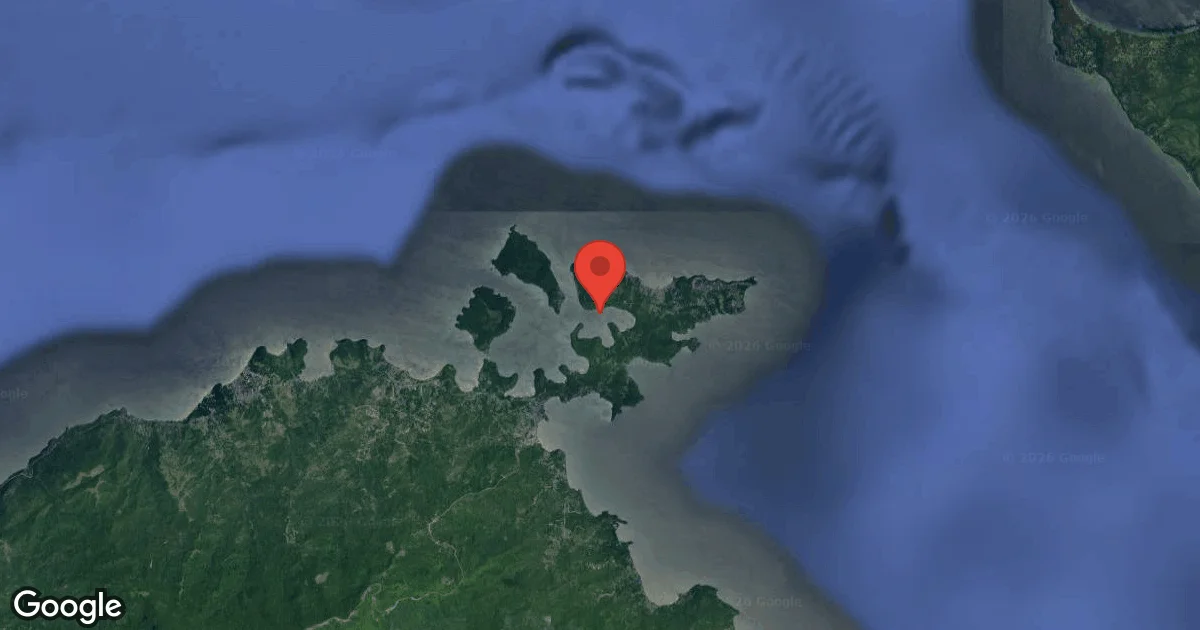
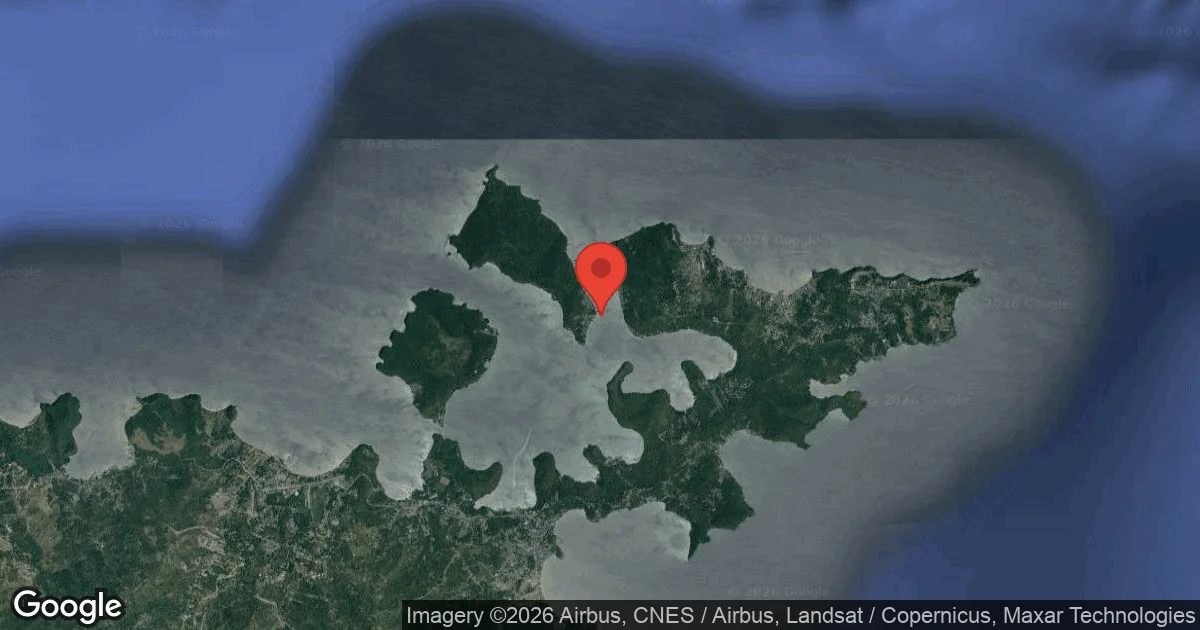
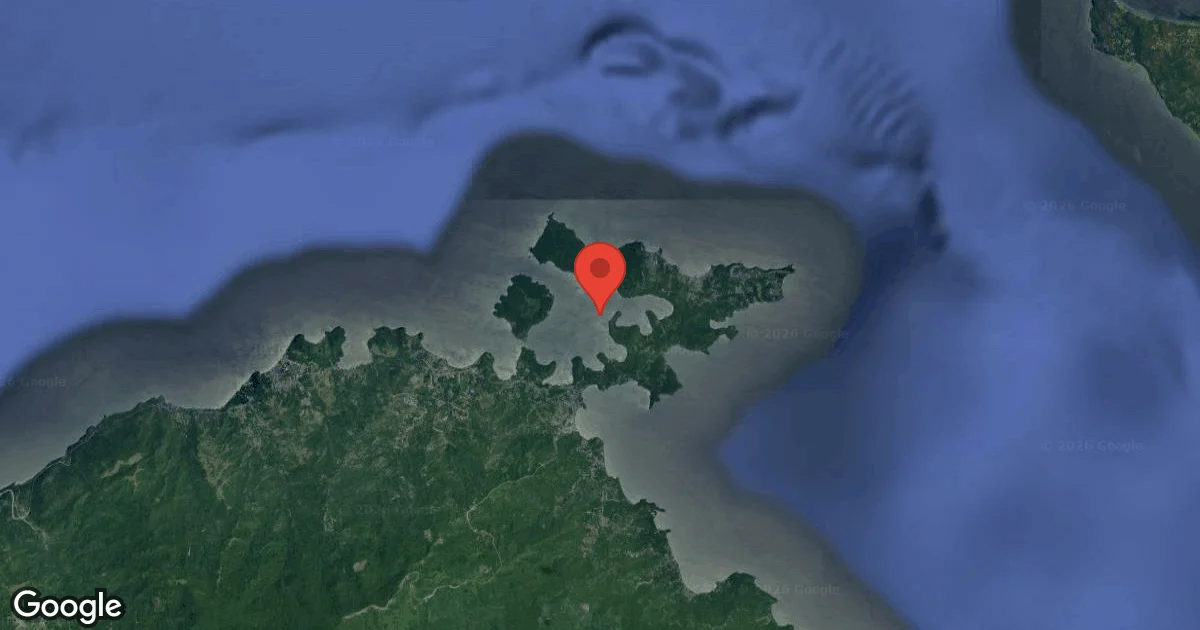
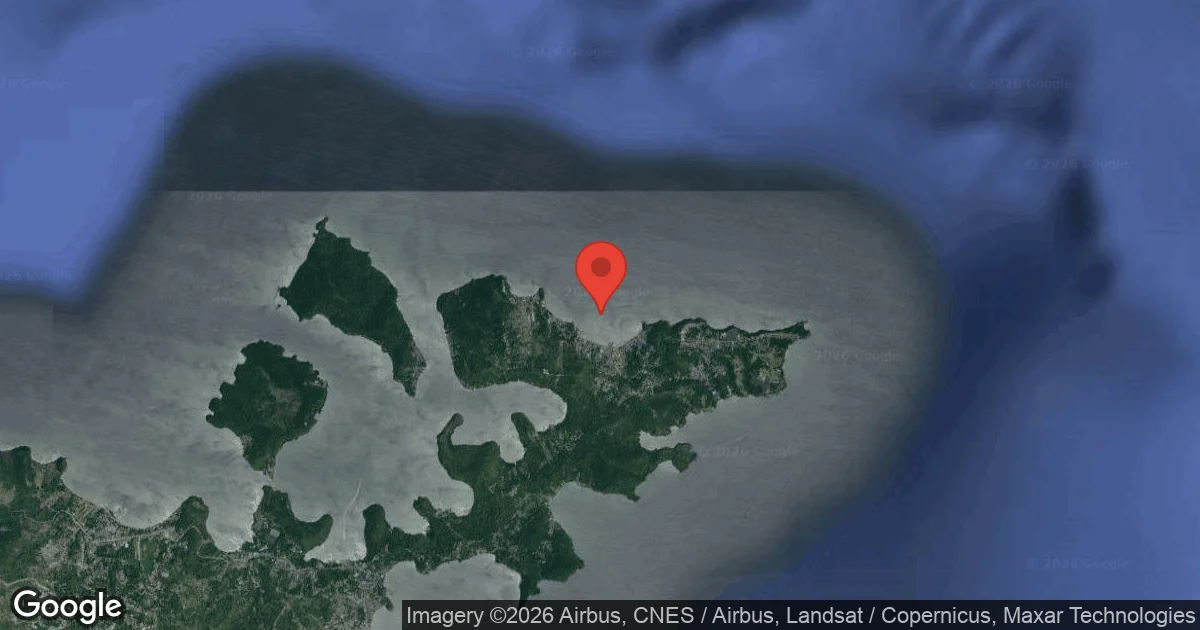
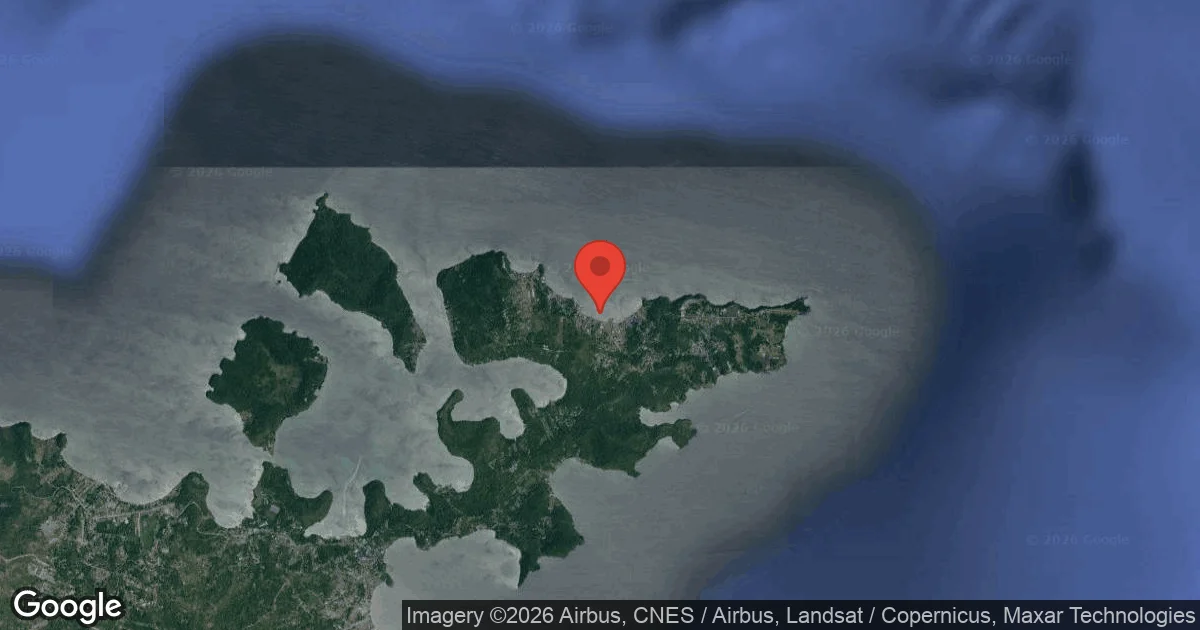
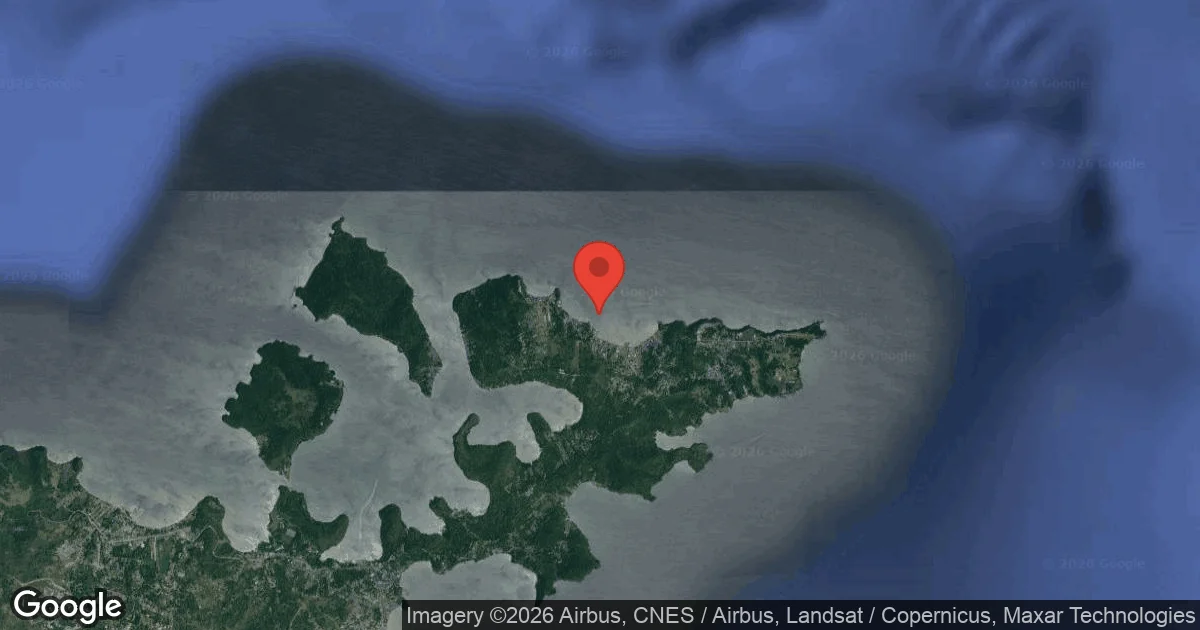
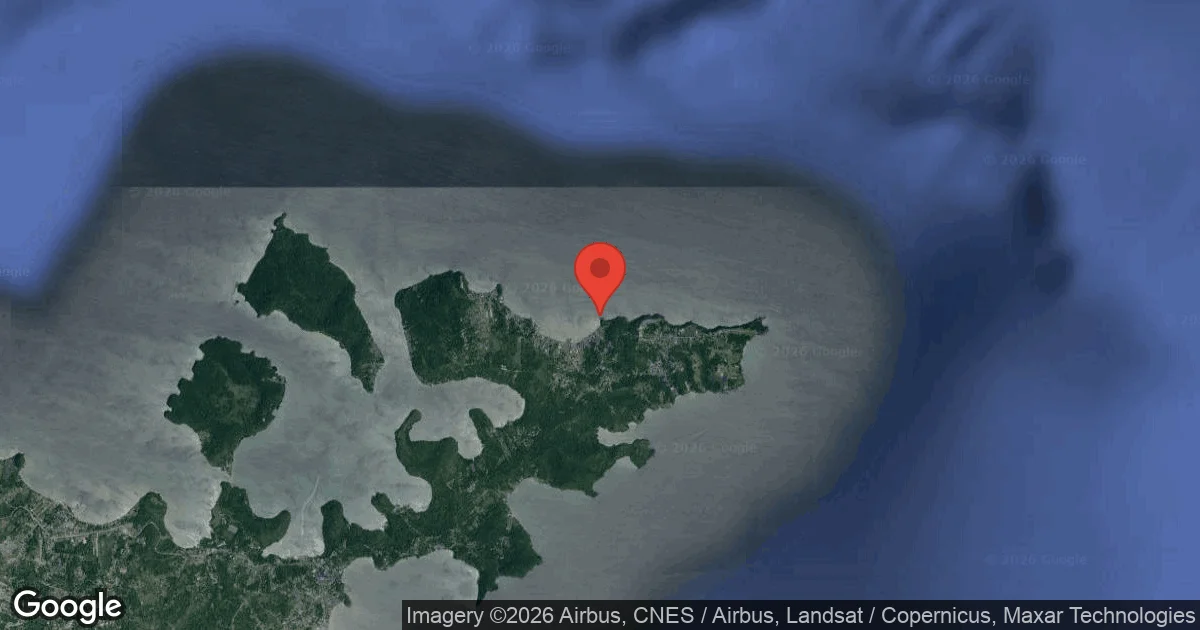
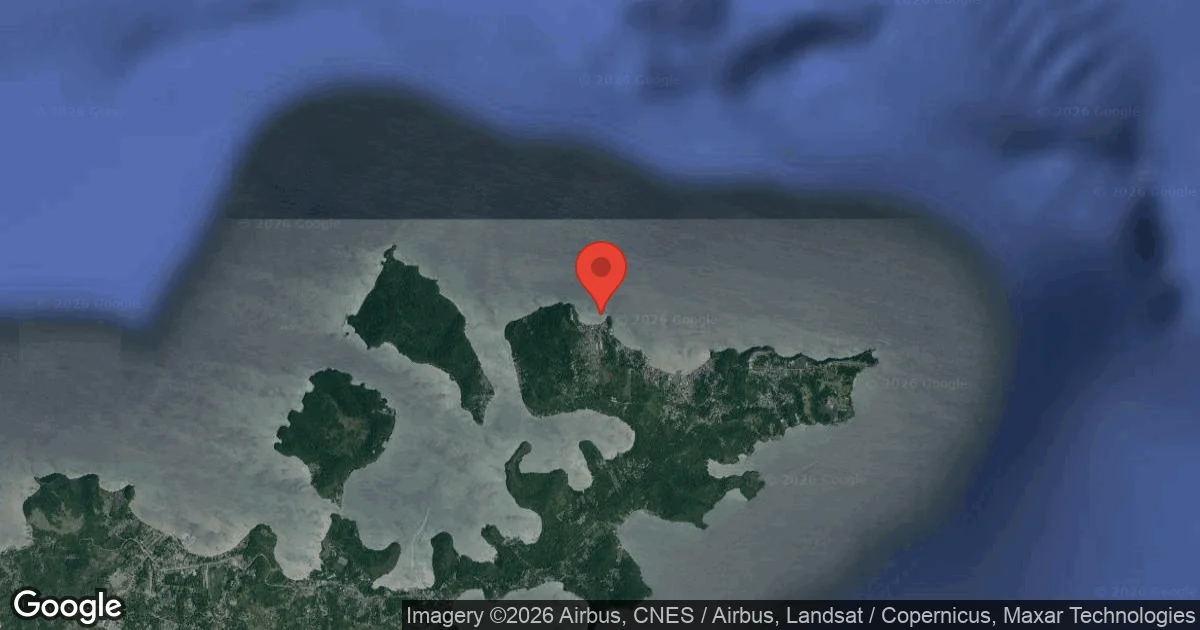
A distinctive structural context unfolds at The Seagrass in Puerto Galera, offering divers a shallow, sheltered habitat within Sabang Bay. This popular dive site is characterized by extensive seagrass beds, interspersed with rocky outcrops and coral debris, which collectively create a rich ecosystem.
Acting as a vital nursery, these expansive grass fields are a sanctuary for a wide array of juvenile marine species and specialized bottom dwellers. Divers will find themselves exploring depths mostly between 3 to 8 meters (10-26 ft), making it an accessible site for extended bottom times and detailed observation. The varied composition of the substrate, from soft sand to more structured areas, contributes to its biological diversity, attracting a variety of creatures adapted to these 'muck' conditions.
It's a dynamic, living landscape that emphasizes careful, slow exploration rather than dramatic topography.
Conditions are Good
07:00 - 14:00
Optimal conditions expected
Current conditions near The Seagrass show 30° air, 29° sea temperature, 0.1 m waves, and 22 km/h wind. Forecast data is refreshed regularly to ensure accuracy.
Best Time to Dive
For an optimal dive experience at The Seagrass, target the months from March to May, or August, which consistently show an 'Excellent' dive score. During this period, conditions are particularly favorable, with air temperatures often reaching a comfortable 28°C (82°F) in April and 28.5°C (83°F) in May. Rainfall is notably low in April, around 2.1 mm, minimizing surface chop and enhancing overall comfort. Throughout these prime months, expect generally calm surface conditions with low wave heights and moderate winds, making boat transfers to Sabang Bay pleasant. Water temperatures for the region are typically warm, ranging from 26-31°C (79-88°F), allowing for comfortable diving with minimal thermal protection.
PEAK SEASON SCORE
Scores combine air & water temps, waves, wind & rainfall for overall conditions.
BEST MONTHS TO DIVE
Monthly records compiled from satellite and marine observation nodes over the last 3 years. Data provided by Open-Meteo and MET Norway.
Dive Experience & Conditions
Diving at The Seagrass provides a calm, unhurried experience, primarily focused on macro observation in shallow waters. The site's maximum depth typically stays within the 3-8 meter (10-26 ft) range, encouraging longer bottom times to scrutinize the sandy and muck bottom for cryptic marine life. Within Sabang Bay, conditions are generally benign, with water temperatures commonly experienced between 26° to 31°C (79° to 88°F). Visibility here can vary, depending on recent weather and sediment disturbance, but often ranges from 20 to 40 meters (66 to 131 ft) in the broader area; local conditions might be slightly less in the immediate seagrass. Currents at this sheltered bay location are usually mild, allowing divers to move slowly and deliberately, which is essential for spotting the camouflaged creatures that inhabit the seagrass and debris.
Dive Difficulty & Safety Guidelines
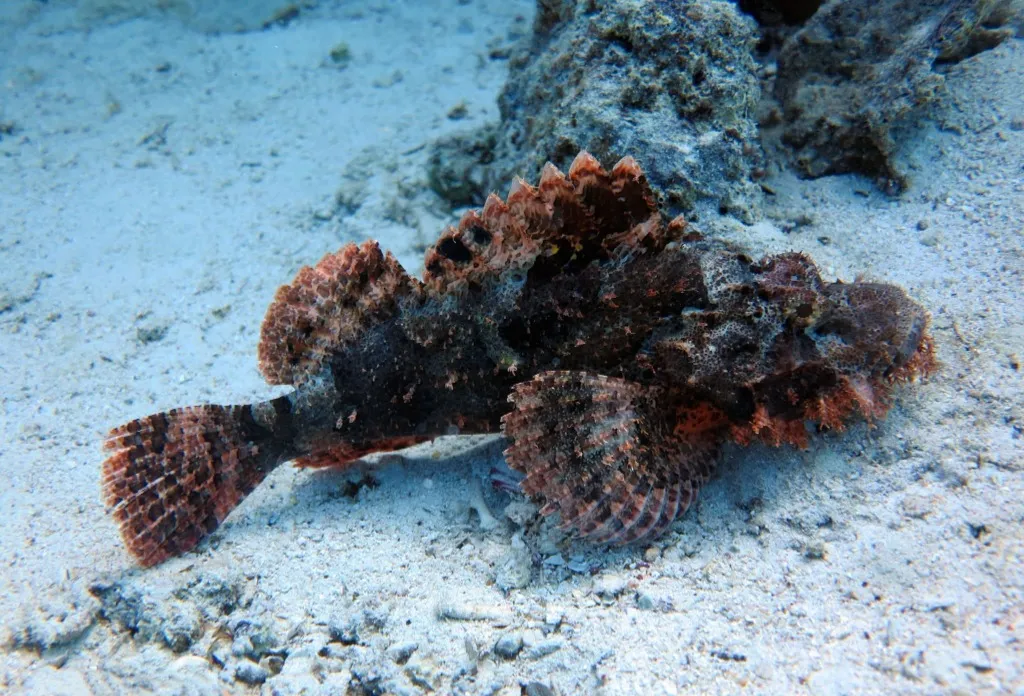
When exploring The Seagrass, maintaining precise buoyancy control is paramount to protect the delicate environment and its inhabitants. Divers should ensure proper weighting to prevent accidental contact with the sensitive seagrass beds and the sandy bottom. Exercise caution when moving among rocks and coral debris, as various camouflaged creatures, including venomous ones like scorpionfish, might be present.
Always remember general dive safety protocols: plan your dive, dive your plan, and never exceed your training limits. Additionally, carrying a surface marker buoy is a standard safety recommendation for all dives, providing a visual reference for your boat. Applying reef-safe sunscreen also helps protect the local marine ecosystem.
Recommended Equipment
- Dive Computer
- DSMB
- Pointer / Muck Stick
This gear list is based on verified equipment signals for The Seagrass, Philippines. Always confirm final gear choices with your dive operator, guide, or liveaboard.
Recommended Dive Suit
Current diving conditions indicate water temperatures around 29°C (85°F) at The Seagrass. Surface air temperatures are resting at 30°C (85°F).
The forecast outlook suggests that temperatures will stay close to current levels.
Divers who prefer moderate insulation typically choose dive skin or rash guard in similar environments. A hood or vest is suggested for sensitive divers due to surface winds. Many experienced divers adjust their exposure protection depending on the type of dive planned.
Emergency & Medical Support
Essential information to help you plan your dive trip to The Seagrass.

Hyperbaric chambers are a critical part of dive safety infrastructure. Availability varies significantly by region, and not all dive areas have immediate access.
Before diving, it's recommended to:
- confirm nearest medical facilities
- check emergency procedures with local dive operators
- ensure dive insurance covers evacuation if required
Divers Alert Network
Diving emergency assistance available through DAN World.
+1-919-684-9111- 24/7 emergency hotline
- Diving medical assistance
- Evacuation coordination
Emergency contacts are provided for reference. Always verify local emergency services before diving.
Marine Life at The Seagrass
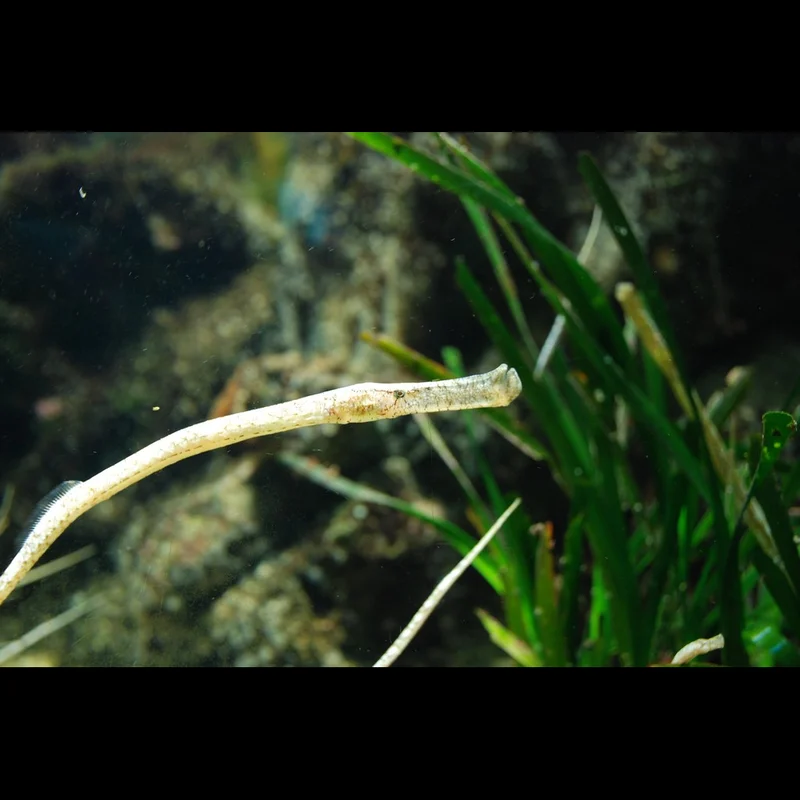
The Seagrass is a treasure trove for macro enthusiasts, specifically spotlighting a diverse community of bottom-dwelling and juvenile species. Patient observation often reveals various pipefish, subtly blending with the blades of grass.
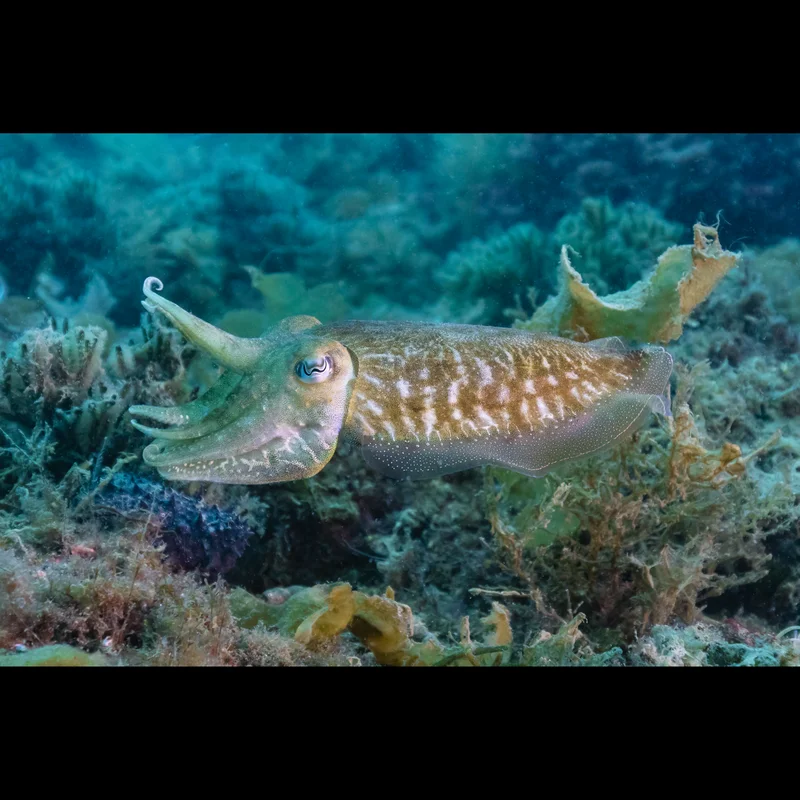
Sea moths and flying gurnards are almost guaranteed sightings, sifting through the sandy substrate. You can expect to find flounders and pufferfish resting quietly, along with elusive dragonets and juvenile cuttlefish.
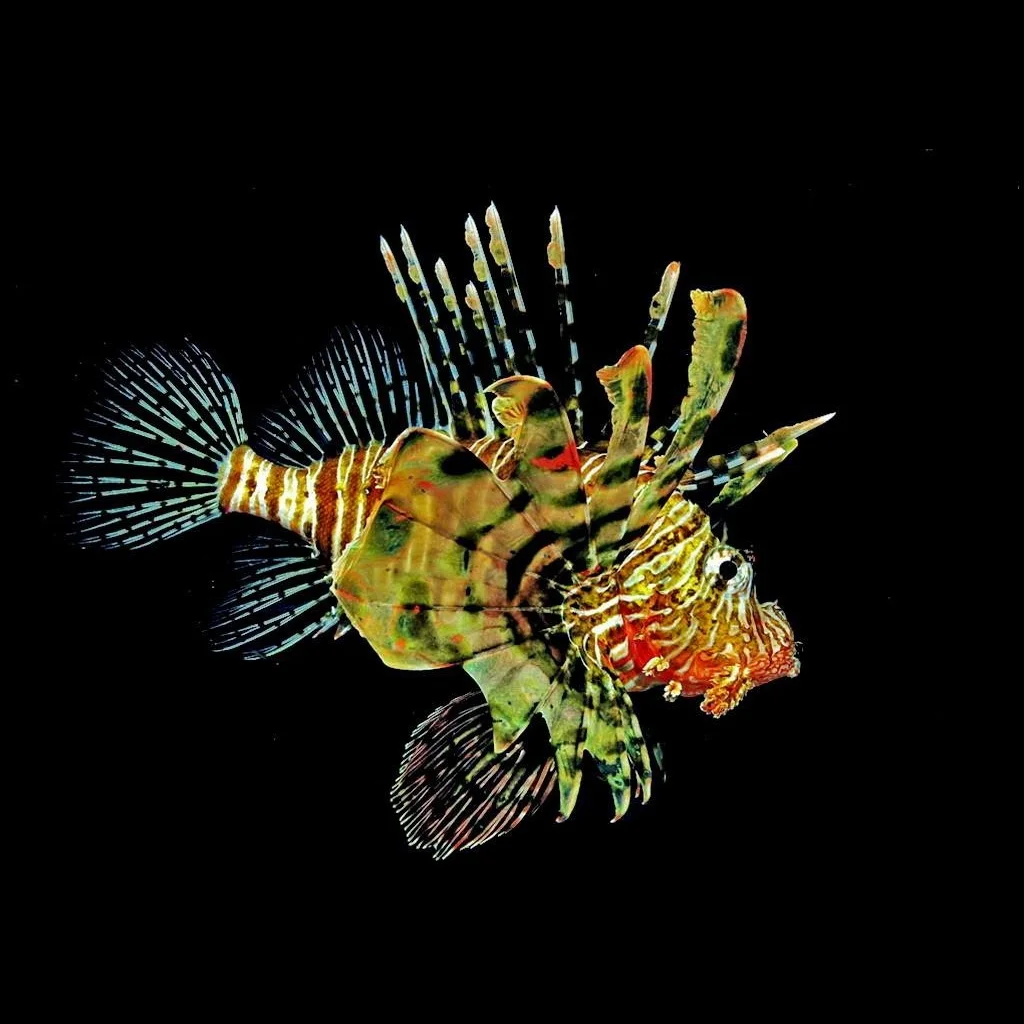
Closer inspection around coral debris and rocks frequently yields miniature lionfish and scorpionfish, showcasing the site's importance as a nursery habitat.

Dive Sites Near The Seagrass
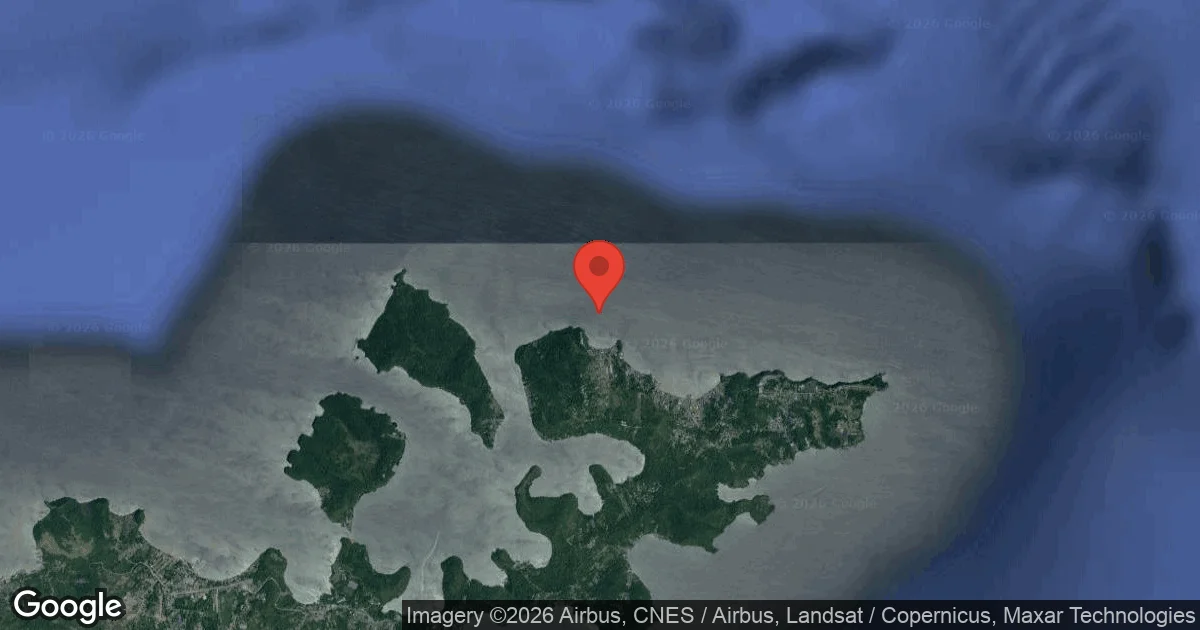
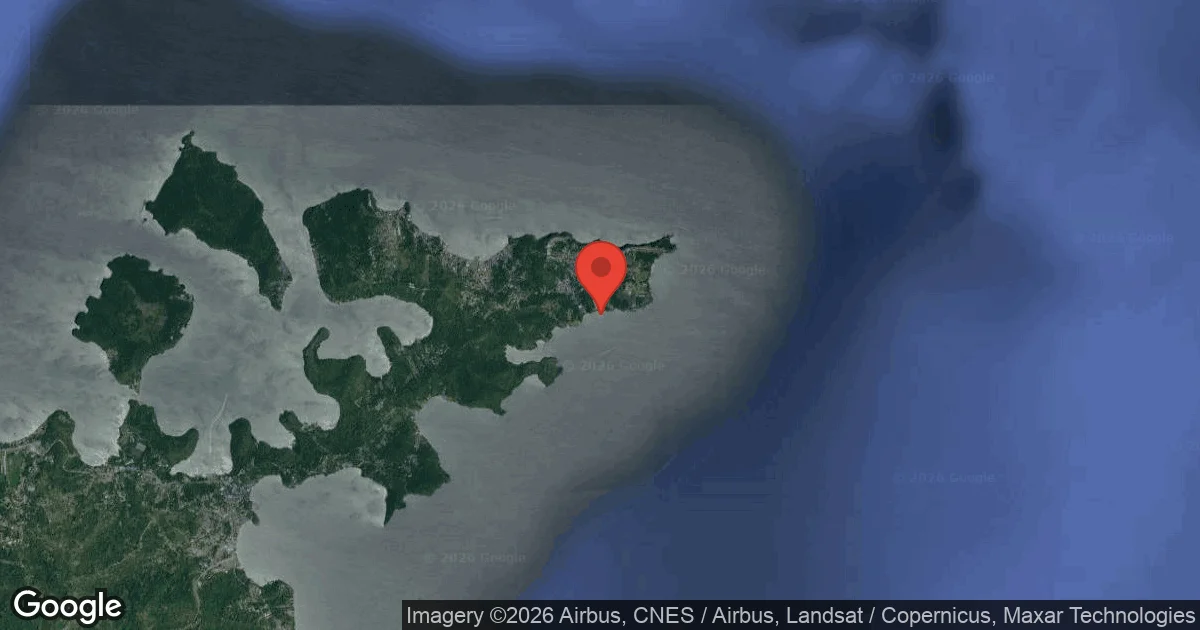
View all dive sites in PhilippinesDiscover more underwater gems in this area.
Dive Centers Near The Seagrass
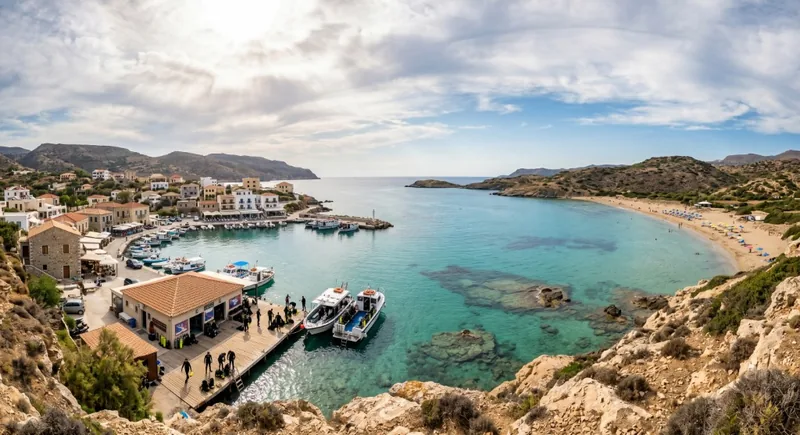
Today: Open 24 hours
Nearest Airports
Nearest airports to help plan travel to this dive area.
Search Flights
Check available flights and routes on Expedia, using the nearby airports listed in this section.
Search Flights on ExpediaFrequently Asked Questions
What is the typical depth at The Seagrass?
Depths at The Seagrass typically range between 3 to 8 meters (10-26 ft), establishing it as a shallow dive site. It is ideal for extended bottom times and detailed macro observation.
What kind of marine life can I expect to see?
Expect to find a diverse community of bottom-dwelling and juvenile species. Common sightings include pipefish, sea moths, flying gurnards, flounders, pufferfish, and elusive dragonets. Around rocky debris, miniature lionfish and scorpionfish are often present.
Are there strong currents at this site?
Within the sheltered Sabang Bay, currents are generally mild at The Seagrass. Divers can therefore move slowly and deliberately, which is crucial for spotting camouflaged creatures.
What is the best time of year to dive The Seagrass?
The optimal period for diving is from March to May, or during August. These months typically offer excellent dive conditions with comfortable air and water temperatures, along with minimal rainfall.
Is The Seagrass suitable for beginner divers?
Yes, its shallow depths and generally mild conditions make it very accessible for divers of all experience levels, including beginners. The focus on slow, observational diving also provides a relaxed experience.
What special equipment is recommended for this dive?
Macro photography gear is highly recommended to capture the intricate details of the small marine life. A thinner wetsuit or rash guard is sufficient for thermal protection in the warm waters.
What should divers be mindful of to protect the environment?
Maintaining precise buoyancy control is paramount to avoid contact with the delicate seagrass beds and sandy bottom. Exercise caution around rocks, as various camouflaged creatures might be present. Always use reef-safe sunscreen.
Planning to dive The Seagrass?
Send one inquiry and receive offers directly from the best verified local dive operators.
Conditions are Good
07:00 - 14:00
Optimal conditions expected
Current conditions near The Seagrass show 30° air, 29° sea temperature, 0.1 m waves, and 22 km/h wind. Forecast data is refreshed regularly to ensure accuracy.