
Diving at Blue RIbbon House Reef (Philippines)
What divers first notice at Blue Ribbon House Reef is its dynamic underwater topography, transitioning from vibrant coral gardens to extensive muck areas. Found on the Mabini Peninsula in Anilao, Philippines, this site also features two distinct wrecks. A smaller Banka rests around 14 m / 46 ft, while a speedboat lies deeper at approximately 32 m / 105 ft, adding diverse exploration opportunities right off the shore.
As evening covers Blue RIbbon House Reef, the local air temperature is measured at 24°C. The current wave height at the surface is recorded at 0.1 m. These late-day readings characterize the surface conditions for the night.
Dive Site Location & Key Facts
Dive Site Overview
Blue Ribbon House Reef distinguishes itself as a highly versatile dive site, catering to a broad spectrum of diver interests directly from the shore or via a short boat ride. It adeptly blends a productive muck diving environment with vibrant coral sections, a combination not always found in a single location.
The reef's shallower areas, extending to about 12 meters, are dominated by extensive coral growth, providing shelter for various fish and invertebrates. Beyond this, the terrain shifts to a silty, sandy bottom, creating an ideal habitat for macro life and unique critters.
Photographers especially appreciate this transition zone, offering targets like nudibranchs, frogfish, and various octopi, including reported sightings of coconut octopi. The site also incorporates two small wrecks: a traditional Banka at around 14 meters and a speedboat resting deeper, around 32 meters.
These artificial structures attract different marine communities, adding depth and discovery to the dive profile. While the maximum recreational depth reported for the general reef is 25 meters, the deeper wreck caters to those with advanced certifications.
It's a dynamic environment that rewards careful observation and multiple visits, serving as both a training ground and a rewarding spot for experienced divers.
Conditions are Excellent
07:00 - 14:00
Optimal conditions expected
Current conditions near Blue RIbbon House Reef show 24° air, 29° sea temperature, 0.1 m waves, and 17 km/h wind. Forecast data is refreshed regularly to ensure accuracy.
Best Time to Dive
Optimal conditions for diving Blue Ribbon House Reef typically span from November through June, when the weather is generally most favorable for underwater exploration. During these months, the dive scores are consistently rated 'Good' to 'Excellent'. Air temperatures during this period are pleasantly warm, ranging from 26.5°C to 29.5°C (80-85°F), contributing to comfortable surface intervals. April to June often present the calmest surface conditions, with lower average wave heights. While rain is present year-round, the drier season runs from January through April, with average rainfall measurements as low as 1.7 to 2.15 mm. This extended window offers ample opportunities for divers to experience the site's rich biodiversity without significant weather disruptions. Divers planning trips in July through October might encounter slightly higher rainfall averages, potentially impacting surface conditions, though diving remains feasible.
PEAK SEASON SCORE
Scores combine air & water temps, waves, wind & rainfall for overall conditions.
BEST MONTHS TO DIVE
Monthly records compiled from satellite and marine observation nodes over the last 3 years. Data provided by Open-Meteo and MET Norway.
Dive Experience & Conditions
Diving at Blue Ribbon House Reef presents a fascinating tactile experience, shifting from the vibrant, structured environment of hard and soft corals to the silty, yielding terrain of the muck areas. The initial descent reveals coral gardens flourishing in shallower depths, gradually giving way to the distinctive dark, fine sediments below about 12 meters. Water temperatures here are consistently warm, generally falling within the 27-29°C / 81-84°F range. Visibility can vary, often depending on recent weather patterns and tidal movements, but clear conditions are frequently encountered, allowing for excellent observation of macro life. Currents are not consistently reported for this specific house reef, suggesting they are typically manageable, though local conditions can always introduce variations. The wreck of the Banka in the mid-depth range provides a structured focal point, while the deeper speedboat offers a more advanced exploration.
Dive Difficulty & Safety Guidelines
To ensure a safe and enjoyable experience at Blue Ribbon House Reef, divers should prioritize thorough dive planning and equipment checks. Given the site's varied depths and features, including wrecks and muck areas, advanced open water certification is useful for exploring its full range, especially for the deeper speedboat wreck.
Dive operators at Blue Ribbon emphasize safety, conducting comprehensive shore briefings before each dive and organizing groups by skill level and air consumption. This tailored approach helps prevent issues underwater.
Always confirm your gear is fully functional, particularly when planning night or deeper dives, and don't hesitate to communicate any concerns to your dive guide. Adhering to responsible diving practices, such as maintaining proper buoyancy and avoiding contact with marine life, helps preserve this delicate ecosystem.
Recommended Equipment
Overhead / entanglement risk. Wreck penetration requires proper training.
- Dive Computer
- DSMB
- Primary & Backup Lights
- Wreck Reel
- Cutting Tool
This gear list is based on verified equipment signals for Blue RIbbon House Reef, Philippines. Always confirm final gear choices with your dive operator, guide, or liveaboard.
Recommended Dive Suit
Short-term weather patterns suggest stable conditions for divers visiting the area.
Thermal protection such as dive skin or rash guard is commonly used in similar temperatures.
Recent environmental data from Blue RIbbon House Reef indicates water temperatures near 29°C (84°F). Surface air temperatures are resting at 24°C (75°F).
Due to technical issues with our weather providers, data hasn't been fetched for over 48 hours. The data above reflects the conditions at the time of the last successful fetch.
Emergency & Medical Support
Essential information to help you plan your dive trip to Blue RIbbon House Reef.

Hyperbaric chambers are a critical part of dive safety infrastructure. Availability varies significantly by region, and not all dive areas have immediate access.
Before diving, it's recommended to:
- confirm nearest medical facilities
- check emergency procedures with local dive operators
- ensure dive insurance covers evacuation if required
Divers Alert Network
Diving emergency assistance available through DAN World.
+1-919-684-9111- 24/7 emergency hotline
- Diving medical assistance
- Evacuation coordination
Emergency contacts are provided for reference. Always verify local emergency services before diving.
Marine Life at Blue RIbbon House Reef
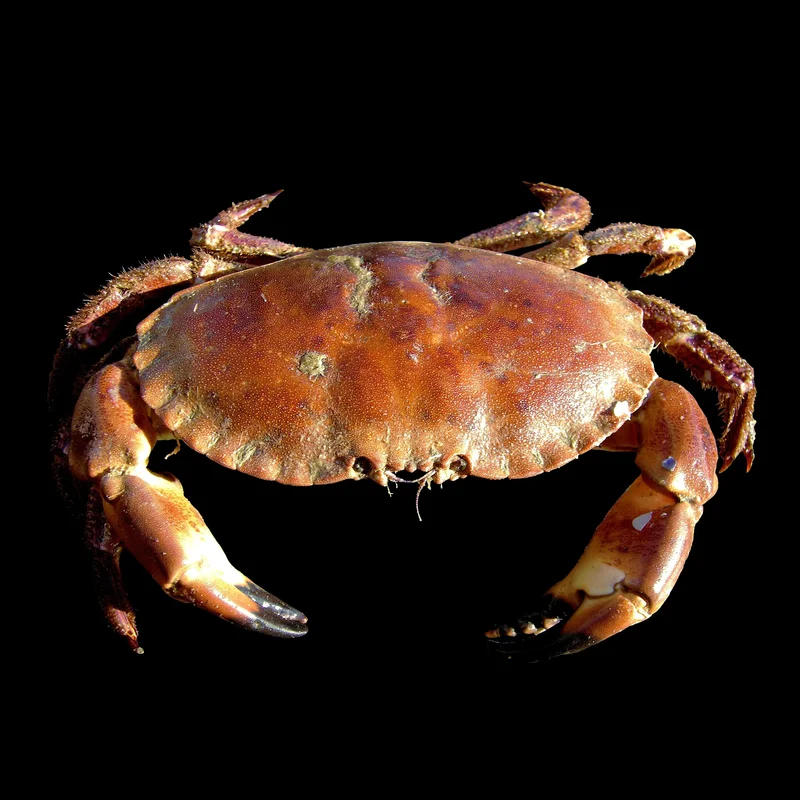
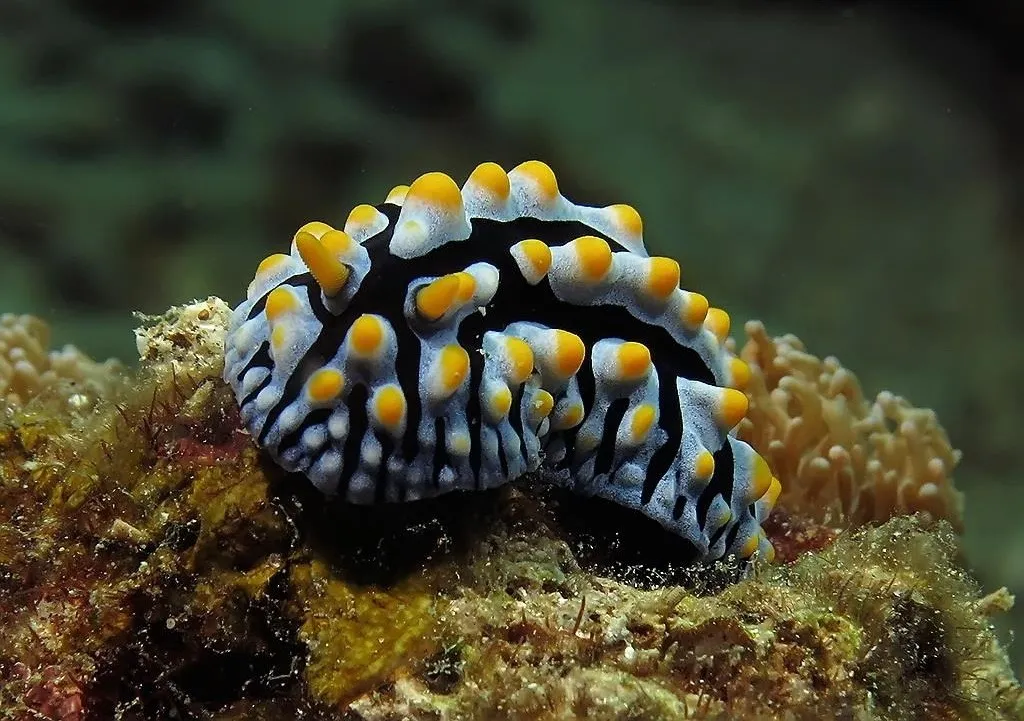
Unique and often cryptic marine life defines the experience at Blue Ribbon House Reef, particularly within its expansive muck diving zones. Divers frequently spot a variety of nudibranchs, which display striking colors and forms, alongside diverse shrimp and crabs camouflaged against the substrate.
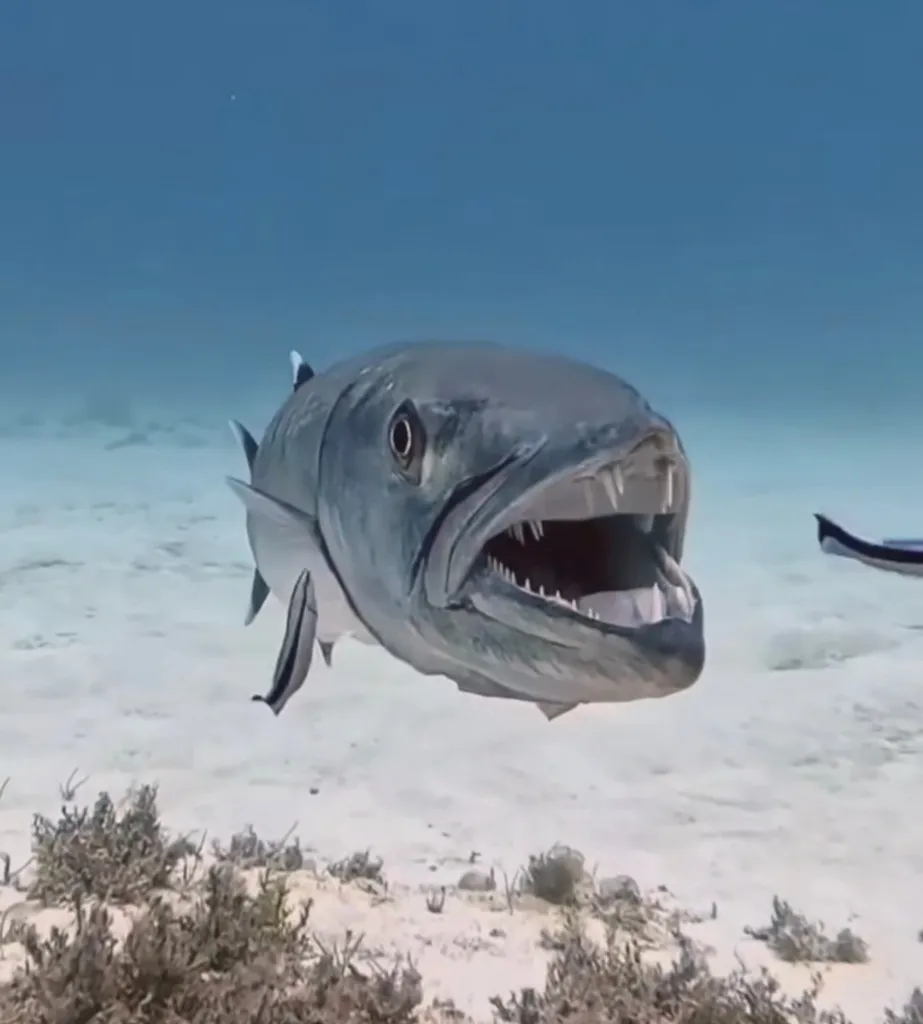
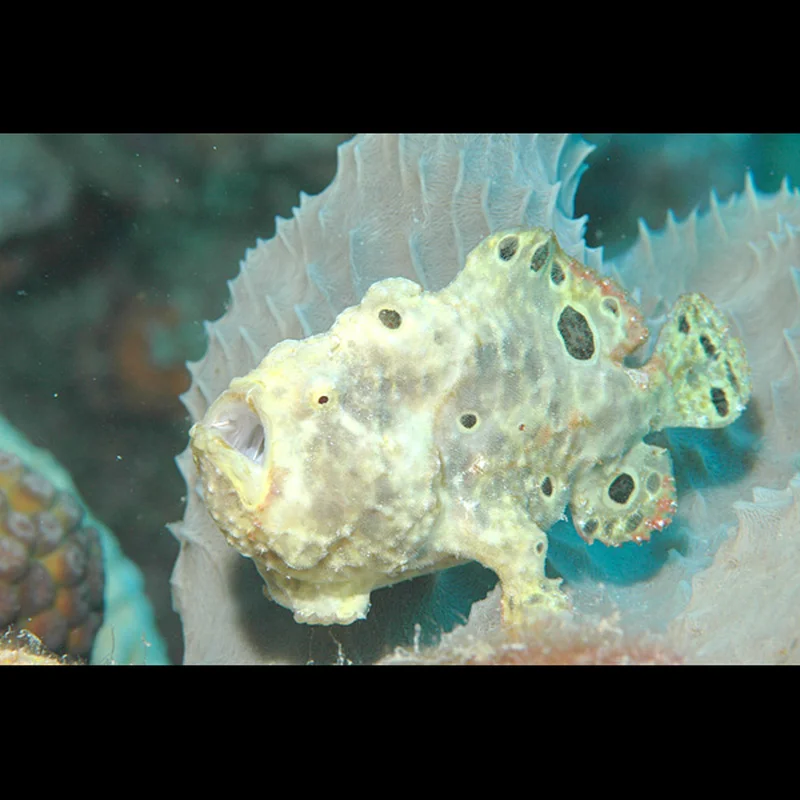
Frogfish, including both purple and blue giant varieties, are a highlight for many, often found patiently waiting for prey. Opportunistic barracuda sightings may occur, adding a pelagic element to the dive.
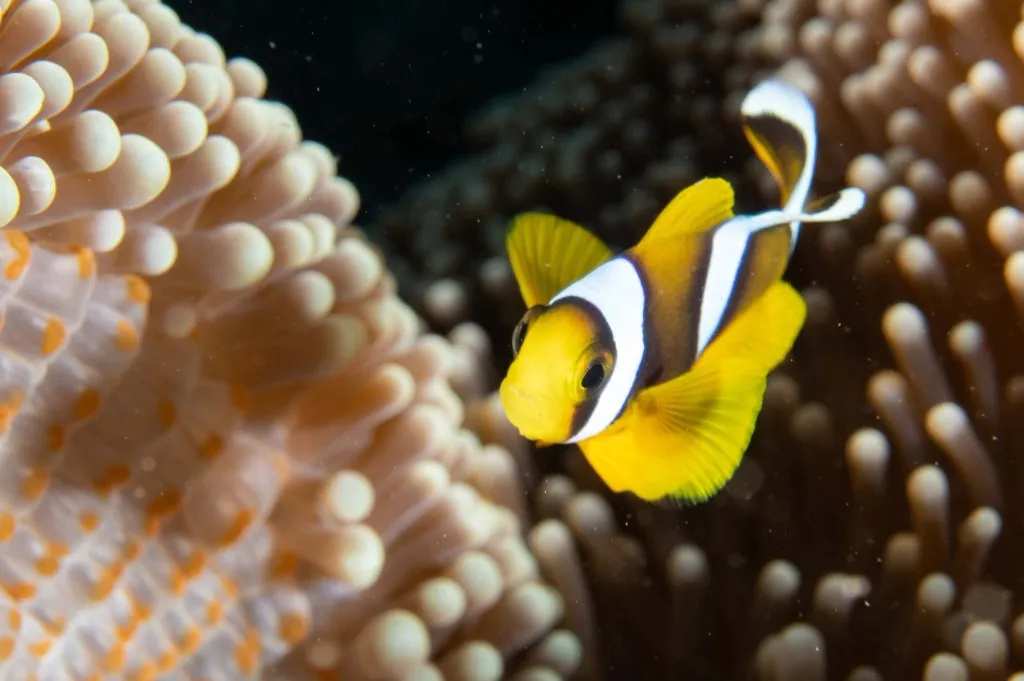
For those venturing into night dives, activity intensifies with possibilities of observing various octopi, including elusive coconut octopi, squid, and jellyfish, transforming the reef into a nocturnal stage. Anemone fish are reliably present within the coral sections, contributing to the site's vibrant smaller inhabitants.
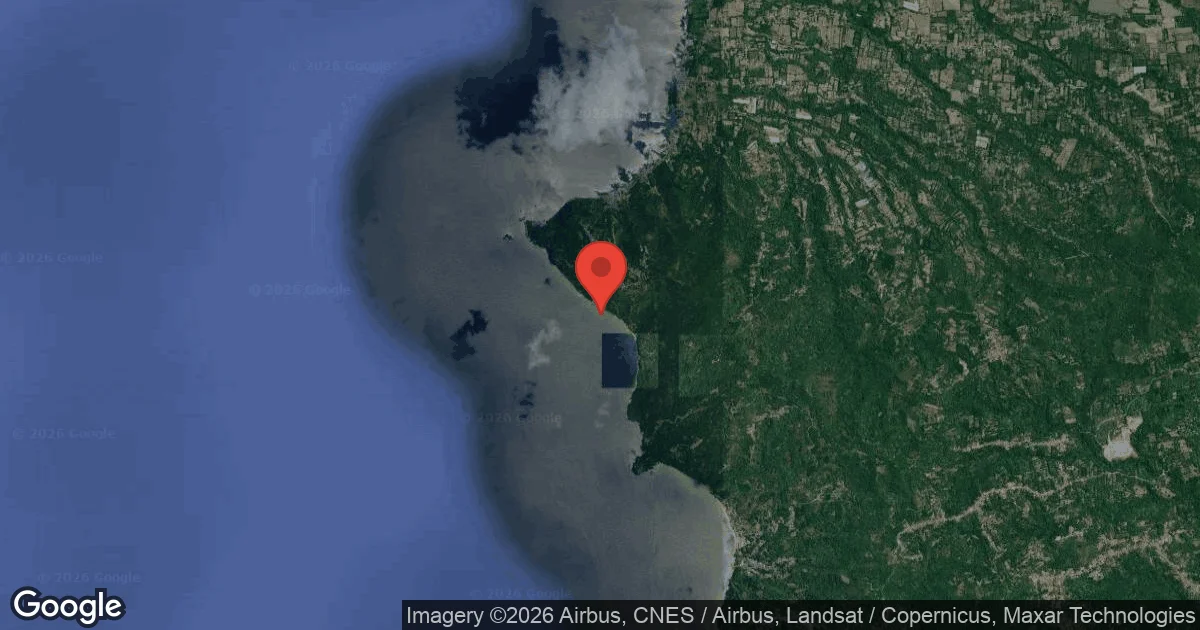
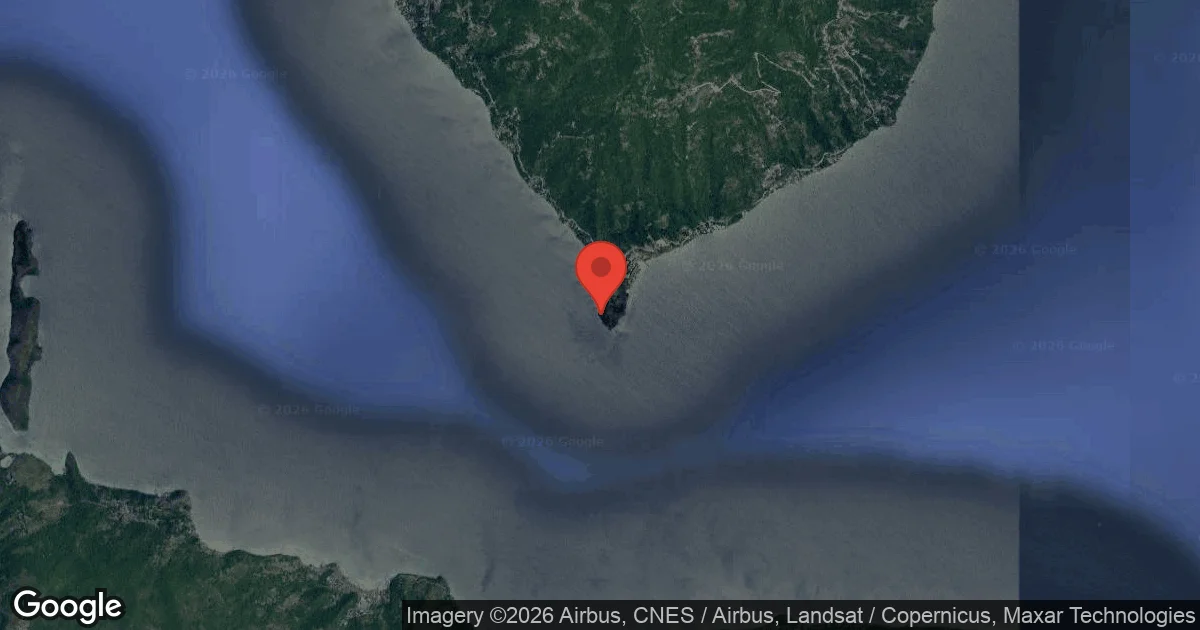
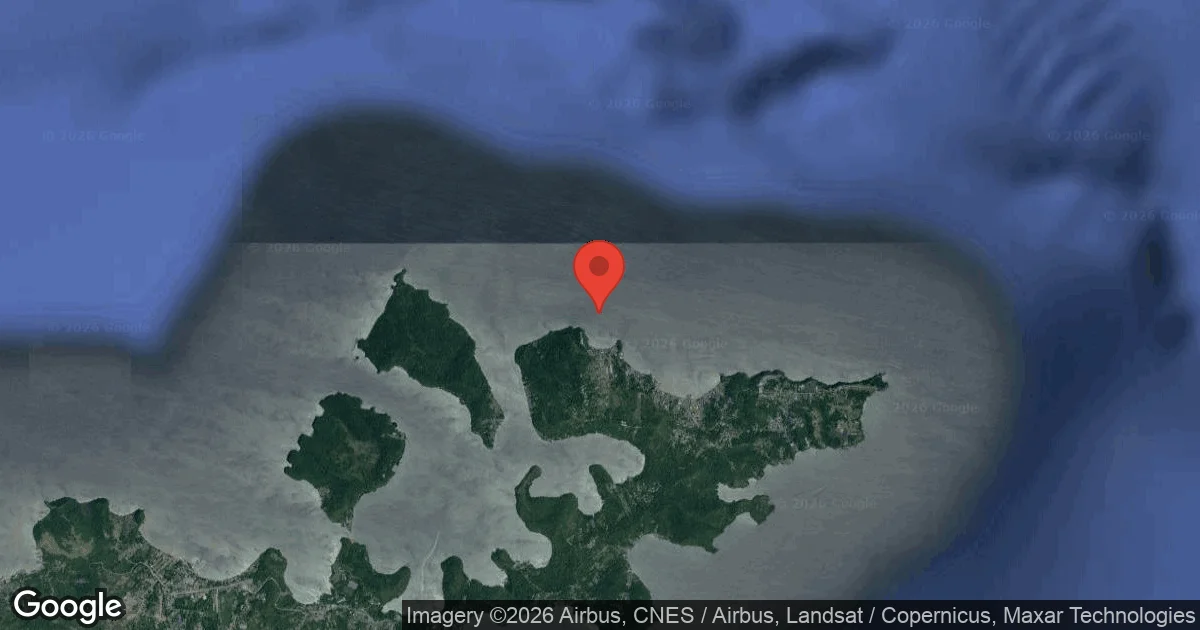
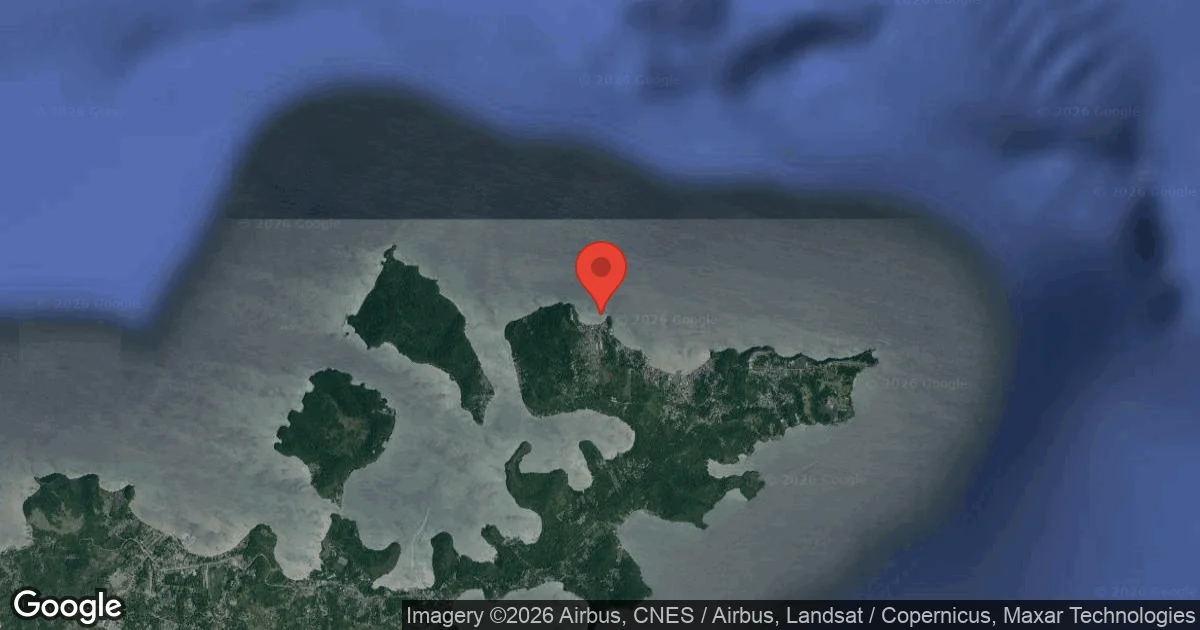
Dive Sites Near Blue RIbbon House Reef
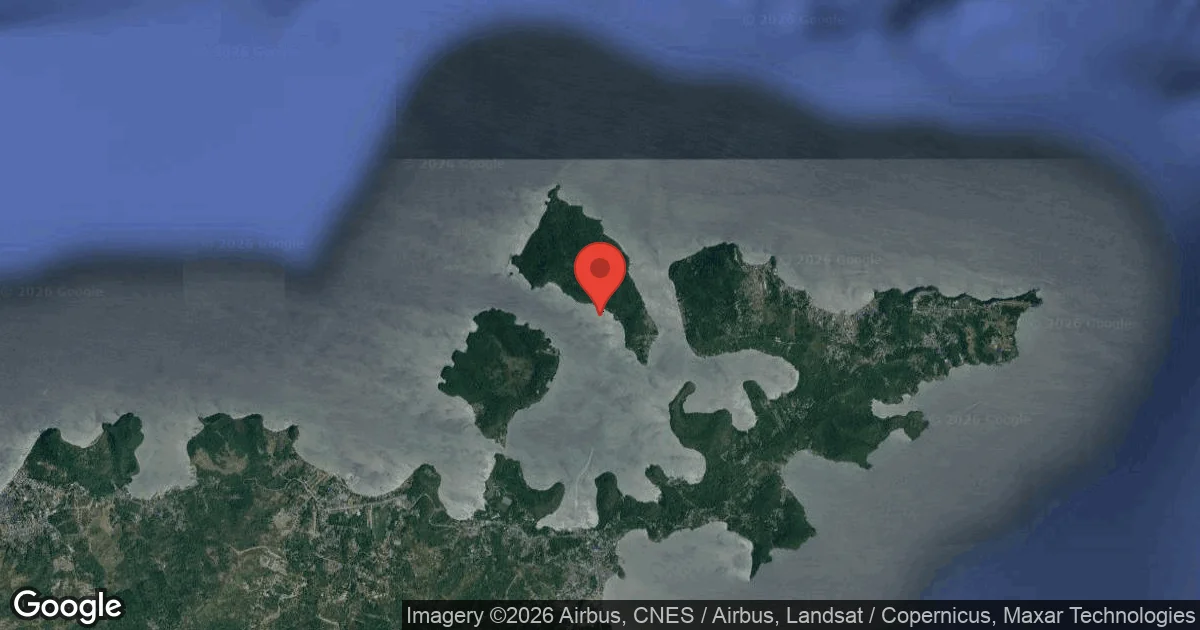
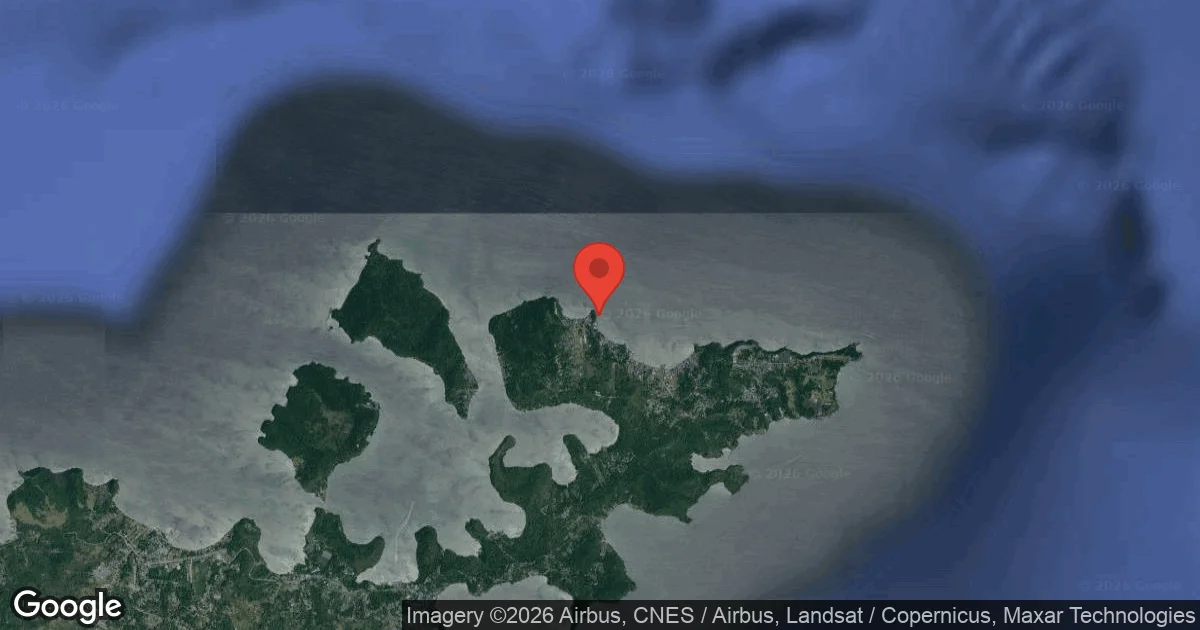
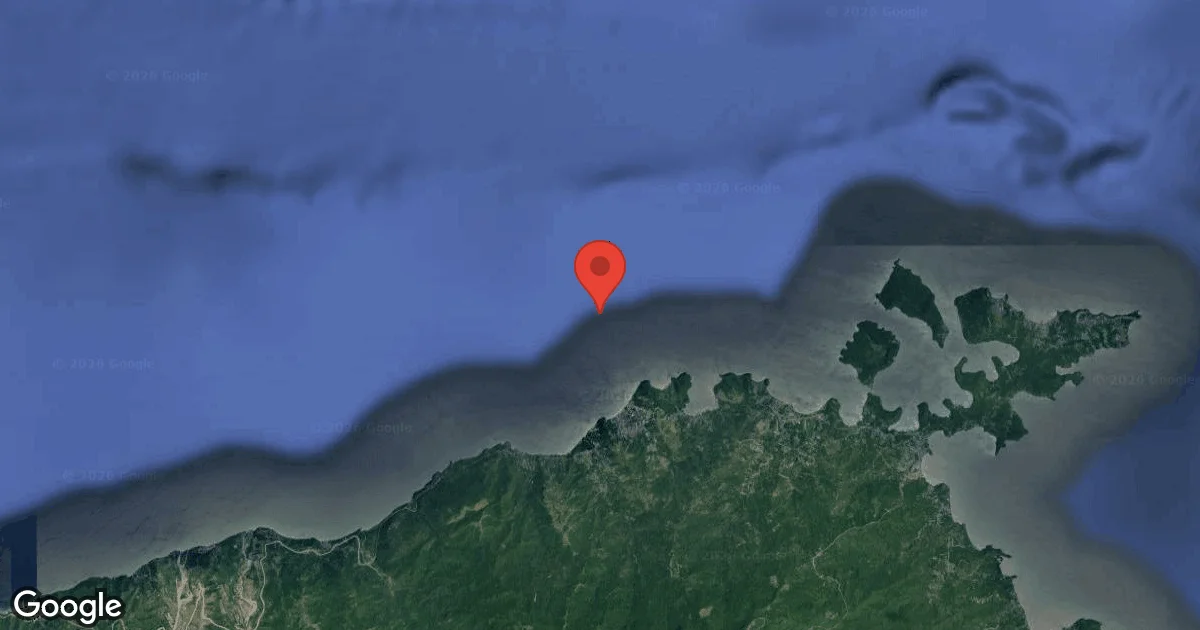
View all dive sites in PhilippinesDiscover more underwater gems in this area.
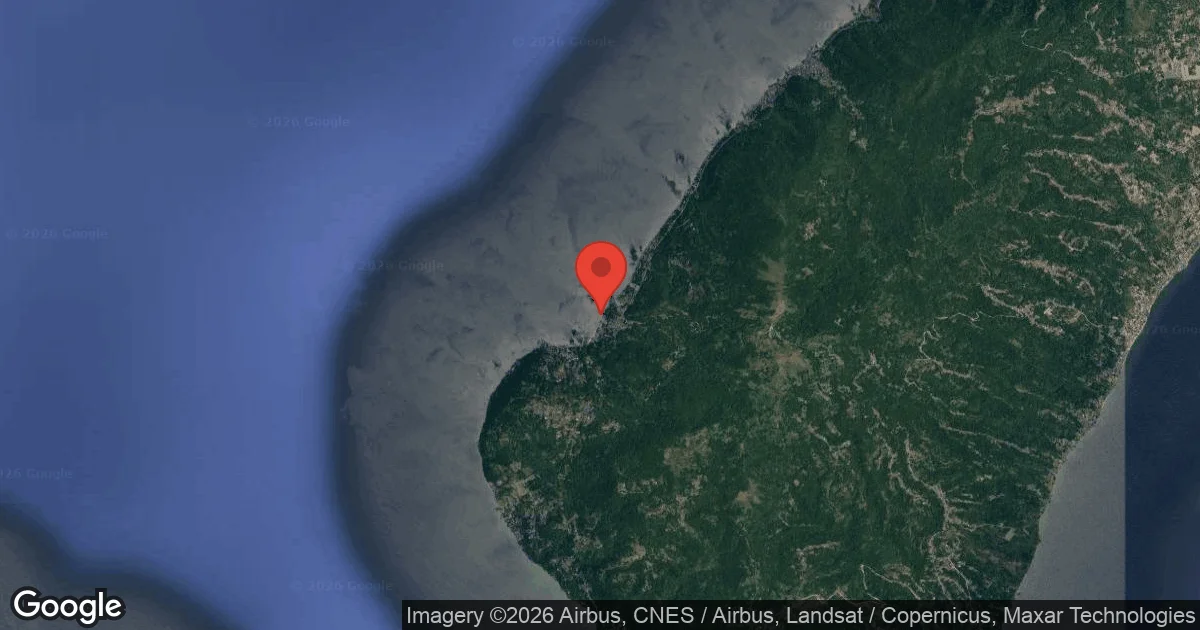
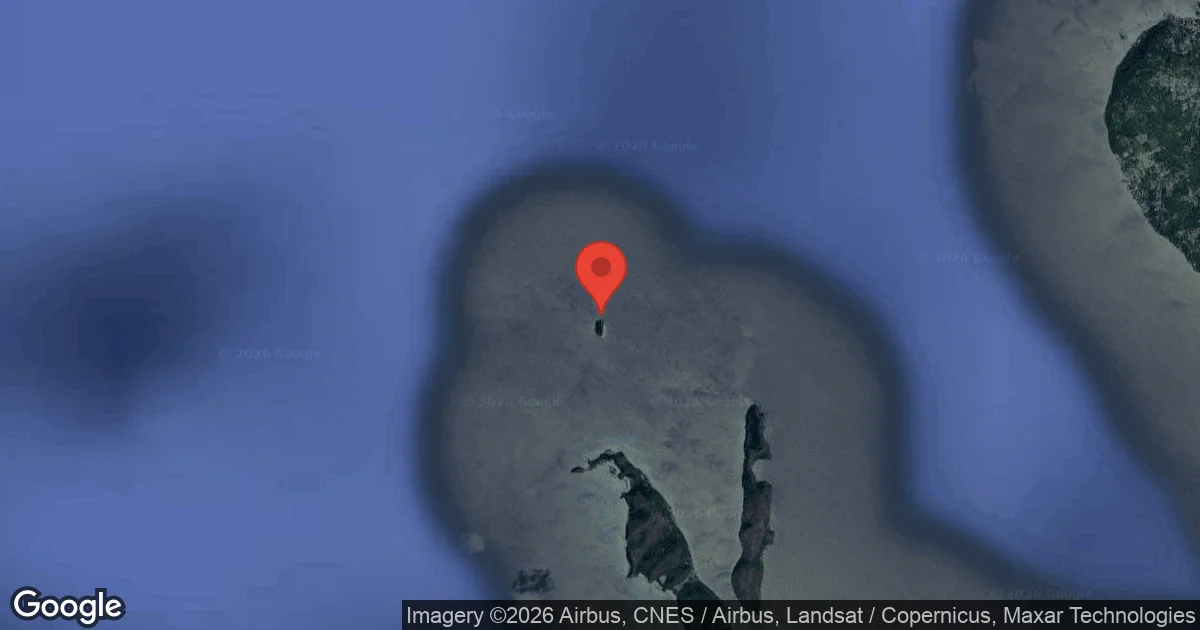
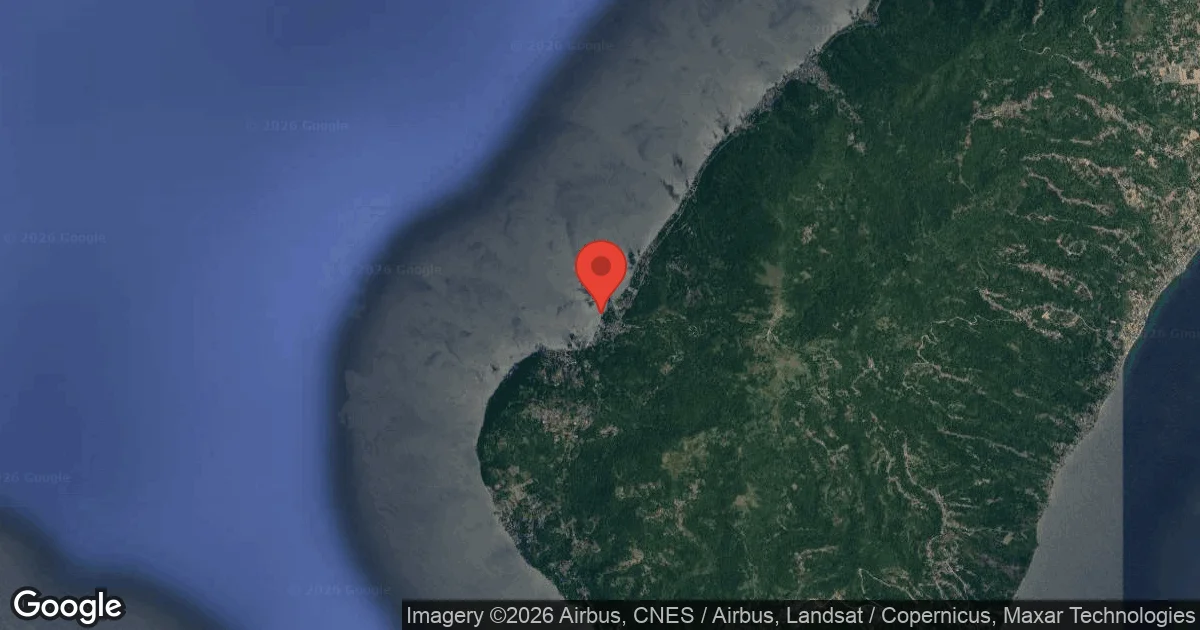
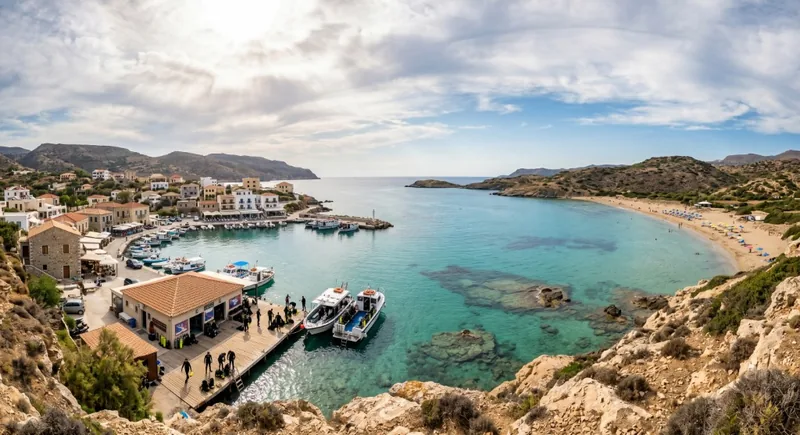
Dive Centers Near Blue RIbbon House Reef
Today: Open 24 hours
Nearest Airports
Nearest airports to help plan travel to this dive area.
Search Flights
Check available flights and routes on Expedia, using the nearby airports listed in this section.
Search Flights on ExpediaFrequently Asked Questions
What is the maximum depth at Blue Ribbon House Reef?
The maximum recreational depth reported for the general reef area is 25 meters. However, a speedboat wreck at the site lies deeper, at approximately 32 meters, suitable for appropriately certified divers.
What types of diving are possible at this site?
Blue Ribbon House Reef offers a diverse range of diving experiences, including muck diving for macro enthusiasts, reef diving with vibrant corals, and wreck diving to explore a Banka and a speedboat.
Is Blue Ribbon House Reef suitable for underwater photographers?
Yes, it's highly regarded for underwater photographers. The site is known as a 'critter heaven' offering extensive macro opportunities, and the associated resort provides a dedicated camera room.
How do dive operators ensure safety at Blue Ribbon House Reef?
Dive operators prioritize safety through comprehensive shore briefings before each dive. They also organize divers into groups based on skill level and air consumption to optimize the experience and manage potential risks.
What marine life can I expect to see?
Expect to encounter a rich variety of macro life such as diverse nudibranchs, several species of frogfish, various shrimp, crabs, and octopi, including coconut octopi. Barracuda and anemone fish are also commonly sighted.
What certifications are recommended for diving here?
While accessible to open water divers, a PADI Advanced Open Water Diver certification is particularly useful. This allows for full exploration of the site's varied terrain, including the deeper wreck at 32 meters.
Can I do night dives at Blue Ribbon House Reef?
Absolutely, night dives are a popular option at this site. They provide a unique chance to observe nocturnal creatures such as different species of octopi, squid, and jellyfish in their active state.
Planning to dive Blue RIbbon House Reef?
Send one inquiry and receive offers directly from the best verified local dive operators.
Conditions are Excellent
07:00 - 14:00
Optimal conditions expected
Current conditions near Blue RIbbon House Reef show 24° air, 29° sea temperature, 0.1 m waves, and 17 km/h wind. Forecast data is refreshed regularly to ensure accuracy.