
Diving at Cathedral Cavern (Philippines)
Cathedral Cavern near Coron, Palawan, presents a dramatic dive through a unique natural formation. Its entrance, open to the ocean, mandates favorable weather for safe access, guiding divers into a captivating submerged chamber. After exploring the cavern's awe-inspiring light displays, the dive continues along a vibrant reef slope. This site reaches a maximum depth of 12 m / 39 ft, inviting exploration of its distinct underwater features when conditions align.
Tonight's objective overview for Cathedral Cavern shows an air temperature of 26.5°C. The measured surface conditions include wave heights around 0.4 m. This environmental data is logged for the close of the day.
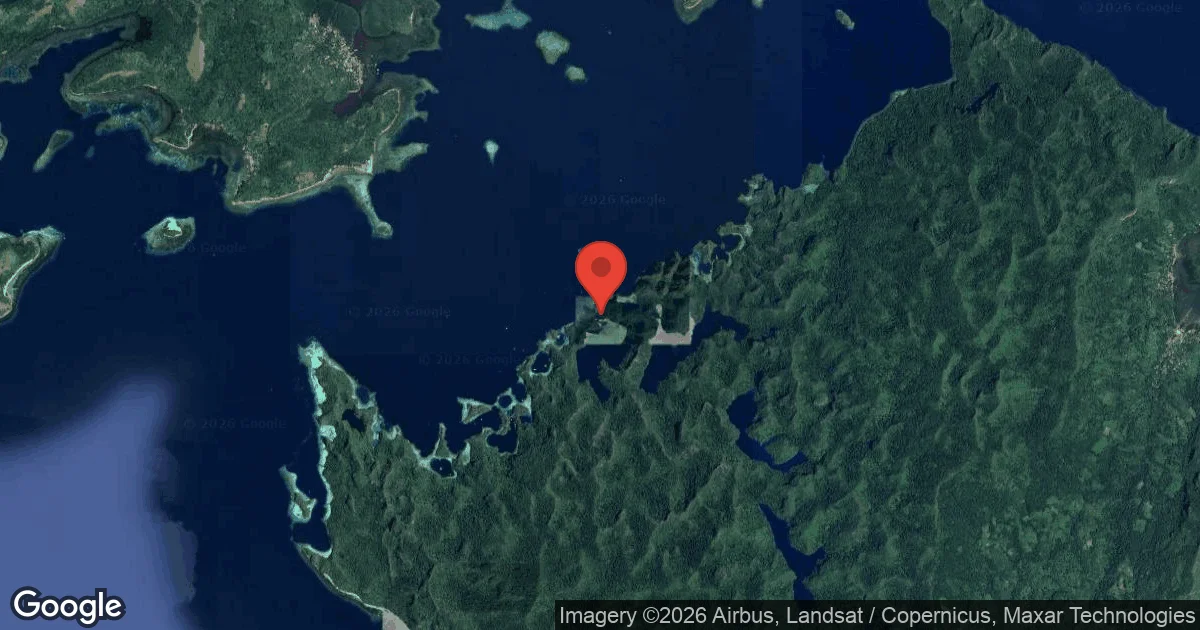
Dive Site Location & Key Facts
Dive Site Overview
Divers experience Cathedral Cavern as a unique natural phenomenon, distinct from a fully enclosed cave system. The entrance starts at a hole in the seabed beside the sheer rock wall of Coron Island, around 6 m deep. From there, divers enter a tunnel that descends toward the inner cave section.
Inside the tunnel, the dive should be taken slowly. Juvenile lobsters may be seen hiding in holes above and beneath the rocks, while cowry shells cling to the tunnel ceiling. After the tunnel, the space opens into the main cave interior, where daylight enters from above and creates the dramatic “cathedral” effect.
One of the most distinctive features inside the cave is the collapsed roof section. A full-sized tree has fallen into the chamber, with its trunk and main branches resting on a sand mound in the middle of the cave. Divers follow the light, surface inside the underground cathedral, then continue over the sand dune toward another passage leading to a chamber with an air pocket above ocean level.
The dive returns through the same tunnel into open sea. Outside the cavern, the dive can continue among corals, with visibility reported at around 25 m in good conditions.
Conditions are Good
Optimal conditions expected
Current conditions near Cathedral Cavern show 27° air, 30° sea temperature, 0.4 m waves, and 22 km/h wind. Forecast data is refreshed regularly to ensure accuracy.
Best Time to Dive
Optimal conditions for exploring Cathedral Cavern generally occur from April through November, aligning with higher dive scores for the region. During these months, average rainfall tends to be lower, ranging from approximately 0.9 mm to 14.4 mm, creating clearer conditions. Air temperatures remain consistently warm, typically ranging between 27.5°C and 28.5°C, which contributes to a comfortable overall diving environment. While specific water temperature data for the site is not consistently reported, the surrounding tropical waters are reliably warm. Divers might find the calmest seas and best visibility earlier in this period, particularly from April to June, when wave heights are often at their lowest.
PEAK SEASON SCORE
Scores combine air & water temps, waves, wind & rainfall for overall conditions.
BEST MONTHS TO DIVE
Monthly records compiled from satellite and marine observation nodes over the last 3 years. Data provided by Open-Meteo and MET Norway.
Dive Experience & Conditions
Entering Cathedral Cavern sets the stage for a dive through shifting elements. Currents here vary; while often limited, they can present a moderate drift, particularly near the entrance facing the open ocean. Visibility is generally good, averaging around 20 meters, though it varies significantly depending on conditions, typically ranging from 10 to 30 meters. Water temperatures in the region are consistently warm, usually ranging from 26-29°C / 79-84°F. The site is primarily accessed by boat and involves a wall dive component after the cavern exploration. Its varying conditions mean it's an accessible site for divers of all levels, provided appropriate guidance and weather considerations are met.
Dive Difficulty & Safety Guidelines
Approaching Cathedral Cavern requires careful consideration of ocean conditions, as its entrance directly faces open waters, making the dive weather dependent. Always consult with local dive operators regarding current forecasts and site suitability before planning your dive. While the cavern itself is considered an underground lake, requiring navigation through a tunnel, proper buoyancy control is paramount to protect the delicate environment and ensure a safe passage.
Carrying a reliable dive torch is essential for illuminating the darker sections within the cavern, enhancing safety and the overall experience. Although generally considered an easy dive suitable for all levels, Cathedral Cavern is best suited to Advanced Open Water divers, ideally with cavern-diving training or close guidance from an operator experienced with the site.
This site should only be attempted in calm weather with slight waves. When there is noticeable surge at the entrance, the dive should be cancelled or moved to a more protected site.
Recommended Equipment
Overhead environment. Do not enter beyond training and gas planning limits.
- Dive Computer
- DSMB
- Primary & Backup Lights
- Reel / Spool
- Cutting Tool
This gear list is based on verified equipment signals for Cathedral Cavern, Philippines. Always confirm final gear choices with your dive operator, guide, or liveaboard.
Recommended Dive Suit
Comfort levels can also depend on how active a diver is during the dive.
The water around Cathedral Cavern is currently holding at approximately 30°C (86°F), setting the tone for today's dives. Surface air temperatures are resting at 27°C (80°F). When water temperatures fall within this range, many divers dive comfortably with dive skin or rash guard.
Weather projections show fairly stable environmental conditions ahead.
Emergency & Medical Support
Essential information to help you plan your dive trip to Cathedral Cavern.

Hyperbaric chambers are a critical part of dive safety infrastructure. Availability varies significantly by region, and not all dive areas have immediate access.
Before diving, it's recommended to:
- confirm nearest medical facilities
- check emergency procedures with local dive operators
- ensure dive insurance covers evacuation if required
Divers Alert Network
Diving emergency assistance available through DAN World.
+1-919-684-9111- 24/7 emergency hotline
- Diving medical assistance
- Evacuation coordination
Emergency contacts are provided for reference. Always verify local emergency services before diving.
Marine Life at Cathedral Cavern
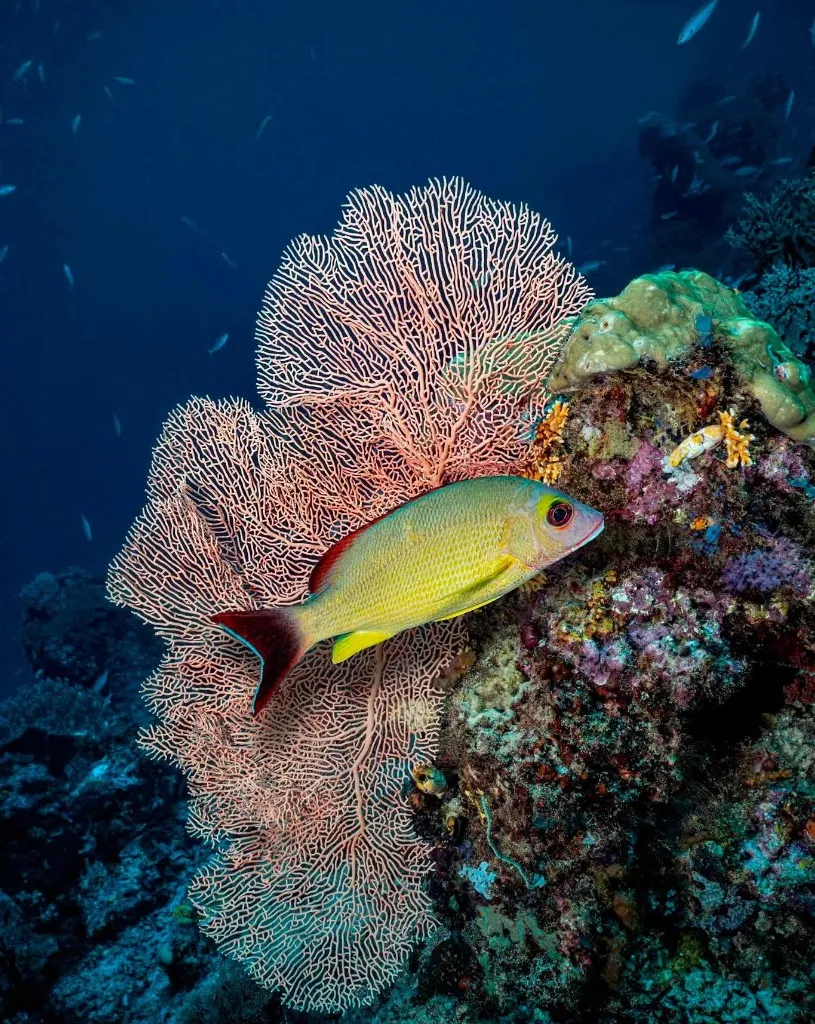
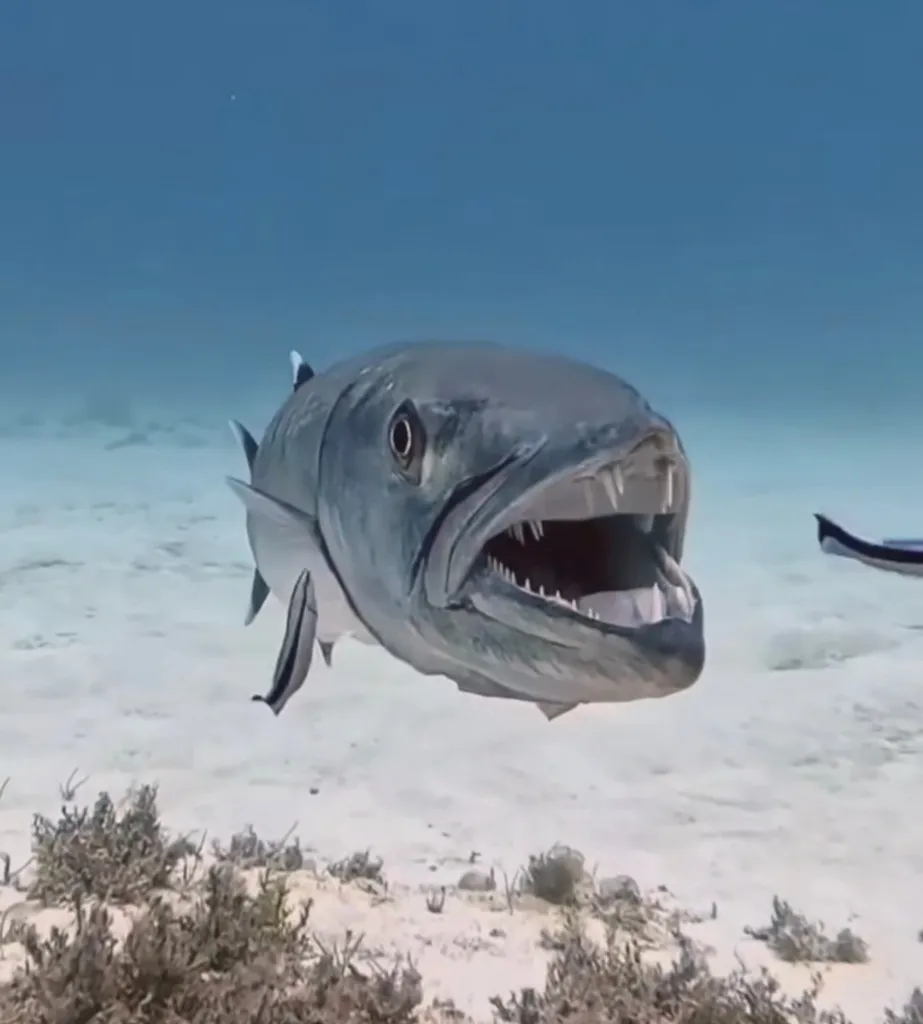
Divers often first notice the vibrant activity along the wall, with schools of mackerels, sergeant majors, snappers, and barracudas frequently encountered. These species are permanent residents, moving in large schools away from the wall while smaller species find refuge within its lush crevices.
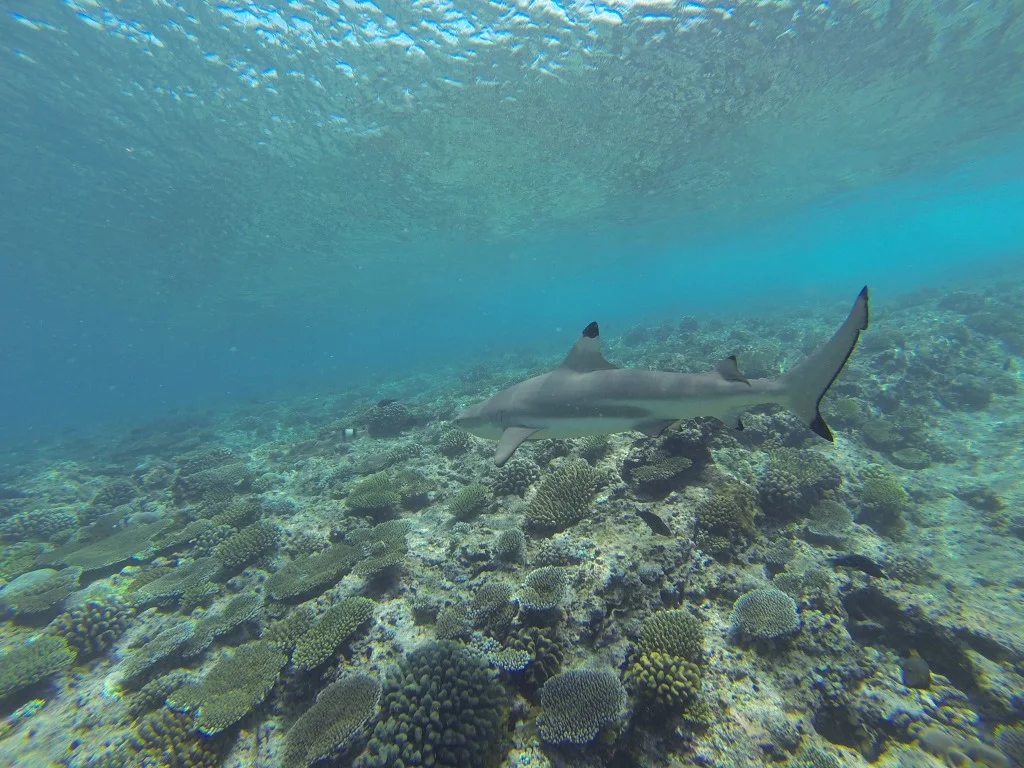
The open ocean exposure means opportunities for spotting larger pelagics exist. Encounters with sharks, whales, dolphins, and various species of turtles are also reported, adding another dimension to the dive experience outside the cavern.

Dive Sites Near Cathedral Cavern
View all dive sites in PhilippinesDiscover more underwater gems in this area.
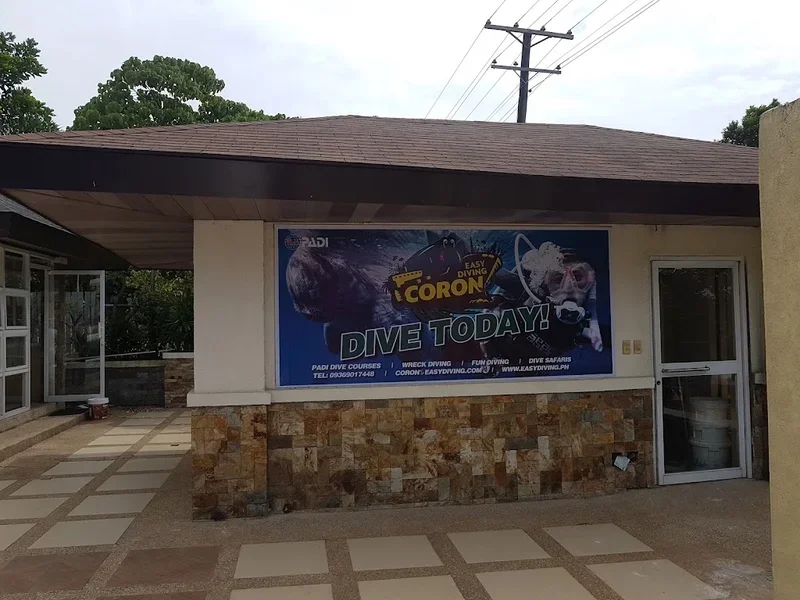
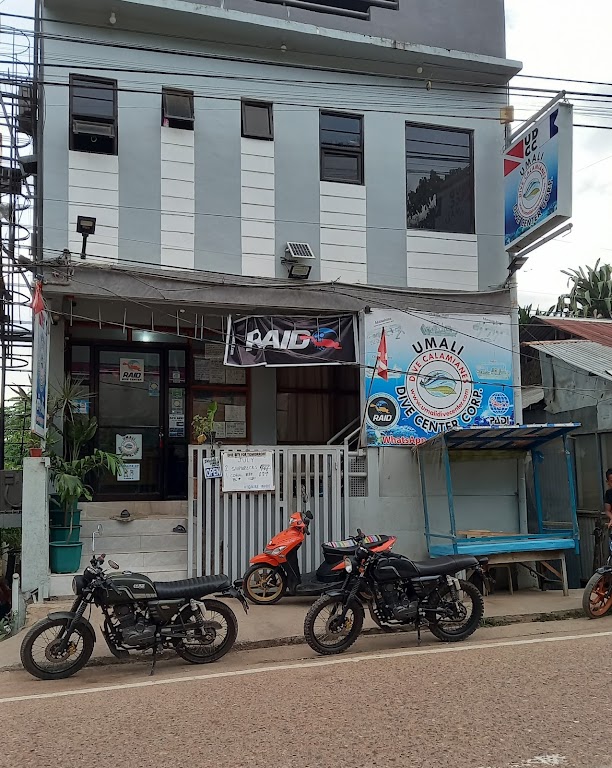
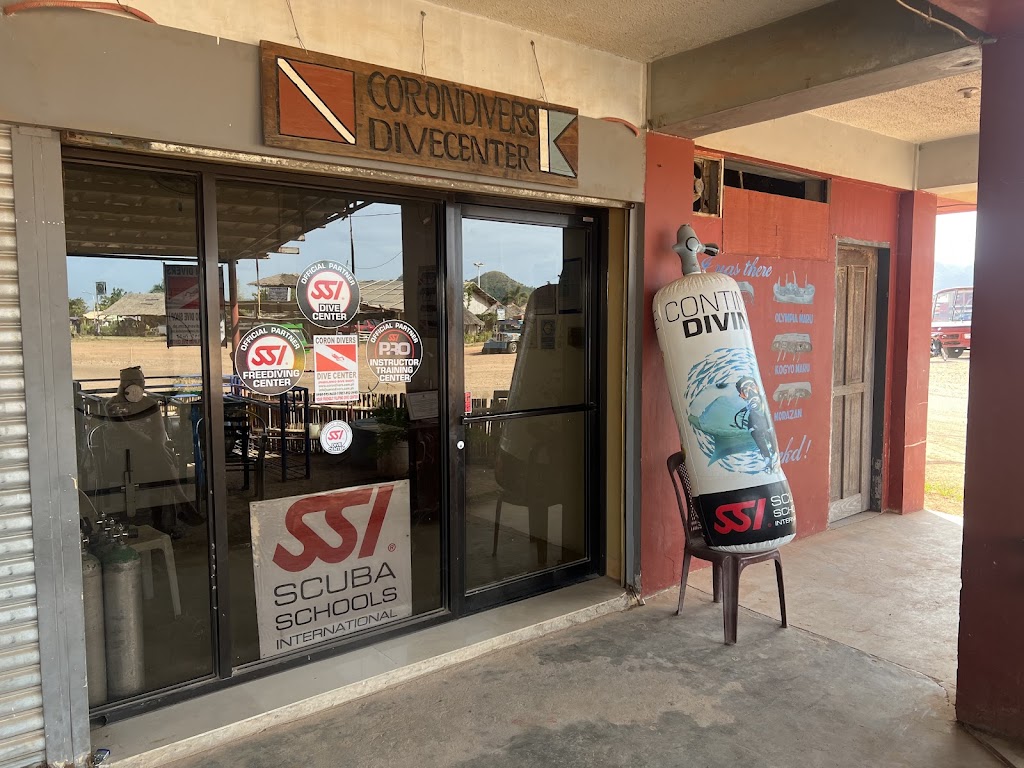
Dive Centers Near Cathedral Cavern
Nearest Airports
Nearest airports to help plan travel to this dive area.
Search Flights
Check available flights and routes on Expedia, using the nearby airports listed in this section.
Search Flights on ExpediaFrequently Asked Questions
Is Cathedral Cavern a true cave dive?
No, Cathedral Cavern is described more as an underground lake or a half-filled room accessed via a short tunnel. It's not a complex, fully enclosed cave system requiring extensive cave diving certification, but still an overhead environment.
What is the main attraction of Cathedral Cavern?
The primary draw is the dramatic lighting effect created by a hole in the ceiling of its main chamber. Sunlight streams through, illuminating the submerged space in a way that resembles a cathedral, giving the site its name.
What is the maximum depth for diving at Cathedral Cavern?
The maximum depth for this dive site typically reaches around 12 meters. This depth is generally encountered along the reef slope after exiting the main cavern chamber.
Is Cathedral Cavern suitable for all diver levels?
While parts of the site, particularly the exterior reef, are considered easy and suitable for all levels, the cavern component involves an overhead environment. Proper training for cavern or overhead environments is advisable, and strong buoyancy control is always beneficial.
What kind of marine life can I expect to see?
Along the reef wall, you can expect to see schools of mackerels, sergeant majors, snappers, and barracudas. There's also the possibility of spotting larger pelagic species such as sharks, whales, dolphins, and turtles, especially in the open water sections.
Is the dive weather dependent?
Yes, the dive is highly weather dependent. The entrance to Cathedral Cavern faces the open ocean, meaning rough seas or strong winds can make access unsafe or impossible. Always check local conditions with your dive operator.
Planning to dive Cathedral Cavern?
Send one inquiry and receive offers directly from the best verified local dive operators.
Conditions are Good
Optimal conditions expected
Current conditions near Cathedral Cavern show 27° air, 30° sea temperature, 0.4 m waves, and 22 km/h wind. Forecast data is refreshed regularly to ensure accuracy.