
Diving at Barracuda Lake (Philippines)
Barracuda Lake offers a stark contrast to typical tropical diving. Instead of vibrant coral reefs, this unique freshwater-saltwater hybrid lake presents an otherworldly experience defined by dramatic thermoclines and a bizarre, silty bottom. It's a dive that challenges perceptions and rewards divers with an unusual journey through distinct thermal layers, making it a truly unique entry in any diver's logbook.
As evening covers Barracuda Lake, the local air temperature is measured at 26.5°C. The current wave height at the surface is recorded at 0.3 m. These late-day readings characterize the surface conditions for the night.
Dive Site Location & Key Facts
Dive Site Overview
Entering Barracuda Lake provides an immediate sense of detachment from the ocean's usual rhythms. Descending from a dedicated dock, divers embark on an exploration defined by fascinating topography and unusual hydrological characteristics.
A most striking feature involves multiple, distinct thermoclines where freshwater and saltwater layers create dramatic temperature shifts. One notable transition frequently occurs around 14 m / 46 ft. Water temperature here can change quite rapidly, offering a tangible sensation of passing between different liquid environments, almost as if moving through distinct atmospheric zones.
Below this point, a delicate lake bottom transforms into an almost weightless, exceptionally fine silt. Such a landscape can be disturbed with minimal movement, demanding precise buoyancy control to avoid creating vast, lingering silt clouds.
Preserving visibility requires a gentle approach to finning and body positioning. Overall, an otherworldly environment unfolds, marked by intriguing rock formations and a gradual journey into warmer, denser layers.
A distinct thermal profile and delicate seabed combine to make for an unforgettable dive, prioritizing skill over speed, and offering unique insight into geological and hydrological phenomena.
Conditions are Good
Optimal conditions expected
Current conditions near Barracuda Lake show 27° air, 30° sea temperature, 0.3 m waves, and 22 km/h wind. Forecast data is refreshed regularly to ensure accuracy.
Best Time to Dive
Optimizing a dive at Barracuda Lake often hinges on prevailing conditions, though its inland nature makes it less susceptible to oceanic factors like waves, ensuring consistent dive quality. The best times generally align with periods of lower rainfall and stable air temperatures, which typically contribute to better overall visibility. From January through May, and again from August through November, the region experiences excellent to good dive scores. Air temperatures during these months range from approximately 27°C to 29°C (81-84°F), providing comfortable surface conditions. While rainfall is present year-round, months like April and May report some of the lowest rain averages at around 1.19 mm / 0.05 inches, potentially leading to clearer surface conditions and minimal runoff into the lake. Even with increased rainfall from June to September (9-13.5 mm / 0.35-0.53 inches), the lake's unique characteristics mean dive quality remains good, though surface run-off could impact the uppermost water layers.
PEAK SEASON SCORE
Scores combine air & water temps, waves, wind & rainfall for overall conditions.
BEST MONTHS TO DIVE
Monthly records compiled from satellite and marine observation nodes over the last 3 years. Data provided by Open-Meteo and MET Norway.
Dive Experience & Conditions
Within Barracuda Lake, significant currents are absent, freeing divers to concentrate on its unique thermal and geological phenomena. Descending reveals distinct temperature variations, a sensation encountered when passing through layers of fresh and salt water. A most dramatic thermocline frequently occurs around 14 m / 46 ft; here, a rapid increase in water temperature becomes noticeable, sometimes causing a shimmering visual effect. Below this point, the environment shifts from cooler upper layers to significantly warmer waters, often reaching 38°C / 100°F and beyond in deeper zones. A highly delicate, almost weightless silt makes up the lake bottom, readily shifting with any fin kick or movement. Maintaining impeccable buoyancy proves crucial, preventing disturbance of this 'mud' which rapidly reduces visibility and creates a surreal, silty landscape. Technical skill takes precedence over swift movement on this dive.
Dive Difficulty & Safety Guidelines
While Barracuda Lake doesn't present typical marine hazards like strong currents or unpredictable oceanic wildlife, careful adherence to dive guidelines is essential. The primary consideration is the extremely delicate silt bottom. Divers must maintain expert buoyancy control at all times to avoid disturbing the sediment, which can quickly reduce visibility for everyone.
Any significant 'mud play' can create silt clouds that linger and obscure the underwater environment. Respecting the unique, otherworldly environment means avoiding contact with the bottom or walls.
Due to the significant temperature changes and varying water densities, divers should monitor their dive computers closely and be aware of how these factors might affect gas consumption and decompression calculations. Always dive with a reputable local guide who understands the lake's specific conditions.
Recommended Equipment
- Dive Computer
- DSMB
This gear list is based on verified equipment signals for Barracuda Lake, Philippines. Always confirm final gear choices with your dive operator, guide, or liveaboard.
Recommended Dive Suit
Dive skin or rash guard is widely used for recreational dives in waters of this temperature. A hood or vest is suggested for sensitive divers due to surface winds. Those diving at Barracuda Lake today will likely encounter water temperatures in the region of 30°C (85°F). Surface air temperatures are resting at 27°C (80°F).
Forecast models show minimal temperature variation in the coming days.
Water temperatures can occasionally shift throughout the day depending on currents and depth layers.
Emergency & Medical Support
Essential information to help you plan your dive trip to Barracuda Lake.

Hyperbaric chambers are a critical part of dive safety infrastructure. Availability varies significantly by region, and not all dive areas have immediate access.
Before diving, it's recommended to:
- confirm nearest medical facilities
- check emergency procedures with local dive operators
- ensure dive insurance covers evacuation if required
Divers Alert Network
Diving emergency assistance available through DAN World.
+1-919-684-9111- 24/7 emergency hotline
- Diving medical assistance
- Evacuation coordination
Emergency contacts are provided for reference. Always verify local emergency services before diving.
Marine Life at Barracuda Lake
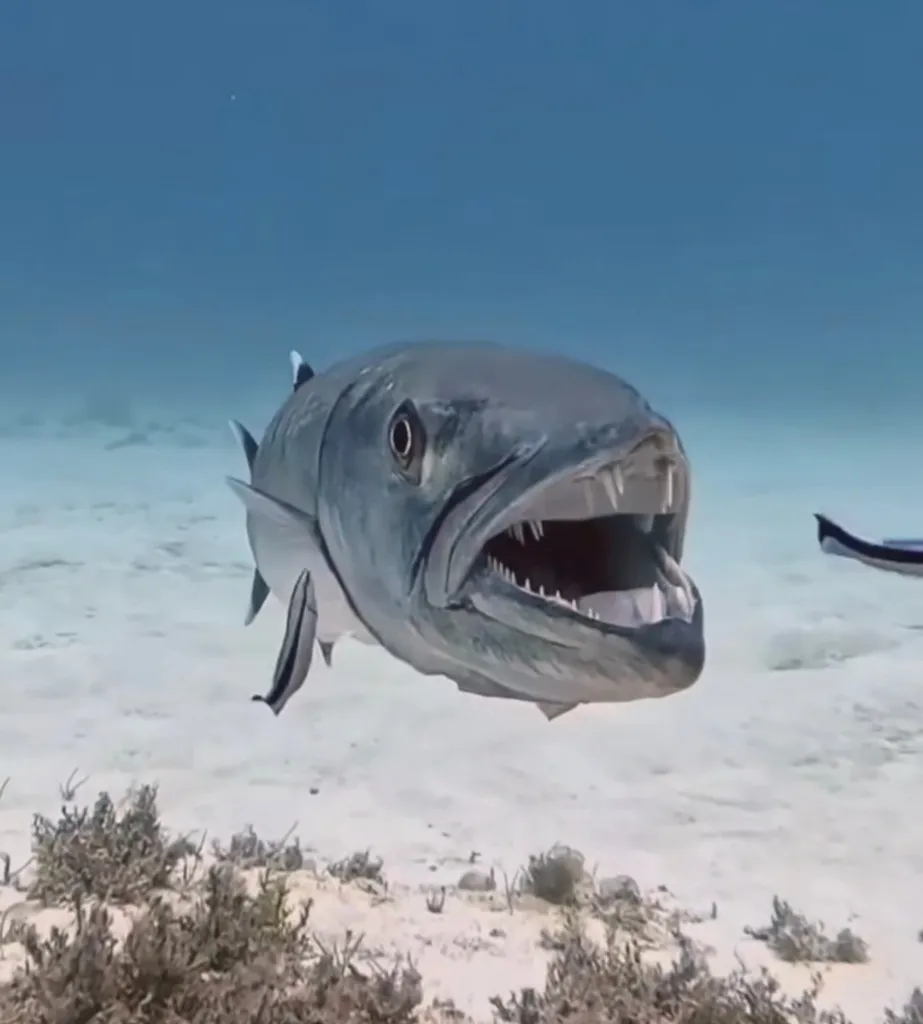
Diving Barracuda Lake, your initial impression will likely center on the stark, geological formations and palpable thermal layers, not extensive marine life. While "Barracuda Lake" implies the presence of its namesake, and some larger fish are occasionally reported, diverse marine life sightings remain limited and inconsistent.
Instead, divers largely explore an environment sculpted by rock and sediment. Expect an immersion in a unique underwater landscape, with dramatic thermoclines and a surreal silt bottom defining this geological and hydrological dive experience.
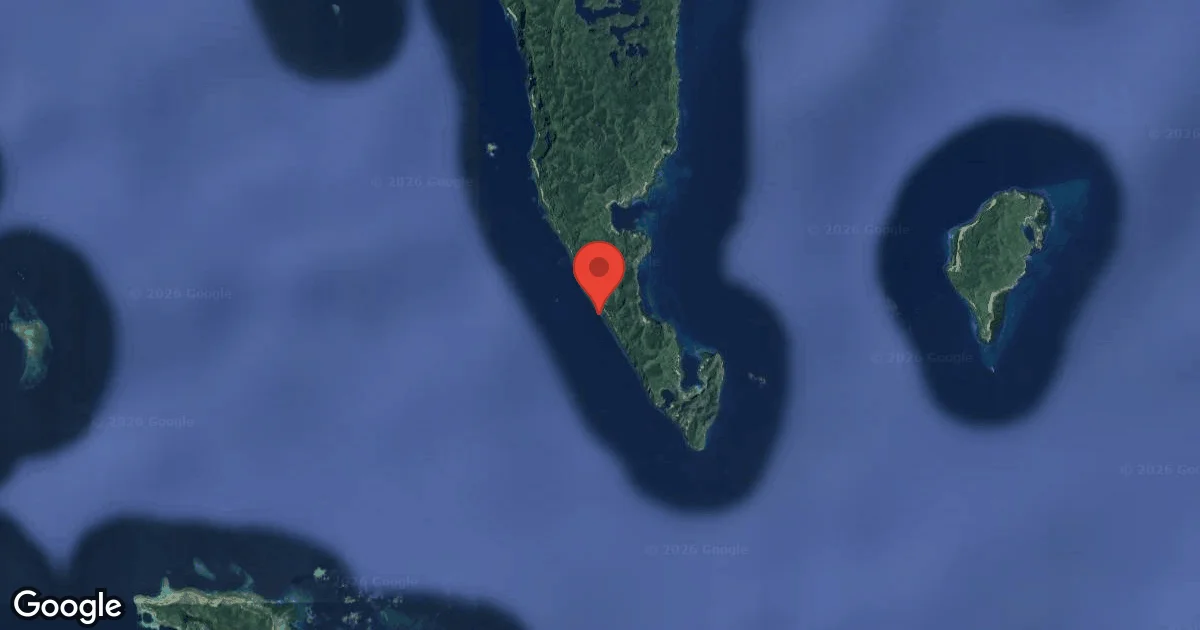
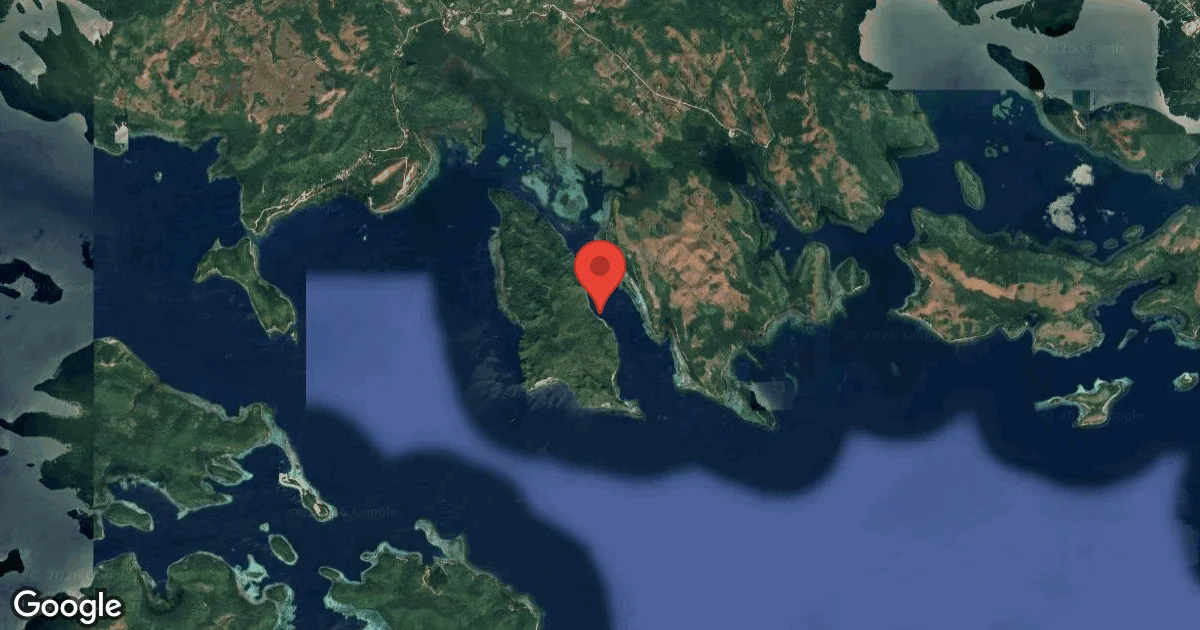
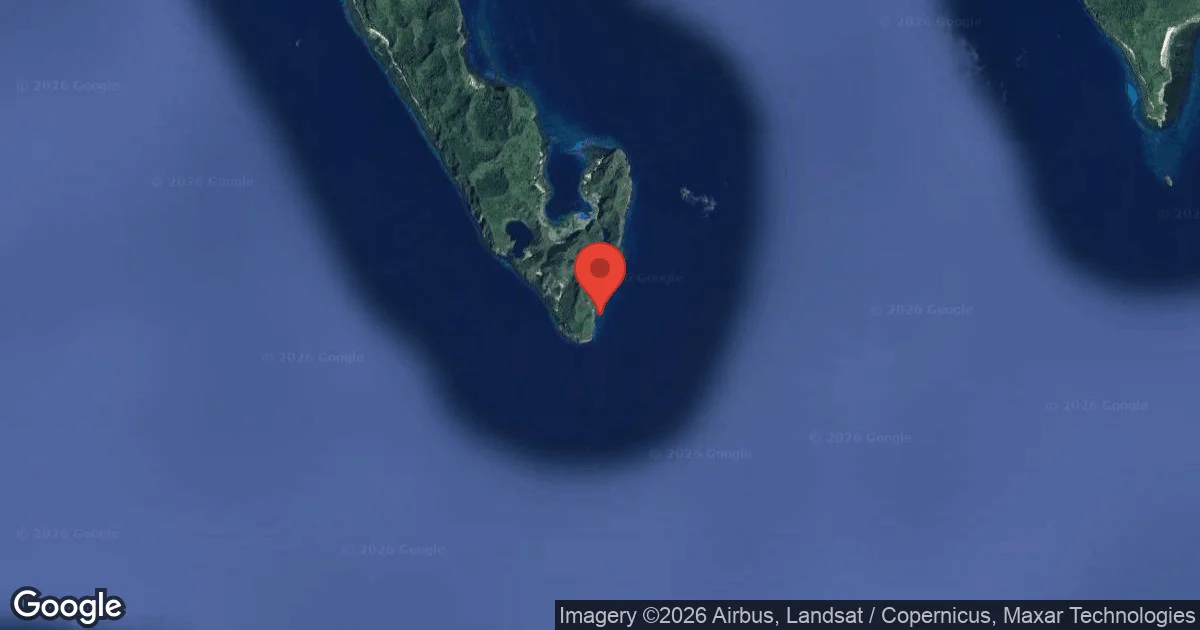
Dive Sites Near Barracuda Lake
View all dive sites in PhilippinesDiscover more underwater gems in this area.
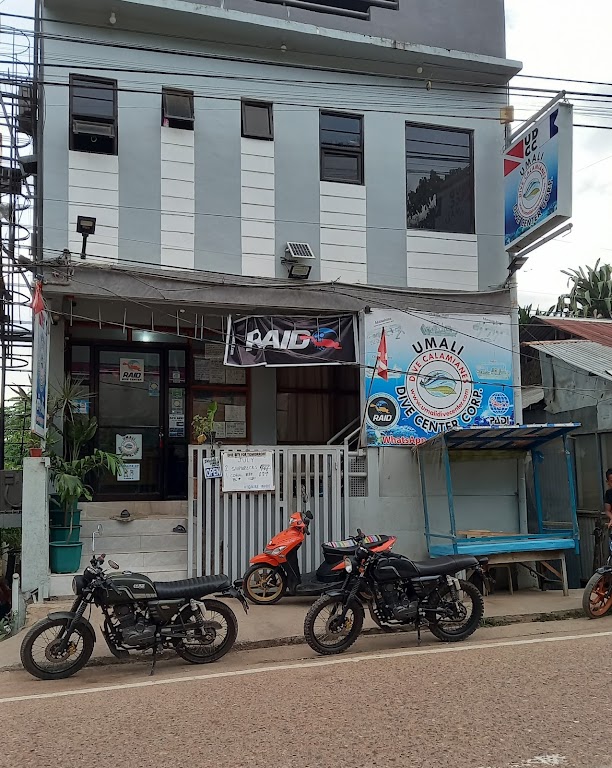
Dive Centers Near Barracuda Lake

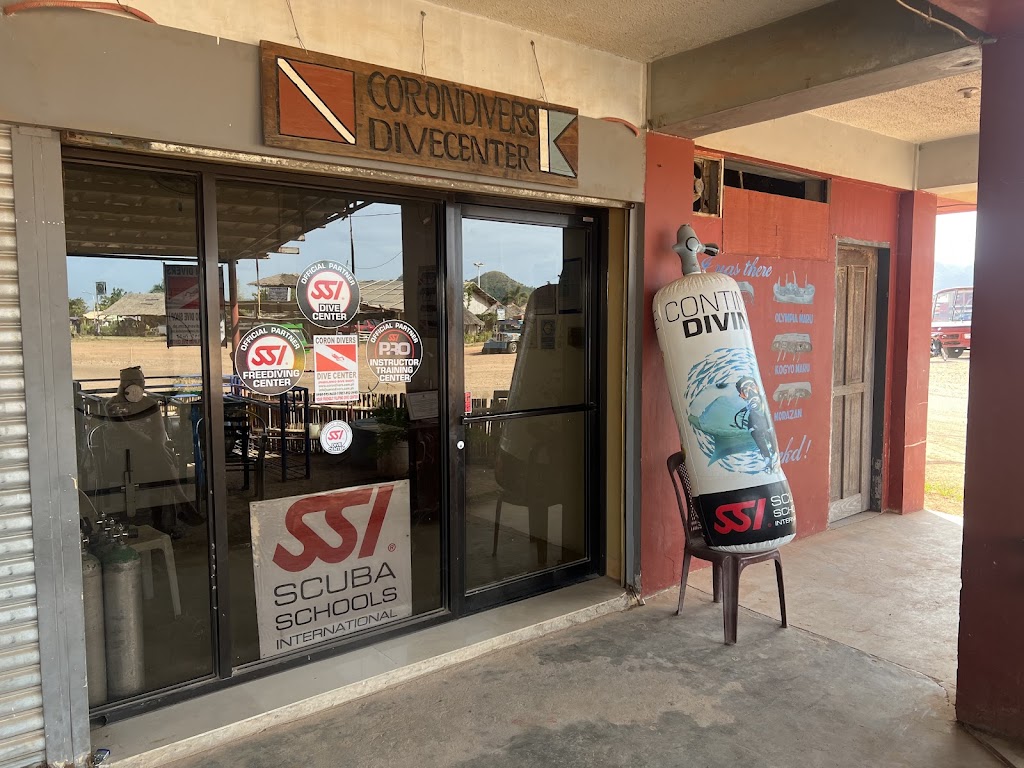
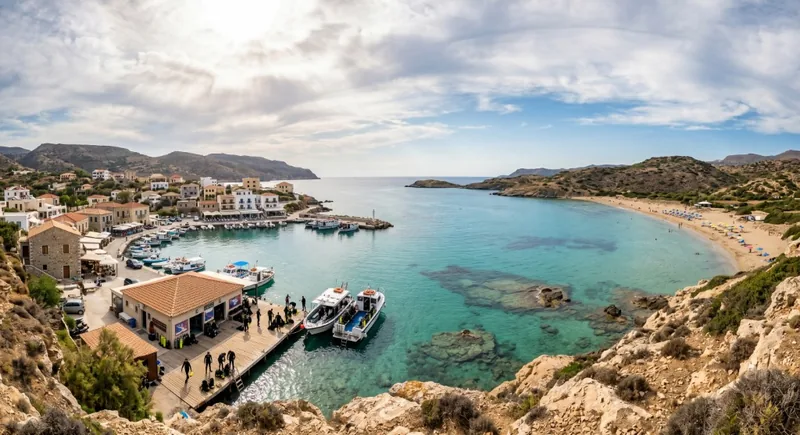
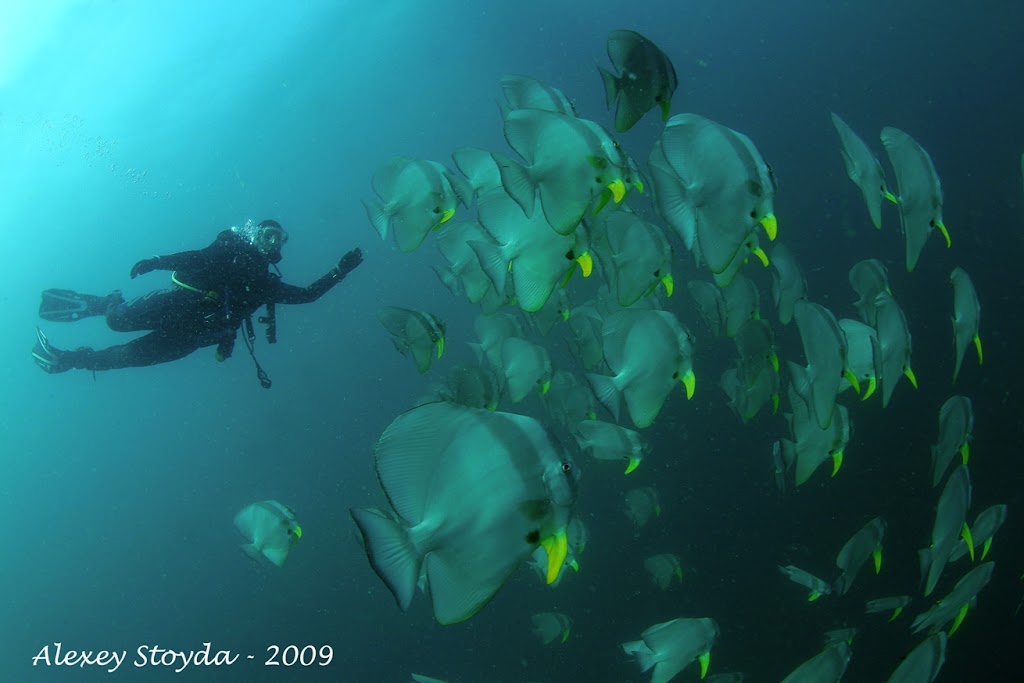
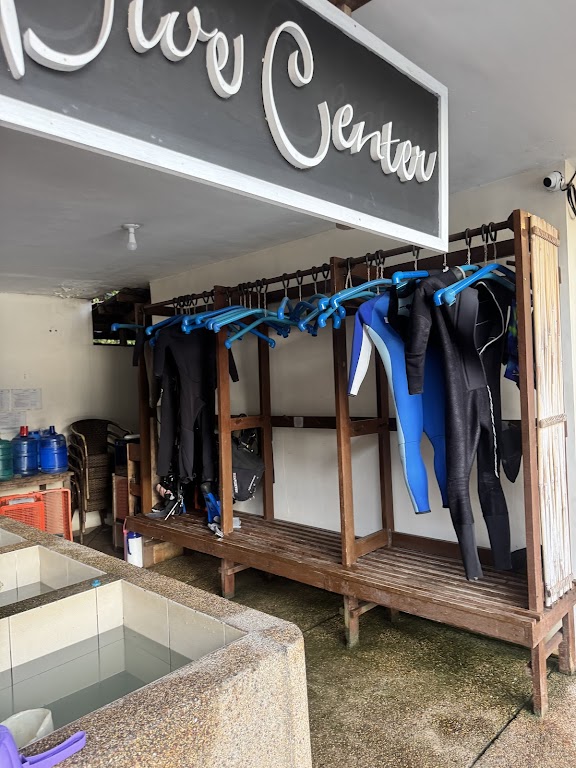
Nearest Airports
Nearest airports to help plan travel to this dive area.
Search Flights
Check available flights and routes on Expedia, using the nearby airports listed in this section.
Search Flights on ExpediaFrequently Asked Questions
What makes Barracuda Lake a unique dive site?
It's a rare mix of fresh and saltwater, creating dramatic thermoclines with distinct temperature changes. The lake also features an otherworldly, almost weightless silt bottom, making for an unusual geological dive experience.
What are the water temperatures in Barracuda Lake?
Surface temperatures can be warm, similar to air temperatures around 27-29°C / 81-84°F. However, as you descend, you'll pass through thermoclines where temperatures can rapidly increase to 38°C / 100°F or even warmer in deeper layers.
Is there marine life to see in Barracuda Lake?
While the lake is named after barracudas and some larger fish have been sighted, it's not primarily known for diverse marine life. The main attraction is the unique underwater landscape and the thermal effects.
What is the deepest point typically explored by divers?
While the exact maximum depth isn't consistently reported, divers typically explore to depths where significant thermoclines are encountered, such as around 14 m / 46 ft and deeper into the warmer layers.
Is Barracuda Lake suitable for beginner divers?
It is generally suitable for certified divers, but excellent buoyancy control is crucial due to the delicate silt bottom. Beginners should ensure they are comfortable with their skills before attempting this dive.
How do you access Barracuda Lake for diving?
Divers typically access the lake via boat trips from Coron, followed by a short trek over rocks and then an entry from a dedicated dock into the lake's waters.
What kind of visibility can I expect?
Visibility can be quite good in the upper layers. However, due to the extremely fine silt bottom, visibility can quickly decrease if divers don't maintain impeccable buoyancy and stir up the sediment.
Planning to dive Barracuda Lake?
Send one inquiry and receive offers directly from the best verified local dive operators.
Conditions are Good
Optimal conditions expected
Current conditions near Barracuda Lake show 27° air, 30° sea temperature, 0.3 m waves, and 22 km/h wind. Forecast data is refreshed regularly to ensure accuracy.