
Diving at Dimanglet (Philippines)
Dimanglet offers a distinctive underwater topography, initiating with a gentle, shallow sandy expanse adjacent to the shore. Nearshore, divers find an ideal entry point for skill development or casual exploration. Subsequently, the terrain transitions into a vibrant reef slope, gracefully descending around the island's perimeter. This structure accommodates various experience levels, presenting both protected shallow areas and opportunities for deeper reef exploration.
Evening condition tracking at Dimanglet features an air temperature of 26.5°C. We have recorded wave heights measuring 0.1 m during this period. These figures outline the environmental parameters currently present.
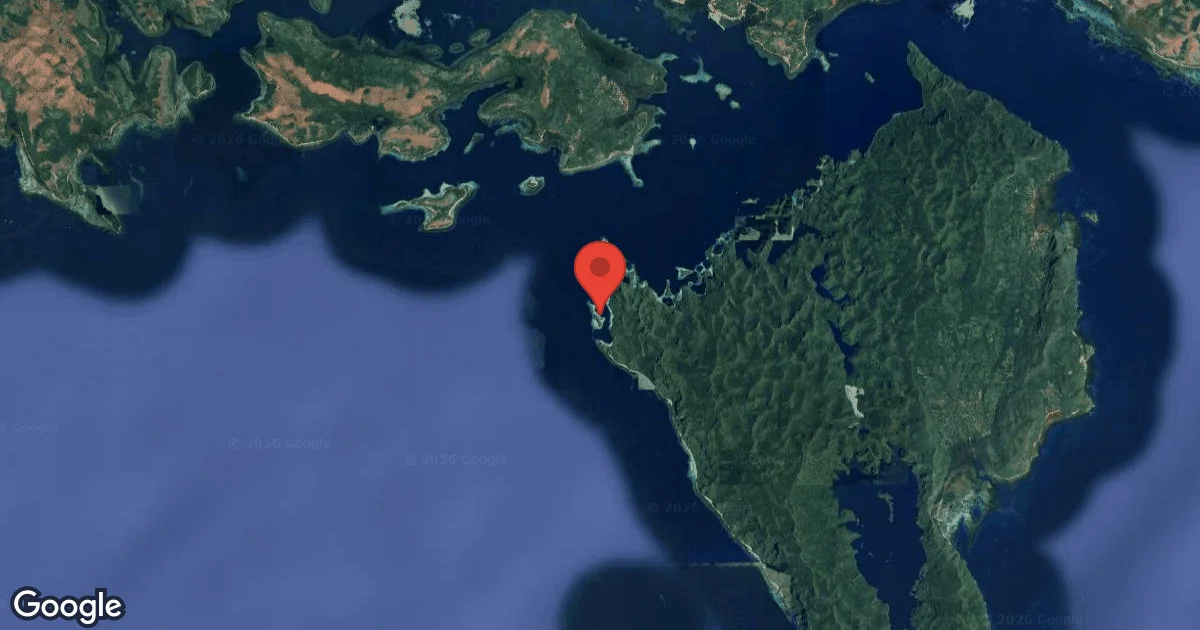
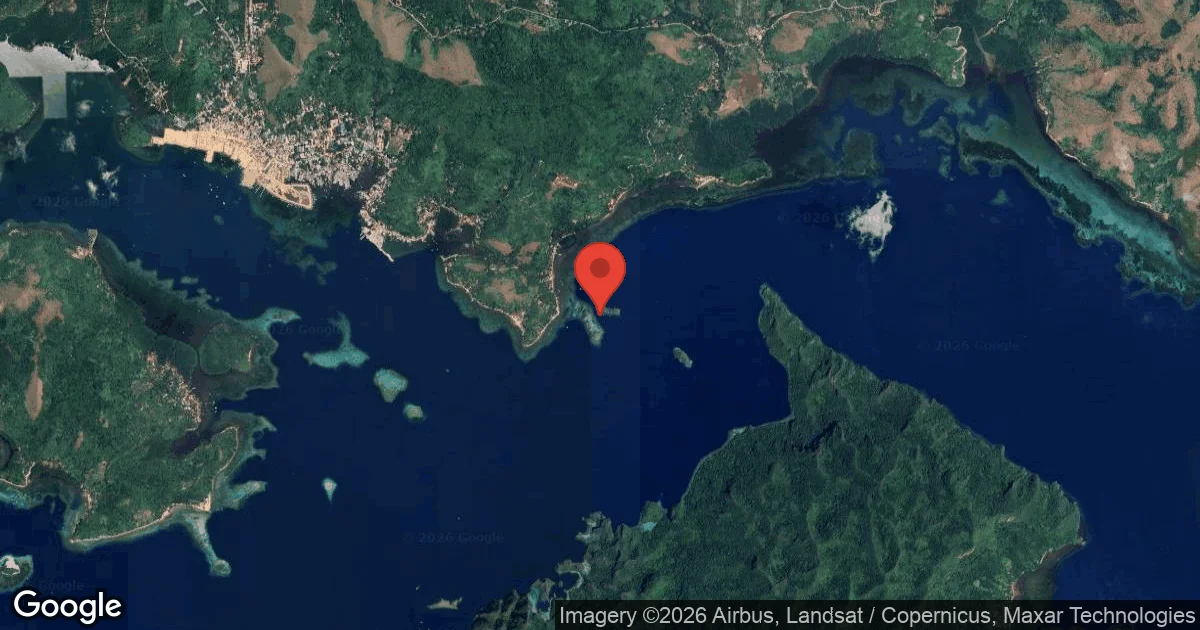
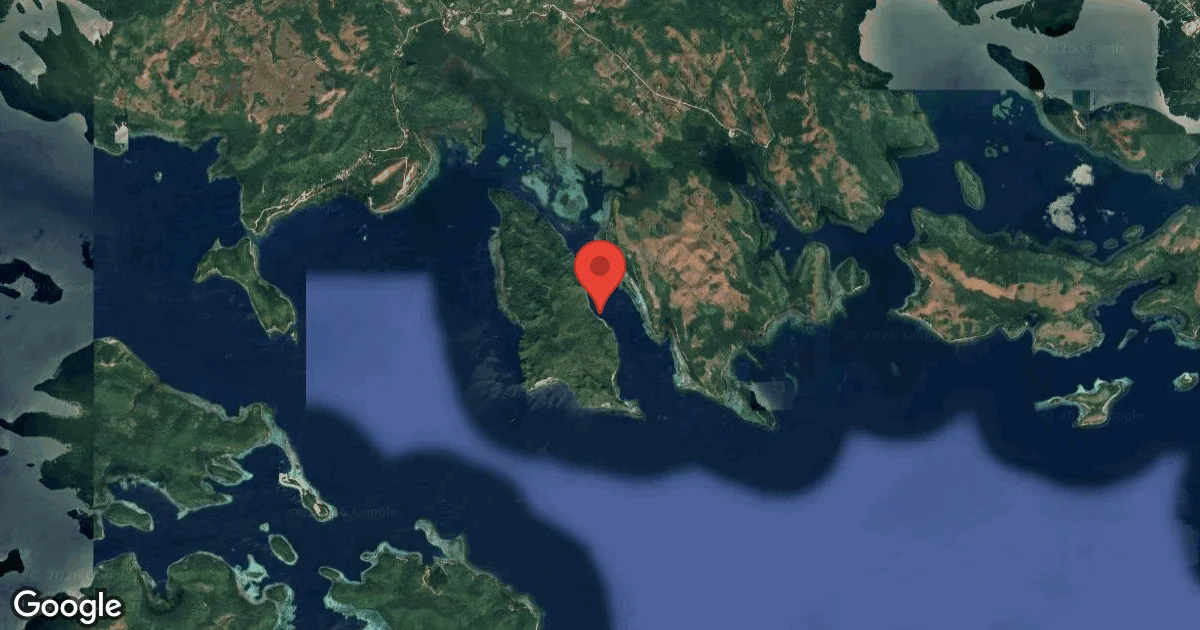
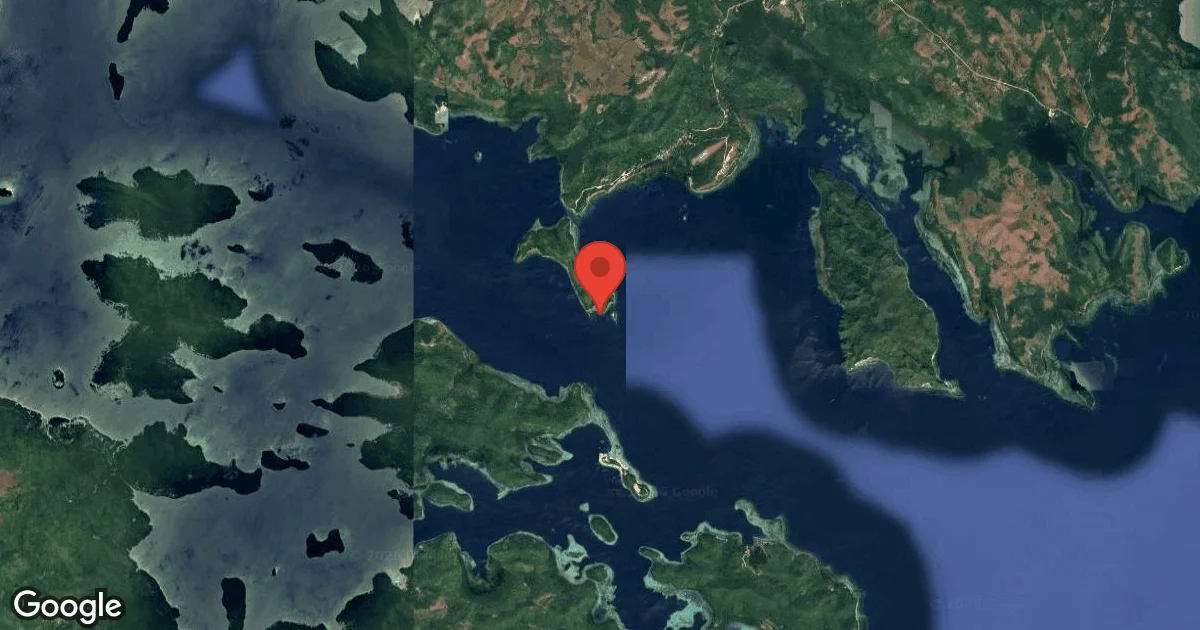
Dive Site Location & Key Facts
Dive Site Overview
Divers exploring Dimanglet enter a diverse marine environment. Expansive shallow sandy areas near the beach provide ideal conditions for refining buoyancy or undertaking initial training dives.
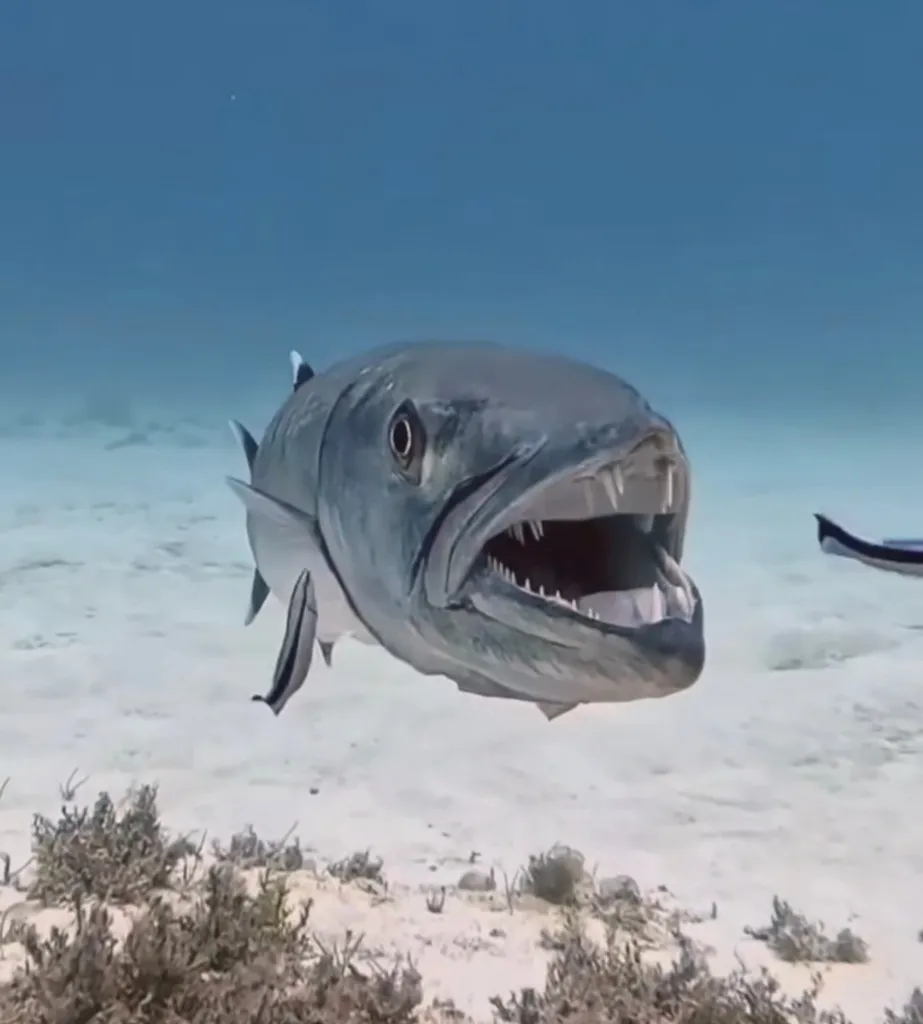
New divers comfortably practice skills here before venturing further. Away from the shore, a reef slope begins its gradual descent, continuing well around the island and presenting a rich tapestry of coral formations. Expect to encounter a variety of schooling fish, with smaller yellowfin barracudas occasionally seen adding dynamism to the reef.
Resident turtles are frequently spotted gracefully navigating reef structures. Dive entries here are flexible, accessible either by boat or directly from shore, providing convenient options for different dive operations.
Maximum recreational depth reaches about 20 m (65 ft), suitable for a broad spectrum of certified divers, from PADI Open Water to those seeking a refresher.
Conditions are Good
Optimal conditions expected
Current conditions near Dimanglet show 26° air, 30° sea temperature, 0.3 m waves, and 23 km/h wind. Forecast data is refreshed regularly to ensure accuracy.
Best Time to Dive
Optimal dive conditions at Dimanglet are frequently reported from January through May, and again from October to December, consistently earning 'Excellent' dive scores. Air temperatures typically range between 27°C and 29.5°C (85°F)to 85°F) during these periods, offering comfortable surface conditions. Rainfall tends to be minimal then; months like March and April record as little as 1 to 1.6 mm. From June to September, 'Good' dive scores persist, though these months experience slightly more rain, peaking around 14.8 mm in September. Wave heights generally stay below 0.6 m (2 ft) throughout the year, contributing to consistent underwater visibility and calm diving experiences irrespective of the season.
PEAK SEASON SCORE
Scores combine air & water temps, waves, wind & rainfall for overall conditions.
BEST MONTHS TO DIVE
Monthly records compiled from satellite and marine observation nodes over the last 3 years. Data provided by Open-Meteo and MET Norway.
Dive Experience & Conditions
Descending at Dimanglet, divers initially encounter a calm, shallow sandy bottom near the beach, excellent for initial entry and acclimation. From there, a sloping reef wraps around the island, gradually deepening. Moving along this slope, divers experience the full scope of the reef's structure and its inhabitants. Water conditions remain typically warm, characteristic of tropical climates; however, specific temperature values are not consistently reported in available data. Surface conditions usually feature minor wave activity, below 0.6 m (2 ft), ensuring smooth boat rides and easy entries. Max depths around 20 m (65 ft) keep dives within typical recreational limits, allowing ample bottom time for exploration.
Dive Difficulty & Safety Guidelines
Safe diving at Dimanglet primarily involves adhering to standard recreational practices and maintaining situational awareness. No specific inherent hazards are consistently reported for this site; however, divers must always monitor air consumption and no-decompression limits, especially when exploring deeper sections of the reef slope. Given the potential for encountering schools of barracudas or turtles, maintaining a respectful distance and avoiding interaction with marine life is crucial for both diver safety and ecosystem preservation.
Always dive within your certification limits. Dive with a buddy and conduct thorough pre-dive checks; if unfamiliar with the area, consider engaging local dive guides.
Recommended Equipment
- Dive Computer
- DSMB
This gear list is based on verified equipment signals for Dimanglet, Philippines. Always confirm final gear choices with your dive operator, guide, or liveaboard.
Recommended Dive Suit
For divers planning standard recreational dives, dive skin or rash guard is usually a suitable option. Divers vary widely in how quickly they feel cold underwater.
At the moment, divers exploring Dimanglet will likely experience water temperatures near 30°C (86°F). Surface air temperatures are resting at 26°C (80°F).
The upcoming forecast points to generally steady conditions in the area.
Due to technical issues with our weather providers, data hasn't been fetched for over 48 hours. The data above reflects the conditions at the time of the last successful fetch.
Emergency & Medical Support
Essential information to help you plan your dive trip to Dimanglet.

Hyperbaric chambers are a critical part of dive safety infrastructure. Availability varies significantly by region, and not all dive areas have immediate access.
Before diving, it's recommended to:
- confirm nearest medical facilities
- check emergency procedures with local dive operators
- ensure dive insurance covers evacuation if required
Divers Alert Network
Diving emergency assistance available through DAN World.
+1-919-684-9111- 24/7 emergency hotline
- Diving medical assistance
- Evacuation coordination
Emergency contacts are provided for reference. Always verify local emergency services before diving.
Marine Life at Dimanglet
Dimanglet's vibrant reef structure supports a diverse range of aquatic inhabitants. Divers frequently spot graceful resident turtles navigating through the corals.
Schools of smaller yellowfin barracudas are also a common sight, often observed patrolling the reef edges. A variety of other sea life contributes to its dynamic ecosystem. Expect to observe numerous reef fish species and macro critters populating the coral gardens.
Dive Sites Near Dimanglet
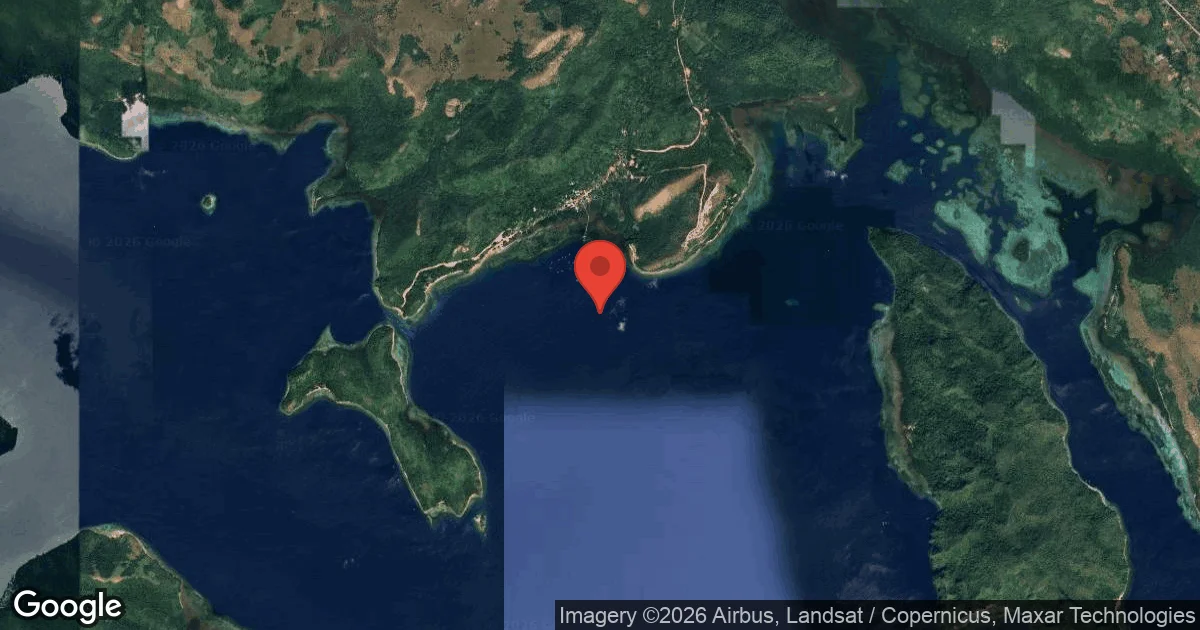
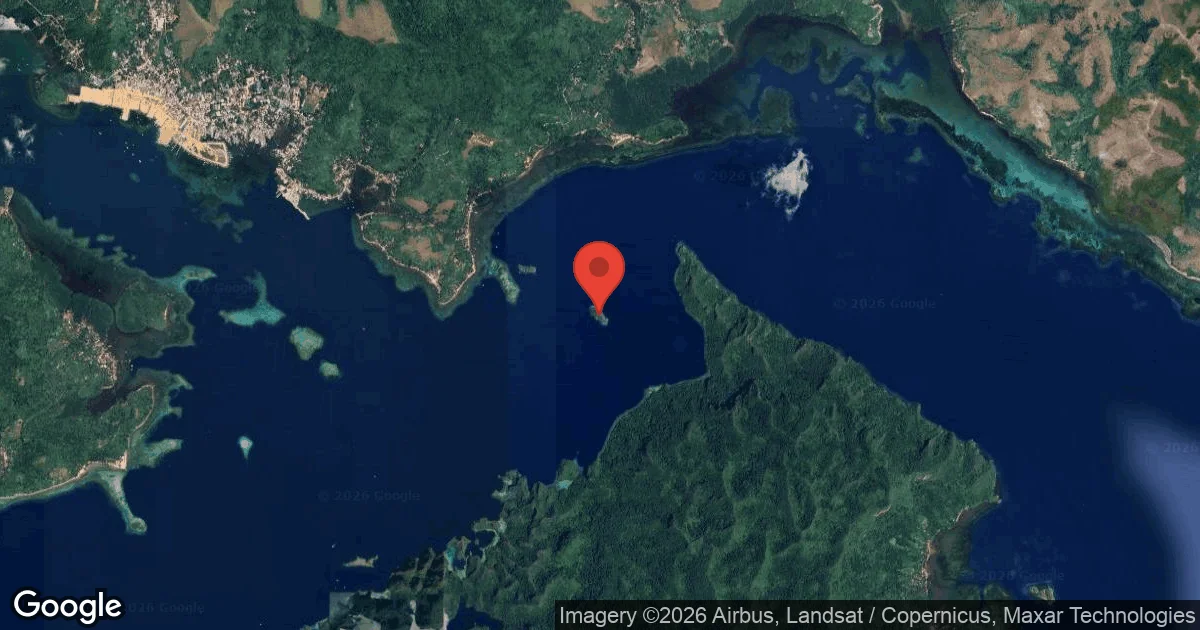
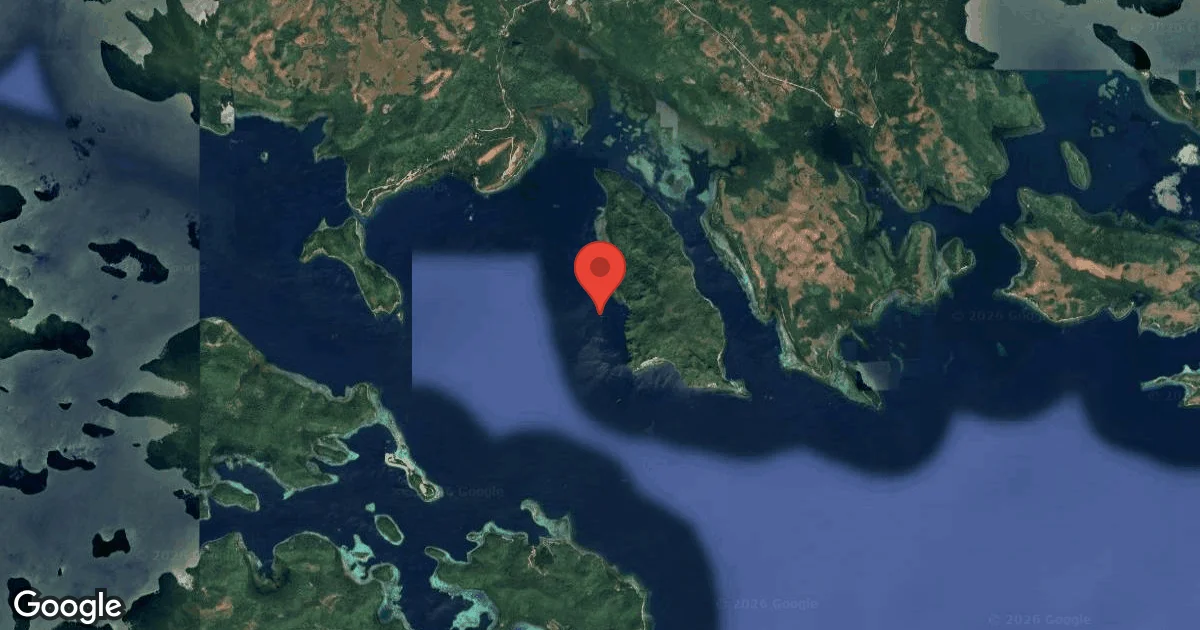
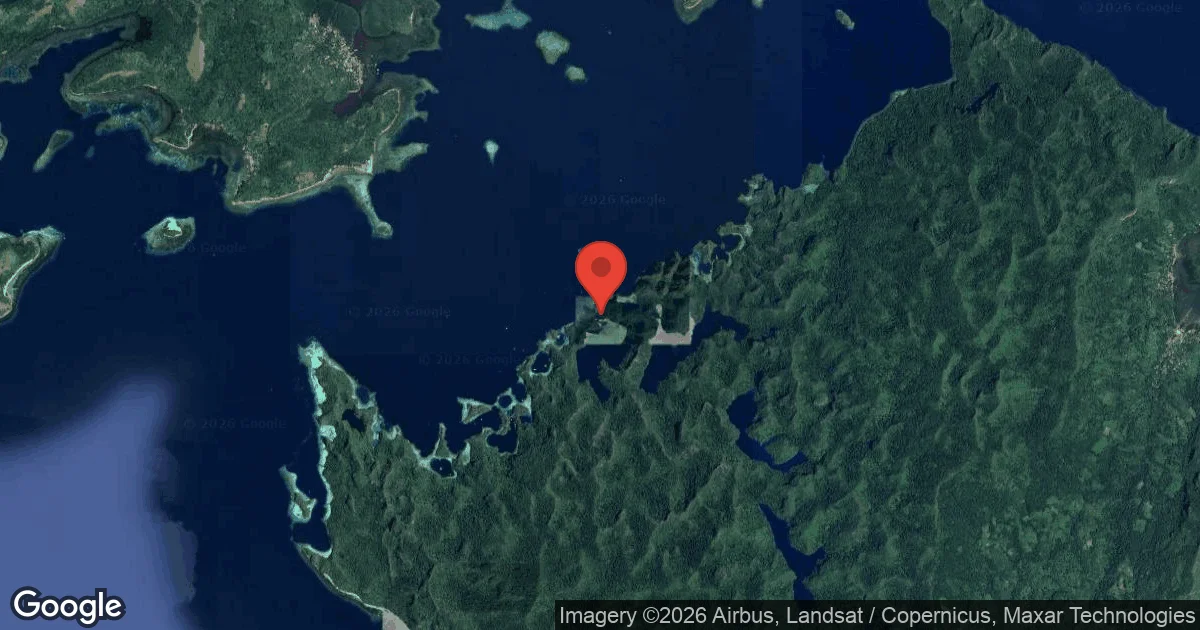
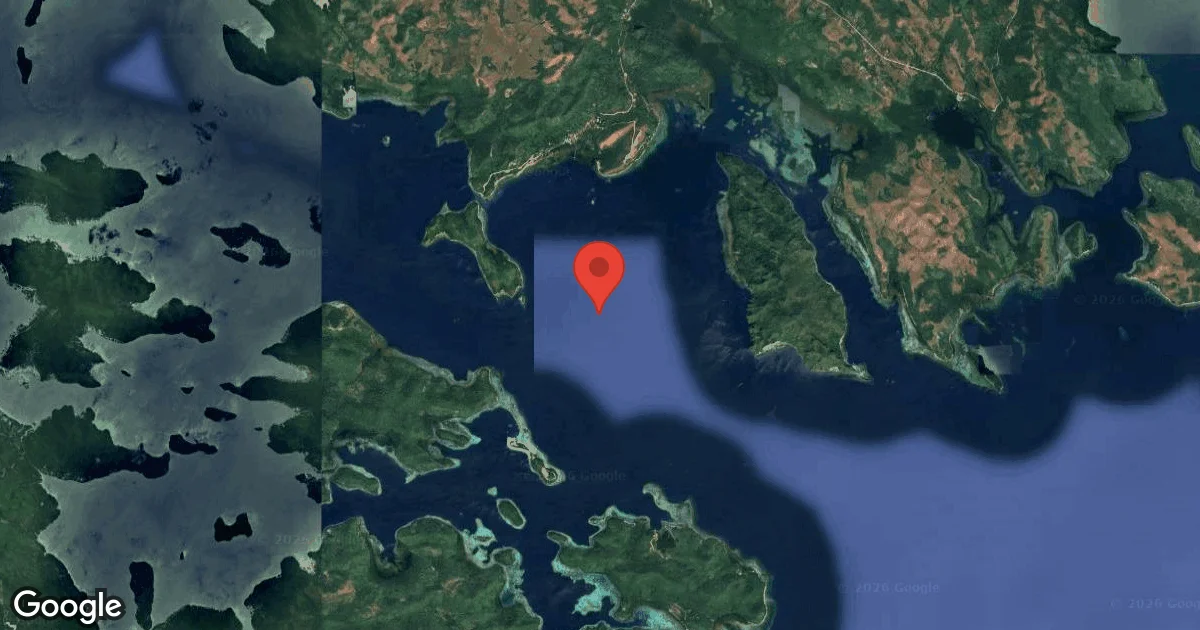
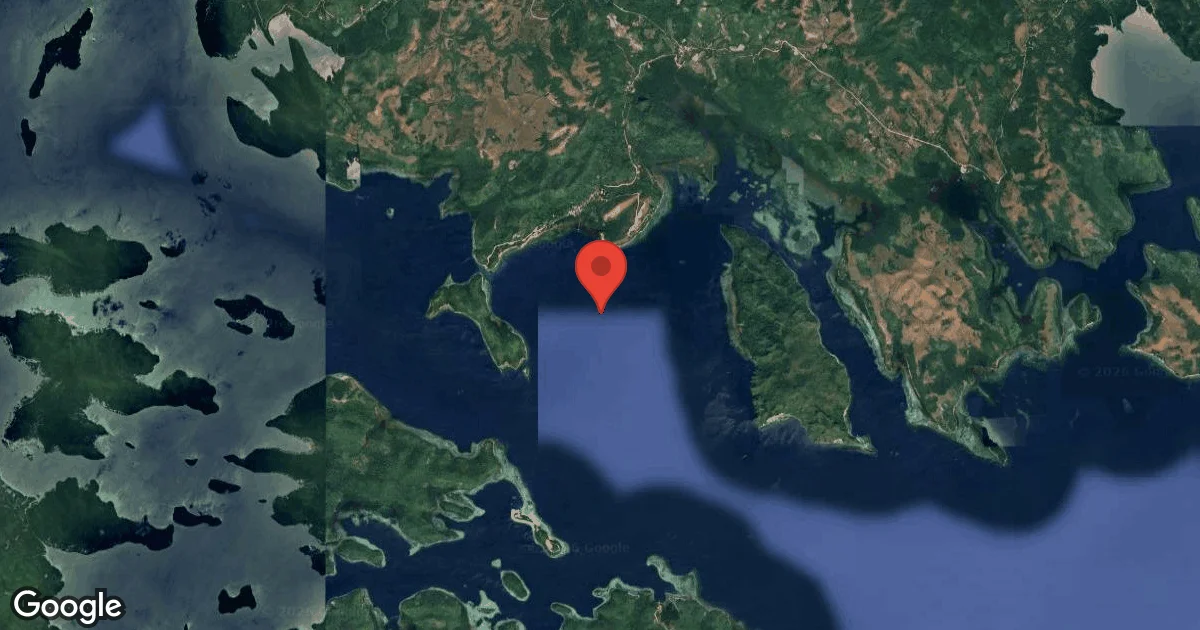
View all dive sites in PhilippinesDiscover more underwater gems in this area.
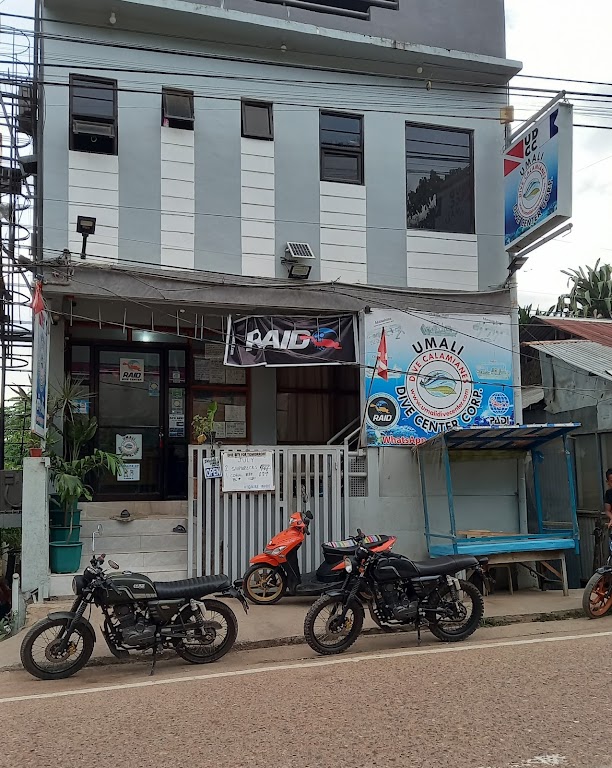
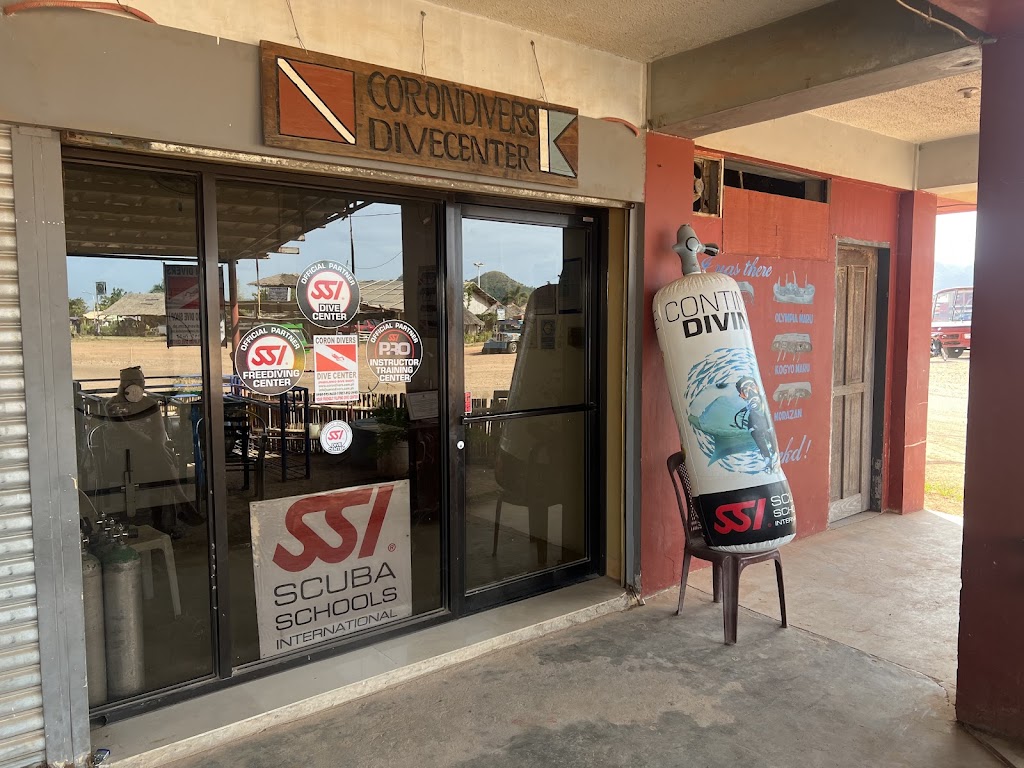
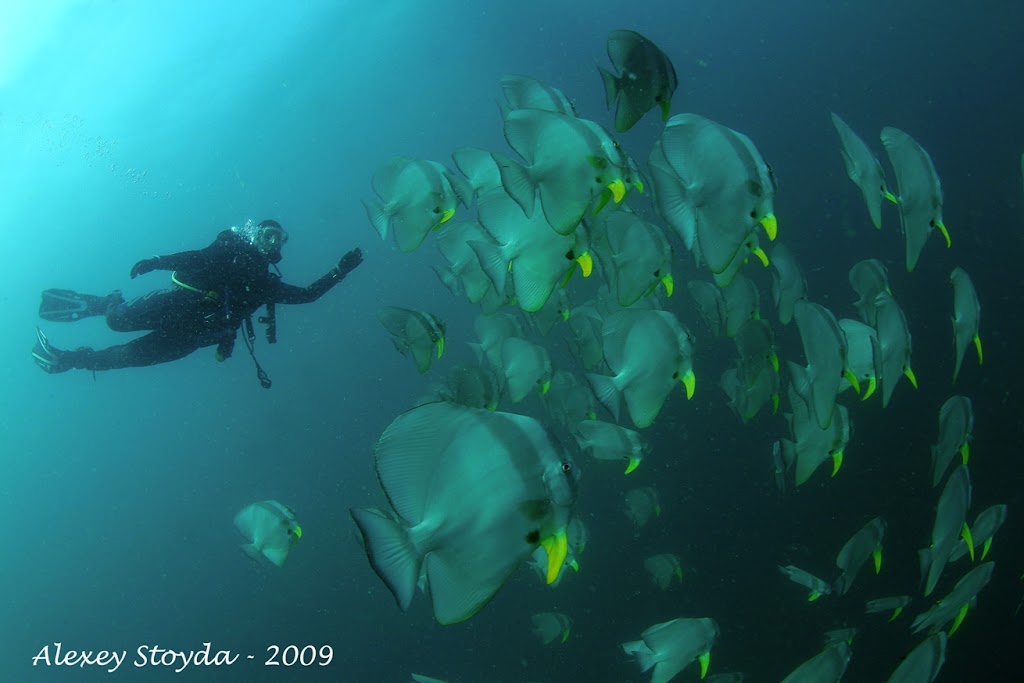
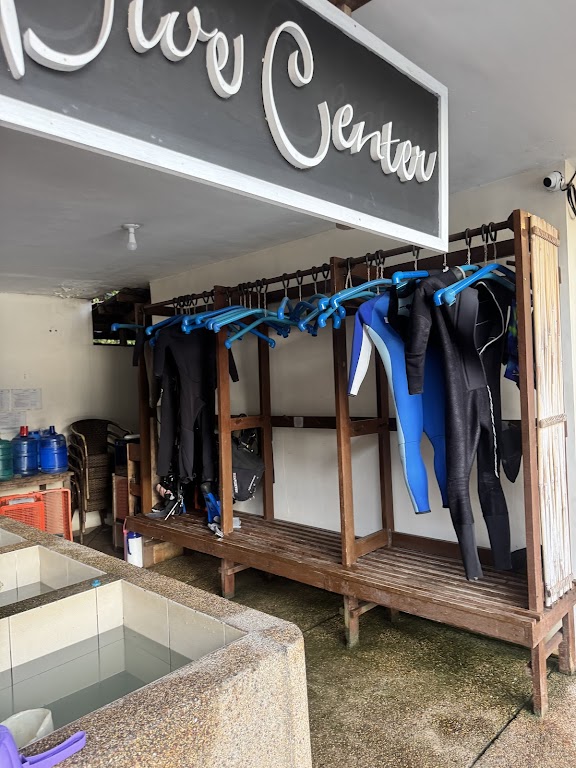
Dive Centers Near Dimanglet

Nearest Airports
Nearest airports to help plan travel to this dive area.
Search Flights
Check available flights and routes on Expedia, using the nearby airports listed in this section.
Search Flights on ExpediaFrequently Asked Questions
What is the maximum depth for diving at Dimanglet?
Recreational diving at Dimanglet reaches approximately 20 meters (65 feet). This depth range suits most certified recreational divers.
What kind of training is recommended for this dive site?
PADI Open Water Diver certification is ideal for Dimanglet. It's also suitable for those doing a PADI Discover Scuba Diving experience or a PADI Scuba Refresher course, especially in the shallow sandy areas.
What are the common entry methods for diving here?
Divers can enter the water at Dimanglet either by boat or directly from the shore. Both options provide convenient access to the dive site's varied topography.
Are there specific marine animals commonly seen at Dimanglet?
Yes, divers frequently encounter resident turtles and schools of smaller yellowfin barracudas. The reef also supports a variety of other common reef fish and invertebrate species.
What are the best months for diving in Dimanglet?
Optimal months, consistently receiving 'Excellent' dive scores, are January through May and October through December. These periods offer minimal rain and comfortable air temperatures.
Is the water temperature known for Dimanglet?
While specific water temperature data is not consistently reported in available datasets, Dimanglet is situated in the Philippines, characteristic of warm tropical waters year-round.
Planning to dive Dimanglet?
Send one inquiry and receive offers directly from the best verified local dive operators.
Conditions are Good
Optimal conditions expected
Current conditions near Dimanglet show 26° air, 30° sea temperature, 0.3 m waves, and 23 km/h wind. Forecast data is refreshed regularly to ensure accuracy.