
Diving at Skeleton Wreck (Philippines)
Descending upon the Skeleton Wreck offers a direct encounter with a piece of World War II history near Coron Island. This easily accessible site begins shallow, allowing for a gradual exploration of its unique structure. Divers will trace the weathered outline of a small Japanese fishing boat, with its skeletal ribs forming an artificial reef. It's a journey into a sunken past, now transformed into a vibrant marine habitat.
Evening condition tracking at Skeleton Wreck features an air temperature of 27°C. We have recorded wave heights measuring 0.3 m during this period. These figures outline the environmental parameters currently present.
Dive Site Location & Key Facts
Dive Site Overview
A sunken relic of World War II, Skeleton Wreck offers a fascinating exploration into a small Japanese fishing boat. Resting on a distinct slant, the wreck's bow begins at a very accessible 4 m / 13 ft.
From here, its structure gently descends towards the stern, reaching a maximum depth of 22 m / 72 ft. Over decades, much of the original vessel's hull and superstructure have succumbed to the elements, leaving behind a striking framework of ribs and stringers. These skeletal remains provide the site's evocative name and a unique topography for divers to navigate.
Descending along the wreck, divers observe marine life that has claimed the exposed metal as its own. Coral growth now densely covers the framework, attracting various reef fish.
Beginners find this open wreck particularly accommodating due to its relatively shallow average depth and lack of strong currents. Snorkelers also frequent the site, especially around the shallower bow section, making it a popular spot for mixed groups.
Originally part of the Imperial Japanese Navy fleet, the vessel met its fate during Operation Hailstone in September 1944. Its presence beneath the waves offers a tangible connection to a significant historical event, now transformed into a vibrant artificial reef. A transition from shallow to deeper sections allows for a progressive dive experience, revealing more intricate details of the wreck and its ecosystem as one explores further.
Conditions are Good
Optimal conditions expected
Current conditions near Skeleton Wreck show 27° air, 30° sea temperature, 0.3 m waves, and 26 km/h wind. Forecast data is refreshed regularly to ensure accuracy.
Best Time to Dive
Understanding the seasonal patterns around Coron significantly enhances planning a dive at Skeleton Wreck. Diving here remains possible throughout the year, but conditions vary distinctly between the dry and wet seasons. A drier period, generally spanning from January to June, often presents the most favorable conditions. During these months, average rainfall is considerably lower, with April frequently registering excellent dive scores and minimal precipitation, often around 0.8 mm. Air temperatures during this season are consistently pleasant, maintaining a range of 27°C to 28.5°C / 81-83°F. Conversely, July through October brings increased rainfall, typically averaging 10-14 mm monthly. Despite heavier rains, dive scores generally remain good, with underwater conditions often still quite rewarding. Water temperatures across all seasons consistently stay within a comfortable range of 24-33°C / 75-91°F, ensuring thermal comfort for divers regardless of the time of year. Visiting during the drier season often yields clearer skies and calmer surface conditions, potentially contributing to better visibility and a more relaxed overall experience.
PEAK SEASON SCORE
Scores combine air & water temps, waves, wind & rainfall for overall conditions.
BEST MONTHS TO DIVE
Monthly records compiled from satellite and marine observation nodes over the last 3 years. Data provided by Open-Meteo and MET Norway.
Dive Experience & Conditions
Calm waters generally define the diving experience at Skeleton Wreck, creating a very relaxed environment for exploration. Mild water movement characterizes the site, making it suitable for divers of all experience levels. Visibility here is consistently good, frequently extending up to 15 meters / 50 feet. Clear views allow divers to fully appreciate the wreck's skeletal structure and the thriving marine life it hosts. Due to its accessible depth and sheltered conditions, Skeleton Wreck is a staple on local island-hopping tours. This widespread appeal translates into a frequently crowded site. Divers should anticipate sharing the area with numerous snorkelers, often concentrated around the shallower bow, and other dive groups. Managing buoyancy and situational awareness becomes particularly important in these busy conditions to ensure a smooth, safe dive for everyone. Expect occasional surface chop depending on local weather, though underwater typically remains serene.
Dive Difficulty & Safety Guidelines
While Skeleton Wreck is suitable for beginners, awareness of the site's popularity is crucial for a safe dive. The potential for a crowded environment requires vigilance regarding other divers and snorkelers to avoid accidental contact. The wreck itself, though largely deconstructed, still features uneven surfaces and potential entanglement points from its ribs and stringers.
Divers should maintain neutral buoyancy and avoid touching the delicate coral growth that now encrusts the vessel. Always adhere to standard dive safety protocols and dive within your certification limits.
Recommended Equipment
Overhead / entanglement risk. Wreck penetration requires proper training.
- Dive Computer
- DSMB
- Primary & Backup Lights
- Wreck Reel
- Cutting Tool
This gear list is based on verified equipment signals for Skeleton Wreck, Philippines. Always confirm final gear choices with your dive operator, guide, or liveaboard.
Recommended Dive Suit
Recent conditions suggest the water at Skeleton Wreck remains near 30°C (86°F), offering typical conditions for the area. Surface air temperatures are resting at 27°C (81°F).
Current forecasts indicate relatively stable conditions for the coming days.
Most divers exploring waters at this temperature rely on dive skin or rash guard for effective insulation. A hood or vest is suggested for sensitive divers due to surface winds. Water temperature is only one factor influencing overall comfort during a dive.
Emergency & Medical Support
Essential information to help you plan your dive trip to Skeleton Wreck.

Hyperbaric chambers are a critical part of dive safety infrastructure. Availability varies significantly by region, and not all dive areas have immediate access.
Before diving, it's recommended to:
- confirm nearest medical facilities
- check emergency procedures with local dive operators
- ensure dive insurance covers evacuation if required
Divers Alert Network
Diving emergency assistance available through DAN World.
+1-919-684-9111- 24/7 emergency hotline
- Diving medical assistance
- Evacuation coordination
Emergency contacts are provided for reference. Always verify local emergency services before diving.
Marine Life at Skeleton Wreck
Upon approaching Skeleton Wreck, divers will immediately notice the vibrant coral growth that has extensively encrusted the ship's remaining structure. This rich habitat supports a variety of smaller marine species.
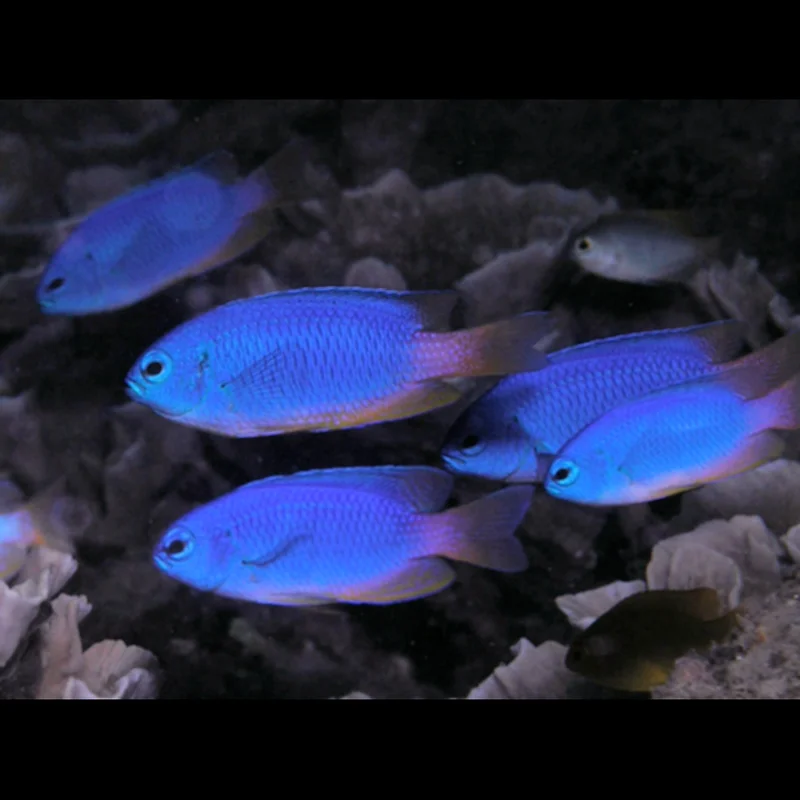
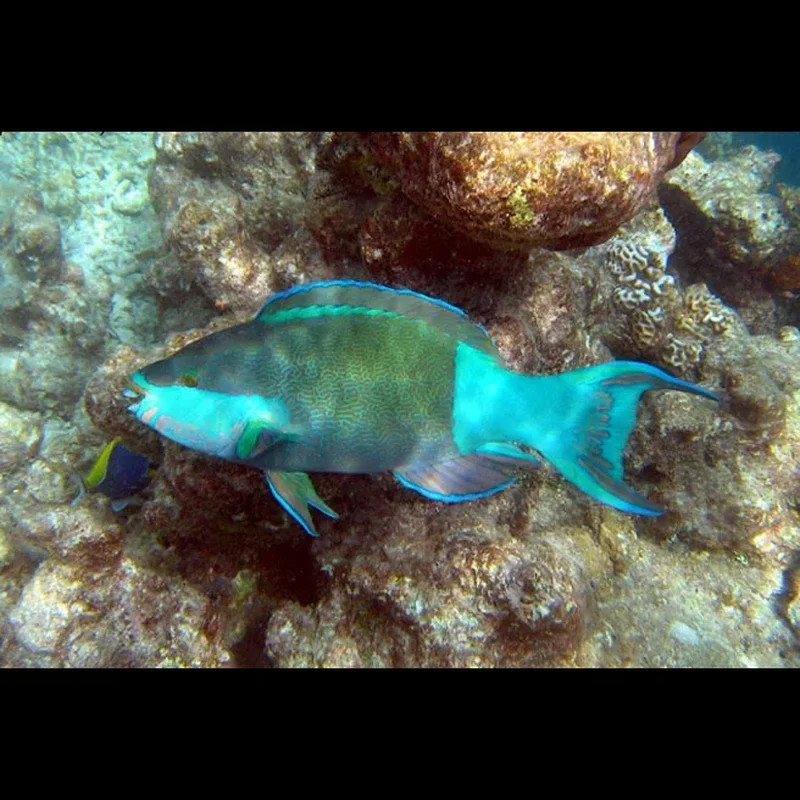
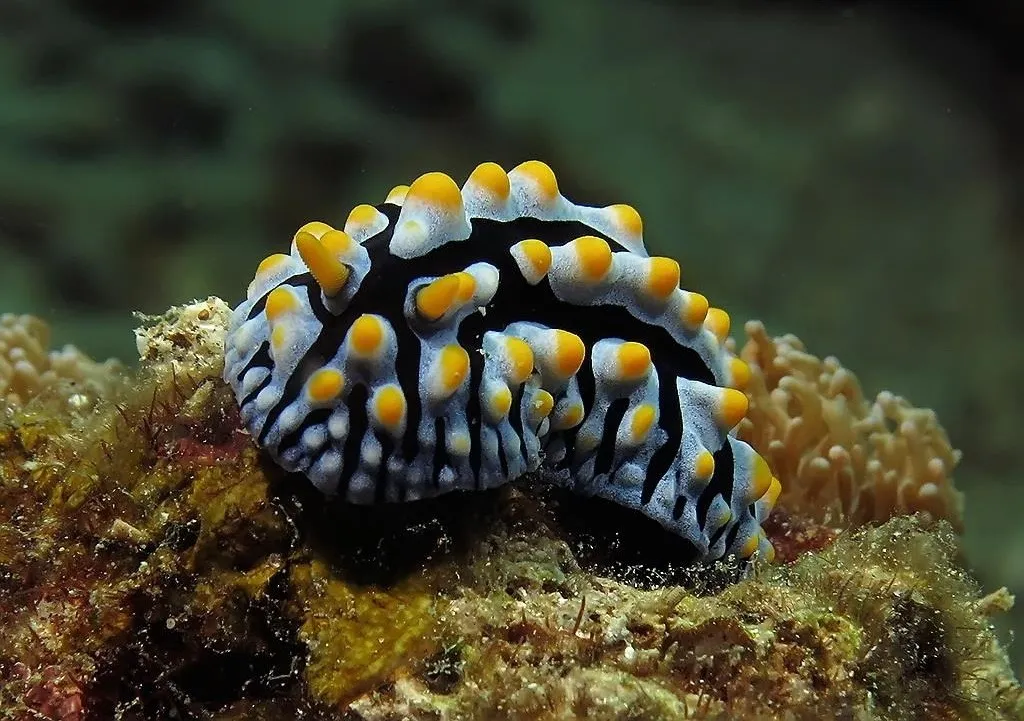
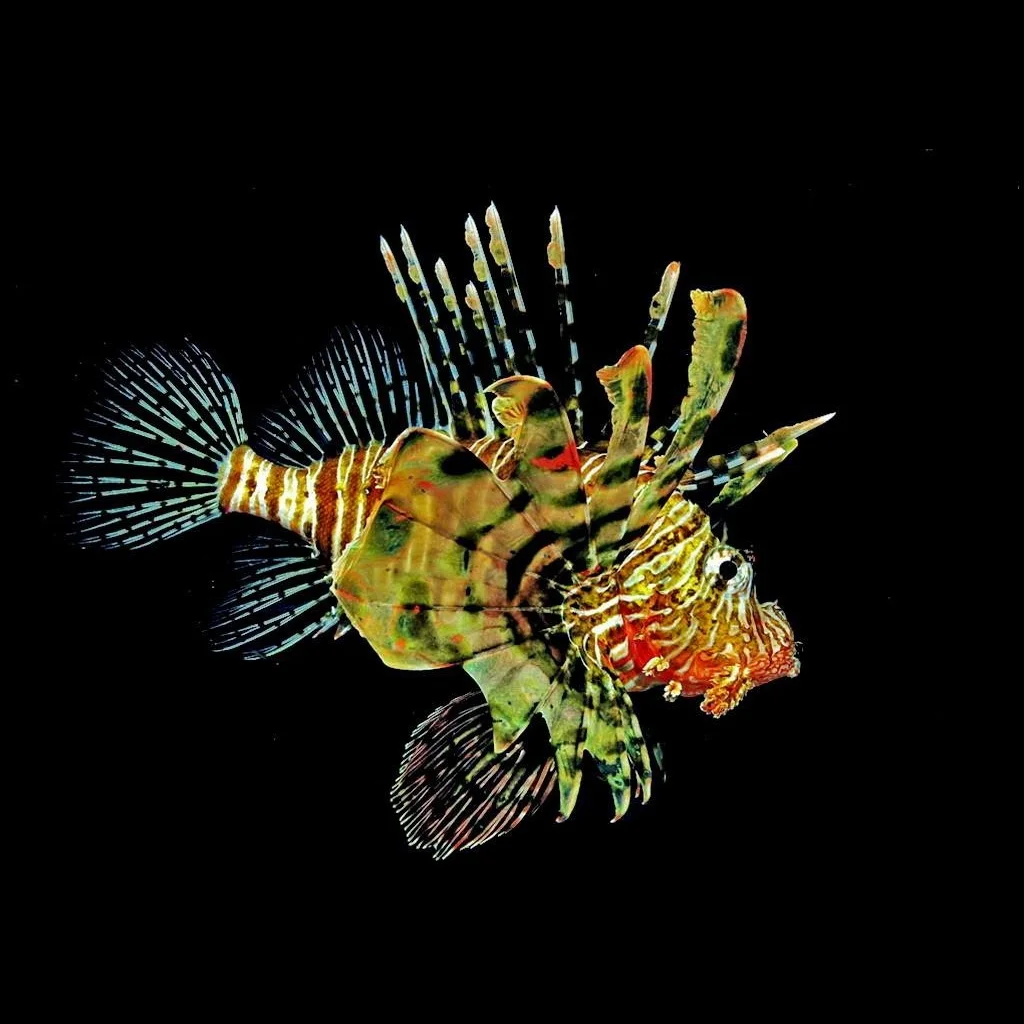
Look closely to discover damselfish, often darting among the corals, and various nudibranchs showcasing their intricate patterns. Lionfish and parrotfish are commonly observed, while keen eyes might also spot well-camouflaged stonefish blending into the wreck's surfaces.

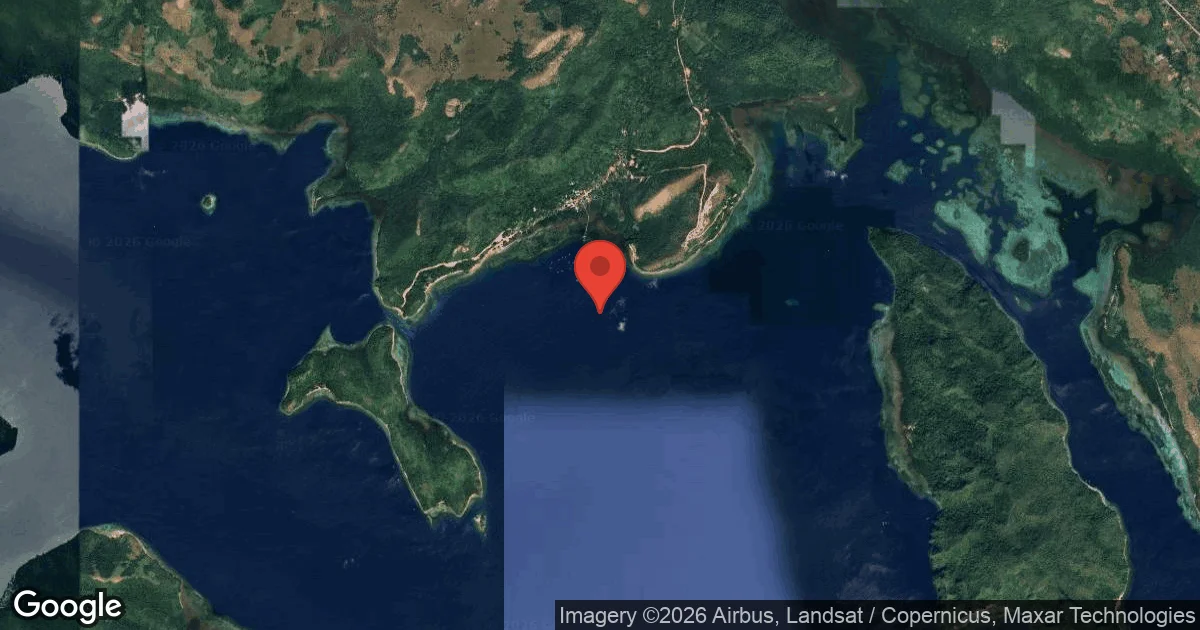
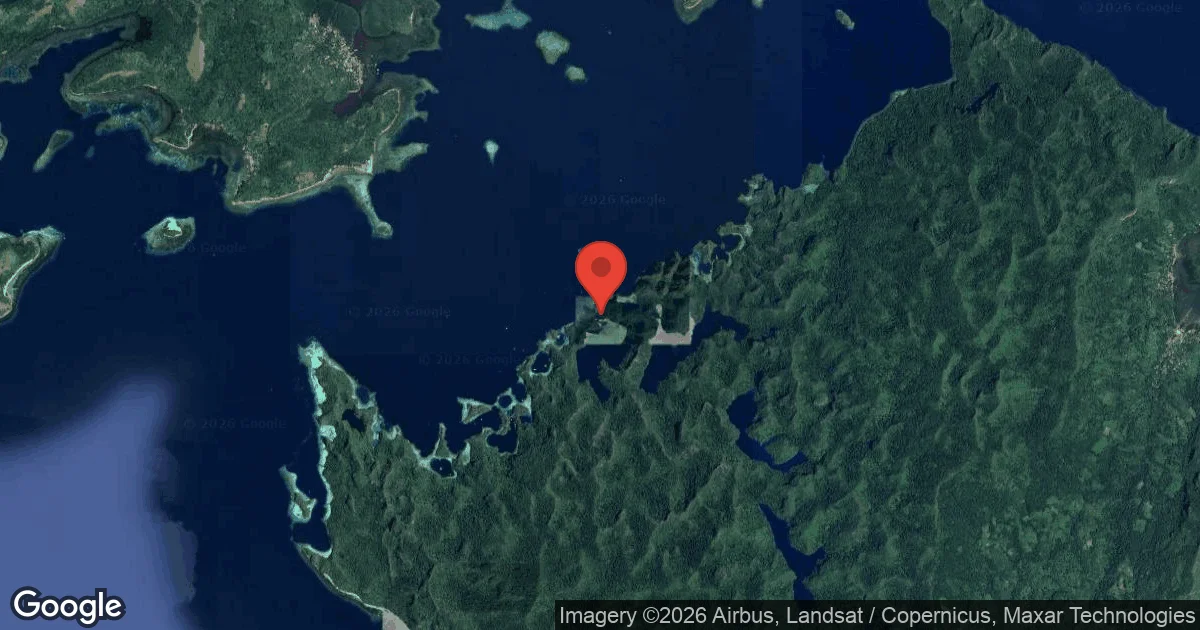
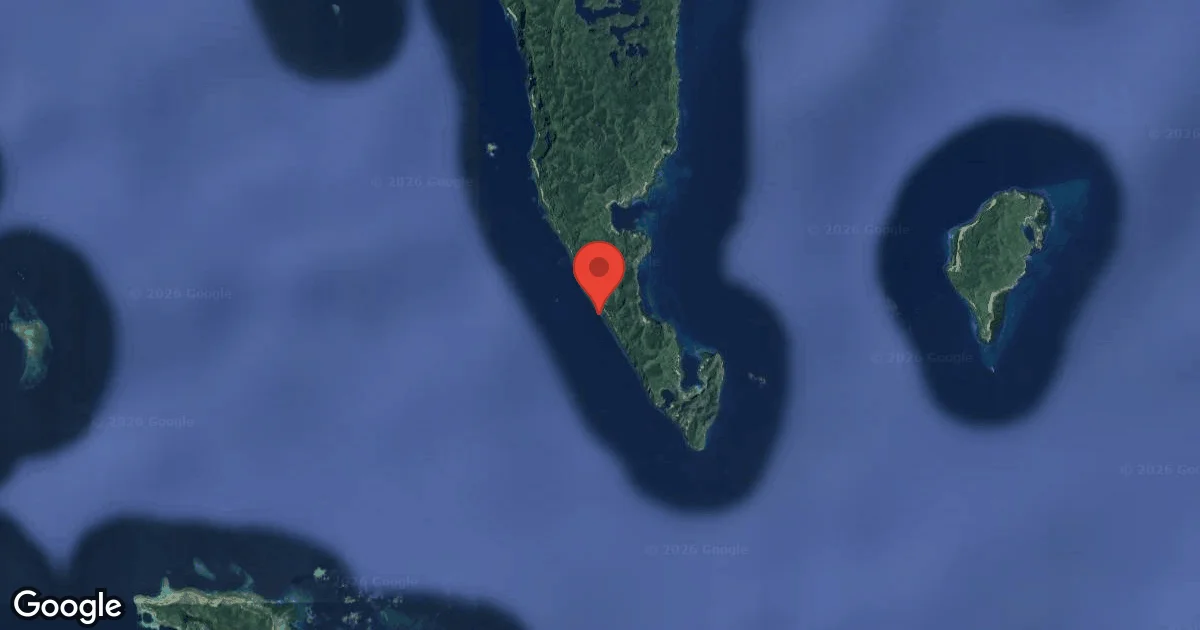
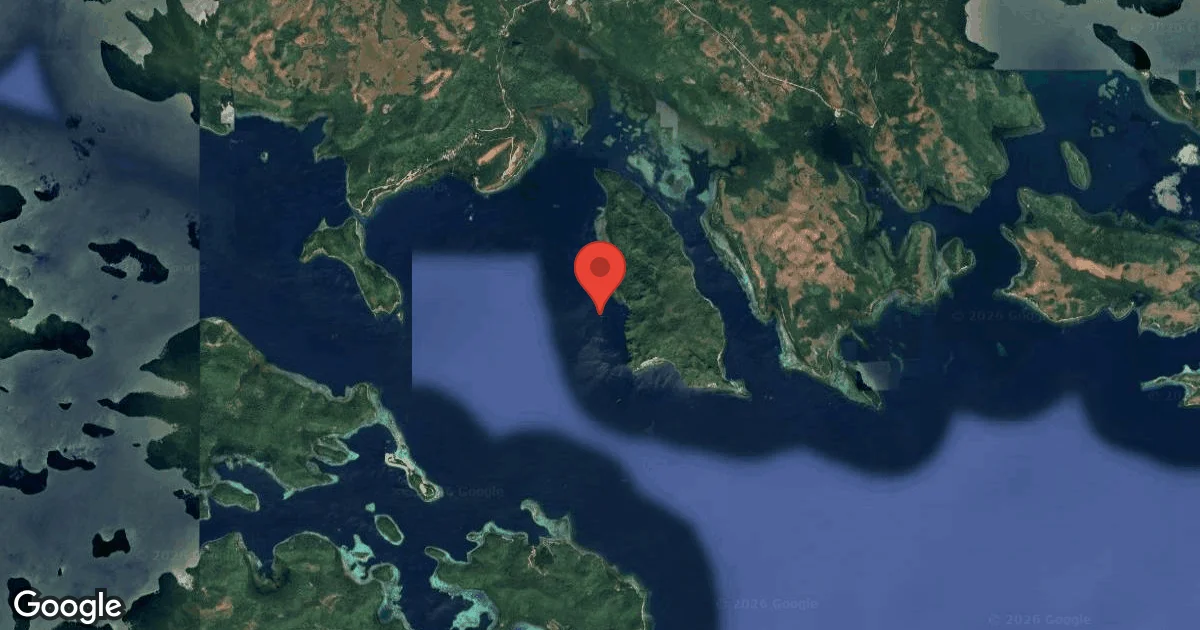
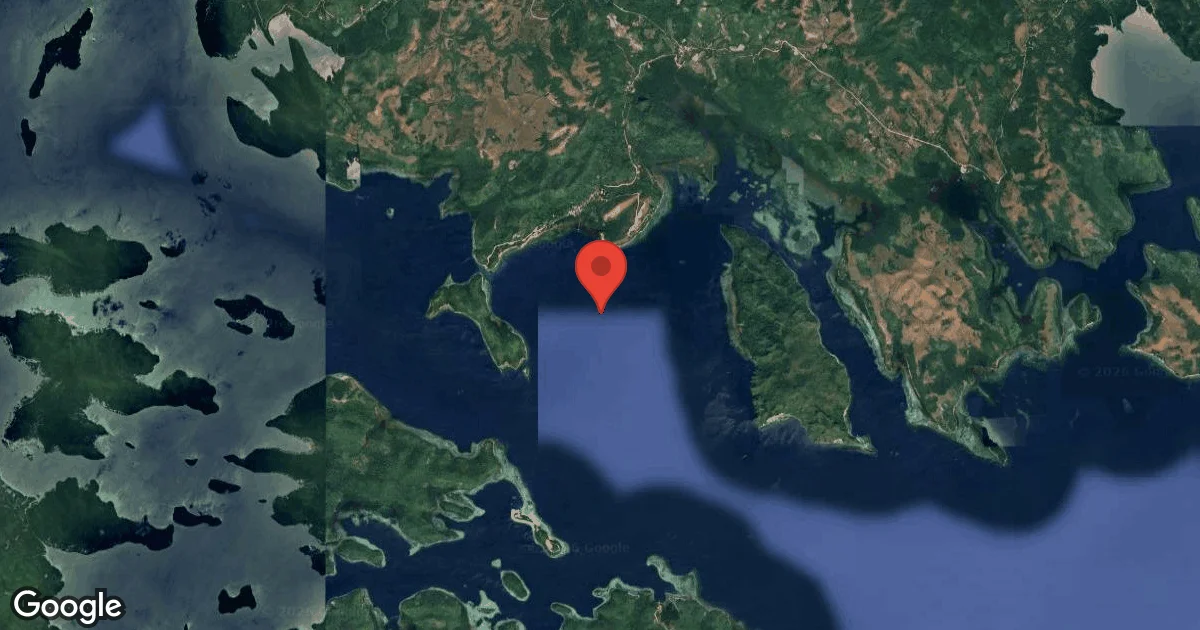
Dive Sites Near Skeleton Wreck
View all dive sites in PhilippinesDiscover more underwater gems in this area.
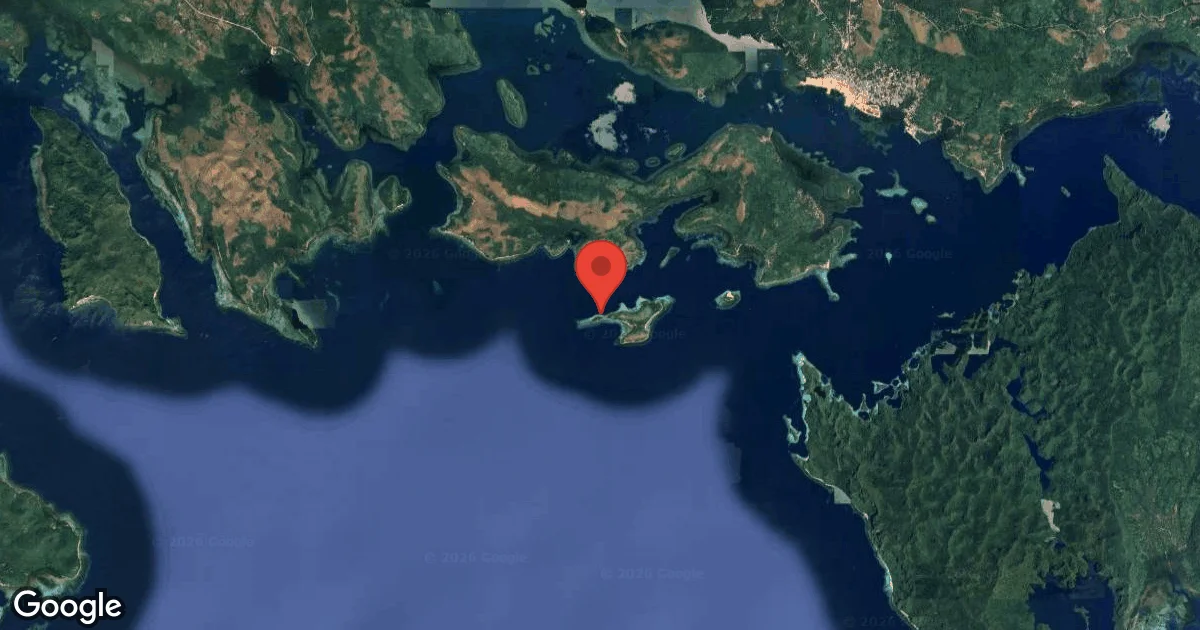
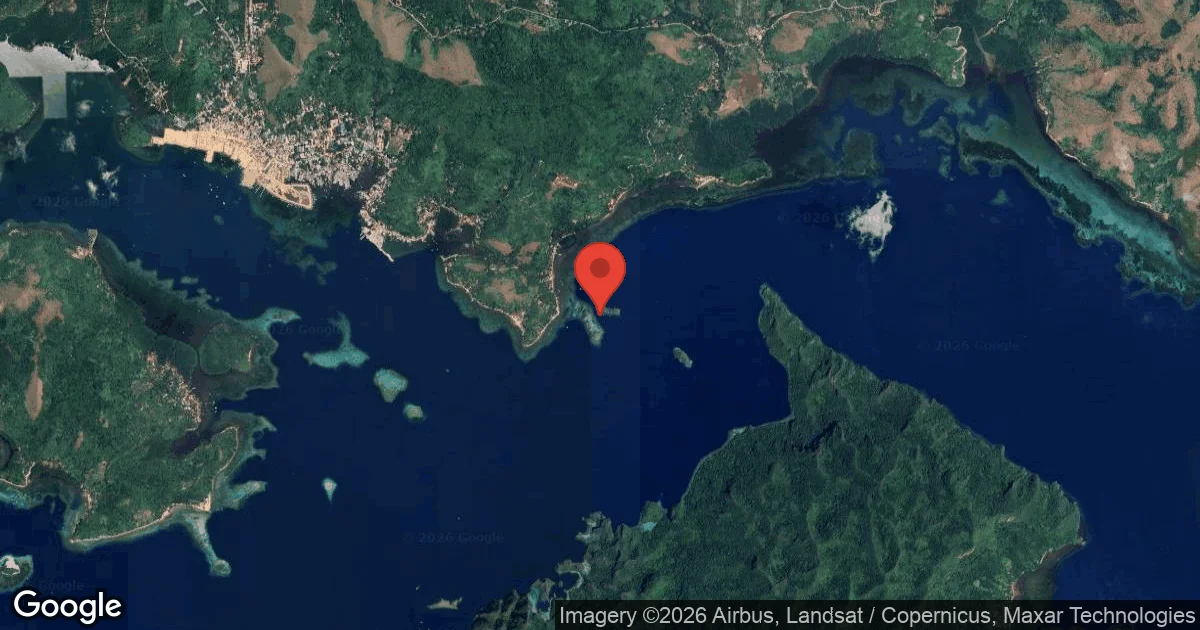
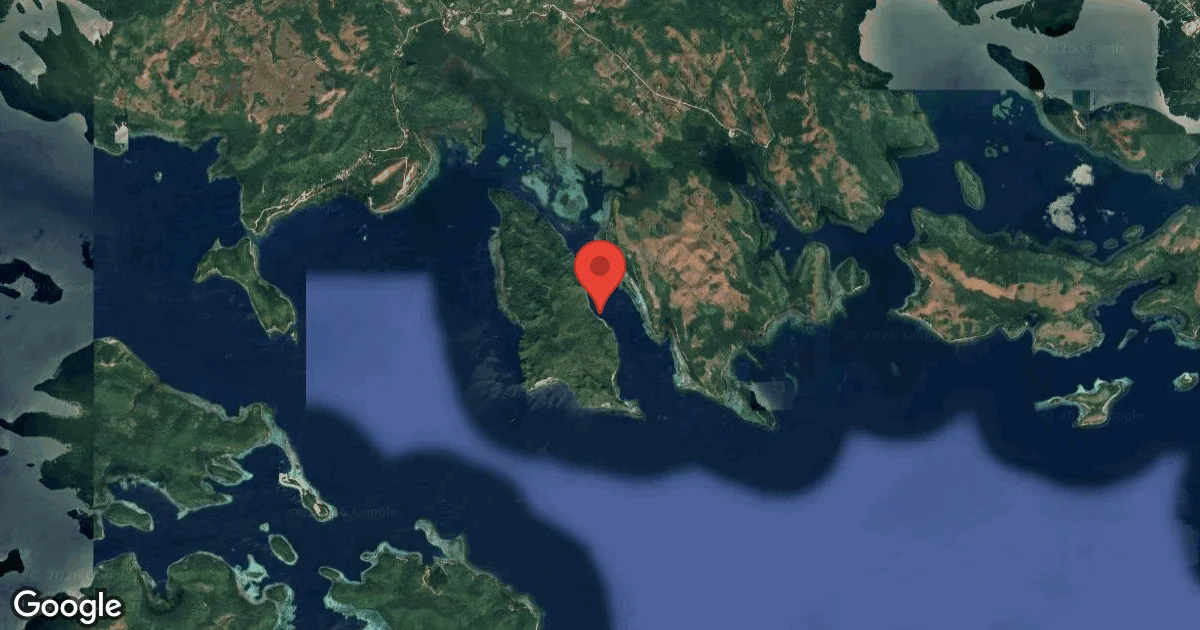
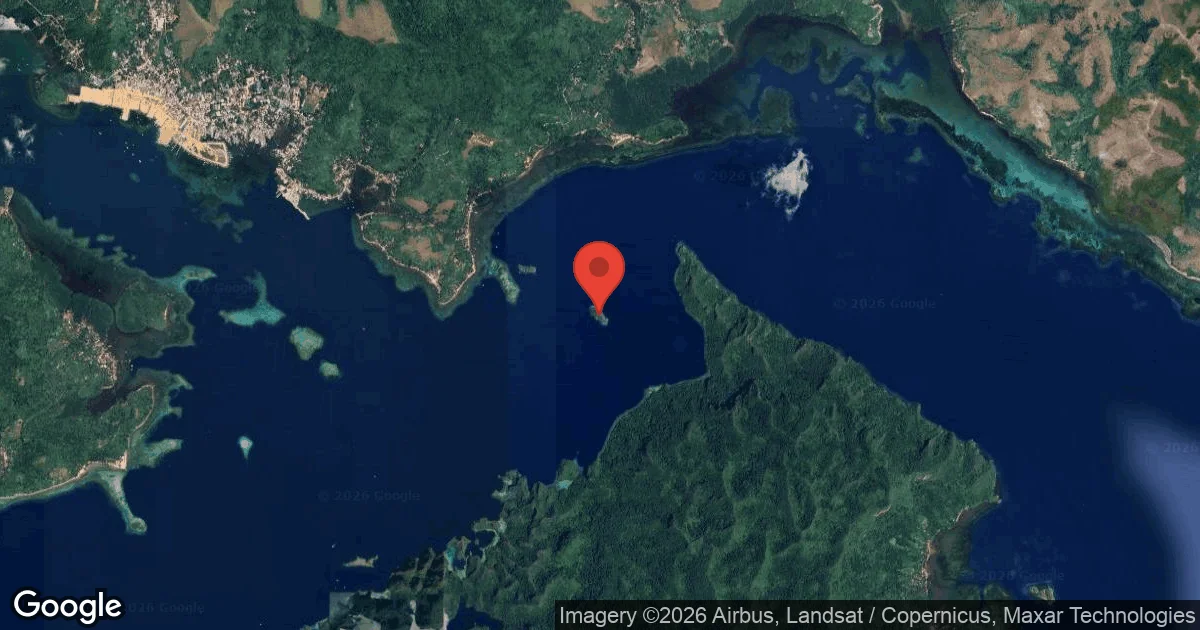
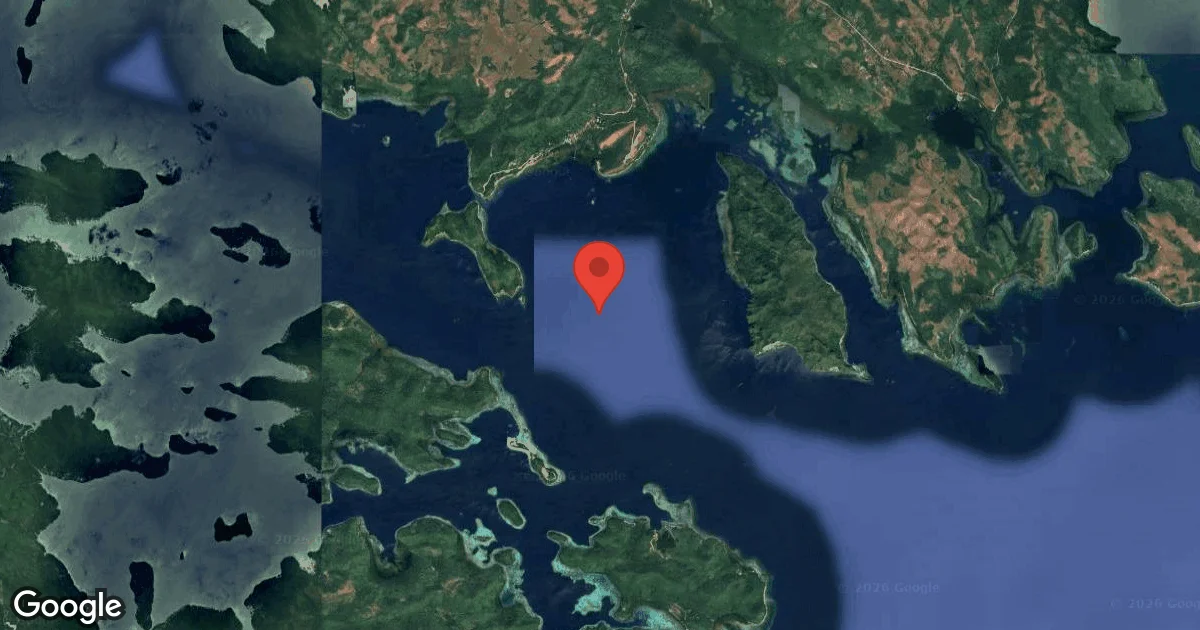
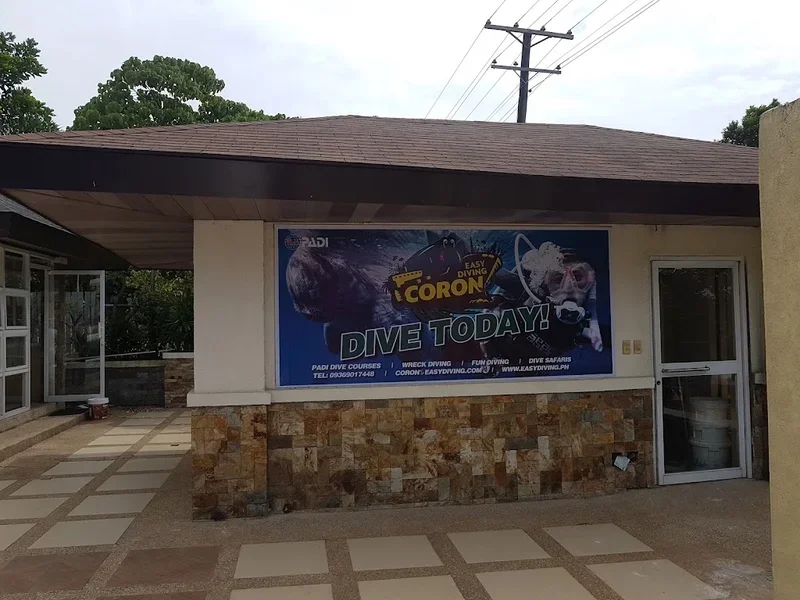
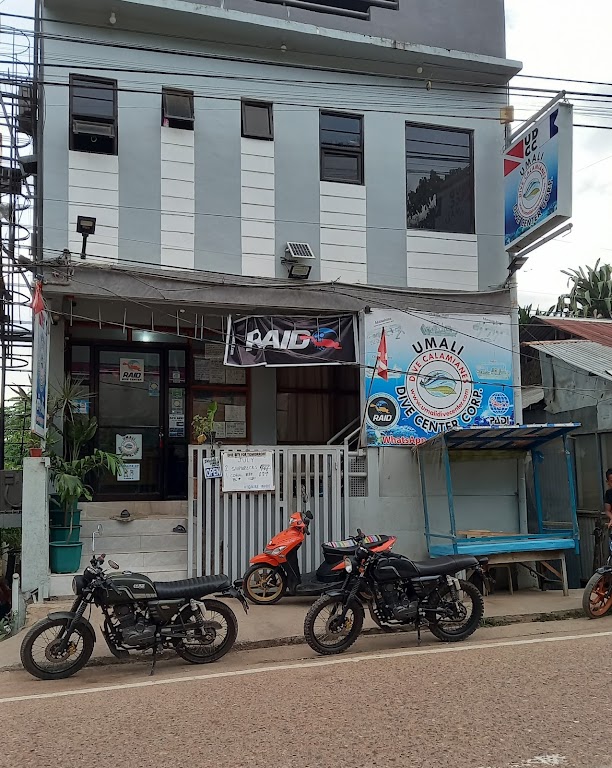
Dive Centers Near Skeleton Wreck
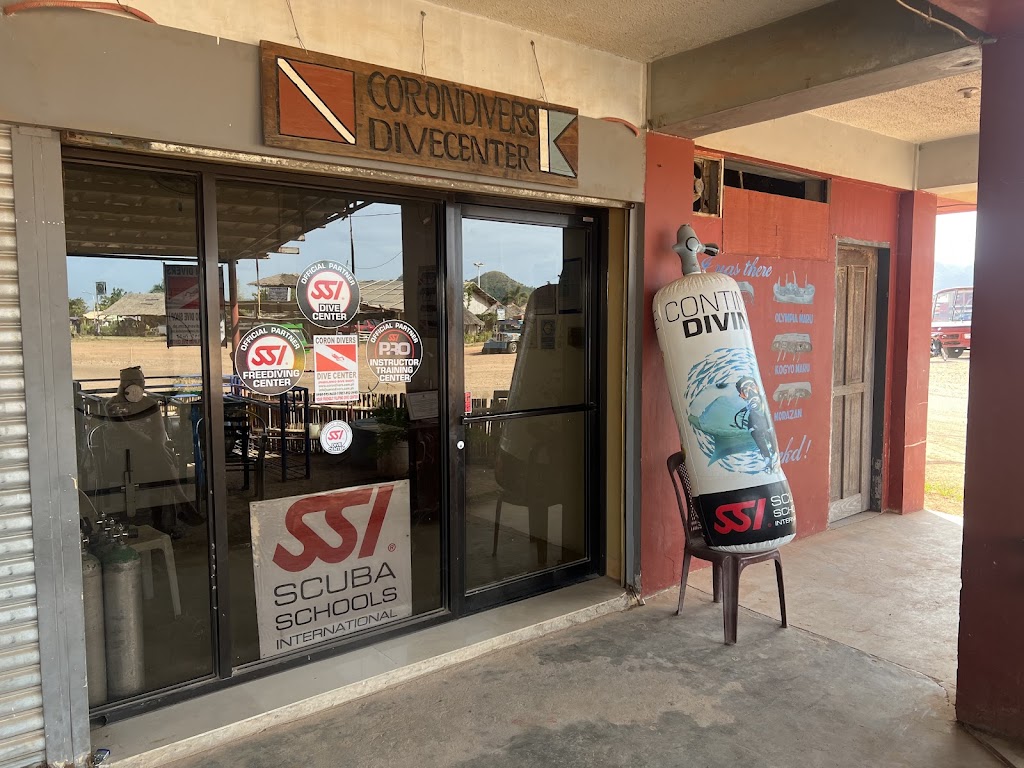
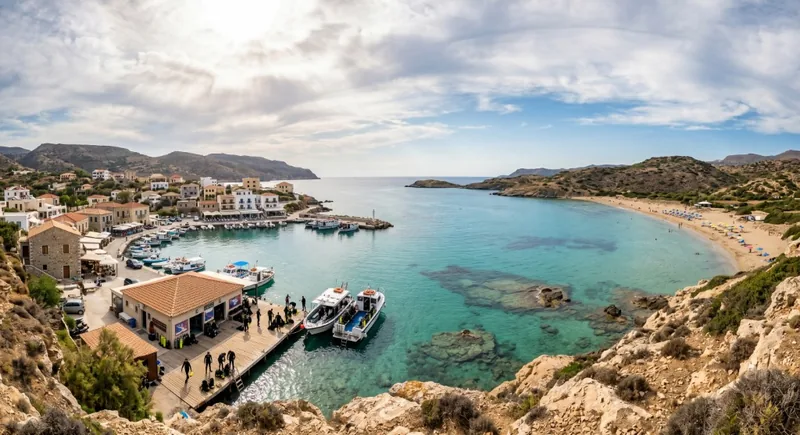
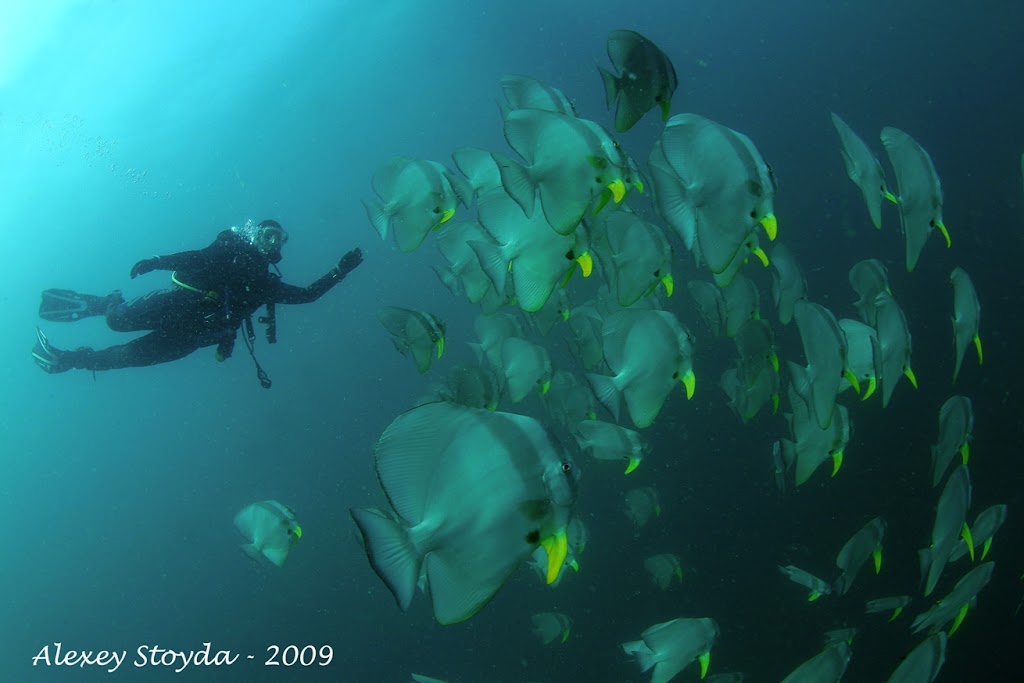
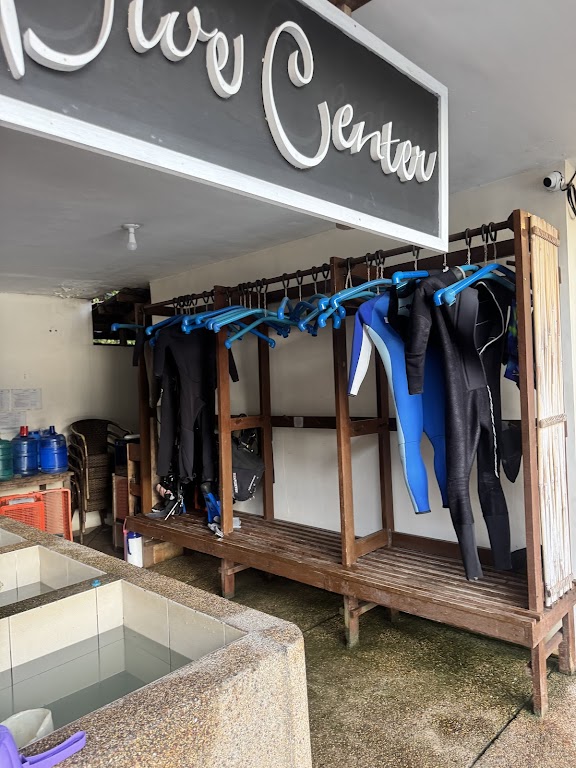
Nearest Airports
Nearest airports to help plan travel to this dive area.
Search Flights
Check available flights and routes on Expedia, using the nearby airports listed in this section.
Search Flights on ExpediaFrequently Asked Questions
What is the maximum depth of Skeleton Wreck?
The Skeleton Wreck sits on a slant, with its bow starting at approximately 4 meters / 13 feet and descending to its stern, which reaches a maximum depth of 22 meters / 72 feet.
Is Skeleton Wreck suitable for beginner divers?
Yes, Skeleton Wreck is considered suitable for beginner divers due to its shallow depth and generally calm conditions. It's a small, open wreck that doesn't require advanced skills.
What kind of marine life can be seen at Skeleton Wreck?
Divers can observe various marine species, including damselfish, lionfish, nudibranchs, parrotfish, and stonefish. The wreck is also wonderfully encrusted with corals, providing a rich habitat.
Why is it called 'Skeleton Wreck'?
The wreck is named 'Skeleton Wreck' because much of the original ship has weathered away over time, leaving behind only the recognizable ribs and stringers, resembling a skeleton.
Can snorkelers visit Skeleton Wreck?
Absolutely. Given its shallow depth, especially at the bow, Skeleton Wreck is a popular site for snorkelers who can easily view parts of the wreck from the surface.
What is the historical significance of Skeleton Wreck?
Skeleton Wreck is one of several Japanese shipwrecks in the Coron area, serving as a remnant of the Imperial Japanese Navy fleet targeted during American air raids in September 1944, a period known as Operation Hailstone.
Is Skeleton Wreck a crowded dive site?
Yes, it is often a crowded spot, especially as it's a common stop on Coron's island-hopping tours. Divers should be prepared to share the site with many other visitors, including snorkelers.
Planning to dive Skeleton Wreck?
Send one inquiry and receive offers directly from the best verified local dive operators.
Conditions are Good
Optimal conditions expected
Current conditions near Skeleton Wreck show 27° air, 30° sea temperature, 0.3 m waves, and 26 km/h wind. Forecast data is refreshed regularly to ensure accuracy.