
Diving at Alcatraz (Philippines)
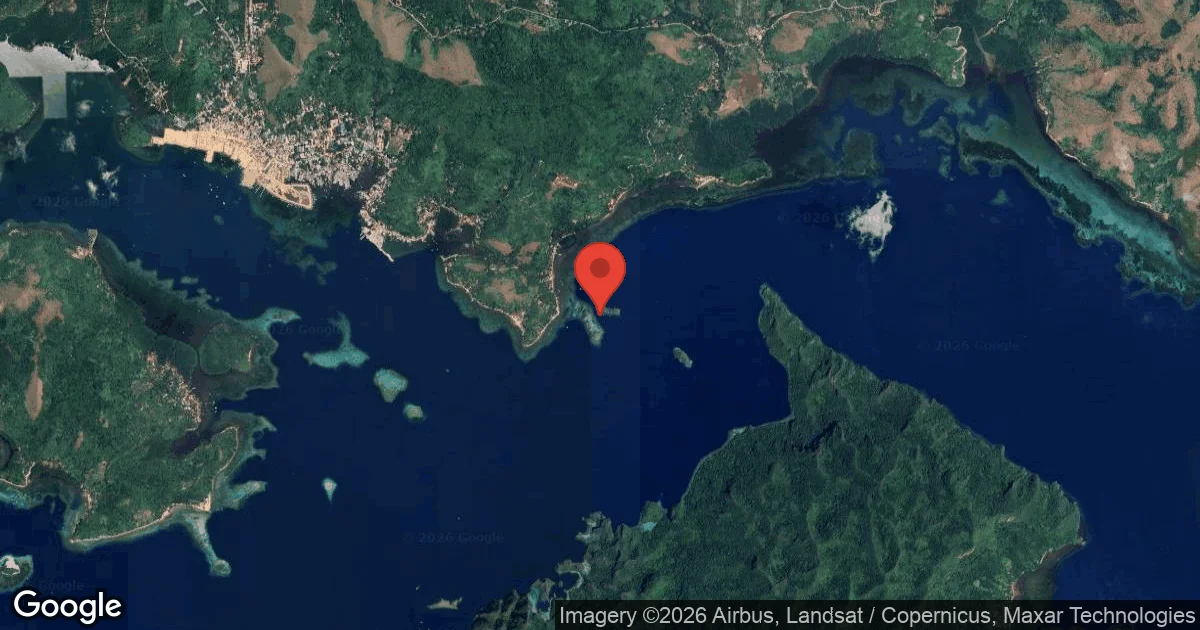
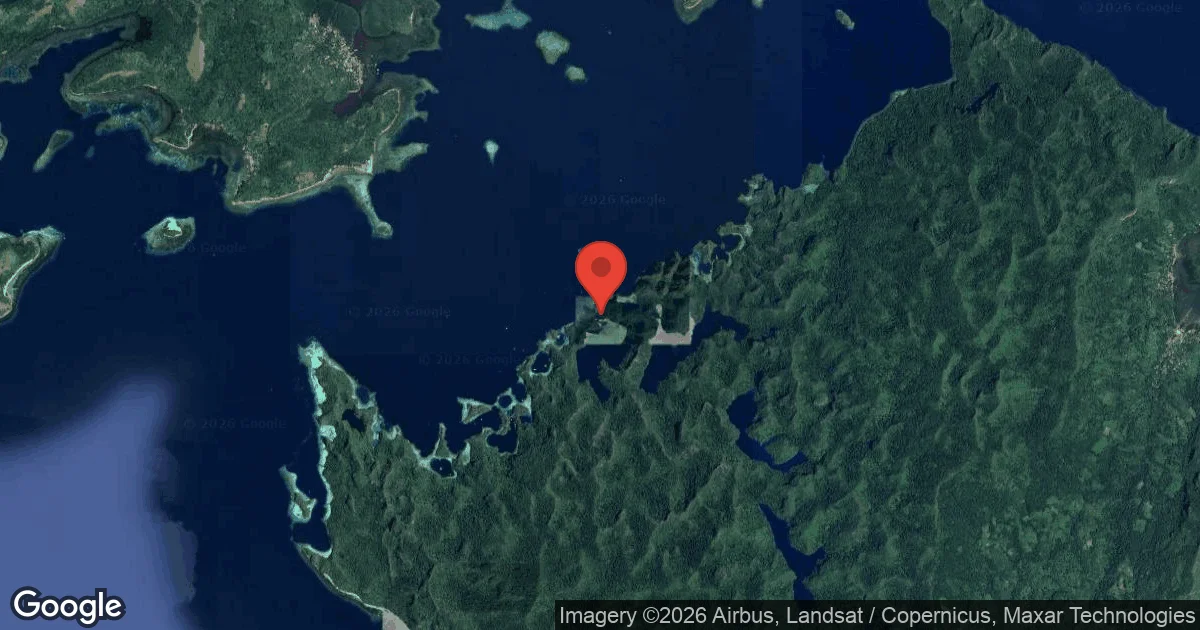
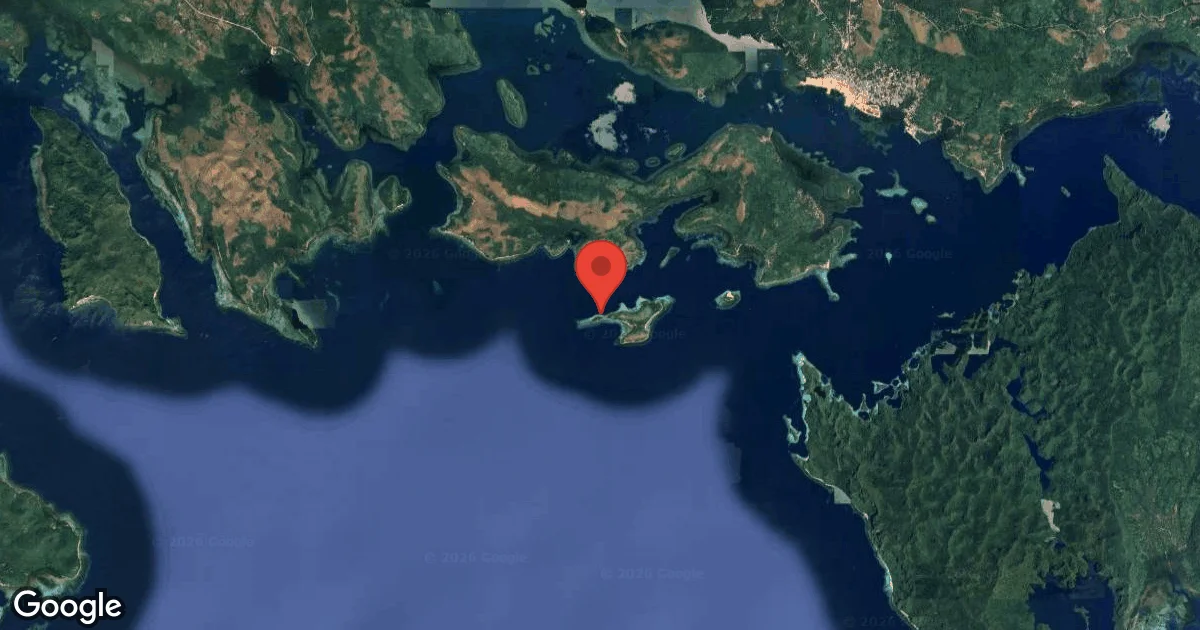
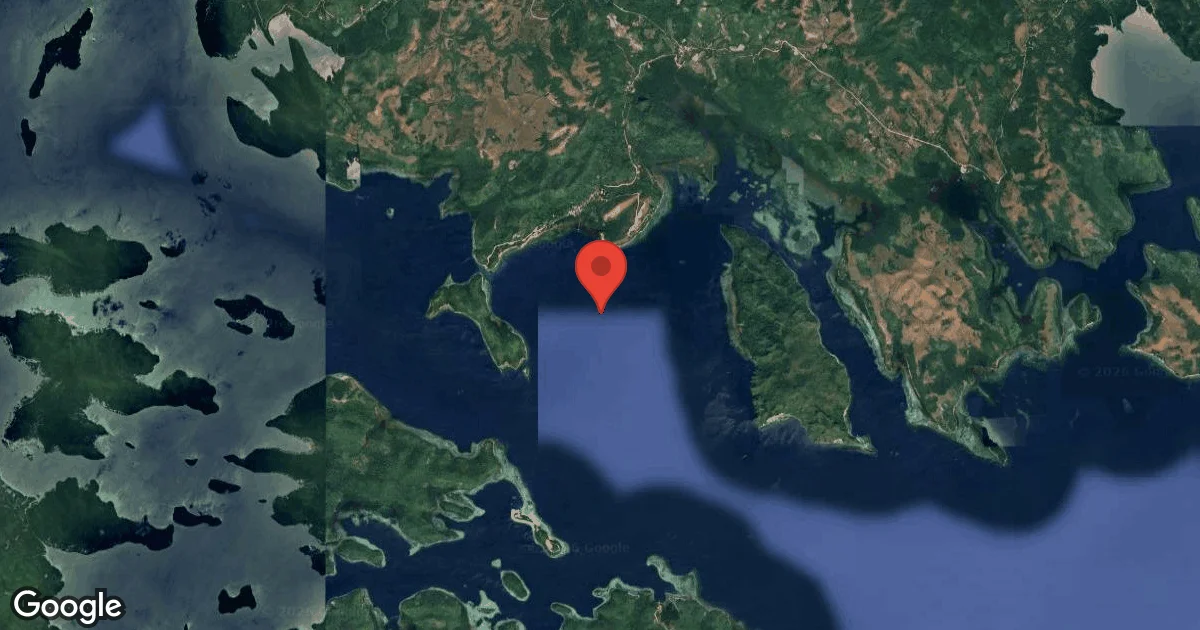
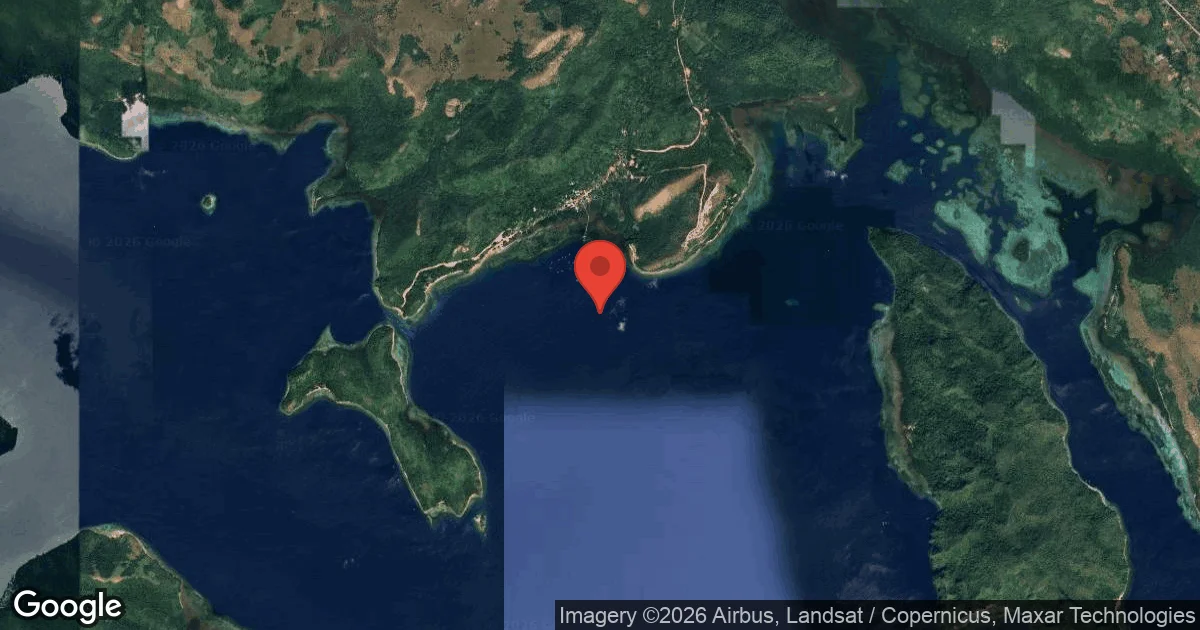
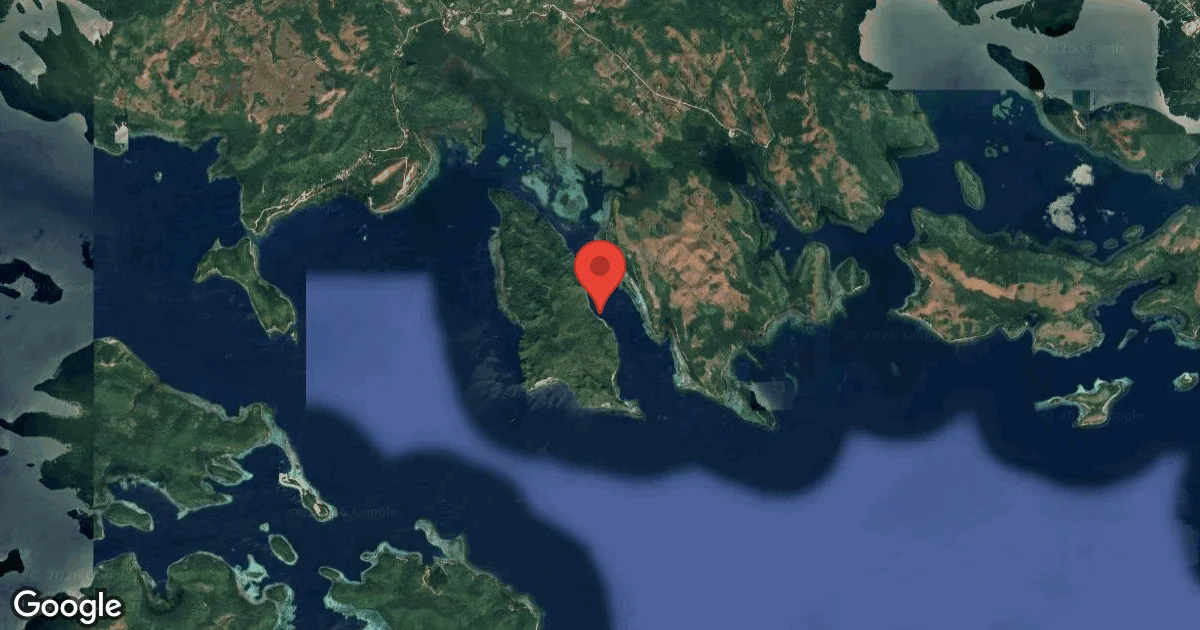
Strong tidal currents often define the experience at Alcatraz, a lone rocky island positioned in the channel between Busuanga and Coron Island. This dynamic environment can bring in nutrients and pelagics, yet also demands careful dive planning. It's a reef dive site suitable for all certification levels, with depths typically reaching 20 m / 66 ft, though some areas may extend deeper, to around thirty meters. This site attracts divers seeking a vibrant reef with schooling fish and opportunities for critter spotting.
Evening condition tracking at Alcatraz features an air temperature of 28.5°C. We have recorded wave heights measuring 0.3 m during this period. These figures outline the environmental parameters currently present.
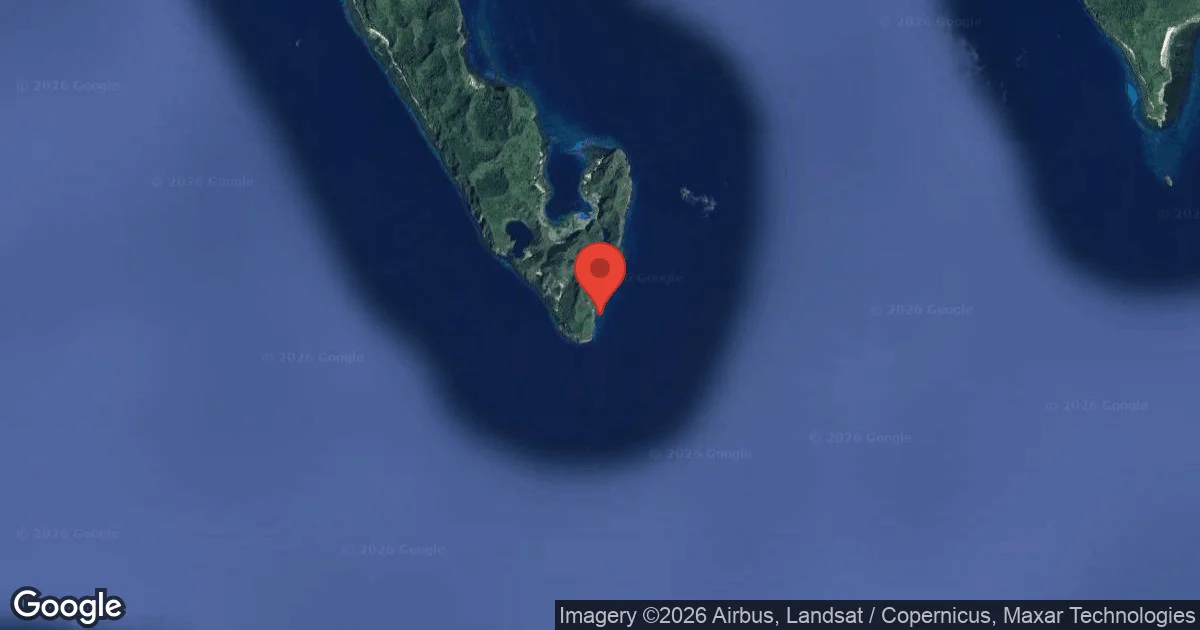
Dive Site Location & Key Facts
Dive Site Overview
Alcatraz, a distinctive reef site in the Philippines, offers divers a dynamic underwater landscape shaped by its location within a significant channel between Busuanga and Coron Island. This unique positioning often results in noticeable tidal currents, which can contribute to its rich biodiversity and the sight of schooling fish.
The site is characterized by diverse coral structures, ranging from vibrant hard corals to soft coral gardens, that support a wide array of marine life. While primarily a reef dive, its channel influence means variable visibility and current conditions, ranging from mild to strong, should be anticipated.
This natural variability ensures each dive can present different encounters, from observing large schools of fish moving through the channel to meticulously hunting for smaller, more sedentary creatures tucked away in the reef. It provides engaging diving for everyone, from beginner Open Water divers exploring the shallower portions to more experienced divers venturing deeper, focusing on the natural reef habitat.
Conditions are Good
Optimal conditions expected
Current conditions near Alcatraz show 29° air, 30° sea temperature, 0.3 m waves, and 23 km/h wind. Forecast data is refreshed regularly to ensure accuracy.
Best Time to Dive
Considering conditions, the best time to dive Alcatraz generally aligns with the drier and calmer months. Air temperatures are consistently warm, averaging between 27°C and 29.5°C / 81-85°F throughout the year. The period from April to May, and again in August and October, typically presents excellent dive scores, characterized by lower wave heights, averaging 0.4 m-0.5 m, and reduced rainfall. Rain is minimal, especially from March through May, making surface conditions more comfortable. During these periods, average wind speeds are also lower, contributing to more predictable diving conditions. While specific water temperature data isn't consistently reported for Alcatraz, surrounding Philippine waters generally range from 26-29°C / 79-84°F.
PEAK SEASON SCORE
Scores combine air & water temps, waves, wind & rainfall for overall conditions.
BEST MONTHS TO DIVE
Monthly records compiled from satellite and marine observation nodes over the last 3 years. Data provided by Open-Meteo and MET Norway.
Dive Experience & Conditions
Divers exploring Alcatraz will find a robust reef system with a typical maximum depth of around twenty meters, making it readily accessible for open water certified divers. For those with advanced certifications, some sections of the reef can drop deeper, to around 30 m / 98 ft, offering more expansive exploration opportunities. Due to its channel location, tidal currents are a significant factor; they can vary from gentle drifts, ideal for relaxed observation, to robust flows that require more advanced finning techniques. Visibility is also notably variable, often influenced by these currents and the associated nutrient upwellings, meaning it can be excellent one day and more moderate the next. Divers should approach this site prepared for changing conditions, as these dynamic elements often contribute to the site's rich and active marine biodiversity.
Dive Difficulty & Safety Guidelines
When planning a dive at Alcatraz, it's crucial to understand the site's susceptibility to strong tidal currents. Always consult local dive operators for the most current conditions and plan your dive to account for these potential flows. Using a surface marker buoy (SMB) is an essential safety practice, particularly in areas with variable visibility or currents, to ensure surface support vessels can easily track your position.
Divers should stay attentive to their depth and no-decompression limits, especially if exploring deeper sections. Given the 'All Levels' designation, less experienced divers should consider diving with a guide familiar with the site's nuances.
Recommended Equipment
- Dive Computer
- DSMB
This gear list is based on verified equipment signals for Alcatraz, Philippines. Always confirm final gear choices with your dive operator, guide, or liveaboard.
Recommended Dive Suit
Dive skin or rash guard is often considered an appropriate level of exposure protection for conditions like these. A hood or vest is suggested for sensitive divers due to surface winds.
Divers planning a dive at Alcatraz today will likely encounter water temperatures close to 30°C (85°F). Surface air temperatures are resting at 29°C (83°F).
The upcoming forecast points to generally steady conditions in the area.
Emergency & Medical Support
Essential information to help you plan your dive trip to Alcatraz.

Hyperbaric chambers are a critical part of dive safety infrastructure. Availability varies significantly by region, and not all dive areas have immediate access.
Before diving, it's recommended to:
- confirm nearest medical facilities
- check emergency procedures with local dive operators
- ensure dive insurance covers evacuation if required
Divers Alert Network
Diving emergency assistance available through DAN World.
+1-919-684-9111- 24/7 emergency hotline
- Diving medical assistance
- Evacuation coordination
Emergency contacts are provided for reference. Always verify local emergency services before diving.
Marine Life at Alcatraz
The vibrant reef at Alcatraz is home to an interesting mix of marine species, sustained by its dynamic channel environment. Large schools of fish are a frequent sight, often seen moving through the channel currents, which can also draw in larger pelagic visitors.
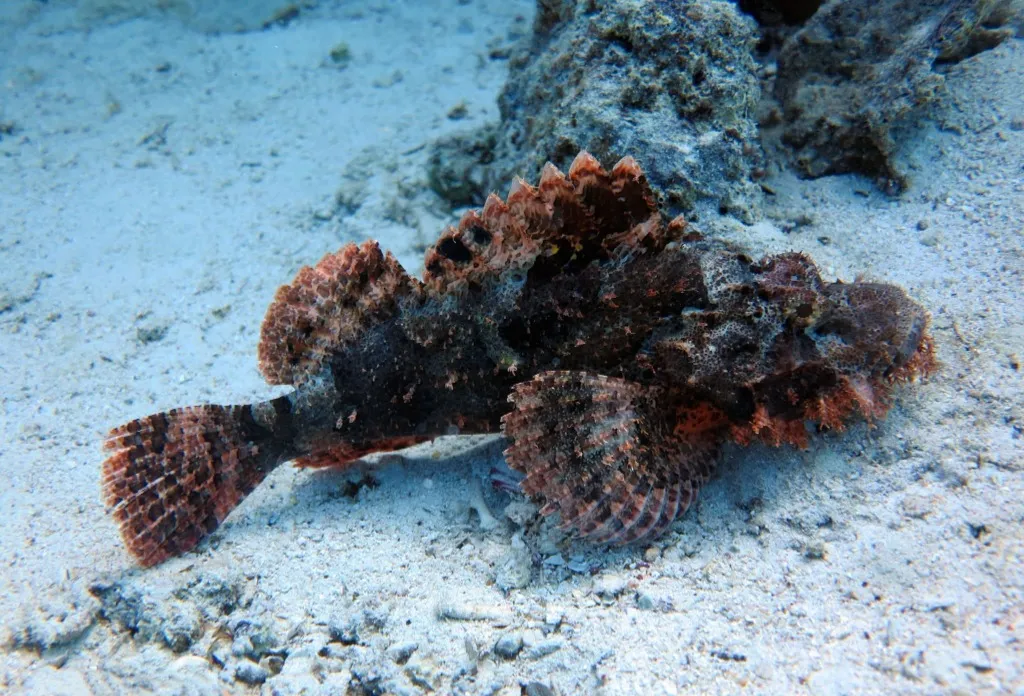
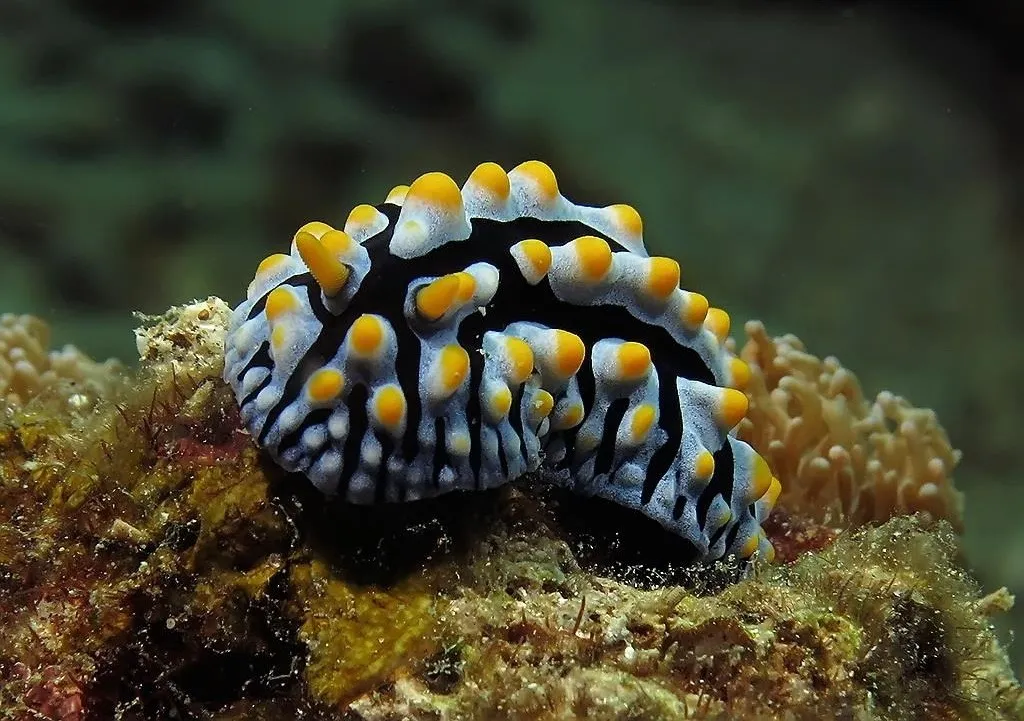
Divers may also encounter smaller critters, such as various species of nudibranchs, carefully tucked within the diverse coral formations. Specific documented sightings include scorpionfish, soldierfish, colorful triggerfish, goatfish, and occasional tuna.
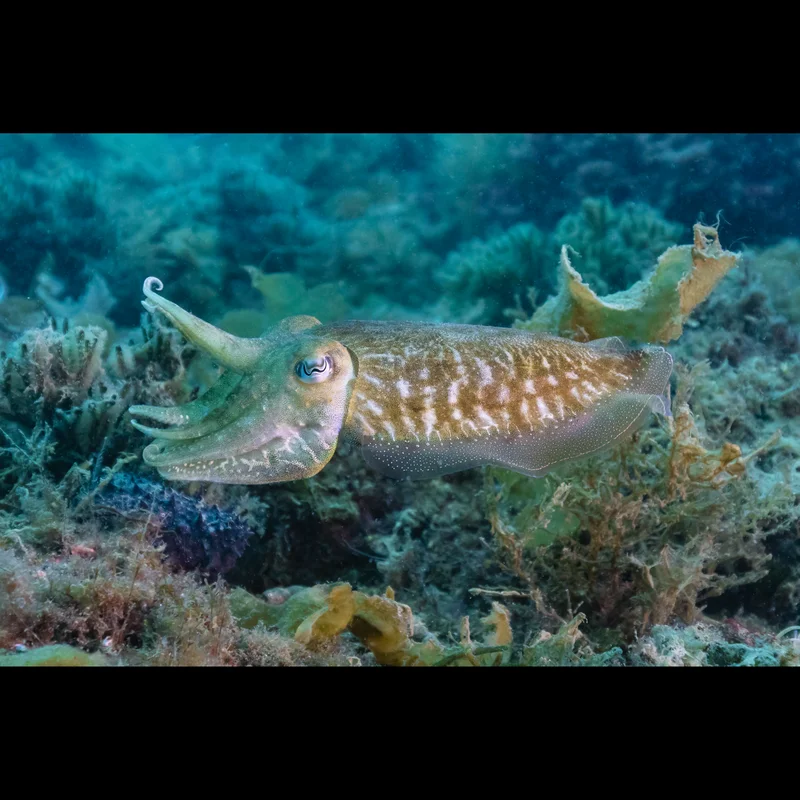
Pufferfish, trumpetfish, cuttlefish, shrimp, and spiny lobsters also inhabit the reef, adding to the site's overall biodiversity and offering excellent macro photography opportunities.

Dive Sites Near Alcatraz
View all dive sites in PhilippinesDiscover more underwater gems in this area.
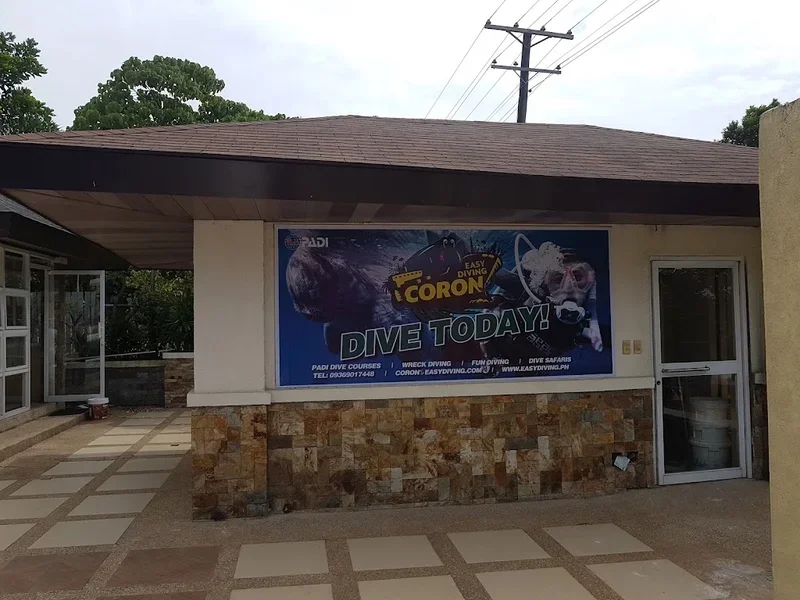
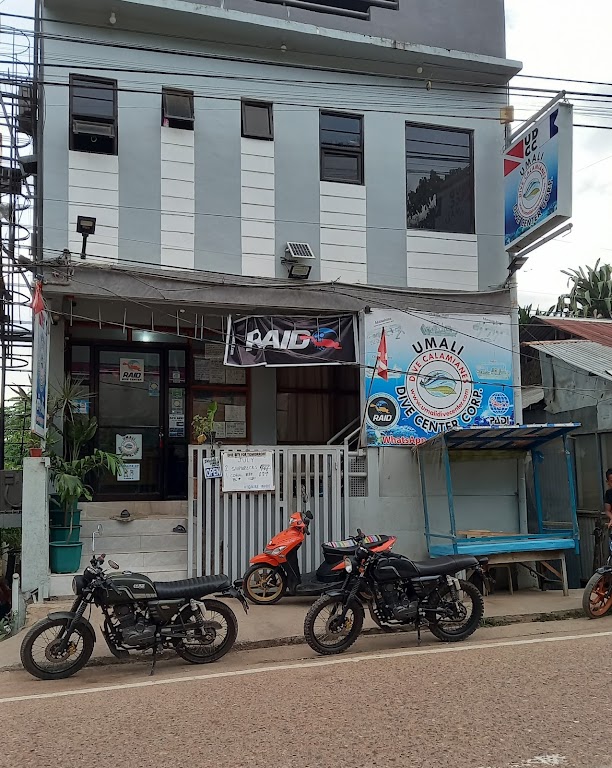
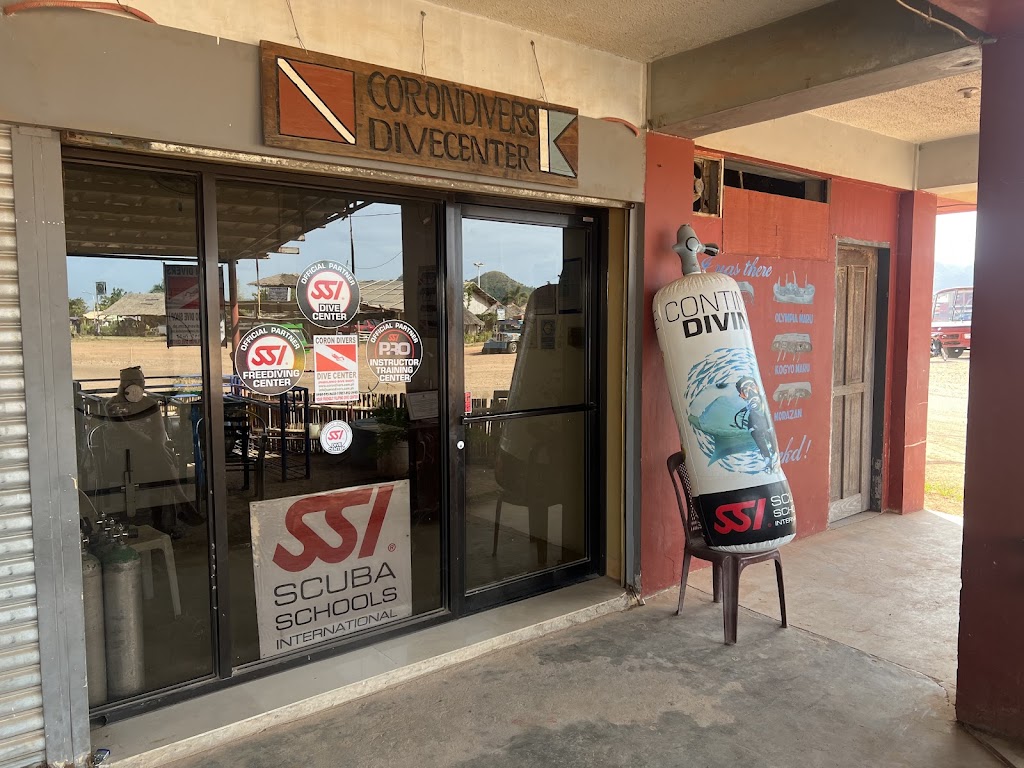
Dive Centers Near Alcatraz
Nearest Airports
Nearest airports to help plan travel to this dive area.
Search Flights
Check available flights and routes on Expedia, using the nearby airports listed in this section.
Search Flights on ExpediaFrequently Asked Questions
What is the typical maximum depth for diving at Alcatraz?
The typical maximum depth for recreational divers at Alcatraz is around twenty meters. More experienced divers with appropriate certification can explore deeper sections that extend to about thirty meters.
Are there strong currents at Alcatraz?
Yes, Alcatraz is situated in a channel, so tidal currents can be strong. Divers should be prepared for variable conditions and consult local dive operators for daily current assessments.
What kind of marine life can I expect to see?
You can expect to see large schools of fish, various small critters like nudibranchs, and a range of reef fish including scorpionfish, triggerfish, and pufferfish. Cuttlefish, shrimp, and spiny lobsters are also present.
Is Alcatraz suitable for beginner divers?
Yes, Alcatraz is suitable for all levels of certified divers. Beginners should dive with a knowledgeable guide to navigate the currents and ensure a safe experience.
When is the best time of year to dive Alcatraz?
The period from April to May, and then again in August and October, generally offers excellent diving conditions with lower waves and less rain. Air temperatures are warm year-round.
How is the visibility at this dive site?
Visibility at Alcatraz is variable due to its channel location and currents. It can range from good to excellent, but divers should be prepared for potential fluctuations.
Planning to dive Alcatraz?
Send one inquiry and receive offers directly from the best verified local dive operators.
Conditions are Good
Optimal conditions expected
Current conditions near Alcatraz show 29° air, 30° sea temperature, 0.3 m waves, and 23 km/h wind. Forecast data is refreshed regularly to ensure accuracy.