
Diving at Juliens Wreck (Philippines)
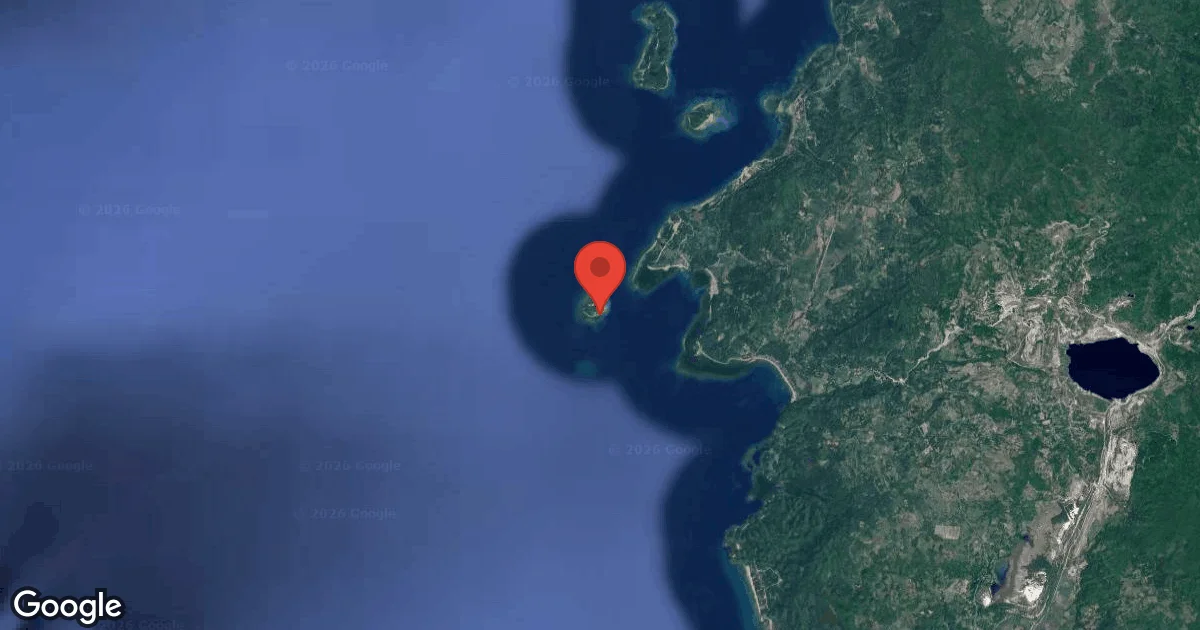
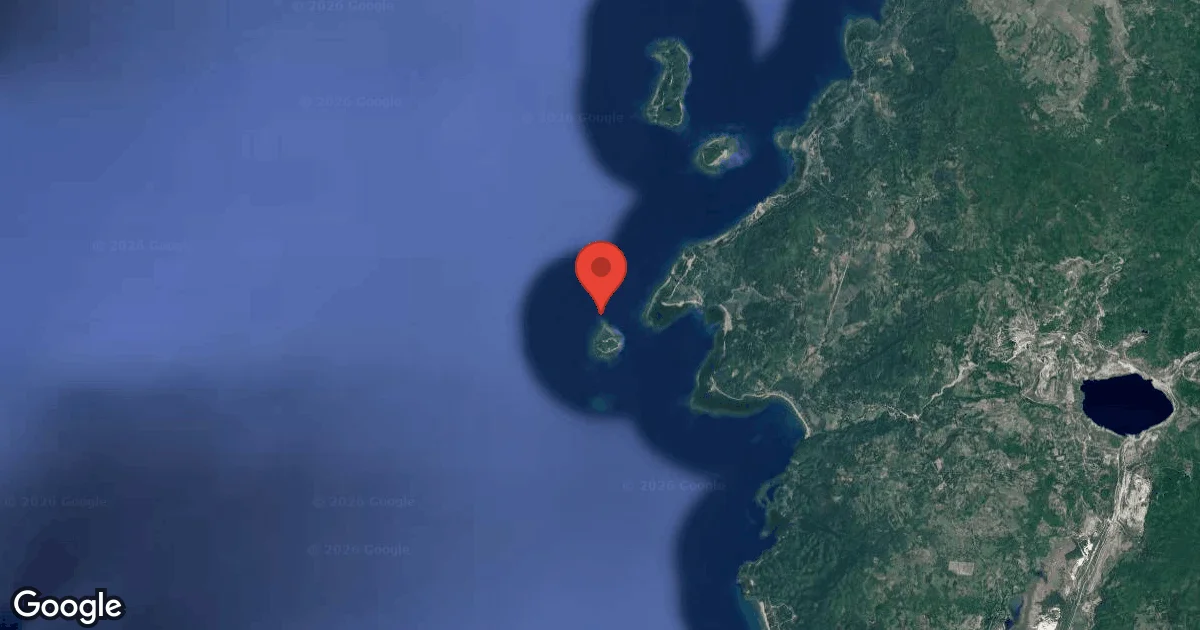
Fragmented sections of Juliens Wreck are distributed across a considerable area off Sipalay in Negros Occidental, Philippines, close to Turtle Island. This former cargo ship, having run aground, now lies in relatively shallow waters. Its broken structure forms an intricate environment for marine growth, supporting a range of dive experiences.
Tonight's objective overview for Juliens Wreck shows an air temperature of 25.5°C. The measured surface conditions include wave heights around 0.8 m. This environmental data is logged for the close of the day.
Dive Site Location & Key Facts
Dive Site Overview
Divers visiting Sipalay encounter Juliens Wreck as a compelling fusion of historical intrigue and vibrant underwater life. This former cargo ship, reportedly carrying corn cobs, succumbed to storms and shallow water impact during the 1980s, leading to its fragmented state.
Multiple parts of the vessel are now dispersed over a wide area, presenting varied topography. Primary wreckage rests in a shallow 6-7 meters (19-23 feet); surrounding seabed continues to depths of 10-15 meters (32-49 feet), offering expanded exploration for different skill levels. Many explore transformed wreckage, functioning as a thriving artificial reef.
Its easily accessible depth makes it a popular destination for divers and snorkelers observing rich marine resources from the surface. Site exploration invites appreciation for the ship's past and dynamic marine ecosystems claiming it.
Wreckage provides natural swim-throughs and sheltered areas. Intricate growth on the ship's metal hull reveals decades of ecological transformation, making each dive a discovery of both history and biology.
Conditions are Good
Optimal conditions expected
Current conditions near Juliens Wreck show 26° air, 30° sea temperature, 0.7 m waves, and 25 km/h wind. Forecast data is refreshed regularly to ensure accuracy.
Best Time to Dive
Planning a dive at Juliens Wreck is often best during months favoring calmer sea conditions and consistently good visibility. From April to May, divers typically find excellent scores, characterized by lowest average wave heights, around 0.3-0.4 meters, and mild wind speeds, generally 14-16 km/h. During these months, air temperatures are comfortably warm, ranging from 28-29°C, with minimal rainfall averaging 1.89-6.50 mm. A wider dry season, running from December through May, generally provides favorable conditions with lower chances of heavy rain and reduced swells. While diving is possible year-round, conditions between June and November may see slightly increased wave action and higher rainfall, particularly from July to October, though dive scores remain good.
PEAK SEASON SCORE
Scores combine air & water temps, waves, wind & rainfall for overall conditions.
BEST MONTHS TO DIVE
Monthly records compiled from satellite and marine observation nodes over the last 3 years. Data provided by Open-Meteo and MET Norway.
Dive Experience & Conditions
Entering waters around Juliens Wreck, divers can expect a relatively shallow descent; main wreckage lies at 6-7 meters (19-23 feet). Water type is saline, consistent with an open ocean environment. While visibility can vary, this site generally offers clear views, allowing ample light to penetrate to the wreck. Divers may encounter some current, particularly around shallower parts of the site. Scattered sections of the cargo ship are heavily encrusted with a diverse array of colorful corals. These have flourished over decades, transforming the metal into a living structure. Exploring broken parts offers varied swim-throughs and observation points, suitable for PADI Open Water, Advanced Open Water, and Wreck Diver certified individuals.
Dive Difficulty & Safety Guidelines
Approaching Juliens Wreck requires understanding its unique characteristics, particularly its fragmented nature. Cargo ship parts are broken into multiple pieces, scattered across a large area as a result of past storms. While creating interesting structures to explore, this necessitates careful navigation to avoid entanglement or unexpected obstructions.
Some current can be present, especially around the 6-meter depth where main wreck parts are found; divers should prepare for varying flow. Advisable for divers to hold appropriate certifications such as PADI Open Water Diver, with additional training like PADI Wreck Diver enhancing safety and enjoyment.
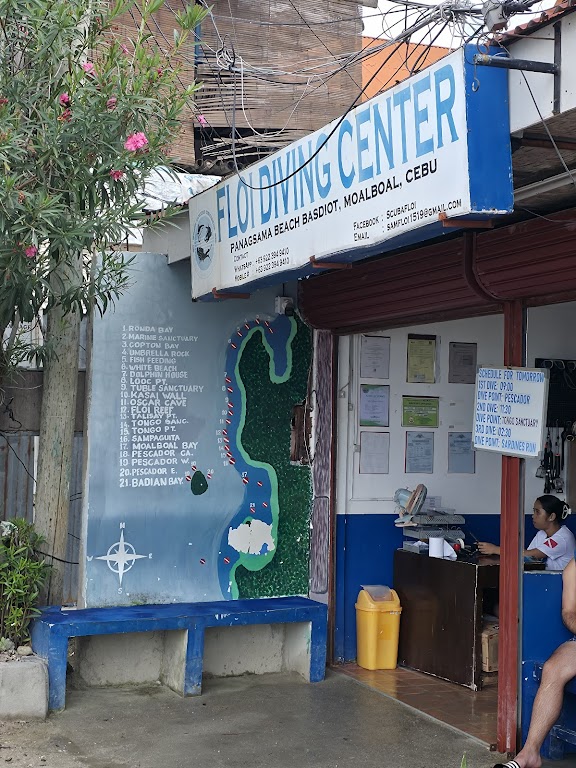
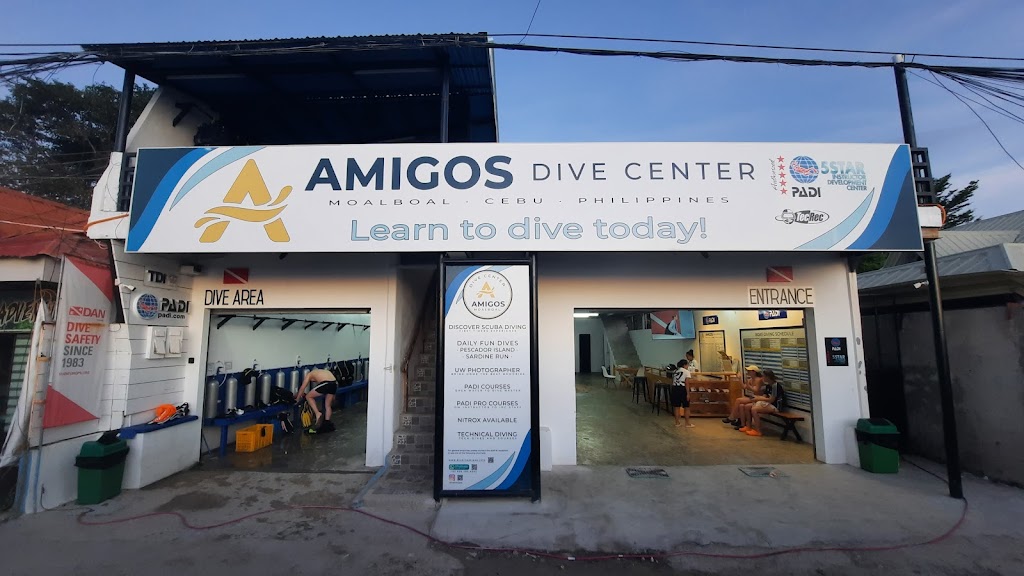
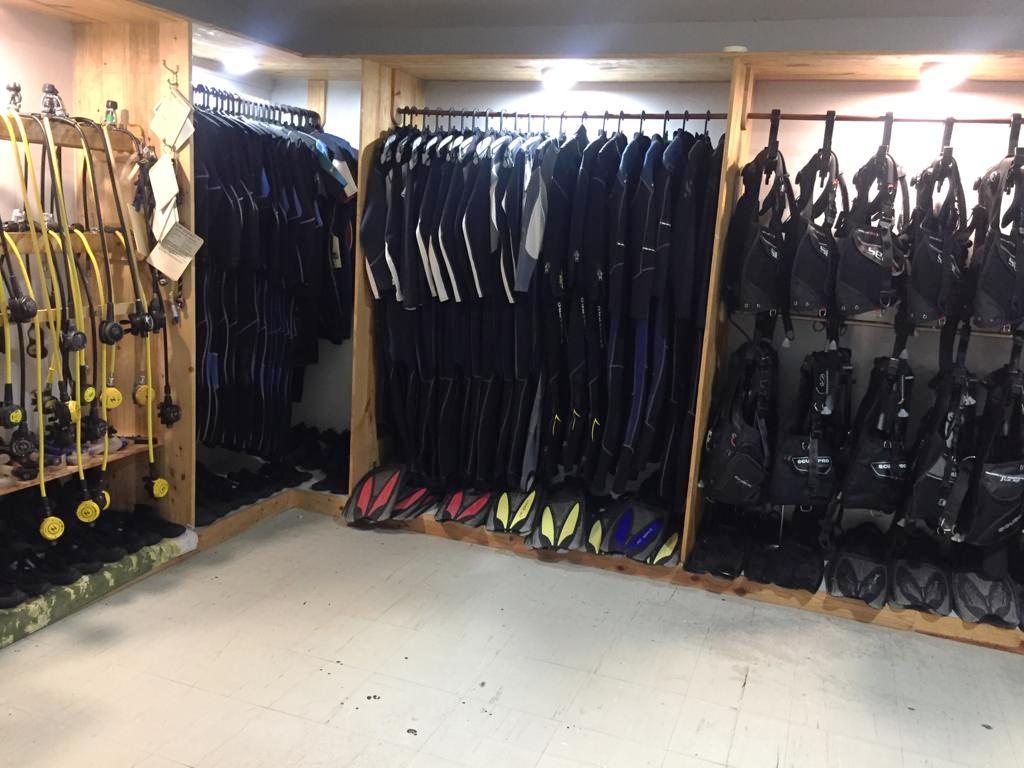
Dive centers in Sipalay, including Artistic Diving Resort and Sipalay Easy Diving and Beach Resort, provide guided trips, ensuring local expertise is available.
Recommended Equipment
Overhead / entanglement risk. Wreck penetration requires proper training.
- Dive Computer
- DSMB
- Primary & Backup Lights
- Wreck Reel
- Cutting Tool
This gear list is based on verified equipment signals for Juliens Wreck, Philippines. Always confirm final gear choices with your dive operator, guide, or liveaboard.
Recommended Dive Suit
Divers who spend more time observing marine life often prefer slightly warmer gear.
The water around Juliens Wreck is currently holding at approximately 30°C (86°F), setting the tone for today's dives. Surface air temperatures are resting at 26°C (78°F). Water temperatures in this range are often well suited to diving with dive skin or rash guard. A hood or vest is suggested for sensitive divers due to surface winds.
Forecast models indicate that diving conditions should remain largely unchanged.
Due to technical issues with our weather providers, live updates are temporarily delayed. The data above reflects the conditions at the time of the last successful fetch.
Emergency & Medical Support
Essential information to help you plan your dive trip to Juliens Wreck.

Hyperbaric chambers are a critical part of dive safety infrastructure. Availability varies significantly by region, and not all dive areas have immediate access.
Before diving, it's recommended to:
- confirm nearest medical facilities
- check emergency procedures with local dive operators
- ensure dive insurance covers evacuation if required
Divers Alert Network
Diving emergency assistance available through DAN World.
+1-919-684-9111- 24/7 emergency hotline
- Diving medical assistance
- Evacuation coordination
Emergency contacts are provided for reference. Always verify local emergency services before diving.
Marine Life at Juliens Wreck
Scattered remnants of Juliens Wreck have transformed into a thriving artificial reef, creating a vibrant habitat for local marine life. Colorful, brilliant corals extensively cover the ship's structure and surrounding ocean floor.
Extensive coral growth supports an abundance of various fish species. While specific species are not consistently reported, Juliens Wreck fosters a flourishing marine ecosystem, providing a dynamic environment where divers can observe numerous reef dwellers thriving amongst old cargo ship parts.
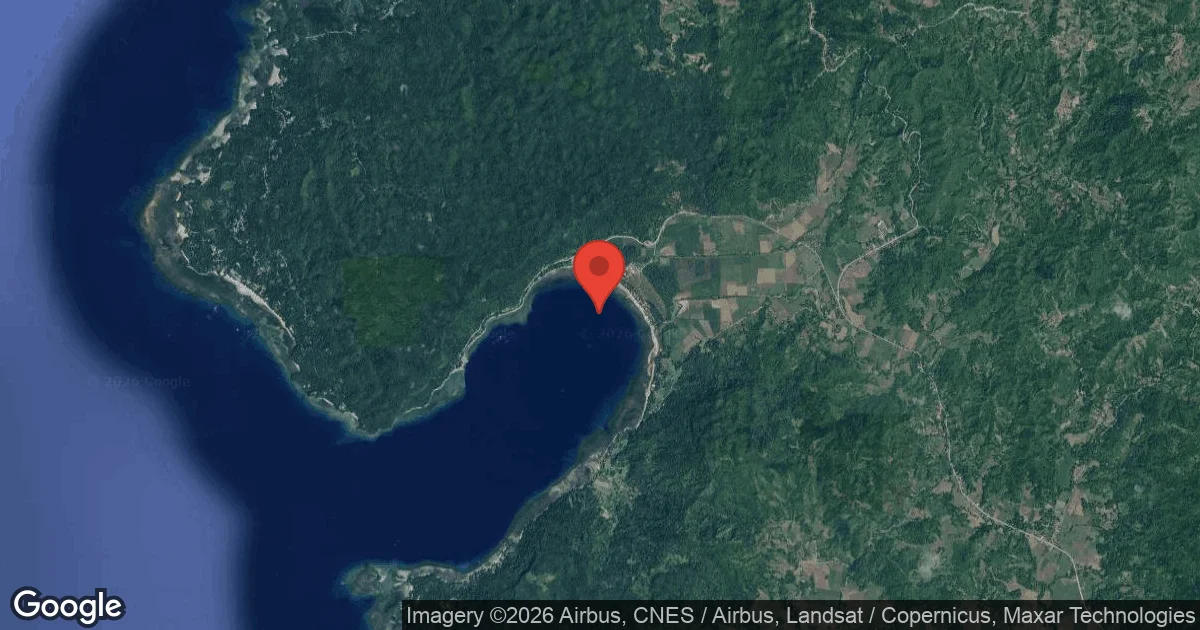
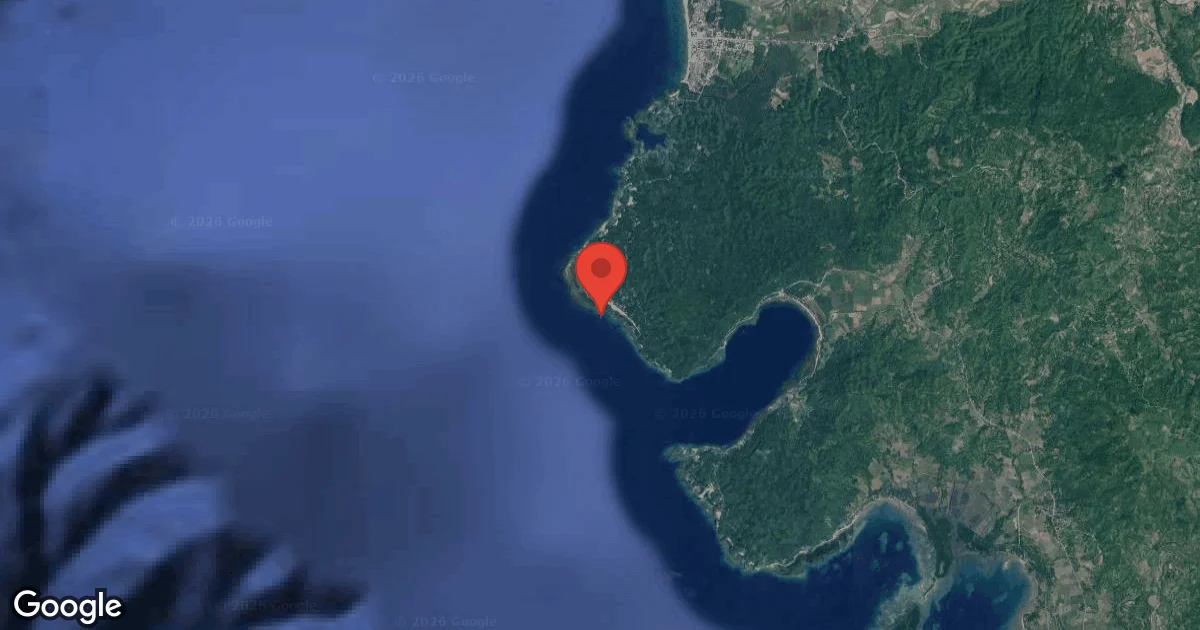
Dive Sites Near Juliens Wreck
View all dive sites in PhilippinesDiscover more underwater gems in this area.
Dive Centers Near Juliens Wreck
Today: 07:00 - 22:00
Nearest Airports
Nearest airports to help plan travel to this dive area.
Search Flights
Check available flights and routes on Expedia, using the nearby airports listed in this section.
Search Flights on ExpediaFrequently Asked Questions
What kind of wreck is Juliens Wreck?
Juliens Wreck is the site of a sunken cargo ship, reportedly carrying corn cobs, which ran aground and broke apart in the 1980s. Its remnants are now scattered across a considerable area.
How deep is Juliens Wreck?
Main parts of Juliens Wreck are found at a shallow depth of 6-7 meters (19-23 feet). Surrounding areas where debris is scattered can extend to depths of 10-15 meters (32-49 feet).
Is Juliens Wreck suitable for beginner divers?
Yes, its shallow depth makes it accessible for PADI Open Water Divers, as well as snorkeling. It's considered suitable for both professional and amateur divers.
What marine life can I expect to see at Juliens Wreck?
The wreck is heavily covered with colorful corals and abounds with various fish species. It has become an artificial reef, supporting a diverse and flourishing marine ecosystem.
Are there currents at Juliens Wreck?
Yes, divers may encounter some current at the site, particularly around the 6-meter depth where the main sections of the wreck are found.
Which months offer the best diving conditions?
Diving is generally best from April to May, which typically feature lowest wave heights, mildest winds, and minimal rainfall. A broader dry season, from December to May, also provides favorable conditions.
Where is Juliens Wreck situated?
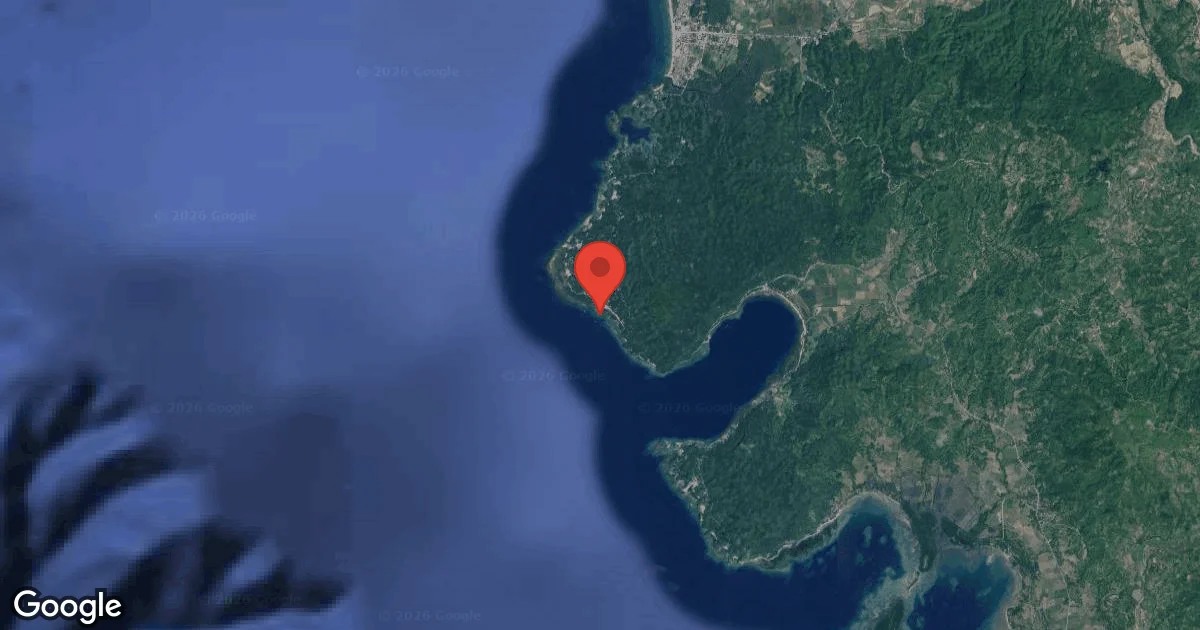
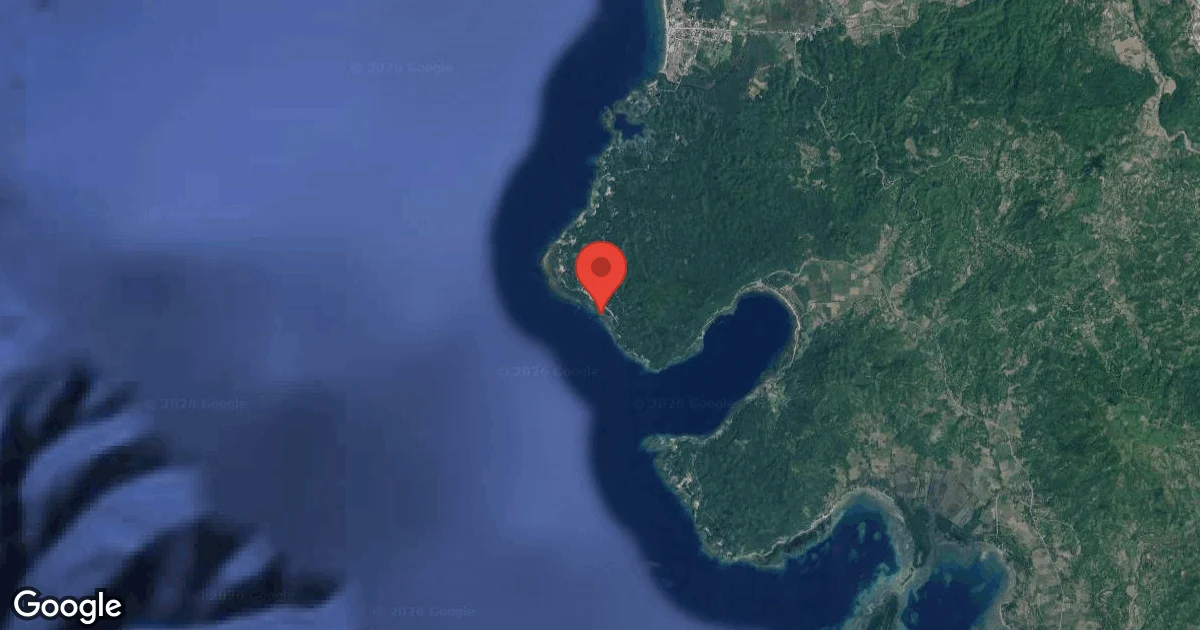
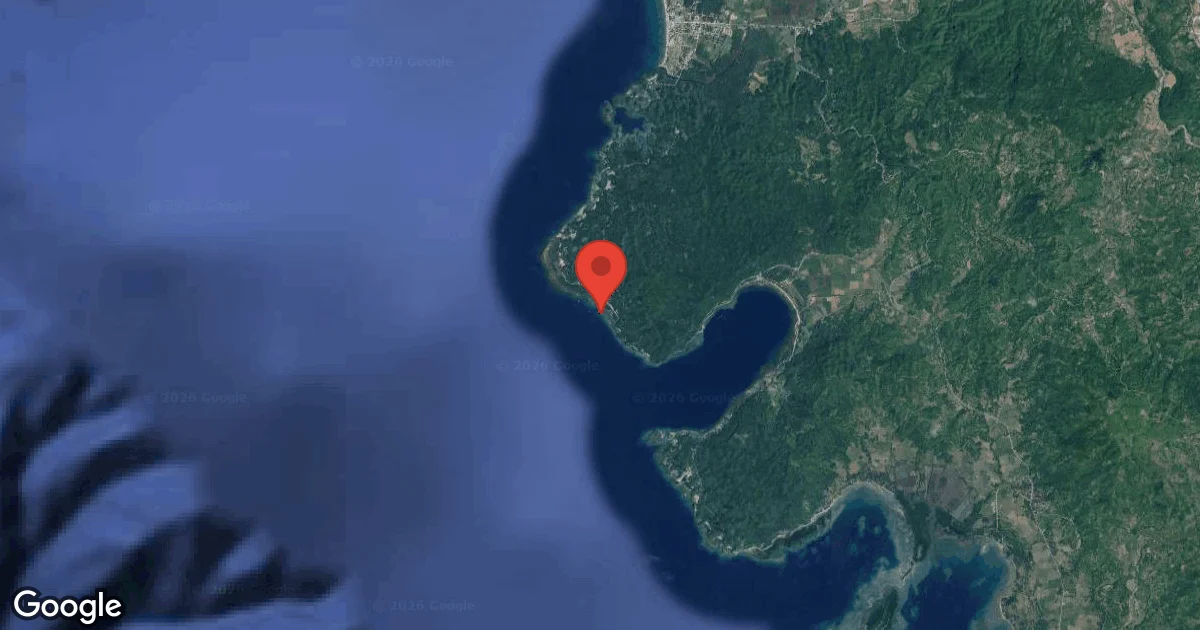
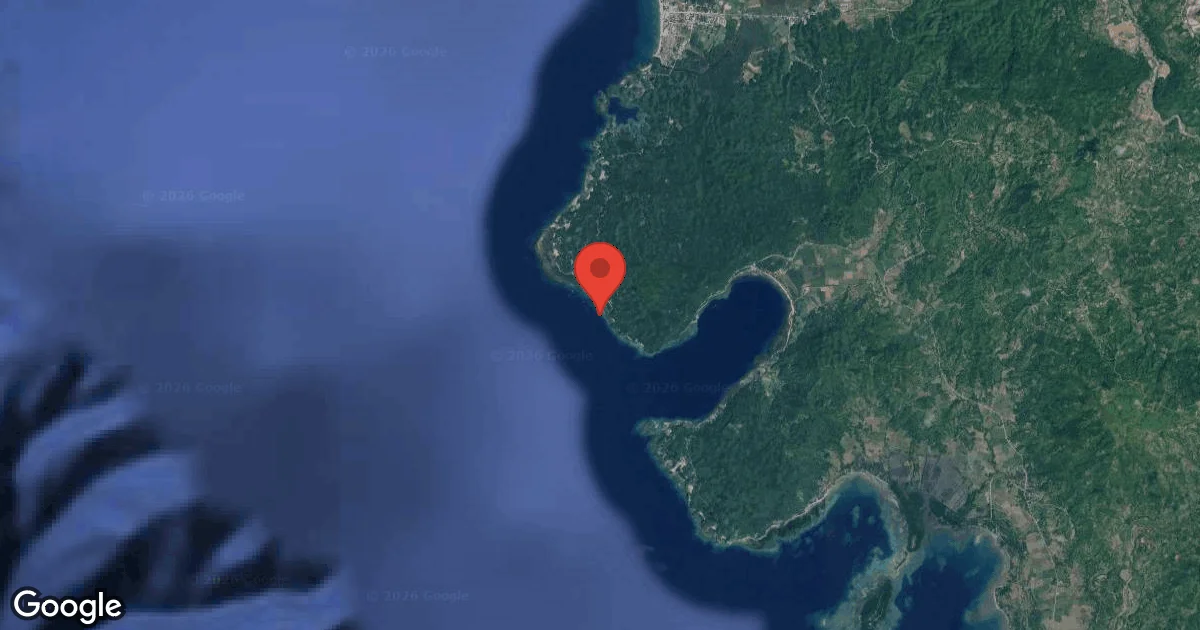
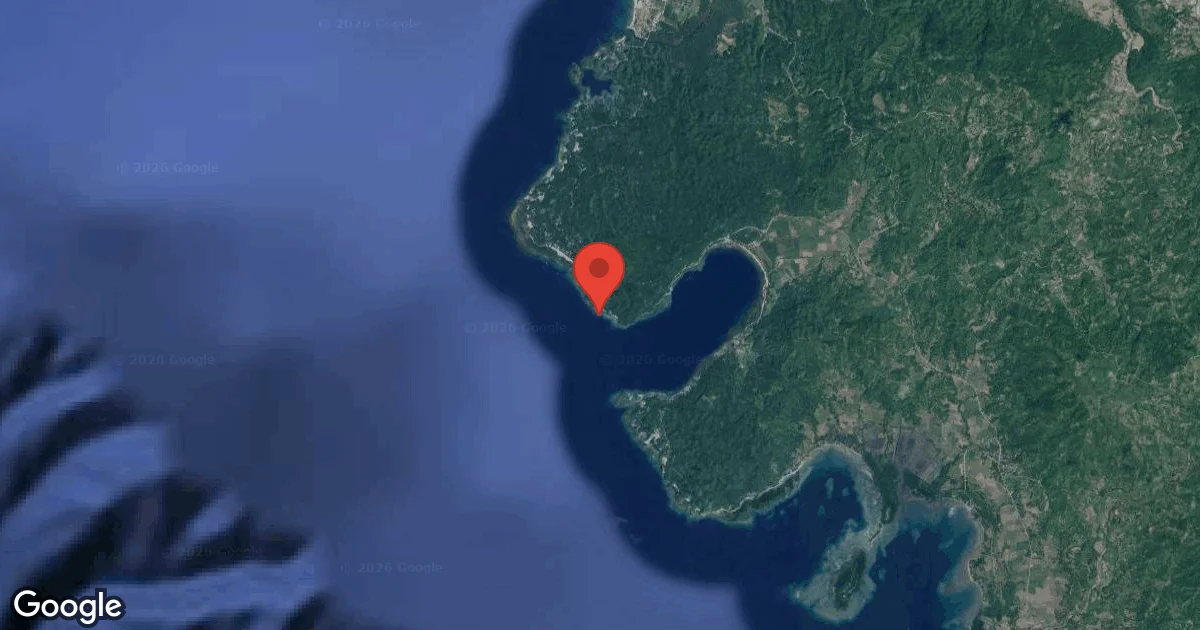
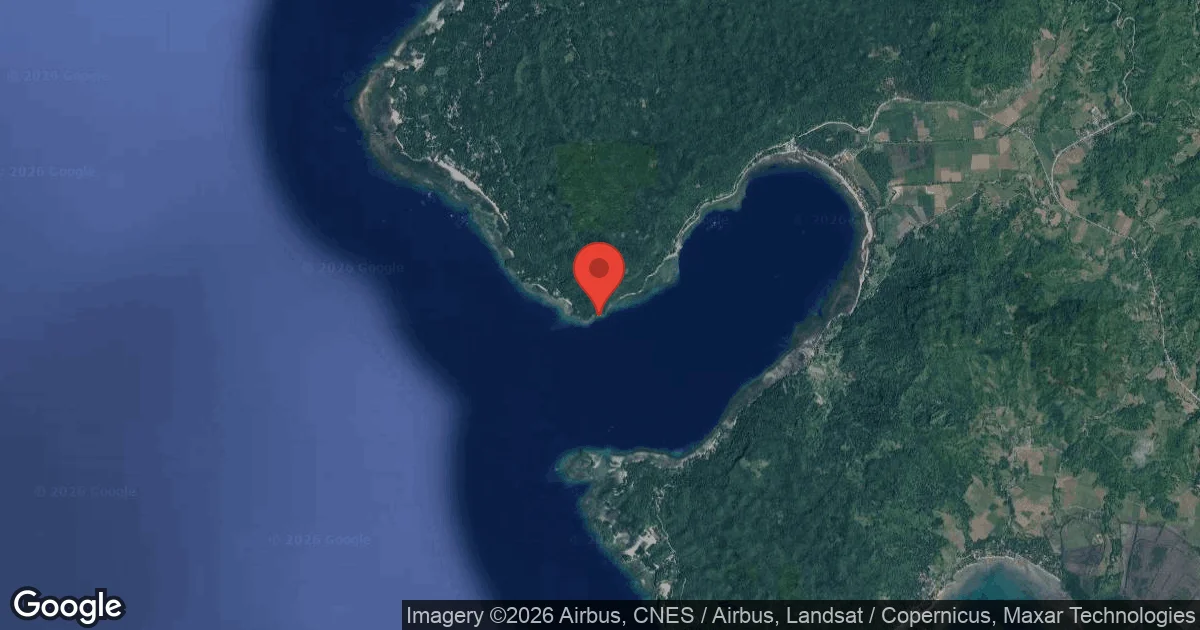
Juliens Wreck lies off the coast of Sipalay City, in the province of Negros Occidental, Philippines, near Turtle Island.
Planning to dive Juliens Wreck?
Send one inquiry and receive offers directly from the best verified local dive operators.
Conditions are Good
Optimal conditions expected
Current conditions near Juliens Wreck show 26° air, 30° sea temperature, 0.7 m waves, and 25 km/h wind. Forecast data is refreshed regularly to ensure accuracy.