
Diving at Kidopong (Philippines)
Kidopong presents a diving landscape of varied underwater features in Samal Island, Davao, Mindanao. This popular site accommodates divers across all experience levels, known for its extensive coral gardens, steep walls, and sandy slopes. With a maximum depth of 25 meters / 82 feet, conditions here are generally favorable for exploration. A welcoming environment with clear waters makes it a compelling destination for those seeking diverse topography and accessible diving.
Evening condition tracking at Kidopong features an air temperature of 28°C. We have recorded wave heights measuring 0.6 m during this period. These figures outline the environmental parameters currently present.
Dive Site Location & Key Facts
Dive Site Overview
Kidopong has established itself as a popular and accessible dive destination within Samal Island, Mindanao. Divers often visit this site for its clearly defined topographical features, which include impressive steep walls that plunge into deeper sections, expansive sandy slopes, and vibrant coral gardens.
This diverse combination creates a varied underwater environment, allowing for different visual experiences during a single dive. Exploring the site, one can transition from the vibrant colors of shallow coral reefs to the intriguing depths along the wall, observing how marine life adapts to each zone. Boat access is typical, and many plan visits in conjunction with other dive sites in the vicinity, enhancing a day's diving itinerary.
A local dive guide is commonly recommended, not only for navigating the site effectively but also for identifying specific species and ensuring adherence to local conservation practices. Its reputation as a site suitable for all certification levels stems from its manageable depth and generally calm conditions, allowing for leisurely exploration down to its maximum documented depth of 25 meters / 82 feet.
Gentle slopes provide ample space for newer divers to practice buoyancy, while experienced divers can focus on the intricate details of wall ecosystems. This balance ensures a rewarding experience for a broad range of underwater enthusiasts.
Conditions are Good
Optimal conditions expected
Current conditions near Kidopong show 28° air, 30° sea temperature, 0.7 m waves, and 32 km/h wind. Forecast data is refreshed regularly to ensure accuracy.
Best Time to Dive
Planning a dive trip to Kidopong is largely flexible due to consistently favorable conditions throughout the year. Data indicates excellent dive scores for most months, only dropping to "Good" in January. Air temperatures remain comfortably warm, typically ranging from 27-28°C / 80-82°F across the seasons, providing pleasant surface intervals. Rainfall is generally low, averaging 2.7 to 8.88 mm monthly, minimizing surface water disruption. While specific water temperature data isn't consistently reported, the region's tropical climate suggests warm waters ideal for diving. Minor fluctuations in wind speed (12-20 km/h) and wave height (0.2-0.5 m) are observed, but they seldom significantly impact diving conditions. March through May often present slightly calmer surface conditions.
PEAK SEASON SCORE
Scores combine air & water temps, waves, wind & rainfall for overall conditions.
BEST MONTHS TO DIVE
Monthly records compiled from satellite and marine observation nodes over the last 3 years. Data provided by Open-Meteo and MET Norway.
Dive Experience & Conditions
Descending into Kidopong, divers encounter a visual journey across varied underwater terrain. Kidopong offers an expansive feel, transitioning from gentle sandy slopes to dramatic steep walls adorned with diverse coral growth. Moving through a coral garden, one experiences the quiet activity of resident fish darting among the formations. This environment is designed for relaxed exploration, making it approachable for divers of different skill levels. Currents are not consistently reported to be strong, allowing for comfortable navigation and detailed observation of the reef structure. Water clarity often provides good visibility, enhancing the immersive experience of vibrant, colorful fish and occasional sightings of larger marine animals like rays and sea turtles. An overall impression is one of calm accessibility, where natural features unfold gracefully before the diver.
Dive Difficulty & Safety Guidelines
For optimal safety and ecological preservation at Kidopong, diving with a local guide is highly advised. Their expertise ensures not only safe navigation of the site's topography but also adherence to practices that protect the delicate marine environment. While the site is generally suitable for all certified divers, including PADI Open Water and Advanced Open Water, maintaining proper buoyancy is crucial to avoid contact with the extensive coral gardens.
No specific hazards are consistently reported for Kidopong, but standard dive safety protocols, such as buddy checks and monitoring air consumption, always apply. Respect marine life by observing from a distance and avoiding any disturbances.
Recommended Equipment
- Dive Computer
- DSMB
This gear list is based on verified equipment signals for Kidopong, Philippines. Always confirm final gear choices with your dive operator, guide, or liveaboard.
Recommended Dive Suit
The latest conditions reported around Kidopong place the water temperature close to 30°C (85°F). Surface air temperatures are resting at 28°C (83°F).
Dive skin or rash guard generally offers enough warmth for most dives under these conditions. A hood or vest is suggested for sensitive divers due to surface winds.
Forecast conditions over the next few days suggest temperatures will remain relatively stable.
Due to technical issues with our weather providers, live updates are temporarily delayed. The data above reflects the conditions at the time of the last successful fetch.
Emergency & Medical Support
Essential information to help you plan your dive trip to Kidopong.

Hyperbaric chambers are a critical part of dive safety infrastructure. Availability varies significantly by region, and not all dive areas have immediate access.
Before diving, it's recommended to:
- confirm nearest medical facilities
- check emergency procedures with local dive operators
- ensure dive insurance covers evacuation if required
Divers Alert Network
Diving emergency assistance available through DAN World.
+1-919-684-9111- 24/7 emergency hotline
- Diving medical assistance
- Evacuation coordination
Emergency contacts are provided for reference. Always verify local emergency services before diving.
Marine Life at Kidopong
Kidopong's underwater landscape serves as a habitat for a modest yet engaging array of marine life. Within the site's diverse topography, including its steep walls, sandy slopes, and extensive coral garden, divers frequently encounter colorful fish.
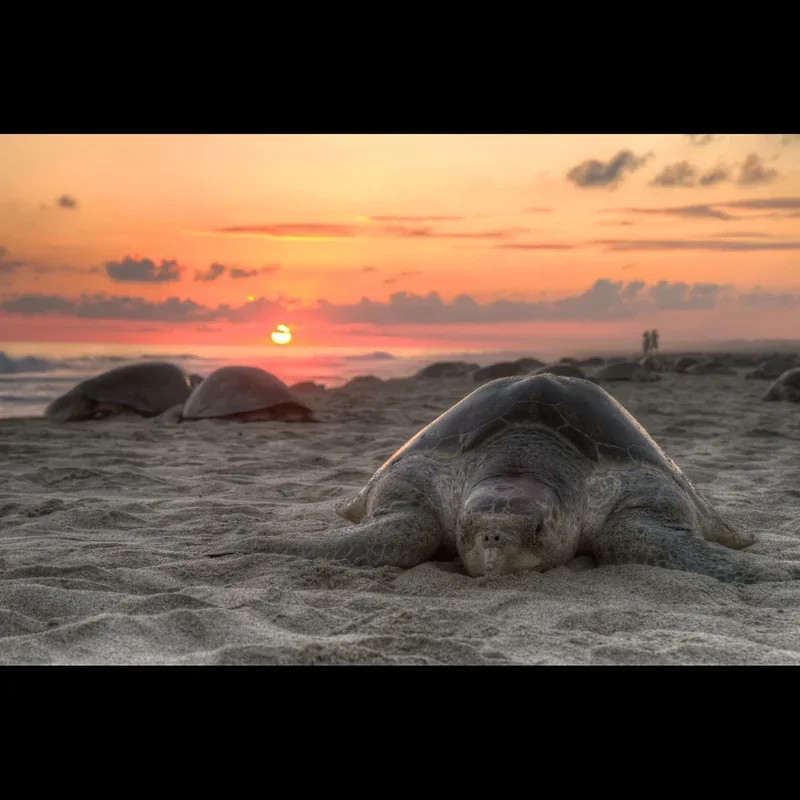
Rays glide gracefully over sandy expanses, adding a sense of serenity to the dive. Occasional sightings of sea turtles, both green and hawksbill, navigating the reef demonstrate the ecosystem's health.
Structured environments within the walls and corals provide ample hiding spots and feeding grounds, contributing to the site's natural appeal.

Dive Sites Near Kidopong
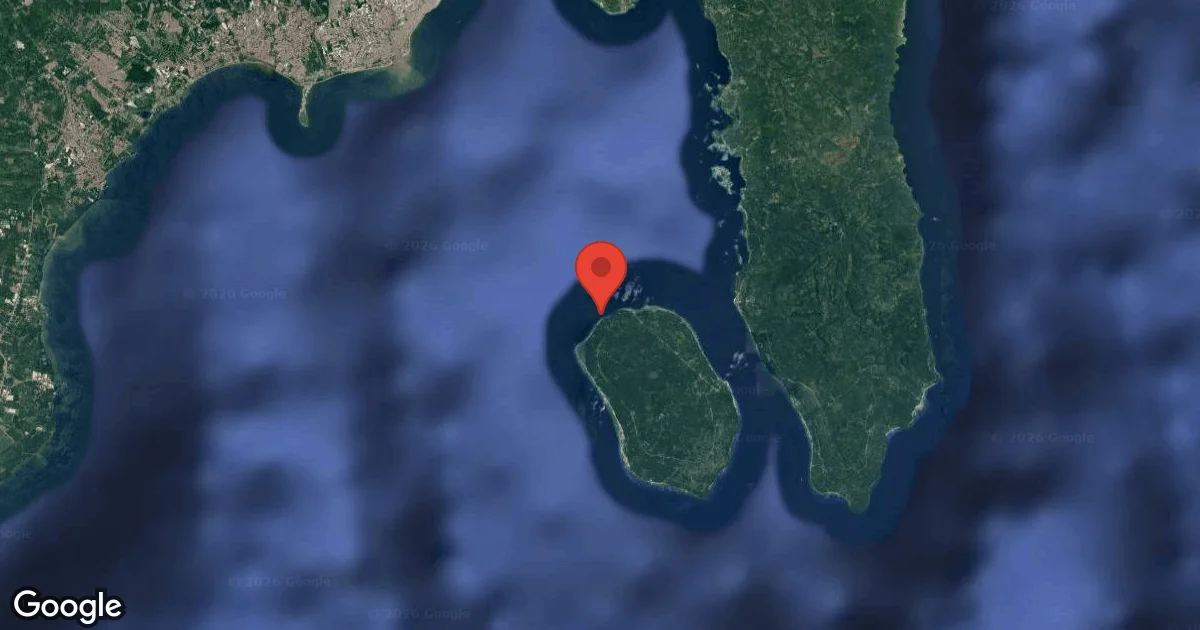
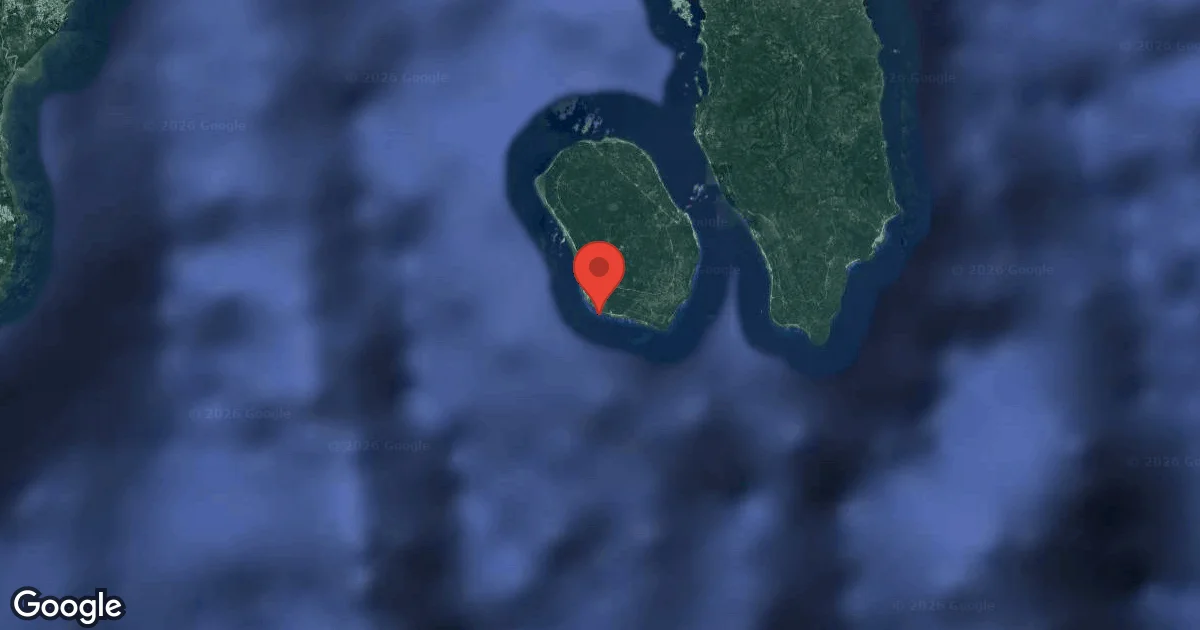
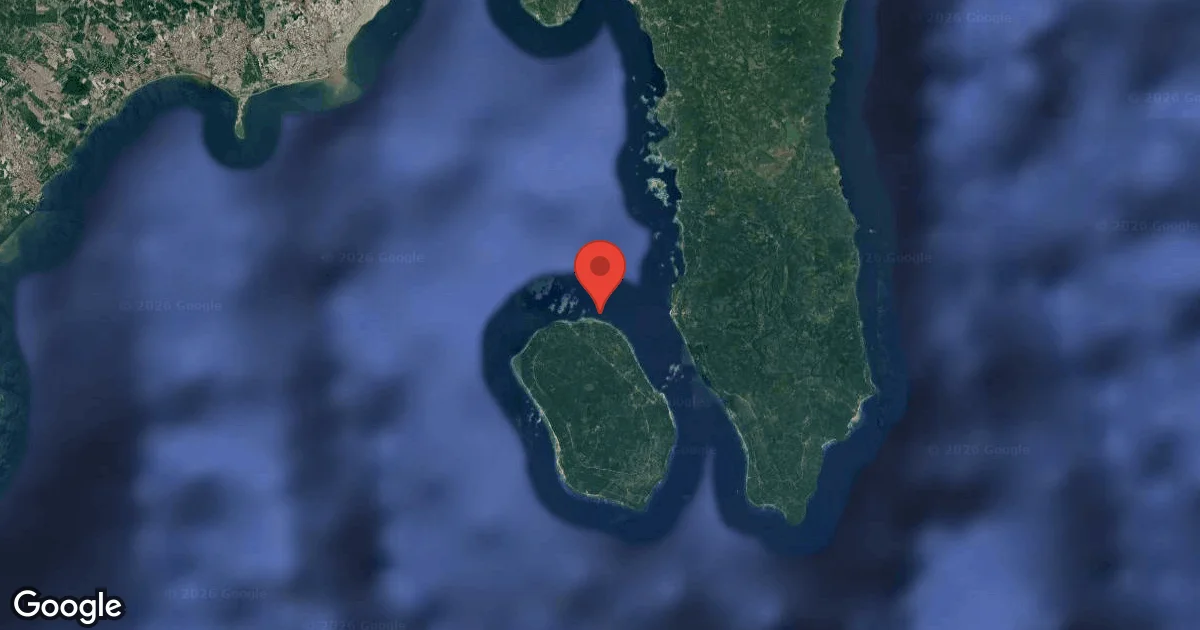
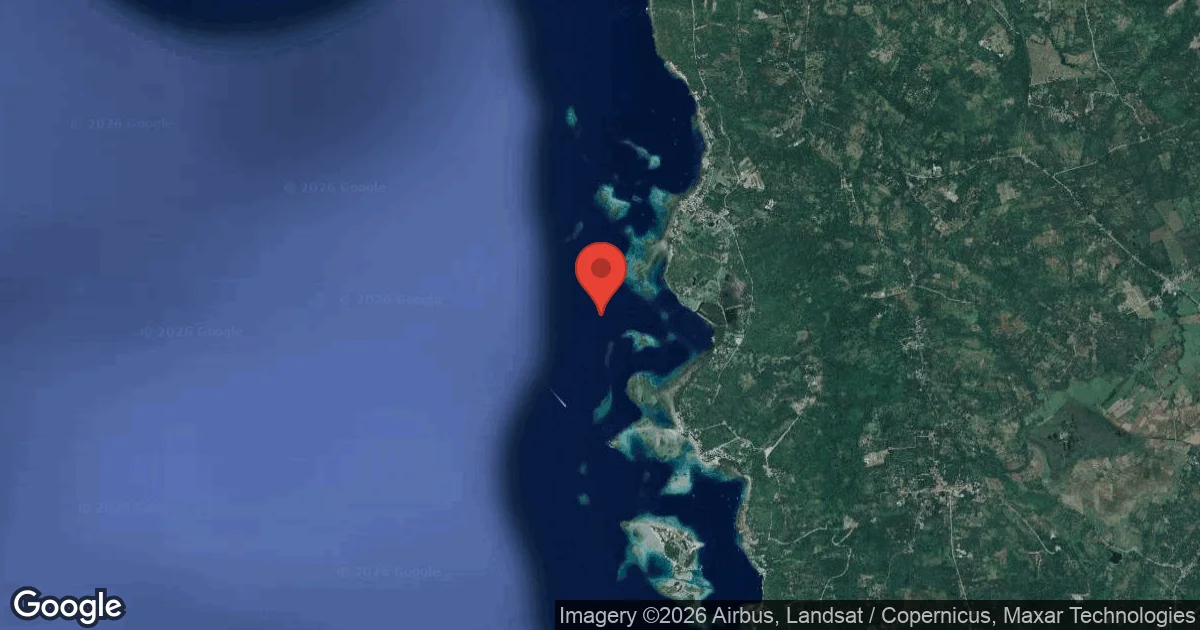
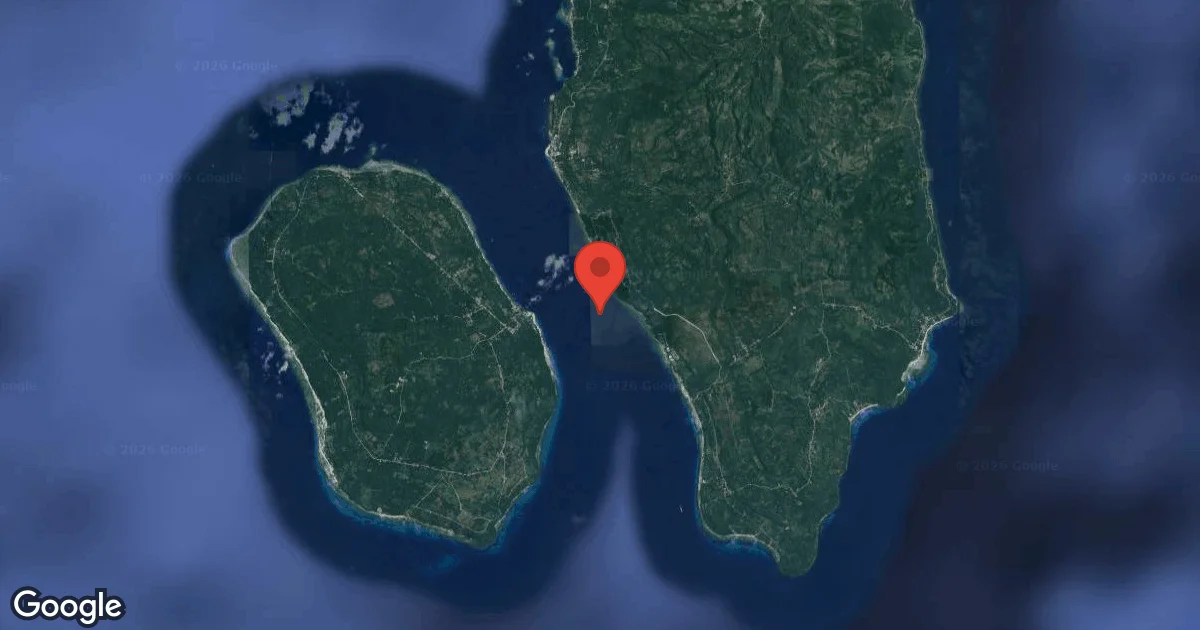
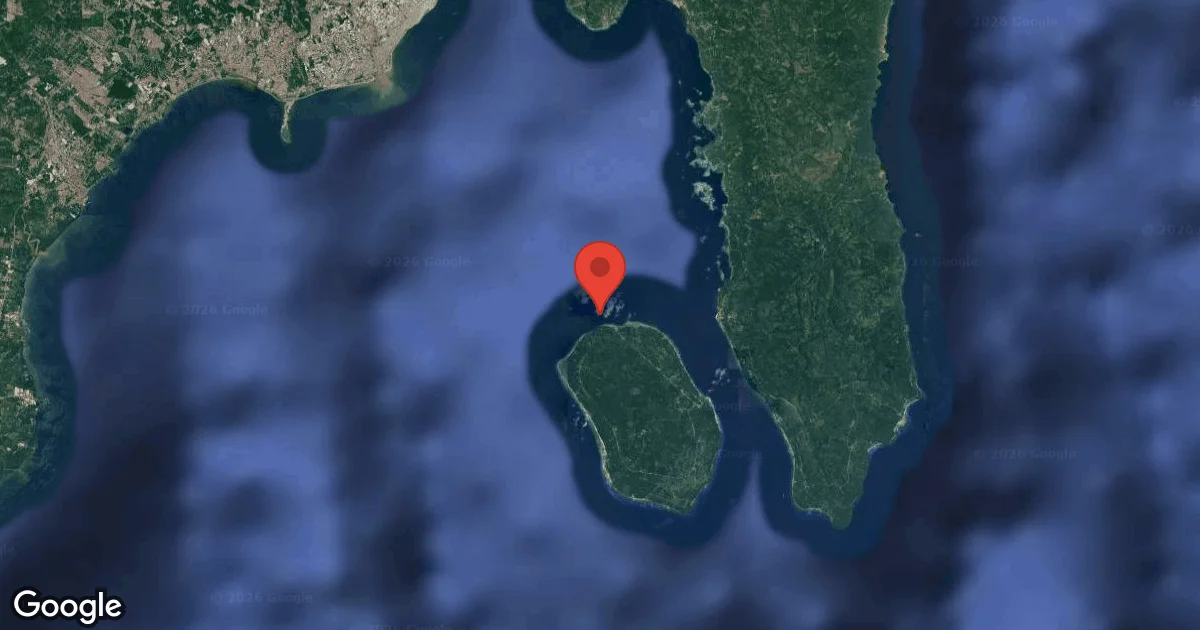
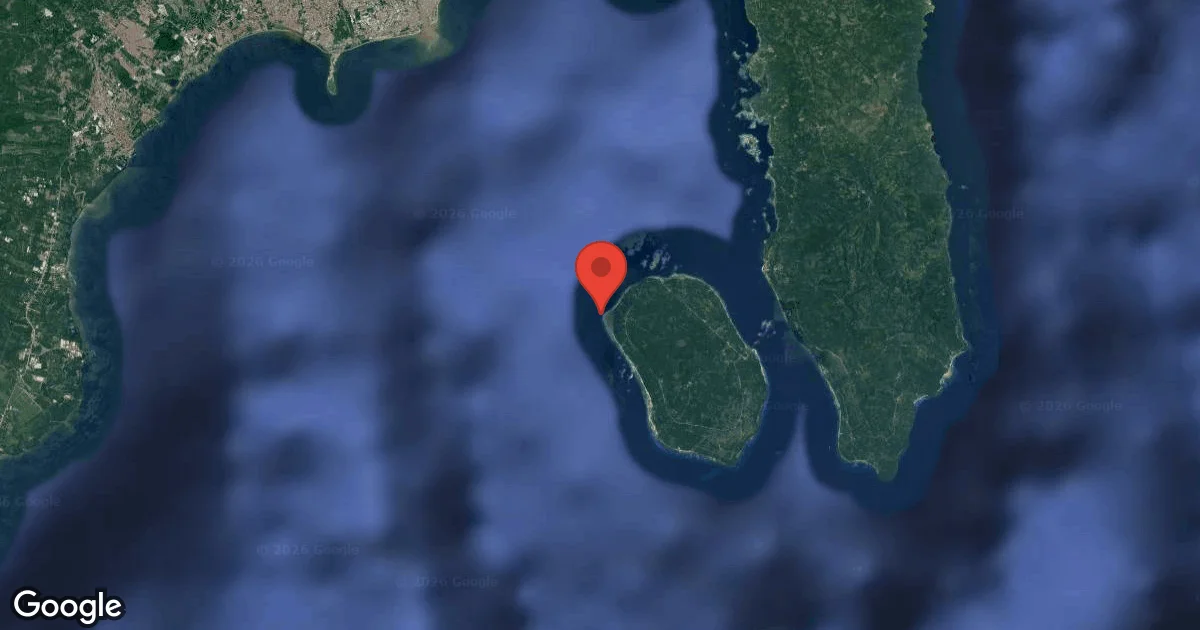
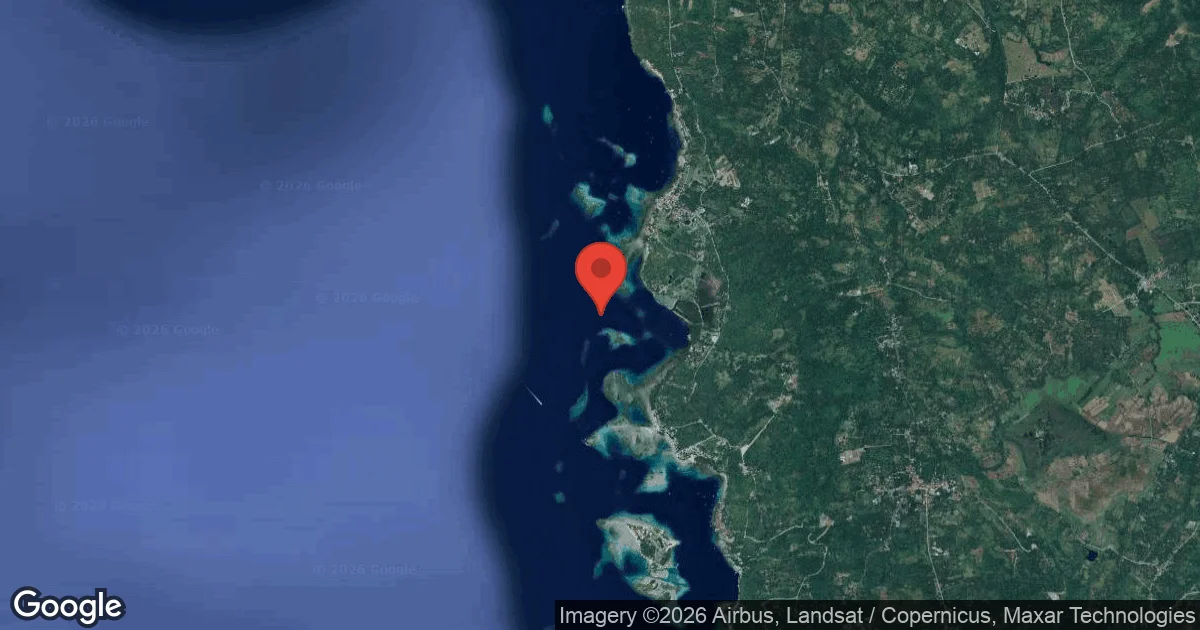
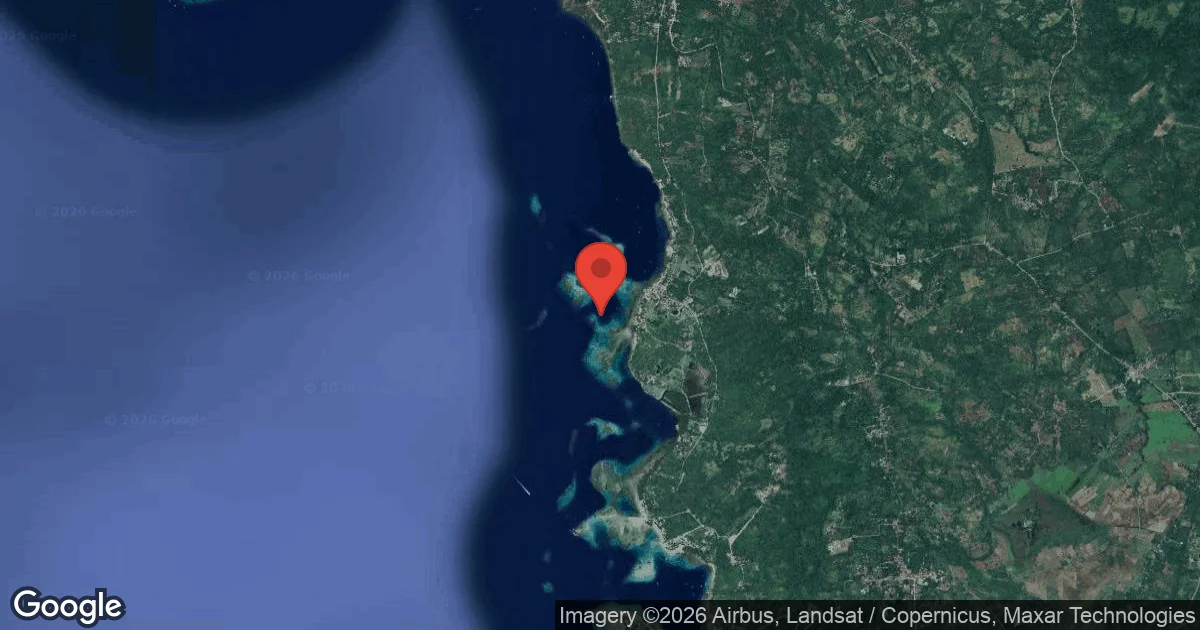
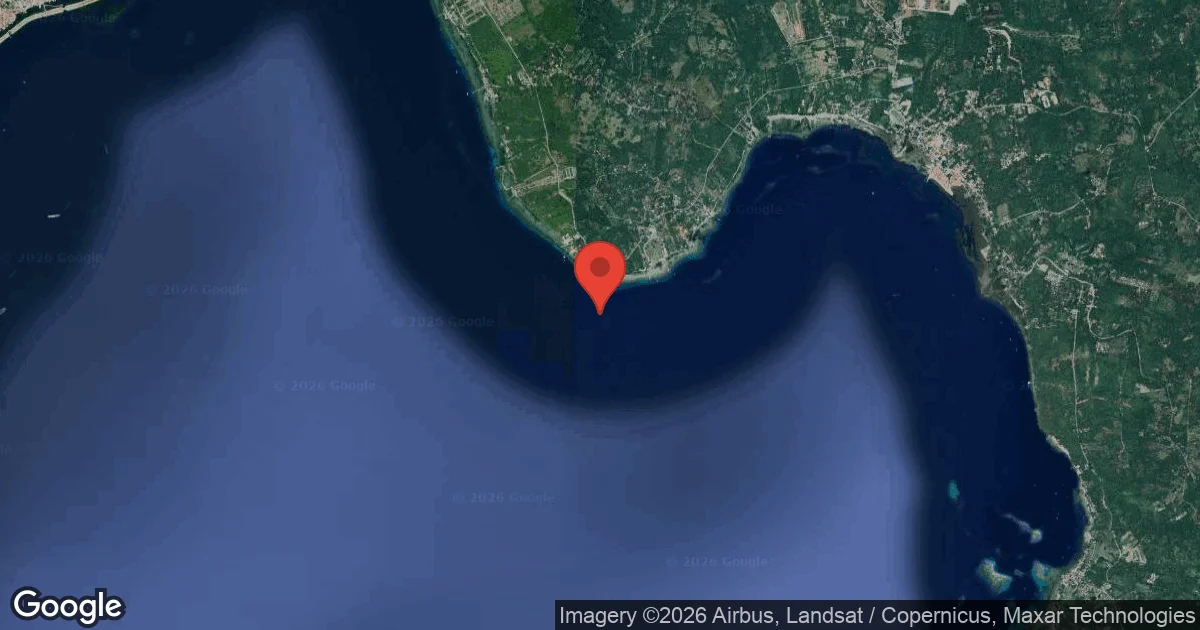
View all dive sites in PhilippinesDiscover more underwater gems in this area.
Dive Centers Near Kidopong
No Dive Centers Local To Kidopong
Are you a dive center visiting this location? Get listed to reach divers.
Nearest Airports
Nearest airports to help plan travel to this dive area.
Search Flights
Check available flights and routes on Expedia, using the nearby airports listed in this section.
Search Flights on ExpediaFrequently Asked Questions
What certification level is needed for Kidopong?
Kidopong is suitable for all levels of certified divers. PADI Open Water Diver and Advanced Open Water Diver certifications are particularly relevant, given the site's varied depths and features.
What kind of underwater topography does Kidopong offer?
The site presents diverse underwater topography, including impressive steep walls, gently sloping sandy areas, and vibrant coral gardens. This offers a varied experience during a single dive.
What marine life can I expect to see at Kidopong?
Divers often encounter colorful fish species. Rays are also commonly spotted gliding along the sandy bottom, and there are occasional sightings of sea turtles.
Is it necessary to dive with a guide at Kidopong?
It is highly recommended to dive with a guide at Kidopong. A local guide can ensure safety, navigate the site effectively, and help protect the delicate marine ecosystem by guiding divers appropriately.
What is the maximum depth at Kidopong?
The maximum depth documented for diving at Kidopong is 25 meters / 82 feet, making it accessible for a wide range of diver experience levels.
How is Kidopong typically accessed?
Kidopong is accessible by boat. Dive operators often combine visits to Kidopong with other nearby dive sites, making it part of a multi-site itinerary.
When is the best time of year to dive Kidopong?
Kidopong offers favorable diving conditions year-round, with consistently warm air temperatures and low rainfall. The months from March to May may offer slightly calmer surface conditions.
Planning to dive Kidopong?
Send one inquiry and receive offers directly from the best verified local dive operators.
Conditions are Good
Optimal conditions expected
Current conditions near Kidopong show 28° air, 30° sea temperature, 0.7 m waves, and 32 km/h wind. Forecast data is refreshed regularly to ensure accuracy.