
Diving at Dapia (Philippines)
The story of Dapia unfolds beneath the waves, a vibrant narrative etched into the coral formations and sandy expanses off Talikud Island. It presents itself as a testament to the Philippines' underwater allure, inviting divers to explore its diverse reef ecosystem. This site, a well-regarded destination, reveals varied depths and marine encounters, making it a compelling dive for different skill levels.
Evening condition tracking at Dapia features an air temperature of 30°C. We have recorded wave heights measuring 0.4 m during this period. These figures outline the environmental parameters currently present.
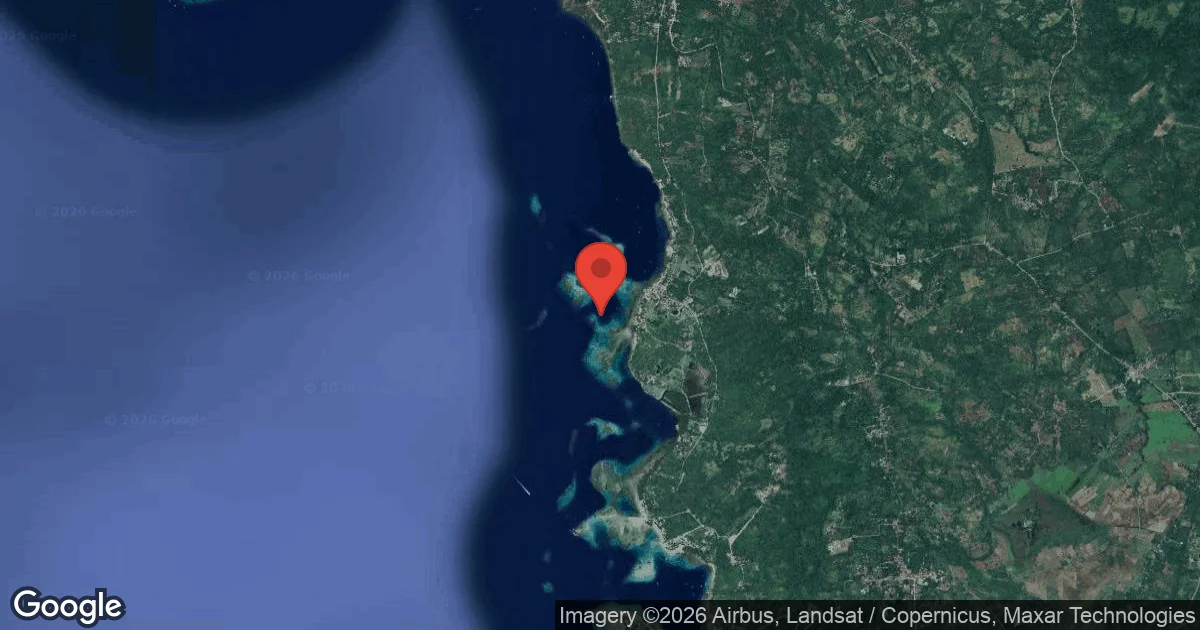
Dive Site Location & Key Facts
Dive Site Overview
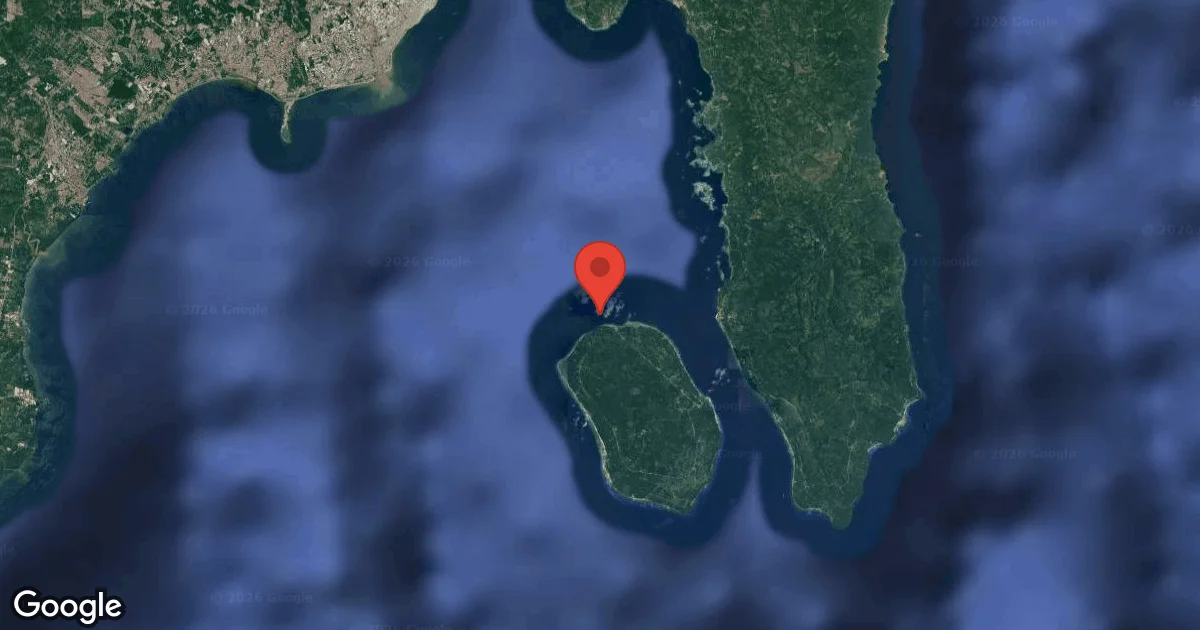
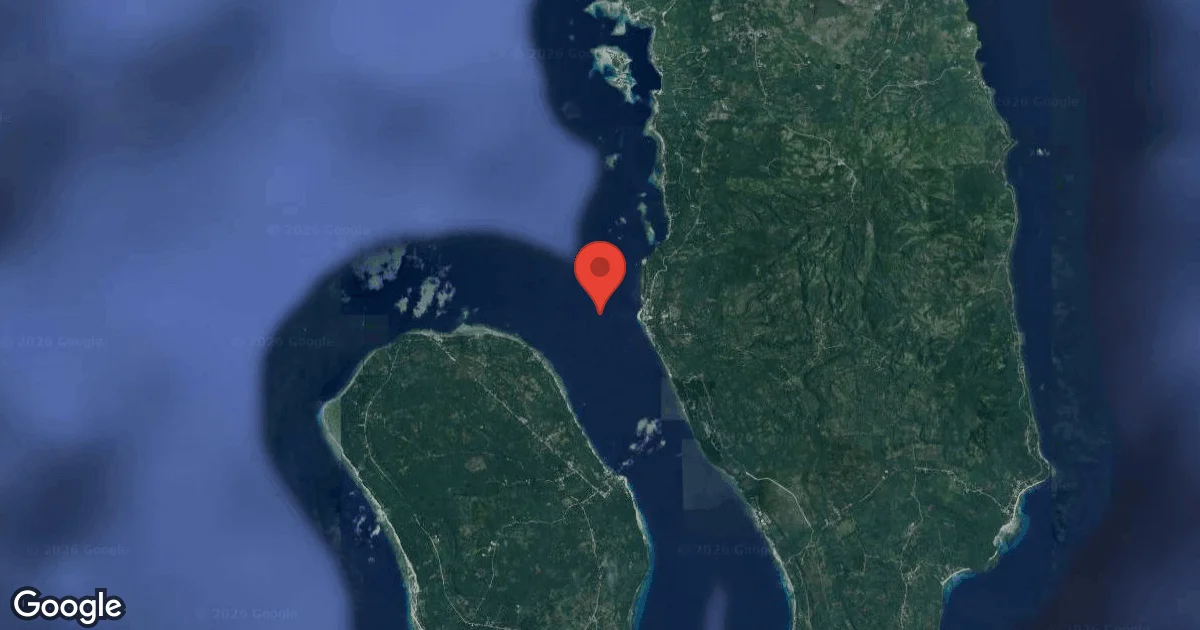
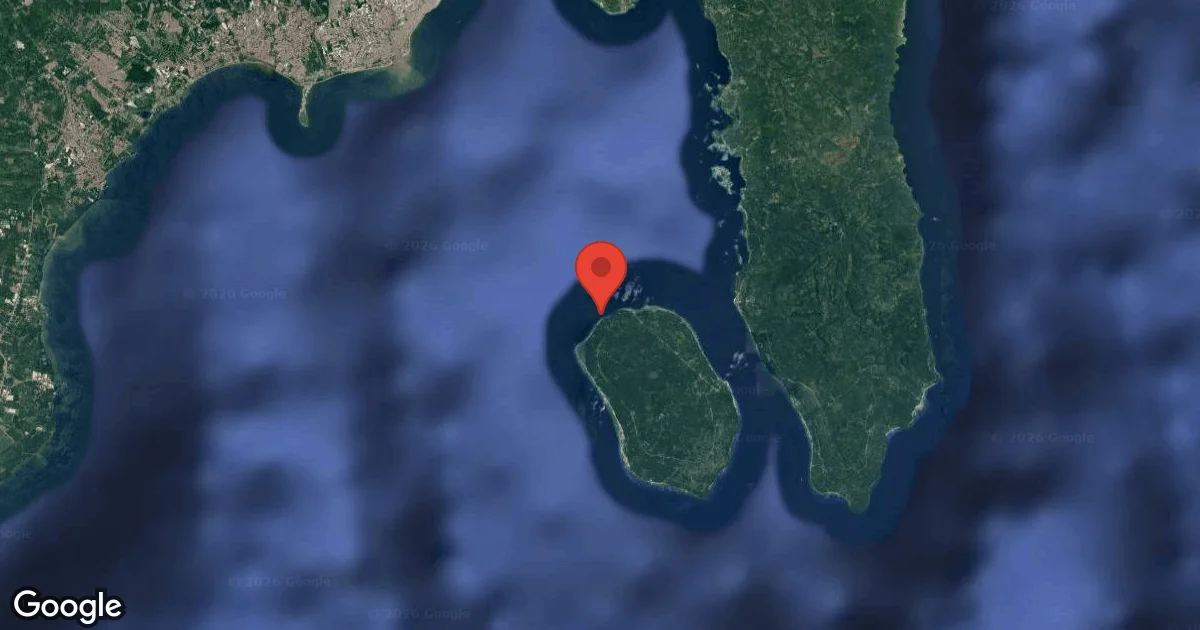
Historically, Dapia emerged as a significant reef site within the rich waters surrounding Talikud Island, gradually gaining recognition for its accessible yet diverse underwater topography. Approximately 25 minutes by boat from Santa Cruz Port, this location has become a favored spot, often combined with other nearby dive destinations.
While some reports describe a shallow coral garden reaching only 10 m (33 ft) with a sandy bottom, ideal for snorkelers and beginners, other accounts suggest the main Dapia Dive Site features depths of around 24 m (80 ft) characterized by moderate currents. These deeper sections unveil a broader spectrum of marine life and more intricate reef structures. Its composition includes various hard and soft coral formations covering sloping terrains and ridges, providing ample habitat for reef fish and invertebrates.
A consistent feature here is the clear water, which enhances visibility, allowing divers to appreciate the extensive coral cover and the life it supports. The gradual slope of the reef allows for progressive exploration, moving from sunlit shallows to more complex, current-swept environments. This diversity ensures a compelling dive for various skill levels.
Conditions are Good
Optimal conditions expected
Current conditions near Dapia show 30° air, 29° sea temperature, 0.7 m waves, and 30 km/h wind. Forecast data is refreshed regularly to ensure accuracy.
Best Time to Dive
Considering conditions, the period from February to June generally offers excellent diving opportunities at Dapia. Air temperatures during these months average between 26.5-28°C (80-82°F), creating comfortable surface conditions. Rainfall remains relatively low, ranging from 2.7 to 8.9 mm on average, minimizing runoff and potentially contributing to better underwater visibility. From July to September, while still rated as excellent for diving, wave heights can be slightly higher, averaging around 0.4-0.5 meters, compared to the calmer conditions earlier in the year. The site experiences consistent good dive scores throughout the year, with a dip in January, but conditions typically support enjoyable diving across most months.
PEAK SEASON SCORE
Scores combine air & water temps, waves, wind & rainfall for overall conditions.
BEST MONTHS TO DIVE
Monthly records compiled from satellite and marine observation nodes over the last 3 years. Data provided by Open-Meteo and MET Norway.
Dive Experience & Conditions
Descending into Dapia, divers initially encounter a shallow coral garden that smoothly transitions to a sandy bottom, a particularly inviting area for novice divers. As one progresses into the main dive site, the topography shifts to sloping terrains adorned with hard and soft coral formations. Moderate currents can be present in these deeper sections, particularly as the maximum depth increases. Navigating the reef here involves observing diverse habitats across the ridges. Visibility is typically good, allowing clear views of the extensive coral cover and the marine life residing within it. Water temperatures are not consistently reported but generally remain warm, aligning with tropical Philippine waters. The dive offers a relaxed feel in its shallower parts, growing more dynamic with increasing depth and current. Buoyancy control becomes more important when exploring the varied terrain and currents found in Dapia's deeper zones.
Dive Difficulty & Safety Guidelines
Diving at Dapia requires adhering to standard safety practices to ensure a secure and enjoyable experience. Given the site's varied conditions, especially the presence of moderate currents in deeper areas, diving with a local guide is strongly recommended. They possess valuable insight into current patterns and can help protect the delicate ecosystem.
Divers should remain aware of their depth and no-decompression limits, particularly when exploring sections beyond the immediate shallows. Practicing good buoyancy control is essential to avoid contact with the fragile coral structures and the sandy bottom.
Always check local conditions and forecasts prior to your dive, accounting for potential changes in currents or surface chop. Respecting marine life by observing from a distance helps preserve the health of this thriving reef ecosystem.
Maintain proper air consumption management throughout the dive, especially in areas with stronger currents.
Recommended Equipment
- Dive Computer
- DSMB
This gear list is based on verified equipment signals for Dapia, Philippines. Always confirm final gear choices with your dive operator, guide, or liveaboard.
Recommended Dive Suit
Forecasts suggest a slight cooling pattern in the days ahead. Cooler days are ahead; you might want a warmer option for later in the week. A hood or vest can noticeably improve warmth during longer dives.
Thermal protection such as dive skin or rash guard is commonly used in similar temperatures.
At Dapia, the water is currently sitting around 29°C (85°F). Surface air temperatures are resting at 30°C (86°F).
Emergency & Medical Support
Essential information to help you plan your dive trip to Dapia.

Hyperbaric chambers are a critical part of dive safety infrastructure. Availability varies significantly by region, and not all dive areas have immediate access.
Before diving, it's recommended to:
- confirm nearest medical facilities
- check emergency procedures with local dive operators
- ensure dive insurance covers evacuation if required
Divers Alert Network
Diving emergency assistance available through DAN World.
+1-919-684-9111- 24/7 emergency hotline
- Diving medical assistance
- Evacuation coordination
Emergency contacts are provided for reference. Always verify local emergency services before diving.
Marine Life at Dapia
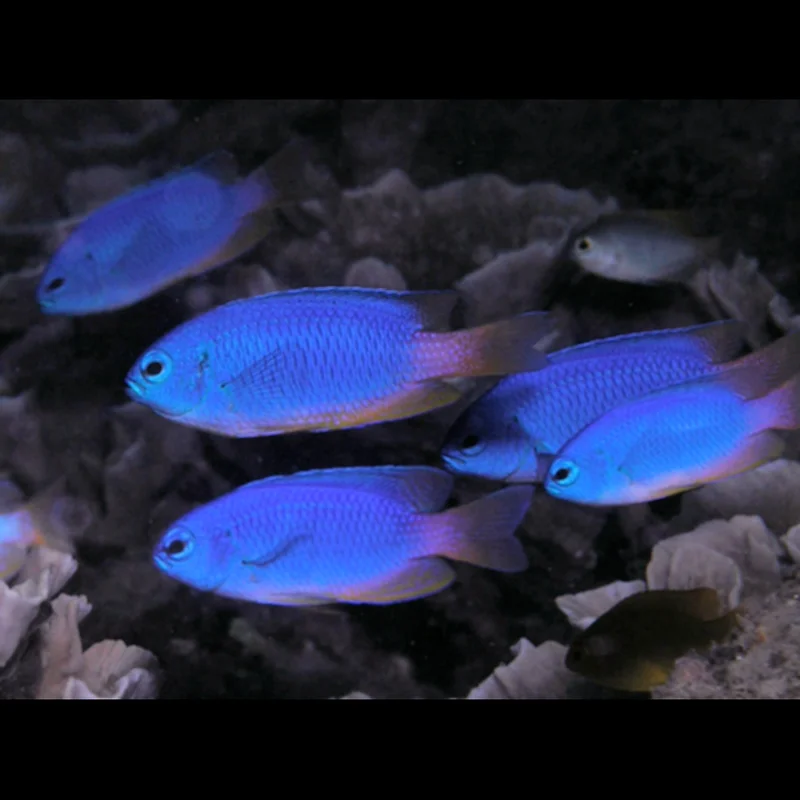
Observing the patterns of marine life at Dapia reveals a vibrant ecosystem. Within the shallow coral gardens, divers frequently encounter colorful clownfish, angelfish, and damselfish flitting among the corals.
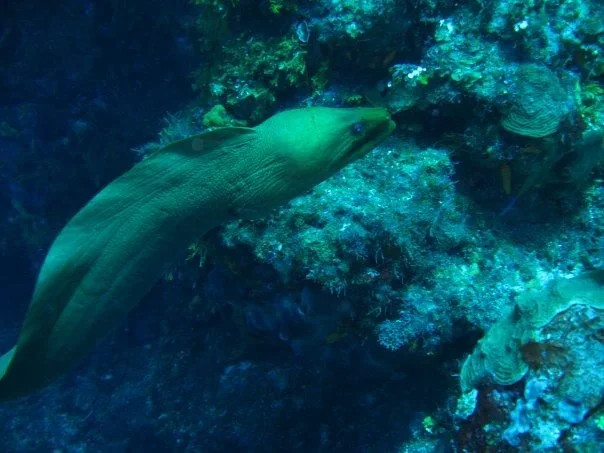
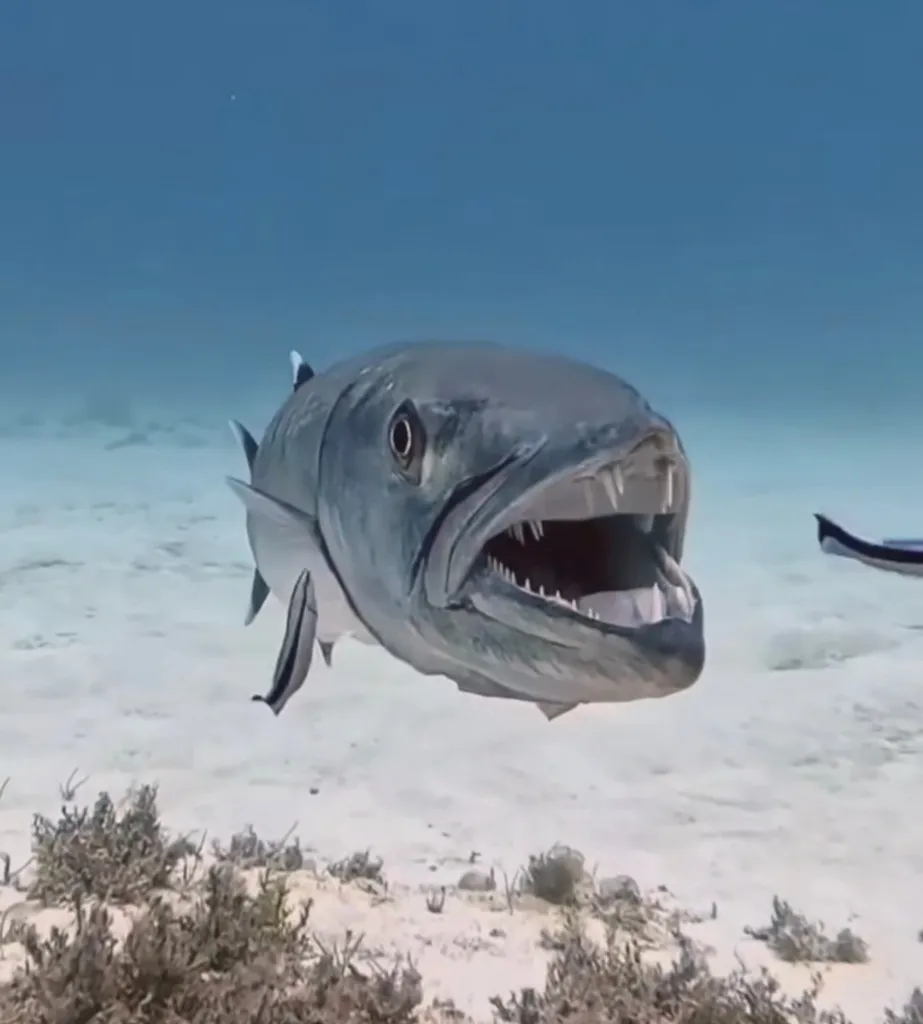
Moving into deeper reef structures, the possibility of spotting larger pelagic species like big tuna, barracudas, and jacks increases. The hard and soft coral formations provide refuge for a variety of creatures, including moray eels, tube worms, sea stars, and barrel sponges.
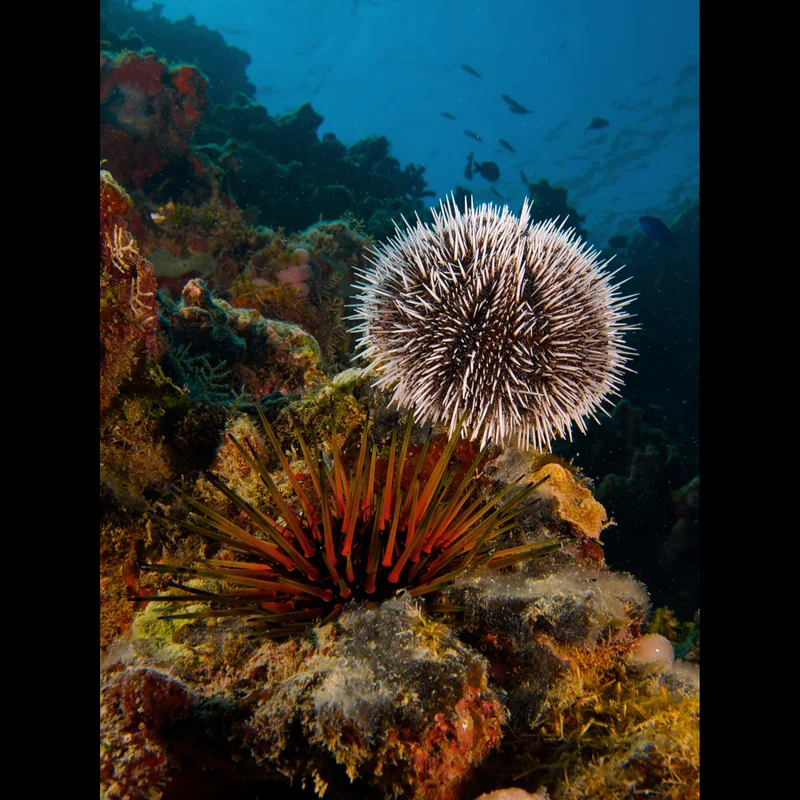
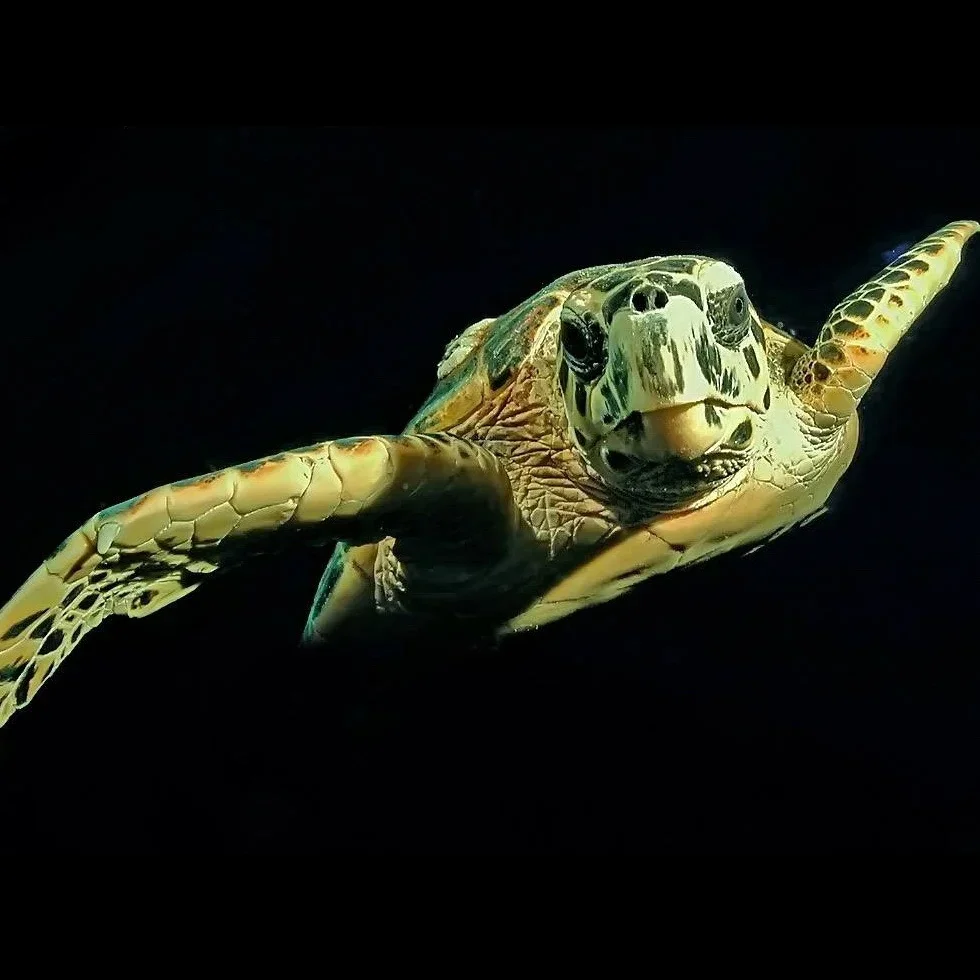
It's also possible to spot hawksbill turtles gracefully gliding through the water, alongside smaller inhabitants such as sea horses and diverse fish species like fusiliers, wrasse, and parrotfish among the sea urchins. This site supports a robust food web, from small invertebrates to schooling fish and occasional larger visitors.
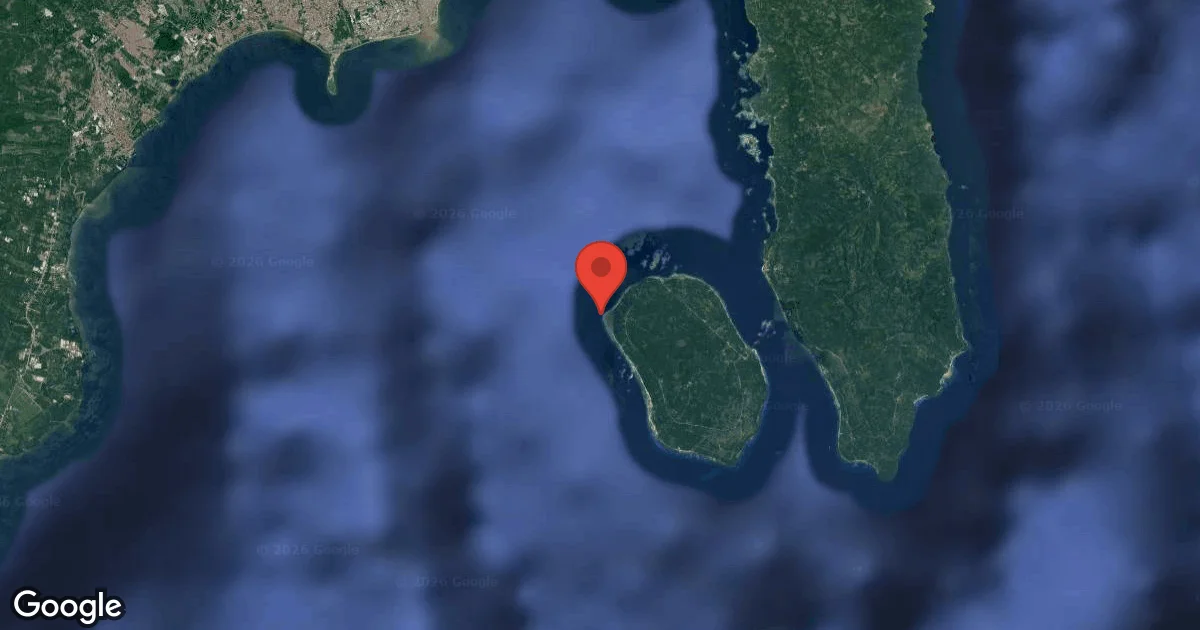
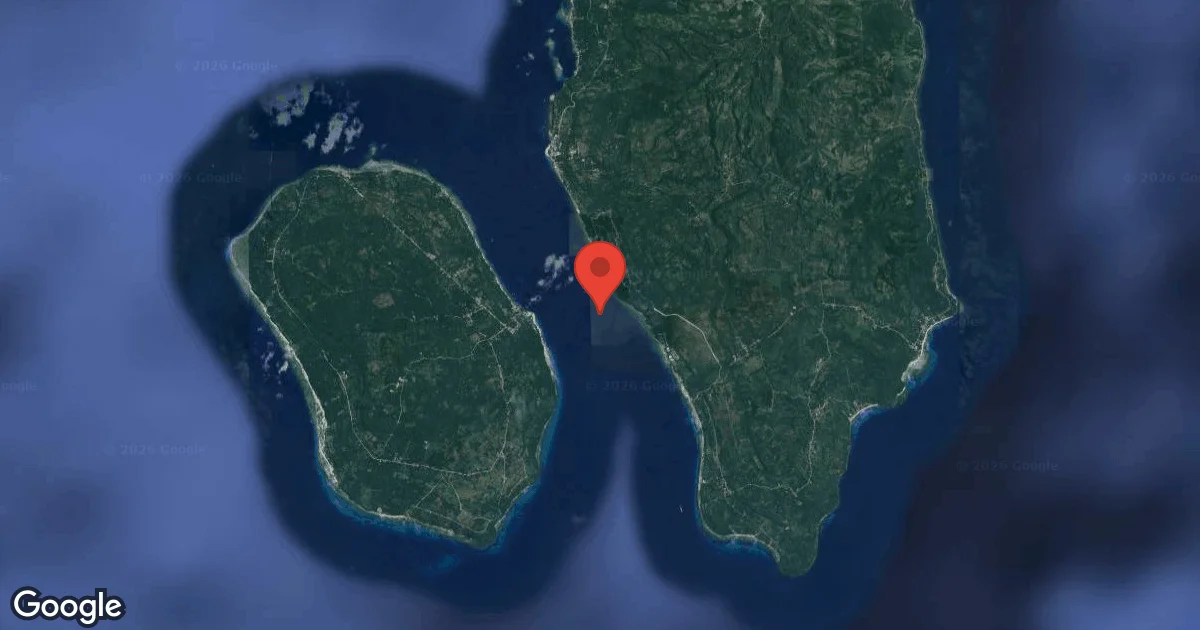
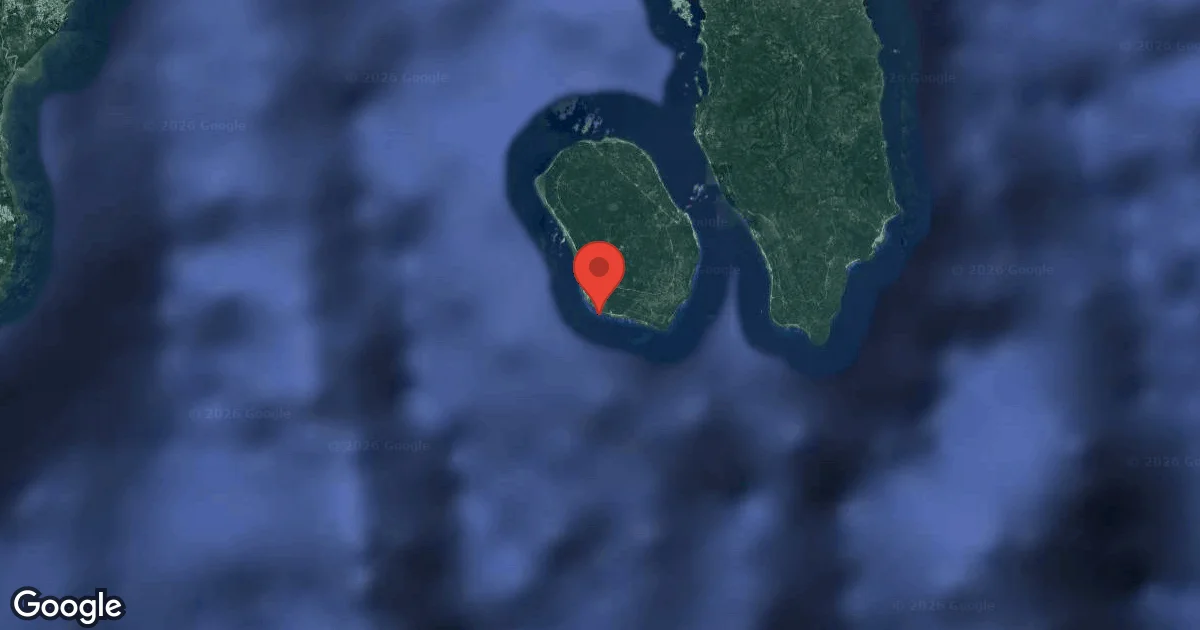
Dive Sites Near Dapia
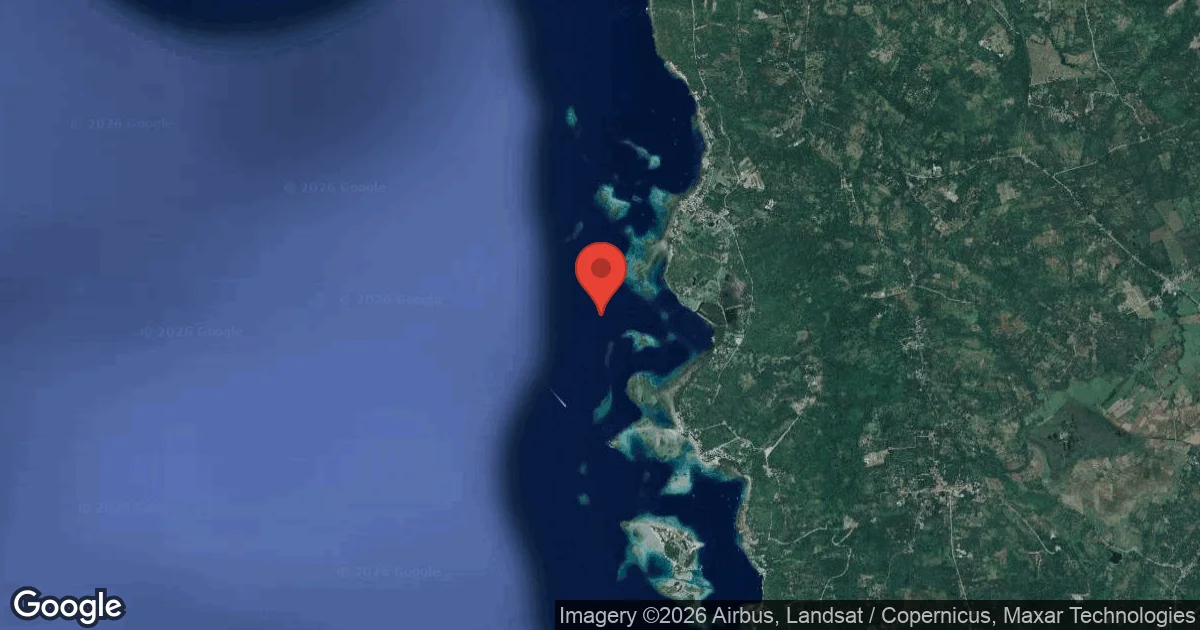
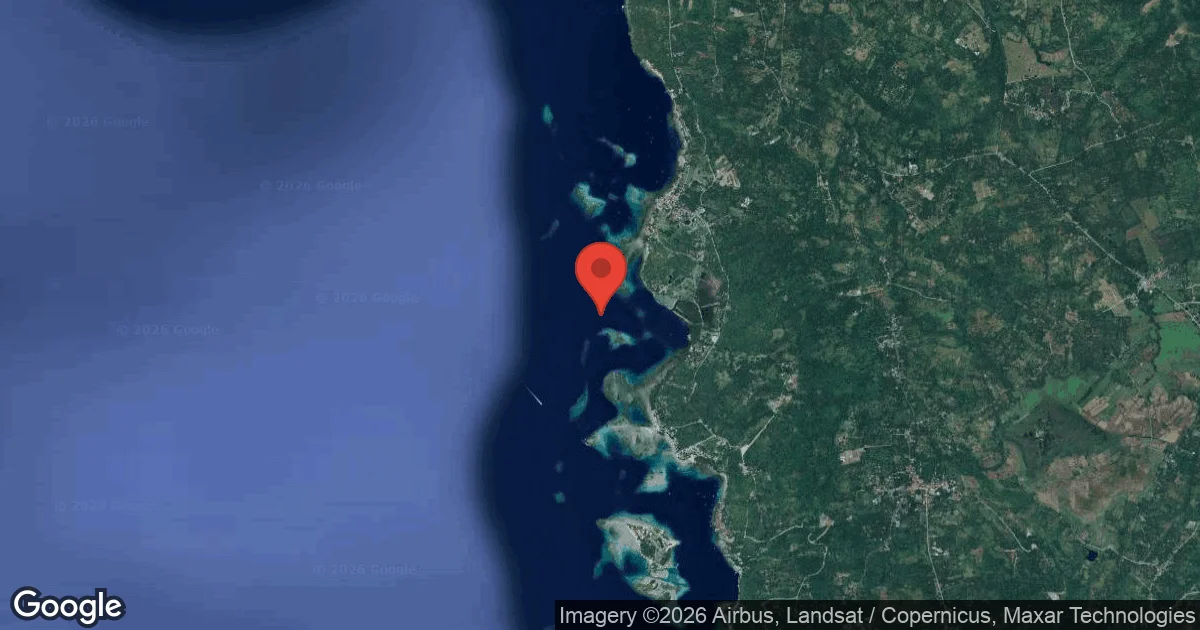
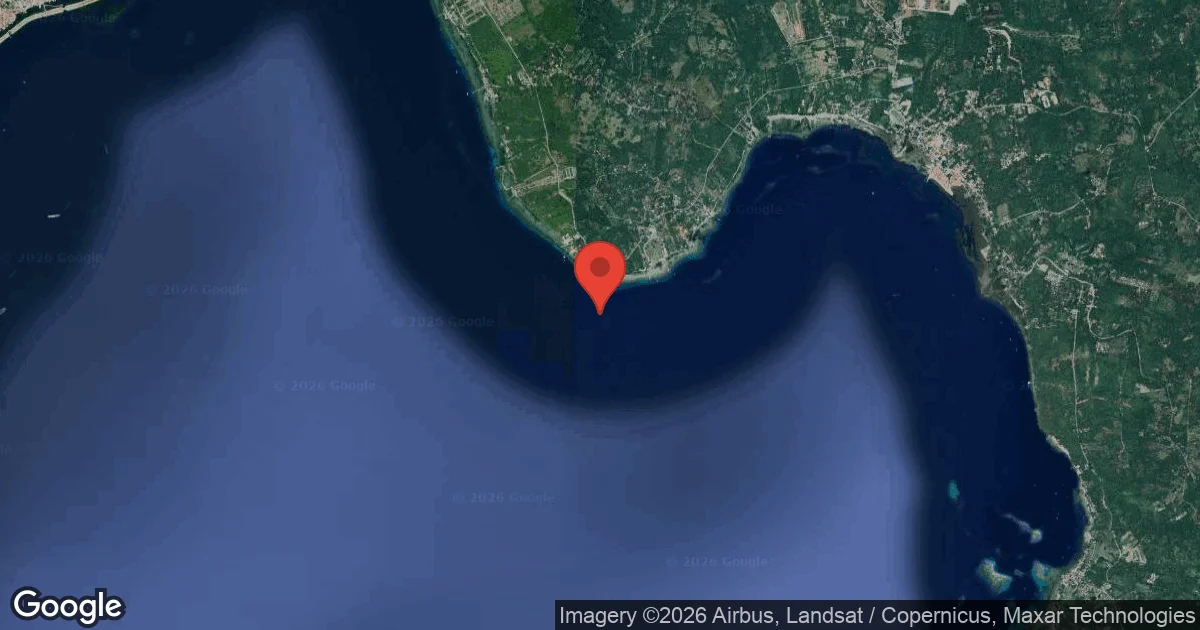
View all dive sites in PhilippinesDiscover more underwater gems in this area.
Dive Centers Near Dapia
No Dive Centers Local To Dapia
Are you a dive center visiting this location? Get listed to reach divers.
Nearest Airports
Nearest airports to help plan travel to this dive area.
Search Flights
Check available flights and routes on Expedia, using the nearby airports listed in this section.
Search Flights on ExpediaFrequently Asked Questions
What is the typical depth range for diving at Dapia?
Dapia offers varied depths. Shallower coral garden areas are found around 10 m (33 ft), ideal for beginners and snorkelers. The main dive site's deeper sections can reach approximately 24 m (80 ft), where divers may encounter moderate currents.
Are there strong currents at Dapia?
Moderate currents can be experienced, particularly in the deeper sections of the dive site. Shallower areas tend to be calmer, but conditions can vary. Always check with a local guide before entering the water.
What kind of marine life can I expect to see?
Divers commonly encounter clownfish, angelfish, and damselfish in the shallows. Deeper areas may reveal barracudas, jacks, and tuna, alongside moray eels, hawksbill turtles, and various corals and sponges.
Is Dapia suitable for beginner divers?
Yes, Dapia is suitable for beginners, particularly its shallow coral garden areas. These are typically around 10 meters deep. Diving with a guide is recommended for all skill levels, especially when exploring the deeper parts.
How do I access the Dapia dive site?
The site is accessible by boat, typically a 25-minute ride from Santa Cruz Port. Many dive operators combine a trip to Dapia with visits to other nearby sites in the Talikud Island area.
What are the water temperatures like?
Specific water temperatures are not consistently reported for Dapia. However, as is typical for the Philippines, water temperatures generally remain warm and comfortable throughout the year, suitable for diving with minimal thermal protection.
Planning to dive Dapia?
Send one inquiry and receive offers directly from the best verified local dive operators.
Conditions are Good
Optimal conditions expected
Current conditions near Dapia show 30° air, 29° sea temperature, 0.7 m waves, and 30 km/h wind. Forecast data is refreshed regularly to ensure accuracy.