
Diving at Linosoton (Philippines)
Linosoton provides a compelling wall dive experience on Talikud Island, Davao del Norte. This site is defined by extensive coral gardens and distinctive underwater rock formations. Divers can explore a vibrant wall reaching depths of 30 m / 100 ft, with the reef eventually sloping to a sandy bottom at 43 m / 141 ft. Its clear waters also present excellent opportunities for macro photography, revealing a rich tapestry of smaller marine creatures.
Evening condition tracking at Linosoton features an air temperature of 28.5°C. We have recorded wave heights measuring 0.6 m during this period. These figures outline the environmental parameters currently present.
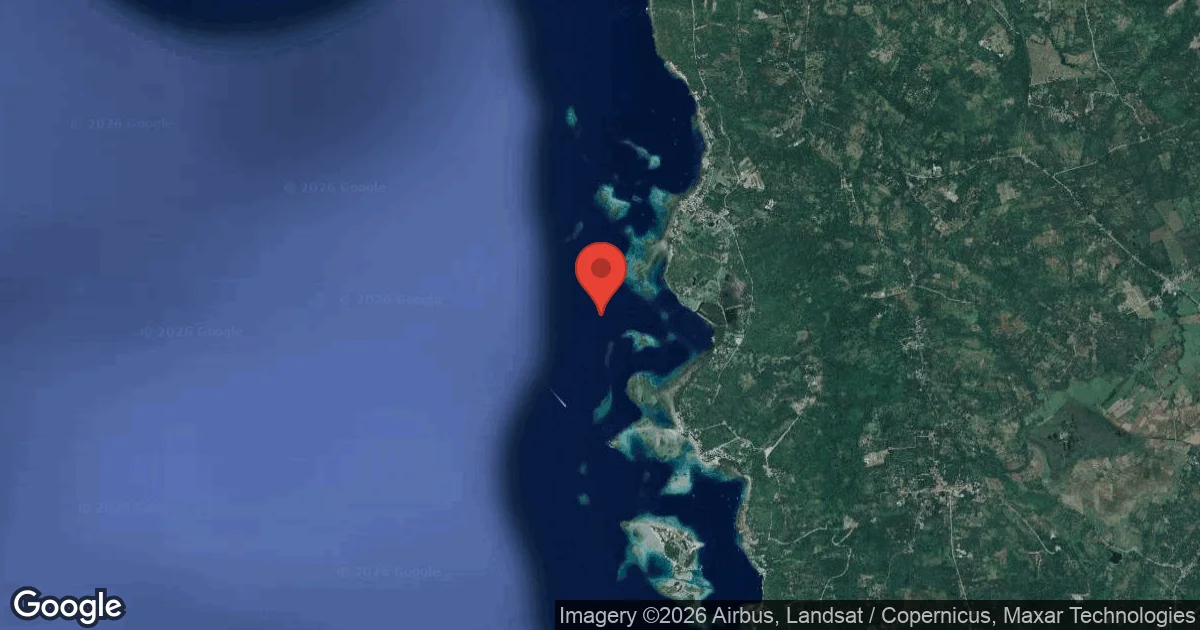
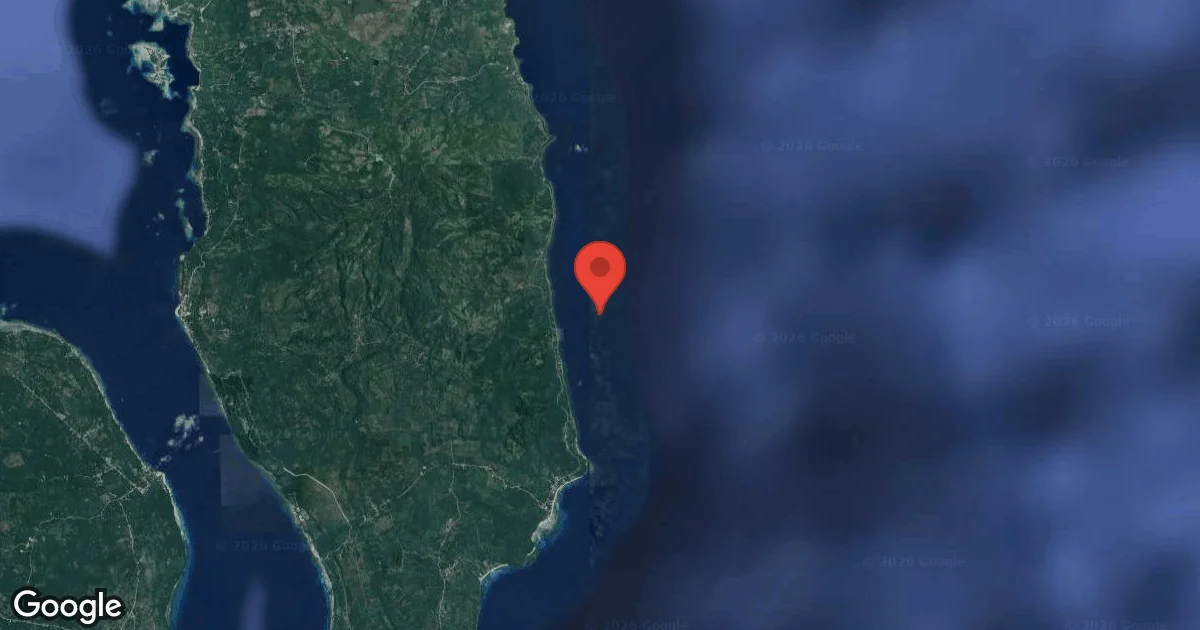
Dive Site Location & Key Facts
Dive Site Overview
Linosoton's reputation as a significant dive destination within the Davao Gulf stems from its unique blend of topographical features. Dives here primarily feature a stunning wall that descends up to 30 m / 100 ft, accompanied by extensive, vibrant coral gardens.
This site isn't merely another reef; its underwater landscape is further enriched by fascinating rock formations, providing diverse habitats for an array of marine life. While many of the most striking coral features are encountered above 20 m / 65 ft, the overall reef system extends deeper, gradually transitioning to a sandy bottom at around 43 m / 141 ft. Over the years, consistently clear waters have made Linosoton a favored spot for underwater photographers, particularly those focused on macro subjects.
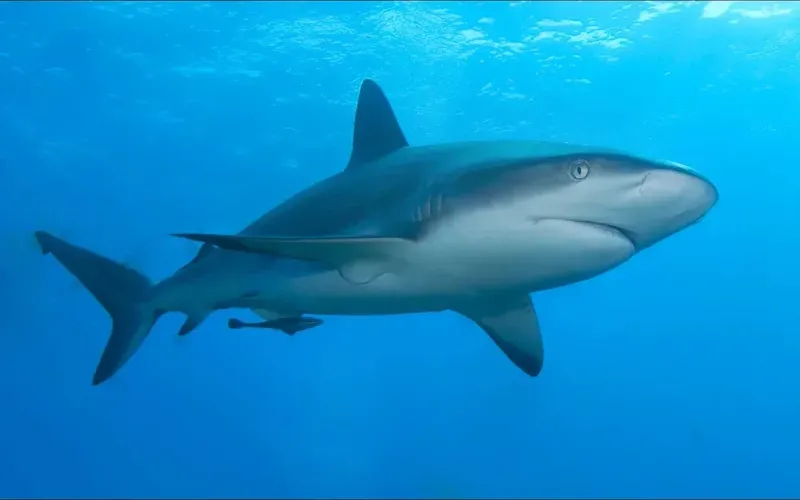
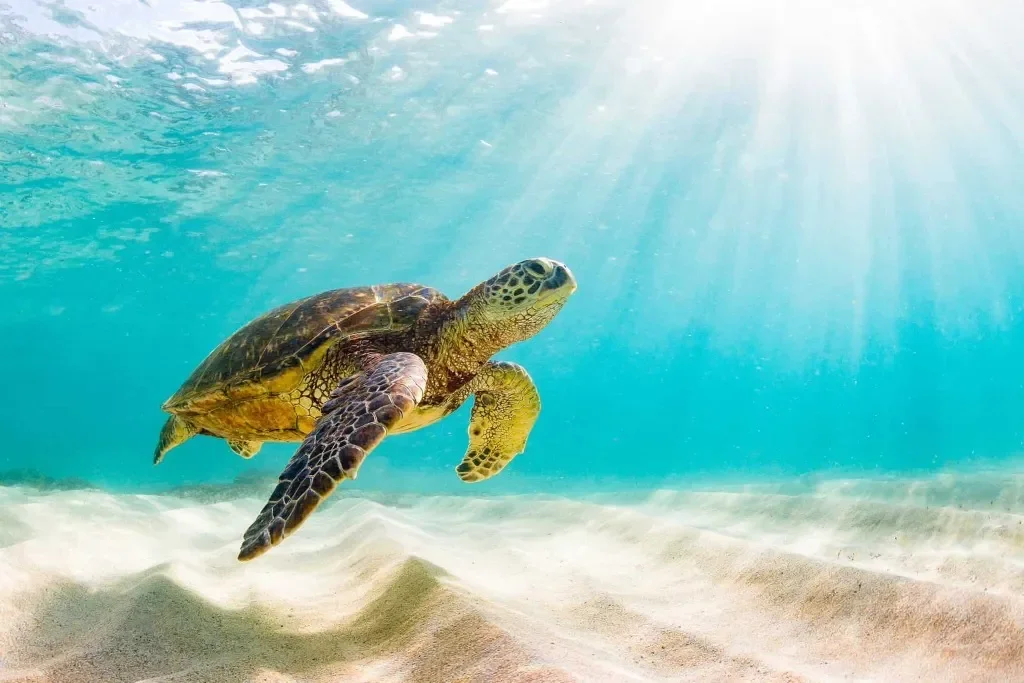
It functions as a natural gallery, showcasing a variety of reef fish species, delicate nudibranchs, and other small, intricate creatures often missed by the casual observer. Occasional sightings of larger animals like green sea turtles and reef sharks are also possible, adding an element of excitement to exploration here.
Conditions are Good
Optimal conditions expected
Current conditions near Linosoton show 28° air, 30° sea temperature, 0.8 m waves, and 32 km/h wind. Forecast data is refreshed regularly to ensure accuracy.
Best Time to Dive
Optimal conditions for diving at Linosoton align with months reporting high dive scores and minimal rainfall. Site data consistently indicates "Excellent" dive scores for most of the year, particularly from February through June and again from August to December. During these periods, average air temperatures comfortably range from 26.5-28°C / 80-82°F. Rain tends to be lowest from March to May, with monthly averages between 2.7-6.1 mm, contributing to better visibility. Wave heights are also generally lower, averaging around 0.3-0.4 meters, which makes for smoother boat rides and easier entry/exit. While January and July are rated "Good," the predominant "Excellent" ratings indicate reliable diving conditions for the majority of the year.
PEAK SEASON SCORE
Scores combine air & water temps, waves, wind & rainfall for overall conditions.
BEST MONTHS TO DIVE
Monthly records compiled from satellite and marine observation nodes over the last 3 years. Data provided by Open-Meteo and MET Norway.
Dive Experience & Conditions
Linosoton generally offers consistently clear waters, ensuring good visibility for exploring its diverse underwater terrain. A wall plunging to 30 m / 100 ft serves as a primary attraction, showcasing intricate coral structures and rock formations. Further down, the reef gradually slopes to a sandy expanse at 43 m / 141 ft. While vibrant coral features often appear shallower than 20 m / 65 ft, the entire profile sustains a rich variety of life. Divers should anticipate varying currents, as strong flows are possible in the Philippines; this might necessitate careful attention to guide instructions and potentially the use of a reef hook for stability. Water temperatures, while not consistently reported, generally remain warm in this tropical region.
Dive Difficulty & Safety Guidelines
Navigating Linosoton requires divers to be mindful of potential currents, which can vary in strength and direction. Always stay close to your buddy and adhere strictly to your dive guide's instructions, especially when currents are present; a reef hook or drift line might be beneficial to hold steady. Respect for the marine environment is paramount here.
Avoid touching or damaging corals and refrain from interacting with marine life, ensuring the delicate ecosystem remains undisturbed. Protecting yourself from the tropical sun is also important; wear a rash guard or wetsuit for skin protection and use reef-safe sunscreen. Staying well-hydrated before and after dives can prevent fatigue and cramping.
Recommended Equipment
- Dive Computer
- DSMB
This gear list is based on verified equipment signals for Linosoton, Philippines. Always confirm final gear choices with your dive operator, guide, or liveaboard.
Recommended Dive Suit
Conditions in the coming days are expected to stay within a similar temperature range.
Factors such as dive duration, depth, and activity level can influence how warm a diver feels underwater.
Dive skin or rash guard typically balances flexibility and thermal protection in these temperatures. A hood or vest is suggested for sensitive divers due to surface winds. The latest environmental readings for Linosoton suggest water temperatures around 30°C (85°F). Surface air temperatures are resting at 28°C (83°F).
Due to technical issues with our weather providers, live updates are temporarily delayed. The data above reflects the conditions at the time of the last successful fetch.
Emergency & Medical Support
Essential information to help you plan your dive trip to Linosoton.

Hyperbaric chambers are a critical part of dive safety infrastructure. Availability varies significantly by region, and not all dive areas have immediate access.
Before diving, it's recommended to:
- confirm nearest medical facilities
- check emergency procedures with local dive operators
- ensure dive insurance covers evacuation if required
Divers Alert Network
Diving emergency assistance available through DAN World.
+1-919-684-9111- 24/7 emergency hotline
- Diving medical assistance
- Evacuation coordination
Emergency contacts are provided for reference. Always verify local emergency services before diving.
Marine Life at Linosoton
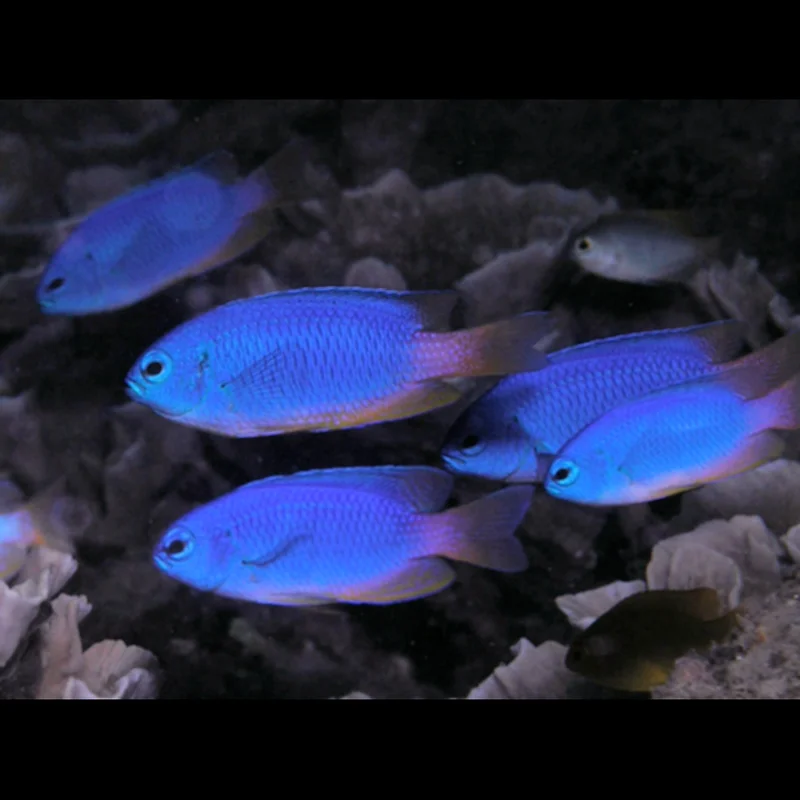
Upon descending into Linosoton, divers often first notice the extensive and vibrant coral gardens, which serve as a bustling habitat. The reef teems with various species of colorful reef fish, including schools of damselfish and anthias.
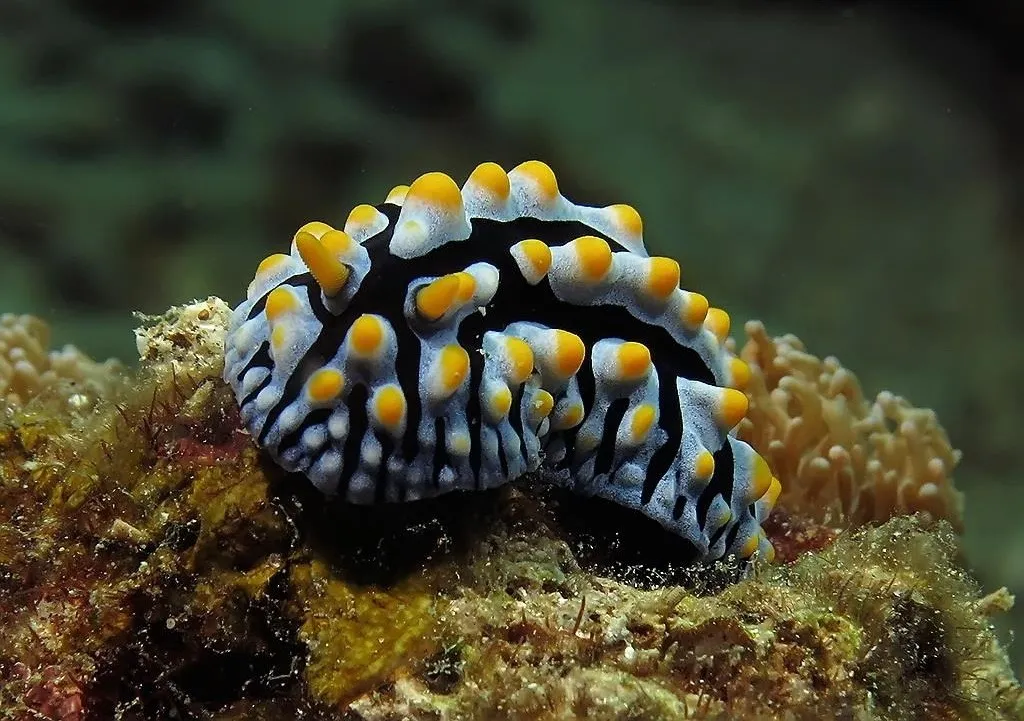
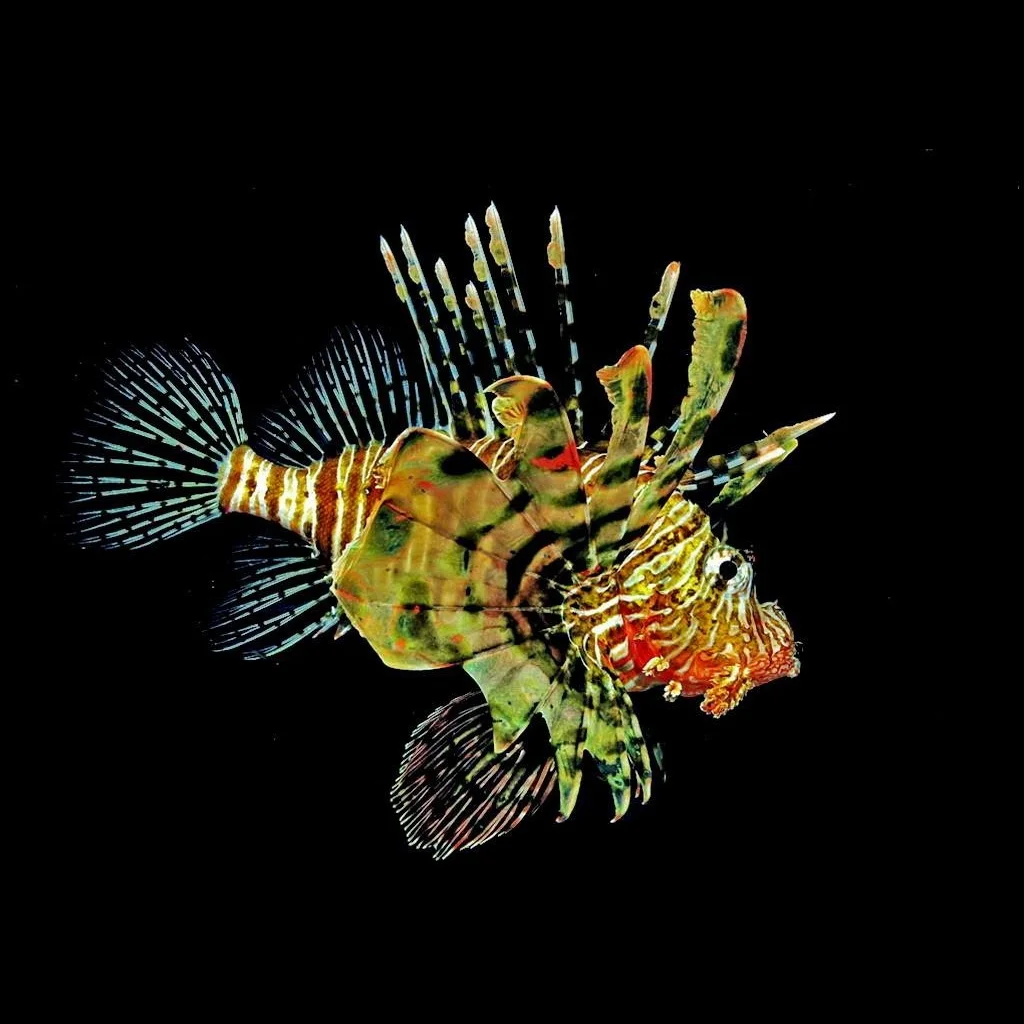
Macro enthusiasts will appreciate the frequent sightings of delicate nudibranchs, often found exploring the intricate coral formations. Keep an eye out for interesting creatures like sea snakes and lionfish.
While not guaranteed, occasional encounters with larger marine animals such as green sea turtles and reef sharks can add an exciting dimension to the dive experience.
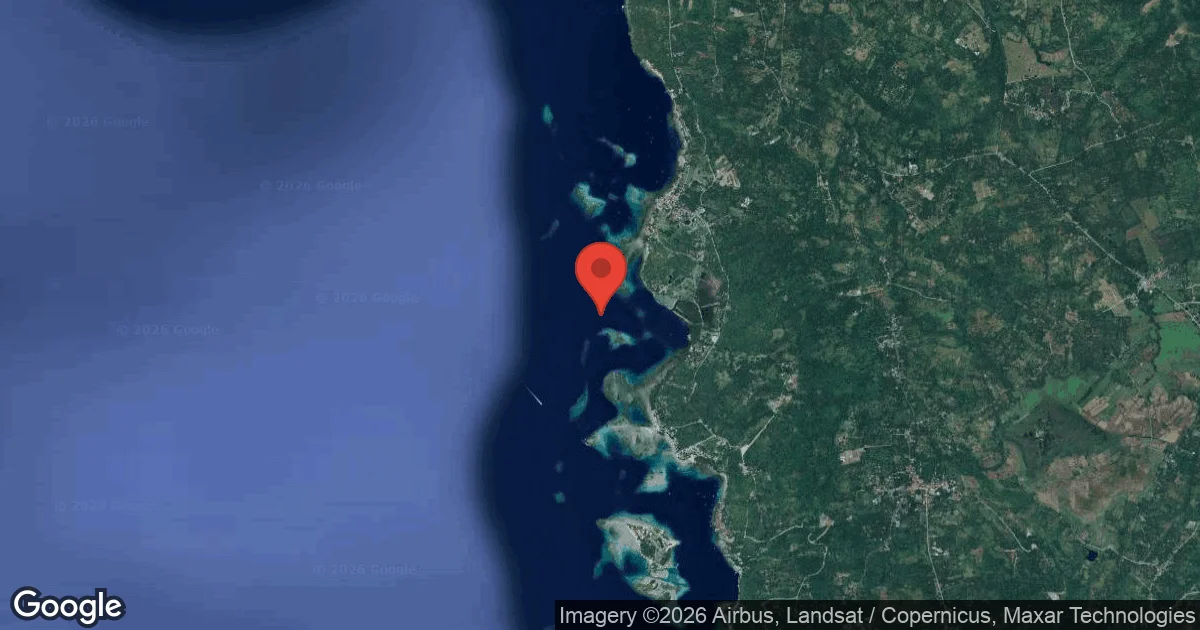
Dive Sites Near Linosoton
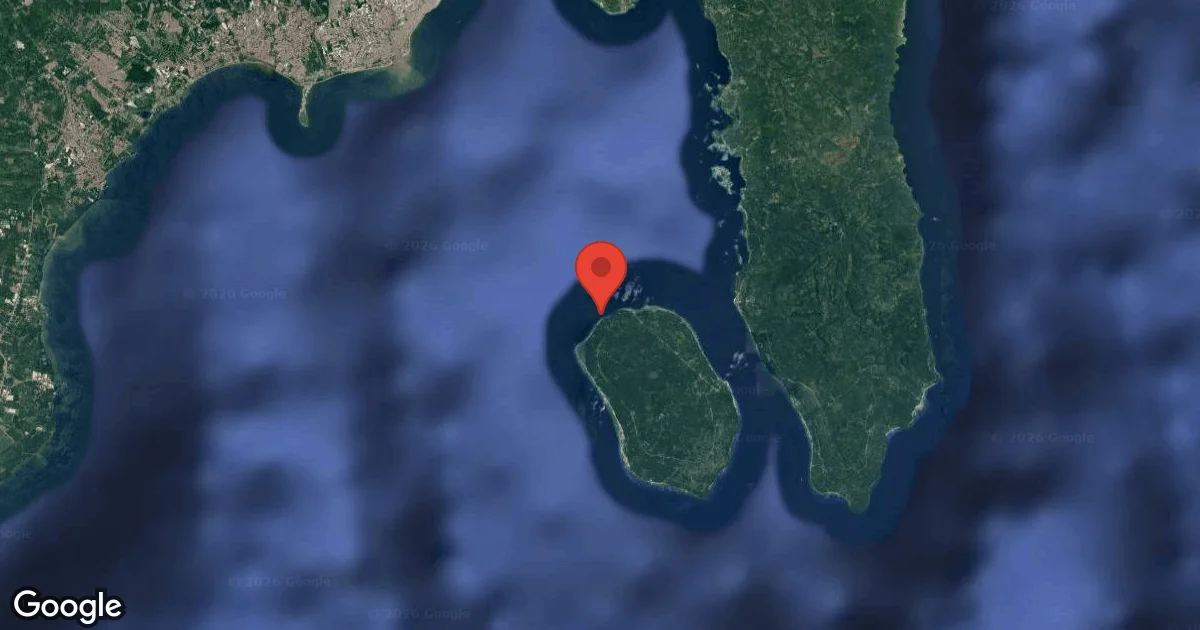
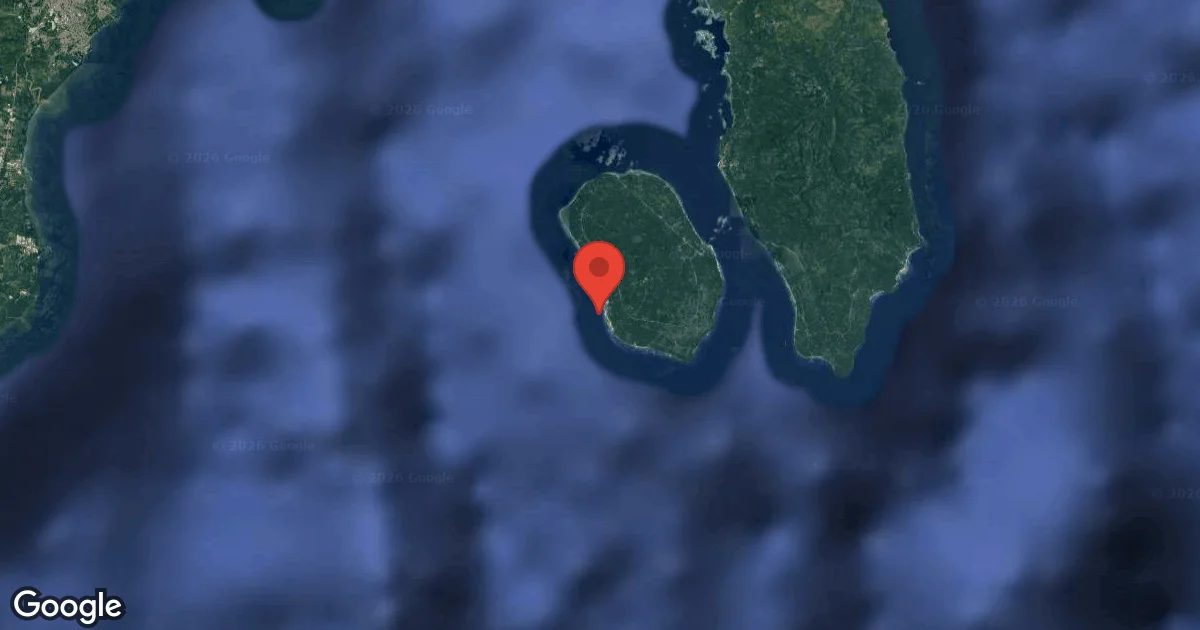
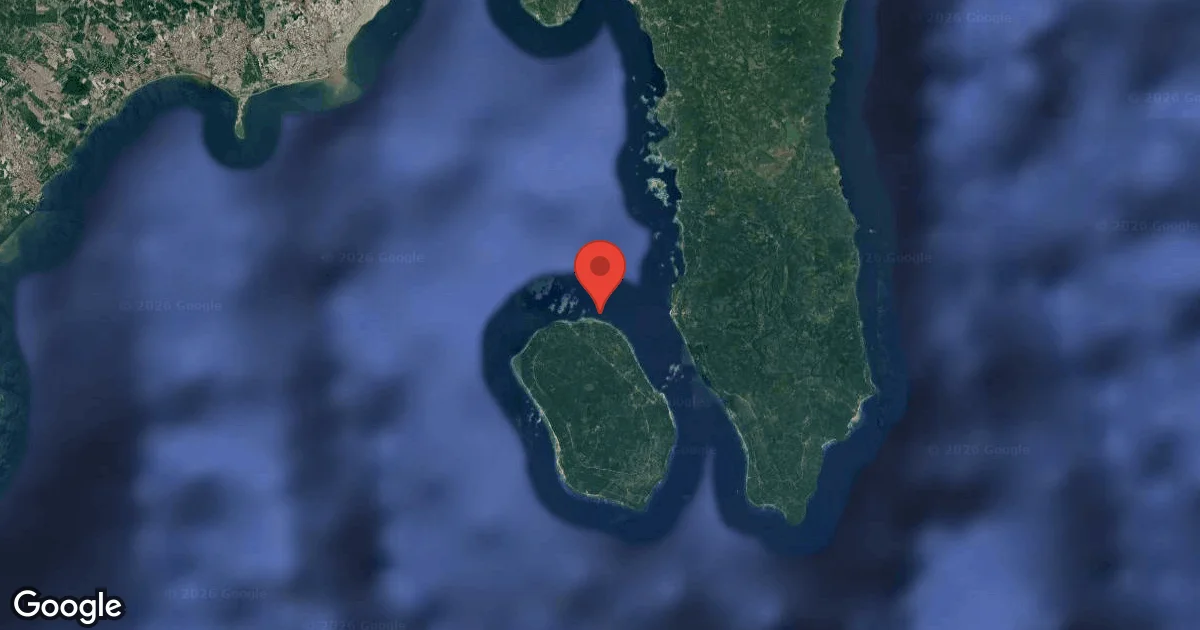
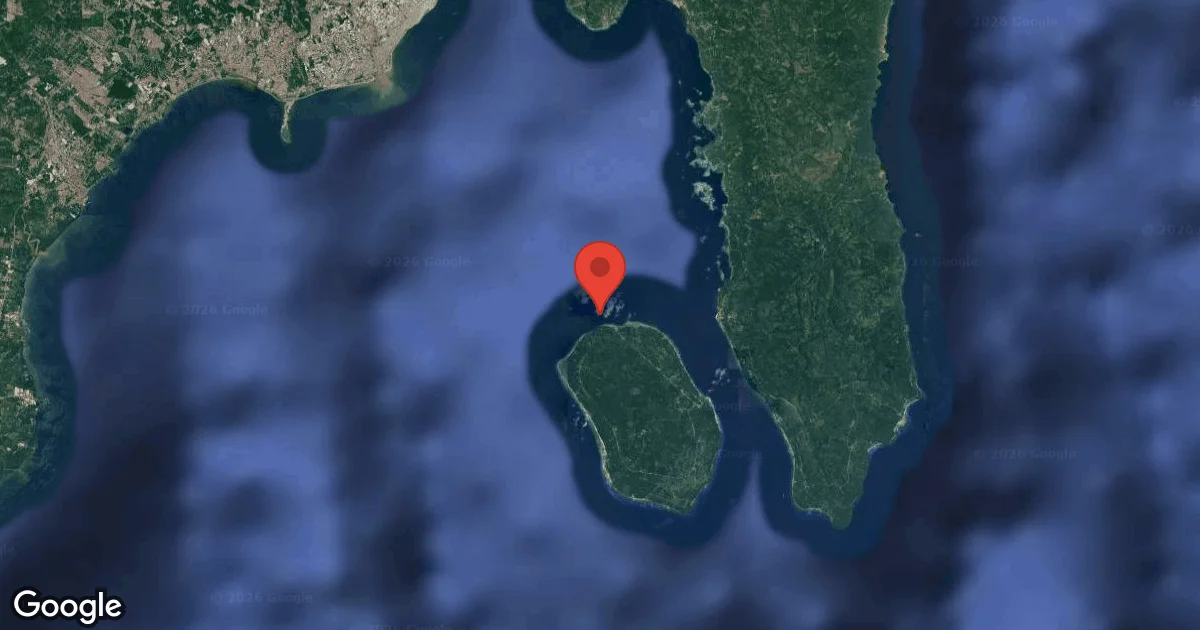
View all dive sites in PhilippinesDiscover more underwater gems in this area.
Dive Centers Near Linosoton
No Dive Centers Local To Linosoton
Are you a dive center visiting this location? Get listed to reach divers.
Nearest Airports
Nearest airports to help plan travel to this dive area.
Search Flights
Check available flights and routes on Expedia, using the nearby airports listed in this section.
Search Flights on ExpediaFrequently Asked Questions
Where can divers explore Linosoton?
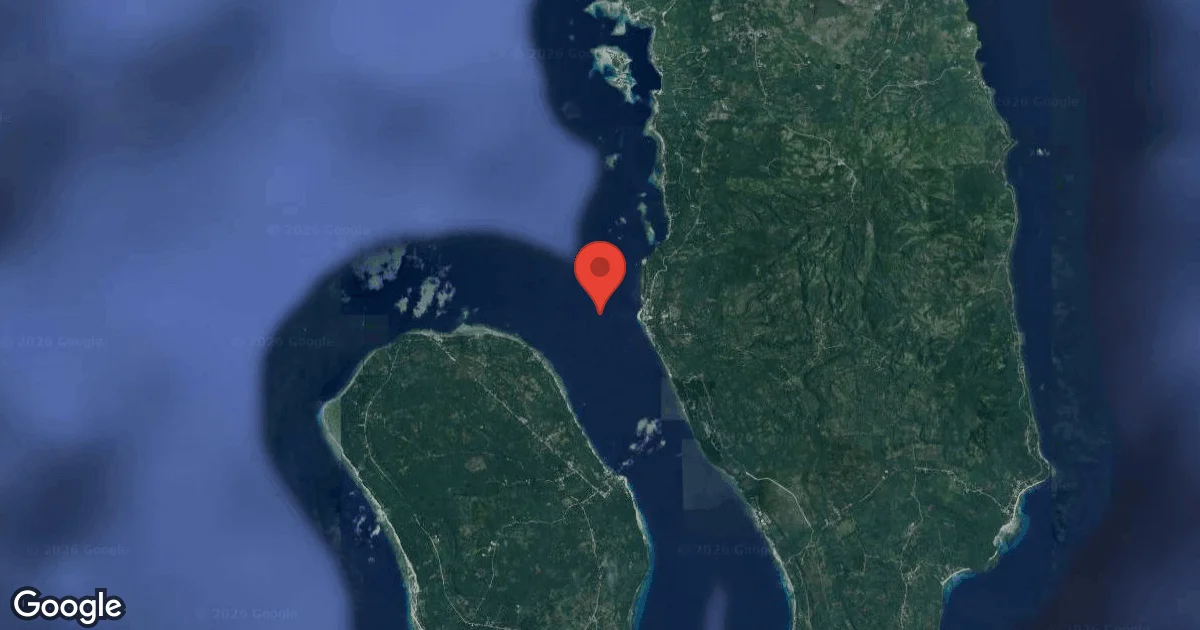
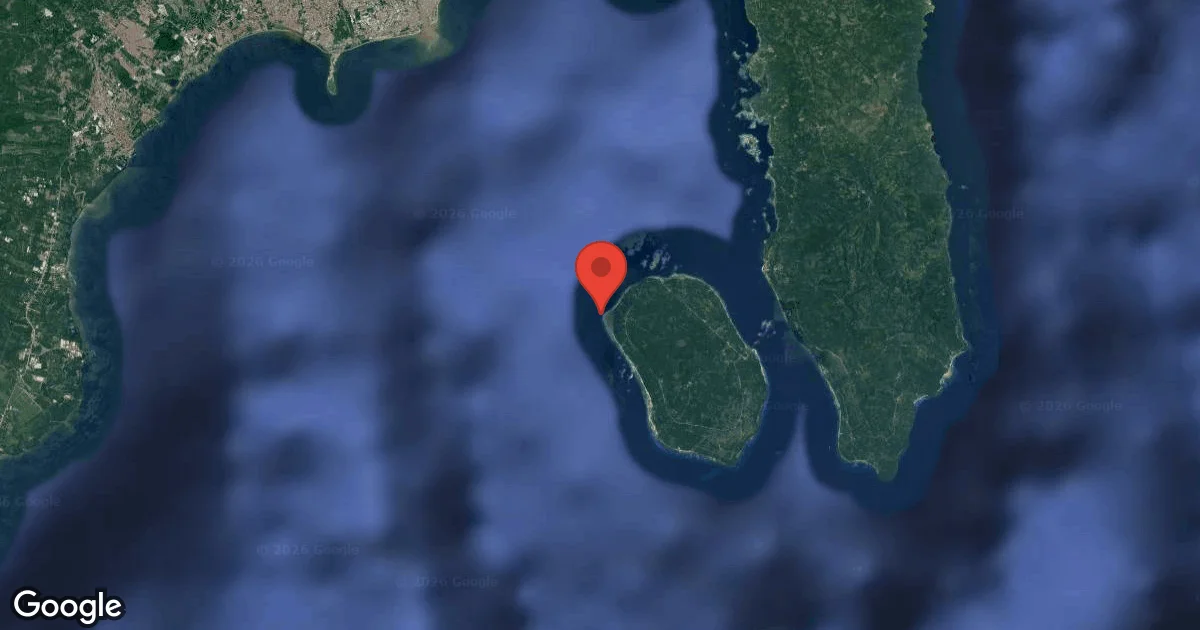
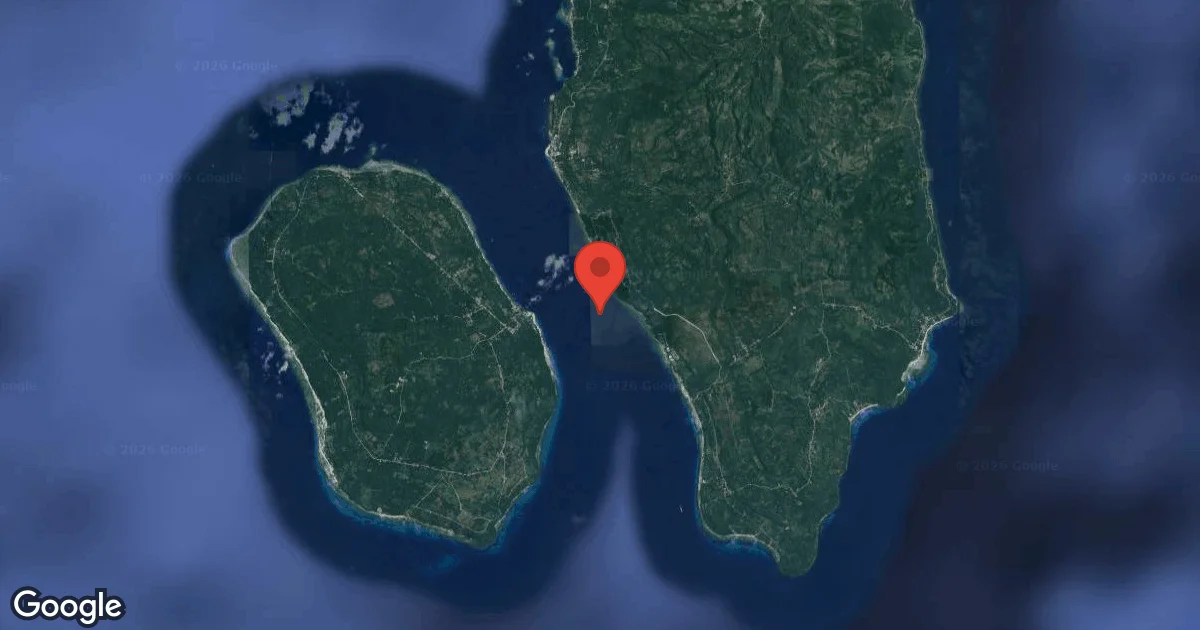
Linosoton dive site lies off the southern part of Talikud Island, Davao del Norte, Philippines. It's a popular access point from the Davao Gulf.
What is the maximum depth at Linosoton?
The main wall dive at Linosoton reaches depths of 30 m / 100 ft. The reef structure then slopes down to a sandy bottom at approximately 43 m / 141 ft.
What marine life can I expect to see?
Divers frequently encounter vibrant coral gardens, various reef fish, and nudibranchs. There are also occasional sightings of sea turtles and reef sharks.
Is Linosoton suitable for macro photography?
Yes, Linosoton's clear waters and abundance of small, intricate marine life like nudibranchs make it an excellent site for macro photography enthusiasts.
Are there strong currents at Linosoton?
Currents can vary at dive sites in the Philippines, including Linosoton. Divers should listen to their guide's instructions and be prepared for potential strong flows.
What are the best months to dive here?
The best months are generally from February through June and August to December, which consistently receive "Excellent" dive scores due to stable air temperatures and lower rainfall.
Planning to dive Linosoton?
Send one inquiry and receive offers directly from the best verified local dive operators.
Conditions are Good
Optimal conditions expected
Current conditions near Linosoton show 28° air, 30° sea temperature, 0.8 m waves, and 32 km/h wind. Forecast data is refreshed regularly to ensure accuracy.