
Diving at Talisay Wall (Philippines)
Dropping into the vertical realm of Talisay Wall, divers encounter a sheer face carved with intricate coral structures and concealed crevices. It's an immersive plunge into a vibrant tapestry of marine life, where the sun's rays diffuse into profound blue. This site offers a vivid sensory experience, where the scale of the underwater topography becomes truly apparent as it descends to over 50 m / 164 ft.
Starting the day at Talisay Wall, the ambient air temperature is recorded at 30.5°C. Ongoing monitoring shows wave heights measuring 0.4 m. This data represents the current surface conditions for early activities.
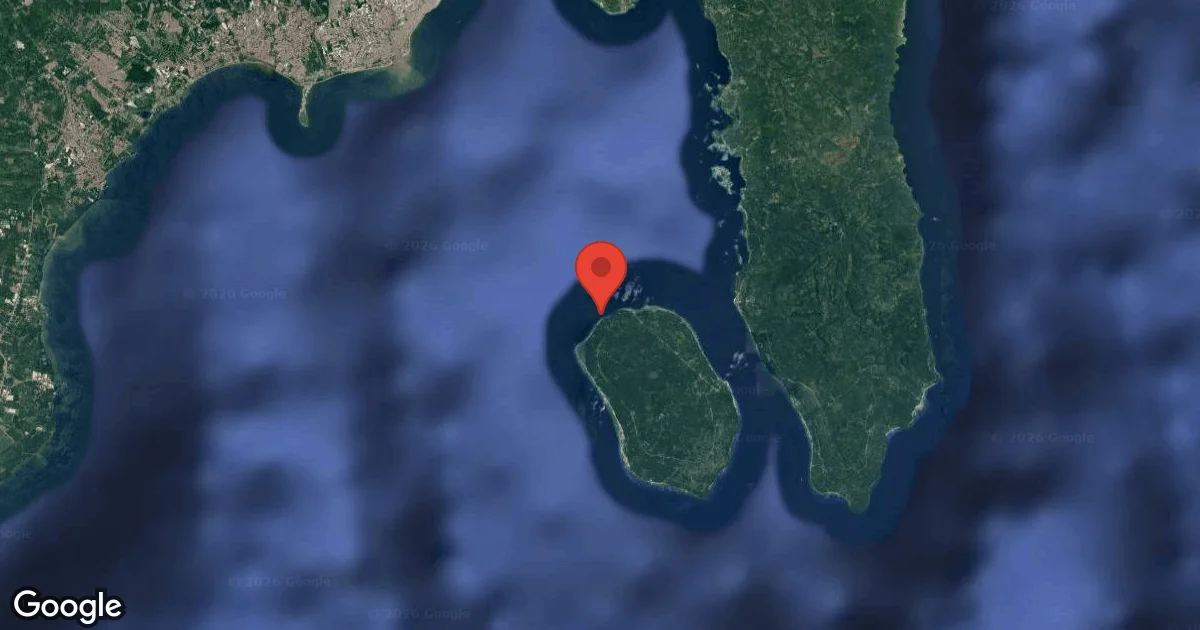
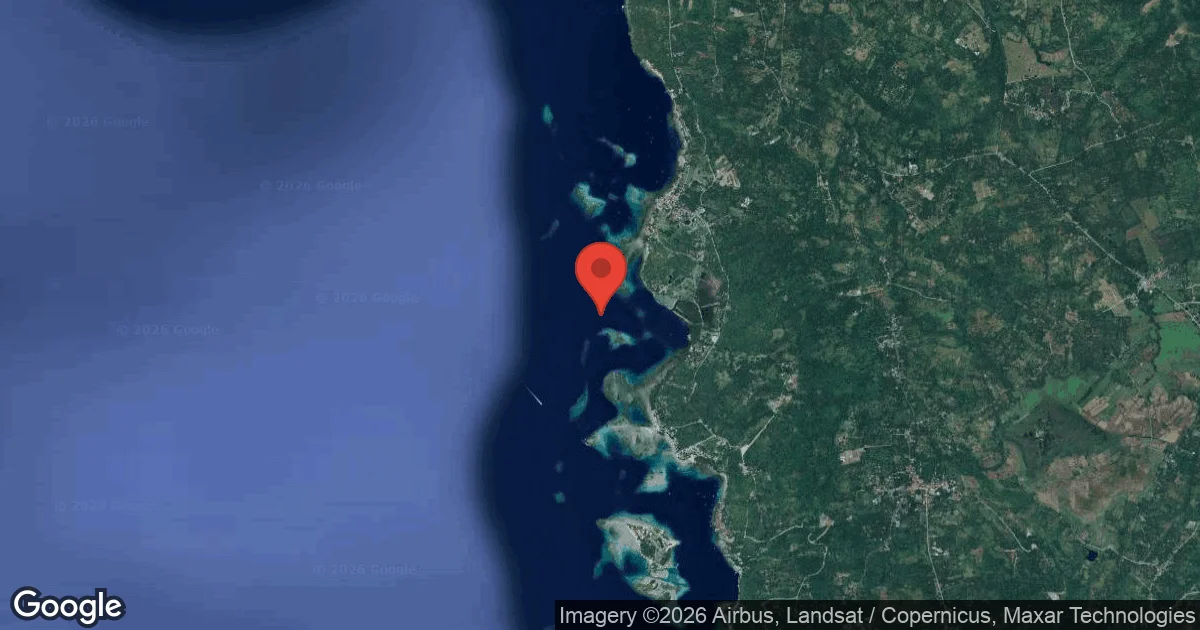
Dive Site Location & Key Facts
Dive Site Overview
Vertical exploration characterizes a dive at Talisay Wall, presenting a dynamic deep-dive environment. A gentle slope initially guides divers, yet around 13 meters, the seabed dramatically transitions into a sheer, vertical face.
Plunging to substantial depths, the wall features a notable ledge providing a natural stopping point for exploration at 35 meters, before its main structure continues well past 50 meters. Standard boat access positions divers for a profile inherently catering to deeper explorations and experienced certifications. Current conditions vary; reports indicate anything from negligible flow, perfect for meticulous observation, to more dynamic streams creating an exhilarating drift.
Its breathtaking canvas is densely adorned with a diverse array of colorful corals and sponges. Abundant marine species find support in this rich habitat, both nestled within crevices and traversing the expansive blue.
A complex structure encourages thorough exploration, rewarding divers with encounters ranging from schooling reef fish to potential sightings of larger pelagics in the open water. Careful buoyancy and an understanding of vertical diving dynamics enhance the experience.
Conditions are Good
Optimal conditions expected
Current conditions near Talisay Wall show 30° air, 29° sea temperature, 0.7 m waves, and 31 km/h wind. Forecast data is refreshed regularly to ensure accuracy.
Best Time to Dive
Conditions for diving at Talisay Wall remain largely favorable throughout the year, with optimal months typically receiving 'Excellent' dive scores. The air temperatures consistently stay comfortable, ranging from approximately 26.5°C in February to around 28°C in October, making surface intervals pleasant. Rainfall is generally low across all months, with the lowest averages noted in March at 2.7mm and the highest in June at 8.88mm. This consistent climate profile means divers are less likely to encounter significant rain-related visibility issues or uncomfortable surface conditions. While specific water temperature data is not consistently reported, the region generally experiences warm tropical waters, allowing for comfortable diving. The periods from February through December are particularly noted for their high dive scores, indicating stable and enjoyable conditions.
PEAK SEASON SCORE
Scores combine air & water temps, waves, wind & rainfall for overall conditions.
BEST MONTHS TO DIVE
Monthly records compiled from satellite and marine observation nodes over the last 3 years. Data provided by Open-Meteo and MET Norway.
Dive Experience & Conditions
The current dynamics at Talisay Wall are variable; some reports suggest negligible to moderate flow, while others indicate potentially strong currents and occasional surge, making it a compelling drift dive for those with appropriate experience. Descent begins over a gradual slope, leading to the main vertical wall that plunges to profound depths. Visibility here is generally good, often extending up to 30 m / 100 ft, allowing for clear views of the extensive wall and its inhabitants. The site is primarily accessed via boat, positioning divers directly over the dramatic drop-off. While the upper sections can be explored by many, the nature of its vertical drop and potential currents lean toward suitability for more experienced divers. Dive profiles often involve exploring the wall at various depths, requiring good buoyancy control and awareness of one's surroundings.
Dive Difficulty & Safety Guidelines
Navigating the vertical topography and potentially deeper sections of Talisay Wall benefits significantly from local expertise; diving with a guide is highly recommended for both safety and site orientation. Given that the wall descends beyond 50 meters, divers should possess advanced certifications, with PADI Deep Diver training particularly relevant for exploring its profound profiles. Awareness of current conditions is crucial, as reports suggest varying strengths which could impact dive planning and execution.
There are no specific hazards listed for Talisay Wall, but general deep diving protocols, such as meticulous gas management and conservative no-decompression limits, should always be strictly followed. Divers should also carry a dive computer and a Surface Marker Buoy (SMB) as standard safety equipment.
Recommended Equipment
Technical depth range. Advanced planning, gas management, and appropriate certification required.
- Dive Computer
- DSMB
- Primary & Backup Lights
This gear list is based on verified equipment signals for Talisay Wall, Philippines. Always confirm final gear choices with your dive operator, guide, or liveaboard.
Recommended Dive Suit
With water temperatures around 29°C (85°F), many divers find a dive skin or rash guard provides comfortable protection.
Local dive briefings can provide the most accurate guidance.
A modest cooling trend is expected in the upcoming forecast. Cooler days are ahead; you might want a warmer option for later in the week. A warmer option can provide additional comfort if conditions shift.
Emergency & Medical Support
Essential information to help you plan your dive trip to Talisay Wall.

Hyperbaric chambers are a critical part of dive safety infrastructure. Availability varies significantly by region, and not all dive areas have immediate access.
Before diving, it's recommended to:
- confirm nearest medical facilities
- check emergency procedures with local dive operators
- ensure dive insurance covers evacuation if required
Divers Alert Network
Diving emergency assistance available through DAN World.
+1-919-684-9111- 24/7 emergency hotline
- Diving medical assistance
- Evacuation coordination
Emergency contacts are provided for reference. Always verify local emergency services before diving.
Marine Life at Talisay Wall
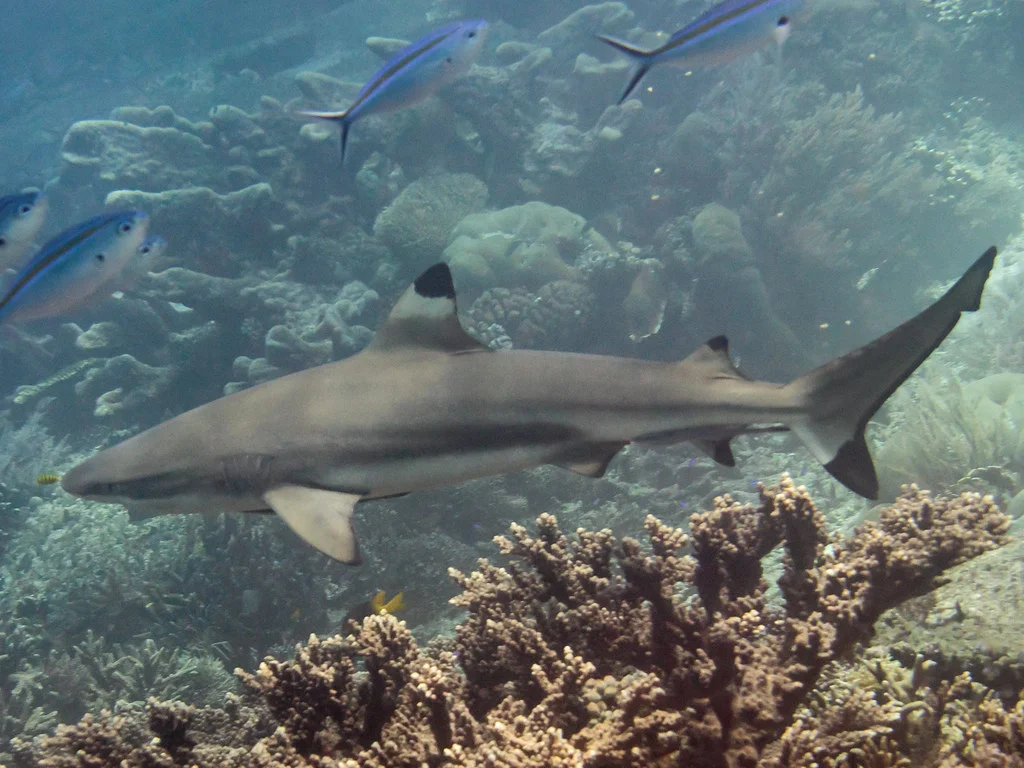
Divers exploring Talisay Wall often encounter pelagic and reef inhabitants along its impressive drop-off. Keep an eye out for blacktip reef sharks patrolling the blue, a consistent sighting in this area.
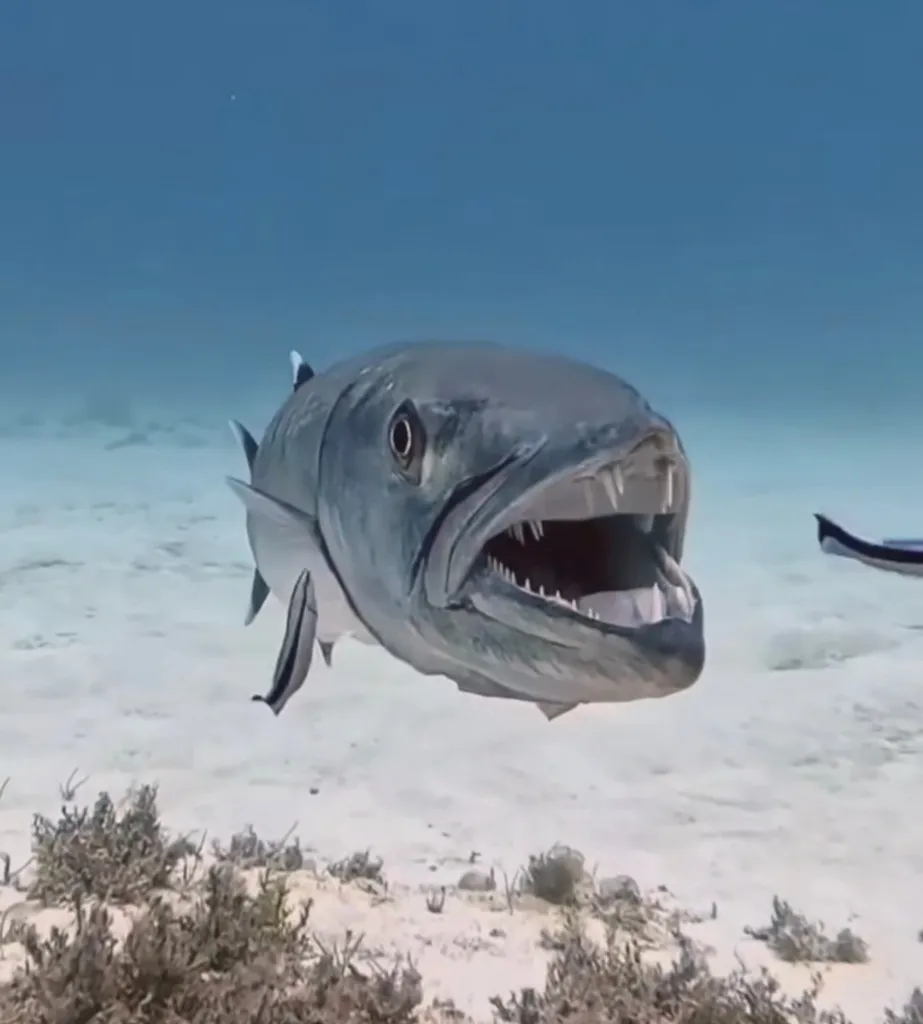
Schools of barracudas and bigeye jacks are also observed moving through the water column. Closer to the wall, sea turtles are commonly spotted, alongside lionfish gracefully navigating the corals.
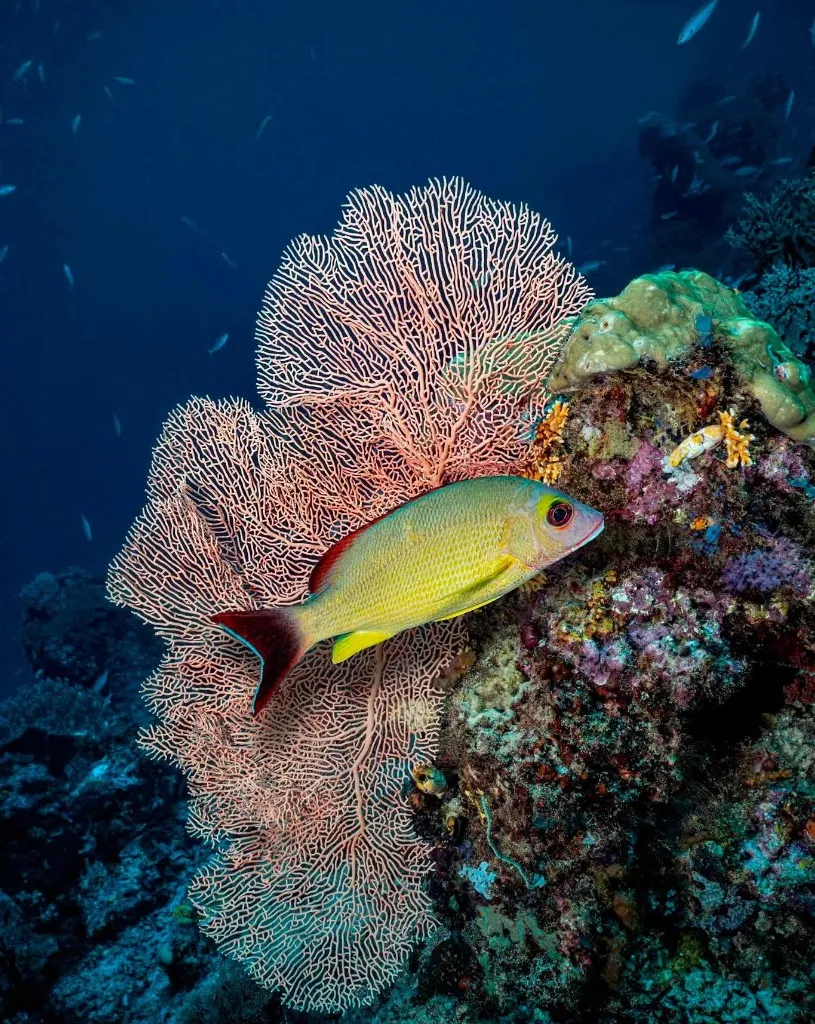
The vibrant coral and sponge cover provides habitat for a variety of smaller reef fish, including snappers and the distinctive pyjama cardinalfish. Nudibranchs in a wide array of colors add to the micro-diversity on the wall, inviting a slower, more detailed inspection.


Dive Sites Near Talisay Wall
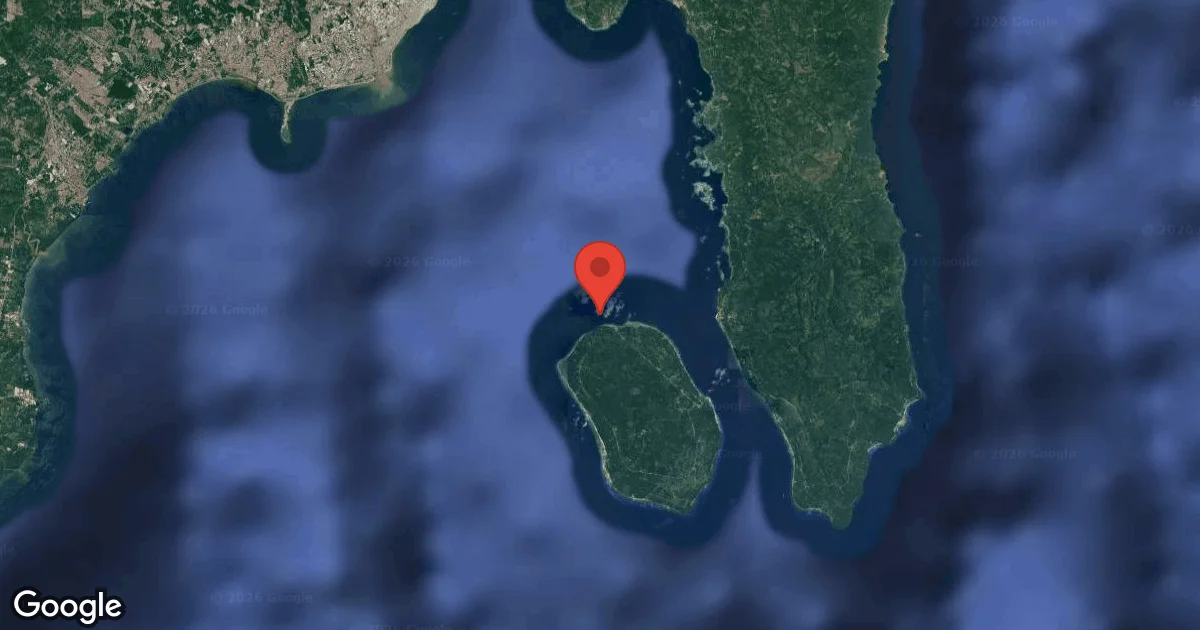
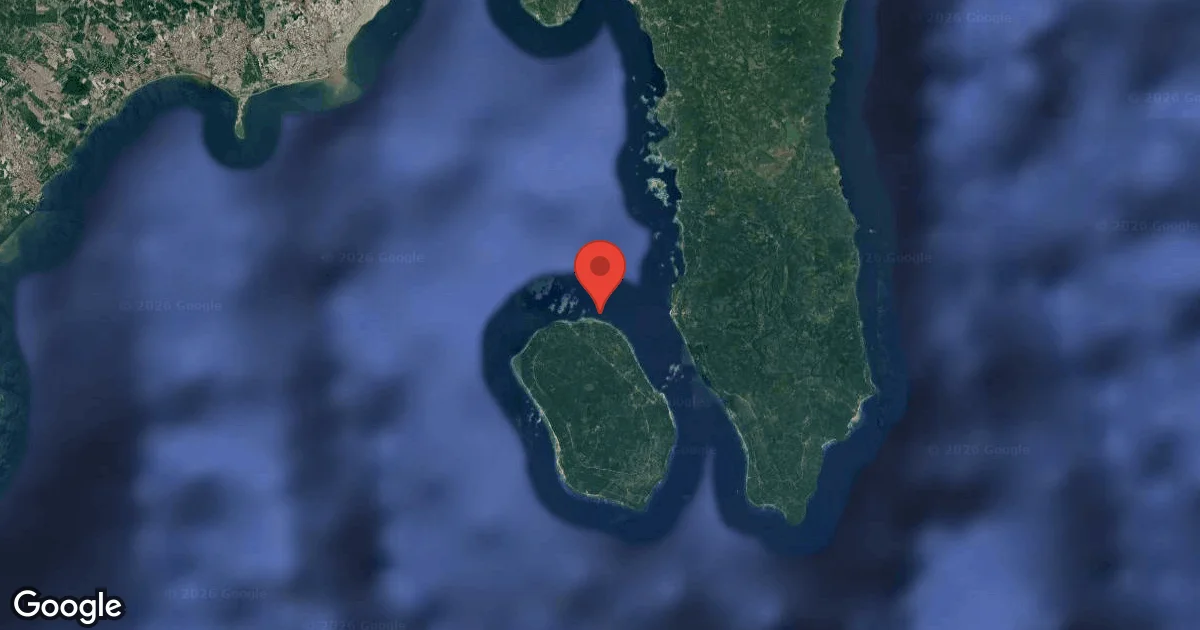
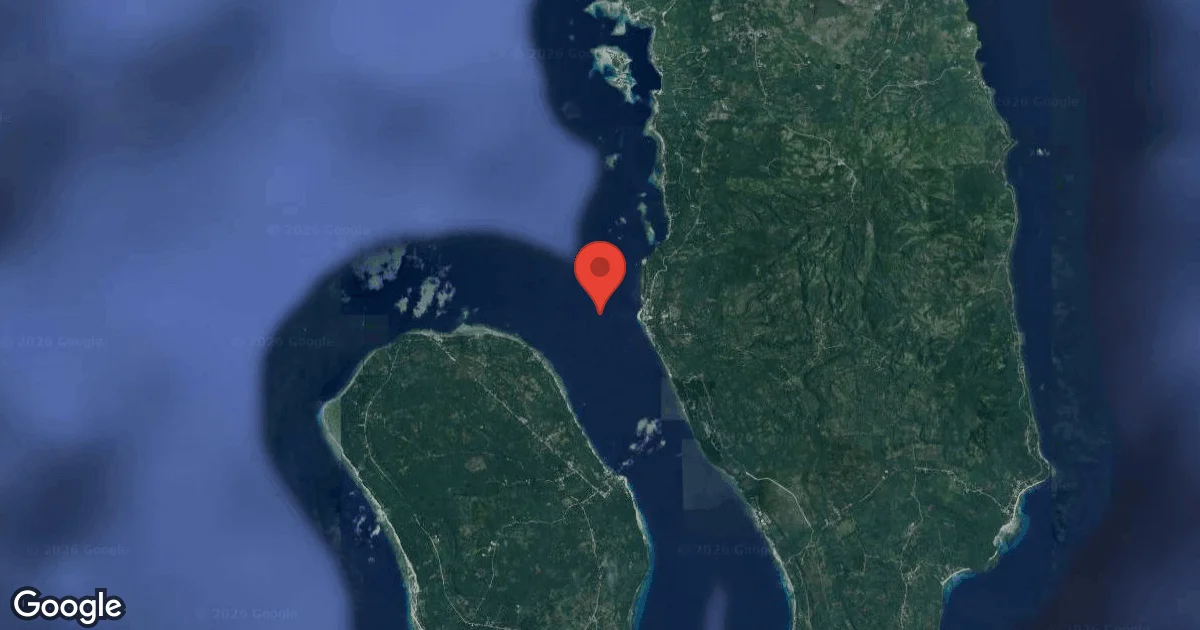
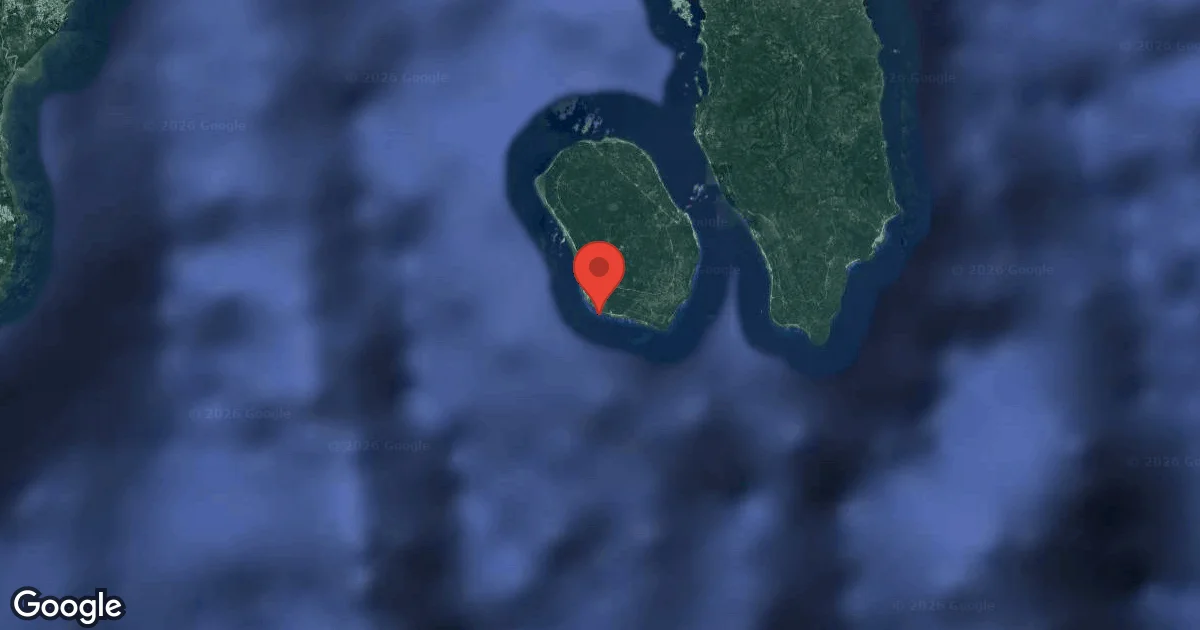
View all dive sites in PhilippinesDiscover more underwater gems in this area.
Dive Centers Near Talisay Wall
No Dive Centers Local To Talisay Wall
Are you a dive center visiting this location? Get listed to reach divers.
Nearest Airports
Nearest airports to help plan travel to this dive area.
Search Flights
Check available flights and routes on Expedia, using the nearby airports listed in this section.
Search Flights on ExpediaFrequently Asked Questions
What type of dive is Talisay Wall?
Talisay Wall is primarily a boat-entry wall dive, characterized by a sloping entry that transitions into a vertical drop. It caters to deep dive profiles and offers opportunities for drift diving, depending on currents.
What is the maximum depth at Talisay Wall?
The wall plunges to significant depths, well beyond 50 meters. This makes it appealing for divers with advanced training and experience in deeper environments.
Is Talisay Wall suitable for all diver levels?
While some sections might be accessible to less experienced divers, the site's depth and potentially strong currents make it more suitable for experienced divers. Advanced certifications, like PADI Deep Diver, are recommended.
When is the best time to dive Talisay Wall?
Diving is possible year-round, with conditions generally excellent from February through December. Air temperatures are consistently warm, averaging between 26.5°C and 28°C, and rainfall is typically low, ensuring good visibility.
What marine life can I expect to see at Talisay Wall?
Common sightings include blacktip reef sharks, barracudas, and sea turtles. The wall also hosts a variety of reef fish like lionfish and snappers, alongside colorful corals, sponges, and numerous nudibranch species.
Are dive guides recommended for Talisay Wall?
Yes, diving with a local guide is highly recommended. Their expertise is invaluable for navigating the site's unique topography, understanding current dynamics, and maximizing your safety and experience.
What are the typical visibility conditions?
Visibility at Talisay Wall is generally quite good, often extending to 30 meters. This allows for clear views of the impressive wall structure and the abundant marine life.
Planning to dive Talisay Wall?
Send one inquiry and receive offers directly from the best verified local dive operators.
Conditions are Good
Optimal conditions expected
Current conditions near Talisay Wall show 30° air, 29° sea temperature, 0.7 m waves, and 31 km/h wind. Forecast data is refreshed regularly to ensure accuracy.