
Diving at San Jose (Philippines)
From San Jose, Occidental Mindoro, divers often anticipate the journey to Apo Reef, a significant natural wonder. A typical trip takes two and a half hours by standard dive boat, or thirty minutes via speedboat, priming you for extensive exploration. Divers can prepare for multi-day liveaboard experiences or focused day trips, depending on their preferred pace and the sites they aim to discover.
As evening covers San Jose, the local air temperature is measured at 32°C. The current wave height at the surface is recorded at 0.4 m. These late-day readings characterize the surface conditions for the night.
Dive Site Location & Key Facts
Dive Site Overview
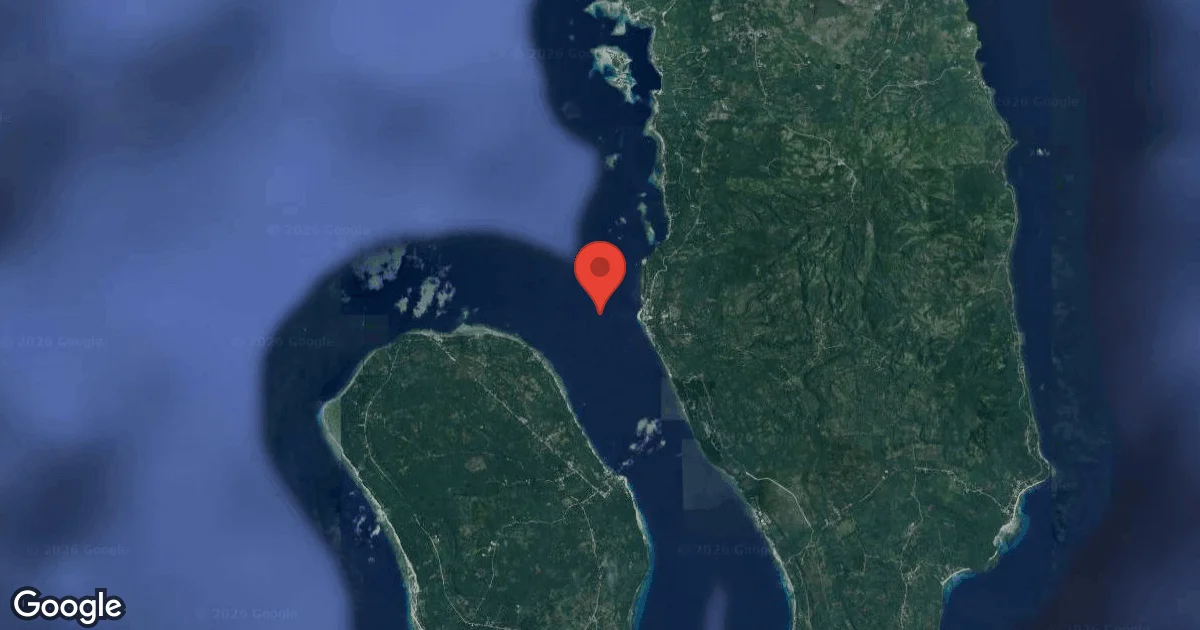
San Jose acts as a pivotal departure point for numerous underwater explorations, most notably towards the expansive Apo Reef Natural Park. Established in 1996, Apo Reef is recognized as the Philippines' largest atoll and the world's second-largest contiguous coral reef system, encompassing 27,460 hectares.
Over thirty distinct dive sites are available within the park, each presenting pristine conditions and notably minimal boat traffic. Its reef structures boast dramatic walls, deep canyons, and intricate cave systems, supporting a vibrant and diverse array of marine life.
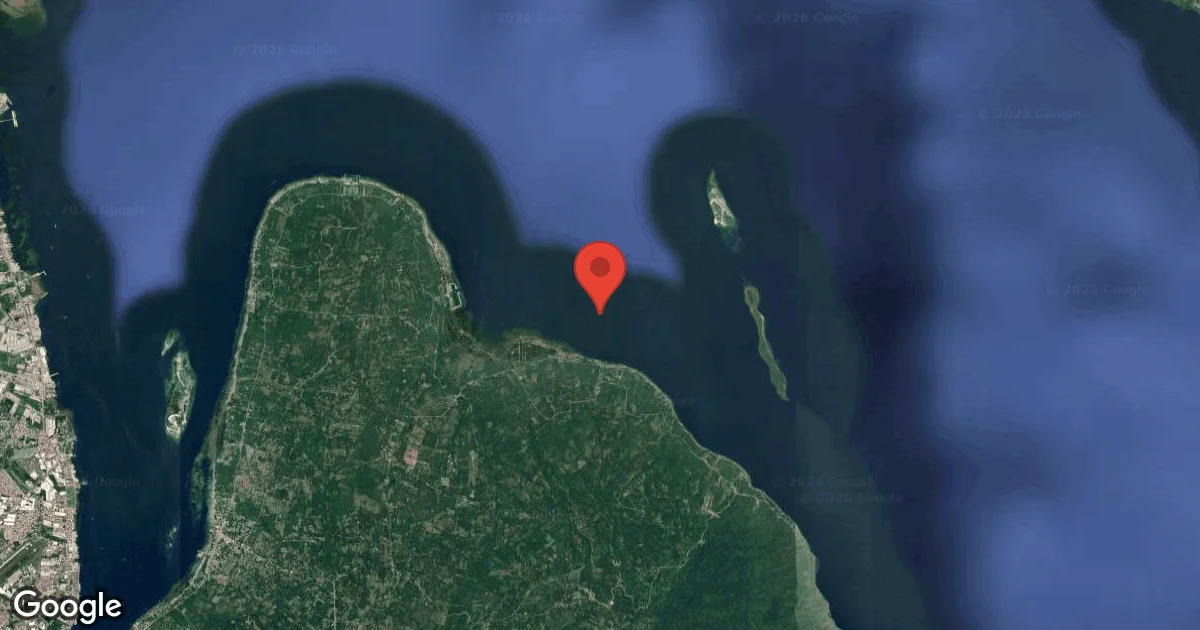
Divers can expect a range of topographical features offering varied experiences. Alternatively, San Jose on Samal Island in Davao, Mindanao, presents a distinctly different, more relaxed dive profile.
Here, conditions involve a sandy bottom interspersed with gentle coral formations, reaching a maximum depth of 15 m (50 ft). Such a shallower location is especially well-suited for entry-level divers or snorkelers, frequently combined with other accessible nearby spots for a varied day.
Conditions are Good
Optimal conditions expected
Current conditions near San Jose show 32° air, 30° sea temperature, 0.6 m waves, and 24 km/h wind. Forecast data is refreshed regularly to ensure accuracy.
Best Time to Dive
A dive trip to San Jose often yields rewarding experiences year-round, as favorable conditions persist throughout most months. From March to May, a 'hot dry summer' period offers air temperatures averaging 26.5-27°C (80-81°F), with minimal rainfall, leading to excellent dive scores. A 'cool season' between December and February sees comfortable air temperatures around 25.5-26.5°C (78-80°F) and low rain figures, consistently maintaining excellent dive conditions. While the 'rainy season' from June to November brings slightly increased precipitation, average monthly rainfall typically remains manageable, peaking around 12.8 mm (0.5 inches) in June. Dive scores throughout this period are consistently good, suggesting continued enjoyable conditions. Water temperatures for diving generally range from 26-30°C (79-86°F) regardless of the season, ensuring warm dives. Waves usually remain below 0.4 meters, contributing to comfortable surface intervals and boat rides.
PEAK SEASON SCORE
Scores combine air & water temps, waves, wind & rainfall for overall conditions.
BEST MONTHS TO DIVE
Monthly records compiled from satellite and marine observation nodes over the last 3 years. Data provided by Open-Meteo and MET Norway.
Dive Experience & Conditions
Underwater experiences near San Jose vary, contingent on the specific location. At San Jose, Samal Island, shallow sandy bottoms and scattered coral formations generally offer a relaxed dive, descending to a maximum depth of 15 m (50 ft). Visibility there is typically clear, making it an ideal spot for entry-level divers or those preferring a leisurely pace. Divers venturing to Apo Reef from San Jose, Occidental Mindoro, encounter conditions that expand to include deep walls, intricate canyons, and accessible caves. Visibility across Apo Reef sites is often exceptional, ranging from 20-60 meters (65-200 ft), allowing for expansive views of extensive reef structures. Water temperatures consistently stay warm, typically between 26-30°C (79-86°F). While general conditions are frequently calm, specific currents can vary, especially around larger reef formations or exposed areas. Such varied topography ensures diverse challenges and abundant photographic opportunities.
Dive Difficulty & Safety Guidelines
Diving in the San Jose area, particularly at a significant site like Apo Reef, requires adherence to standard safety practices. Always dive within your certification limits. It's advisable to dive with experienced local guides, not only for navigation and safety but also to ensure the protection of the delicate marine ecosystems.
Nitrox is available at local dive centers, but specialized technical diving or rebreather support may not be universally offered. Familiarize yourself with dive plans and local conditions before each descent.
Given the potential for multi-day trips to remote locations such as Apo Reef, ensure your equipment is well-maintained. Active participation in diver alert networks is encouraged, as medical facilities might be distant from remote dive sites.
Recommended Equipment
- Dive Computer
- Hard-soled Dive Boots
This gear list is based on verified equipment signals for San Jose, Philippines. Always confirm final gear choices with your dive operator, guide, or liveaboard.
Recommended Dive Suit
Experienced divers often bring flexible gear options.
Divers exploring San Jose today will likely encounter water temperatures close to 30°C (85°F). Surface air temperatures are resting at 32°C (89°F). Divers who spend longer periods underwater often choose dive skin or rash guard. A hood or vest is suggested for sensitive divers due to surface winds.
Environmental conditions may feel slightly cooler as the week progresses. A significant temperature drop is forecast; strongly suggest bringing a backup warmer suit option. A thicker wetsuit may be worth considering for extended dives.
Emergency & Medical Support
Essential information to help you plan your dive trip to San Jose.

Hyperbaric chambers are a critical part of dive safety infrastructure. Availability varies significantly by region, and not all dive areas have immediate access.
Before diving, it's recommended to:
- confirm nearest medical facilities
- check emergency procedures with local dive operators
- ensure dive insurance covers evacuation if required
Divers Alert Network
Diving emergency assistance available through DAN World.
+1-919-684-9111- 24/7 emergency hotline
- Diving medical assistance
- Evacuation coordination
Emergency contacts are provided for reference. Always verify local emergency services before diving.
Marine Life at San Jose
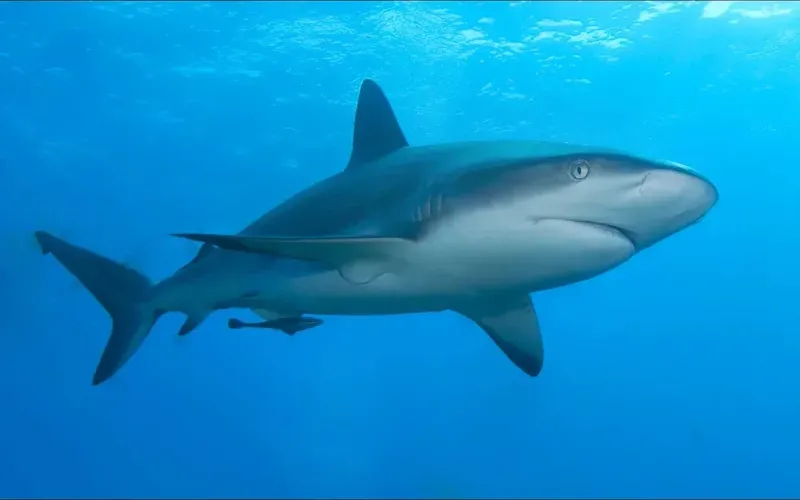
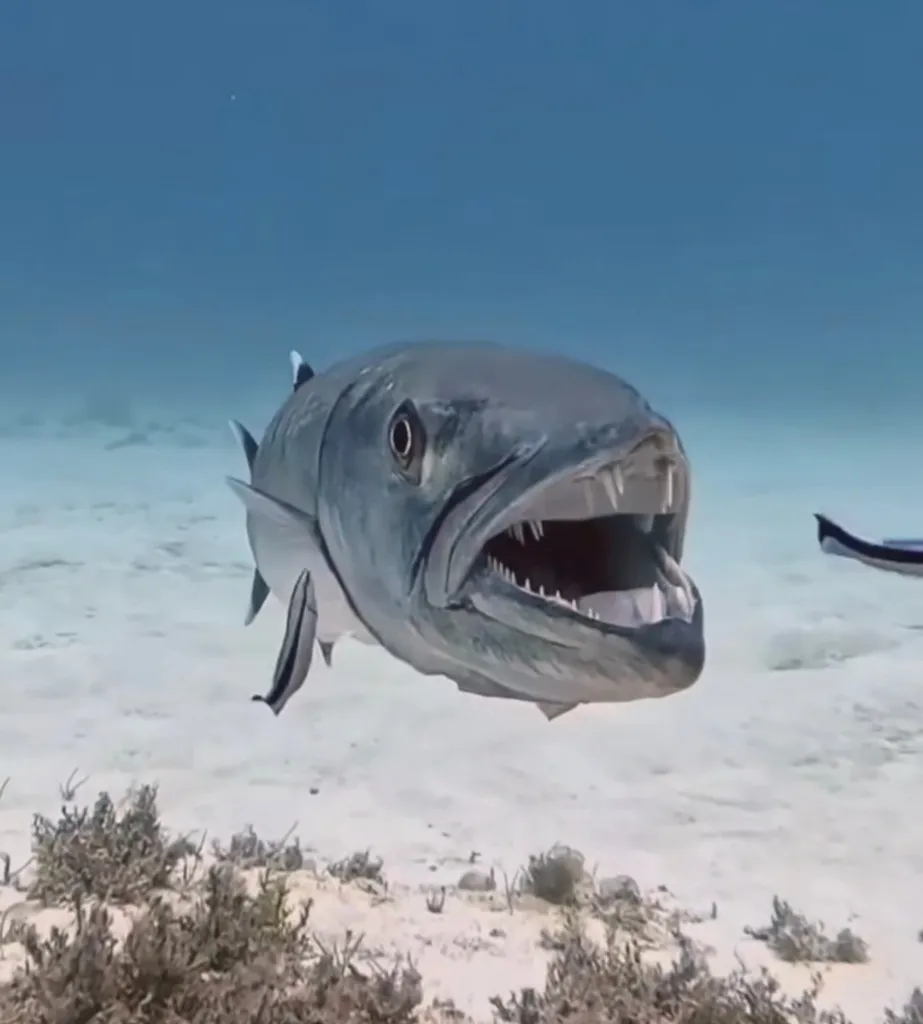
Around San Jose, particularly at Apo Reef, waters offer a captivating array of marine life for divers to observe. You're likely to encounter schools of barracuda and various reef sharks navigating the deeper walls.
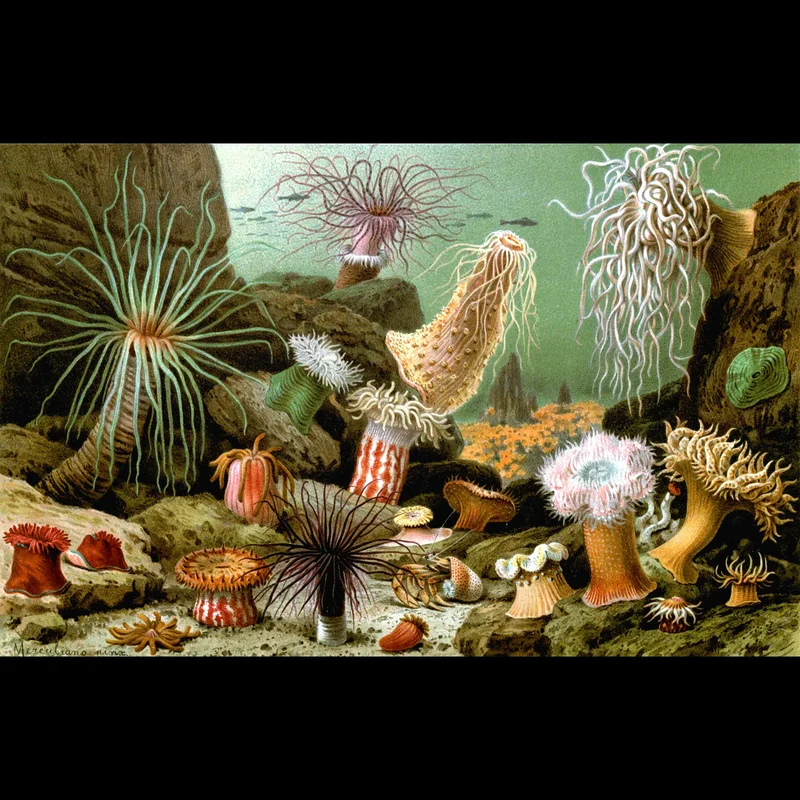
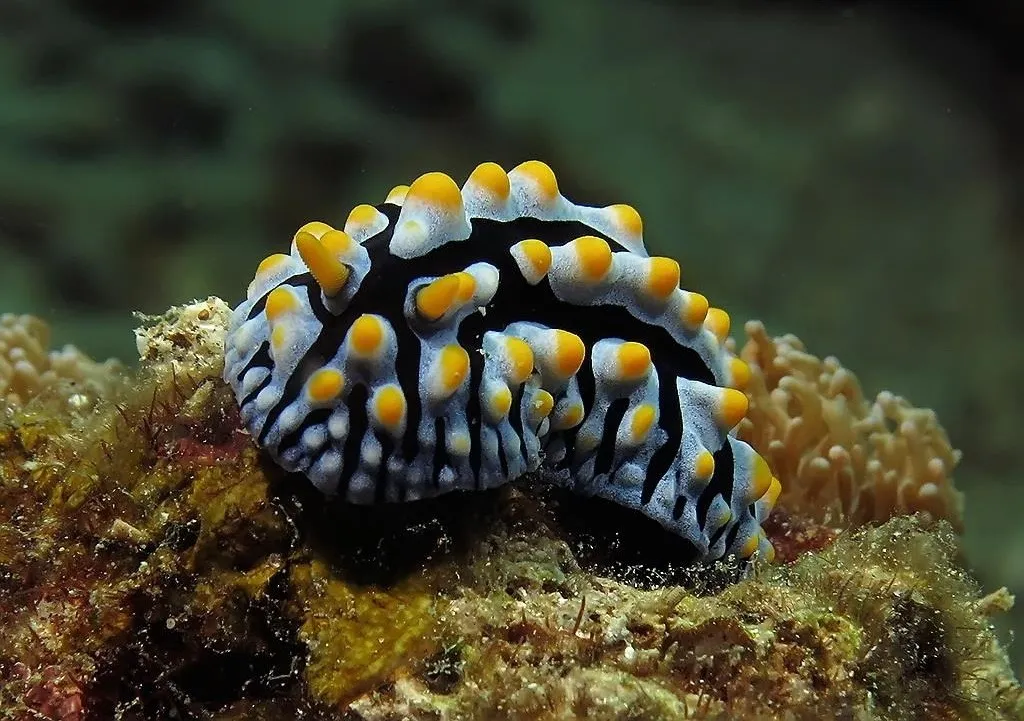
Closer inspection often reveals fascinating macro life: pygmy seahorses clinging to gorgonians, intricate skeleton shrimps, and colorful anemone shrimps. Keep an eye out for dragon sea moths, mantis shrimps, and the elusive Napoleon snake eels.
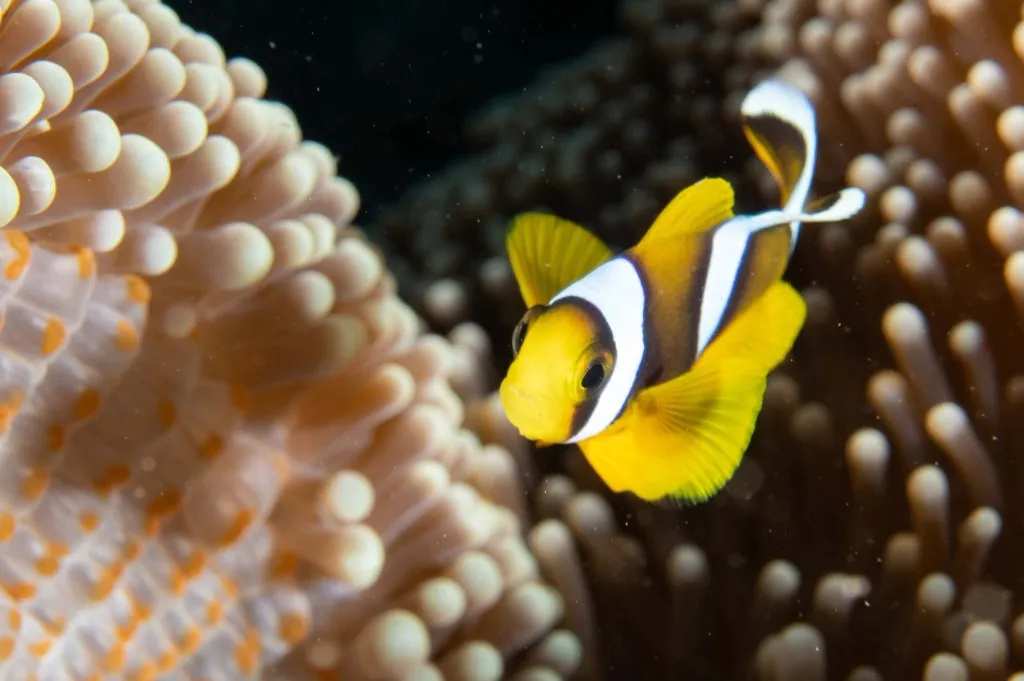
Nudibranchs in countless forms decorate the reef, and if you're fortunate, you might witness mating mandarin fish. Shallow areas, like those near San Jose in Samal Island, provide opportunities to see charming clownfish, trumpetfish, and the occasional seahorse amidst scattered coral patches.
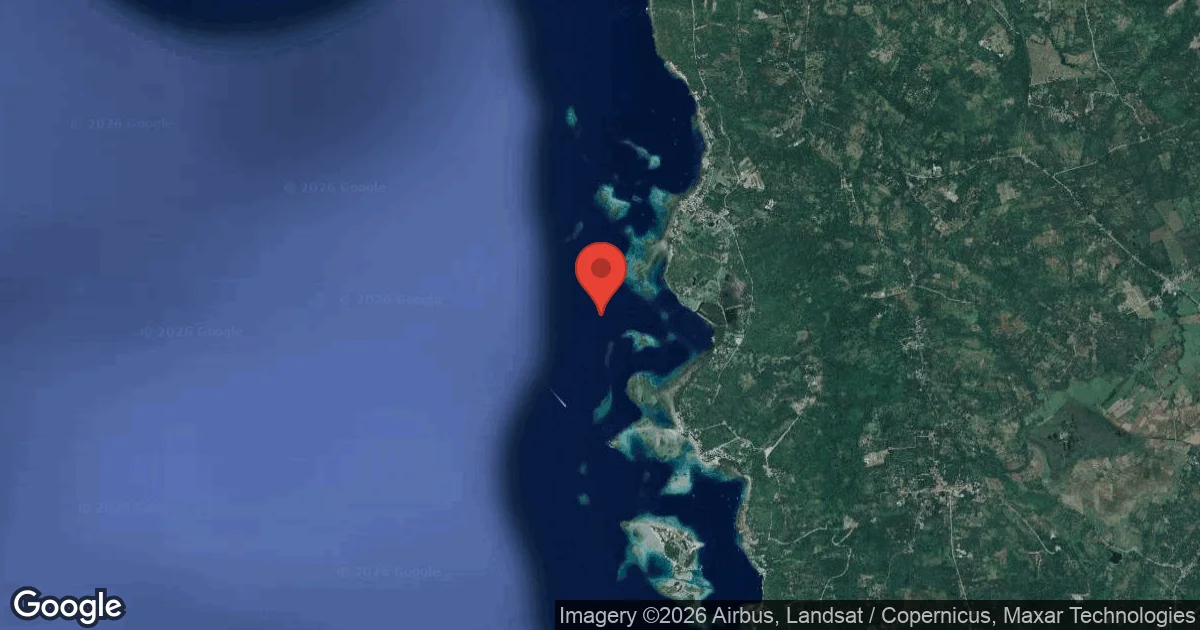
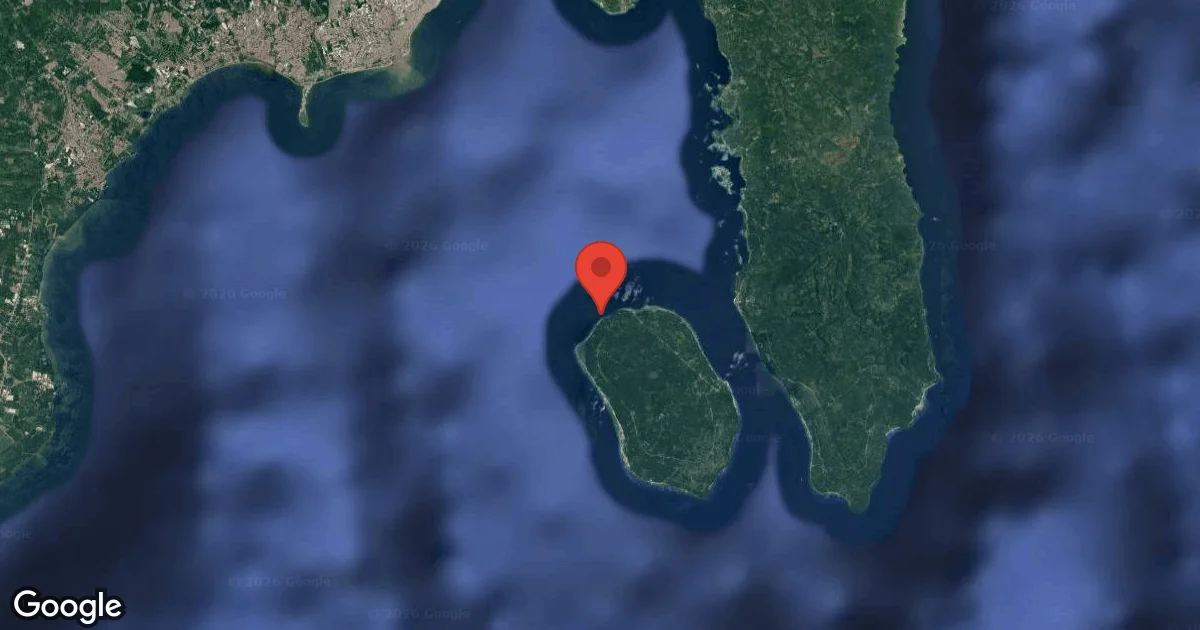
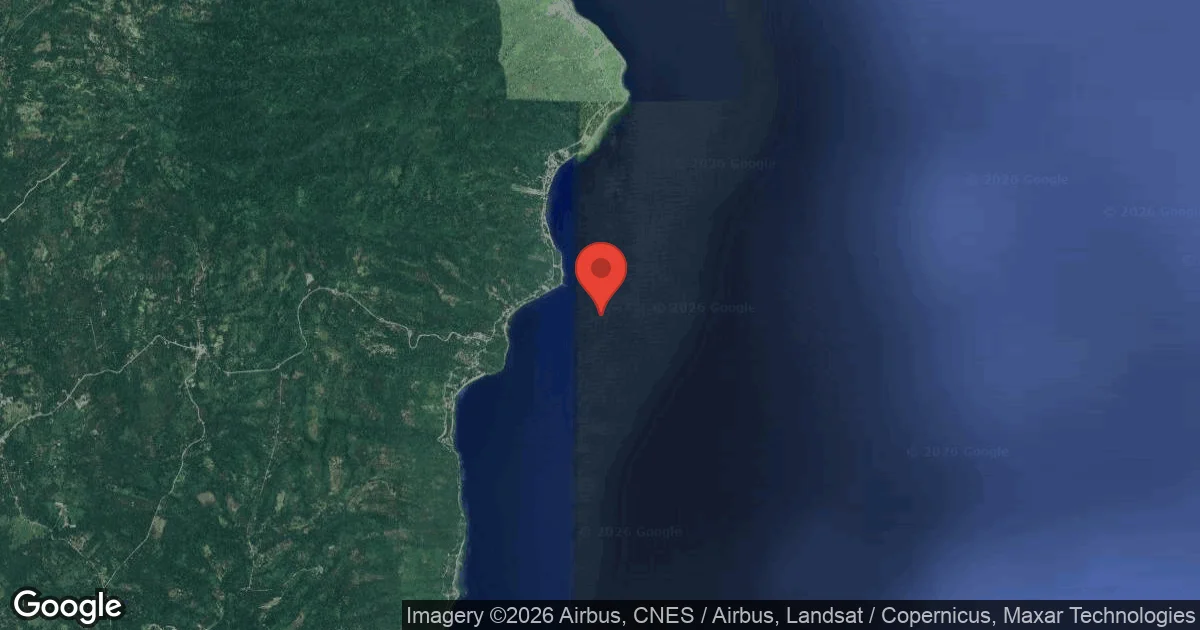
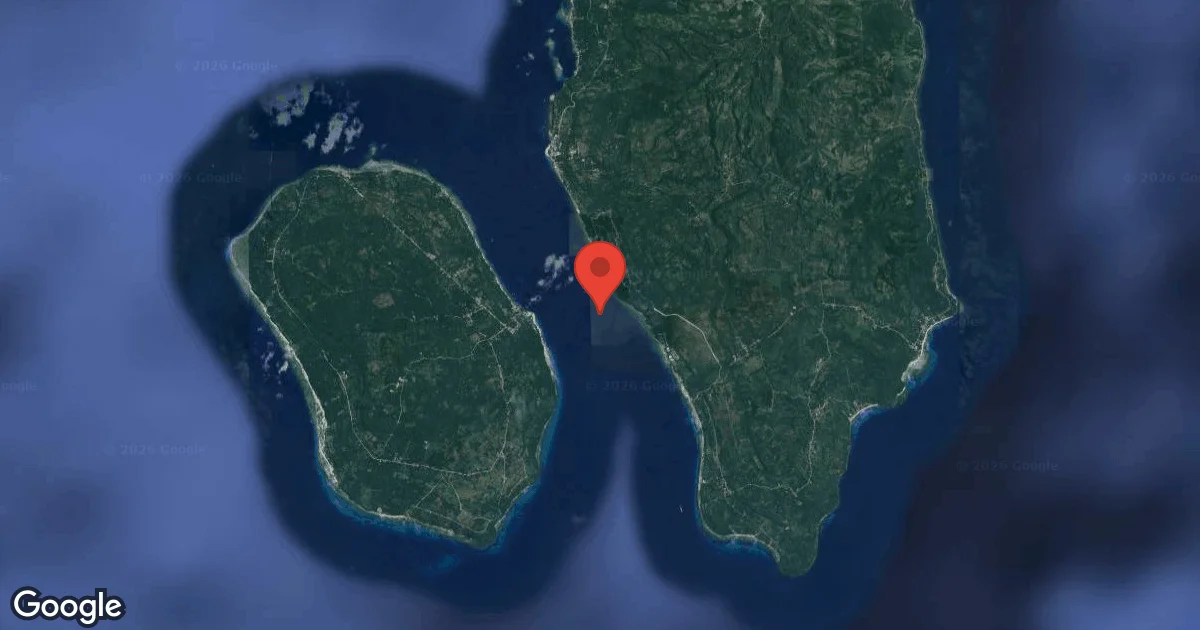
Dive Sites Near San Jose
View all dive sites in PhilippinesDiscover more underwater gems in this area.
Dive Centers Near San Jose
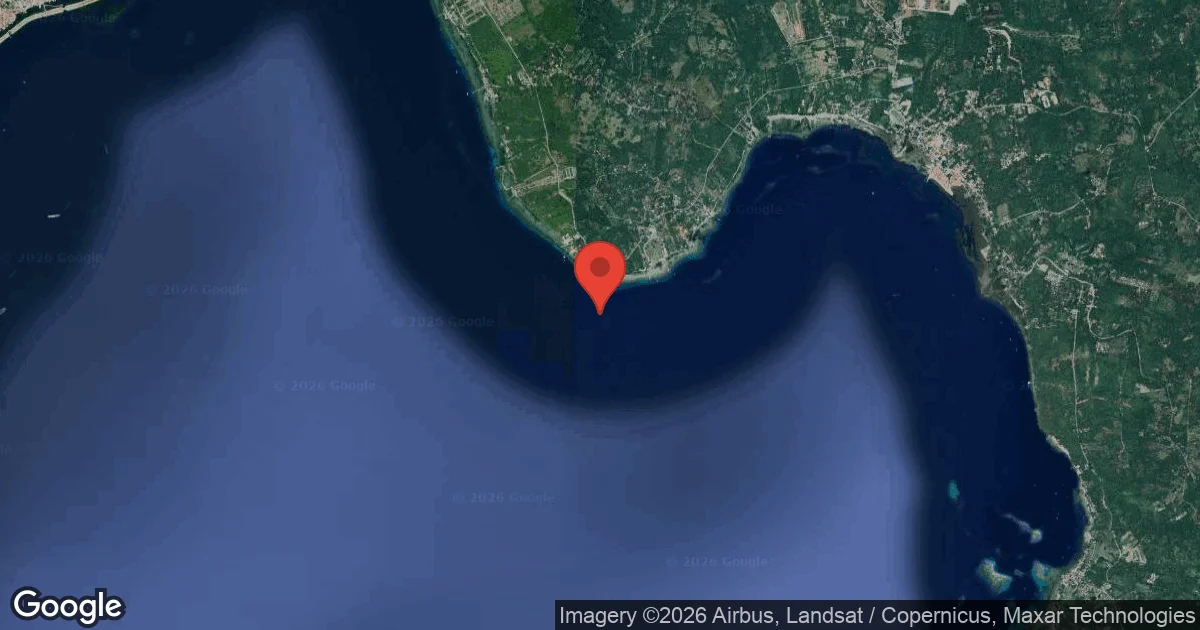
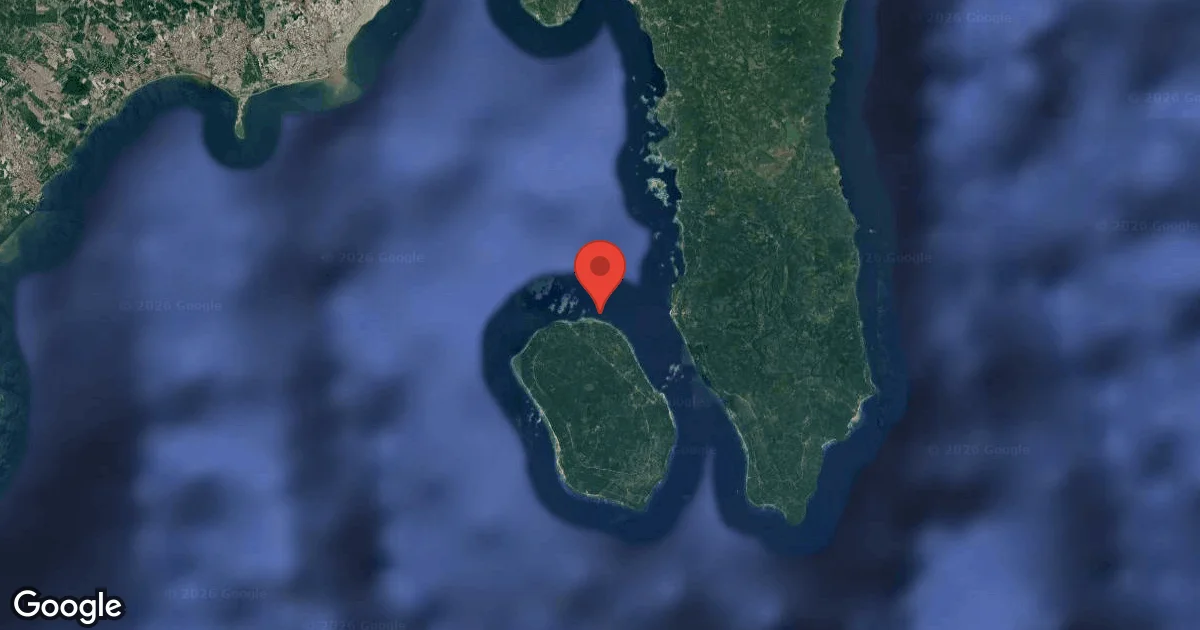
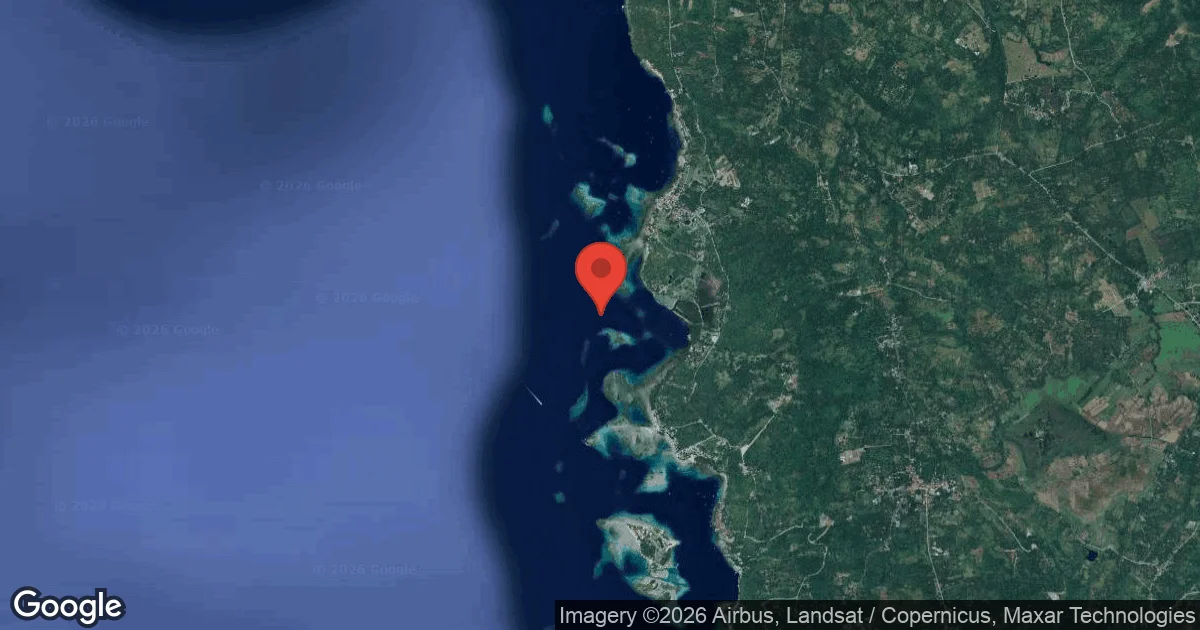
No Dive Centers Local To San Jose
Are you a dive center visiting this location? Get listed to reach divers.
Nearest Airports
Nearest airports to help plan travel to this dive area.
Search Flights
Check available flights and routes on Expedia, using the nearby airports listed in this section.
Search Flights on ExpediaFrequently Asked Questions
What is the primary dive attraction near San Jose?
The main dive attraction near San Jose, Occidental Mindoro, is Apo Reef Natural Park. It's the largest atoll in the Philippines and a protected coral reef system, offering over thirty diverse dive sites.
What are the typical water conditions for diving?
Water temperatures typically range from 26-30°C (79-86°F) year-round. Visibility at Apo Reef is often excellent, extending from 20-60 meters (65-200 ft), while shallower sites also provide clear conditions.
Is diving suitable for beginners in San Jose?
Yes, San Jose in Samal Island, Davao, offers a shallow dive site with a maximum depth of 15 m (50 ft) that is ideal for beginners and snorkelers. For more experienced divers, Apo Reef presents deeper and more varied challenges.
How do divers typically reach Apo Reef from San Jose?
Divers usually travel by boat to Apo Reef from San Jose, Occidental Mindoro. The journey takes approximately two and a half hours by standard dive boat, or around thirty minutes if a speedboat is used for day trips.
What kind of marine life can I expect to see?
You can anticipate seeing diverse marine life including schools of barracuda, reef sharks, turtles, and colorful reef fish. Macro life highlights include pygmy seahorses, nudibranchs, various shrimps, and potentially mating mandarin fish.
Are there non-diving activities available near San Jose?
Yes, beyond diving, guests often explore Baco National Park with its rivers and rugged terrain. Trips to Purnaga Cave, known for its stalactites, stalagmites, and bat populations, are also popular excursions from San Jose.
Planning to dive San Jose?
Send one inquiry and receive offers directly from the best verified local dive operators.
Conditions are Good
Optimal conditions expected
Current conditions near San Jose show 32° air, 30° sea temperature, 0.6 m waves, and 24 km/h wind. Forecast data is refreshed regularly to ensure accuracy.