
Diving at Pearl Farm Wrecks (Philippines)
Two Pearl Farm Wrecks offer a compelling contrast, transforming from wartime Japanese freighters into peaceful underwater havens. Historical vessels, now artificial reefs, present varying dive profiles. One allows for penetrations; another provides simpler exploration on its side. Divers will find a range of experiences, from deeper, more advanced exploration to shallower wreck viewing.
Tonight's objective overview for Pearl Farm Wrecks shows an air temperature of 26°C. The measured surface conditions include wave heights around 0.5 m. This environmental data is logged for the close of the day.
Dive Site Location & Key Facts
Dive Site Overview
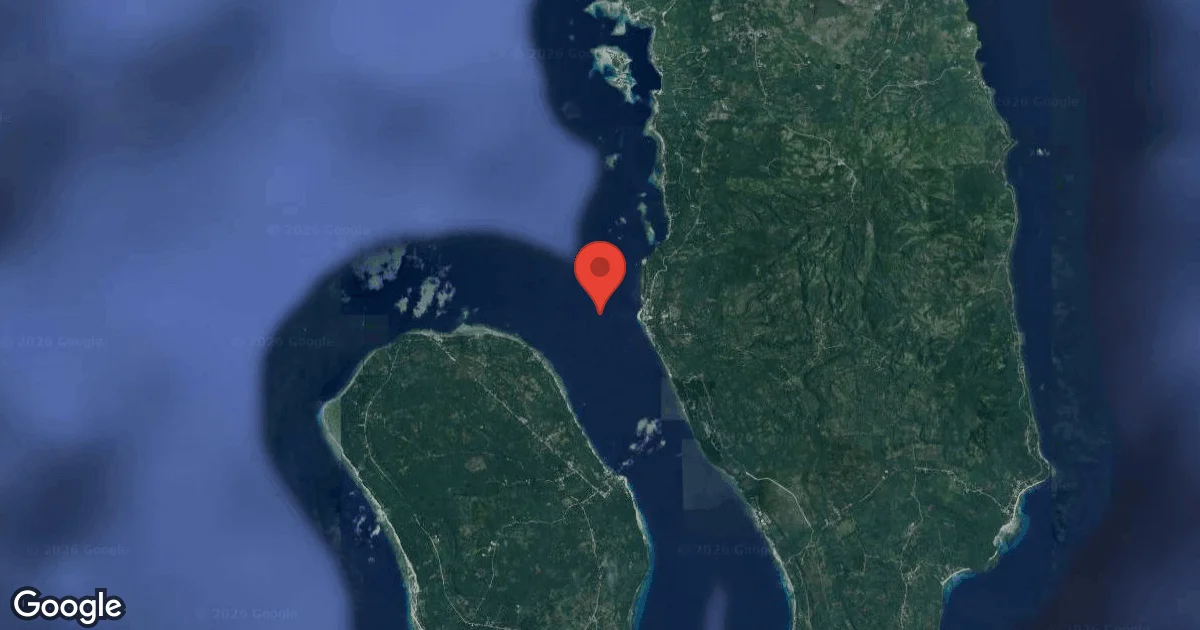
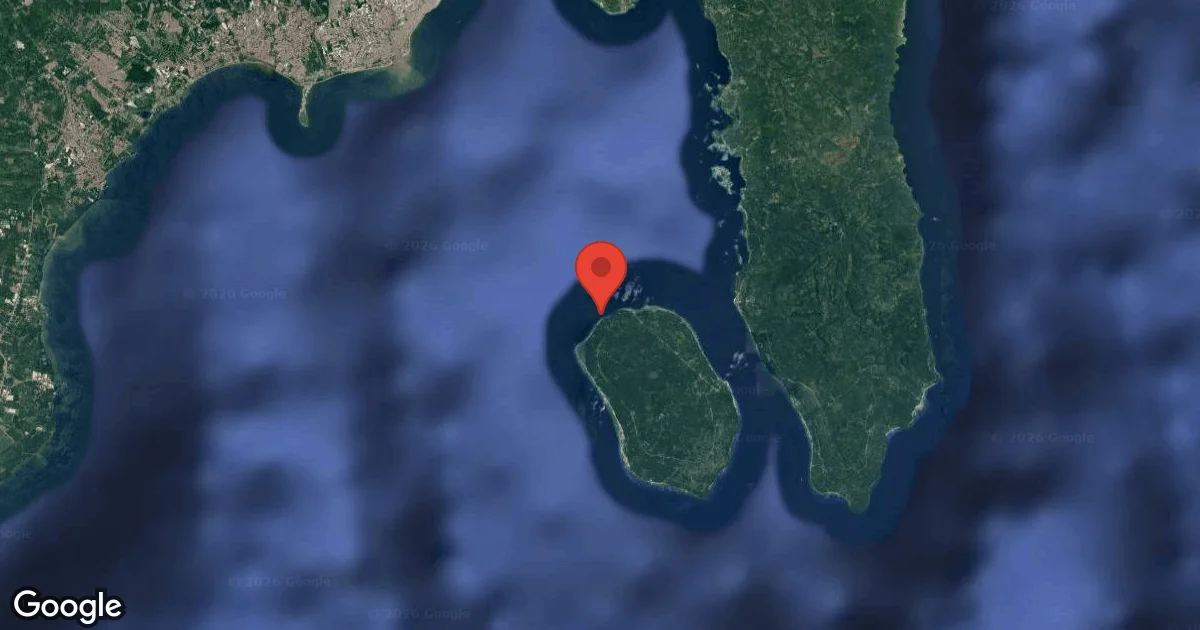
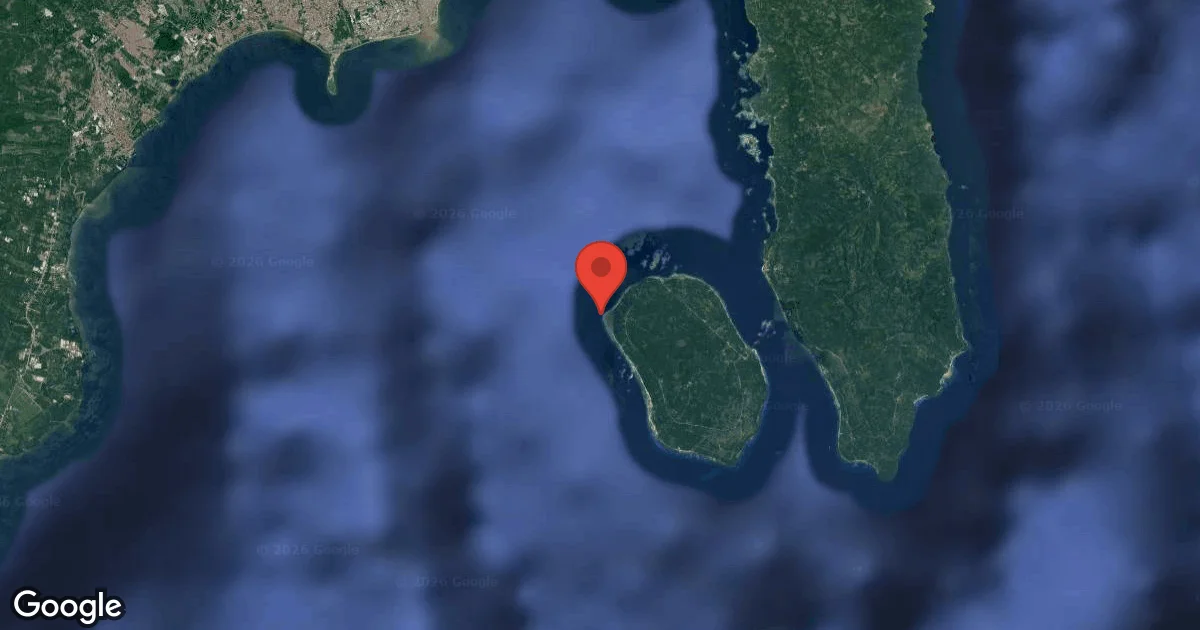
Off Samal Island in Davao, Mindanao, Pearl Farm Wrecks feature two compelling Japanese freighters from World War II. These vessels have settled onto a sandy seafloor, now serving as established artificial reefs.
A larger freighter typically sits at an average depth of 30 m (100 ft), extending to a maximum depth of 35 m (115 ft). Its significant mast offers a clear navigational landmark, rising within the shallower recreational depth range. This allows for accessible penetration by more experienced divers and is recognized for its photographic potential.
A second, slightly smaller Japanese freighter, approximately 35 meters in length, lies on its side in the sand at a max depth of 28 meters, with an average depth around 25 meters. While not offering the same penetration opportunities, it remains a fascinating site for exploration.
Divers reach both wrecks by boat, descending into waters where visibility can reach 20 m (66 ft), allowing for good views of their historical structures and resident marine life.
Conditions are Excellent
07:00 - 14:00
Optimal conditions expected
Current conditions near Pearl Farm Wrecks show 26° air, 29° sea temperature, 0.5 m waves, and 10 km/h wind. Forecast data is refreshed regularly to ensure accuracy.
Best Time to Dive
Optimal diving conditions at Pearl Farm Wrecks are typically experienced during the dry season, running from approximately November through May. In these months, a primary focus for divers often becomes excellent visibility, frequently reaching 20 meters and enhancing wreck exploration. Air temperatures remain consistently warm, averaging between 26.5°C and 27.5°C (79-82°F), ensuring comfort topside. Rainfall is minimal in this period, with monthly averages as low as 3.19 mm in March, contributing to clearer waters. Wave heights are generally calmer, often less than 0.2 meters, and winds are lighter, reducing surface chop. While dive scores are 'Excellent' across most of the year, these specific months offer the most stable conditions for underwater photography and deeper wreck dives. Transition months sometimes present slightly elevated rain or waves, yet still offer good diving.
PEAK SEASON SCORE
Scores combine air & water temps, waves, wind & rainfall for overall conditions.
BEST MONTHS TO DIVE
Monthly records compiled from satellite and marine observation nodes over the last 3 years. Data provided by Open-Meteo and MET Norway.
Dive Experience & Conditions
Navigating varying current dynamics defines dives at Pearl Farm Wrecks, with shifts depending on daily conditions. While often characterized by normally calm surface conditions, particularly around the first wreck, moderate currents can occasionally be present around both wrecks. Such dynamics necessitate attention to dive planning and awareness, especially when exploring deeper sections or considering penetration. Water temperature data isn't consistently reported, but generally, Philippine waters are warm year-round, typically within 27-29°C (81-84°F) for many dive sites. Visibility can be a highlight, frequently extending to 20 meters, which significantly aids in appreciating the wrecks' scale and detailing marine growth. Boat is the primary entry method, providing direct access to the dive sites and enhancing the overall experience by reducing surface travel over choppy waters.
Dive Difficulty & Safety Guidelines
A primary consideration for divers at Pearl Farm Wrecks is the possibility of encountering strong currents. Local knowledge is invaluable here; diving with a knowledgeable guide is highly recommended to manage potential hazards effectively. Understanding current patterns helps ensure a safe return to the boat and minimizes effort.
For those interested in exploring the interiors of the deeper Japanese freighter, a PADI Wreck Diver certification is advisable, as specific training is essential for safe penetration diving. A PADI Advanced Open Water Diver certification also provides valuable skills for navigating deeper environments and managing potential challenges at the site's maximum depths.
Always use a dive computer for accurate real-time data and plan your dives within no-decompression limits.
Recommended Equipment
Overhead / entanglement risk. Wreck penetration requires proper training.
- Dive Computer
- DSMB
- Primary & Backup Lights
- Wreck Reel
- Cutting Tool
This gear list is based on verified equipment signals for Pearl Farm Wrecks, Philippines. Always confirm final gear choices with your dive operator, guide, or liveaboard.
Recommended Dive Suit
Water temperatures at Pearl Farm Wrecks are currently estimated to be around 29°C (85°F), shaping the overall diving conditions for today. Surface air temperatures are resting at 26°C (78°F).
Dive skin or rash guard is generally considered suitable for water temperatures like this.
Forecast trends indicate similar diving conditions over the next few days.
Emergency & Medical Support
Essential information to help you plan your dive trip to Pearl Farm Wrecks.

Hyperbaric chambers are a critical part of dive safety infrastructure. Availability varies significantly by region, and not all dive areas have immediate access.
Before diving, it's recommended to:
- confirm nearest medical facilities
- check emergency procedures with local dive operators
- ensure dive insurance covers evacuation if required
Divers Alert Network
Diving emergency assistance available through DAN World.
+1-919-684-9111- 24/7 emergency hotline
- Diving medical assistance
- Evacuation coordination
Emergency contacts are provided for reference. Always verify local emergency services before diving.
Marine Life at Pearl Farm Wrecks
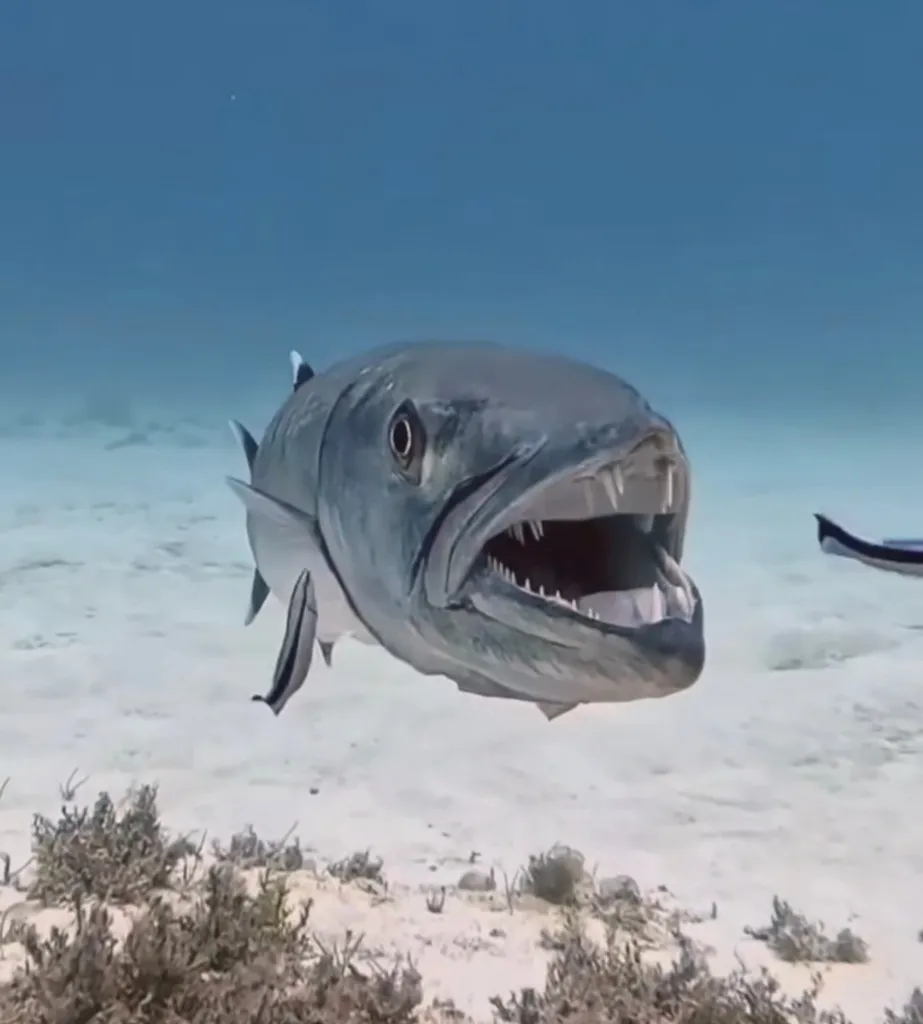
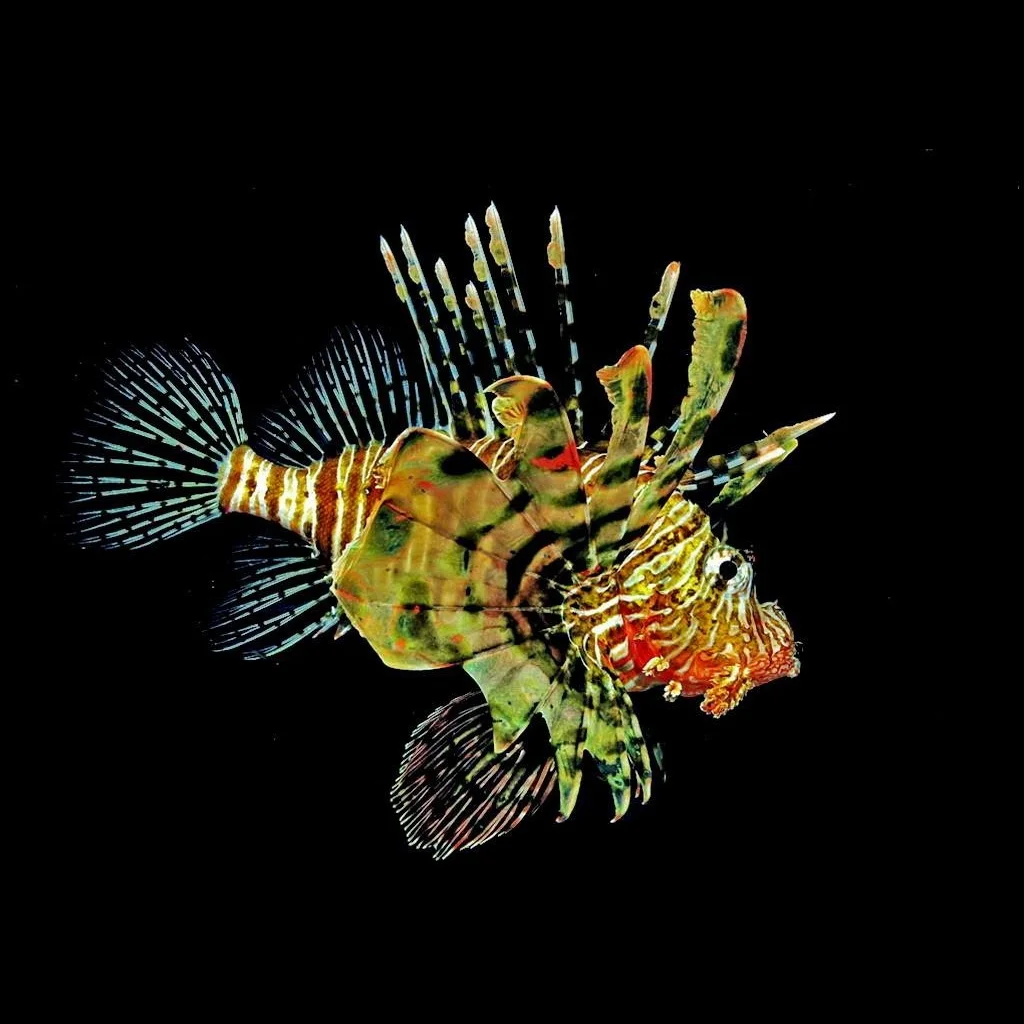
Upon descending, divers often first notice substantial barracuda populations schooling around wreck structures, their sleek forms patrolling the perimeter. Lionfish are also a common sight, camouflaged against the encrusted metalwork, adding a vibrant yet cautious presence.
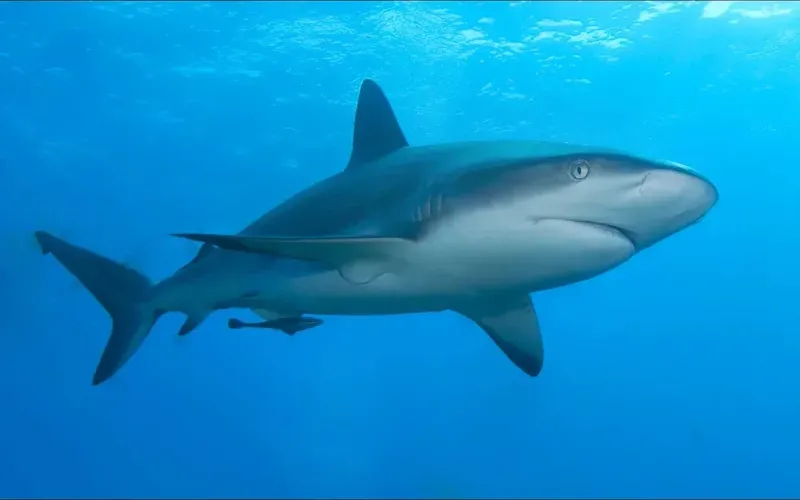
Occasionally, reef sharks can be spotted cruising in deeper sections or patrolling open water nearby, adding an exciting element to the dive. Wrecks themselves act as significant artificial reefs, attracting a range of smaller reef fish and invertebrates that find shelter and sustenance amidst the historical steel.
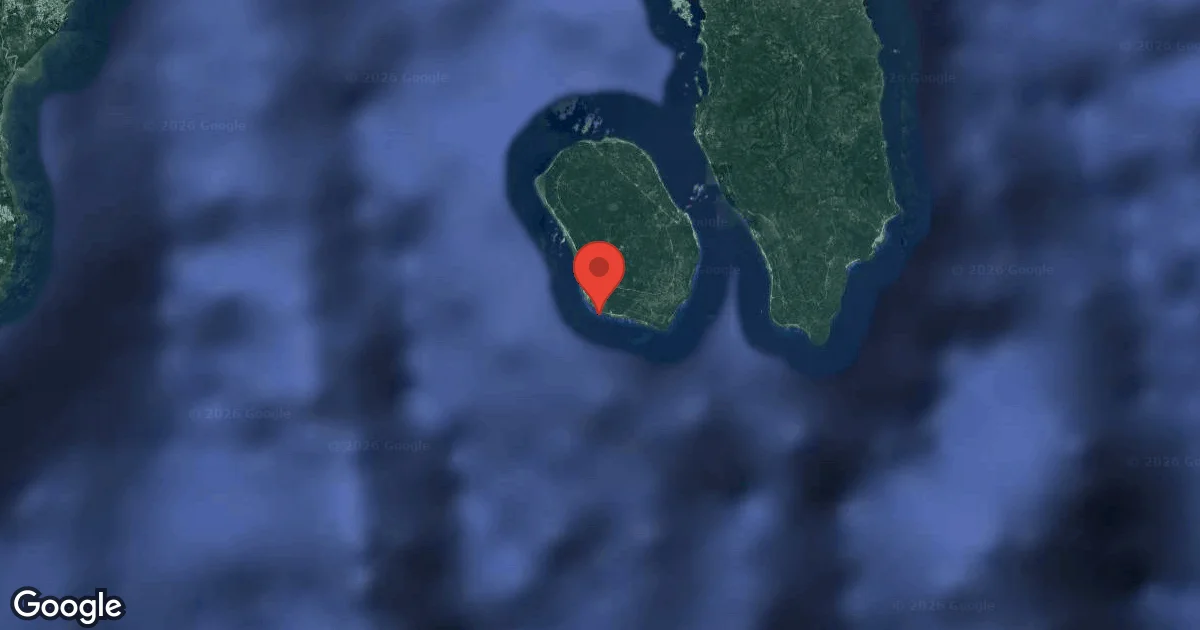
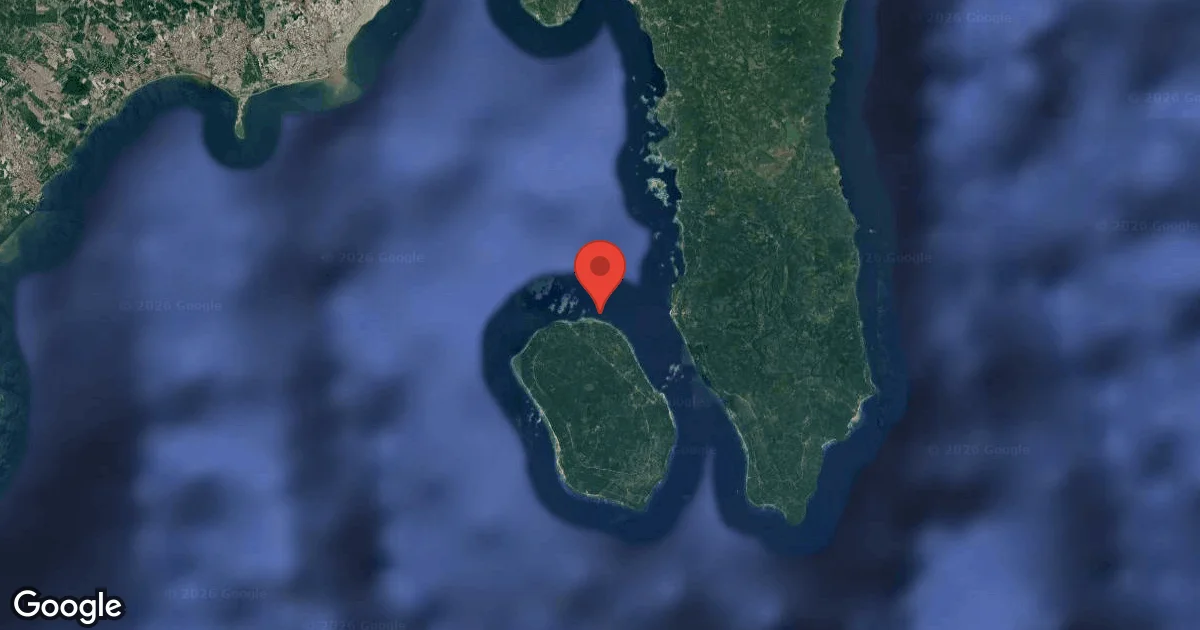
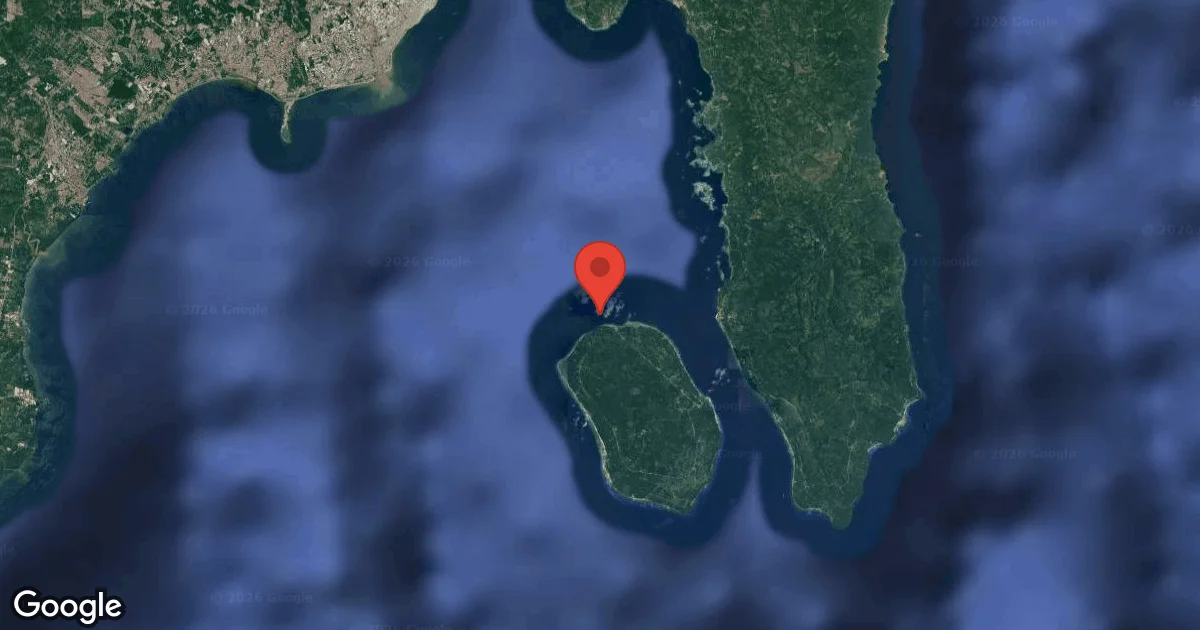
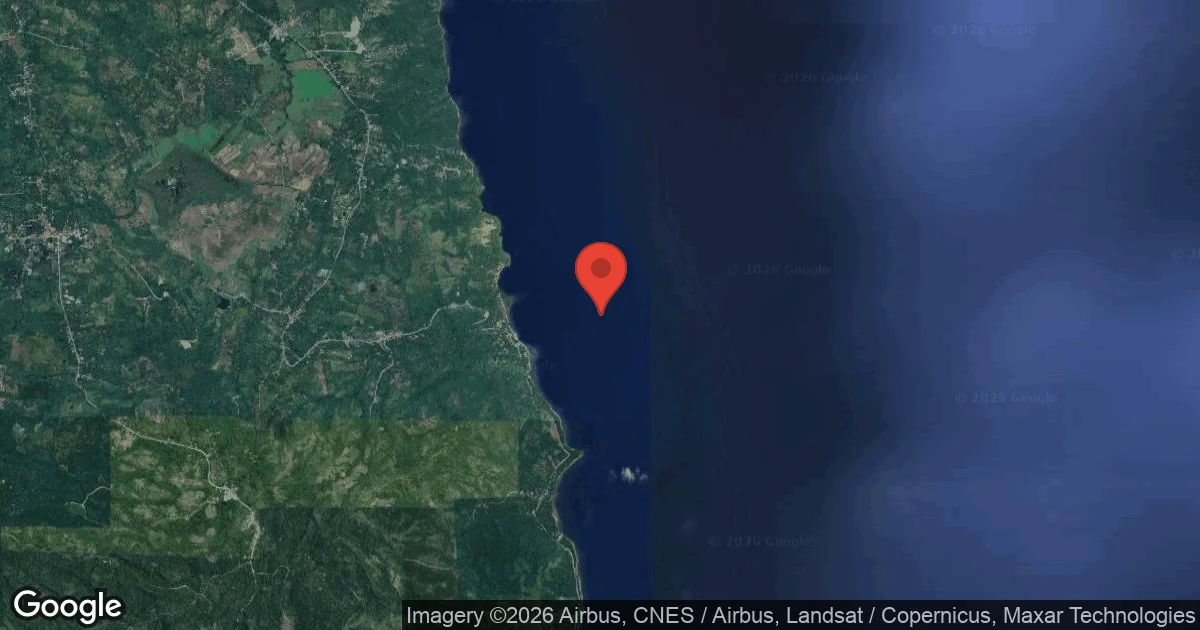
Dive Sites Near Pearl Farm Wrecks
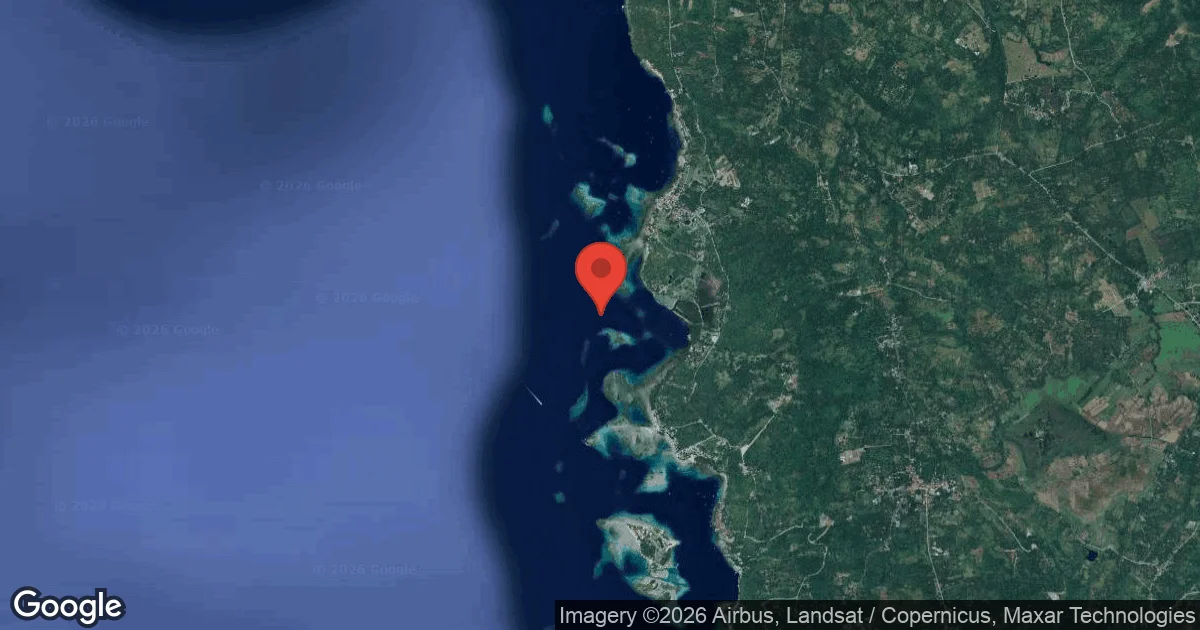
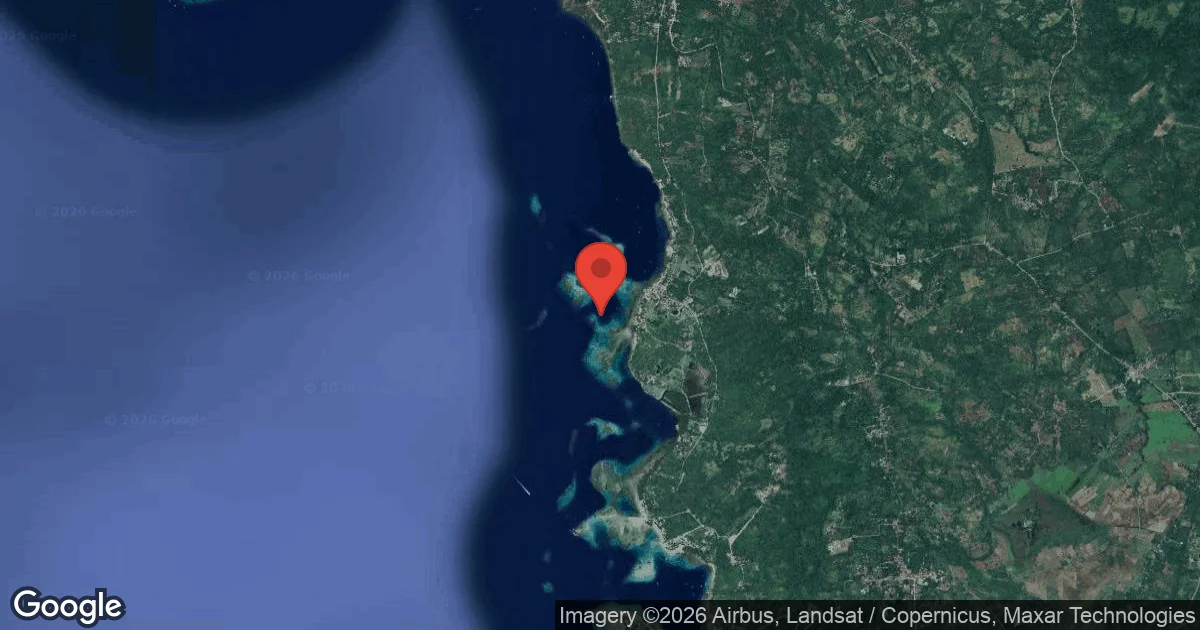
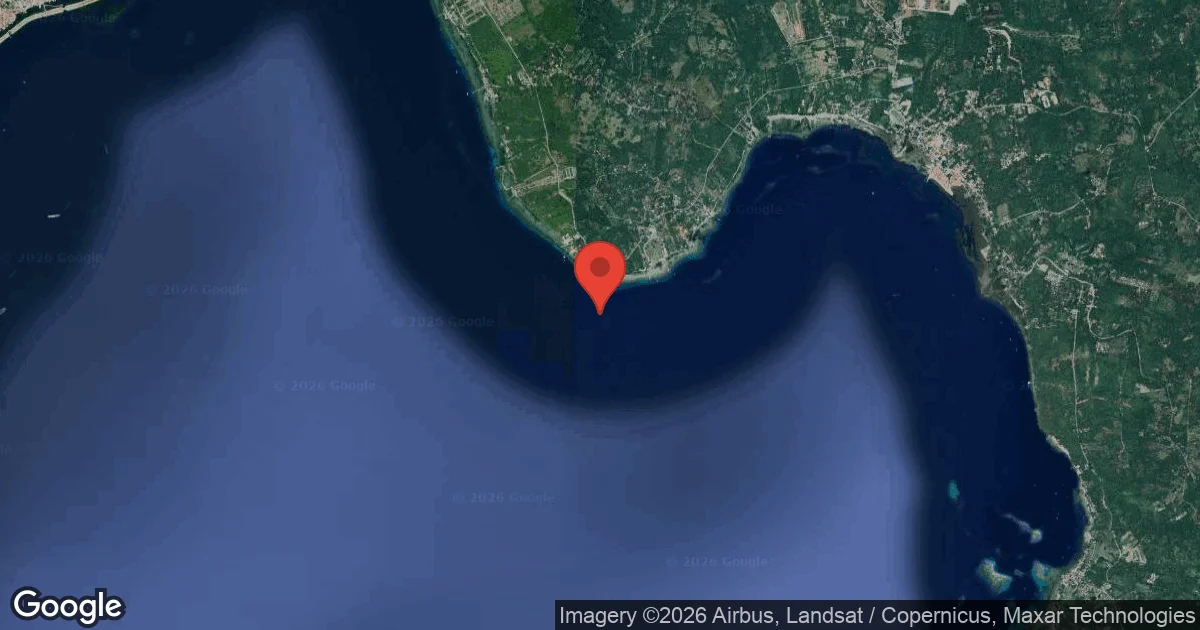
View all dive sites in PhilippinesDiscover more underwater gems in this area.
Dive Centers Near Pearl Farm Wrecks
No Dive Centers Local To Pearl Farm Wrecks
Are you a dive center visiting this location? Get listed to reach divers.
Nearest Airports
Nearest airports to help plan travel to this dive area.
Search Flights
Check available flights and routes on Expedia, using the nearby airports listed in this section.
Search Flights on ExpediaFrequently Asked Questions
What types of wrecks are at Pearl Farm?
Two distinct Japanese freighters from World War II rest on the sandy seabed. Both now serve as artificial reefs.
What's the maximum depth for diving these wrecks?
One wreck reaches approximately 35 m (115 ft). A shallower one sits around 28 meters.
Is penetration diving possible at the site?
Yes, for experienced divers, the larger freighter offers opportunities for careful penetration. Specific wreck diving training, such as a PADI Wreck Diver certification, is essential for safety.
What's the typical visibility at the site?
Visibility can frequently reach 20 meters, providing clear views of the historical structures and inhabiting marine life.
Are strong currents a concern at Pearl Farm Wrecks?
Conditions can include strong currents, though calm periods are common. Diving with a local, knowledgeable guide is highly recommended to manage potential hazards effectively.
What marine life can I expect to see around the wrecks?
Common sightings include barracudas schooling around the structures and lionfish camouflaged on the wrecks. Occasionally, reef sharks can be spotted in deeper sections.
What dive certifications are recommended for these dives?
A PADI Advanced Open Water Diver certification is beneficial for navigating deeper environments. For wreck penetration, a PADI Wreck Diver certification is strongly advised.
Planning to dive Pearl Farm Wrecks?
Send one inquiry and receive offers directly from the best verified local dive operators.
Conditions are Excellent
07:00 - 14:00
Optimal conditions expected
Current conditions near Pearl Farm Wrecks show 26° air, 29° sea temperature, 0.5 m waves, and 10 km/h wind. Forecast data is refreshed regularly to ensure accuracy.